---
title: 【Living on the Chiyoda Line in Minato Ward】Rent for ¥110k–¥140k in Akasaka, Nogizaka & Omotesando! Pro Apartment Hunting Guide for Vintage Renovated & Hidden 1K Gems | Sorai Tokyo | Sorai Tokyo
description: A complete guide to finding rental apartments in Akasaka, Nogizaka, and Omotesando for ¥110,000–¥140,000/month. Discover how to uncover high-value vintage renovated 1K gems along the Chiyoda Line in Minato and Shibuya wards, reduce initial move-in costs, and navigate tenant screening with tips from
image: https://soraitokyo.jp/hubfs/blog-eyecatches/batch3_realistic_genkan.jpg
---
[ SORAI TOKYO](https://soraitokyo.jp/en/)
- [Home](https://soraitokyo.jp/en/)
- [SorAi Suite](https://soraitokyo.jp/en/quote)
[SorAi Initial Cost Simulator Instant breakdown of move-in costs](https://soraitokyo.jp/en/quote) [SorAi Inspection Report Objective property & hazard diagnosis](https://soraitokyo.jp/en/inspection) [SorAi Request AI-powered rental home recommendations](https://soraitokyo.jp/en/request) [SorAi Phone Consultation 24/7 AI voice response (03-6161-8484)](tel:0361618484)
- [Property Search](https://soraitokyo.jp/en/properties/plegio-kitaayase-asian)
[Featured New (Plegio Kita-Ayase) 2 min from Chiyoda Line starting station](https://soraitokyo.jp/en/properties/plegio-kitaayase-asian) [Furnished Monthly Apartments Short-term rentals for business & temporary stays](https://soraitokyo.jp/en/short-term-rental) [Online Licensed Agent Consultation Camera-off OK • 30–45 min neutral advice](https://soraitokyo.jp/en/consultation) [Client & Resident My Page Check application status & saved documents](https://resident.soraitokyo.jp)
- [Area Guides & Journal](https://soraitokyo.jp/en/area-guide-chiyoda-line)
[Chiyoda Line Living Guide Direct access to Otemachi & Omotesando](https://soraitokyo.jp/en/area-guide-chiyoda-line) [Sorai Journal Expert rental advice & Tokyo insights](https://soraitokyo.jp/en/blog)
- [About Sorai Tokyo](https://soraitokyo.jp/en/about-us)
[Company & Leadership Our story, mission & commitment to trust](https://soraitokyo.jp/en/about-us) [Client Testimonials Real tenant experiences & proven track record](https://soraitokyo.jp/en/testimonials) [FAQs Clear answers on leasing, guarantors & visas](https://soraitokyo.jp/en/faqs) [Privacy & Security Zero paper, zero AI training & encrypted safety](https://soraitokyo.jp/en/security)
EN
[JP 日本語](https://soraitokyo.jp/ja/blog/akasaka-nogizaka-omotesando-renovation-rentals?hsLang=ja) [EN English](https://soraitokyo.jp/en/blog/akasaka-nogizaka-omotesando-renovation-rentals?hsLang=en) [VN Tiếng Việt](https://soraitokyo.jp/vi/blog/akasaka-nogizaka-omotesando-renovation-rentals?hsLang=vi) [RU Русский](https://soraitokyo.jp/ru/blog/akasaka-nogizaka-omotesando-renovation-rentals?hsLang=ru) [ID Indonesia](https://soraitokyo.jp/id/blog/akasaka-nogizaka-omotesando-renovation-rentals?hsLang=id)
EN
[JP 日本語](https://soraitokyo.jp/ja/blog/akasaka-nogizaka-omotesando-renovation-rentals?hsLang=ja) [EN English](https://soraitokyo.jp/en/blog/akasaka-nogizaka-omotesando-renovation-rentals?hsLang=en) [VN Tiếng Việt](https://soraitokyo.jp/vi/blog/akasaka-nogizaka-omotesando-renovation-rentals?hsLang=vi) [RU Русский](https://soraitokyo.jp/ru/blog/akasaka-nogizaka-omotesando-renovation-rentals?hsLang=ru) [ID Indonesia](https://soraitokyo.jp/id/blog/akasaka-nogizaka-omotesando-renovation-rentals?hsLang=id)
[Online Consultation](https://soraitokyo.jp/en/consultation) [Contact](https://soraitokyo.jp/en/contact)
SORAI TOKYO Real Estate & Living
[Cost Simulator Instant Fee Breakdown](https://soraitokyo.jp/en/quote) [Area Guide 20 Stations & Living](https://soraitokyo.jp/en/area-guide-chiyoda-line) [About Us Stance & Commitments](https://soraitokyo.jp/en/about-us) [Contact Us Viewing & Booking](https://soraitokyo.jp/en/contact)
SorAi Suite
- [SorAi Initial Cost Simulator Instant Breakdown](https://soraitokyo.jp/en/quote)
- [SorAi Inspection Report Property & Hazard](https://soraitokyo.jp/en/inspection)
- [SorAi Request AI Matcher](https://soraitokyo.jp/en/request)
- [SorAi Phone Consultation 03-6161-8484](tel:0361618484)
Property Search
- [Featured Property: Plegio Kita-Ayase 2 min walk](https://soraitokyo.jp/en/properties/plegio-kitaayase-asian)
- [Furnished Monthly Apartments Short-Term Rentals](https://soraitokyo.jp/en/short-term-rental)
Area Guides & Journal
- [Chiyoda Line Guide Direct Access to Central Tokyo](https://soraitokyo.jp/en/area-guide-chiyoda-line)
- [Sorai Journal & Insights Expert Advice](https://soraitokyo.jp/en/blog)
About Sorai Tokyo
- [Home](https://soraitokyo.jp/en/)
- [Company Profile Story & Trust](https://soraitokyo.jp/en/about-us)
- [Customer Reviews Real Voice](https://soraitokyo.jp/en/testimonials)
- [Frequently Asked Questions Answers](https://soraitokyo.jp/en/faqs)
- [Privacy & Security Zero Paper & AI Training](https://soraitokyo.jp/en/security)
Consultation & Contact
- [Online Consultation Video call](https://soraitokyo.jp/en/consultation)
- [Contact Form Inquiry](https://soraitokyo.jp/en/contact)
- [Official LINE Consultation URL intake](https://page.line.me/soraitokyo)
Language / 言語
[JP 日本語](https://soraitokyo.jp/ja/blog/akasaka-nogizaka-omotesando-renovation-rentals?hsLang=ja) [EN English](https://soraitokyo.jp/en/blog/akasaka-nogizaka-omotesando-renovation-rentals?hsLang=en) [VN Tiếng Việt](https://soraitokyo.jp/vi/blog/akasaka-nogizaka-omotesando-renovation-rentals?hsLang=vi) [RU Русский](https://soraitokyo.jp/ru/blog/akasaka-nogizaka-omotesando-renovation-rentals?hsLang=ru) [ID Indonesia](https://soraitokyo.jp/id/blog/akasaka-nogizaka-omotesando-renovation-rentals?hsLang=id)
Hours: 10:00 AM - 6:00 PM
Closed: Tuesday & Wednesday
[LINE](https://page.line.me/soraitokyo) [Facebook](https://www.facebook.com/1168140463045963) [Map](https://maps.google.com/?q=%E3%82%BD%E3%83%A9%E3%82%A4%E6%9D%B1%E4%BA%AC)
株式会社ソライ東京 | 宅地建物取引業者 東京都知事免許
[Home](https://soraitokyo.jp/en/) [Area](https://soraitokyo.jp/en/area-guide-chiyoda-line)
Tools
TOC
[LINE](https://page.line.me/soraitokyo?oat_content=url&openQrModal=true&utm_source=soraitokyo_website&utm_medium=bottom_nav&utm_campaign=mobile_bottom)
Select Language
×
[JP 日本語](https://soraitokyo.jp/ja/blog/akasaka-nogizaka-omotesando-renovation-rentals?hsLang=ja) [EN English](https://soraitokyo.jp/en/blog/akasaka-nogizaka-omotesando-renovation-rentals?hsLang=en) [VN Tiếng Việt](https://soraitokyo.jp/vi/blog/akasaka-nogizaka-omotesando-renovation-rentals?hsLang=vi) [RU Русский](https://soraitokyo.jp/ru/blog/akasaka-nogizaka-omotesando-renovation-rentals?hsLang=ru) [ID Indonesia](https://soraitokyo.jp/id/blog/akasaka-nogizaka-omotesando-renovation-rentals?hsLang=id)
SorAi Tools
×
[Initial Cost Simulator Agent Verified / Free 10-second automatic cost estimation from portal URLs or manual input](https://soraitokyo.jp/en/quote) [SorAi Inspection Report Objective Audit Upload floor plan to objectively diagnose earthquake resistance, structure & fair rent](https://soraitokyo.jp/en/inspection) [SorAi Room Hunting Request 100% Online / No Calls Zero unwanted sales calls. Simply send your ideal conditions and relax](https://soraitokyo.jp/en/request)
SORAI SUITE
[SorAi Cost Simulator](https://soraitokyo.jp/en/quote) [SorAi Inspection Report](https://soraitokyo.jp/en/inspection) [SorAi Request](https://soraitokyo.jp/en/request) [Online Consultation](https://soraitokyo.jp/en/consultation) [SorAi Phone Call](tel:0361618484)
MENU
[Area Guide](https://soraitokyo.jp/en/area-guide-chiyoda-line) [Journal](https://soraitokyo.jp/en/blog) [About Us](https://soraitokyo.jp/en/about-us) [Contact](https://soraitokyo.jp/en/contact)
[Free LINE Consultation](https://page.line.me/soraitokyo?oat_content=url&openQrModal=true&utm_source=soraitokyo_website&utm_medium=left_sidebar&utm_campaign=persistent_rail)
1. [Home](https://soraitokyo.jp/en/)
2. /
3. [Area Guide](https://soraitokyo.jp/en/area-guide-chiyoda-line)
4. /
5. 【Living on the Chiyoda Line in Minato Ward】Rent for ¥110k–¥140k in Akasaka, Nogizaka & Omotesando! Pro Apartment Hunting Guide for Vintage Renovated & Hidden 1K Gems | Sorai Tokyo
Area & Station Guide
[Back to Area Guide](https://soraitokyo.jp/en/area-guide-chiyoda-line)
# 【Living on the Chiyoda Line in Minato Ward】Rent for ¥110k–¥140k in Akasaka, Nogizaka & Omotesando! Pro Apartment Hunting Guide for Vintage Renovated & Hidden 1K Gems | Sorai Tokyo
Published: Aug 31, 2026 Updated: Oct 8, 2026 [Sorai Tokyo Editorial (Licensed Agent)](https://soraitokyo.jp/en/about-us)
 SORAI TOKYO | Chat with AI "SorAi" Anytime on LINE
## Exploring Tokyo Neighborhoods or Apartments? Ask Our AI "SorAi" Anytime on LINE
No property URL needed yet. From area safety, commute tips, and rent trends to instant initial-cost audits for listings you found—chat with SorAi 24/7 on LINE with zero sales calls.
[Chat with AI "SorAi" on LINE (Free) 24/7 Instant / Most Popular Ask about areas, rent, vacancy, or upfront fees anytime →](https://lin.ee/VE8fd8b?utm_source=soraitokyo_blog&utm_medium=cta&utm_campaign=fv_cta&utm_content=line) [SorAi Property Report Web Audit Already have a URL or floor plan? Check fair value ↗](https://inspection.soraitokyo.jp/?ref=blog_top_cta) [SorAi Housing Needs Organize your budget & preferred stations online →](https://soraitokyo.jp/en/request?ref=blog_top_cta&hsLang=en) [SorAi Move-in Estimator Quickly estimate standard upfront costs from rent →](https://soraitokyo.jp/en/quote?ref=blog_top_cta&hsLang=en)
※ Consultations are 100% free. No phone number required, zero pushy calls—everything is completed smoothly on LINE.
Table of Contents
Table of Contents
Collapse
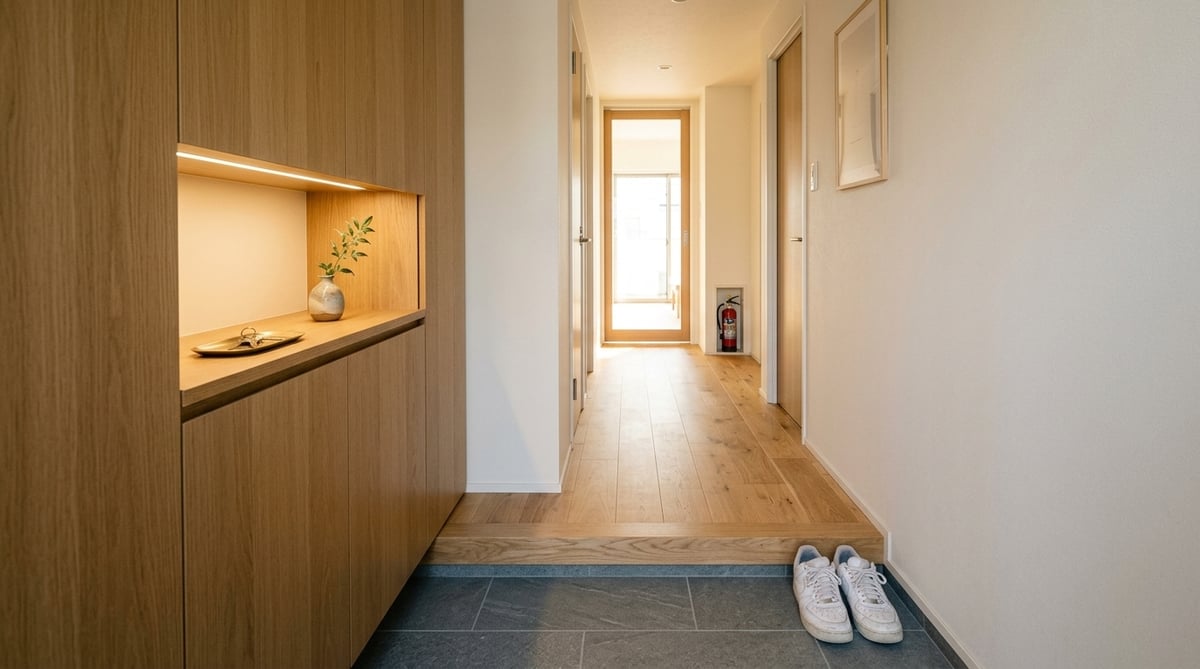
Minato Ward Rental Editorial | Practical Supervision by Licensed Real Estate Specialists
In prime central Minato neighborhoods where modern studio residences consistently command upwards of ¥150,000 to ¥200,000 per month, tastefully renovated vintage residences built 30 to 45 years ago present an elegant, highly pragmatic path to refined metropolitan living. From the perspective of licensed real estate specialists, we examine the distinctive charm of vintage residences across Akasaka, Nogizaka, and Omotesando along the Chiyoda Line, how to verify post-1981 seismic resilience and updated internal piping, and the realities of daily life amidst the area's captivating topography.
30-Second Key Takeaways & SummarySorAi Summary
- A complete guide to finding rental apartments in Akasaka, Nogizaka, and Omotesando for ¥110,000–¥140,000/month.
- Discover how to uncover high-value vintage renovated 1K gems along the Chiyoda Line in Minato and Shibuya wards, reduce initial move-in costs, and navigate tenant screening with tips from.
- Key contract clauses and onsite inspection tips based on 'Frequently Asked Questions About Finding Renovated Residences Along the Minato Ward Chiyoda Line'.
## A Realistic Path to Living in Minato Ward for ¥110,000 to ¥140,000 per Month
At the cultural and commercial nexus of central Tokyo, areas such as Akasaka and Minamiaoyama in Minato Ward—alongside neighbouring Jingumae and Omotesando in Shibuya Ward—remain an aspirational address for many discerning solo residents. However, searching standard rental portals for newly built or recently constructed studio apartments (1K) within a ten-minute walk of a station quickly reveals asking rents ranging from ¥160,000 to well over ¥200,000, presenting a substantial financial hurdle relative to disposable income. By shifting one's perspective to look at building vintage and the quality of interior revitalization, residing in the true heart of the capital becomes an attainable, sophisticated reality.
165–210k JPY
Average Rent for New/Modern 1K (Within 10 Min Walk)
Akasaka & Minamiaoyama Areas, Minato Ward
110–145k JPY
Average Rent for Renovated 1K (Vintage 30–45 Yrs)
Modernized Wet Areas • 20–25 sq.m
Transit Time to Major Central Business Hubs
5–15mins
Direct Chiyoda Line (Otemachi, Kasumigaseki)
Annual Rent Savings (vs. Modern Construction)
~600–800k JPY less
Balancing Elevated Living with Sound Wealth Retention
### The Reality of the Brand-New and Recent-Build Premium and Rental Market Dynamics
Within Minato Ward’s rental market, properties built within the last ten years reflect a substantial surcharge known as the "recent-build premium." In prestigious enclaves such as Akasaka, Minami-Aoyama, and Roppongi, soaring land valuations alongside escalating construction and labor costs have kept asking rents for newly supplied rental residences persistently elevated. Even for compact 1K layouts spanning 20 to 25 square meters, finding a brand-new apartment below 160,000 yen per month has become extraordinarily challenging.
While this premium pays for conveniences such as lavish entrance lobbies, modern parcel delivery lockers, and keyless smart locks, it does not expand the private living space itself. When prioritizing the true essentials of quality living—a peaceful residential atmosphere, impeccably clean sanitary spaces, and effortless transit access—one must calmly assess whether committing an additional tens of thousands of yen each month solely for the novelty of a recent build remains a rational investment.
### Pricing Inefficiencies in Fully Renovated Properties Aged 30 to 45 Years
The Tokyo real estate market exhibits a distinct structural quirk: once a building passes the 30-year mark, it is routinely and mechanically filtered out on major property portals. Because the vast majority of prospective tenants filter searches to "under 15 years" or "under 20 years," properties built between 30 and 45 years ago receive significantly less inquiry volume—even when situated in prime, prestigious neighborhoods. Consequently, landlords find it difficult to maintain premium asking rents.
Yet, a substantial number of hidden gems quietly await discovery: residences built with robust steel-reinforced concrete (SRC) or reinforced concrete (RC) frames whose owners have invested several million yen into comprehensive interior renovations. While the building's exterior exudes a mature, dignified patina, stepping through the front door reveals a contemporary sanctuary complete with state-of-the-art modular kitchens, refined hardwood flooring, and pristine, modern bathrooms—all attainable within the remarkably sensible range of 110,000 to 140,000 JPY per month.
### Market Data and Floor Plans for Single Residents in Akasaka, Nogizaka, and Omotesando
Along the Chiyoda Line in Akasaka, Nogizaka, and Omotesando, floor plans for single-resident residences typically range from 18 to 26 square meters. Vintage condominiums and investment-oriented studio apartments built during the bubble era of the 1980s and early 1990s often feature substantially robust structural columns and beams, crafted with a solidity that frequently exceeds today's standard practices.
The primary living quarters comfortably span approximately six to eight tatami mats (roughly 10 to 13 square meters), distinctly setting them apart from the extremely compact layouts often seen in newer builds, where an 18-square-meter unit might offer fewer than five tatami mats of usable living space. With well-proportioned, near-square room geometries and dedicated, separated kitchens, these established properties offer superior flexibility for interior arrangement—an enduring hallmark of thoughtfully designed vintage residences.
### Reclaiming Disposable Time and Reducing Transit Costs Through Proximity to Work
The greatest privilege of establishing a residence in Akasaka or Nogizaka is the dramatic reduction in daily transit time. Central Tokyo’s preeminent commercial hubs—including the government district of Kasumigaseki, the financial center of Otemachi, Toranomon Hills, Roppongi-itchome, and ARK Hills—are accessible within a mere 5 to 15 minutes by train. Moreover, commuting on foot or by bicycle becomes an effortless, everyday reality.
By eliminating the mental exhaustion of crowded rush-hour trains, the 1 to 1.5 hours previously spent on daily round-trip commutes can be gracefully redirected toward personal growth, restorative sleep, and quiet morning routines. Even when returning late at night, taxi fares generally remain within the modest range of base fare up to 1,000 to 2,000 JPY, directly curtailing unpredictable transportation expenses.
Scroll horizontally to see full table →
| Area & Station | New / Recently Built 1K Market Rent | Renovated (30–45 Yrs Old) Market Rent | Station Exit Characteristics | Primary Grocery & Daily Shopping Routes |
| --- | --- | --- | --- | --- |
| Akasaka Tokyo Metro Chiyoda Line | 165,000–195,000 JPY/mo | 115,000–140,000 JPY/mo | Exits 1 to 7 Exits 3a/3b (direct connection to Akasaka Biz Tower), Exits 1 & 2 (toward Hikawa Shrine), Exit 4 (toward Hitotsugi-dori) | Seijo Ishii Akasaka Biz Tower, Maruetsu Petit Akasaka, Niku no Hanamasa Akasaka |
| Nogizaka Tokyo Metro Chiyoda Line | 175,000–210,000 JPY/mo | 120,000–145,000 JPY/mo | Exits 1 to 3 Exit 1 (Nogi Shrine & Gaien-Higashi-dori), Exit 2 (Nogizaka Overpass & Roppongi 7-chome), Exit 3 (direct underground passageway to Tokyo Midtown & toward Hinokicho Park), Exit 6 (direct connection to The National Art Center, Tokyo) | Precce Premium Tokyo Midtown (B1F), My Basket Roppongi 7-chome |
| Omotesando Ginza Line, Chiyoda Line, Hanzomon Line | 185,000–230,000 JPY/mo | 125,000–148,000 JPY/mo | Exits A1–A5, B1–B5 Exit B3 equipped with street-level elevator and escalators. Diverges toward Minami-Aoyama and Jingumae | Kinokuniya International (Ao Building B1F), OK Store Nishi-Shimbashi (within cycling distance) |
Comprehensive Area Guide Sorai Tokyo Official
[【Chiyoda Line Area Guide】Direct Access to Otemachi! Station Comparison](https://soraitokyo.jp/area-guide-chiyoda-line?hsLang=en)
Complete rental and living guide for all stations on the Tokyo Metro Chiyoda Line, from Kita-Ayase and Kita-Senju to downtown Otemachi.
[Explore Chiyoda Line Guide →](https://soraitokyo.jp/area-guide-chiyoda-line?hsLang=en)
## Living Environments and Daily Life Rhythms Across Akasaka, Nogizaka, and Omotesando
Although situated just consecutive stops apart along the Chiyoda Line, these three stations each possess distinctly unique topographies and neighborhood characters. Akasaka shelters tranquil residential enclaves behind its vibrant entertainment and business hubs; Nogizaka is embraced by lush green gardens and world-class museums; and Omotesando seamlessly pairs high fashion with refined residential retreats. Below is an authentic, local perspective on the rhythms of daily life in each area.
### The Nuances of the Akasaka Station Vicinity: Undulating Slopes and Direct Access to Civic and Business Quarters
Served by the Tokyo Metro Chiyoda Line, Akasaka Station radiates vitality through its seamless integration of vibrant commercial hubs and corporate districts—anchored by Exits 3a and 3b, which connect directly to Akasaka Sacas and the Akasaka Biz Tower. Yet, stepping just one street back from Akasaka-dori Avenue reveals the dramatic topographies distinctive of the eastern Musashino Plateau, where steep, winding slopes unveil an unexpectedly serene residential haven of low-rise enclaves.
Around Exits 1 and 2, which lead toward Akasaka Hikawa Shrine, lush sacred groves anchored by centuries-old ginkgo trees cast a peaceful, contemplative calm that feels worlds away from the urban bustle of Minato Ward. In contrast, while the area surrounding Exit 4 toward Hitotsugi-dori Avenue features a dense tapestry of dining establishments, ascending slopes like Sanbun-zaka and Yagen-zaka brings you to an elevated plateau graced with timeless vintage residences and an unmistakable air of dignified prestige.
### The Serenity of Nogizaka: The Lush Greenery of Hinokicho Park and the Underground Passage to Tokyo Midtown
Nogizaka Station is celebrated as one of Minato Ward’s most tranquil transit hubs. Beyond the ticket gates, the concourse offers intuitive, clearly separated pedestrian pathways: Exits 1 and 2 open toward Gaien-Higashi-dori Avenue and Roppongi 7-chome, Exit 3 connects directly to Tokyo Midtown, Exit 5 leads toward Aoyama Cemetery, and Exit 6 provides seamless access directly to The National Art Center, Tokyo.
While Exit 1 fronts Nogi Shrine and Gaien-Higashi-dori Avenue, and Exit 2 ascends toward the Nogizaka Overpass and Roppongi 7-chome, it is Exit 3 that elevates everyday urban convenience to an art form. Connected via a subterranean corridor straight to the B1 Plaza level of Tokyo Midtown, it allows residents to reach premier boutiques, dining, and daily amenities completely sheltered from inclement weather. Furthermore, with sheltered passages linking to The National Art Center, Tokyo, and serene pathways opening into the lush grounds of Hinokicho Park just behind Tokyo Midtown, this enclave seamlessly integrates rich natural greenery and world-class cultural institutions into your personal backyard.
### Refinement Around Omotesando Station: Quiet Vintage Residences and Everyday Infrastructure
Served by three major Tokyo Metro lines—the Ginza, Chiyoda, and Hanzomon Lines—Omotesando Station offers a total of ten exits, designated A1 through A5 (serving the Jingumae and Kita-Aoyama districts) and B1 through B5 (serving Minami-Aoyama). In particular, Exit B3 on the Minami-Aoyama side is equipped with a spacious direct elevator and bi-directional escalators connecting the underground concourse seamlessly to the street level, serving as an effortless pathway when traveling with heavy luggage or suitcases.
Stepping just beyond the main avenue of Omotesando into the serene backstreets—toward Antique Street (Kotto-dori) and Miyuki Street in Minami-Aoyama, or around Zenkoji Temple in Kita-Aoyama—one discovers low-rise vintage residences built during the late 1960s to 1970s that retain their timeless architectural grace. The enduring appeal of Omotesando lies in this harmonious contrast: tranquil, purely residential enclaves tucked quietly directly behind world-class fashion boutiques and charming cafes.
### Navigating the Steep Slopes of the Musashino Plateau: E-Bikes and Bike-Share Strategies
An indispensable factor when searching for a residence in this district is understanding the nuances of the local elevation. The topography surrounding Akasaka and Roppongi features a complex system of valleys and ravines where the Musashino Plateau naturally slopes down toward Tokyo Bay. Steeps slopes with elevation changes reaching 15 to 20 meters—such as Tango-zaka, Sanbu-zaka, Hikawa-zaka, and Yagen-zaka—punctuate the neighborhood.
While walking these inclines offers invigorating daily exercise, climbing them with heavy bags after grocery shopping can prove strenuous. Incorporating an electric-assist bicycle or taking advantage of shared micro-mobility networks stationed throughout the city—such as LUUP and Docomo Bike Share—becomes essential. With electric assist, transitioning seamlessly from the valley floors of Akasaka to the ridge roads of Nogizaka and Roppongi, or continuing across toward Toranomon Hills, feels as effortless as traversing a flat plane, dramatically expanding the radius of your daily lifestyle.
SORAI REQUEST / Online in 1 Min
#### \[SorAi Request\] Organize Your Ideal Rental Criteria in Approx. 1 Minute
Simply select your preferences to quickly clarify your rental search. Zero unwanted phone calls — receive tailored apartment proposals directly on LINE or Web.
[Open in Fullscreen / New Tab](https://hearing.soraitokyo.jp/?start=true&ref=blog_embed_ext&lang=en&v=7&utm_source=blog_mid_cta&utm_medium=cta&utm_campaign=unified_cta_request) [Chat on Official LINE](https://line.me/R/ti/p/@soraitokyo)
Explore other free SorAi tools: [SorAi Cost Simulator →](https://soraitokyo.jp/en/quote?ref=blog_mid_cta_aux&lang=en&utm_source=blog_mid_cta&utm_medium=aux_link&utm_campaign=unified_cta_simulator&hsLang=en) [SorAi Inspection Report →](https://soraitokyo.jp/inspection?ref=blog_mid_cta_aux&lang=en&utm_source=blog_mid_cta&utm_medium=aux_link&utm_campaign=unified_cta_inspection&hsLang=en)
※ 100% Free • Online completed.
## Essential Criteria for Selecting Renovated Properties: Earthquake Codes, Concealed Plumbing, and Window Performance
When considering properties built 30 to 45 years ago, one should never proceed with a contract simply because the interior finishes appear modern and pristine. In vintage Tokyo condominiums, critical elements such as the building's structural integrity, hidden in-wall and subfloor plumbing, and window frames—which are legally designated as common elements—directly govern everyday comfort, safety, and long-term asset value.
STEP 1 | Structural Integrity
Building Confirmation Date and the New Seismic Standard (June 1981 Onward)
Always verify the exact date on the Building Confirmation Notice rather than the completion year. Establish properties whose construction commenced under the New Seismic Standard on or after June 1, 1981, as your primary baseline.
STEP 2 | Concealed Infrastructure
Replacement Records for Private Plumbing (Water, Hot Water, and Drainage)
Investigate whether aging iron or copper pipes beneath the floors have been replaced with highly durable cross-linked polyethylene piping, and verify that there is no past history of water leakage incidents.
STEP 3 | Window & Aperture Performance
Airtightness, Acoustic Insulation, and Secondary Glazing (Inner Sashes)
To safeguard against ambient urban road noise, winter cold drafts, and condensation, inspect the fit of exterior window frames on-site and confirm whether secondary interior glazing has been installed.
STEP 4 | Building Stewardship
Common Area Maintenance Quality and Reserve Fund Solvency
Evaluate the maturity and health of the residential community through the presence of on-site building management, cleanliness standards, long-term repair plans, and announcements posted on bulletin boards.
### The Critical Demarcation: New vs. Old Seismic Standards Post-June 1981
Japan's structural building codes underwent a landmark revision on June 1, 1981. Buildings that received their Building Confirmation approval on or after this date are governed by the New Seismic Code (Shin-Taishin), which mandates structural resilience designed to prevent collapse or catastrophic failure during upper 6 to 7 seismic intensity earthquakes.
A frequent pitfall for international buyers and residents is relying solely on the "completion date" featured in marketing listings. Even if a building was completed in 1982 or 1983, it is legally classified under the Old Seismic Code (Kyu-Taishin) if its pre-construction Building Confirmation application was filed on or before May 31, 1981. When assessing properties around 40 years of age, one must look beyond the completion year and request that a licensed Real Estate Transaction Specialist (Takken) confirm via the Statement of Important Matters or official municipal registers that the initial Building Confirmation date strictly falls on or after June 1, 1981.
### Mitigating Hidden Risks: Plumbing Replacement History in Private Quarters
For buildings exceeding 35 years of age, the most severe vulnerability stems from water leakage occurring beneath finished flooring. Condominiums built during the Showa era frequently utilized galvanized steel or copper piping, both of which become prone to interior rust and pinhole punctures over three decades of continuous use.
In low-cost, cosmetic renovations where contractors merely replace wallpaper and floor coverings, these deteriorating subfloor pipes are often left completely untouched. Conversely, high-caliber renovations strip the exclusive-use area down to the bare concrete skeleton, fully renewing hot and cold water delivery systems with corrosion-free cross-linked polyethylene or polybutene piping. During private viewings, it is imperative to have your broker confirm whether the private plumbing infrastructure has been comprehensively updated.
Professional Broker's Insight | The Boundary of Liability Between Private and Common Piping
Plumbing systems in Japanese condominiums are divided into vertically running common risers and horizontal private branch lines that route beneath individual unit floorboards. If a leak originates from a private branch line and inflicts water damage on the household assets of a downstream neighbor, legal liability rests squarely with the unit owner or tenant. Prior to signing a contract, thoroughly verify the renewal status of private plumbing and ensure that the coverage limits on your tenancy liability insurance and personal comprehensive liability rider are sufficiently robust.
### Acoustic Insulation and Secondary Glazing Along Major Arteries and Expressways
In premier central neighborhoods such as Akasaka and Nogizaka, prime properties often sit close to arterial thoroughfares like Aoyama-dori, Gaien-higashi-dori, and Roppongi-dori, or adjacent to the Metropolitan Expressway Route 3 Shibuya Line and the Inner Circular Route. One primary vulnerability of vintage central Tokyo residences is the limited acoustic and thermal insulation of original single-pane aluminum window sashes. Because window frames and exterior glass are legally classified as common property, individual unit owners and landlords are strictly prohibited by building bylaws from independently replacing outer window frames with modern double-glazed systems.
However, installing secondary interior sashes (inner glazing fitted inside the private wooden window reveal) is entirely permitted as an interior private improvement. In renovated residences featuring secondary glazing, ambient urban street noise is suppressed to an impressive T-3 to T-4 acoustic performance grade, creating a sanctuary of quiet comparable to a luxury hotel suite. Furthermore, this dual-pane barrier dramatically diminishes cold convective drafts and window condensation throughout Tokyo's winter months.
### What Seasoned Brokers Inspect First: Subfloor and Ceiling Access Hatches
During an on-site viewing, prospective buyers and tenants are often captivated by designer kitchen cabinetry or expansive walk-in closets. Experienced professionals, however, prioritize inspecting the subfloor access hatches in the kitchen or washroom, as well as the ceiling inspection port above the bathroom.
By lifting the hatch and illuminating the interior with a flashlight, one can immediately identify the material and color of the piping laid atop the concrete slab. Bright blue (potable water) and pink (hot water) flexible resin conduits serve as definitive visual proof of modernized plumbing. Conversely, the sight of aged, oxidized metallic pipes or corroded connecting joints signals a genuine risk of future pipe failures, water leaks, or sewage odor backflows.
## Plumbing Modernization and Living Space Design Details
The decisive factor in residential satisfaction within vintage properties comes down to how comprehensively private plumbing facilities have been upgraded to match contemporary lifestyles. Below is an objective comparison between the standard three-piece compact bathrooms common in 1980s studio layouts and modern renovations featuring fully separated, independent wet areas.
Full Renovation Residence
Estimated Monthly Rent: 125,000 to 145,000 JPY
- ✔ Fully separated bath and toilet with dedicated washroom vanity
- ✔ Heated bidet toilet seat and bathroom ventilation dryer heater
- ✔ System kitchen with two-burner gas cooktop or induction hob
- ✔ Modern cross-linked polyethylene internal water piping
- ✔ Dedicated indoor laundry space and double-glazed soundproof sashes
Transcending building age, residents enjoy pristine cleanliness, modern aesthetics, and superior living comfort on par with newly constructed residences.
Surface-Only Refresh Residence
Estimated Monthly Rent: 100,000 to 115,000 JPY
- ▲ Three-piece compact unit bath (bathtub, washbasin, and toilet in one room)
- ▲ Surface-level updates limited to wallpaper and cushion vinyl flooring replacement
- ▲ Compact kitchenette with single electric hotplate
- ▲ Aging original metal supply and drainage pipes remain in place
- ▲ Susceptible to drafts and condensation via corridor-side window frames
While offering lower initial rental costs, residents face noticeable daily compromises regarding bathing comfort, maintenance, and moisture control.
### Evolution from Three-Piece Compact Bathrooms to Separated Baths, Toilets, and Standalone Vanities
Many studio apartments built between the late Showa era and early Heisei era incorporated three-piece unit baths—combining the bathtub, toilet, and washbasin into a single compact module—to maximize efficiency within limited floor plans. In today's rental market, however, these all-in-one bathrooms represent one of the primary deterrents for discerning tenants. To mitigate prolonged vacancy risks, an increasing number of property owners are undertaking full-scale demolition and modernization of these plumbing zones to separate the facilities completely.
Contemporary renovation plans frequently reconfigure the former three-piece footprint into a streamlined walk-in shower booth alongside a dedicated toilet, or subtly reallocate a portion of the living space to introduce a modern 1116-to-1216-size prefabricated bath with a reheating function and an independent vanity. Having a dedicated vanity not only refines the daily morning grooming routine, but also provides essential dressing privacy, fundamentally elevating the overall quality of living.
### Maximizing 18–25 sqm Spaces: Smart Layouts, Ceiling Heights, and Beam Placement
Even in a compact 1K residence of around 20 square meters, the perceived spaciousness can change dramatically depending on the spatial design. While older vintage condominiums often have visible structural pillars and beams, certain renovated properties intentionally remove the ceiling plasterboard to reveal the exposed raw concrete (skeleton ceiling), expanding ceiling heights up to 2.6 to 2.8 meters.
Higher ceilings draw the gaze upward, instantly dissolving the confined sensation typical of compact floor plans. Furthermore, homes thoughtfully detailed with full-height doors reaching the ceiling or sleek glass sliding partitions between the kitchen and main living room establish visual continuity, imparting an expansive, airy openness well beyond their actual square footage.
### Electrical Capacity (Amperage) and Modern Comforts: Air Conditioning & Bathroom Dryers
When viewing vintage properties, an essential yet frequently overlooked consideration is the residence's overall contracted electrical capacity (amperage). In the 1980s, household appliances were far fewer for single-person residences; consequently, due to the building's shared power transformation facilities, an individual unit's capacity may still be capped at a modest 20A to 30A.
Modern living routinely calls for running climate control while simultaneously using a microwave oven, high-wattage hairdryer, and washer-dryer combo. An unupgraded 20A supply will inevitably trip circuit breakers during peak usage. Verifying whether the distribution board was modernized during renovation—and that single-phase, three-wire cabling is installed to allow an expansion up to 40A or 50A—is fundamental to enjoying a seamless, high-powered digital lifestyle in Tokyo.
## Asset Value Through Common Area Management and Reserve Funds for Repairs
The timeless Japanese adage, "Buy the management, not just the building," carries profound weight when evaluating vintage properties. No matter how exquisitely renovated a private residence may be, if the broader building maintenance falters, a comfortable and secure living environment cannot be sustained. Here are key on-site standards for discerning the quality of a property's management.
### Pristine Entrances and Refuse Disposal Maintained by Resident or Daily Caretaker Staff
Many prime vintage condominiums across Minato Ward maintain either a resident superintendent or a day-shift caretaking system operating five to six days a week. During property viewings, pay close attention to the entrance lobby, central mailboxes, and designated refuse disposal facilities.
Whether discarded circulars clutter the mailbox area, whether common corridor lighting fixtures gather dust or cobwebs, and whether the 24-hour refuse disposal room is immaculately sorted and odor-free speak volumes about the dedication of on-site staff and the effectiveness of the homeowners' association (HOA). Condominiums where shared spaces are impeccably maintained reflect a discerning community of considerate residents, naturally minimizing risks such as nighttime noise disturbances.
### Evaluating Structural Health via Long-Term Repair Plans and Reserve Balances
Reinforced concrete structures can easily maintain high durability for over 60 years when supported by periodic large-scale exterior renovations, roof waterproofing, and common piping replacement. Condominiums with well-governed associations establish 25-to-30-year "Long-Term Repair Plans" and ensure that dedicated repair reserve funds are adequately pooled to cover planned capital expenditures.
During the Explanation of Important Matters prior to signing a lease, disclosures regarding the total accumulated management and repair reserves, along with any arrears, are formally presented. Confirming whether past major repairs were carried out on schedule—and verifying exterior crack remediations and the replacement of non-slip sheets in common corridors—provides solid assurance regarding the building's longevity and safety.
Licensed Real Estate Broker's Insight | Key Considerations for Self-Managed and Leasehold Properties
Among older, boutique residences in Akasaka and Minami-Aoyama, one may encounter "self-managed" properties operated on a rotational basis by individual owners rather than professional management firms, as well as properties situated on "Old Law Leasehold" land leased from historic temples or venerable family estates. Self-managed properties present risks of delayed repairs for common lighting or slower dispute resolution. Meanwhile, leasehold properties face legal and economic hurdles to complete rebuilding, which can lead to older exteriors; however, their monthly rents often represent an attractive value relative to their premier prime locations. We recommend carefully evaluating the balance between the contract structure and ongoing maintenance standards.
### Essential Guidance on Leasehold and Self-Managed Properties in Minato Ward
Areas surrounding Akasaka, Minami-Aoyama, and Nogizaka are home to numerous venerable shrines, temples, and historical estates of the former aristocracy, meaning many prestigious residences stand on leasehold land. While leaseholds entail ground rent, tenants and owners do not bear land-portion fixed asset taxes, meaning rental rates are frequently around 10% lower compared to neighboring freehold properties in comparable locations.
From a tenant's perspective, as long as the relationship between the landowner and the building owner remains stable, there is no day-to-day disadvantage. However, if the remaining lease term is exceptionally short, it is essential to review special contractual clauses regarding potential future vacation risks well in advance.
### The Realities of Common Internet Infrastructure and Security Amenities
A frequent post-move-in pain point in mature buildings is the internet connectivity environment. If a building relies on older VDSL wiring—transmitting signals via copper telephone lines—speeds are physically capped at approximately 100 Mbps, which may lead to network instability during peak evening hours for video streaming or international remote conferences.
Recently, a growing number of vintage buildings have completed retrofits to direct Fiber-to-the-Home (FTTH) wiring or established conduit pathways that allow tenants to install individual fiber lines. Regarding building security, prioritizing vintage residences that have proactively upgraded with modern auto-lock entry gates, video intercoms, and high-resolution surveillance cameras ensures absolute peace of mind.
### A Discerning First Step Toward Serene Living in Central Tokyo
By moving past the excessive premiums of brand-new construction and choosing the enduring structural integrity and beautifully tailored spaces of renovated residences in historic enclaves, living in Minato Ward becomes remarkably accessible. From morning light softly washing over the gentle slopes of Akasaka to tranquil walks toward the station through the lush canopy of Hinokicho Park, Sorai Tokyo is dedicated to supporting an intelligent lifestyle choice—one defined by refined discernment rather than financial compromise.
Please feel free to explore our smart tools (SorAi)—accessible via the fixed bottom navigation on mobile devices or the footer on desktop—and reach out to our official LINE account whenever a residence captures your interest.

SorAi Real-Time Rental Concierge Online 24/7
Official AI answers your questions 24/7
[Continue on Official LINE (24/7 Free)](https://page.line.me/soraitokyo?oat_content=url&openQrModal=true&utm_source=soraitokyo_website&utm_medium=blog_inline_chat&utm_campaign=line_btn) [Privacy Policy](https://soraitokyo.jp/en/privacy-policy)

Thank you for reading this guide. I am SorAi, your official real estate AI concierge.
Feel free to ask any questions about neighborhood livability, rent averages, safety, or commuting convenience in Tokyo.
Quick questions:
Summarize neighborhood livability
Commute access and train crowding
Supermarkets and daily amenities
Rent comparison with nearby stations
[Continue on Official LINE (Free)](https://page.line.me/soraitokyo?oat_content=url&openQrModal=true&utm_source=soraitokyo_website&utm_medium=blog_inline_chat&utm_campaign=line_btn)
Send
No phone number required. Feel free to consult at your own pace 24/7.
### Featured Tokyo Living Guides
SorAi Editorial
Swipe
#### [ Chiyoda Line / Redevelopment Kita-Senju Station East Exit Redevelopment & Rental Market Guide: 29-Story Tower Plan & 5-Line Living Value Read Guide →](https://soraitokyo.jp/en/blog/area-guide-kitasenju-redevelopment-trend-2026?hsLang=en)
#### [ Featured Area / Origin Station Why Does Ayase Have a Bad Safety Reputation in Tokyo? 2026 Crime Stats, Livability & Station Area Safety Read Guide →](https://soraitokyo.jp/en/blog/area-guide-ayase?hsLang=en)
#### [ Rent Market / Solo Living Kita-Ayase Solo Living & Rent Guide: High-Cost-Performance Tokyo Living on the Chiyoda Line Read Guide →](https://soraitokyo.jp/en/blog/kita-ayase-single-rent-budget-simulation?hsLang=en)
## Frequently Asked Questions About Finding Renovated Residences Along the Minato Ward Chiyoda Line
### Q re vintage buildings that are 30 to 40+ years old safe in terms of earthquakes and seismic resistance?
A Properties whose construction began on or after June 1, 1981, adhere to the "New Anti-Seismic Design Standards," meaning their structural calculations ensure they will not collapse even during major earthquakes of seismic intensity Upper 6 to 7. Furthermore, vintage low-rise condominiums in Minato Ward neighborhoods such as Akasaka and Minami-Aoyama rest upon the sturdy Musashino Plateau ground formation, frequently featuring notably robust pillars and beams. By reviewing seismic reinforcement records and the building's long-term maintenance history, you can confidently select a home offering excellent structural safety.
### Q Should I be concerned about plumbing odors or pests in older renovated properties?
A Drainage odors primarily stem from deteriorated drain traps or gaps at plumbing joints within private units. In comprehensively renovated residences where water supply and drainage pipes have been replaced with modern cross-linked polyethylene piping and equipped with updated deodorizing caps and traps, odor prevention is equivalent to that of new construction. Regarding pests, the most effective preventative measures are choosing a building with impeccably managed communal garbage facilities and opting for purely residential properties that do not host restaurants or commercial eateries on the ground floor.
### Q How burdensome are the hills around Akasaka for daily commutes and grocery shopping?
A While slopes like Sanbuzaka and Yagenzaka feature steep inclines with elevation changes exceeding 15 meters, everyday routes connecting Akasaka Station, Nogizaka Station, and Roppongi offer smart pedestrian pathways utilizing elevators and underground concourses—such as Nogizaka Station Exit 3 directly linked to Tokyo Midtown—that easily circumvent the terrain. Furthermore, incorporating an electric assist bicycle or bike-sharing services such as LUUP virtually eliminates the strain of hilly terrain, making trips toward Toranomon and Omotesando as effortless as traveling across flat ground.

Author: Sorai Tokyo Editorial Team (Supervised by Licensed Real Estate Agents)
A real estate consulting team specializing in assisting foreign nationals find rooms and explaining initial costs in Tokyo. We break down language barriers and differences in customs, offering dedicated support in Japanese, English, and Vietnamese for a safe and secure start to your new life.
 SORAI TOKYO | Chat with AI "SorAi" Anytime on LINE
### Exploring Tokyo Neighborhoods or Apartments? Ask Our AI "SorAi" Anytime on LINE
No property URL needed yet. From area safety, commute tips, and rent trends to instant initial-cost audits for listings you found—chat with SorAi 24/7 on LINE with zero sales calls.
STEP 1
Ask Anything on LINE
Ask about areas & rent, or send a listing URL anytime
→
STEP 2
24/7 Instant Reply by SorAi
Objective area data, live vacancy & fee breakdown
→
STEP 3
Explore at Your Own Pace
Zero sales calls. Meet on-site only when ready to view
24/7 Instant / Most Popular
#### ① Chat with AI "SorAi" on LINE (Free)
Ask about neighborhoods, rent trends, or share any listing URL on LINE. SorAi & our bilingual concierge check live vacancy and upfront fee breakdowns with zero sales pressure.
[Chat with SorAi on LINE (Free) ➔](https://lin.ee/VE8fd8b?utm_source=soraitokyo_blog&utm_medium=cta&utm_campaign=bottom_cta&utm_content=line)
Web Audit
#### ② SorAi Property Report
Already found a listing? Submit the URL or floor plan on the web for an instant objective breakdown of move-in costs and neighborhood data.
[View Report (Free) ↗](https://inspection.soraitokyo.jp/?ref=blog_bottom_cta)
Wait for New Listings
#### ③ SorAi Housing Needs
Select your budget, layout, and must-have conditions in 30 seconds to receive matching listings at your own pace.
[Organize Criteria (Free) ➔](https://soraitokyo.jp/en/request?ref=blog_bottom_cta&hsLang=en)
Instant Move-in Estimate
#### ④ SorAi Move-in Estimator
Enter rent and management fees to quickly estimate standard upfront contract costs and potential savings.
[Check Estimates (Free) ➔](https://soraitokyo.jp/en/quote?ref=blog_bottom_cta&hsLang=en)
※ Consultations are 100% free. No phone number required, zero pushy calls—everything is completed smoothly on LINE.
この記事をシェアする
\# エリアガイド
[ SORAI TOKYO](https://soraitokyo.jp/en/)
Sorai Tokyo Co., Ltd.
Room 102, 1-7-14 Yanaka, Adachi-ku, Tokyo, 120-0006
03-6161-8484
[contact@soraitokyo.jp](mailto:contact@soraitokyo.jp)
Tokyo Metropolitan Governor (1) No. 113297
(License Date: December 20, 2025)
### Sitemap
- [About Us](https://soraitokyo.jp/en/about-us)
- [Testimonials](https://soraitokyo.jp/en/testimonials)
- [Chiyoda Line Guide](https://soraitokyo.jp/en/area-guide-chiyoda-line)
- [Sorai Journal](https://soraitokyo.jp/en/blog)
- [FAQs](https://soraitokyo.jp/en/faqs)
- [Contact](https://soraitokyo.jp/en/contact)
- [SorAi Request](https://soraitokyo.jp/en/request)
### Business Hours
**10:00 〜 18:00**
Closed: **Tuesday & Wednesday**
Inquiries via LINE, SNS, and email are accepted 24/7.
[View on Google Maps](https://maps.google.com/?q=%E6%9D%B1%E4%BA%AC%E9%83%BD%E8%B6%B3%E7%AB%8B%E5%8C%BA%E8%B0%B7%E4%B8%AD1-7-14) [Book Online Meeting](https://soraitokyo.jp/en/consultation?hsLang=en)
### Multilingual Services
Our professional staff are fluent in Japanese, English, Vietnamese, Russian, and Indonesian to support you from room hunting to contract signing.
[🇯🇵 日本語](https://soraitokyo.jp/ja/blog/akasaka-nogizaka-omotesando-renovation-rentals?hsLang=ja) [🇺🇸 English](https://soraitokyo.jp/en/blog/akasaka-nogizaka-omotesando-renovation-rentals?hsLang=en) [🇻🇳 Tiếng Việt](https://soraitokyo.jp/vi/blog/akasaka-nogizaka-omotesando-renovation-rentals?hsLang=vi) [🇷🇺 Русский](https://soraitokyo.jp/ru/blog/akasaka-nogizaka-omotesando-renovation-rentals?hsLang=ru) [🇮🇩 Indonesia](https://soraitokyo.jp/id/blog/akasaka-nogizaka-omotesando-renovation-rentals?hsLang=id)
### Inquire via Social Media
[Privacy Policy](https://soraitokyo.jp/en/privacy-policy) | [Privacy & Security](https://soraitokyo.jp/en/security)
Copyright © 2026 株式会社ソライ東京 (Sorai Tokyo Co., Ltd.) All Rights Reserved.
[Chat with SorAi](https://page.line.me/soraitokyo?oat_content=url&openQrModal=true&utm_source=soraitokyo_website&utm_medium=line_button&utm_campaign=chatbot_popover)
SorAi Chat

#### SorAi
Online (Multilingual Support)
×
[Chat with SorAi](https://page.line.me/soraitokyo?oat_content=url&openQrModal=true&utm_source=soraitokyo_website&utm_medium=chatbot_header&utm_campaign=line_btn) [Email Us](https://soraitokyo.jp/en/contact?hsLang=en)
[Get "SorAi" on LINE (24/7 Free)](https://page.line.me/soraitokyo?oat_content=url&openQrModal=true&utm_source=soraitokyo_website&utm_medium=line_button&utm_campaign=floating_btn)
 SorAi | 24/7 AI Rental Chat No signup・100% online
TOC
### Table of Contents
×
```json
{
"@context" : "https://schema.org",
"@type" : "BlogPosting",
"author" : {
"@type" : "Person",
"name" : "ソライ東京編集部",
"url" : "https://soraitokyo.jp/en/blog/author/ソライ東京編集部"
},
"datePublished" : "2026-08-30T18:52:27.000Z",
"headline" : "【Living on the Chiyoda Line in Minato Ward】Rent for ¥110k–¥140k in Akasaka, Nogizaka & Omotesando! Pro Apartment Hunting Guide for Vintage Renovated & Hidden 1K Gems | Sorai Tokyo | Sorai Tokyo",
"image" : [ "https://soraitokyo.jp/hubfs/blog-eyecatches/batch4_compact_1k.jpg" ],
"mainEntityOfPage" : {
"@id" : "https://soraitokyo.jp/en/blog/akasaka-nogizaka-omotesando-renovation-rentals",
"@type" : "WebPage"
},
"publisher" : {
"@type" : "Organization",
"logo" : {
"@type" : "ImageObject",
"url" : "https://soraitokyo.jp/hubfs/small_logo(color)%20(2)-1.png"
},
"name" : "株式会社ソライ東京"
}
}
```
```json
{
"@context" : "https://schema.org",
"@type" : "FAQPage",
"mainEntity" : [ {
"@type" : "Question",
"acceptedAnswer" : {
"@type" : "Answer",
"text" : "Properties whose construction began on or after June 1, 1981, adhere to the \"New Anti-Seismic Design Standards,\" meaning their structural calculations ensure they will not collapse even during major earthquakes of seismic intensity Upper 6 to 7. Furthermore, vintage low-rise condominiums in Minato Ward neighborhoods such as Akasaka and Minami-Aoyama rest upon the sturdy Musashino Plateau ground formation, frequently featuring notably robust pillars and beams. By reviewing seismic reinforcement records and the building's long-term maintenance history, you can confidently select a home offering excellent structural safety."
},
"name" : "Are vintage buildings that are 30 to 40+ years old safe in terms of earthquakes and seismic resistance?"
}, {
"@type" : "Question",
"acceptedAnswer" : {
"@type" : "Answer",
"text" : "Drainage odors primarily stem from deteriorated drain traps or gaps at plumbing joints within private units. In comprehensively renovated residences where water supply and drainage pipes have been replaced with modern cross-linked polyethylene piping and equipped with updated deodorizing caps and traps, odor prevention is equivalent to that of new construction. Regarding pests, the most effective preventative measures are choosing a building with impeccably managed communal garbage facilities and opting for purely residential properties that do not host restaurants or commercial eateries on the ground floor."
},
"name" : "Should I be concerned about plumbing odors or pests in older renovated properties?"
}, {
"@type" : "Question",
"acceptedAnswer" : {
"@type" : "Answer",
"text" : "While slopes like Sanbuzaka and Yagenzaka feature steep inclines with elevation changes exceeding 15 meters, everyday routes connecting Akasaka Station, Nogizaka Station, and Roppongi offer smart pedestrian pathways utilizing elevators and underground concourses—such as Nogizaka Station Exit 3 directly linked to Tokyo Midtown—that easily circumvent the terrain. Furthermore, incorporating an electric assist bicycle or bike-sharing services such as LUUP virtually eliminates the strain of hilly terrain, making trips toward Toranomon and Omotesando as effortless as traveling across flat ground."
},
"name" : "How burdensome are the hills around Akasaka for daily commutes and grocery shopping?"
} ]
}
```
```json
{
"@context" : "https://schema.org",
"@type" : "BlogPosting",
"author" : {
"@type" : "Person",
"name" : "Author: Sorai Tokyo Editorial Team (Supervised by Licensed Real Estate Agents)"
},
"dateModified" : "2026-09-27T05:08:36Z",
"datePublished" : "2026-09-27T05:08:36Z",
"description" : "A complete guide to finding rental apartments in Akasaka, Nogizaka, and Omotesando for ¥110,000–¥140,000/month. Discover how to uncover high-value vintage renovated 1K gems along the Chiyoda Line in Minato and Shibuya wards, reduce initial move-in costs, and navigate tenant screening with tips from a licensed Tokyo real estate professional.",
"headline" : "【Living on the Chiyoda Line in Minato Ward】Rent for ¥110k–¥140k in Akasaka, Nogizaka & Omotesando! Pro Apartment Hunting Guide for Vintage Renovated & Hidden 1K Gems | Sorai Tokyo",
"inLanguage" : "en",
"publisher" : {
"@type" : "Organization",
"name" : "Sorai Tokyo",
"url" : "https://soraitokyo.jp"
}
}
```
```json
{
"@context" : "https://schema.org",
"@type" : "BlogPosting",
"author" : {
"@type" : "Organization",
"knowsAbout" : [ "東京メトロ千代田線", "賃貸不動産仲介", "宅地建物取引業", "初期費用適正化", "重要事項説明(IT重説)" ],
"name" : "Sorai Tokyo Editorial Team (Supervised by Licensed Real Estate Agents)",
"url" : "https://soraitokyo.jp/en/about-us"
},
"dateModified" : "2026-10-07T18:00:14+0000",
"datePublished" : "2026-08-30T18:52:27+0000",
"description" : "A complete guide to finding rental apartments in Akasaka, Nogizaka, and Omotesando for ¥110,000–¥140,000/month. Discover how to uncover high-value vintage renovated 1K gems along the Chiyoda Line in Minato and Shibuya wards, reduce initial move-in costs, and navigate tenant screening with tips from",
"headline" : "【Living on the Chiyoda Line in Minato Ward】Rent for ¥110k–¥140k in Akasaka, Nogizaka & Omotesando! Pro Apartment Hunting Guide for Vintage Renovated & Hidden 1K Gems | Sorai Tokyo",
"image" : "https://soraitokyo.jp/hubfs/blog-eyecatches/batch3_realistic_genkan.jpg",
"inLanguage" : "en",
"mainEntityOfPage" : {
"@id" : "https://soraitokyo.jp/en/blog/akasaka-nogizaka-omotesando-renovation-rentals",
"@type" : "WebPage"
},
"publisher" : {
"@type" : "Organization",
"logo" : {
"@type" : "ImageObject",
"url" : "https://soraitokyo.jp/hubfs/raw_assets/public/soraitokyo-theme/assets/logo.png"
},
"name" : "Sorai Tokyo Co., Ltd.",
"url" : "https://soraitokyo.jp/en/"
},
"url" : "https://soraitokyo.jp/en/blog/akasaka-nogizaka-omotesando-renovation-rentals"
}
```
```json
{
"@context" : "https://schema.org",
"@type" : "BreadcrumbList",
"itemListElement" : [ {
"@type" : "ListItem",
"item" : "https://soraitokyo.jp/en/",
"name" : "Home",
"position" : 1
}, {
"@type" : "ListItem",
"item" : "https://soraitokyo.jp/en/blog",
"name" : "Blog",
"position" : 2
}, {
"@type" : "ListItem",
"item" : "https://soraitokyo.jp/en/blog/akasaka-nogizaka-omotesando-renovation-rentals",
"name" : "【Living on the Chiyoda Line in Minato Ward】Rent for ¥110k–¥140k in Akasaka, Nogizaka & Omotesando! Pro Apartment Hunting Guide for Vintage Renovated & Hidden 1K Gems | Sorai Tokyo",
"position" : 3
} ]
}
```