---
title: "Living Close to Work in Akasaka: Rental Market Trends and Smart Guide to Compact Apartments Near Akasaka Station | Sorai Tokyo | Sorai Tokyo"
description: Discover rental rates, quiet hilltop enclaves, and practical tips for renting compact single-occupant apartments within walking distance of Akasaka Station.
image: https://soraitokyo.jp/hubfs/blog-eyecatches/batch3_entrance_hallway.jpg
---
[ SORAI TOKYO](https://soraitokyo.jp/en/)
- [Home](https://soraitokyo.jp/en/)
- [SorAi Suite](https://soraitokyo.jp/en/quote)
[SorAi Initial Cost Simulator Instant breakdown of move-in costs](https://soraitokyo.jp/en/quote) [SorAi Inspection Report Objective property & hazard diagnosis](https://soraitokyo.jp/en/inspection) [SorAi Request AI-powered rental home recommendations](https://soraitokyo.jp/en/request) [SorAi Phone Consultation 24/7 AI voice response (03-6161-8484)](tel:0361618484)
- [Property Search](https://soraitokyo.jp/en/properties/plegio-kitaayase-asian)
[Featured New (Plegio Kita-Ayase) 2 min from Chiyoda Line starting station](https://soraitokyo.jp/en/properties/plegio-kitaayase-asian) [Furnished Monthly Apartments Short-term rentals for business & temporary stays](https://soraitokyo.jp/en/short-term-rental) [Online Licensed Agent Consultation Camera-off OK • 30–45 min neutral advice](https://soraitokyo.jp/en/consultation) [Client & Resident My Page Check application status & saved documents](https://resident.soraitokyo.jp)
- [Area Guides & Journal](https://soraitokyo.jp/en/area-guide-chiyoda-line)
[Chiyoda Line Living Guide Direct access to Otemachi & Omotesando](https://soraitokyo.jp/en/area-guide-chiyoda-line) [Sorai Journal Expert rental advice & Tokyo insights](https://soraitokyo.jp/en/blog)
- [About Sorai Tokyo](https://soraitokyo.jp/en/about-us)
[Company & Leadership Our story, mission & commitment to trust](https://soraitokyo.jp/en/about-us) [Client Testimonials Real tenant experiences & proven track record](https://soraitokyo.jp/en/testimonials) [FAQs Clear answers on leasing, guarantors & visas](https://soraitokyo.jp/en/faqs) [Privacy & Security Zero paper, zero AI training & encrypted safety](https://soraitokyo.jp/en/security)
EN
[JP 日本語](https://soraitokyo.jp/ja/blog/akasaka-single-lifestyle-chiyoda-rentals?hsLang=ja) [EN English](https://soraitokyo.jp/en/blog/akasaka-single-lifestyle-chiyoda-rentals?hsLang=en) [VN Tiếng Việt](https://soraitokyo.jp/vi/blog/akasaka-single-lifestyle-chiyoda-rentals?hsLang=vi) [RU Русский](https://soraitokyo.jp/ru/blog/akasaka-single-lifestyle-chiyoda-rentals?hsLang=ru) [ID Indonesia](https://soraitokyo.jp/id/blog/akasaka-single-lifestyle-chiyoda-rentals?hsLang=id)
EN
[JP 日本語](https://soraitokyo.jp/ja/blog/akasaka-single-lifestyle-chiyoda-rentals?hsLang=ja) [EN English](https://soraitokyo.jp/en/blog/akasaka-single-lifestyle-chiyoda-rentals?hsLang=en) [VN Tiếng Việt](https://soraitokyo.jp/vi/blog/akasaka-single-lifestyle-chiyoda-rentals?hsLang=vi) [RU Русский](https://soraitokyo.jp/ru/blog/akasaka-single-lifestyle-chiyoda-rentals?hsLang=ru) [ID Indonesia](https://soraitokyo.jp/id/blog/akasaka-single-lifestyle-chiyoda-rentals?hsLang=id)
[Online Consultation](https://soraitokyo.jp/en/consultation) [Contact](https://soraitokyo.jp/en/contact)
SORAI TOKYO Real Estate & Living
[Cost Simulator Instant Fee Breakdown](https://soraitokyo.jp/en/quote) [Area Guide 20 Stations & Living](https://soraitokyo.jp/en/area-guide-chiyoda-line) [About Us Stance & Commitments](https://soraitokyo.jp/en/about-us) [Contact Us Viewing & Booking](https://soraitokyo.jp/en/contact)
SorAi Suite
- [SorAi Initial Cost Simulator Instant Breakdown](https://soraitokyo.jp/en/quote)
- [SorAi Inspection Report Property & Hazard](https://soraitokyo.jp/en/inspection)
- [SorAi Request AI Matcher](https://soraitokyo.jp/en/request)
- [SorAi Phone Consultation 03-6161-8484](tel:0361618484)
Property Search
- [Featured Property: Plegio Kita-Ayase 2 min walk](https://soraitokyo.jp/en/properties/plegio-kitaayase-asian)
- [Furnished Monthly Apartments Short-Term Rentals](https://soraitokyo.jp/en/short-term-rental)
Area Guides & Journal
- [Chiyoda Line Guide Direct Access to Central Tokyo](https://soraitokyo.jp/en/area-guide-chiyoda-line)
- [Sorai Journal & Insights Expert Advice](https://soraitokyo.jp/en/blog)
About Sorai Tokyo
- [Home](https://soraitokyo.jp/en/)
- [Company Profile Story & Trust](https://soraitokyo.jp/en/about-us)
- [Customer Reviews Real Voice](https://soraitokyo.jp/en/testimonials)
- [Frequently Asked Questions Answers](https://soraitokyo.jp/en/faqs)
- [Privacy & Security Zero Paper & AI Training](https://soraitokyo.jp/en/security)
Consultation & Contact
- [Online Consultation Video call](https://soraitokyo.jp/en/consultation)
- [Contact Form Inquiry](https://soraitokyo.jp/en/contact)
- [Official LINE Consultation URL intake](https://page.line.me/soraitokyo)
Language / 言語
[JP 日本語](https://soraitokyo.jp/ja/blog/akasaka-single-lifestyle-chiyoda-rentals?hsLang=ja) [EN English](https://soraitokyo.jp/en/blog/akasaka-single-lifestyle-chiyoda-rentals?hsLang=en) [VN Tiếng Việt](https://soraitokyo.jp/vi/blog/akasaka-single-lifestyle-chiyoda-rentals?hsLang=vi) [RU Русский](https://soraitokyo.jp/ru/blog/akasaka-single-lifestyle-chiyoda-rentals?hsLang=ru) [ID Indonesia](https://soraitokyo.jp/id/blog/akasaka-single-lifestyle-chiyoda-rentals?hsLang=id)
Hours: 10:00 AM - 6:00 PM
Closed: Tuesday & Wednesday
[LINE](https://page.line.me/soraitokyo) [Facebook](https://www.facebook.com/1168140463045963) [Map](https://maps.google.com/?q=%E3%82%BD%E3%83%A9%E3%82%A4%E6%9D%B1%E4%BA%AC)
株式会社ソライ東京 | 宅地建物取引業者 東京都知事免許
[Home](https://soraitokyo.jp/en/) [Area](https://soraitokyo.jp/en/area-guide-chiyoda-line)
Tools
TOC
[LINE](https://page.line.me/soraitokyo?oat_content=url&openQrModal=true&utm_source=soraitokyo_website&utm_medium=bottom_nav&utm_campaign=mobile_bottom)
Select Language
×
[JP 日本語](https://soraitokyo.jp/ja/blog/akasaka-single-lifestyle-chiyoda-rentals?hsLang=ja) [EN English](https://soraitokyo.jp/en/blog/akasaka-single-lifestyle-chiyoda-rentals?hsLang=en) [VN Tiếng Việt](https://soraitokyo.jp/vi/blog/akasaka-single-lifestyle-chiyoda-rentals?hsLang=vi) [RU Русский](https://soraitokyo.jp/ru/blog/akasaka-single-lifestyle-chiyoda-rentals?hsLang=ru) [ID Indonesia](https://soraitokyo.jp/id/blog/akasaka-single-lifestyle-chiyoda-rentals?hsLang=id)
SorAi Tools
×
[Initial Cost Simulator Agent Verified / Free 10-second automatic cost estimation from portal URLs or manual input](https://soraitokyo.jp/en/quote) [SorAi Inspection Report Objective Audit Upload floor plan to objectively diagnose earthquake resistance, structure & fair rent](https://soraitokyo.jp/en/inspection) [SorAi Room Hunting Request 100% Online / No Calls Zero unwanted sales calls. Simply send your ideal conditions and relax](https://soraitokyo.jp/en/request)
SORAI SUITE
[SorAi Cost Simulator](https://soraitokyo.jp/en/quote) [SorAi Inspection Report](https://soraitokyo.jp/en/inspection) [SorAi Request](https://soraitokyo.jp/en/request) [Online Consultation](https://soraitokyo.jp/en/consultation) [SorAi Phone Call](tel:0361618484)
MENU
[Area Guide](https://soraitokyo.jp/en/area-guide-chiyoda-line) [Journal](https://soraitokyo.jp/en/blog) [About Us](https://soraitokyo.jp/en/about-us) [Contact](https://soraitokyo.jp/en/contact)
[Free LINE Consultation](https://page.line.me/soraitokyo?oat_content=url&openQrModal=true&utm_source=soraitokyo_website&utm_medium=left_sidebar&utm_campaign=persistent_rail)
1. [Home](https://soraitokyo.jp/en/)
2. /
3. [Area Guide](https://soraitokyo.jp/en/area-guide-chiyoda-line)
4. /
5. Living Close to Work in Akasaka: Rental Market Trends and Smart Guide to Compact Apartments Near Akasaka Station | Sorai Tokyo
Area & Station Guide
[Back to Area Guide](https://soraitokyo.jp/en/area-guide-chiyoda-line)
# Living Close to Work in Akasaka: Rental Market Trends and Smart Guide to Compact Apartments Near Akasaka Station | Sorai Tokyo
Published: Aug 23, 2026 Updated: Oct 8, 2026 [Sorai Tokyo Editorial (Licensed Agent)](https://soraitokyo.jp/en/about-us)
 SORAI TOKYO | Chat with AI "SorAi" Anytime on LINE
## Exploring Tokyo Neighborhoods or Apartments? Ask Our AI "SorAi" Anytime on LINE
No property URL needed yet. From area safety, commute tips, and rent trends to instant initial-cost audits for listings you found—chat with SorAi 24/7 on LINE with zero sales calls.
[Chat with AI "SorAi" on LINE (Free) 24/7 Instant / Most Popular Ask about areas, rent, vacancy, or upfront fees anytime →](https://lin.ee/VE8fd8b?utm_source=soraitokyo_blog&utm_medium=cta&utm_campaign=fv_cta&utm_content=line) [SorAi Property Report Web Audit Already have a URL or floor plan? Check fair value ↗](https://inspection.soraitokyo.jp/?ref=blog_top_cta) [SorAi Housing Needs Organize your budget & preferred stations online →](https://soraitokyo.jp/en/request?ref=blog_top_cta&hsLang=en) [SorAi Move-in Estimator Quickly estimate standard upfront costs from rent →](https://soraitokyo.jp/en/quote?ref=blog_top_cta&hsLang=en)
※ Consultations are 100% free. No phone number required, zero pushy calls—everything is completed smoothly on LINE.
Table of Contents
Table of Contents
Collapse
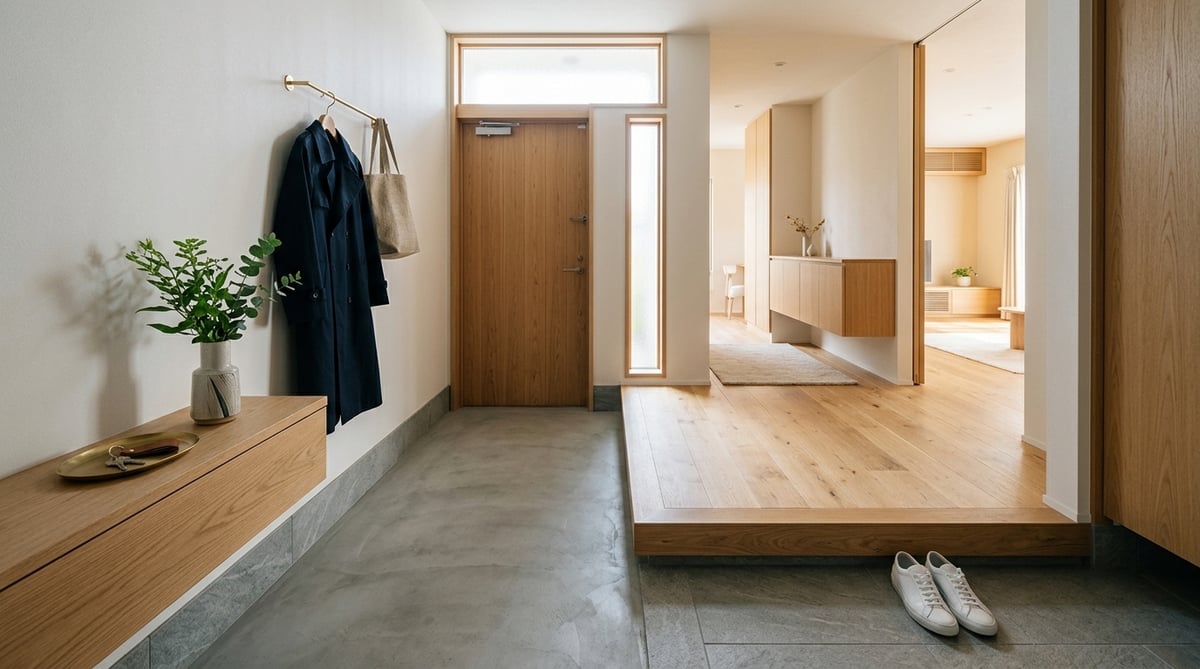
Akasaka in Minato Ward is renowned as one of Tokyo's most vibrant core districts. Home to Akasaka Biz Tower and the headquarters of TBS, it pairs sophisticated commercial energy with immediate proximity to the powerhouses driving Japan—Nagatacho, Kasumigaseki, Toranomon, and Roppongi. For professionals working in central Tokyo, it is an aspirational haven that delivers the ultimate balance of living close to work. Parting ways once and for all with the crushing crowds of morning commuter trains, you can walk, cycle, or take a short subway ride to your desk, unlocking an irreplaceable sense of mental calm and precious personal time.
Yet, when searching for a single-occupant rental apartment in Akasaka, prospective tenants frequently encounter a unique set of questions and hesitations. What is a fair rent level for a studio or one-bedroom home here? Do the vibrant restaurant strips that hum late into the night compromise tranquility or neighborhood safety? Do Akasaka's steep slopes place an undue burden on daily walking routes? Is it truly safe and practical to choose a vintage apartment or a renovated older building? In our daily brokerage practice, these are questions we address regularly.
A home is far more than a set of numerical dimensions or a measured distance on a map; it is a personal sanctuary where you wake to gentle morning light and quietly unwind at the end of the day. Walking to work through the crisp morning air while admiring the greenery of Hinokicho Park, breathing in the rich aroma of coffee wafting from a historic cafe on Akasaka-dori, or being welcomed home late at night by the warm glow of neighborhood grocery stores—when viewed through these sensory textures of daily life, Akasaka reveals an entirely different persona from its commercial reputation: that of a serene, refined residential enclave.
Drawing on more than a decade of brokerage experience handling contracts in central Tokyo's prime residential neighborhoods, this guide offers an insider's view from a licensed real estate broker. Here, we provide an in-depth breakdown based on firsthand field knowledge: realistic rental market rates within walking distance of Akasaka Station on the Tokyo Metro Chiyoda Line, the distinct boundary between bustling commercial zones and tranquil hilltop residences, practical navigation across the dramatic terrain of the Musashino Plateau, room dimensions and evaluation criteria for compact and vintage-renovated apartments, and actionable contractual guidance to ensure a seamless tenancy.
Studio / 1K Rent Range
¥120,000–¥160,000
Standard level for well-equipped apartments between 20–28 m²
Compact 1LDK Rent Range
¥220,000–¥280,000
32–45 m² units, predominantly featuring hotel-style interior hallways
Toranomon, Kasumigaseki & Roppongi
10–15 Min Walk
True proximity to work with direct walking access to key business hubs
Terrain of Eastern Musashino Plateau
~15–20 m Elevation Rise
Distinct ground conditions, living environments, and slopes between plateaus and valleys
30-Second Summary & Key TakeawaysSorAi Summary
- Walking distance to major central business districts, the area around Akasaka Station on the Chiyoda Line offers an ideal base for living close to work, freeing you entirely from commuter train congestion.
- Prevailing rents range from ¥120,000 to ¥160,000 for standard studios and 1K units (20–28 m²), and ¥220,000 to ¥280,000 for compact 1LDK apartments (32–45 m²).
- Smart selection hinges on distinguishing between the vibrant commercial quarters (2 and 3-chome) and tranquil hilltop enclaves (6, 7, and 8-chome), while carefully assessing earthquake-retrofit standards and net usable floor dimensions.
## Living Close to Work in Akasaka: Complete Liberation from Commuter Crowds
In urban life, daily commuter stress is one of the most significant factors eroding personal well-being and health. Surveys conducted by the Ministry of Land, Infrastructure, Transport and Tourism (MLIT) indicate that peak morning congestion on major radial lines heading into central Tokyo reaches 130% to 160% of capacity. Spending 30 to 60 minutes each morning jostled tightly against fellow commuters inflicts severe mental and physical exhaustion. The premier advantage of establishing a home in Akasaka lies in eliminating this draining daily commute entirely from your life.
Plotting concentric circles centered on Akasaka Station immediately demonstrates how close you are to the political, economic, and cultural core of Japan. Vital business centers such as Toranomon, Kasumigaseki, Nagatacho, Roppongi, ARK Hills, and Roppongi-itchome all sit comfortably within a 10- to 18-minute walk. Leaving your front entrance at 8:30 AM allows you to stroll along flat, tree-lined boulevards in the crisp morning breeze and arrive at your office desk by 8:45 AM. You gain a lifestyle unburdened by anxious glances at train delay boards or weary sighs over rainy-day platform congestion.
### Actual Travel Times to Major Business Hubs: Walking, Cycling, and Subway
Below are the primary routes and estimated travel times frequently used by professionals living in Akasaka. Depending on the weather or your morning mood, you can freely choose to walk, take the subway on rainy mornings, or hop on a shared bicycle when the sun is out—a flexibility that underscores Akasaka's exceptional transit potential.
- **Toranomon & Toranomon Hills**: Approx. 12–15 min walk. Follow the flat pavement along Akasaka-dori, passing Sotobori-dori and the Japan Patent Office for smooth access. By bicycle, it takes only 5–6 minutes.
- **Kasumigaseki Government District**: Approx. 13–16 min walk. Taking the Tokyo Metro Chiyoda Line, Kasumigaseki Station is just two stops away (approx. 3–4 minutes ride via Kokkai-gijidomae Station). Walking past the serene greenery behind the National Diet Building provides an equally pleasant morning commute.
- **Roppongi-itchome & ARK Hills**: Approx. 10–13 min walk. Ascend gently through Akasaka 2-chome to reach ARK Hills Sakurazaka directly. In spring, this becomes a breathtaking walk beneath a canopy of blooming cherry blossoms.
- **Tokyo Midtown & Roppongi Crossing**: Approx. 10–14 min walk. Passing through the quiet residential streets of Akasaka 6-chome and 7-chome, you can walk to Midtown Tower with the tranquil pond and foliage of Hinokicho Park as your scenic backdrop.
- **Otemachi & Marunouchi**: Direct 8-minute ride on the Tokyo Metro Chiyoda Line. With travel time under 10 minutes even during peak morning hours, the physical toll is negligible.
- **Omotesando, Harajuku & Shibuya**: Direct 5-minute ride to Omotesando Station on the Chiyoda Line. From nearby Akasaka-mitsuke Station on the Ginza Line, Shibuya Station is reached directly in about 9 minutes.
### Liberation from the Last Train and the Economics of Nighttime Mobility
The benefits of living close to work extend well beyond shortening morning commute times; they dramatically ease the mental strain of late-night work sessions and evening client dinners. When living in suburban or outer wards, an eye must constantly be kept on the impending last train around 11:45 PM or midnight. Living in Akasaka, however, allows you to return home late at night on foot or for the base taxi fare (around ¥1,000) from virtually anywhere in Marunouchi, Ginza, Toranomon, Nishi-Azabu, or Roppongi.
Factoring in the late-night taxi fares (often ¥5,000 to ¥10,000 per trip to suburban areas) and the loss of sleep that can easily occur three to five times a month, the economic balance quickly shifts. Even if rent in Akasaka sits a few tens of thousands of yen higher than in outer districts, combining transit savings with an extra one to two hours of reclaimed daily time yields extraordinary real-world value. That reclaimed time transforms into restorative sleep, morning gym workouts, professional certification study, or peaceful evenings listening to vinyl records over a calm cup of coffee.
Scroll horizontally to see full table →
| Destination (Key Hub) | Walking Route & Time | Subway Route & Time | Bike Share (Estimated Riding Time) | Streetscape & Commuting Environment |
| --- | --- | --- | --- | --- |
| Toranomon Hills | Approx. 12–15 min walk (flat route) | Approx. 9 min (Ginza Line: Tameike-sanno to Toranomon) | Approx. 5–6 min (via Sotobori-dori) | Wide, flat sidewalks with well-maintained street trees and lighting at night |
| Kasumigaseki (Government District) | Approx. 13–16 min walk (past Diet Building) | Direct ~3–4 min (2 stops on Chiyoda Line) | Approx. 6–7 min | Exceptional security with regular police patrols; lush greenery around the Diet |
| ARK Hills / Roppongi-itchome | Approx. 10–12 min walk (via Sakurazaka) | Approx. 7 min (Namboku Line: Tameike-sanno to Roppongi-itchome) | Approx. 4–5 min | Sophisticated streets framing ARK Mori Building and Izumi Garden |
| Tokyo Midtown (Roppongi) | Approx. 10–13 min walk (via Hinokicho Park) | Direct ~2 min (using Nogizaka Station on Chiyoda Line) | Approx. 5 min | Passing through quiet Akasaka 6/7-chome residential streets and Hinokicho Park greenery |
| Otemachi (Marunouchi) | Beyond walking range (approx. 3.5 km) | Direct ~8 min (Chiyoda Line direct) | Approx. 15–18 min (riding around Imperial Palace perimeter) | Rapid Chiyoda Line access; scenic bike commute skirting the Imperial Palace moat |
Online Consultation Desk (No Visit Required) Sorai Tokyo Official
[\[Instant Calendar Booking\] Online Apartment Search Consultation with a Dedicated Agent](https://soraitokyo.jp/consultation?hsLang=en)
Licensed real estate brokers well-versed in central Tokyo luxury residences and Minato Ward assist you via video call—from clarifying your criteria and verifying unlisted properties to optimizing move-in costs.
[Check Available Dates & Book →](https://soraitokyo.jp/consultation?hsLang=en)
Comprehensive Area Guide Sorai Tokyo Official
[【Chiyoda Line Area Guide】Direct Access to Otemachi! Station Comparison](https://soraitokyo.jp/area-guide-chiyoda-line?hsLang=en)
Complete rental and living guide for all stations on the Tokyo Metro Chiyoda Line, from Kita-Ayase and Kita-Senju to downtown Otemachi.
[Explore Chiyoda Line Guide →](https://soraitokyo.jp/area-guide-chiyoda-line?hsLang=en)
## The Contrast Between Commercial Boulevards and Serene Residential Enclaves
Mentioning Akasaka often conjures images of TBS Television, Akasaka Sacas, and the bustling dining corridors stretching toward Akasaka-mitsuke along Hitotsugi-dori, Misuji-dori, and Tamachi-dori. Traditional ryotei, upscale kappo dining, venerable Western-style eateries, and casual bistros line these vibrant streets, where energetic crowds mingle well into the night. While this culinary vitality is a defining charm of Akasaka, anyone seeking a rental home must accurately distinguish where this bustling commercial district gives way to peaceful residential streets.
Under Japan's City Planning Act zoning designations, the areas north and east of Akasaka Station (Akasaka 2-chome and 3-chome) are designated as Commercial Zones, permitting dense clusters of high-rise commercial buildings, restaurants, and entertainment venues. In contrast, crossing Akasaka-dori southwest toward Akasaka 6-chome, 7-chome, and 8-chome brings a transition into Category II or Category I Medium/High-Rise Residential Zones. Stepping merely 100 meters off the main thoroughfare causes the hum of traffic and downtown nightlife to dissolve, replaced by birdsong and the gentle rustle of leaves in an astonishingly tranquil residential sanctuary.
Akasaka 2-chome & 3-chome (North of Station / Commercial Zone)
Superb Dining Convenience & Lightning-Fast Station Proximity
- **1–3 Minute Walk to Station**: Near-direct access to Akasaka Biz Tower and subway portals
- **Diverse Dining Scene**: High-quality late-night teishoku eateries and cafes just seconds away on days you don't cook
- **Well-Lit Nighttime Streets**: Bright storefronts and lanterns provide reassuring visibility and constant foot traffic when returning late
- **Points to Note**: Expect weekend late-night chatter from restaurant patrons and early morning delivery/waste-collection vehicle noise
Akasaka 6-chome, 7-chome & 8-chome (South of Station / Hilltop Residential Zone)
Plateau Greenery & Serenity in a Refined Vintage Enclave
- **Deep Quiet and Protected Living**: Narrow lanes restrict through-traffic, preserving remarkable nighttime quiet
- **Abundant Greenery and Parks**: The sacred grove of Akasaka Hikawa Shrine, Hinokicho Park, and hilltop greenery enhance daily strolls
- **Refined Resident Demographics**: Features prestigious condominium rentals by major developers and immaculately maintained vintage residences
- **Points to Note**: Involves uphill elevation from the station, making it essential to verify the gradient of your primary route
### The Serenity and Living Heritage of Akasaka 6-chome and 7-chome
Walking through Akasaka 6-chome and 7-chome reveals how the legacy of samurai estates from the Edo period continues to anchor the framework of today's prestigious residential enclave. Expansive private estates, foreign embassies (including the Embassy of Canada and Embassy of Cambodia), and dignified low-rise residences stand graciously spaced apart along quiet roads lined with manicured hedges and historic stone walls.
The greatest appeal of this neighborhood is the promise of restful sleep even with windows cracked open at night, despite being in the heart of Minato Ward. While apartments in central Tokyo often struggle with constant traffic noise from major arterials (such as Sotobori-dori, Aoyama-dori, or the Shuto Expressway), the tucked-away parcels of Akasaka 6-chome and 7-chome sit naturally buffered by basin topography and elevation shadows. For medical professionals needing daytime sleep after night shifts, or creators and specialists working remotely who require deep concentration, this peaceful acoustic environment represents an invaluable living asset.
### How to Pinpoint the Boundary Between Commercial and Residential Zones
When touring properties, do not rely solely on the address listing on the floor plan brochure (e.g., Akasaka X-chome). Always inspect the frontage road and the designated building uses of surrounding lots. Because the streets right in front of the station in Akasaka 2-chome and 3-chome are Commercial Zones, karaoke lounges, izakayas, and 24-hour convenience stores are legally permitted directly next door to residential buildings. While convenient, this proximity can introduce late-night chatter, kitchen exhaust odors, and low-frequency hums from industrial condenser units.
By contrast, stepping just one street south of Akasaka-dori (near the base of Hikawazaka or Korobizaka) introduces strict zoning restrictions under the Building Standards Act. Commercial entertainment venues and new standalone dining establishments face tight regulations, ensuring that a serene neighborhood environment is preserved over the long term. For tenants who prioritize sound sleep and daytime calm above all else, focusing on the residential streets of Akasaka 6-chome and 7-chome is our firm professional recommendation.
SORAI SIMULATOR / Online in 10 Sec
### \[SorAi Initial Cost Simulator\] Calculate Estimated Move-in Costs in 10 Seconds
Simply enter the rent and deposit to calculate a transparent move-in cost breakdown including brokerage and guarantor fees without hidden markups.
[Open in Fullscreen / New Tab](https://soraitokyo.jp/en/quote?ref=blog_embed_ext&utm_source=blog_mid_cta&utm_medium=cta&utm_campaign=unified_cta_simulator&hsLang=en) [Chat on Official LINE](https://line.me/R/ti/p/@soraitokyo)
Explore other free SorAi tools: [SorAi Inspection Report →](https://soraitokyo.jp/inspection?ref=blog_mid_cta_aux&lang=en&utm_source=blog_mid_cta&utm_medium=aux_link&utm_campaign=unified_cta_inspection&hsLang=en) [SorAi Request →](https://hearing.soraitokyo.jp/?start=true&ref=blog_mid_cta_aux&lang=en&utm_source=blog_mid_cta&utm_medium=aux_link&utm_campaign=unified_cta_request)
※ 100% Free ・ Online completed.
Related Reading
[\[Ayase Living Cost Simulation\] The Reality of Tokyo Life from ¥60,000 Rent: Detailed Budget and Living Expense Breakdown](https://soraitokyo.jp/ja/blog/ayase-living-costs-single-simulation?hsLang=en)
[Read Article →](https://soraitokyo.jp/ja/blog/ayase-living-costs-single-simulation?hsLang=en)
Related Recommendation
[Kita-Ayase Solo Living & Rent Guide: High-Cost-Performance Tokyo Living on the Chiyoda Line](https://soraitokyo.jp/en/blog/kita-ayase-single-rent-budget-simulation?hsLang=en)
[Read Article →](https://soraitokyo.jp/en/blog/kita-ayase-single-rent-budget-simulation?hsLang=en)
## Walking the Greenery of Hikawa Shrine and the Slopes of the Musashino Plateau
To truly understand Akasaka, one must appreciate the dynamic topography and historic slopes that mark the eastern edge of the Musashino Plateau. Akasaka's terrain is an intricate mosaic of elevated plateau ridges and low-lying valleys (where ancient streams once flowed toward today's Akasaka-dori and Tameike). While the ticket gates at Akasaka Station sit at an elevation of roughly 7 to 8 meters above sea level, ascending toward the plateau tops of Akasaka 6-chome, 7-chome, or Nogizaka and Roppongi reaches heights of 25 to 28 meters. Within a walking distance of merely a few hundred meters, an elevation gain of 15 to 20 meters unfolds.
This dramatic undulation is the very origin of Akasaka's lush terraced greenery and multi-dimensional urban vistas; simultaneously, it is a crucial factor influencing daily walking exertion when commuting or grocery shopping.
### The Natural Sanctuaries of Akasaka Hikawa Shrine and Hinokicho Park
Nestled in Akasaka 6-chome, Akasaka Hikawa Shrine is one of Tokyo's most venerated ancient sanctuaries, with its main hall—built in 1730 by Tokugawa Yoshimune, the 8th Tokugawa Shogun—still standing intact. Remarkably surviving both the 1923 Great Kanto Earthquake and the air raids of World War II, its sacred grove is anchored by a majestic ginkgo tree over 400 years old, enveloping visitors in a pure, restorative atmosphere that feels worlds apart from downtown Tokyo.
On weekend mornings, strolling through the shrine grounds reveals dappled sunlight warming ancient flagstones, accompanied through the seasons by plum blossoms, sakura, hydrangeas, fresh spring verdure, and vibrant autumn foliage. Wandering slightly further south brings you to Hinokicho Park (adjacent to Tokyo Midtown), originally the suburban estate grounds of the Mori clan of the Hagi domain. With its expansive pond, sweeping lawns, and refined streamside walking paths, it functions as a lavish personal garden for local residents. In an urban setting dominated by concrete and asphalt, having authentic nature and historical greenery just minutes from your doorstep is invaluable for maintaining mental and physical wellness.
### Historic Slopes and Their Gradients: Tangozaka, Sanpunzaka, Hikawazaka, and Yagenzaka
Akasaka is dotted with historic slopes bearing names rooted in the Edo period. Each possesses distinct steepness and physical characteristics that directly affect your daily walking route home.
- **Tangozaka**: A stepped slope descending from Akasaka 4-chome to Hitotsugi-dori. It owes its name to the Genroku-era residence of Master Tango (Yonekura or Nishio, Lord of Tango). While its steep stone staircase is impassable for bicycles, the evocative stone steps embody Akasaka's historic charm.
- **Sanpunzaka**: A steep incline ascending along the boundary between Akasaka 5-chome and 7-chome. Lore holds that cart pullers were paid an extra tip of three pun (sanpun, a silver currency unit) because of its punishing incline. While climbing it on foot certainly elevates the heart rate, the top opens onto verdant grounds and peaceful residential estates.
- **Hikawazaka**: A slope ascending along the eastern edge of Akasaka Hikawa Shrine in Akasaka 6-chome. Adjacent to the former residence where statesman Katsu Kaishu spent his later years, it rises at a comparatively gradual, graceful slope framed by handsome trees, making it a delightfully scenic walking path.
- **Yagenzaka**: Connecting Akasaka 7-chome and 4-chome toward Aoyama-dori. Named for its profile—dipping in the center while rising on either side—which resembles a traditional mortar (yagen) used for grinding herbal medicines. Well-defined sidewalks and moderate gradients make this route comparatively easy to navigate on a bicycle.
Real Estate Broker's Practical Advice: Assessing Plateau Slopes, Soil Foundations, and Flood Risks
Akasaka's elevation differences carry crucial implications not just for daily mobility, but also for disaster resilience and ground stability. Consulting the Minato Ward Inundation Hazard Map (maximum probable rainfall scenario) reveals that certain lowland pockets along main streets near Akasaka Station and valley bottoms have inland flood hazard designations of under 0.5 to 1.0 meters during torrential rainstorms. In contrast, the hilltop plateaus of Akasaka 6-chome, 7-chome, and 8-chome are underpinned by dense, stable Musashino loam, categorized as zero flood risk (white zones) on hazard maps. While climbing home requires a modest degree of stamina or smart transit choices, hilltop apartments offer formidable structural stability against seismic shaking and superior security against torrential rainfall.
### Practical Everyday Mobility: E-Bikes and Shared Micromobility (LUUP, etc.)
Electric assist bicycles and bike-share services (such as LUUP and Docomo Bike Share) are indispensable allies that effortlessly master Akasaka's steep inclines, transforming central Tokyo living into a nimble, carefree experience.
Even on steep hills like Sanpunzaka or Hikawazaka, high-torque modern e-bikes let you glide uphill smoothly while remaining comfortably seated. Shared mobility hubs are densely distributed throughout the area—at Akasaka Station, Akasaka Biz Tower, Tokyo Midtown, ARK Hills, local convenience stores, and apartment complexes. Without needing to lease a dedicated parking space at your building, a smartphone app lets you unlock a bicycle nearby, cruise to Roppongi, Toranomon, Shibuya, or Aoyama in 10 to 15 minutes, and return it at your destination hub. Transforming hills from an obstacle into a panoramic journey, shared micromobility is an essential lifestyle asset for single professionals in Akasaka.
## Compact Apartment Rental Rates in Akasaka and the Value of Vintage Renovations
The rental condominium market in Akasaka, Minato Ward, is structured across three primary tiers: newly built luxury residences and high-rise towers with state-of-the-art amenities; vintage, owner-grade condominiums constructed during the 1980s and 1990s; and full-skeleton modern renovations of established older buildings. To choose wisely, single tenants must understand the rent benchmarks of each tier, as well as the spatial efficiency that often remains hidden on floor plans.
### Realistic Rental Benchmarks by Layout Type
As of 2026, standard monthly rental rates for single-occupant apartments within a 10-minute walk of Akasaka Station on the Chiyoda Line are as follows:
- **Studio / 1K (20–25 m²)**: ¥120,000–¥145,000/month. The core volume zone for reinforced concrete (RC) buildings equipped with auto-locks, separated bath and toilet, and bathroom ventilation-dryers.
- **Spacious 1K / Studio (25–30 m²)**: ¥140,000–¥165,000/month. Upgraded units featuring separate washbasins, system kitchens with 2-burner gas stoves, and walk-in closets.
- **Compact 1LDK (32–40 m²)**: ¥220,000–¥260,000/month. Featuring a dedicated living/dining room (8–10 tatami mats) and separate bedroom (4–5 tatami mats), this is the premier choice for professionals seeking a clear boundary between remote work and private relaxation.
- **High-End 1LDK (40–50 m²)**: ¥260,000–¥320,000/month. High-rise tower residences and premium condominium rentals equipped with floor heating, dishwashers, hotel-like interior corridors, and front-desk concierge services.
Scroll horizontally to see full table →
| Layout & Grade | Floor Area (m²) | Rent Range (Inc. Mgmt Fee) | Key Amenities & Building Specs | Ideal Lifestyle Profile |
| --- | --- | --- | --- | --- |
| Standard 1K | 20–24 m² | ¥125,000–¥145,000 | Auto-lock, separate bath/toilet, bathroom dryer, delivery lockers | Primarily office-based on weekdays; seeking a streamlined commute close to work |
| 1K / Studio with Vanity | 25–29 m² | ¥145,000–¥165,000 | Tri-fold mirror vanity, 2-burner gas stove, wide closet | Singles and solo female professionals prioritizing comfortable cooking and morning routines |
| Vintage Renovated 1LDK | 35–42 m² | ¥180,000–¥220,000 | Brand-new plumbing fixtures, wood-grain flooring, reheating bath, RC build | Discerning tenants and remote workers balancing generous space with cost efficiency |
| Modern Compact 1LDK | 32–40 m² | ¥225,000–¥265,000 | Interior corridors, floor heating, garbage disposal, sound-insulated double glazing | Those seeking refined common areas, elevated prestige, and premium security |
### The Hidden Gems: Vintage Condominiums and Quality Renovations
In Akasaka, the greatest secret to achieving both exceptional economic rationality and generous living comfort lies in renovated units within vintage owner-grade condominiums built under the "New Earthquake Resistance Standards" (building permits approved on or after June 1, 1981). Around Akasaka 6-chome, 7-chome, and 8-chome, numerous stately low-rise residences developed by premier national developers in the late Showa and early Heisei eras still stand with enduring elegance.
These properties boast lavish site layouts, substantial tiled facades, and thick reinforced concrete floor slabs providing superior sound insulation—craftsmanship rarely feasible in contemporary new construction due to soaring building costs. The exterior facades and shared lobbies project calm dignity, while stepping inside reveals units that individual owners have stripped down to the bare concrete framing and refitted with brand-new system kitchens, reheating bath boilers, pristine modular bathrooms, and modern bidet toilets on par with newly built residences.
While a recently built 1LDK easily demands upwards of ¥250,000 per month, a well-executed vintage renovation can provide equal or greater living space (38 to 45 m²) for approximately ¥180,000 to ¥210,000. That monthly difference of ¥40,000 to ¥60,000 generates ¥1,000,000 to ¥1,500,000 in saved capital over a standard two-year lease. As long as building management—namely repair records and the cleanliness of common areas—is verified by an experienced broker, vintage renovations offer one of the smartest residential strategies in central Tokyo.
### Wall-Center Floor Area vs. Net Usable Space: Furniture Dimensions
When viewing compact apartments, a critical piece of industry knowledge is understanding the discrepancy between "wall-center area" (hekishin) and "net internal area" (uchinori). The private floor area shown on listing flyers and advertisements is measured from the center line of the surrounding walls (wall-center). However, the actual floor space available for placing furniture and living is the net interior dimension. In heavily reinforced concrete (RC) buildings, thick walls and load-bearing pillars reduce actual usable floor space by approximately 5% to 8% compared to listing specifications.
For instance, a 1K apartment listed at 25 m² typically offers an effective net internal area of roughly 23 m². Another vital factor is the presence of internal pillars and beams (whether the building utilizes an out-frame structural design). If massive square columns protrude into the living space, furniture cannot be placed flush against the wall, creating awkward dead zones.
Below are essential dimensional criteria for comfortable solo living. Always bring a 5-meter steel measuring tape to property viewings to measure floor clearance directly.
- **Bed Clearance**: When positioning a single bed (97 cm wide × 195 cm long) or semi-double bed (120 cm wide × 195 cm long), verify whether closet doors can open fully without colliding with the bed frame.
- **Desk & Chair Clearance**: For a home-office desk (100–120 cm wide × 60 cm deep), check that you have sufficient space to pull out the chair and sit (at least 75 cm from the desk edge) while allowing walkway clearance behind.
- **Refrigerator Niche Width**: When installing a 2- or 3-door refrigerator for cooking at home (150–250 L capacity, 50–55 cm wide), confirm that at least 1 cm of heat dissipation clearance exists on both sides and that the kitchen corridor remains unblocked.
- **Washing Machine Pan & Faucet Height**: Standard drain pans measure 64 cm × 64 cm. If planning to install a front-loading washer-dryer combo, confirm that the water faucet is at least 115 cm above the floor, that the drain pan supports the weight, and that interior doorway openings exceed 60 cm for delivery.
**Akasaka Area: Move-in Cost Simulation Comparison by Layout**
Scroll horizontally to see full table →
| Cost Item / Simulation Breakdown | Standard Single 1K (Rent ¥140,000 / Mgmt ¥10,000) | Compact 1LDK (Rent ¥240,000 / Mgmt ¥15,000) |
| --- | --- | --- |
| Security Deposit & Key Money (1 Month Each) | ¥280,000 | ¥480,000 |
| Advance Rent & Maintenance (1 Month) | ¥150,000 | ¥255,000 |
| Brokerage Fee (Sorai Half-Month Discount) | ¥77,000 (tax incl.) | ¥132,000 (tax incl.) |
| Guarantor Fee (50% Gross Rent) & Fire Insurance, etc. | Approx. ¥95,000 | Approx. ¥152,500 |
| **Estimated Total Initial Cost** | **Approx. ¥602,000** | **Approx. ¥1,020,000** |
| Notes & Highlights | Saves approx. ¥77,000 compared to standard agencies charging a full 1.1 months fee | Saves approx. ¥132,000 compared to standard agencies charging a full 1.1 months fee |
## Supermarket Networks and Daily Grocery Shopping Routes
When starting solo life in a central Tokyo business district like Akasaka, many worry whether daily grocery and household shopping will prove inconvenient. Prospective residents often imagine that the area is dominated exclusively by high-end dining and drinking establishments, leaving few practical supermarkets. In reality, a dense variety of grocery stores sits within minutes on foot, supporting a highly streamlined routine whether you prefer home cooking or gourmet takeout.
### Grocery Options: From Station-Direct to Late-Night Markets
Here is how residents practically utilize the primary grocery shopping spots around Akasaka Station:
- **Seijo Ishii (Akasaka Biz Tower)**: Directly connected to Exit 3b of Akasaka Station on the B1 floor of Akasaka Biz Tower. Open weekdays from 8:00 AM to 11:00 PM (10:00 AM to 10:00 PM on weekends and holidays), it provides rain-free access straight from the ticket gates. Alongside buyer-curated cheeses, wines, and prosciutto, it stocks an extensive array of freshly baked breads and house-made, additive-free delicatessen dishes and bento boxes—perfect for winding down after work with fine deli fare and wine in the comfort of your apartment.
- **Maruetsu Petit (Akasaka Biz Tower)**: An urban compact supermarket also situated on the B1 level of Akasaka Biz Tower with direct station access. Open from 7:00 AM to 10:00 PM, it reliably supplies fresh produce, meats, fish, daily side dishes, and everyday necessities at standard supermarket prices. (Additionally, Niku no Hanamasa Akasaka in nearby Akasaka 2-chome operates 24 hours a day, providing dependable coverage for late-night or early-morning shopping).
- **MyBasket (Akasaka 3-chome)**: Located about a 3-minute walk from Exit 1 toward Hitotsugi-dori within the dining district. Open from 8:00 AM to 11:00 PM, it offers Aeon Group's Topvalu private-brand goods, beverages, bread, frozen items, and household paper goods at wallet-friendly prices, making it ideal for quick daily restocks.
- **Precce Premium (Tokyo Midtown)**: An upscale supermarket on the B1 floor of Tokyo Midtown toward Nogizaka, roughly an 8- to 10-minute walk from Akasaka 6-chome and 7-chome. Open from 8:00 AM to 11:00 PM, it showcases farm-fresh seafood, heritage meats, organic produce, and imported gourmet delicacies. It serves as an inspiring destination when preparing a weekend feast or seeking the finest seasonal ingredients.
### Daily Grocery Routines for Home Cooks and Takeout Enthusiasts
What makes daily logistics so effortless in Akasaka is how seamlessly these shops integrate into your walk to and from the office. Dedicated home cooks pick up daily fresh items on weeknights at Maruetsu Petit or MyBasket right at the station, while taking leisurely weekend strolls to Precce Premium in Tokyo Midtown or heading toward Toranomon and Nishi-Shinbashi to stock up at discount supermarket OK Nishi-Shinbashi (near Toranomon Hills) or Niku no Hanamasa.
For those who lean toward dining out or takeout, options abound: culinary establishments inside Akasaka Biz Tower, multinational delis along Hitotsugi-dori, artisan bakeries, and takeout counters from established specialty kitchens. You are never limited to convenience store bento boxes; a nourishing, freshly prepared meal is always within effortless reach.
## Mastering Akasaka Station Exits and Essential Rules for Solo Living
For solo residents relying on the subway, your choice of station portal dictates your morning commute efficiency. Although Akasaka Station serves solely the Tokyo Metro Chiyoda Line, its subterranean concourse stretches extensively from east to west. Which stairway or elevator you choose fundamentally shapes your walking distance and wet-weather comfort.
Note that inaccurate web articles occasionally cite non-existent portals like "Exit 8" or generic "East/West Exits." Under official Tokyo Metro station guides, **Akasaka Station's legitimate exits comprise Exits 1 through 7 only**. Memorizing the accurate layout is the vital first step toward eliminating wasted detours.
### Official Exit Network and Access to Key Facilities
The relationship between Akasaka Station exits and key destinations is outlined below:
- **Exit 1**: Northern exit fronting Akasaka Biz Tower toward Hitotsugi-dori. A lively conduit leading into dining streets and toward Akasaka-mitsuke.
- **Exit 2**: Eastern portal leading toward Sannoshita Intersection, Hie Shrine, and Tameike-sanno Station. Convenient for connecting toward Sotobori-dori.
- **Exits 3a & 3b**: Directly connected underground to Akasaka Biz Tower and Akasaka Sacas. This central artery allows umbrella-free access to Seijo Ishii, Biz Tower restaurants, and the TBS Broadcasting Center even in driving rain, complete with street-level elevators.
- **Exit 4**: Access point for the TBS Broadcasting Center and Akasaka Sacas Plaza.
- **Exit 7**: Directly connects to the western ticket gates toward Nogizaka, providing optimal access along Akasaka-dori toward Akasaka Elementary School, Akasaka Park Building, and the quiet hilltop enclaves of Akasaka 6-chome and 7-chome. This serves as the primary portal for quiet southern residential areas (open 6:00 AM to 10:00 PM; please note that Exits 5a, 5b, and 6 are currently closed due to surrounding redevelopment).
### A Multi-Station Transit Web: Tameike-sanno, Akasaka-mitsuke, and Roppongi-itchome
A crowning advantage of living in Akasaka is having several alternative subway stations within a short walk, beyond relying solely on Akasaka Station on the Chiyoda Line.
Strolling 5 to 7 minutes east from Exit 2 toward Sannoshita brings you to Tameike-sanno Station (Ginza and Namboku Lines). Walking 8 minutes toward Akasaka-mitsuke connects you to Akasaka-mitsuke Station (Ginza and Marunouchi Lines). Walking 10 minutes south brings you to Roppongi-itchome Station (Namboku Line), while a 10-minute walk toward Nogizaka brings you to Nogizaka Station (Chiyoda Line, directly connected to Tokyo Midtown).
Thanks to this multi-modal network, should the Chiyoda Line experience rare operational delays, you can effortlessly reroute via the Ginza, Marunouchi, or Namboku Line. Reaching virtually any major Tokyo district with zero or at most one transfer, this robust network is why Akasaka commands enduring location prestige.
STEP 01
Selecting Your Residential Zone: Commercial vs. Hilltop
Decide based on your lifestyle whether you prioritize immediate station access and dining variety (Akasaka 2/3-chome) or deep nighttime quiet and park greenery (Akasaka 6/7/8-chome).
STEP 02
Field-Checking Station Portals and Slope Gradients
Walk the shortest route from Exits 1–7 of Akasaka Station to experience slopes like Sanpunzaka or Hikawazaka firsthand, while checking bike-share port locations.
STEP 03
Precise Verification of Net Floor Area and Acoustic Insulation
Measure effective space for bed and desk with a tape measure, checking for protruding pillars, RC wall thickness, window acoustic ratings, and lobby upkeep.
STEP 04
Objective Cost Auditing and Smart Contract Execution
Apply half-month brokerage fees (0.55 month tax-incl.) and eliminate unnecessary optional fees to launch your central Tokyo life on transparent financial footing.
## Lease Regulations and Practical Strategies to Minimize Move-in Costs
Once you discover your ideal compact apartment and prepare to submit an application, the stages requiring the closest scrutiny are the special lease clauses (tokuyaku) and the detailed breakdown of move-in expenses. In prime central Tokyo neighborhoods where baseline rents are elevated, upfront outlays for security deposits, key money, and brokerage fees can easily reach 4 to 5 months of rent—ranging from ¥600,000 to ¥1,200,000.
As a licensed real estate broker with over a decade in transactional practice, here are frank insights into legal precedents often overlooked by tenants, along with legitimate methods to trim upfront expenses cleanly.

SorAi Real-Time Rental Concierge Online 24/7
Official AI answers your questions 24/7
[Continue on Official LINE (24/7 Free)](https://page.line.me/soraitokyo?oat_content=url&openQrModal=true&utm_source=soraitokyo_website&utm_medium=blog_inline_chat&utm_campaign=line_btn) [Privacy Policy](https://soraitokyo.jp/en/privacy-policy)

Thank you for reading this guide. I am SorAi, your official real estate AI concierge.
Feel free to ask any questions about neighborhood livability, rent averages, safety, or commuting convenience in Tokyo.
Quick questions:
Summarize neighborhood livability
Commute access and train crowding
Supermarkets and daily amenities
Rent comparison with nearby stations
[Continue on Official LINE (Free)](https://page.line.me/soraitokyo?oat_content=url&openQrModal=true&utm_source=soraitokyo_website&utm_medium=blog_inline_chat&utm_campaign=line_btn)
Send
No phone number required. Feel free to consult at your own pace 24/7.
### Featured Tokyo Living Guides
SorAi Editorial
Swipe
#### [ Chiyoda Line / Redevelopment Kitasenju Redevelopment & Livability 2026: 5 Train Lines, Shopping & Housing | Sorai Tokyo Read Guide →](https://soraitokyo.jp/en/blog/area-guide-kitasenju-redevelopment-trend-2026?hsLang=en)
#### [ Featured Area / Origin Station Ayase Neighborhood & Safety Guide 2026: North vs South Exit, Rent & Chiyoda Line Commute | Sorai Tokyo Read Guide →](https://soraitokyo.jp/en/blog/area-guide-ayase?hsLang=en)
#### [ Rent Market / Solo Living Kita-Ayase Solo Living Guide: Rent Averages from ¥50,000s & Chiyoda Line Origin Perks | Sorai Tokyo Read Guide →](https://soraitokyo.jp/en/blog/kita-ayase-single-rent-budget-simulation?hsLang=en)
## Frequently Asked Questions: Solo Living in Akasaka
Making your home in Akasaka, the heart of Tokyo, is about far more than renting an apartment in a convenient location. It represents reclaiming sovereignty over your daily life—liberating yourself from the daily toll of crowded trains and commanding your own schedule with intention.
Gazing upon the morning greenery of Hinokicho Park, returning home at night welcomed by the soft streetlamps of Akasaka-dori, savoring coffee on weekends at Tokyo Midtown or a classic neighborhood cafe, or hopping on a bicycle on a whim toward Aoyama or Roppongi—these calm pauses in daily life elevate work performance and foster deep personal fulfillment.
There is no single correct answer in housing. Choosing to live lightly by moderating rent, or investing in prime location and architecture to refine your well-being, are both commendable decisions. If you have questions or wish to explore options, feel free to reach out to Sorai Tokyo with the ease of sharing a cup of tea. We are dedicated to walking beside you to ensure your next chapter in Tokyo is comfortable, secure, and serene.
### QI am concerned about noise from nighttime dining districts and neighborhood safety. Can a solo female resident live comfortably and safely in Akasaka?
AProvided you choose the right residential sub-district (chome), solo female residents can live here with outstanding safety and peace of mind. We particularly recommend Akasaka 6-chome, 7-chome, and 8-chome south of the station. Designated as residential zones, these pockets are completely buffered from commercial dining noise. Furthermore, their proximity to foreign embassies and the Akasaka Imperial Estate ensures 24-hour police patrols and standing guard posts, creating some of the highest crime-deterrence levels in Tokyo. When selecting an apartment, prioritizing features like auto-lock security, video intercoms, second-floor or higher placement, and hotel-style interior hallways ensures a calm, worry-free routine even when returning late.
### QAkasaka has many hills. Are bicycles—particularly e-bikes and bike shares—practical for daily use?
AThey are not only practical; they are the premier mode of transport for unlocking maximum lifestyle freedom in Akasaka. While standard gearless bicycles struggle on steep slopes like Sanpunzaka or Hikawazaka, electric-assist bicycles let you cruise uphill seated without strain. Furthermore, bike-share stations (such as LUUP and Docomo Bike Share) are exceptionally dense around Akasaka Station, Akasaka Biz Tower, Tokyo Midtown, ARK Hills, and convenience stores. Residents have embraced a lifestyle of unlocking a bike via smartphone whenever needed, riding directly to Roppongi, Toranomon, Aoyama, or Shibuya, and returning it at a nearby hub without ever needing to purchase a bicycle or rent a parking spot.
### QIs it safe to choose a vintage condominium or renovated apartment over 30 years old? What should I check regarding earthquake resistance and plumbing pipes?
AAs long as the building received its construction certification on or after June 1, 1981, complying with Japan's "New Earthquake Resistance Standards," reinforced concrete (RC) or steel-reinforced concrete (SRC) structures present solid structural safety. Many vintage properties in Akasaka were built as luxury condominiums by premier developers, featuring robust framing with superior sound insulation and durability. During property viewings, focus on four key items: (1) whether water supply and drainage pipes within the private unit were fully replaced during renovation, (2) electrical breaker capacity (ensuring at least 30A to 40A for modern living), (3) window sash tightness and absence of condensation damage, and (4) the building's long-term maintenance plan and the day-to-day upkeep of common areas. A beautifully overhauled interior paired with a meticulously managed building offers an exceptional opportunity to enjoy greater space and enduring prestige at a rational rent.

Author: Sorai Tokyo Editorial Team (Supervised by Licensed Real Estate Agents)
A real estate consulting team specializing in assisting foreign nationals find rooms and explaining initial costs in Tokyo. We break down language barriers and differences in customs, offering dedicated support in Japanese, English, and Vietnamese for a safe and secure start to your new life.
 SORAI TOKYO | Chat with AI "SorAi" Anytime on LINE
### Exploring Tokyo Neighborhoods or Apartments? Ask Our AI "SorAi" Anytime on LINE
No property URL needed yet. From area safety, commute tips, and rent trends to instant initial-cost audits for listings you found—chat with SorAi 24/7 on LINE with zero sales calls.
STEP 1
Ask Anything on LINE
Ask about areas & rent, or send a listing URL anytime
→
STEP 2
24/7 Instant Reply by SorAi
Objective area data, live vacancy & fee breakdown
→
STEP 3
Explore at Your Own Pace
Zero sales calls. Meet on-site only when ready to view
24/7 Instant / Most Popular
#### ① Chat with AI "SorAi" on LINE (Free)
Ask about neighborhoods, rent trends, or share any listing URL on LINE. SorAi & our bilingual concierge check live vacancy and upfront fee breakdowns with zero sales pressure.
[Chat with SorAi on LINE (Free) ➔](https://lin.ee/VE8fd8b?utm_source=soraitokyo_blog&utm_medium=cta&utm_campaign=bottom_cta&utm_content=line)
Web Audit
#### ② SorAi Property Report
Already found a listing? Submit the URL or floor plan on the web for an instant objective breakdown of move-in costs and neighborhood data.
[View Report (Free) ↗](https://inspection.soraitokyo.jp/?ref=blog_bottom_cta)
Wait for New Listings
#### ③ SorAi Housing Needs
Select your budget, layout, and must-have conditions in 30 seconds to receive matching listings at your own pace.
[Organize Criteria (Free) ➔](https://soraitokyo.jp/en/request?ref=blog_bottom_cta&hsLang=en)
Instant Move-in Estimate
#### ④ SorAi Move-in Estimator
Enter rent and management fees to quickly estimate standard upfront contract costs and potential savings.
[Check Estimates (Free) ➔](https://soraitokyo.jp/en/quote?ref=blog_bottom_cta&hsLang=en)
※ Consultations are 100% free. No phone number required, zero pushy calls—everything is completed smoothly on LINE.
この記事をシェアする
\# エリアガイド
[ SORAI TOKYO](https://soraitokyo.jp/en/)
Sorai Tokyo Co., Ltd.
Room 102, 1-7-14 Yanaka, Adachi-ku, Tokyo, 120-0006
03-6161-8484
[contact@soraitokyo.jp](mailto:contact@soraitokyo.jp)
Tokyo Metropolitan Governor (1) No. 113297
(License Date: December 20, 2025)
### Sitemap
- [About Us](https://soraitokyo.jp/en/about-us)
- [Testimonials](https://soraitokyo.jp/en/testimonials)
- [Chiyoda Line Guide](https://soraitokyo.jp/en/area-guide-chiyoda-line)
- [Sorai Journal](https://soraitokyo.jp/en/blog)
- [FAQs](https://soraitokyo.jp/en/faqs)
- [Contact](https://soraitokyo.jp/en/contact)
- [SorAi Request](https://soraitokyo.jp/en/request)
### Business Hours
**10:00 〜 18:00**
Closed: **Tuesday & Wednesday**
Inquiries via LINE, SNS, and email are accepted 24/7.
[View on Google Maps](https://maps.google.com/?q=%E6%9D%B1%E4%BA%AC%E9%83%BD%E8%B6%B3%E7%AB%8B%E5%8C%BA%E8%B0%B7%E4%B8%AD1-7-14) [Book Online Meeting](https://soraitokyo.jp/en/consultation?hsLang=en)
### Multilingual Services
Our professional staff are fluent in Japanese, English, Vietnamese, Russian, and Indonesian to support you from room hunting to contract signing.
[🇯🇵 日本語](https://soraitokyo.jp/ja/blog/akasaka-single-lifestyle-chiyoda-rentals?hsLang=ja) [🇺🇸 English](https://soraitokyo.jp/en/blog/akasaka-single-lifestyle-chiyoda-rentals?hsLang=en) [🇻🇳 Tiếng Việt](https://soraitokyo.jp/vi/blog/akasaka-single-lifestyle-chiyoda-rentals?hsLang=vi) [🇷🇺 Русский](https://soraitokyo.jp/ru/blog/akasaka-single-lifestyle-chiyoda-rentals?hsLang=ru) [🇮🇩 Indonesia](https://soraitokyo.jp/id/blog/akasaka-single-lifestyle-chiyoda-rentals?hsLang=id)
### Inquire via Social Media
[Privacy Policy](https://soraitokyo.jp/en/privacy-policy) | [Privacy & Security](https://soraitokyo.jp/en/security)
Copyright © 2026 株式会社ソライ東京 (Sorai Tokyo Co., Ltd.) All Rights Reserved.
[Chat with SorAi](https://page.line.me/soraitokyo?oat_content=url&openQrModal=true&utm_source=soraitokyo_website&utm_medium=line_button&utm_campaign=chatbot_popover)
SorAi Chat

#### SorAi
Online (Multilingual Support)
×
[Chat with SorAi](https://page.line.me/soraitokyo?oat_content=url&openQrModal=true&utm_source=soraitokyo_website&utm_medium=chatbot_header&utm_campaign=line_btn) [Email Us](https://soraitokyo.jp/en/contact?hsLang=en)
[Get "SorAi" on LINE (24/7 Free)](https://page.line.me/soraitokyo?oat_content=url&openQrModal=true&utm_source=soraitokyo_website&utm_medium=line_button&utm_campaign=floating_btn)
 SorAi | 24/7 AI Rental Chat No signup・100% online
TOC
### Table of Contents
×
```json
{
"@context" : "https://schema.org",
"@type" : "BlogPosting",
"author" : {
"@type" : "Person",
"name" : "ソライ東京編集部",
"url" : "https://soraitokyo.jp/en/blog/author/ソライ東京編集部"
},
"datePublished" : "2026-08-22T18:17:33.000Z",
"headline" : "Living Close to Work in Akasaka: Rental Market Trends and Smart Guide to Compact Apartments Near Akasaka Station | Sorai Tokyo | Sorai Tokyo",
"image" : [ "https://soraitokyo.jp/hubfs/blog-eyecatches/batch7_window_bench_lounge.jpg" ],
"mainEntityOfPage" : {
"@id" : "https://soraitokyo.jp/en/blog/akasaka-single-lifestyle-chiyoda-rentals",
"@type" : "WebPage"
},
"publisher" : {
"@type" : "Organization",
"logo" : {
"@type" : "ImageObject",
"url" : "https://soraitokyo.jp/hubfs/small_logo(color)%20(2)-1.png"
},
"name" : "株式会社ソライ東京"
}
}
```
```json
{
"@context" : "https://schema.org",
"@type" : "FAQPage",
"mainEntity" : [ {
"@type" : "Question",
"acceptedAnswer" : {
"@type" : "Answer",
"text" : "Provided you choose the right residential sub-district (chome), solo female residents can live here with outstanding safety and peace of mind. We particularly recommend Akasaka 6-chome, 7-chome, and 8-chome south of the station. Designated as residential zones, these pockets are completely buffered from commercial dining noise. Furthermore, their proximity to foreign embassies and the Akasaka Imperial Estate ensures 24-hour police patrols and standing guard posts, creating some of the highest crime-deterrence levels in Tokyo. When selecting an apartment, prioritizing features like auto-lock security, video intercoms, second-floor or higher placement, and hotel-style interior hallways ensures a calm, worry-free routine even when returning late."
},
"name" : "I am concerned about noise from nighttime dining districts and neighborhood safety. Can a solo female resident live comfortably and safely in Akasaka?"
}, {
"@type" : "Question",
"acceptedAnswer" : {
"@type" : "Answer",
"text" : "They are not only practical; they are the premier mode of transport for unlocking maximum lifestyle freedom in Akasaka. While standard gearless bicycles struggle on steep slopes like Sanpunzaka or Hikawazaka, electric-assist bicycles let you cruise uphill seated without strain. Furthermore, bike-share stations (such as LUUP and Docomo Bike Share) are exceptionally dense around Akasaka Station, Akasaka Biz Tower, Tokyo Midtown, ARK Hills, and convenience stores. Residents have embraced a lifestyle of unlocking a bike via smartphone whenever needed, riding directly to Roppongi, Toranomon, Aoyama, or Shibuya, and returning it at a nearby hub without ever needing to purchase a bicycle or rent a parking spot."
},
"name" : "Akasaka has many hills. Are bicycles—particularly e-bikes and bike shares—practical for daily use?"
}, {
"@type" : "Question",
"acceptedAnswer" : {
"@type" : "Answer",
"text" : "As long as the building received its construction certification on or after June 1, 1981, complying with Japan's \"New Earthquake Resistance Standards,\" reinforced concrete (RC) or steel-reinforced concrete (SRC) structures present solid structural safety. Many vintage properties in Akasaka were built as luxury condominiums by premier developers, featuring robust framing with superior sound insulation and durability. During property viewings, focus on four key items: (1) whether water supply and drainage pipes within the private unit were fully replaced during renovation, (2) electrical breaker capacity (ensuring at least 30A to 40A for modern living), (3) window sash tightness and absence of condensation damage, and (4) the building's long-term maintenance plan and the day-to-day upkeep of common areas. A beautifully overhauled interior paired with a meticulously managed building offers an exceptional opportunity to enjoy greater space and enduring prestige at a rational rent."
},
"name" : "Is it safe to choose a vintage condominium or renovated apartment over 30 years old? What should I check regarding earthquake resistance and plumbing pipes?"
} ]
}
```
```json
{
"@context" : "https://schema.org",
"@type" : "BlogPosting",
"author" : {
"@type" : "Person",
"name" : "Author: Sorai Tokyo Editorial Team (Supervised by Licensed Real Estate Agents)"
},
"dateModified" : "2026-10-03T05:52:48Z",
"datePublished" : "2026-10-03T05:52:48Z",
"description" : "Discover rental rates, quiet hilltop enclaves, and practical tips for renting compact single-occupant apartments within walking distance of Akasaka Station.",
"headline" : "Living Close to Work in Akasaka: Rental Market Trends and Smart Guide to Compact Apartments Near Akasaka Station | Sorai Tokyo",
"inLanguage" : "en",
"publisher" : {
"@type" : "Organization",
"name" : "Sorai Tokyo",
"url" : "https://soraitokyo.jp"
}
}
```
```json
{
"@context" : "https://schema.org",
"@type" : "BlogPosting",
"author" : {
"@type" : "Organization",
"knowsAbout" : [ "東京メトロ千代田線", "賃貸不動産仲介", "宅地建物取引業", "初期費用適正化", "重要事項説明(IT重説)" ],
"name" : "Sorai Tokyo Editorial Team (Supervised by Licensed Real Estate Agents)",
"url" : "https://soraitokyo.jp/en/about-us"
},
"dateModified" : "2026-10-07T17:59:15+0000",
"datePublished" : "2026-08-22T18:17:33+0000",
"description" : "Discover rental rates, quiet hilltop enclaves, and practical tips for renting compact single-occupant apartments within walking distance of Akasaka Station.",
"headline" : "Living Close to Work in Akasaka: Rental Market Trends and Smart Guide to Compact Apartments Near Akasaka Station | Sorai Tokyo",
"image" : "https://soraitokyo.jp/hubfs/blog-eyecatches/batch3_entrance_hallway.jpg",
"inLanguage" : "en",
"mainEntityOfPage" : {
"@id" : "https://soraitokyo.jp/en/blog/akasaka-single-lifestyle-chiyoda-rentals",
"@type" : "WebPage"
},
"publisher" : {
"@type" : "Organization",
"logo" : {
"@type" : "ImageObject",
"url" : "https://soraitokyo.jp/hubfs/raw_assets/public/soraitokyo-theme/assets/logo.png"
},
"name" : "Sorai Tokyo Co., Ltd.",
"url" : "https://soraitokyo.jp/en/"
},
"url" : "https://soraitokyo.jp/en/blog/akasaka-single-lifestyle-chiyoda-rentals"
}
```
```json
{
"@context" : "https://schema.org",
"@type" : "BreadcrumbList",
"itemListElement" : [ {
"@type" : "ListItem",
"item" : "https://soraitokyo.jp/en/",
"name" : "Home",
"position" : 1
}, {
"@type" : "ListItem",
"item" : "https://soraitokyo.jp/en/blog",
"name" : "Blog",
"position" : 2
}, {
"@type" : "ListItem",
"item" : "https://soraitokyo.jp/en/blog/akasaka-single-lifestyle-chiyoda-rentals",
"name" : "Living Close to Work in Akasaka: Rental Market Trends and Smart Guide to Compact Apartments Near Akasaka Station | Sorai Tokyo",
"position" : 3
} ]
}
```