---
title: "Walking to Work in Akasaka: Toranomon, Tameike-sanno & Roppongi Within Reach | Soundproof Auto-Lock Rentals (¥120k–¥150k) & 24/7 Groceries | Sorai Tokyo"
description: Discover walk-to-work living in Akasaka. Find quiet, soundproof auto-lock apartments from ¥120,000–¥150,000/mo near Toranomon and Roppongi with 24/7 supermarkets.
image: https://soraitokyo.jp/hubfs/blog-eyecatches/batch11_corner_reading_chair.jpg
---
[ SORAI TOKYO](https://soraitokyo.jp/en/)
- [Home](https://soraitokyo.jp/en/)
- [SorAi Suite](https://soraitokyo.jp/en/quote)
[SorAi Initial Cost Simulator Instant breakdown of move-in costs](https://soraitokyo.jp/en/quote) [SorAi Inspection Report Objective property & hazard diagnosis](https://soraitokyo.jp/en/inspection) [SorAi Request AI-powered rental home recommendations](https://soraitokyo.jp/en/request) [SorAi Phone Consultation 24/7 AI voice response (03-6161-8484)](tel:0361618484)
- [Property Search](https://soraitokyo.jp/en/properties/plegio-kitaayase-asian)
[Featured New (Plegio Kita-Ayase) 2 min from Chiyoda Line starting station](https://soraitokyo.jp/en/properties/plegio-kitaayase-asian) [Furnished Monthly Apartments Short-term rentals for business & temporary stays](https://soraitokyo.jp/en/short-term-rental) [Online Licensed Agent Consultation Camera-off OK • 30–45 min neutral advice](https://soraitokyo.jp/en/consultation) [Client & Resident My Page Check application status & saved documents](https://resident.soraitokyo.jp)
- [Area Guides & Journal](https://soraitokyo.jp/en/area-guide-chiyoda-line)
[Chiyoda Line Living Guide Direct access to Otemachi & Omotesando](https://soraitokyo.jp/en/area-guide-chiyoda-line) [Sorai Journal Expert rental advice & Tokyo insights](https://soraitokyo.jp/en/blog)
- [About Sorai Tokyo](https://soraitokyo.jp/en/about-us)
[Company & Leadership Our story, mission & commitment to trust](https://soraitokyo.jp/en/about-us) [Client Testimonials Real tenant experiences & proven track record](https://soraitokyo.jp/en/testimonials) [FAQs Clear answers on leasing, guarantors & visas](https://soraitokyo.jp/en/faqs) [Privacy & Security Zero paper, zero AI training & encrypted safety](https://soraitokyo.jp/en/security)
EN
[JP 日本語](https://soraitokyo.jp/ja/blog/akasaka-walk-commute-solo-lifestyle?hsLang=ja) [EN English](https://soraitokyo.jp/en/blog/akasaka-walk-commute-solo-lifestyle?hsLang=en) [VN Tiếng Việt](https://soraitokyo.jp/vi/blog/akasaka-walk-commute-solo-lifestyle?hsLang=vi) [RU Русский](https://soraitokyo.jp/ru/blog/akasaka-walk-commute-solo-lifestyle?hsLang=ru) [ID Indonesia](https://soraitokyo.jp/id/blog/akasaka-walk-commute-solo-lifestyle?hsLang=id)
EN
[JP 日本語](https://soraitokyo.jp/ja/blog/akasaka-walk-commute-solo-lifestyle?hsLang=ja) [EN English](https://soraitokyo.jp/en/blog/akasaka-walk-commute-solo-lifestyle?hsLang=en) [VN Tiếng Việt](https://soraitokyo.jp/vi/blog/akasaka-walk-commute-solo-lifestyle?hsLang=vi) [RU Русский](https://soraitokyo.jp/ru/blog/akasaka-walk-commute-solo-lifestyle?hsLang=ru) [ID Indonesia](https://soraitokyo.jp/id/blog/akasaka-walk-commute-solo-lifestyle?hsLang=id)
[Online Consultation](https://soraitokyo.jp/en/consultation) [Contact](https://soraitokyo.jp/en/contact)
SORAI TOKYO Real Estate & Living
[Cost Simulator Instant Fee Breakdown](https://soraitokyo.jp/en/quote) [Area Guide 20 Stations & Living](https://soraitokyo.jp/en/area-guide-chiyoda-line) [About Us Stance & Commitments](https://soraitokyo.jp/en/about-us) [Contact Us Viewing & Booking](https://soraitokyo.jp/en/contact)
SorAi Suite
- [SorAi Initial Cost Simulator Instant Breakdown](https://soraitokyo.jp/en/quote)
- [SorAi Inspection Report Property & Hazard](https://soraitokyo.jp/en/inspection)
- [SorAi Request AI Matcher](https://soraitokyo.jp/en/request)
- [SorAi Phone Consultation 03-6161-8484](tel:0361618484)
Property Search
- [Featured Property: Plegio Kita-Ayase 2 min walk](https://soraitokyo.jp/en/properties/plegio-kitaayase-asian)
- [Furnished Monthly Apartments Short-Term Rentals](https://soraitokyo.jp/en/short-term-rental)
Area Guides & Journal
- [Chiyoda Line Guide Direct Access to Central Tokyo](https://soraitokyo.jp/en/area-guide-chiyoda-line)
- [Sorai Journal & Insights Expert Advice](https://soraitokyo.jp/en/blog)
About Sorai Tokyo
- [Home](https://soraitokyo.jp/en/)
- [Company Profile Story & Trust](https://soraitokyo.jp/en/about-us)
- [Customer Reviews Real Voice](https://soraitokyo.jp/en/testimonials)
- [Frequently Asked Questions Answers](https://soraitokyo.jp/en/faqs)
- [Privacy & Security Zero Paper & AI Training](https://soraitokyo.jp/en/security)
Consultation & Contact
- [Online Consultation Video call](https://soraitokyo.jp/en/consultation)
- [Contact Form Inquiry](https://soraitokyo.jp/en/contact)
- [Official LINE Consultation URL intake](https://page.line.me/soraitokyo)
Language / 言語
[JP 日本語](https://soraitokyo.jp/ja/blog/akasaka-walk-commute-solo-lifestyle?hsLang=ja) [EN English](https://soraitokyo.jp/en/blog/akasaka-walk-commute-solo-lifestyle?hsLang=en) [VN Tiếng Việt](https://soraitokyo.jp/vi/blog/akasaka-walk-commute-solo-lifestyle?hsLang=vi) [RU Русский](https://soraitokyo.jp/ru/blog/akasaka-walk-commute-solo-lifestyle?hsLang=ru) [ID Indonesia](https://soraitokyo.jp/id/blog/akasaka-walk-commute-solo-lifestyle?hsLang=id)
Hours: 10:00 AM - 6:00 PM
Closed: Tuesday & Wednesday
[LINE](https://page.line.me/soraitokyo) [Facebook](https://www.facebook.com/1168140463045963) [Map](https://maps.google.com/?q=%E3%82%BD%E3%83%A9%E3%82%A4%E6%9D%B1%E4%BA%AC)
株式会社ソライ東京 | 宅地建物取引業者 東京都知事免許
[Home](https://soraitokyo.jp/en/) [Area](https://soraitokyo.jp/en/area-guide-chiyoda-line)
Tools
TOC
[LINE](https://page.line.me/soraitokyo?oat_content=url&openQrModal=true&utm_source=soraitokyo_website&utm_medium=bottom_nav&utm_campaign=mobile_bottom)
Select Language
×
[JP 日本語](https://soraitokyo.jp/ja/blog/akasaka-walk-commute-solo-lifestyle?hsLang=ja) [EN English](https://soraitokyo.jp/en/blog/akasaka-walk-commute-solo-lifestyle?hsLang=en) [VN Tiếng Việt](https://soraitokyo.jp/vi/blog/akasaka-walk-commute-solo-lifestyle?hsLang=vi) [RU Русский](https://soraitokyo.jp/ru/blog/akasaka-walk-commute-solo-lifestyle?hsLang=ru) [ID Indonesia](https://soraitokyo.jp/id/blog/akasaka-walk-commute-solo-lifestyle?hsLang=id)
SorAi Tools
×
[Initial Cost Simulator Agent Verified / Free 10-second automatic cost estimation from portal URLs or manual input](https://soraitokyo.jp/en/quote) [SorAi Inspection Report Objective Audit Upload floor plan to objectively diagnose earthquake resistance, structure & fair rent](https://soraitokyo.jp/en/inspection) [SorAi Room Hunting Request 100% Online / No Calls Zero unwanted sales calls. Simply send your ideal conditions and relax](https://soraitokyo.jp/en/request)
SORAI SUITE
[SorAi Cost Simulator](https://soraitokyo.jp/en/quote) [SorAi Inspection Report](https://soraitokyo.jp/en/inspection) [SorAi Request](https://soraitokyo.jp/en/request) [Online Consultation](https://soraitokyo.jp/en/consultation) [SorAi Phone Call](tel:0361618484)
MENU
[Area Guide](https://soraitokyo.jp/en/area-guide-chiyoda-line) [Journal](https://soraitokyo.jp/en/blog) [About Us](https://soraitokyo.jp/en/about-us) [Contact](https://soraitokyo.jp/en/contact)
[Free LINE Consultation](https://page.line.me/soraitokyo?oat_content=url&openQrModal=true&utm_source=soraitokyo_website&utm_medium=left_sidebar&utm_campaign=persistent_rail)
1. [Home](https://soraitokyo.jp/en/)
2. /
3. [Area Guide](https://soraitokyo.jp/en/area-guide-chiyoda-line)
4. /
5. Walking to Work in Akasaka: Toranomon, Tameike-sanno & Roppongi Within Reach | Soundproof Auto-Lock Rentals (¥120k–¥150k) & 24/7 Groceries
Area & Station Guide
[Back to Area Guide](https://soraitokyo.jp/en/area-guide-chiyoda-line)
# Walking to Work in Akasaka: Toranomon, Tameike-sanno & Roppongi Within Reach | Soundproof Auto-Lock Rentals (¥120k–¥150k) & 24/7 Groceries
Published: Sep 10, 2026 Updated: Oct 8, 2026 [Sorai Tokyo Editorial (Licensed Agent)](https://soraitokyo.jp/en/about-us)
 SORAI TOKYO | Chat with AI "SorAi" Anytime on LINE
## Exploring Tokyo Neighborhoods or Apartments? Ask Our AI "SorAi" Anytime on LINE
No property URL needed yet. From area safety, commute tips, and rent trends to instant initial-cost audits for listings you found—chat with SorAi 24/7 on LINE with zero sales calls.
[Chat with AI "SorAi" on LINE (Free) 24/7 Instant / Most Popular Ask about areas, rent, vacancy, or upfront fees anytime →](https://lin.ee/VE8fd8b?utm_source=soraitokyo_blog&utm_medium=cta&utm_campaign=fv_cta&utm_content=line) [SorAi Property Report Web Audit Already have a URL or floor plan? Check fair value ↗](https://inspection.soraitokyo.jp/?ref=blog_top_cta) [SorAi Housing Needs Organize your budget & preferred stations online →](https://soraitokyo.jp/en/request?ref=blog_top_cta&hsLang=en) [SorAi Move-in Estimator Quickly estimate standard upfront costs from rent →](https://soraitokyo.jp/en/quote?ref=blog_top_cta&hsLang=en)
※ Consultations are 100% free. No phone number required, zero pushy calls—everything is completed smoothly on LINE.
Table of Contents
Table of Contents
Collapse
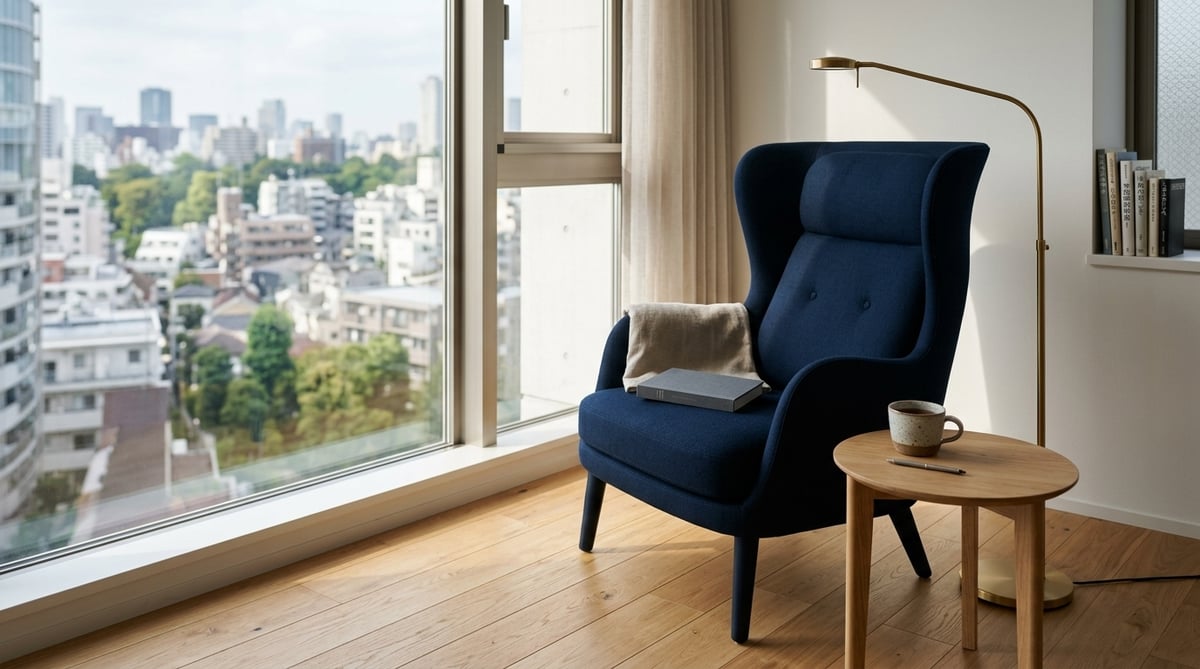
Leave behind the exhausting morning commute on crowded trains and walk to work while taking in the fresh morning air of central Tokyo. With Toranomon Hills, Tameike-sanno, Roppongi-itchome, and the Kasumigaseki government district all within walking distance, Akasaka in Minato Ward is a premier neighborhood offering professionals the ultimate harmony of living close to work. In this guide, a licensed real estate broker with a decade of expertise in Minato Ward explains how to design a fulfilling single lifestyle—identifying soundproof reinforced concrete (RC) and steel-reinforced concrete (SRC) apartments within a realistic monthly budget of ¥120,000 to ¥150,000, complemented by the convenience of 24-hour supermarkets.
Access to Major Business Hubs
8–18 Min Walk
Tameike-sanno 8 min · Toranomon 15 min · Kasumigaseki 18 min
Single Rent Benchmark (1K/Studio)
¥120k–¥155k
Mainly RC buildings in Akasaka 6 & 7-chome
Late-Night Grocery Infrastructure
Open 24 Hours
Niku no Hanamasa (24H) · Maruetsu Petit (until 10 PM)
Sorai Tokyo Initial Cost Design
50% Off Brokerage
0.55 mo rent (tax incl.) · Approx. ¥80,000 saved at lease signing
30-Second Summary & Key TakeawaysSorAi Summary
- A complete single professional guide to walking to work in Toranomon, Tameike-sanno, and Roppongi from Akasaka.
- Tameike-sanno 8 min · Toranomon 15 min · Kasumigaseki 18 min on foot.
- Single resident (1K/Studio) rent market: ¥120,000 to ¥155,000/month.
## Saying Goodbye to Packed Commuter Trains: The Walk-to-Work Lifestyle in Akasaka
For many professionals working in Tokyo, the daily rush-hour commute is often seen as an unavoidable battle of attrition—crammed into suffocating trains, stressed over unexpected delays, and racing against the countdown to the last train after working late. Choosing to live in Akasaka, Minato Ward and walking to work completely frees you from these transit pressures, transforming daily commute time into a restorative ritual for both mind and body.
The name Akasaka may immediately evoke bustling entertainment quarters or major media hubs like TBS. Yet just a step away from the primary avenues and onto the elevated plateau reveals a leafy residential haven that traces its lineage back to Edo-period samurai estates. Anchoring your daily life in this peaceful enclave brings a transformative upgrade to everyday living.
### Physical and Mental Freedom from the Morning Commuter Crush
During the 8:00 AM rush hour, passenger capacity on Tokyo's subway and JR lines often exceeds 150%. Uncomfortable physical contact and standing pinned so tightly that you cannot even check your phone screen impose heavy cognitive fatigue and strain on the nervous system before your workday even begins.
Living in Akasaka eliminates this transit misery entirely. Walking at your own pace through the crisp morning air, past the verdant trees along Akasaka-dori Avenue and the deep greenery of Akasaka Hikawa Shrine, awakens the mind and naturally organizes your thoughts for the day ahead. Free from anxiety over train delays or transit disruptions, you can cultivate a serene, self-reliant morning routine regardless of weather or rail conditions.
### Late-Night Safety and Flexibility Free from the Tyranny of the Last Train
For those working at the forefront of Tokyo business, project milestones, dinners with clients, and spontaneous conversations with colleagues often extend late into the evening—moments that directly impact careers and partnerships. When commuting from distant suburbs, however, an invisible curfew of an 11:45 PM last train constantly hangs overhead.
With Akasaka as your home base, the concept of missing the last train ceases to exist. Even if work in Toranomon, Roppongi, or Shimbashi stretches past midnight, a 15-minute stroll in the evening breeze or a short taxi ride at base fare (around ¥500 to ¥700) brings you straight to your front door. The streets around Minato Ward's business districts are brilliantly illuminated through the night and regularly patrolled by private security and police officers, ensuring an exceptionally high standard of safety, even for solo women walking home late at night.
### Effortless Daily Health and Zero-Cost Fitness Built into Your Routine
A 15- to 20-minute walk each way seamlessly incorporates 30 to 40 minutes of aerobic exercise—roughly 3,500 to 4,500 steps daily—into your everyday routine. There is no need to carve out extra time for the gym or pay steep monthly membership fees.
The gentle slopes characteristic of Akasaka naturally engage major lower-body muscle groups, stimulating circulation that often stagnates during long hours of desk work. Walking in natural morning sunlight also promotes serotonin production, which significantly enhances nighttime sleep quality—a health benefit consistently praised by professionals who have made the shift to living close to work.
### Unshakeable Professional Agility Immune to Bad Weather and Transit Suspensions
Typhoons, heavy snowfalls, and rail incidents inevitably disrupt Tokyo's train network several times a year. When transit grinds to a halt, the frustration of standing in endless lines outside stations or scrambling for scarce hotel rooms is immense.
Living within walking distance guarantees that you can reliably travel between your home and office on foot, regardless of transit gridlock. Seamlessly shifting to remote work during severe weather and having the agility to respond quickly to on-site emergencies build genuine reliability and trust among colleagues and clients alike.
Online Consultation (No Store Visit Needed) Sorai Tokyo Official
[\[Instant Calendar Booking\] Online Apartment Consultation with a Dedicated Agent](https://soraitokyo.jp/consultation?hsLang=en)
Licensed brokers specializing in Minato Ward and central Tokyo will guide you through organizing criteria, checking off-market listings, and optimizing move-in costs via video call.
[Check Available Slots & Book Now →](https://soraitokyo.jp/consultation?hsLang=en)
Comprehensive Area Guide Sorai Tokyo Official
[【Chiyoda Line Area Guide】Direct Access to Otemachi! Station Comparison](https://soraitokyo.jp/area-guide-chiyoda-line?hsLang=en)
Complete rental and living guide for all stations on the Tokyo Metro Chiyoda Line, from Kita-Ayase and Kita-Senju to downtown Otemachi.
[Explore Chiyoda Line Guide →](https://soraitokyo.jp/area-guide-chiyoda-line?hsLang=en)
## Real Walking Time Map: Commuting on Foot to Toranomon, Roppongi, and Kasumigaseki
Centering on Akasaka Station (Tokyo Metro Chiyoda Line), Japan's most prominent business centers radiate outward in concentric rings. Under the Real Estate Fair Competition Code, real estate listings calculate walking time at 80 meters per minute (rounding up any fraction). However, actual travel times vary depending on traffic lights and terrain elevation. Here, our experienced real estate brokers break down the realistic walking times and route characteristics to key business districts.
Scroll horizontally to see full table →
| Destination (Business District) | Real Walk Time from Akasaka Station | Actual Distance | Elevation & Route Profile | Walking Environment & Comfort |
| --- | --- | --- | --- | --- |
| Tameike-sanno & Sanno Park Tower | Approx. 8 min | Approx. 600 m | Along Sotobori-dori; mostly flat | Straight, wide sidewalks lined with trees |
| ARK Hills & Roppongi-itchome | Approx. 12 min | Approx. 900 m | Gentle incline along Sakurazaka | Sophisticated walkways featuring a cherry blossom canopy in spring |
| Toranomon Hills (Mori Tower & Business Tower) | Approx. 15 min | Approx. 1.1 km | Flat route accessible via Sotobori-dori | Modern pedestrian deck network around Shintora-dori |
| Kasumigaseki Government District (MOF, MOFA, METI) | Approx. 18 min | Approx. 1.3 km | Gentle slope behind the National Diet Building | Heavily secured route with exceptional safety day and night |
| Tokyo Midtown & Roppongi Crossing | Approx. 14 min | Approx. 1.0 km | Elevation change of approx. 15 m via Akasaka Hikawa | Serene walking path cutting through lush Hinokicho Park |
### The Flat 15-Minute Route to Toranomon Hills and Shimbashi
Extensive urban redevelopment has firmly established Toranomon Hills (comprising Mori Tower, Business Tower, Station Tower, and Glass Rock) as a premier international business center. When walking to Toranomon from around Akasaka Station, your choice of route directly determines your daily comfort.
The most recommended path runs south from Akasaka Sacas along Akasaka-dori, turning onto Sotobori-dori and heading toward the Patent Office and Toranomon intersections. Because this route traces the valley floor and plateau edges of the Musashino Uplands, it completely avoids Akasaka's notorious steep hills, offering a nearly flat, paved sidewalk right to the foot of Toranomon Hills. Spanning roughly 1.1 km, this walk takes 14 to 16 minutes at a standard pace—making it the ideal, predictable route for professionals who prefer a smooth, sweat-free morning arrival.
### The Scenic 12-Minute Route Along Sakurazaka to ARK Hills & Roppongi-itchome
For destinations such as ARK Hills and Izumi Garden Tower—connected directly to Roppongi-itchome Station and hosting global financial institutions, tech leaders, and prestigious law firms—a gentle ascent up Sakurazaka from Akasaka 2-chome provides a refreshing walk.
Covering approximately 900 meters, the journey takes around 12 minutes on foot. In spring, Sakurazaka transforms into an exquisite tunnel of blooming Somei Yoshino cherry trees, offering an intimate connection with changing seasons in the heart of Tokyo. The gradient is gentle and sidewalks are impeccably paved for an easy, pleasant stroll. Arriving early to savor an artisanal morning coffee in the open plaza or cafes around ARK Mori Building is a special luxury made possible by this proximity.
### Walking 8 to 18 Minutes to Tameike-sanno and Kasumigaseki, plus Underground Connections
Reaching Tameike-sanno (home to Sanno Park Tower and Prudential Tower) is remarkably quick: simply walk east along Akasaka-dori from Exit 2 of Akasaka Station for just 600 meters—an easy 8-minute stroll. It is an effortless distance, even on rainy mornings or in the peak of midsummer.
Akasaka is equally ideal for government officials, legal specialists, and consultants working in the Kasumigaseki district (housing the Ministry of Finance, Ministry of Foreign Affairs, METI, and MEXT). The route behind the National Diet Building spans roughly 1.3 km and takes about 18 minutes, offering a healthy daily walk. During inclement weather, you can hop on the Tokyo Metro (Chiyoda or Marunouchi Line) at Kokkai-gijidomae Station—which connects underground to Tameike-sanno Station—for just one stop to enter Kasumigaseki's extensive subterranean network, keeping exposure to rain and wind to an absolute minimum.
### Navigating Akasaka's Topography: Slope Bypasses and Smart Bike-Sharing
When searching for a home in Akasaka, one essential geographic characteristic is the pronounced elevation changes along the eastern edge of the Musashino Uplands. Akasaka features a basin-like bowl topography where plateau ridges interweave with eroded valley floors. Moving from the area around Akasaka Station (elevation approx. 8–10 meters) up to the Akasaka 6 and 7-chome plateau or Aoyama-dori (elevation approx. 25–30 meters) entails climbing steep slopes with a 15- to 20-meter vertical rise.
Akasaka is known for historic, steep slopes such as Tangozaka, Sambonzaka, Hikawazaka, and Yagenzaka. If climbing these hills daily sounds demanding, two strategies offer a seamless solution:
- **Public Elevators and Mixed-Use Shortcuts**: Major complexes such as Akasaka Biz Tower and Tokyo Midtown connect subterranean levels directly to elevated street levels via public elevators and escalators. Integrating these accessible public pathways into your daily commute lets you bypass steep climbs effortlessly.
- **Electric-Assist Bike-Sharing (LUUP, Docomo Bike Share)**: Akasaka boasts bike-sharing ports every few hundred meters. With an e-bike, steep inclines can be conquered smoothly without breaking a sweat, cutting travel times to Shimbashi, Toranomon, or Roppongi Crossing down to just 5 to 7 minutes—about a third of the walking time.
01
#### Depart Your Hilltop Home
Head out from the residential quiet of Akasaka 6 or 7-chome, descending via leafy Hikawazaka or flat pedestrian paths.
02
#### Join the Flat Akasaka-dori Route
Pass by Akasaka Biz Tower and transition smoothly onto the wide, paved sidewalks toward Sotobori-dori.
03
#### Pick Up Artisanal Morning Coffee
Stop at a classic cafe near Tameike-sanno or ARK Hills, taking a moment to savor freshly brewed aromas.
04
#### Settle at Your Desk in 15 Min
Free from train delays and commute stress, begin your workday with complete mental clarity.
SORAI SIMULATOR / Online in 10 Sec
### \[SorAi Initial Cost Simulator\] Calculate Estimated Move-in Costs in 10 Seconds
Simply enter the rent and deposit to calculate a transparent move-in cost breakdown including brokerage and guarantor fees without hidden markups.
[Open in Fullscreen / New Tab](https://soraitokyo.jp/en/quote?ref=blog_embed_ext&utm_source=blog_mid_cta&utm_medium=cta&utm_campaign=unified_cta_simulator&hsLang=en) [Chat on Official LINE](https://line.me/R/ti/p/@soraitokyo)
Explore other free SorAi tools: [SorAi Inspection Report →](https://soraitokyo.jp/inspection?ref=blog_mid_cta_aux&lang=en&utm_source=blog_mid_cta&utm_medium=aux_link&utm_campaign=unified_cta_inspection&hsLang=en) [SorAi Request →](https://hearing.soraitokyo.jp/?start=true&ref=blog_mid_cta_aux&lang=en&utm_source=blog_mid_cta&utm_medium=aux_link&utm_campaign=unified_cta_request)
※ 100% Free ・ Online completed.
Related Article
[\[Ayase Living Cost Simulation\] The Reality of Tokyo Life from ¥60,000/Month: Full Budget & Cost-of-Living Breakdown](https://soraitokyo.jp/ja/blog/ayase-living-costs-single-simulation?hsLang=en)
[Read Article →](https://soraitokyo.jp/ja/blog/ayase-living-costs-single-simulation?hsLang=en)
Related Recommendation
[Complete Ayase Solo Living Cost Guide: Monthly Budget Breakdown from ¥60,000s Rent, Move-in Costs & Smart Savings Simulation](https://soraitokyo.jp/en/blog/ayase-living-costs-single-simulation?hsLang=en)
[Read Article →](https://soraitokyo.jp/en/blog/ayase-living-costs-single-simulation?hsLang=en)
## Selecting Soundproof Auto-Lock Rentals in Akasaka for ¥120,000–¥150,000
When people think of living in Akasaka, Minato Ward, they often picture luxury high-rise towers costing ¥200,000 to ¥300,000 or more per month. However, a detailed analysis of professional real estate databases reveals that for solo-oriented 1K and studio layouts (around 20 to 26 m²), the ¥120,000 to ¥155,000 range (including management fees) offers a substantial inventory of excellent apartments featuring robust sound insulation and dependable security.
Securing a satisfying home within this price bracket requires understanding building structures, evaluating usable floor area, and strategically optimizing initial move-in costs.
### Rent Structures and the Sweet Spot for Studio & 1K Apartments in Akasaka
While the average rent for single-occupancy rentals across Minato Ward hovers around ¥135,000 to ¥160,000, Akasaka stands out for its rich diversity in building ages.
Condominium-grade rentals under 5 years old regularly exceed ¥160,000 to ¥180,000. However, looking at well-maintained reinforced concrete (RC) buildings aged 15 to 25 years—or thoughtfully renovated properties around 30 years old—unveils a wealth of quality options between ¥125,000 and ¥145,000. While their exteriors exude classic, vintage composure, their interiors have frequently been fully remodeled with contemporary essentials: separate bath and toilet, standalone vanity, bathroom ventilation dryer, two-burner gas stovetop, and parcel delivery lockers, delivering extraordinary cost performance.
Scroll horizontally to see full table →
| Property Type & Age Category | Rent Range (Incl. Management Fee) | Typical Floor Area | Key Amenities & Soundproofing | Neighborhood Features & Recommended Profile |
| --- | --- | --- | --- | --- |
| Renovated RC (20–30 Years Old) | ¥120,000–¥138,000 | 19–23 m² (Studio / 1K) | Reinforced concrete wall structure, renovated plumbing/fixtures, auto-lock | Akasaka 6 & 7-chome plateau; ideal for budget-conscious residents seeking tranquility |
| Mid-Tier Condominium Rentals (10–20 Years Old) | ¥138,000–¥155,000 | 22–26 m² (1K) | Steel-reinforced concrete (SRC), double-layered flooring, separate vanity, parcel lockers | Akasaka 2 & 4-chome; for those balancing modern fixtures with urban convenience |
| Modern Designer Apartments (\<10 Years Old) | ¥155,000–¥180,000 | 24–28 m² (1K) | High-grade soundproof sash windows, modern security systems, CCTV | Within 5 min walk of Akasaka Station; for design-oriented renters wanting the latest specs |
| High-Rise Towers & Large Developments (Reference) | ¥220,000–¥350,000+ | 35–45 m² (1LDK) | Seismic damping/isolation, concierge services, hotel-style interior hallways | Integrated redevelopment zones; catering to high-earning executives |
### Acoustic Standards: Reinforced Concrete (RC) vs. Steel Reinforced Concrete (SRC)
In downtown Tokyo, the primary shield protecting your sleep and restorative quiet is a building's acoustic performance. In wooden or light-gauge steel frame apartments, everyday sounds from neighboring units and exterior street noise easily penetrate, creating unnecessary stress in an energetic central district.
When selecting an apartment in Akasaka, insisting on either reinforced concrete (RC) or steel-reinforced concrete (SRC) construction is an essential rule. Thanks to the mass law of concrete, airborne sound insulation performance typically achieves a D-50 rating or better, significantly dampening voices and television audio from adjacent units.
During room viewings, always verify these two critical elements:
- **Party Wall Construction**: Check whether the boundary wall between units is direct reinforced concrete with wallpaper or a double-layered soundproof drywall system. When lightly tapping the wall, a solid, muffled thud indicates superior sound isolation.
- **Window Sash Soundproof Rating (T-Value)**: Windows featuring T-2 (30 dB attenuation), T-3 (35 dB attenuation), or double-sash (secondary interior glazing) designs effectively block traffic noise and late-night pedestrian chatter, keeping your interior as quiet as a private library.
### Furniture Layout and Maximizing Usable Area in 20–25 m² Studio Living
The exclusive floor area indicated on rental lease contracts and floor plans is calculated using the wall-centerline method (hekishin), measured from the middle of the walls. Consequently, protruding structural columns or low-hanging ceiling beams can reduce the true usable interior space relative to the nominal number.
In a 22 m² 1K unit, the main living/bedroom area typically measures around 6.0 to 6.5 tatami mats (approx. 10 to 11 m²). Here is the golden layout formula for comfortable living in this footprint:
- **Bed Placement**: Position a single bed (97 cm wide × 195 cm long) or semi-double bed (120 cm wide × 195 cm long) against the far wall or alongside the window to keep the main traffic pathway straight and unobstructed.
- **Dedicated Workstation**: Place a compact desk (approx. 100 cm wide × 50 cm deep) along a wall, using a monitor arm to keep desktop surface space uncluttered and functional.
- **Vertical Storage Utilization**: If the closet features outward-swinging doors, measure during your viewing to ensure the bed or desk will not obstruct door clearance. Closets with sliding doors dramatically expand your layout flexibility.
## Making the Most of 24/7 and Late-Night Supermarkets: Hanamasa, Maruetsu Petit & More
Although Akasaka is filled with enticing restaurants, relying solely on dining out quickly inflates living expenses and can compromise your nutritional balance. The true lifeline for sustaining a vibrant, healthy central Tokyo lifestyle is having 24-hour and late-night grocery stores directly along your everyday walking route.
Akasaka provides exceptional culinary infrastructure tailored to every need—ranging from a 24-hour wholesale grocer offering professional-grade ingredients at budget prices, to compact urban supermarkets ideal on your commute home, and upscale specialty grocers for gourmet weekends.
Niku no Hanamasa Akasaka (Akasaka 2-chome)
#### Open 24/7: Unbeatable Bulk Portions for Fresh Meats & Frozen Staples
- ✓ Open 24 hours year-round, accommodating late-night trips at 2 AM or early morning runs
- ✓ Generous bulk packs of chicken breast, pork, and beef at unbeatable wholesale prices in central Tokyo
- ✓ Giant bags of frozen broccoli and proprietary seasonings make home cooking seamless
- ✓ Perfect for weekend batch shopping and prepping meals for the week ahead
Ideal for home cooks seeking to keep grocery bills in check while maintaining a nutritious, high-protein diet.
Maruetsu Petit Akasaka Biz Tower (Akasaka 5-chome)
#### Open Until 10 PM: Single-Serving Portions & Fresh Prepared Meals
- ✓ Open from 7 AM to 10 PM, directly connected to daily subway transit routes
- ✓ Rich selection of single-serving packaged vegetables and fresh cut fruit
- ✓ Discount stickers applied to bento boxes and hot deli items in late evenings
- ✓ Efficiently stocks daily essentials including toiletries, detergents, and waste bags
Indispensable for busy professionals who want to pick up a wholesome, balanced dinner quickly on weeknights.
### Round-the-Clock Grocery Supply at Hanamasa Akasaka in 2-chome
Located in Akasaka 2-chome toward Sotobori-dori, Niku no Hanamasa Akasaka is the ultimate stronghold for solo home cooks in central Tokyo. Even at 2 AM or 5 AM when standard grocery stores are shuttered, its vibrant yellow sign shines brightly, welcoming night owls and early risers alike.
Because local restaurateurs frequently source provisions here, the fresh meat selection is outstanding in both quality and variety. Buying 2 kg packs of chicken breast or value-sized pork slices to divide and freeze drastically lowers food costs. With a wide array of private-brand frozen goods—such as butcher-style hamburger patties and frozen vegetable mixes—it makes whipping up a quick meal after a late shift effortless.
### Convenient Daily Groceries and Ready Meals at Maruetsu Petit Akasaka Biz Tower
Situated on the B1 level of Akasaka Biz Tower with direct subway access, Maruetsu Petit Akasaka Biz Tower operates from 7:00 AM to 10:00 PM, seamlessly accommodating breakfast pick-ups before work and dinner shopping on your way home.
Specializing in urban convenience, it features single-serving hot pot kits, small salads, braised dishes, and grilled fish in its expansive prepared foods deli. Marked-down items frequently appear after 9:00 PM, providing a comforting, well-balanced meal that far surpasses typical convenience store fare on evenings when you are too tired to cook.
### Elevating Weekends with Seijo Ishii and Precce Premium near Nogizaka & Roppongi
When you want to complement daily staples with boutique seasonings, fine wines, or imported delicacies on weekends, Seijo Ishii in Akasaka Biz Tower (connected to Exits 3a and 3b) is remarkably convenient. Sheltered from the rain within underground corridors, it lets you pick up artisanal cheeses, directly imported cured meats, and their signature premium cheesecake with ease.
Strolling toward Nogizaka brings you to Precce Premium on the B1 level of Tokyo Midtown, open until 11:00 PM (8:00 AM to 11:00 PM). Featuring carefully curated organic produce, pristine fresh seafood, and premium Japanese Wagyu beef, shopping here transforms ordinary grocery errands into an enriching, sensory experience.
### Maintaining Nutrition After Late Shifts: Seamless Integration with Pharmacies & Convenience Stores
Beyond supermarkets, major convenience store chains including 7-Eleven, FamilyMart, and Lawson dot Akasaka's streets every few dozen meters. Pharmacies such as Sugi Pharmacy Akasaka and Matsumotokiyoshi Akasaka Biz Tower also cluster near the station, allowing you to pick up prescriptions, household consumables, and wellness supplements in a single streamlined trip.
By pairing the extra time reclaimed from eliminating long commutes with these 24-hour urban amenities, you can enjoy a smartly balanced diet: quick home-cooked meals with Maruetsu Petit and Hanamasa on busy weekdays, balanced by gourmet indulgence with Seijo Ishii and Precce on weekends.
## Choosing the Right Enclave: Securing Tranquility Away from Entertainment Noise
The single most decisive factor when finding an apartment in Akasaka is strict neighborhood selection by sub-district (chome). Akasaka extends substantially from north to south, and the streetscape and nighttime noise levels shift dramatically across different blocks. Renting an apartment simply because it is close to the station exposes you to the risks of late-night restaurant touts, glaring neon signage, and morning delivery truck clatter.
As real estate brokers with 10 years of field experience in Minato Ward, our confident recommendation for professionals seeking deep sleep and tranquil evenings is Akasaka 6-chome, Akasaka 7-chome, and the elevated sanctuary around Akasaka Hikawa Shrine.
### The Clear Divide Between Vibrant Commercial Streets (3-chome) and Quiet Plateaus (6 & 7-chome)
To understand the spatial rhythm of Akasaka, keep these distinct neighborhood boundaries in mind:
- **Akasaka 3-chome (Hitotsugi-dori, Misuji-dori, Tamachi-dori)**: Situated near Akasaka-mitsuke Station, this vibrant commercial core is densely packed with izakayas, bars, traditional ryotei, and entertainment venues. While buzzing with urban energy day and night, it is generally polarizing as a purely residential address due to nighttime foot traffic and ambient noise.
- **Akasaka 2-chome & 4-chome**: A balanced blend of office buildings, retail, and mid-rise residential properties. While main avenues carry steady vehicle traffic, these blocks offer strong potential for renters who place convenience above all else.
- **Akasaka 6-chome & 7-chome**: Cross Akasaka-dori to the south, and you enter an elevated plateau extending toward Nogizaka and Roppongi. Here, city zoning transitions from commercial to Category I and II Residential Districts, characterized by quiet mid- and low-rise apartments and stately residences. Late at night, the neighborhood falls into a deep, serene calm where the rustling of trees and gentle evening breezes take center stage.
### Historic Prestige and Verdant Calm Around Akasaka Hikawa Shrine
The area surrounding Akasaka Hikawa Shrine—the enduring icon of Akasaka 6-chome—features the original shrine pavilion established by the eighth shogun, Tokugawa Yoshimune, surrounded by a sacred forest that includes a majestic ginkgo tree over 400 years old. Dating back to the Edo period as a district of daimyo feudal estates and direct samurai retainers, it remains today an esteemed address home to international embassies and distinguished vintage residences.
Walking along the atmospheric slopes of Hikawazaka and Moto-Hikawazaka, the solemn quiet makes you forget you are in the very heart of Tokyo. Passing through the shrine grounds on your morning walk cleanses the senses and sharpens focus. Enjoying prime metropolitan access while living alongside historic nature is the true privilege of calling Akasaka home.
### Shared Living Sphere: Nogizaka Station, Hinokicho Park & Tokyo Midtown
Living in Akasaka 6 or 7-chome places Nogizaka Station on the Tokyo Metro Chiyoda Line within comfortable daily reach alongside Akasaka Station. The thoughtfully designed station layout dramatically broadens your urban transit options:
- **Nogizaka Station Exit 1**: Faces the grand torii gate of Nogi Shrine and Gaien-higashi-dori, convenient for walking toward Aoyama-itchome.
- **Nogizaka Station Exit 2**: Leads toward the Nogizaka overpass and Roppongi 7-chome, serving as a quick shortcut to Roppongi Crossing.
- **Nogizaka Station Exit 3**: Faces Gaien-higashi-dori, providing direct access toward Tokyo Midtown.
- **Nogizaka Station Exit 6**: Connects directly from the ticket gates to The National Art Center, Tokyo, allowing sheltered access even on rainy days.
Note: Akasaka Station features Exits 1 through 7, with Exits 3a and 3b connecting directly to Akasaka Biz Tower, Exit 1 leading toward Hitotsugi-dori, Exit 2 heading toward Tameike-sanno, and Exits 4 and 6 opening toward Akasaka-dori and Hikawa Shrine.
On a weekend afternoon, exiting from Nogizaka Station Exit 3 leads directly to the open lawns and tranquil ponds of Hinokicho Park for reading on a shaded bench. You might also drop by the Suntory Museum of Art in Tokyo Midtown to view an exhibition. Having this refined cultural milieu just steps from your doorstep enriches the overall quality of daily life.
Licensed Broker's Insight: The Critical Value of "Dual Day & Night Viewings"
When deciding on an apartment in a district like Akasaka where residential and commercial zones intersect, we strongly advise against deciding based solely on a daytime viewing with an agent. Always take time to walk the surrounding streets on a weekday evening after 9:00 PM or 10:00 PM. Check whether quiet daytime streets become temporary idling spots for restaurant delivery vans, observe how nearby waste collection areas are maintained, and confirm whether streetlights illuminate the approach to the entrance adequately. Personally sensing the authentic nighttime atmosphere with your own eyes is the most foolproof way to eliminate any surprises after moving in.
### Nighttime Field Inspection Checklist: Streetlights, Deliveries & Emergency Routes
When visiting a prospective neighborhood at night, our professional checklist covers the following essentials:
- **Street Lighting and Blind Spots**: Verify that alleys leading from Akasaka-dori to the apartment entrance are well-lit and free of dark blind spots. Akasaka 6 and 7-chome benefit from well-planned residential illumination, maintaining clear visibility through the evening.
- **Commercial Exhaust Ducts & Outdoor Units**: If neighboring buildings host late-night dining establishments, verify that kitchen exhaust odors or low-frequency hums from industrial refrigeration units do not reach your prospective bedroom windows.
- **Major Thoroughfares and Emergency Sirens**: Properties directly fronting arterial roads such as Sotobori-dori, Aoyama-dori, or Roppongi-dori experience frequent emergency vehicle sirens. Selecting a building situated one or two blocks back from these main avenues significantly buffers against nighttime siren noise.
## Reclaiming Your Time: Creating a Fulfilling Life Through Work-Residence Proximity
For those commuting into central Tokyo from outer suburbs, spending 2 to 2.5 hours round-trip every day is commonplace. When that travel time is compressed into a 15-minute walk, how does everyday life transform? Below, we quantify the true value of living close to work through concrete time savings and economic calculations.
Scroll horizontally to see full table →
| Comparison Metric | Suburban Living (60 Min Each Way, Packed Train) | Akasaka Walk-to-Work (15 Min Each Way, on Foot) | Absolute Advantage of Living Close to Work |
| --- | --- | --- | --- |
| Daily Commuting Time | 120 min round-trip (2 hours) | 30 min round-trip (walking only) | Reclaims 90 minutes of free time every single day |
| Annual Commute Time (240 Working Days/Year) | 480 hours (equivalent to 20 full days) | 120 hours (equivalent to 5 full days) | Reclaims 360 hours (15 full days) annually |
| Commute Stress Level | 150%+ congestion, delays, physical strain | Zero (aerobic exercise, fresh air, clear mind) | Restored nervous system balance and improved vitality |
| Late-Night Taxi Risk | ¥8,000–¥15,000+ per occurrence | ¥0 (walk) or ¥500–¥700 base fare | Zero last-train anxiety; avoids unexpected expenses |
| Value of Time (Based on ¥2,500/hr) | ¥1,200,000 worth of time lost annually | ¥300,000 invested in health & self-development | Yields approx. ¥900,000 in net reclaimed time value |
### A Calm Hour Before Work: Historic Cafes, Greenery Walks, and Self-Development
Gaining 90 minutes of reclaimed time every day fundamentally enriches how mornings feel. What used to be a frantic rush—jolting awake to an alarm and dashing toward the station—is reimagined in Akasaka as a tranquil hour dedicated entirely to yourself.
You might sit in a heritage kissaten cafe near Akasaka-mitsuke studying for professional certifications amid the aroma of siphon-brewed coffee, or listen to an audiobook while strolling under the canopy of Akasaka Hikawa Shrine. Preparing a wholesome breakfast in the morning sun and enjoying tea from your favorite mug still leaves you arriving at the office 20 minutes before work begins. This quiet morning fulfillment sets a composed, confident tone for the entire working day.
### Doubling Evening Leisure: Modern Time Management in Central Tokyo
Evening routines experience a matching renaissance. When finishing work at 7:00 PM, you can be kicking off your shoes at home by 7:20 PM.
Picking up fresh groceries at Maruetsu Petit means finishing a warm dinner by 8:00 PM. From there, over three full hours remain before bedtime—time to enjoy reading, films, online courses, or relaxing yoga. Moving past the routine of collapsing into bed exhausted after an agonizing commute, you cultivate a balanced rhythm that celebrates life's daily pleasures, even on busy weekdays.

SorAi Real-Time Rental Concierge Online 24/7
Official AI answers your questions 24/7
[Continue on Official LINE (24/7 Free)](https://page.line.me/soraitokyo?oat_content=url&openQrModal=true&utm_source=soraitokyo_website&utm_medium=blog_inline_chat&utm_campaign=line_btn) [Privacy Policy](https://soraitokyo.jp/en/privacy-policy)

Thank you for reading this guide. I am SorAi, your official real estate AI concierge.
Feel free to ask any questions about neighborhood livability, rent averages, safety, or commuting convenience in Tokyo.
Quick questions:
Summarize neighborhood livability
Commute access and train crowding
Supermarkets and daily amenities
Rent comparison with nearby stations
[Continue on Official LINE (Free)](https://page.line.me/soraitokyo?oat_content=url&openQrModal=true&utm_source=soraitokyo_website&utm_medium=blog_inline_chat&utm_campaign=line_btn)
Send
No phone number required. Feel free to consult at your own pace 24/7.
### Featured Tokyo Living Guides
SorAi Editorial
Swipe
#### [ Pet Friendly / Rental Contracts Tokyo Pet-Friendly Apartment Rental Contract Guide: Deposits & Soundproof Tips | Sorai Tokyo Read Guide →](https://soraitokyo.jp/en/blog/tokyo-pet-friendly-apartment-contract-guide?hsLang=en)
#### [ Chiyoda Line / Redevelopment Kitasenju Redevelopment & Livability 2026: 5 Train Lines, Shopping & Housing | Sorai Tokyo Read Guide →](https://soraitokyo.jp/en/blog/area-guide-kitasenju-redevelopment-trend-2026?hsLang=en)
#### [ Tenant Screening / Checklist Tokyo Rental Screening Guide 2026: Why Applications Fail and How to Pass | Sorai Tokyo Read Guide →](https://soraitokyo.jp/en/blog/apartment-screening-checklist-guide?hsLang=en)
## Frequently Asked Questions (FAQ)
### QWhat annual income is typically required to pass tenant screening for an Akasaka studio/1K renting at ¥120,000–¥150,000?
AIn tenant screening for rental apartments, the standard rule of thumb is a monthly gross income approximately three times the total monthly rent (rent plus management fee), which corresponds to roughly 36 times the monthly rent in gross annual salary. For a property renting at ¥130,000/month (all-in), a gross annual income of roughly ¥4.7 million or more serves as a baseline, while a ¥150,000/month apartment generally looks for around ¥5.4 million or higher. However, independent and credit-affiliated rent guarantor companies have become increasingly flexible, assessing factors like industry tenure, job stability, and liquid savings. Even freelancers or those who recently changed jobs can comfortably pass screening by presenting proper documentation (such as tax return copies and bank balance certificates). If you have any questions about eligibility, feel free to consult with our dedicated licensed brokers at Sorai Tokyo in advance.
### QIs an electric bicycle or LUUP really necessary for daily commuting given Akasaka's hills?
AIt largely depends on the direction of your workplace and your chosen route. For example, heading from Akasaka Station to Toranomon, Tameike-sanno, or Shimbashi via Sotobori-dori follows the valley contour, making it virtually flat and effortless on foot alone. Conversely, routes traversing from the Akasaka 6 and 7-chome plateau toward Roppongi or Aoyama encounter 15- to 20-meter elevation shifts along slopes such as Hikawazaka or Yagenzaka. While many residents welcome these hills as healthy daily exercise, utilizing an e-bike share during hot summer months or when pressed for time allows you to glide up slopes effortlessly without breaking a sweat. Adapting your mode of transit to match the season and your daily schedule offers the most practical balance.
### QGiven Akasaka's proximity to entertainment districts, what should women living alone know regarding safety and security?
AWhile Akasaka includes lively dining streets, its proximity to the National Diet Building, central government ministries, and international embassies (including the United States Embassy) gives it one of the highest densities of 24-hour police and private security patrols anywhere in Tokyo. For women living alone, the golden rule is to avoid the bustling dining core of Akasaka 3-chome (around Misuji-dori and Hitotsugi-dori), where nightlife crowds linger, and instead select residential enclaves such as Akasaka 6-chome, 7-chome, or the peaceful plateau around Akasaka Hikawa Shrine. Choosing a unit on the second floor or higher in a building equipped with a video intercom auto-lock system, security surveillance cameras, and parcel delivery lockers ensures an exceptionally secure and comfortable lifestyle.

Author: Sorai Tokyo Editorial Team (Supervised by Licensed Real Estate Agents)
A real estate consulting team specializing in assisting foreign nationals find rooms and explaining initial costs in Tokyo. We break down language barriers and differences in customs, offering dedicated support in Japanese, English, and Vietnamese for a safe and secure start to your new life.
 SORAI TOKYO | Chat with AI "SorAi" Anytime on LINE
### Exploring Tokyo Neighborhoods or Apartments? Ask Our AI "SorAi" Anytime on LINE
No property URL needed yet. From area safety, commute tips, and rent trends to instant initial-cost audits for listings you found—chat with SorAi 24/7 on LINE with zero sales calls.
STEP 1
Ask Anything on LINE
Ask about areas & rent, or send a listing URL anytime
→
STEP 2
24/7 Instant Reply by SorAi
Objective area data, live vacancy & fee breakdown
→
STEP 3
Explore at Your Own Pace
Zero sales calls. Meet on-site only when ready to view
24/7 Instant / Most Popular
#### ① Chat with AI "SorAi" on LINE (Free)
Ask about neighborhoods, rent trends, or share any listing URL on LINE. SorAi & our bilingual concierge check live vacancy and upfront fee breakdowns with zero sales pressure.
[Chat with SorAi on LINE (Free) ➔](https://lin.ee/VE8fd8b?utm_source=soraitokyo_blog&utm_medium=cta&utm_campaign=bottom_cta&utm_content=line)
Web Audit
#### ② SorAi Property Report
Already found a listing? Submit the URL or floor plan on the web for an instant objective breakdown of move-in costs and neighborhood data.
[View Report (Free) ↗](https://inspection.soraitokyo.jp/?ref=blog_bottom_cta)
Wait for New Listings
#### ③ SorAi Housing Needs
Select your budget, layout, and must-have conditions in 30 seconds to receive matching listings at your own pace.
[Organize Criteria (Free) ➔](https://soraitokyo.jp/en/request?ref=blog_bottom_cta&hsLang=en)
Instant Move-in Estimate
#### ④ SorAi Move-in Estimator
Enter rent and management fees to quickly estimate standard upfront contract costs and potential savings.
[Check Estimates (Free) ➔](https://soraitokyo.jp/en/quote?ref=blog_bottom_cta&hsLang=en)
※ Consultations are 100% free. No phone number required, zero pushy calls—everything is completed smoothly on LINE.
この記事をシェアする
\# エリアガイド
[ SORAI TOKYO](https://soraitokyo.jp/en/)
Sorai Tokyo Co., Ltd.
Room 102, 1-7-14 Yanaka, Adachi-ku, Tokyo, 120-0006
03-6161-8484
[contact@soraitokyo.jp](mailto:contact@soraitokyo.jp)
Tokyo Metropolitan Governor (1) No. 113297
(License Date: December 20, 2025)
### Sitemap
- [About Us](https://soraitokyo.jp/en/about-us)
- [Testimonials](https://soraitokyo.jp/en/testimonials)
- [Chiyoda Line Guide](https://soraitokyo.jp/en/area-guide-chiyoda-line)
- [Sorai Journal](https://soraitokyo.jp/en/blog)
- [FAQs](https://soraitokyo.jp/en/faqs)
- [Contact](https://soraitokyo.jp/en/contact)
- [SorAi Request](https://soraitokyo.jp/en/request)
### Business Hours
**10:00 〜 18:00**
Closed: **Tuesday & Wednesday**
Inquiries via LINE, SNS, and email are accepted 24/7.
[View on Google Maps](https://maps.google.com/?q=%E6%9D%B1%E4%BA%AC%E9%83%BD%E8%B6%B3%E7%AB%8B%E5%8C%BA%E8%B0%B7%E4%B8%AD1-7-14) [Book Online Meeting](https://soraitokyo.jp/en/consultation?hsLang=en)
### Multilingual Services
Our professional staff are fluent in Japanese, English, Vietnamese, Russian, and Indonesian to support you from room hunting to contract signing.
[🇯🇵 日本語](https://soraitokyo.jp/ja/blog/akasaka-walk-commute-solo-lifestyle?hsLang=ja) [🇺🇸 English](https://soraitokyo.jp/en/blog/akasaka-walk-commute-solo-lifestyle?hsLang=en) [🇻🇳 Tiếng Việt](https://soraitokyo.jp/vi/blog/akasaka-walk-commute-solo-lifestyle?hsLang=vi) [🇷🇺 Русский](https://soraitokyo.jp/ru/blog/akasaka-walk-commute-solo-lifestyle?hsLang=ru) [🇮🇩 Indonesia](https://soraitokyo.jp/id/blog/akasaka-walk-commute-solo-lifestyle?hsLang=id)
### Inquire via Social Media
[Privacy Policy](https://soraitokyo.jp/en/privacy-policy) | [Privacy & Security](https://soraitokyo.jp/en/security)
Copyright © 2026 株式会社ソライ東京 (Sorai Tokyo Co., Ltd.) All Rights Reserved.
[Chat with SorAi](https://page.line.me/soraitokyo?oat_content=url&openQrModal=true&utm_source=soraitokyo_website&utm_medium=line_button&utm_campaign=chatbot_popover)
SorAi Chat

#### SorAi
Online (Multilingual Support)
×
[Chat with SorAi](https://page.line.me/soraitokyo?oat_content=url&openQrModal=true&utm_source=soraitokyo_website&utm_medium=chatbot_header&utm_campaign=line_btn) [Email Us](https://soraitokyo.jp/en/contact?hsLang=en)
[Get "SorAi" on LINE (24/7 Free)](https://page.line.me/soraitokyo?oat_content=url&openQrModal=true&utm_source=soraitokyo_website&utm_medium=line_button&utm_campaign=floating_btn)
 SorAi | 24/7 AI Rental Chat No signup・100% online
TOC
### Table of Contents
×
```json
{
"@context" : "https://schema.org",
"@type" : "BlogPosting",
"author" : {
"@type" : "Person",
"name" : "ソライ東京編集部",
"url" : "https://soraitokyo.jp/en/blog/author/ソライ東京編集部"
},
"datePublished" : "2026-09-10T09:17:32.000Z",
"headline" : "Walking to Work in Akasaka: Toranomon, Tameike-sanno & Roppongi Within Reach | Soundproof Auto-Lock Rentals (¥120k–¥150k) & 24/7 Groceries | Sorai Tokyo",
"image" : [ "https://soraitokyo.jp/hubfs/blog-eyecatches/batch5_concrete_wood_living.jpg" ],
"mainEntityOfPage" : {
"@id" : "https://soraitokyo.jp/en/blog/akasaka-walk-commute-solo-lifestyle",
"@type" : "WebPage"
},
"publisher" : {
"@type" : "Organization",
"logo" : {
"@type" : "ImageObject",
"url" : "https://soraitokyo.jp/hubfs/small_logo(color)%20(2)-1.png"
},
"name" : "株式会社ソライ東京"
}
}
```
```json
{
"@context" : "https://schema.org",
"@type" : "FAQPage",
"mainEntity" : [ {
"@type" : "Question",
"acceptedAnswer" : {
"@type" : "Answer",
"text" : "In tenant screening for rental apartments, the standard rule of thumb is a monthly gross income approximately three times the total monthly rent (rent plus management fee), which corresponds to roughly 36 times the monthly rent in gross annual salary. For a property renting at ¥130,000/month (all-in), a gross annual income of roughly ¥4.7 million or more serves as a baseline, while a ¥150,000/month apartment generally looks for around ¥5.4 million or higher. However, independent and credit-affiliated rent guarantor companies have become increasingly flexible, assessing factors like industry tenure, job stability, and liquid savings. Even freelancers or those who recently changed jobs can comfortably pass screening by presenting proper documentation (such as tax return copies and bank balance certificates). If you have any questions about eligibility, feel free to consult with our dedicated licensed brokers at Sorai Tokyo in advance."
},
"name" : "What annual income is typically required to pass tenant screening for an Akasaka studio/1K renting at ¥120,000–¥150,000?"
}, {
"@type" : "Question",
"acceptedAnswer" : {
"@type" : "Answer",
"text" : "It largely depends on the direction of your workplace and your chosen route. For example, heading from Akasaka Station to Toranomon, Tameike-sanno, or Shimbashi via Sotobori-dori follows the valley contour, making it virtually flat and effortless on foot alone. Conversely, routes traversing from the Akasaka 6 and 7-chome plateau toward Roppongi or Aoyama encounter 15- to 20-meter elevation shifts along slopes such as Hikawazaka or Yagenzaka. While many residents welcome these hills as healthy daily exercise, utilizing an e-bike share during hot summer months or when pressed for time allows you to glide up slopes effortlessly without breaking a sweat. Adapting your mode of transit to match the season and your daily schedule offers the most practical balance."
},
"name" : "Is an electric bicycle or LUUP really necessary for daily commuting given Akasaka's hills?"
}, {
"@type" : "Question",
"acceptedAnswer" : {
"@type" : "Answer",
"text" : "While Akasaka includes lively dining streets, its proximity to the National Diet Building, central government ministries, and international embassies (including the United States Embassy) gives it one of the highest densities of 24-hour police and private security patrols anywhere in Tokyo. For women living alone, the golden rule is to avoid the bustling dining core of Akasaka 3-chome (around Misuji-dori and Hitotsugi-dori), where nightlife crowds linger, and instead select residential enclaves such as Akasaka 6-chome, 7-chome, or the peaceful plateau around Akasaka Hikawa Shrine. Choosing a unit on the second floor or higher in a building equipped with a video intercom auto-lock system, security surveillance cameras, and parcel delivery lockers ensures an exceptionally secure and comfortable lifestyle."
},
"name" : "Given Akasaka's proximity to entertainment districts, what should women living alone know regarding safety and security?"
} ]
}
```
```json
{
"@context" : "https://schema.org",
"@type" : "BlogPosting",
"author" : {
"@type" : "Person",
"name" : "Author: Sorai Tokyo Editorial Team (Supervised by Licensed Real Estate Agents)"
},
"dateModified" : "2026-10-03T05:51:12Z",
"datePublished" : "2026-10-03T05:51:12Z",
"description" : "Discover walk-to-work living in Akasaka. Find quiet, soundproof auto-lock apartments from ¥120,000–¥150,000/mo near Toranomon and Roppongi with 24/7 supermarkets.",
"headline" : "Walking to Work in Akasaka: Toranomon, Tameike-sanno & Roppongi Within Reach | Soundproof Auto-Lock Rentals (¥120k–¥150k) & 24/7 Groceries",
"inLanguage" : "en",
"publisher" : {
"@type" : "Organization",
"name" : "Sorai Tokyo",
"url" : "https://soraitokyo.jp"
}
}
```
```json
{
"@context" : "https://schema.org",
"@type" : "BlogPosting",
"author" : {
"@type" : "Organization",
"knowsAbout" : [ "東京メトロ千代田線", "賃貸不動産仲介", "宅地建物取引業", "初期費用適正化", "重要事項説明(IT重説)" ],
"name" : "Sorai Tokyo Editorial Team (Supervised by Licensed Real Estate Agents)",
"url" : "https://soraitokyo.jp/en/about-us"
},
"dateModified" : "2026-10-07T18:01:22+0000",
"datePublished" : "2026-09-10T09:17:32+0000",
"description" : "Discover walk-to-work living in Akasaka. Find quiet, soundproof auto-lock apartments from ¥120,000–¥150,000/mo near Toranomon and Roppongi with 24/7 supermarkets.",
"headline" : "Walking to Work in Akasaka: Toranomon, Tameike-sanno & Roppongi Within Reach | Soundproof Auto-Lock Rentals (¥120k–¥150k) & 24/7 Groceries",
"image" : "https://soraitokyo.jp/hubfs/blog-eyecatches/batch11_corner_reading_chair.jpg",
"inLanguage" : "en",
"mainEntityOfPage" : {
"@id" : "https://soraitokyo.jp/en/blog/akasaka-walk-commute-solo-lifestyle",
"@type" : "WebPage"
},
"publisher" : {
"@type" : "Organization",
"logo" : {
"@type" : "ImageObject",
"url" : "https://soraitokyo.jp/hubfs/raw_assets/public/soraitokyo-theme/assets/logo.png"
},
"name" : "Sorai Tokyo Co., Ltd.",
"url" : "https://soraitokyo.jp/en/"
},
"url" : "https://soraitokyo.jp/en/blog/akasaka-walk-commute-solo-lifestyle"
}
```
```json
{
"@context" : "https://schema.org",
"@type" : "BreadcrumbList",
"itemListElement" : [ {
"@type" : "ListItem",
"item" : "https://soraitokyo.jp/en/",
"name" : "Home",
"position" : 1
}, {
"@type" : "ListItem",
"item" : "https://soraitokyo.jp/en/blog",
"name" : "Blog",
"position" : 2
}, {
"@type" : "ListItem",
"item" : "https://soraitokyo.jp/en/blog/akasaka-walk-commute-solo-lifestyle",
"name" : "Walking to Work in Akasaka: Toranomon, Tameike-sanno & Roppongi Within Reach | Soundproof Auto-Lock Rentals (¥120k–¥150k) & 24/7 Groceries",
"position" : 3
} ]
}
```