---
title: "[2026 Latest] Living in Ayase: 1DK vs. 1LDK Rent Market & Realistic Living Experience Comparison | Guide for Singles and Couples | Sorai Tokyo | Sorai Tokyo"
description: "Comparing 1DK and 1LDK apartments in Ayase: average rent, layout dimensions, daily routines, and Chiyoda Line commuting tips by a licensed real estate broker."
image: https://soraitokyo.jp/hubfs/blog-eyecatches/batch7_counter_kitchen_pendant.jpg
---
[ SORAI TOKYO](https://soraitokyo.jp/en/)
- [Home](https://soraitokyo.jp/en/)
- [SorAi Suite](https://soraitokyo.jp/en/quote)
[SorAi Initial Cost Simulator Instant breakdown of move-in costs](https://soraitokyo.jp/en/quote) [SorAi Inspection Report Objective property & hazard diagnosis](https://soraitokyo.jp/en/inspection) [SorAi Request AI-powered rental home recommendations](https://soraitokyo.jp/en/request) [SorAi Phone Consultation 24/7 AI voice response (03-6161-8484)](tel:0361618484)
- [Property Search](https://soraitokyo.jp/en/properties/plegio-kitaayase-asian)
[Featured New (Plegio Kita-Ayase) 2 min from Chiyoda Line starting station](https://soraitokyo.jp/en/properties/plegio-kitaayase-asian) [Furnished Monthly Apartments Short-term rentals for business & temporary stays](https://soraitokyo.jp/en/short-term-rental) [Online Licensed Agent Consultation Camera-off OK • 30–45 min neutral advice](https://soraitokyo.jp/en/consultation) [Client & Resident My Page Check application status & saved documents](https://resident.soraitokyo.jp)
- [Area Guides & Journal](https://soraitokyo.jp/en/area-guide-chiyoda-line)
[Chiyoda Line Living Guide Direct access to Otemachi & Omotesando](https://soraitokyo.jp/en/area-guide-chiyoda-line) [Sorai Journal Expert rental advice & Tokyo insights](https://soraitokyo.jp/en/blog)
- [About Sorai Tokyo](https://soraitokyo.jp/en/about-us)
[Company & Leadership Our story, mission & commitment to trust](https://soraitokyo.jp/en/about-us) [Client Testimonials Real tenant experiences & proven track record](https://soraitokyo.jp/en/testimonials) [FAQs Clear answers on leasing, guarantors & visas](https://soraitokyo.jp/en/faqs) [Privacy & Security Zero paper, zero AI training & encrypted safety](https://soraitokyo.jp/en/security)
EN
[JP 日本語](https://soraitokyo.jp/ja/blog/ayase-1ldk-1dk-comparison?hsLang=ja) [EN English](https://soraitokyo.jp/en/blog/ayase-1ldk-1dk-comparison?hsLang=en) [VN Tiếng Việt](https://soraitokyo.jp/vi/blog/ayase-1ldk-1dk-comparison?hsLang=vi) [RU Русский](https://soraitokyo.jp/ru/blog/ayase-1ldk-1dk-comparison?hsLang=ru) [ID Indonesia](https://soraitokyo.jp/id/blog/ayase-1ldk-1dk-comparison?hsLang=id)
EN
[JP 日本語](https://soraitokyo.jp/ja/blog/ayase-1ldk-1dk-comparison?hsLang=ja) [EN English](https://soraitokyo.jp/en/blog/ayase-1ldk-1dk-comparison?hsLang=en) [VN Tiếng Việt](https://soraitokyo.jp/vi/blog/ayase-1ldk-1dk-comparison?hsLang=vi) [RU Русский](https://soraitokyo.jp/ru/blog/ayase-1ldk-1dk-comparison?hsLang=ru) [ID Indonesia](https://soraitokyo.jp/id/blog/ayase-1ldk-1dk-comparison?hsLang=id)
[Online Consultation](https://soraitokyo.jp/en/consultation) [Contact](https://soraitokyo.jp/en/contact)
SORAI TOKYO Real Estate & Living
[Cost Simulator Instant Fee Breakdown](https://soraitokyo.jp/en/quote) [Area Guide 20 Stations & Living](https://soraitokyo.jp/en/area-guide-chiyoda-line) [About Us Stance & Commitments](https://soraitokyo.jp/en/about-us) [Contact Us Viewing & Booking](https://soraitokyo.jp/en/contact)
SorAi Suite
- [SorAi Initial Cost Simulator Instant Breakdown](https://soraitokyo.jp/en/quote)
- [SorAi Inspection Report Property & Hazard](https://soraitokyo.jp/en/inspection)
- [SorAi Request AI Matcher](https://soraitokyo.jp/en/request)
- [SorAi Phone Consultation 03-6161-8484](tel:0361618484)
Property Search
- [Featured Property: Plegio Kita-Ayase 2 min walk](https://soraitokyo.jp/en/properties/plegio-kitaayase-asian)
- [Furnished Monthly Apartments Short-Term Rentals](https://soraitokyo.jp/en/short-term-rental)
Area Guides & Journal
- [Chiyoda Line Guide Direct Access to Central Tokyo](https://soraitokyo.jp/en/area-guide-chiyoda-line)
- [Sorai Journal & Insights Expert Advice](https://soraitokyo.jp/en/blog)
About Sorai Tokyo
- [Home](https://soraitokyo.jp/en/)
- [Company Profile Story & Trust](https://soraitokyo.jp/en/about-us)
- [Customer Reviews Real Voice](https://soraitokyo.jp/en/testimonials)
- [Frequently Asked Questions Answers](https://soraitokyo.jp/en/faqs)
- [Privacy & Security Zero Paper & AI Training](https://soraitokyo.jp/en/security)
Consultation & Contact
- [Online Consultation Video call](https://soraitokyo.jp/en/consultation)
- [Contact Form Inquiry](https://soraitokyo.jp/en/contact)
- [Official LINE Consultation URL intake](https://page.line.me/soraitokyo)
Language / 言語
[JP 日本語](https://soraitokyo.jp/ja/blog/ayase-1ldk-1dk-comparison?hsLang=ja) [EN English](https://soraitokyo.jp/en/blog/ayase-1ldk-1dk-comparison?hsLang=en) [VN Tiếng Việt](https://soraitokyo.jp/vi/blog/ayase-1ldk-1dk-comparison?hsLang=vi) [RU Русский](https://soraitokyo.jp/ru/blog/ayase-1ldk-1dk-comparison?hsLang=ru) [ID Indonesia](https://soraitokyo.jp/id/blog/ayase-1ldk-1dk-comparison?hsLang=id)
Hours: 10:00 AM - 6:00 PM
Closed: Tuesday & Wednesday
[LINE](https://page.line.me/soraitokyo) [Facebook](https://www.facebook.com/1168140463045963) [Map](https://maps.google.com/?q=%E3%82%BD%E3%83%A9%E3%82%A4%E6%9D%B1%E4%BA%AC)
株式会社ソライ東京 | 宅地建物取引業者 東京都知事免許
[Home](https://soraitokyo.jp/en/) [Area](https://soraitokyo.jp/en/area-guide-chiyoda-line)
Tools
TOC
[LINE](https://page.line.me/soraitokyo?oat_content=url&openQrModal=true&utm_source=soraitokyo_website&utm_medium=bottom_nav&utm_campaign=mobile_bottom)
Select Language
×
[JP 日本語](https://soraitokyo.jp/ja/blog/ayase-1ldk-1dk-comparison?hsLang=ja) [EN English](https://soraitokyo.jp/en/blog/ayase-1ldk-1dk-comparison?hsLang=en) [VN Tiếng Việt](https://soraitokyo.jp/vi/blog/ayase-1ldk-1dk-comparison?hsLang=vi) [RU Русский](https://soraitokyo.jp/ru/blog/ayase-1ldk-1dk-comparison?hsLang=ru) [ID Indonesia](https://soraitokyo.jp/id/blog/ayase-1ldk-1dk-comparison?hsLang=id)
SorAi Tools
×
[Initial Cost Simulator Agent Verified / Free 10-second automatic cost estimation from portal URLs or manual input](https://soraitokyo.jp/en/quote) [SorAi Inspection Report Objective Audit Upload floor plan to objectively diagnose earthquake resistance, structure & fair rent](https://soraitokyo.jp/en/inspection) [SorAi Room Hunting Request 100% Online / No Calls Zero unwanted sales calls. Simply send your ideal conditions and relax](https://soraitokyo.jp/en/request)
SORAI SUITE
[SorAi Cost Simulator](https://soraitokyo.jp/en/quote) [SorAi Inspection Report](https://soraitokyo.jp/en/inspection) [SorAi Request](https://soraitokyo.jp/en/request) [Online Consultation](https://soraitokyo.jp/en/consultation) [SorAi Phone Call](tel:0361618484)
MENU
[Area Guide](https://soraitokyo.jp/en/area-guide-chiyoda-line) [Journal](https://soraitokyo.jp/en/blog) [About Us](https://soraitokyo.jp/en/about-us) [Contact](https://soraitokyo.jp/en/contact)
[Free LINE Consultation](https://page.line.me/soraitokyo?oat_content=url&openQrModal=true&utm_source=soraitokyo_website&utm_medium=left_sidebar&utm_campaign=persistent_rail)
1. [Home](https://soraitokyo.jp/en/)
2. /
3. [Area Guide](https://soraitokyo.jp/en/area-guide)
4. /
5. \[2026 Latest\] Living in Ayase: 1DK vs. 1LDK Rent Market & Realistic Living Experience Comparison | Guide for Singles and Couples | Sorai Tokyo
Area & Station Guide
[Back to Area Guide](https://soraitokyo.jp/en/area-guide)
# \[2026 Latest\] Living in Ayase: 1DK vs. 1LDK Rent Market & Realistic Living Experience Comparison | Guide for Singles and Couples | Sorai Tokyo
Published: Jul 11, 2026 Updated: Oct 8, 2026 [Sorai Tokyo Editorial (Licensed Agent)](https://soraitokyo.jp/en/about-us)
 SORAI TOKYO | Chat with AI "SorAi" Anytime on LINE
## Exploring Tokyo Neighborhoods or Apartments? Ask Our AI "SorAi" Anytime on LINE
No property URL needed yet. From area safety, commute tips, and rent trends to instant initial-cost audits for listings you found—chat with SorAi 24/7 on LINE with zero sales calls.
[Chat with AI "SorAi" on LINE (Free) 24/7 Instant / Most Popular Ask about areas, rent, vacancy, or upfront fees anytime →](https://lin.ee/VE8fd8b?utm_source=soraitokyo_blog&utm_medium=cta&utm_campaign=fv_cta&utm_content=line) [SorAi Property Report Web Audit Already have a URL or floor plan? Check fair value ↗](https://inspection.soraitokyo.jp/?ref=blog_top_cta) [SorAi Housing Needs Organize your budget & preferred stations online →](https://soraitokyo.jp/en/request?ref=blog_top_cta&hsLang=en) [SorAi Move-in Estimator Quickly estimate standard upfront costs from rent →](https://soraitokyo.jp/en/quote?ref=blog_top_cta&hsLang=en)
※ Consultations are 100% free. No phone number required, zero pushy calls—everything is completed smoothly on LINE.
Table of Contents
Table of Contents
Collapse
![\[2026 Latest\] Living in Ayase: 1DK vs. 1LDK Rent Market & Realistic Living Experience Comparison | Guide for Singles and Couples | Sorai Tokyo](https://soraitokyo.jp/hs-fs/hubfs/blog-eyecatches/batch7_counter_kitchen_pendant.jpg?width=1200&height=675&name=batch7_counter_kitchen_pendant.jpg)
While browsing real estate listing portals, many people find themselves torn between choosing a "1DK" or a "1LDK." Dining kitchen (DK) versus Living Dining Kitchen (LDK)—a difference of just a single letter "L" (Living), yet it creates a clear divergence in floor area comfort, furniture layout flexibility, and a monthly rent difference of 20,000 to 30,000 yen. Around Ayase Station, which boasts the convenience of being an origin station on the Chiyoda Line, which layout truly aligns with your lifestyle for spacious single living or beginning life as a dual-income couple? Here is an objective comparison and analysis from the dual perspectives of hard numbers and daily living circulation.
On a weekend morning, opening the blackout curtains lets gentle sunlight flood across the flooring, while the quiet aroma of hand-dripped freshly ground coffee drifts softly from the kitchen. Gazing at the delicate white steam rising from the mug on your table while pondering how to spend your day—in moments of such serene morning peace, the space and layout of your home correlate surprisingly deeply with your day-to-day happiness.
How do you separate spaces for dining, relaxing, and focusing on daily work? Walking along a calm, tree-lined street just steps away from the station bustle, carrying home your favorite delicatessen items or freshly baked bread at dusk. Whether the space that opens up the moment you unlock the front door feels naturally attuned to your physical sensibilities significantly shapes the quality of your daily life. Located on the boundary between Adachi and Katsushika Wards in Tokyo, Ayase combines seamless direct access to central Tokyo with the warm, relaxed livability of an established neighborhood. A licensed real estate broker with ten years of field experience shares the criteria you need to choose an apartment you will never regret.
78,000–95,000 JPY
●1DK Average Rent Range
Ideal for singles with monthly take-home pay of 250,000–320,000 yen, or newlyweds/couples seeking to minimize upfront costs
105,000–135,000 JPY
●1LDK Average Rent Range
Tailored for dual-income households with combined take-home pay of 400,000–500,000 yen or singles seeking a comfortable remote-work setup
Approx. 10–15 sqm
●Floor Area Difference
The decisive margin for accommodating a sofa and dining set between 1DK (28–35 sqm) and 1LDK (38–48 sqm)
Approx. 20 min
●Direct Travel Time to Otemachi
Comfortable seated commuting by boarding originating and turnaround trains on the Tokyo Metro Chiyoda Line
30-Second Summary & Key TakeawaysSorAi Summary
- A licensed real estate broker analyzes differences in rent ranges, floor plans, and daily routines between 1DK and 1LDK apartments in Ayase.
- 1DK units suit singles with take-home pay of 250,000–320,000 yen or couples looking to minimize initial contract costs.
- 1LDK units fit dual-income households earning a combined 400,000–500,000 yen or singles desiring a dedicated, comfortable home office.
## Deciding Between 1DK and 1LDK in Ayase: The Turning Point of Space and Rent
When searching on rental portals with checkboxes ticked for both "1DK" and "1LDK," you will quickly notice a substantial price step in the search results. While a 1DK can easily be found in the low 80,000 yen range including maintenance fees, narrowing the filter to 1LDK instantly jumps the price to the 110,000 to 120,000 yen bracket. This monthly difference of 25,000 to 30,000 yen totals 300,000 to 360,000 yen per year, accumulating to approximately 600,000 to 720,000 yen across a standard two-year residential lease term.
Because initial move-in costs—security deposits, key money, brokerage fees, guarantor company fees, and fire insurance—are calculated based on the monthly base rent, upfront move-in expenses alone differ by roughly 120,000 to 150,000 yen. Considering renewal fees equivalent to one month's rent every two years, the total difference in disposable income over two years expands to nearly 800,000 to 900,000 yen.
The core question to ask is: "What tangible benefits does paying that 800,000 yen premium for the additional 'L' (living room) bring to our daily lives?" Do you cherish hosting friends for home-cooked weekend meals, or do you return home late from work on weekdays where having a rational division between sleeping quarters and a dining table is entirely sufficient? Depending on your cooking frequency, remote work status, and weekend habits, the practical value of that single letter can completely shift.
Ayase Station provides direct access to central Tokyo as an originating terminal on the Chiyoda Line, while offering rental rates roughly 20% to 30% more accessible than nearby Chiyoda Line hubs such as Nishi-Nippori, Nezu, and Yushima in Bunkyo and Taito Wards. For this reason, a budget that would only afford a compact 1K in central Tokyo can secure a spacious 1DK or a modern 1LDK in Ayase. In an area where you can upgrade your living space comfortably within a sound financial framework, maintaining a balanced perspective on both layouts is essential.
Online Consultation Desk (No In-Person Visit Required) Sorai Tokyo Official
[\[Instant Calendar Booking\] Online Housing Consultation with a Dedicated Agent](https://soraitokyo.jp/consultation?hsLang=en)
Licensed real estate brokers thoroughly versed in Tokyo's eastern Joto district provide personalized video consultations, helping organize your criteria, discover off-market listings, and optimize initial move-in costs.
[Check Available Dates & Book →](https://soraitokyo.jp/consultation?hsLang=en)
Free Online Tool • Instant Calculation Sorai Tokyo Official
[【SorAi Initial Cost Simulator】Calculate Transparent Move-in Costs in 10 Seconds](https://soraitokyo.jp/quote?hsLang=en)
Simply enter the rent and deposit from portal listings to calculate a full, itemized breakdown including brokerage and guarantor fees without hidden add-ons.
[Try Initial Cost Simulator →](https://soraitokyo.jp/quote?hsLang=en)
## Official Standards: DK vs. LDK Definitions and Floor Areas
The designations "1DK" and "1LDK" are not arbitrarily coined by real estate agencies or landlords. Clear guidelines for the minimum floor space required for DK and LDK classifications relative to the number of bedrooms are established under the Fair Competition Code Concerning Real Estate Representations, administered by the Real Estate Fair Trade Council.
When there is one separate bedroom, the room must have at least **4.5 tatami mats (approx. 7.29 sqm)** to be designated as a dining kitchen (DK). In contrast, to be advertised as a living dining kitchen (LDK), the space must measure at least **8.0 tatami mats (approx. 12.96 sqm)**. Under statutory regulations, one tatami mat is rigorously defined as at least 1.62 square meters of interior usable space.
In standard architectural floor plans, the DK portion of a 1DK most frequently ranges from 5.0 to 6.5 tatami mats. Once you place a system kitchen unit, a small two-person dining table, a refrigerator, and a pantry cabinet, most of this floor space is accounted for. While it functions well as an eating area, setting up a sofa and coffee table for lounging while watching television is generally impractical.
On the other hand, the LDK in a 1LDK typically exceeds the statutory 8.0-mat minimum, with prevailing layouts offering 10.0 to 12.5 mats. Having more than 10 mats allows you to place a dining table in front of an open counter kitchen, while still comfortably arranging a two-person sofa, low coffee table, and media console by the window. Having a dedicated living area for relaxation coexist seamlessly with the dining area in a single room creates a tangible lifestyle upgrade that extends well beyond statutory thresholds.
Furthermore, clear trends exist regarding construction era and floor area brackets. 1DK units are predominantly found in reinforced concrete (RC) buildings constructed during the 1980s and 1990s, with total floor areas typically ranging between 28 and 35 sqm. Conversely, 1LDK apartments emerged mainly in the 2000s and especially from 2010 onward, featuring larger floor areas of 38 to 48 sqm. Beyond floor plans, distinct architectural eras reflect differing building structural standards, soundproofing performance, and plumbing fixtures.
Focus on Cost-Efficiency & Functional Division
#### 1DK (1 Bedroom + DK 4.5–7.9 Mats)
- Floor area: 28–35 sqm. Average rent: 78,000–95,000 JPY, offering dependable cost performance in the Ayase area.
- Clear physical door separation between dining (DK) and sleeping/working spaces, creating a natural lifestyle balance.
- Many robust 1980s–90s RC buildings feature fully renovated interiors, providing attractive hidden gems.
- Difficult to accommodate sofas or large furniture; requires thoughtful, compact furnishing choices.
Ideal for singles or newlyweds who wish to keep monthly expenses low while strictly separating bedroom and daily living spaces
Spacious & Quality-of-Life Focused
#### 1LDK (1 Bedroom + LDK 8.0+ Mats)
- Floor area: 38–48 sqm. Average rent: 105,000–135,000 JPY; slightly higher, but generous enough for two people to live without feeling confined.
- An airy living room that effortlessly accommodates a 3-seater sofa, wide-screen TV, and 4-person dining table.
- Mostly newer builds from 2000 onward, commonly outfitted with reheating bath systems, three-sided mirror vanities, and bathroom dryers.
- Requires coordination regarding sleeping schedules, door movement, and web meeting audio during remote work.
Ideal for couples who want to relax together on the sofa or individuals seeking an expansive, dedicated home office setup
SORAI SIMULATOR / Online in 10 Sec
### \[SorAi Initial Cost Simulator\] Calculate Estimated Move-in Costs in 10 Seconds
Simply enter the rent and deposit to calculate a transparent move-in cost breakdown including brokerage and guarantor fees without hidden markups.
[Open in Fullscreen / New Tab](https://soraitokyo.jp/en/quote?ref=blog_embed_ext&utm_source=blog_mid_cta&utm_medium=cta&utm_campaign=unified_cta_simulator&hsLang=en) [Chat on Official LINE](https://line.me/R/ti/p/@soraitokyo)
Explore other free SorAi tools: [SorAi Inspection Report →](https://soraitokyo.jp/inspection?ref=blog_mid_cta_aux&lang=en&utm_source=blog_mid_cta&utm_medium=aux_link&utm_campaign=unified_cta_inspection&hsLang=en) [SorAi Request →](https://hearing.soraitokyo.jp/?start=true&ref=blog_mid_cta_aux&lang=en&utm_source=blog_mid_cta&utm_medium=aux_link&utm_campaign=unified_cta_request)
※ 100% Free ・ Online completed.
Related Reading
[Better Value than Kitasenju or Ayase? The Benefits of Renting 2DK & 2LDK in Kita-Ayase: Selecting Property Without Regrets for Couples and Families](https://soraitokyo.jp/ja/blog/kita-ayase-2dk-2ldk-rental-guide?hsLang=en)
[Read Article →](https://soraitokyo.jp/ja/blog/kita-ayase-2dk-2ldk-rental-guide?hsLang=en)
Related Recommendation
[Kita-Ayase Solo Living & Rent Guide: High-Cost-Performance Tokyo Living on the Chiyoda Line](https://soraitokyo.jp/en/blog/kita-ayase-single-rent-budget-simulation?hsLang=en)
[Read Article →](https://soraitokyo.jp/en/blog/kita-ayase-single-rent-budget-simulation?hsLang=en)
## Ayase Station Rent Comparison: The Living Value of a 20,000–30,000 JPY Margin
An examination of transaction and listing records for Ayase Station reveals clear rent bands by layout. In reinforced concrete apartments within a 10-minute walk of the station, 1DK units command 78,000 to 95,000 yen (with common area/maintenance fees of around 6,000 to 10,000 yen). In contrast, 1LDK listings post a median range of 105,000 to 135,000 yen (with maintenance fees around 8,000 to 15,000 yen).
The average gap between the two sits at roughly 25,000 to 30,000 yen per month. Whether one views this difference purely as an increased fixed cost or as an investment in daily well-being and elevated fixtures depends largely on household income, take-home pay, and future savings plans. In real estate brokerage practice, a sustainable benchmark for rent is "within 25% to 30% of net monthly take-home pay." Based on this metric, let us break down realistic budget simulations across income brackets.
The comparative table below objectively outlines standard property specifications, estimated total move-in costs, and total two-year residency expenditures for 1DK versus 1LDK apartments within a 10-minute walk of Ayase Station.
Scroll horizontally to see full table →
| Item | 1DK (Within 10-Min Walk of Ayase) | 1LDK (Within 10-Min Walk of Ayase) |
| --- | --- | --- |
| Estimated Floor Area | 28.0–35.0 sqm | 38.0–48.0 sqm (+approx. 10–13 sqm extra space) |
| Typical Layout Breakdown | Western Room 6.0 Mats + DK 5.5 Mats | Western Room 5.5 Mats + LDK 11.0 Mats |
| Monthly Asking Rent Range | 78,000–95,000 JPY (Median: approx. 85,000 JPY) | 105,000–135,000 JPY (Median: approx. 118,000 JPY) |
| Management / Maintenance Fee | 6,000–10,000 JPY | 8,000–15,000 JPY |
| Primary Building Age Profile | 20–38 years old (many fully renovated units) | 3–20 years old (predominantly modern new/newer builds) |
| Estimated Initial Move-In Costs (1 mo. deposit, 1 mo. key money, advance rent, guarantee fee, half-month brokerage, etc.) | Approx. 340,000–420,000 JPY | Approx. 480,000–620,000 JPY |
| Total 2-Year Housing Cost (Move-in costs + 24 months rent/maintenance + renewal fee) | Approx. 2,600,000–2,900,000 JPY | Approx. 3,500,000–4,000,000 JPY (Difference: approx. 900,000–1,100,000 JPY) |
| Equipment & Fixture Features | Separate bath and toilet, space for 2-burner gas stove, independent vanity (varies by unit) | Auto-lock, parcel delivery lockers, bathroom dryer, reheating bath tub, 3-sided mirror vanity standard |
| Recommended Net Monthly Income | 250,000–320,000 JPY (Single) Combined 300,000–380,000 JPY (Couple) | 350,000+ JPY (Comfortable single) Combined 400,000–500,000 JPY (Dual-income couple) |
### Detailed Household Budget Analysis by Net Income
Let us examine the practical impact of monthly rent on overall household finances across different take-home income tiers.
**\[Monthly Take-Home Pay: 250,000 JPY (Single)\]**
Choosing an 82,000 JPY 1DK (totaling 90,000 JPY with maintenance) results in a housing-to-income ratio of 36.0%. Even after allocating 45,000 JPY for groceries, 22,000 JPY for utilities and connectivity, 30,000 JPY for daily necessities and socializing, and 20,000 JPY for hobbies or clothing, saving or investing over 40,000 JPY per month remains completely achievable. However, opting for a 118,000 JPY 1LDK (totaling 128,000 JPY with maintenance) would push housing costs to 51.2% of net income, leaving monthly cash flow vulnerable to unexpected healthcare, social, or travel expenses. For a single resident taking home 250,000 JPY, a 1DK is by far the more realistic choice.
**\[Monthly Take-Home Pay: 320,000 JPY (Comfort-Oriented Single)\]**
With a take-home pay of 320,000 JPY, choosing a 1DK (90,000 JPY total) keeps housing costs at an exceptionally healthy 28.1%. This affords a highly resilient lifestyle, setting aside 80,000 to 100,000 JPY monthly in savings while freely pursuing personal investments and hobbies. On the other hand, choosing a 1LDK (128,000 JPY total) yields a 40.0% ratio; life remains manageable with moderate control over dining out and leisure expenses. For professionals working from home four or more days a week who require clear psychological separation between work and sleep, stepping up to a 1LDK represents a sensible personal investment.
**\[Monthly Take-Home Pay: 400,000 JPY (Combined Dual-Income Couple)\]**
For a couple earning 200,000 JPY each (combined 400,000 JPY), two clear paths emerge. The first is selecting a renovated 1DK at 88,000 JPY (totaling 98,000 JPY), keeping housing expenses down to just 24.5%. This enables saving 120,000 to 150,000 JPY monthly, building roughly 3,000,000 JPY in wedding or property purchase down-payment funds within two years. The second is choosing a modern 1LDK at 128,000 JPY, dedicating 32.0% of income to secure an expansive living and dining area. Neither choice poses significant financial risk; the deciding factor is aligning your shared priorities between rapid capital accumulation and day-to-day living comfort.
**\[Monthly Take-Home Pay: 500,000 JPY (Combined Dual-Income Couple)\]**
With a combined take-home pay of 500,000 JPY, choosing a 1LDK at 128,000 JPY total results in an unburdensome housing ratio of just 25.6%. Both partners can maintain personal financial reserves while enjoying a spacious living room. At this income level, there is minimal incentive to select a 1DK; a well-equipped, acoustically sound 1LDK is strongly recommended to protect daily circulation and personal privacy.
## Layout Verdicts: Single Remote Workers vs. Cohabiting Couples
Beyond quantitative metrics like area and rent, evaluating daily foot traffic and furniture placement—living circulation and physical dimensions—directly dictates how comfortable a home feels. Here is an analysis of standard furniture dimensions and necessary clearances that floor plans alone often obscure.
### Single Remote Workers: Circulation and On/Off Balance
For individuals working from home, the most difficult challenge is the blurring boundary between work and personal rest. In studio apartments (1R) or 1K units, residents are often forced to work within sight of their bed, which can make it hard to unwind mentally at the end of the day.
In this respect, a 1DK performs surprisingly well. A compact cafe table (80cm × 80cm) and chair can be placed in the 5.5-mat dining kitchen for meals and light tasks, while the separate 6.0-mat bedroom is reserved as a dedicated sleep and workstation zone. A single bed (100cm wide × 200cm long) can be set against the wall, leaving generous space for a proper desk (120cm wide × 60cm deep) and an ergonomic office chair. Closing the sliding or hinged door completely isolates personal items and bedding from view during video conference calls.
Conversely, a single resident choosing a 1LDK gains extensive design freedom. You can position an expansive workstation in a corner of the 11-mat LDK, or dedicate the bedroom entirely as a private office while arranging a semi-double bed (120cm wide × 200cm long) and sofa in the main living space for a hotel-like studio feel. For creators and software engineers utilizing multiple large monitors, the spatial leeway of a 1LDK directly translates into higher daily productivity.
### Cohabiting Couples: Schedule Discrepancies and Personal Space
In shared life as a couple, the most common sources of domestic friction stem from mismatched sleeping schedules and a lack of private personal time. When one partner departs early in the morning while the other stays up late working, 1DK and 1LDK layouts handle these differences quite differently.
When living together in a 1DK, there is only one private bedroom. Placing a double bed (140cm wide × 200cm long) in a 6-mat room occupies most of the available floor space. While one person sleeps, the other must stay in the dining kitchen. If the partition separating the DK and bedroom is a simple sliding door or accordion screen, the hum of the kitchen ventilation fan, the opening of the refrigerator, dishes clinking in the sink, and ambient light will easily filter into the bedroom, disrupting the sleeping partner. Successfully living together in a 1DK demands soundproof sliding doors, thick blackout curtains, and mutual consideration for each other's routines.
In a 1LDK, the 11-mat LDK and 5.5-mat bedroom are generally partitioned by solid interior doors, which significantly dampens sounds from the television or kitchen prep before they reach the bedroom. Watching a movie together on the sofa and retreating to the bedroom to read or browse peacefully can occur concurrently under one roof. However, couples should be mindful of days when both work from home simultaneously. If one holds a video meeting at the dining table while the other speaks from the bedroom desk, voices can carry through standard interior partitions. It is crucial during viewings to check the seal and acoustic dampening of interior doors.
### Clearance Guidelines and Living Circulation
Signing a lease without calculating real-world clearances after placing furniture can lead to frustrating compromises—such as cabinet doors colliding with furniture, or having to walk sideways past the bed. Standard clearances in architectural planning and interior design include:
- **Minimum width for forward walking**: 60 cm (anything less requires turning sideways to pass).
- **Clearance for two people to pass comfortably**: 100–120 cm (at least 90 cm is recommended along primary circulation paths).
- **Kitchen aisle clearance**: 75–80 cm for single cooking; 90–100 cm for two people standing together (ensuring at least 50 cm remains when the refrigerator door is open).
- **Space in front of closets and dressers**: 70–80 cm to open wardrobe doors and retrieve garments; 80–90 cm to pull out drawers while standing.
- **Dining chair pull-out clearance**: At least 75–80 cm between table edge and the nearest wall or furniture piece.
- **Bed-making clearance**: At least 50 cm along one or both sides of the bed makes changing sheets significantly easier.
## Transit and Everyday Shopping Around Ayase Station
When evaluating where to live, transit convenience and everyday retail infrastructure influence daily satisfaction just as much as interior floor area and appliances. The primary reason Ayase Station has sustained long-standing popularity in eastern Tokyo is its strategic standing as an originating terminal and train-turnaround hub on the Tokyo Metro Chiyoda Line.
During Tokyo's morning rush hour, congestion on the Chiyoda Line climbs sharply as trains approach Kitasenju, Machiya, and Nishi-Nippori. At Ayase Station, however, commuters can take advantage of numerous "Ayase-originating" turnaround trains operating every few minutes during the 7:00 to 8:00 AM weekday peak. By arriving a few minutes early at the platform, you can enjoy a guaranteed seat for the 20-minute commute to Otemachi, 26 minutes to Kasumigaseki, or 31 minutes to Omotesando while reading or checking messages in peaceful comfort. Avoiding the exhaustion of packed trains provides substantial, tangible living value.
The step-by-step diagram below illustrates the practical morning routine for boarding originating trains from Ayase Station.
#### Ayase Station: Morning Commuter Boarding Flow on the Chiyoda Line
STEP 01
#### Check Origin Timetables
Confirm "Ayase Origin" or Kita-Ayase originating services on the timetable
STEP 02
#### Queue 7–10 Minutes Early
Line up early at Platform 2 (dedicated origin track for Yoyogi-Uehara) to secure a seat
STEP 03
#### Relax Seated to Central Tokyo
20 min to Otemachi, 26 min to Kasumigaseki; enjoy peaceful reading or planning your day
STEP 04
#### Evening Travel Flexibility
Every inbound train stops at Ayase: Joban Line through-trains, Abiko, Toride, and Kita-Ayase services
### Everyday Supermarkets and Neighborhood Retail Infrastructure
The commercial environment surrounding the station is exceptionally well-suited for everyday life. Located right outside the West Exit of Ayase Station is the comprehensive retail complex "Ito-Yokado Ayase Store," where groceries, household goods, clothing, drugstores, bookstores, and 100-yen shops are gathered under one roof. The extensive basement grocery floor offers fresh produce and prepared meals, perfect for convenient shopping on your way home from work.
A short walk eastward from the station brings you to discount supermarket "OK Ayase Ekimae Store." Offering quality groceries, condiments, beverages, and spirits at consistently competitive prices, it provides invaluable support for singles who cook frequently and couples looking to lower their weekly food expenses. In addition, the under-viaduct "Tokyu Store Ayase" remains open until 10:00 PM, and local favorite "Belx Adachi Kahei," known for fresh produce, operates until 9:00 PM, providing diverse options tailored to varying schedules.
Extending northward from the station lies "Higashi-Ayase Park," a sprawling 2-kilometer U-shaped green corridor created along a historic agricultural waterway. Cherry blossoms bloom in spring, waterfowl rest along quiet streams, and heated pools and martial arts facilities (Tokyo Budokan) are integrated throughout. Taking weekend morning walks under dappled sunlight or jogging along the waterside paths brings lush greenery and calm right into your everyday neighborhood, offering a peaceful respite from urban noise.
## Viewing Checklist: Renovated 1DK vs. Modern 1LDK
When touring either a 1DK or a 1LDK, you should never be swayed solely by fresh interior wallpaper or surface cleanliness. Depending on the building's era and structural framework, significant differences exist in the unseen performance that supports comfortable living. Here are technical and regulatory checkpoints that licensed brokers inspect on-site.
🏛️ Critical On-Site Inspection Points from a Licensed Broker EXPERT INSIGHT
While many viewers are captivated purely by cosmetic appeal during apartment tours, what truly matters is engaging your senses to detect any subtle incongruities. Always examine these five points on-site:
- **Natural Light and Sightlines**: Step out onto the balcony to gauge sightlines with opposite buildings and observe natural daylight angles across different times of day.
- **Atmosphere of Common Areas**: Inspect sorting at trash collection points and notices in elevator lobbies to assess resident etiquette and building management diligence.
- **Acoustic Isolation**: Close windows and doors, listen carefully, and observe whether footsteps from adjacent units or hallway conversations penetrate the interior.
- **Plumbing Pressure and Odors**: Run kitchen and bathroom faucets simultaneously to verify water pressure and ensure there are no lingering odors from drainage traps.
- **Nighttime Walking Route**: Rather than relying solely on map minutes, walk the route after dark to experience street lighting, sidewalk widths, and pedestrian traffic firsthand.
### Building Structures and Acoustic Isolation (SRC, RC, Steel Frame)
Sound transmission directly affects sleep quality and remote work focus. Residential rental structures in Ayase primarily fall into four categories: Steel Reinforced Concrete (SRC), Reinforced Concrete (RC), Heavy Steel Frame, and Light Steel Frame.
If acoustic privacy is your paramount concern, choosing an **RC or SRC building** is the most dependable path. The substantial mass of cured concrete effectively dampens airborne sound waves such as voices and television audio. During apartment tours, ask the agent whether the concrete floor slab thickness measures at least 150 to 200 mm. Also inspect the boundary walls between neighboring units: confirm whether they are solid concrete or sound-insulated double-wall assemblies, and lightly tap with your knuckles to ensure a solid, muffled response rather than a hollow, resonant echo.
In addition, take note of architectural engineering methods. Rigid frame (Rahmen) structures rely on load-bearing beams and columns, which often produce protruding square column corners in room corners, reducing effective usable floor area compared to floor plans. Conversely, low-rise RC wall-bearing (Wallem) structures bear structural loads with exterior walls, eliminating column projections and leaving clean, rectangular rooms that make furniture arrangement remarkably straightforward. Many older renovated 1DK apartments in Ayase feature these highly efficient wall-bearing structures.
### Renovated 1DK Checklist: Pipes, Electrical Amperage, and HVAC
Many 1DK units built 25 to 35 years ago feature stylish accent wallpaper, fresh flooring, and modern system kitchens that look virtually brand new—often marketed as full renovations. While their low rents and clean surfaces are alluring, you must inspect the underlying infrastructure beneath the surface finishes.
- **Plumbing Replacement Status**: Check whether subfloor water supply, hot water, and drainage lines have been upgraded to modern PVC or cross-linked polyethylene piping. Retaining aged galvanized iron pipes risks red rust, drainage backups, and water leaks to lower floors. Turn on kitchen and bathroom faucets to full blast to verify water pressure, drainage speed, and the absence of sewer gas odors from drainage traps.
- **Electrical Panel Amperage Capacity**: Older buildings may limit individual unit electrical capacity to 30A due to overall transformer constraints. In dual-income living, running a microwave, hair dryer, induction cooktop, and air conditioner simultaneously will trip a 30A breaker. Verify whether the breaker panel is a single-phase three-wire system (1Φ3W) capable of upgrading to 40A or 50A.
- **Air Conditioner Conduit and Dedicated Outlets**: In older 1DK floor plans, the bedroom may feature an air conditioner, but the dining kitchen may lack both a dedicated outlet and refrigerant sleeves, turning cooking into a sauna during summer months. Confirm whether conditioned airflow reaches the kitchen effectively or if an additional unit can be installed.
### Statutory Protections, Case Law, and Tenant Rights
When entering into a lease contract, you should never accept agency documents or special agreement clauses without scrutiny. Japanese tenancy law provides comprehensive protections for tenants, reinforced by established official standards and Supreme Court precedents:
**1. Ministry of Land, Infrastructure, Transport and Tourism (MLIT) "Restoration Guidelines and Dispute Prevention"**
Regarding restoration expenses upon moving out, deterioration resulting from normal daily use and natural aging is legally accounted for within monthly rent, and is the landlord's financial responsibility. Vinyl wallpaper is assigned a statutory depreciation lifespan of 6 years; after 6 years of tenancy, its residual book value drops to 1 yen. Even if a tenant accidentally damages wallpaper, chargeable costs are restricted to the depreciated residual value based on tenancy duration, rather than full replacement cost as new.
**2. Tokyo Metropolitan Rental Housing Dispute Prevention Ordinance (The Tokyo Rules)**
When leasing properties in Tokyo, real estate brokers are legally required to deliver and orally explain the "Tokyo Rules Explanation Document" during the Explanation of Important Matters (Juyo Jiko Setsumei). This enshrines tenant-protective restoration standards aligned with the MLIT guidelines into mandatory administrative procedure.
**3. Article 46 of the Real Estate Brokerage Act (Brokerage Fee Ceilings)**
Under Article 46 of the Act and Ministry of Construction Notification No. 1392, total brokerage commission is capped at one month's rent plus consumption tax between both landlord and tenant. Furthermore, unless prior express consent has been granted by the tenant, the statutory ceiling chargeable to the tenant is **0.5 months' rent plus tax (0.55 months' rent inclusive)**. Initial cost quotes automatically billing 1.1 months without prior agreement warrant careful review.
**4. Supreme Court Judgment of December 16, 2005 (Three Requirements for Special Restoration Clauses)**
When lease agreements include clauses such as "Tenant bears full cost of professional exit cleaning," the Supreme Court established three rigorous requirements for validity: (1) an objective, rational reason for the clause exists; (2) the exact scope of expenses and calculation basis are explicitly detailed in the contract; and (3) the tenant knowingly recognized and assented to the specific burden. Clauses lacking concrete cost calculations risk being judged invalid.
**5. Supreme Court Judgment of July 15, 2011 (Validity of Lease Renewal Fees)**
Examining lease renewal fee clauses, the Supreme Court ruled that such clauses are not invalid under Article 10 of the Consumer Contract Act unless the renewal amount is disproportionately excessive relative to rent and lease duration. In the Kanto region, renewal fees of roughly one month's rent are legally upheld, making it essential to budget for this expense in your two-year living plan.
Scroll horizontally to see full table →
| Inspection Phase | Key Considerations for Renovated 1DK | Key Considerations for Modern 1LDK |
| --- | --- | --- |
| Common Areas & Facade | History of major repairs (exterior paint, roof waterproofing), neglected mailbox flyers, cleanliness of garbage stations | Auto-lock functionality, delivery locker full capacity frequency, security camera coverage and blind spots |
| Plumbing Fixtures | Piping replacement history, water pressure, washing machine pan size (64×64cm front-load compatibility) | Bathroom dryer and reheating function operation, bidet nozzle cleanliness, system kitchen countertop material |
| Structure & Acoustics | Wall-bearing vs. rigid frame structure, window sash drafts and sound isolation, footstep resonance from above/below | Raised floor/ceiling specifications, dry fireproof soundproof wall performance, living/bedroom partition door acoustics |
| Lease Terms & Clauses | Move-out cleaning fee rate (approx. 1,100–1,320 JPY/sqm incl. tax is typical), presence of repair liability disclaimers | Short-term cancellation penalty (e.g. 1 month if under 1 year), pet deposit depreciation terms, stipulated renewal fee |
## Summary: Choosing the Right Home with Clarity
1DK versus 1LDK: this choice extends far beyond comparing square meters and bathroom fixtures; it represents an intentional statement on how you wish to structure your daily life. If your priority is keeping monthly fixed expenses modest, channeling surplus funds toward future savings, passions, or dining out while maintaining clean separation between sleep and meals, a "1DK" is a grounded choice. If your goal is sharing unhurried evenings together on a wide sofa, enjoying weekend openness, and elevating your daily quality of life through modern residential fixtures, a "1LDK" offers clear value. Both paths hold distinct merits and lifestyle benefits.
Offering the rare advantage of a Chiyoda Line originating station alongside welcoming neighborhood warmth and comprehensive grocery shopping, Ayase provides an appealing setting for your next chapter. Whenever you spot an intriguing listing on rental portals such as SUUMO or LIFULL HOME'S, please feel free to reach out for impartial guidance.
### Share Any Listing URL on LINE | Free Availability Verification by a Licensed Broker
Simply send any property link found on portal sites to our official LINE account. A dedicated real estate broker will cross-reference the inter-brokerage real estate database (REINS) to verify accurate, real-time availability. We also provide complimentary objective audits of initial cost estimates and second-opinion quotes. You will never receive aggressive sales phone calls.
✓ Brokerage fees capped at half-month rent (0.55 months incl. tax)
✓ Full elimination of opaque administrative add-on fees
✓ Anonymous initial cost consultations welcome
[Inquire About Availability & Quotes on Official LINE](https://line.me/R/ti/p/@soraitokyo)
Additionally, Sorai Tokyo's suite of smart calculation tools (SorAi)—including the Move-In Cost Simulator—is freely accessible at any time via the bottom navigation bar on mobile or in the page footer on desktop. By inputting your target monthly rent and deposit/key money terms, you can instantly calculate estimated contract expenses to assist your home-seeking comparisons.

SorAi Real-Time Rental Concierge Online 24/7
Official AI answers your questions 24/7
[Continue on Official LINE (24/7 Free)](https://page.line.me/soraitokyo?oat_content=url&openQrModal=true&utm_source=soraitokyo_website&utm_medium=blog_inline_chat&utm_campaign=line_btn) [Privacy Policy](https://soraitokyo.jp/en/privacy-policy)

Thank you for reading this guide. I am SorAi, your official real estate AI concierge.
Feel free to ask any questions about apartment viewing checkpoints, layout comparisons, soundproofing, or natural lighting in Tokyo.
Quick questions:
Summarize apartment viewing points
Viewing measurements and soundproofing
Comparing layouts and living flows
Sunlight, humidity, and neighborhood
[Continue on Official LINE (Free)](https://page.line.me/soraitokyo?oat_content=url&openQrModal=true&utm_source=soraitokyo_website&utm_medium=blog_inline_chat&utm_campaign=line_btn)
Send
No phone number required. Feel free to consult at your own pace 24/7.
### Featured Tokyo Living Guides
SorAi Editorial
Swipe
#### [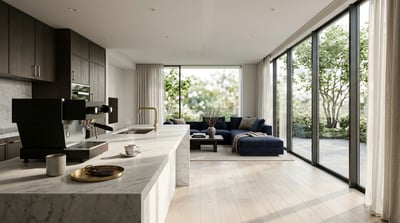 Chiyoda Line / Redevelopment Kitasenju Redevelopment & Livability 2026: 5 Train Lines, Shopping & Housing | Sorai Tokyo Read Guide →](https://soraitokyo.jp/en/blog/area-guide-kitasenju-redevelopment-trend-2026?hsLang=en)
#### [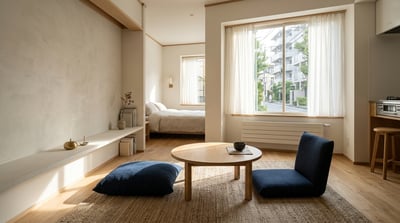 Featured Area / Origin Station Ayase Neighborhood & Safety Guide 2026: North vs South Exit, Rent & Chiyoda Line Commute | Sorai Tokyo Read Guide →](https://soraitokyo.jp/en/blog/area-guide-ayase?hsLang=en)
#### [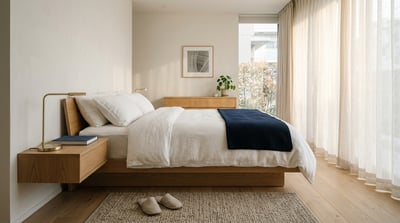 Rent Market / Solo Living Kita-Ayase Solo Living Guide: Rent Averages from ¥50,000s & Chiyoda Line Origin Perks | Sorai Tokyo Read Guide →](https://soraitokyo.jp/en/blog/kita-ayase-single-rent-budget-simulation?hsLang=en)
## Frequently Asked Questions: Ayase 1DK & 1LDK Comparisons
### QCan a couple living together pass tenancy screening for a 1DK apartment near Ayase Station?
AAs long as the listing terms explicitly state “Two-Person Occupancy Permitted” or “Room Sharing Negotiable,” passing tenancy screening for a 1DK is completely feasible. However, for compact 1DKs under 30 square meters, some landlords restrict applications to single occupants only. Depending on whether you combine incomes for the evaluation or designate one primary earner backed by a joint guarantor, documentation requirements vary. Sharing your occupancy plans with a dedicated advisor in advance ensures prompt verification of owner preferences and current terms.
### QHow many minutes in advance should I line up to guarantee a seat on Chiyoda Line originating trains at Ayase Station?
ADuring the peak morning commute (approximately 7:40 to 8:20 AM), lining up at the designated boarding marks on Platform 2 roughly 7 to 10 minutes prior to departure offers a very high likelihood of securing a seat. Lines tend to be slightly longer on rainy days and Monday mornings; however, because Ayase operates turnaround trains from Platform 2 alongside through-services originating from Kita-Ayase, letting one train pass to stand at the front of the next originating service easily secures a comfortable seated commute toward Otemachi and Kasumigaseki.
### QAre there concerns regarding winter chill or sound insulation in 1DK apartments built around 30 years ago?
AWhile reinforced concrete (RC) frames provide reliable structural soundproofing, the primary vulnerabilities in older buildings lie in window sash thermal insulation and ground-floor subfloor insulation. Older single-pane aluminum sashes conduct heat rapidly, making them susceptible to condensation and cold winter drafts. During viewings, test sash operation and inspect for draftiness; thermal curtains, weatherstripping, and area rugs can substantially improve comfort after moving in. Units where interior double sashes (secondary glazing) were added during renovation offer acoustic and thermal insulation on par with modern construction.

Author: Sorai Tokyo Editorial Team (Supervised by Licensed Real Estate Agents)
A real estate consulting team specializing in assisting foreign nationals find rooms and explaining initial costs in Tokyo. We break down language barriers and differences in customs, offering dedicated support in Japanese, English, and Vietnamese for a safe and secure start to your new life.
 SORAI TOKYO | Chat with AI "SorAi" Anytime on LINE
### Exploring Tokyo Neighborhoods or Apartments? Ask Our AI "SorAi" Anytime on LINE
No property URL needed yet. From area safety, commute tips, and rent trends to instant initial-cost audits for listings you found—chat with SorAi 24/7 on LINE with zero sales calls.
STEP 1
Ask Anything on LINE
Ask about areas & rent, or send a listing URL anytime
→
STEP 2
24/7 Instant Reply by SorAi
Objective area data, live vacancy & fee breakdown
→
STEP 3
Explore at Your Own Pace
Zero sales calls. Meet on-site only when ready to view
24/7 Instant / Most Popular
#### ① Chat with AI "SorAi" on LINE (Free)
Ask about neighborhoods, rent trends, or share any listing URL on LINE. SorAi & our bilingual concierge check live vacancy and upfront fee breakdowns with zero sales pressure.
[Chat with SorAi on LINE (Free) ➔](https://lin.ee/VE8fd8b?utm_source=soraitokyo_blog&utm_medium=cta&utm_campaign=bottom_cta&utm_content=line)
Web Audit
#### ② SorAi Property Report
Already found a listing? Submit the URL or floor plan on the web for an instant objective breakdown of move-in costs and neighborhood data.
[View Report (Free) ↗](https://inspection.soraitokyo.jp/?ref=blog_bottom_cta)
Wait for New Listings
#### ③ SorAi Housing Needs
Select your budget, layout, and must-have conditions in 30 seconds to receive matching listings at your own pace.
[Organize Criteria (Free) ➔](https://soraitokyo.jp/en/request?ref=blog_bottom_cta&hsLang=en)
Instant Move-in Estimate
#### ④ SorAi Move-in Estimator
Enter rent and management fees to quickly estimate standard upfront contract costs and potential savings.
[Check Estimates (Free) ➔](https://soraitokyo.jp/en/quote?ref=blog_bottom_cta&hsLang=en)
※ Consultations are 100% free. No phone number required, zero pushy calls—everything is completed smoothly on LINE.
この記事をシェアする
\# エリアガイド# 北千住
[ SORAI TOKYO](https://soraitokyo.jp/en/)
Sorai Tokyo Co., Ltd.
Room 102, 1-7-14 Yanaka, Adachi-ku, Tokyo, 120-0006
03-6161-8484
[contact@soraitokyo.jp](mailto:contact@soraitokyo.jp)
Tokyo Metropolitan Governor (1) No. 113297
(License Date: December 20, 2025)
### Sitemap
- [About Us](https://soraitokyo.jp/en/about-us)
- [Testimonials](https://soraitokyo.jp/en/testimonials)
- [Chiyoda Line Guide](https://soraitokyo.jp/en/area-guide-chiyoda-line)
- [Sorai Journal](https://soraitokyo.jp/en/blog)
- [FAQs](https://soraitokyo.jp/en/faqs)
- [Contact](https://soraitokyo.jp/en/contact)
- [SorAi Request](https://soraitokyo.jp/en/request)
### Business Hours
**10:00 〜 18:00**
Closed: **Tuesday & Wednesday**
Inquiries via LINE, SNS, and email are accepted 24/7.
[View on Google Maps](https://maps.google.com/?q=%E6%9D%B1%E4%BA%AC%E9%83%BD%E8%B6%B3%E7%AB%8B%E5%8C%BA%E8%B0%B7%E4%B8%AD1-7-14) [Book Online Meeting](https://soraitokyo.jp/en/consultation?hsLang=en)
### Multilingual Services
Our professional staff are fluent in Japanese, English, Vietnamese, Russian, and Indonesian to support you from room hunting to contract signing.
[🇯🇵 日本語](https://soraitokyo.jp/ja/blog/ayase-1ldk-1dk-comparison?hsLang=ja) [🇺🇸 English](https://soraitokyo.jp/en/blog/ayase-1ldk-1dk-comparison?hsLang=en) [🇻🇳 Tiếng Việt](https://soraitokyo.jp/vi/blog/ayase-1ldk-1dk-comparison?hsLang=vi) [🇷🇺 Русский](https://soraitokyo.jp/ru/blog/ayase-1ldk-1dk-comparison?hsLang=ru) [🇮🇩 Indonesia](https://soraitokyo.jp/id/blog/ayase-1ldk-1dk-comparison?hsLang=id)
### Inquire via Social Media
[Privacy Policy](https://soraitokyo.jp/en/privacy-policy) | [Privacy & Security](https://soraitokyo.jp/en/security)
Copyright © 2026 株式会社ソライ東京 (Sorai Tokyo Co., Ltd.) All Rights Reserved.
[Chat with SorAi](https://page.line.me/soraitokyo?oat_content=url&openQrModal=true&utm_source=soraitokyo_website&utm_medium=line_button&utm_campaign=chatbot_popover)
SorAi Chat

#### SorAi
Online (Multilingual Support)
×
[Chat with SorAi](https://page.line.me/soraitokyo?oat_content=url&openQrModal=true&utm_source=soraitokyo_website&utm_medium=chatbot_header&utm_campaign=line_btn) [Email Us](https://soraitokyo.jp/en/contact?hsLang=en)
[Get "SorAi" on LINE (24/7 Free)](https://page.line.me/soraitokyo?oat_content=url&openQrModal=true&utm_source=soraitokyo_website&utm_medium=line_button&utm_campaign=floating_btn)
 SorAi | 24/7 AI Rental Chat No signup・100% online
TOC
### Table of Contents
×
```json
{
"@context" : "https://schema.org",
"@type" : "BlogPosting",
"author" : {
"@type" : "Person"
},
"datePublished" : "2026-07-11T10:15:00.000Z",
"headline" : "[2026 Latest] Living in Ayase: 1DK vs. 1LDK Rent Market & Realistic Living Experience Comparison | Guide for Singles and Couples | Sorai Tokyo | Sorai Tokyo",
"image" : [ "https://soraitokyo.jp/hubfs/blog-eyecatches/batch11_reed_screen_balcony_room.jpg" ],
"mainEntityOfPage" : {
"@id" : "https://soraitokyo.jp/en/blog/ayase-1ldk-1dk-comparison",
"@type" : "WebPage"
},
"publisher" : {
"@type" : "Organization",
"logo" : {
"@type" : "ImageObject",
"url" : "https://soraitokyo.jp/hubfs/small_logo(color)%20(2)-1.png"
},
"name" : "株式会社ソライ東京"
}
}
```
```json
{
"@context" : "https://schema.org",
"@type" : "FAQPage",
"mainEntity" : [ {
"@type" : "Question",
"acceptedAnswer" : {
"@type" : "Answer",
"text" : "As long as the listing terms explicitly state “Two-Person Occupancy Permitted” or “Room Sharing Negotiable,” passing tenancy screening for a 1DK is completely feasible. However, for compact 1DKs under 30 square meters, some landlords restrict applications to single occupants only. Depending on whether you combine incomes for the evaluation or designate one primary earner backed by a joint guarantor, documentation requirements vary. Sharing your occupancy plans with a dedicated advisor in advance ensures prompt verification of owner preferences and current terms."
},
"name" : "Can a couple living together pass tenancy screening for a 1DK apartment near Ayase Station?"
}, {
"@type" : "Question",
"acceptedAnswer" : {
"@type" : "Answer",
"text" : "During the peak morning commute (approximately 7:40 to 8:20 AM), lining up at the designated boarding marks on Platform 2 roughly 7 to 10 minutes prior to departure offers a very high likelihood of securing a seat. Lines tend to be slightly longer on rainy days and Monday mornings; however, because Ayase operates turnaround trains from Platform 2 alongside through-services originating from Kita-Ayase, letting one train pass to stand at the front of the next originating service easily secures a comfortable seated commute toward Otemachi and Kasumigaseki."
},
"name" : "How many minutes in advance should I line up to guarantee a seat on Chiyoda Line originating trains at Ayase Station?"
}, {
"@type" : "Question",
"acceptedAnswer" : {
"@type" : "Answer",
"text" : "While reinforced concrete (RC) frames provide reliable structural soundproofing, the primary vulnerabilities in older buildings lie in window sash thermal insulation and ground-floor subfloor insulation. Older single-pane aluminum sashes conduct heat rapidly, making them susceptible to condensation and cold winter drafts. During viewings, test sash operation and inspect for draftiness; thermal curtains, weatherstripping, and area rugs can substantially improve comfort after moving in. Units where interior double sashes (secondary glazing) were added during renovation offer acoustic and thermal insulation on par with modern construction."
},
"name" : "Are there concerns regarding winter chill or sound insulation in 1DK apartments built around 30 years ago?"
} ]
}
```
```json
{
"@context" : "https://schema.org",
"@type" : "BlogPosting",
"author" : {
"@type" : "Person",
"name" : "Author: Sorai Tokyo Editorial Team (Supervised by Licensed Real Estate Agents)"
},
"dateModified" : "2026-10-03T10:34:02Z",
"datePublished" : "2026-10-03T10:34:02Z",
"description" : "Comparing 1DK and 1LDK apartments in Ayase: average rent, layout dimensions, daily routines, and Chiyoda Line commuting tips by a licensed real estate broker.",
"headline" : "[2026 Latest] Living in Ayase: 1DK vs. 1LDK Rent Market & Realistic Living Experience Comparison | Guide for Singles and Couples | Sorai Tokyo",
"inLanguage" : "en",
"publisher" : {
"@type" : "Organization",
"name" : "Sorai Tokyo",
"url" : "https://soraitokyo.jp"
}
}
```
```json
{
"@context" : "https://schema.org",
"@type" : "BlogPosting",
"author" : {
"@type" : "Organization",
"knowsAbout" : [ "東京メトロ千代田線", "賃貸不動産仲介", "宅地建物取引業", "初期費用適正化", "重要事項説明(IT重説)" ],
"name" : "Sorai Tokyo Editorial Team (Supervised by Licensed Real Estate Agents)",
"url" : "https://soraitokyo.jp/en/about-us"
},
"dateModified" : "2026-10-07T17:57:55+0000",
"datePublished" : "2026-07-11T10:15:00+0000",
"description" : "Comparing 1DK and 1LDK apartments in Ayase: average rent, layout dimensions, daily routines, and Chiyoda Line commuting tips by a licensed real estate broker.",
"headline" : "[2026 Latest] Living in Ayase: 1DK vs. 1LDK Rent Market & Realistic Living Experience Comparison | Guide for Singles and Couples | Sorai Tokyo",
"image" : "https://soraitokyo.jp/hubfs/blog-eyecatches/batch7_counter_kitchen_pendant.jpg",
"inLanguage" : "en",
"mainEntityOfPage" : {
"@id" : "https://soraitokyo.jp/en/blog/ayase-1ldk-1dk-comparison",
"@type" : "WebPage"
},
"publisher" : {
"@type" : "Organization",
"logo" : {
"@type" : "ImageObject",
"url" : "https://soraitokyo.jp/hubfs/raw_assets/public/soraitokyo-theme/assets/logo.png"
},
"name" : "Sorai Tokyo Co., Ltd.",
"url" : "https://soraitokyo.jp/en/"
},
"url" : "https://soraitokyo.jp/en/blog/ayase-1ldk-1dk-comparison"
}
```
```json
{
"@context" : "https://schema.org",
"@type" : "BreadcrumbList",
"itemListElement" : [ {
"@type" : "ListItem",
"item" : "https://soraitokyo.jp/en/",
"name" : "Home",
"position" : 1
}, {
"@type" : "ListItem",
"item" : "https://soraitokyo.jp/en/blog",
"name" : "Blog",
"position" : 2
}, {
"@type" : "ListItem",
"item" : "https://soraitokyo.jp/en/blog/ayase-1ldk-1dk-comparison",
"name" : "[2026 Latest] Living in Ayase: 1DK vs. 1LDK Rent Market & Realistic Living Experience Comparison | Guide for Singles and Couples | Sorai Tokyo",
"position" : 3
} ]
}
```