---
title: "Chiyoda Line vs. Hibiya Line Commute Comparison: Rush Hour Crowds, Seating Chances, Rent Value & Delay Recovery | Sorai Tokyo"
description: "An in-depth Tokyo subway comparison by a licensed real estate broker: Chiyoda Line vs. Hibiya Line rush hour congestion, seating odds from origin stations, rent costs, and alternative transit resilience."
image: https://soraitokyo.jp/hubfs/blog-eyecatches/batch4_renovated_living.jpg
---
[ SORAI TOKYO](https://soraitokyo.jp/en/)
- [Home](https://soraitokyo.jp/en/)
- [Search & Tools](https://soraitokyo.jp/en/quote)
[SorAi Request AI-powered rental home recommendations](https://soraitokyo.jp/en/request) [SorAi Initial Cost Simulator Instant breakdown of move-in costs](https://soraitokyo.jp/en/quote) [SorAi Inspection Report Objective property & hazard diagnosis](https://soraitokyo.jp/en/inspection) [Featured New (Plegio Kita-Ayase) 2 min from Chiyoda Line starting station](https://soraitokyo.jp/en/properties/plegio-kitaayase-asian) [Furnished Monthly Apartments Short-term rentals for business & temporary stays](https://soraitokyo.jp/en/short-term-rental)
- [Area Guides & Journal](https://soraitokyo.jp/en/area-guide-chiyoda-line)
[Chiyoda Line Living Guide Direct access to Otemachi & Omotesando](https://soraitokyo.jp/en/area-guide-chiyoda-line) [Sorai Journal Expert rental advice & Tokyo insights](https://soraitokyo.jp/en/blog)
- [About Sorai Tokyo](https://soraitokyo.jp/en/about-us)
[Company & Leadership Our story, mission & commitment to trust](https://soraitokyo.jp/en/about-us) [Client Testimonials Real tenant experiences & proven track record](https://soraitokyo.jp/en/testimonials) [FAQs Clear answers on leasing, guarantors & visas](https://soraitokyo.jp/en/faqs) [Privacy & Security Zero paper, zero AI training & encrypted safety](https://soraitokyo.jp/en/security)
EN
[JP 日本語](https://soraitokyo.jp/ja/blog/chiyoda-vs-hibiya-line-commute-comparison?hsLang=ja) [EN English](https://soraitokyo.jp/en/blog/chiyoda-vs-hibiya-line-commute-comparison?hsLang=en) [VN Tiếng Việt](https://soraitokyo.jp/vi/blog/chiyoda-vs-hibiya-line-commute-comparison?hsLang=vi) [RU Русский](https://soraitokyo.jp/ru/blog/chiyoda-vs-hibiya-line-commute-comparison?hsLang=ru) [ID Indonesia](https://soraitokyo.jp/id/blog/chiyoda-vs-hibiya-line-commute-comparison?hsLang=id)
EN
[JP 日本語](https://soraitokyo.jp/ja/blog/chiyoda-vs-hibiya-line-commute-comparison?hsLang=ja) [EN English](https://soraitokyo.jp/en/blog/chiyoda-vs-hibiya-line-commute-comparison?hsLang=en) [VN Tiếng Việt](https://soraitokyo.jp/vi/blog/chiyoda-vs-hibiya-line-commute-comparison?hsLang=vi) [RU Русский](https://soraitokyo.jp/ru/blog/chiyoda-vs-hibiya-line-commute-comparison?hsLang=ru) [ID Indonesia](https://soraitokyo.jp/id/blog/chiyoda-vs-hibiya-line-commute-comparison?hsLang=id)
[Online Consultation](https://soraitokyo.jp/en/consultation) [Contact](https://soraitokyo.jp/en/contact)
SORAI TOKYO Real Estate & Living
[Cost Simulator Instant Fee Breakdown](https://soraitokyo.jp/en/quote) [Area Guide 20 Stations & Living](https://soraitokyo.jp/en/area-guide-chiyoda-line) [About Us Stance & Commitments](https://soraitokyo.jp/en/about-us) [Contact Us Viewing & Booking](https://soraitokyo.jp/en/contact)
Search & Tools
- [SorAi Request AI Matcher](https://soraitokyo.jp/en/request)
- [SorAi Initial Cost Simulator Instant Breakdown](https://soraitokyo.jp/en/quote)
- [SorAi Inspection Report Property & Hazard](https://soraitokyo.jp/en/inspection)
- [Featured Property: Plegio Kita-Ayase 2 min walk](https://soraitokyo.jp/en/properties/plegio-kitaayase-asian)
- [Furnished Monthly Apartments Short-Term Rentals](https://soraitokyo.jp/en/short-term-rental)
Area Guides & Journal
- [Chiyoda Line Guide Direct Access to Central Tokyo](https://soraitokyo.jp/en/area-guide-chiyoda-line)
- [Sorai Journal & Insights Expert Advice](https://soraitokyo.jp/en/blog)
About Sorai Tokyo
- [Home](https://soraitokyo.jp/en/)
- [Company Profile Story & Trust](https://soraitokyo.jp/en/about-us)
- [Customer Reviews Real Voice](https://soraitokyo.jp/en/testimonials)
- [Frequently Asked Questions Answers](https://soraitokyo.jp/en/faqs)
- [Privacy & Security Zero Paper & AI Training](https://soraitokyo.jp/en/security)
Consultation & Contact
- [Online Consultation Video call](https://soraitokyo.jp/en/consultation)
- [Contact Form Inquiry](https://soraitokyo.jp/en/contact)
- [Official LINE Consultation URL intake](https://page.line.me/soraitokyo)
Language / 言語
[JP 日本語](https://soraitokyo.jp/ja/blog/chiyoda-vs-hibiya-line-commute-comparison?hsLang=ja) [EN English](https://soraitokyo.jp/en/blog/chiyoda-vs-hibiya-line-commute-comparison?hsLang=en) [VN Tiếng Việt](https://soraitokyo.jp/vi/blog/chiyoda-vs-hibiya-line-commute-comparison?hsLang=vi) [RU Русский](https://soraitokyo.jp/ru/blog/chiyoda-vs-hibiya-line-commute-comparison?hsLang=ru) [ID Indonesia](https://soraitokyo.jp/id/blog/chiyoda-vs-hibiya-line-commute-comparison?hsLang=id)
Hours: 10:00 AM - 6:00 PM
Closed: Tuesday & Wednesday
[LINE](https://page.line.me/soraitokyo) [Facebook](https://www.facebook.com/1168140463045963) [Map](https://maps.google.com/?q=%E3%82%BD%E3%83%A9%E3%82%A4%E6%9D%B1%E4%BA%AC)
株式会社ソライ東京 | 宅地建物取引業者 東京都知事免許
[Home](https://soraitokyo.jp/en/) [Area](https://soraitokyo.jp/en/area-guide-chiyoda-line)
Tools
TOC
[LINE](https://page.line.me/soraitokyo?oat_content=url&openQrModal=true&utm_source=soraitokyo_website&utm_medium=bottom_nav&utm_campaign=mobile_bottom)
Select Language
×
[JP 日本語](https://soraitokyo.jp/ja/blog/chiyoda-vs-hibiya-line-commute-comparison?hsLang=ja) [EN English](https://soraitokyo.jp/en/blog/chiyoda-vs-hibiya-line-commute-comparison?hsLang=en) [VN Tiếng Việt](https://soraitokyo.jp/vi/blog/chiyoda-vs-hibiya-line-commute-comparison?hsLang=vi) [RU Русский](https://soraitokyo.jp/ru/blog/chiyoda-vs-hibiya-line-commute-comparison?hsLang=ru) [ID Indonesia](https://soraitokyo.jp/id/blog/chiyoda-vs-hibiya-line-commute-comparison?hsLang=id)
SorAi Tools
×
[Initial Cost Simulator Agent Verified / Free 10-second automatic cost estimation from portal URLs or manual input](https://soraitokyo.jp/en/quote) [SorAi Inspection Report Objective Audit Upload floor plan to objectively diagnose earthquake resistance, structure & fair rent](https://soraitokyo.jp/en/inspection) [SorAi Room Hunting Request 100% Online / No Calls Zero unwanted sales calls. Simply send your ideal conditions and relax](https://soraitokyo.jp/en/request)
1. [Home](https://soraitokyo.jp/en/)
2. /
3. [Blog](https://soraitokyo.jp/en/blog)
4. /
5. Chiyoda Line vs. Hibiya Line Commute Comparison: Rush Hour Crowds, Seating Chances, Rent Value & Delay Recovery
[Back to Blog List](https://soraitokyo.jp/en/blog)
# Chiyoda Line vs. Hibiya Line Commute Comparison: Rush Hour Crowds, Seating Chances, Rent Value & Delay Recovery
Published: Oct 10, 2026 Updated: Oct 10, 2026 ソライ東京編集部
 SORAI TOKYO | Proprietary AI "SorAi" × Local Experts
## Found a Place in Tokyo? Leave It to SorAi & Local Experts
Send property URLs or floor plans from any portal. Zero pushy sales calls with transparent, fair advice for your Tokyo apartment search.
[LINE Chat & Availability Recommended Fast response by SorAi & team →](https://lin.ee/VE8fd8b?utm_source=soraitokyo_blog&utm_medium=cta&utm_campaign=fv_cta&utm_content=line) [SorAi Property Report NEW Upload URL or floor plan for instant audit ↗](https://inspection.soraitokyo.jp/?utm_source=soraitokyo_blog&utm_medium=cta&utm_campaign=fv_cta&ref=blog_top_cta) [SorAi Housing Needs Organize ideal criteria easily via chat →](https://soraitokyo.jp/en/request?utm_source=soraitokyo_blog&utm_medium=cta&utm_campaign=fv_cta&ref=blog_top_cta&hsLang=en) [SorAi Move-in Estimator Instant online estimate in 1 min →](https://soraitokyo.jp/en/quote?utm_source=soraitokyo_blog&utm_medium=cta&utm_campaign=fv_cta&ref=blog_top_cta&hsLang=en)
※ Feel free to ask anytime via the SorAi chat widget at the bottom right
Table of Contents
Table of Contents
Collapse
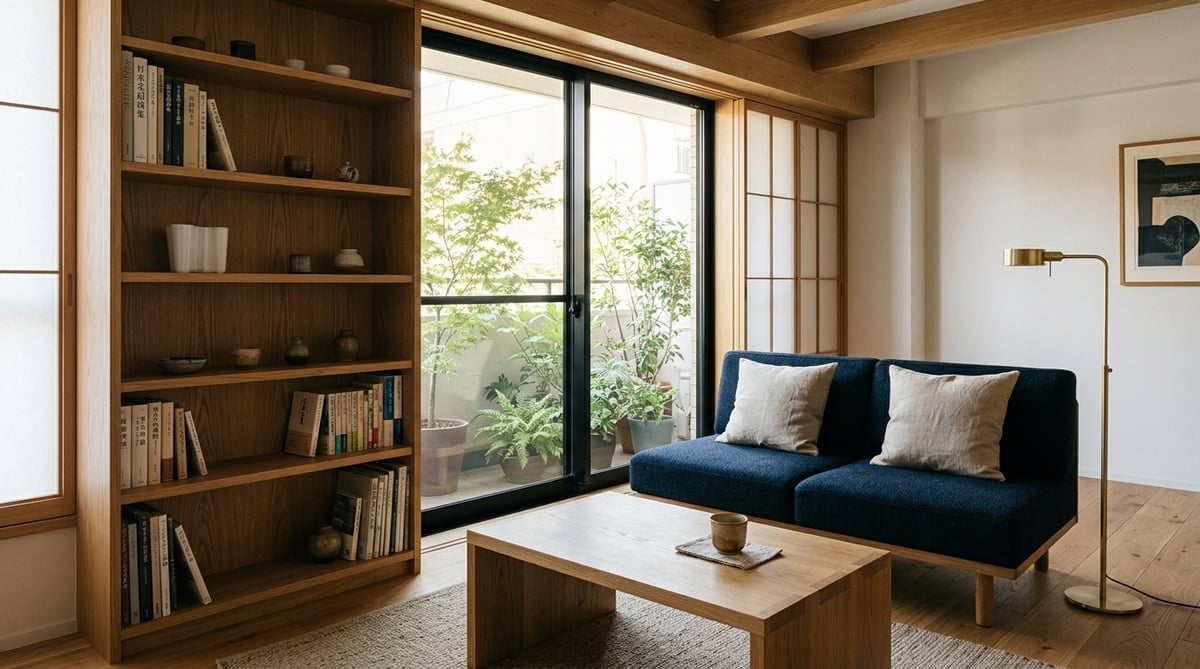
Standing on the east-west pedestrian walkway of Kita-Senju Station at 7:30 a.m., the relentless rhythm of morning commuter footsteps echoes continuously across the concourse. Passengers pouring in from Ibaraki and Saitama via the JR Joban Line and Tobu Skytree Line diverge here into two distinct streams. One descends deep underground toward Otemachi, Kasumigaseki, and Omotesando on the Tokyo Metro Chiyoda Line. The other ascends to the elevated third-floor platforms toward Ueno, Akihabara, Ginza, Roppongi, and Ebisu on the Tokyo Metro Hibiya Line.
Both serve as premier transit arteries linking northeastern Tokyo directly to central Tokyo, and many prospective residents inevitably face the same question: "Should I rent along the Chiyoda Line, or choose the Hibiya Line?" While these two lines appear to serve similar corridors at first glance, they diverge significantly in route coverage, morning congestion dynamics, opportunities to secure a seated commute on origin station trains, rental price gradients, and transit resilience during unexpected delays.
Drawing on over a decade of hands-on experience guiding renters across Tokyo as a licensed real estate broker, this guide provides a thorough, objective comparison of the Chiyoda Line and Hibiya Line. We examine real-world commuting convenience, actual rent benchmarks, neighborhood safety and grocery access, and detour capabilities when delays occur, grounded in authentic field knowledge and verified data.
Licensed Broker Perspective
30-Second Key Takeaways & SummarySorAi Summary
- Machiya to Nishi-Nippori (30–40% exit at Nishi-Nippori, relieving pressure)
- Minowa to Iriya (smooth, staggered deboarding at Ueno, Akihabara, and Kayabacho)
- Origin trains run every 3–5 min in morning peak. Excellent seat certainty
### Choosing Between the Two Lines Based on Your Destination and Morning Routine
The Chiyoda Line operates as a direct spine cutting through Otemachi, Kasumigaseki, and Omotesando, distinguished by seated commute options from starting stations such as Kita-Ayase and Ayase. In contrast, the Hibiya Line traces a wide orbital path through major hubs including Ueno, Ginza, Roppongi, and Ebisu, featuring origin trains from Kita-Senju and progressive passenger offboarding at consecutive stops that naturally alleviates car crowding. Aligning your choice with your exact office exit and weekend lifestyle elevates daily residential comfort substantially.
## Tokyo Metro Artery Overview: Chiyoda Line vs. Hibiya Line Reach and Coverage
While both the Chiyoda Line and Hibiya Line serve as foundational transit backbones across central Tokyo, their route profiles and the key urban hubs they connect present distinct contrasts. The first step in choosing between them comes down to pinpointing your daily destinations and where your day-to-day lifestyle truly unfolds.
### The Chiyoda Line: A Direct Axis Linking Otemachi, Kasumigaseki, Akasaka, and Omotesando
The Tokyo Metro Chiyoda Line spans 24.0 km across 20 stations, running from Kita-Ayase Station in Adachi Ward to Yoyogi-Uehara Station in Shibuya Ward. It charts a direct diagonal path through the capital, cutting cleanly from the northeastern Adachi and Arakawa districts straight down to the southwestern Shibuya and Setagaya neighborhoods.
This line provides seamless, one-seat access to Otemachi Station in the Marunouchi central business district, Nijubashimae Station, Hibiya Station, the government administrative center at Kasumigaseki Station, and Kokkai-gijidomae Station. Moving west, it reaches the media and corporate offices of Akasaka Station, the premier fashion and design corridors of Omotesando Station and Meiji-jingumae Station, and the expansive greenery of Yoyogi-koen Station. From its western terminus at Yoyogi-Uehara Station, through-service continues onto the Odakyu Line, offering smooth connections toward Shinjuku and Machida.
### The Hibiya Line: Orbital Connectivity Across Ueno, Akihabara, Ginza, Roppongi, and Ebisu
The Tokyo Metro Hibiya Line covers 20.3 km across 22 stations, connecting Kita-Senju Station in Adachi Ward with Naka-Meguro Station in Meguro Ward. Unlike the diagonal, linear slice of the Chiyoda Line, the Hibiya Line follows a sweeping, crescent-like curve—starting in traditional northeastern hubs like Ueno and Akihabara, tracing through Nihombashi and Ginza, and looping southwest into Roppongi, Hiroo, and Ebisu.
It links directly to the bullet train connections at Ueno Station, the tech and electronics district of Akihabara Station, the financial trading center at Kayabacho Station, and Hatchobori Station with easy walking access to the east side of Tokyo Station, before reaching Ginza Station and Higashi-ginza Station. Continuing southwest, it serves Toranomon Hills Station, Roppongi Station, the international enclave of Hiroo Station, Ebisu Station, and Naka-Meguro Station. This versatile coverage across Minato, Chuo, Shibuya, and Meguro wards makes the Hibiya Line exceptionally convenient for reaching a wide variety of business districts and refined commercial neighborhoods.
### Shared Interchanges: Kita-Senju, Hibiya, and Kasumigaseki Station Dynamics
The Chiyoda Line and Hibiya Line cross paths directly at three key transfer hubs: Kita-Senju Station, Hibiya Station, and Kasumigaseki Station.
At Kita-Senju Station, the Chiyoda Line operates on an underground platform while the Hibiya Line uses elevated platforms on the third floor above ground. Because of this substantial vertical separation, transferring between them takes approximately 4 to 5 minutes. At Hibiya Station, the transfer requires only a single flight of stairs between the Chiyoda Line on Basement Level 2 and the Hibiya Line on Basement Level 1, allowing for a swift 2 to 3-minute connection. At Kasumigaseki Station, the Chiyoda Line platforms sit closer to the Ministry of Agriculture, Forestry and Fisheries and the Ministry of Economy, Trade and Industry, while the Hibiya Line platforms sit nearer to the Toranomon business district, making the optimal line choice dependent on your exact office building entrance.
STEP 01
#### Map Your Office Exit
Otemachi and Akasaka, or Ginza and Roppongi. Verify your door-to-desk route from the ticket gates.
STEP 02
#### Evaluate Morning Seating Needs
Choose originating trains: Kita-Ayase and Ayase vs. Kita-Senju .
STEP 03
#### Balance Your Rent Budget
Machiya and Ayase vs. Minami-Senju and Minowa. Weigh apartment layouts against average market rents.
STEP 04
#### Check Backup Transit Resilience
Secure alternative routes via JR lines, Tsukuba Express, or Toden tram lines during service suspensions.
Online Consultation • Video Call Sorai Tokyo Official
[【Instant Calendar Booking】1-on-1 Online Apartment Consultation](https://soraitokyo.jp/consultation?hsLang=en)
Consult with experienced bilingual real estate advisors via video call. From selecting safe neighborhoods to verifying contract terms, we help you find the right home.
[Check Available Dates & Book →](https://soraitokyo.jp/consultation?hsLang=en)
## Morning Commute Congestion and the Reality of Getting a Seat
Train crowding levels and whether you can secure a seat directly impact your energy reserves and daily focus before you even step into the office. While both the Chiyoda Line and Hibiya Line carry heavy daily passenger volumes, their peak congestion sections and passenger turnover patterns differ substantially.
### Chiyoda Line Congestion Data and Where the Pressure Relieves
According to urban rail congestion data from the Ministry of Land, Infrastructure, Transport and Tourism , the most crowded bottleneck on the Chiyoda Line occurs between Machiya Station and Nishi-Nippori Station. During the morning peak window from 7:40 AM to 8:40 AM, the congestion rate reaches **approximately 139%**. At this density, shoulders brush against fellow passengers; you can comfortably operate a smartphone, but unfolding a physical newspaper is out of the question.
Because through-service commuters arriving from the JR Joban Local Line converge with local Tokyo passengers boarding at Kita-Ayase, Ayase, Kita-Senju, and Machiya, the train interior hits maximum density right as it departs Machiya Station.
However, the Chiyoda Line features a distinct and predictable relief point immediately following this bottleneck: **Nishi-Nippori Station**, just one stop ahead. As a major transfer nexus with the JR Yamanote and Keihin-Tohoku lines, roughly 30% to 40% of all passengers bound for Shinjuku, Ikebukuro, or Shinagawa exit simultaneously. Once you push through the brief one-stop stretch from Machiya to Nishi-Nippori, personal space opens up noticeably, allowing a far more relaxed journey into central Tokyo.
### Hibiya Line Flow and Gradual Dispersal into Business Districts
In contrast, the peak congestion section on the Hibiya Line lies between Minowa Station and Iriya Station. Morning rush hour density stands at **around 127%**, which is statistically lighter than the Chiyoda Line.
What sets the Hibiya Line apart is that, unlike the Chiyoda Line where a massive crowd exits all at once at a single hub, **passengers disperse gradually across a succession of major commercial districts**. Departing Kita-Senju, the train steadily fills as it picks up riders at Minami-Senju, Minowa, and Iriya, but smooth, continuous deboarding begins right after.
Riders transfer to JR lines and the Ginza Line at Ueno Station, and others head for the Sobu Line or Yamanote Line at Akihabara Station. At Kodenmacho and Ningyocho stations, office workers bound for the Nihonbashi district step off, while Kayabacho Station sees another exodus of commuters connecting to the Tozai Line alongside financial professionals heading into Kabutocho. At Hatchobori Station, additional passengers disembark for the JR Keiyo Line. By the time the train travels toward Ginza and Roppongi, the carriages thin out considerably. Experiencing your surroundings gradually clear station by station provides a noticeably lower mental burden during the morning routine.
### Originating Stations: Kita-Ayase & Ayase vs Kita-Senju
For those who prefer to spend their morning transit reading, studying, or resting, the feasibility of getting a seat is a key criterion when choosing a rental property. Both lines offer distinct strategic origin stations that make seated commuting a reality.
On the Chiyoda Line, your primary hubs for a guaranteed seat are **Kita-Ayase Station** and **Ayase Station**. On weekday mornings, Kita-Ayase operates direct through-trains toward Otemachi departing every 3 to 5 minutes during peak hours, allowing you to secure a seat simply by letting one or two trains pass. Ayase Station sits adjacent to a major train depot, meaning numerous empty origin services depart directly from its center middle platforms . Please keep in mind that Kita-Senju Station on the Chiyoda Line is an underground transit station where through-trains arrive already packed to capacity, making it practically impossible to board and sit down from Kita-Senju on this line.
On the Hibiya Line, your dedicated origin base is **Kita-Senju Station**. Plentiful trains originate directly from its dedicated third-floor elevated platforms . By queuing in the designated origin boarding lane, waiting out just one departure reliably guarantees a comfortable seat all the way to Ueno, Ginza, or Roppongi. Because securing a seat from intermediate stops like Minami-Senju or Minowa is exceptionally rare during peak hours, living within easy reach of Kita-Senju Station is an absolute prerequisite if a seated Hibiya Line commute is your priority.
Chiyoda Line Peak Congestion
139 %
Machiya to Nishi-Nippori (30–40% exit at Nishi-Nippori, relieving pressure)
Hibiya Line Peak Congestion
127 %
Minowa to Iriya (smooth, staggered deboarding at Ueno, Akihabara, and Kayabacho)
Chiyoda Line Seating Hubs
Kita-Ayase / Ayase
Origin trains run every 3–5 min in morning peak. Excellent seat certainty
Hibiya Line Seating Hub
Kita-Senju
Departs from 3F dedicated platforms. Wait 1–2 trains for a seat to Ginza or Roppongi
SORAI SIMULATOR / Online in 10 Sec
### \[SorAi Initial Cost Simulator\] Calculate Estimated Move-in Costs in 10 Seconds
Simply enter the rent and deposit to calculate a transparent move-in cost breakdown including brokerage and guarantor fees without hidden markups.
[Open in Fullscreen / New Tab](https://soraitokyo.jp/en/quote?ref=blog_embed_ext&utm_source=blog_mid_cta&utm_medium=cta&utm_campaign=unified_cta_simulator&hsLang=en) [Chat on Official LINE](https://line.me/R/ti/p/@soraitokyo)
Explore other free SorAi tools: [SorAi Inspection Report →](https://soraitokyo.jp/inspection?ref=blog_mid_cta_aux&lang=en&utm_source=blog_mid_cta&utm_medium=aux_link&utm_campaign=unified_cta_inspection&hsLang=en) [SorAi Request →](https://hearing.soraitokyo.jp/?start=true&ref=blog_mid_cta_aux&lang=en&utm_source=blog_mid_cta&utm_medium=aux_link&utm_campaign=unified_cta_request)
※ 100% Free Online completed.
Related Recommendation
[Arakawa Ward Chiyoda Line Ground & Flood Guide: Machiya vs Nishi-Nippori Apartments](https://soraitokyo.jp/en/blog/arakawa-ward-chiyoda-hazard-map-plateau-lowland?hsLang=en)
[Read Article →](https://soraitokyo.jp/en/blog/arakawa-ward-chiyoda-hazard-map-plateau-lowland?hsLang=en)
## Station-by-Station Rent Gradient and Layout Cost-Performance Breakdown
When searching for a home in Tokyo, the core practical decision centers on balancing your monthly housing expense with the quality and comfort of your living space. Both the Chiyoda Line and the Hibiya Line exhibit a clear rent gradient where prices rise as you approach the city center. However, local ward administrative boundaries and the number of intersecting train lines create noticeable price differences even between adjacent stations.
### Studio and 1K Rent Comparison for Solo Living (Ayase and Machiya vs. Minami-Senju, Minowa, and Iriya)
Here is an analysis of realistic market rents for solo-living studio and 1K apartments .
Along the Chiyoda Line, the terminal station Kita-Ayase Station remains very affordable at **69,000 to 88,000 yen per month (median: 78,000 yen)**, followed closely by Ayase Station at **76,000 to 98,000 yen per month (median: 86,000 yen)**. Machiya Station in Arakawa Ward averages **83,000 to 107,000 yen per month (median: 94,000 yen)**, offering an exceptional balance considering its 13-minute direct transit to Otemachi. Moving just one stop further to Nishi-Nippori Station, which connects directly to the JR Yamanote Line, rents jump to **96,000 to 123,000 yen per month (median: 109,000 yen)**—creating a monthly difference of roughly 15,000 yen for a mere two-minute train ride.
On the Hibiya Line side, Kita-Senju Station—a major transportation hub serving five railway lines—keeps rents elevated at **88,000 to 112,000 yen per month (median: 98,000 yen)**. Rents ease as you move into Arakawa Ward, with Minami-Senju Station averaging **83,000 to 107,000 yen per month (median: 94,000 yen)** and Minowa Station at **83,000 to 107,000 yen per month (median: 94,000 yen)**. Moving into Taito Ward, Iriya Station averages **88,000 to 112,000 yen per month (median: 99,000 yen)**, reflecting the added convenience of having Ueno Station and Uguisudani Station within comfortable walking distance.
Notably, Machiya Station on the Chiyoda Line and Minowa Station on the Hibiya Line, situated just seven minutes apart via the Tokyo Sakura Tram , share an identical 1K rental range of 83,000 to 107,000 yen (median: 94,000 yen). Choosing between the two comes down to whether direct access to Otemachi or direct access to Ueno, Akihabara, and Ginza best aligns with your daily commute.
### 1LDK and 2LDK Comparison for Couples and Working Professionals: Gaining Living Space
For dual-income couples and professionals working from home seeking 1LDK to 2LDK layouts , the characteristics of available properties diverge significantly between the two lines.
Along the Chiyoda Line, the neighborhood around Machiya Station offers well-constructed 1LDK properties for **137,000 to 178,000 yen per month (median: 154,000 yen)**. Standard 55-square-meter 2LDK apartments here range from **184,000 to 256,000 yen per month (median: 215,000 yen)**, making it a favorite choice for couples commuting to the Otemachi financial district. Expanding your search to Ayase Station (1LDK median: 138,000 yen; 2LDK median: 185,000 yen) or Kita-Ayase Station (1LDK median: 127,000 yen; 2LDK median: 177,000 yen) allows you to secure generous layouts exceeding 50 square meters within a sensible budget, delivering standout value per square meter.
Along the Hibiya Line, the redeveloped Shioiri district at the East Exit of Minami-Senju Station stands out. This area features modern mid-to-high-rise residential developments bordering the Sumida River Terrace and waterfront parks. Rents average **139,000 to 182,000 yen per month (median: 158,000 yen)** for a 1LDK and **188,000 to 261,000 yen per month (median: 219,000 yen)** for a 2LDK. For roughly the same budget that would only afford a compact studio in central Chuo or Minato wards, you can secure an expansive 45-to-55-square-meter home and enjoy a relaxed, open-sky riverside lifestyle. The area around Minowa Station offers high-quality properties at similar levels (1LDK median: 158,000 yen), while Iriya Station in Taito Ward commands **147,000 to 192,000 yen per month (median: 166,000 yen)** for a 1LDK and **201,000 to 280,000 yen per month (median: 235,000 yen)** for a 2LDK.
### The Rent Gap Between Bunkyo Ward and Taito Ward
When evaluating areas close to the Yamanote Line loop, renters frequently weigh the Chiyoda Line's Bunkyo Ward stations against the Hibiya Line's Taito Ward stations . A clear price gap of roughly 15,000 to 30,000 yen per month exists between them.
Sendagi and Nezu in Bunkyo Ward form the heart of the historic "Yanesen" residential district. Renowned as a prestigious educational hub home to prominent public schools and quiet, tree-lined streets, this area carries a distinct neighborhood premium. Consequently, 1K apartments average **99,000 to 129,000 yen per month (median: 112,000 to 114,000 yen)**, and 1LDK units command **165,000 to 224,000 yen per month (median: 186,000 to 194,000 yen)**. In contrast, Iriya and Ueno in Taito Ward feature a lively downtown blend of residential homes and commercial streets. Free from the educational district premium, 1K units settle at **88,000 to 112,000 yen per month (median: 99,000 yen)** and 1LDK apartments average **147,000 to 192,000 yen per month (median: 166,000 yen)**, offering a much more budget-conscious alternative to Bunkyo Ward while maintaining exceptional urban connectivity.
Top Chiyoda Value: Machiya & Ayase
#### Direct Otemachi Mobility with Controlled Living Costs
- **Estimated 1K Rent**: 76,000 to 107,000 yen (median: 86,000 to 94,000 yen)
- **Estimated 1LDK Rent**: 122,000 to 178,000 yen (median: 138,000 to 154,000 yen)
- **Key Advantage**: Direct 13-to-22-minute ride to Otemachi. Saves 10,000 to 20,000 yen per month compared to Nishi-Nippori (median: 109,000 yen)
- **Ideal For**: Professionals working in Marunouchi or Kasumigaseki who wish to curb fixed housing expenses and invest more in personal savings and hobbies
Top Hibiya Value: Minami-Senju & Minowa
#### Eastern Downtown & Roppongi Transit with Generous Space
- **Estimated 1K Rent**: 83,000 to 107,000 yen (median: 94,000 yen)
- **Estimated 1LDK Rent**: 139,000 to 182,000 yen (median: 158,000 yen)
- **Key Advantage**: Direct 4-to-6-minute ride to Ueno, 17-to-19 minutes to Ginza. Modern shopping complexes and open waterfront green corridors
- **Ideal For**: Commuters to Ginza or Roppongi who enjoy spending weekends exploring Ueno museums, Asakusa, and Nihombashi
Scroll horizontally to see full table →
| Station & Line | Studio / 1K Average | 1LDK Average | Direct Travel Time to Hubs | Living Environment & Neighborhood Highlights |
| --- | --- | --- | --- | --- |
| Kita-Ayase Station | **69,000 - 88,000 JPY (Median: 78,000 JPY)** | **113,000 - 147,000 JPY (Median: 127,000 JPY)** | Approx. 27 min to Otemachi (Direct, first train originating station) | Enhanced by the opening of M'av Kita-Ayase Lieta. Enjoy a guaranteed seat on originating morning trains alongside tranquil park surroundings. |
| Ayase Station | **76,000 - 98,000 JPY (Median: 86,000 JPY)** | **122,000 - 158,000 JPY (Median: 138,000 JPY)** | Direct 22 min to Otemachi, 27 min to Kasumigaseki | Originating trains available from the center track. Highly convenient daily shopping with major supermarkets including OK Store and Tokyu Store. |
| Kita-Senju Station (Chiyoda & Hibiya Lines) | **88,000 - 112,000 JPY (Median: 98,000 JPY)** | **138,000 - 178,000 JPY (Median: 155,000 JPY)** | 16 min to Otemachi / 10 min to Ueno / 22 min to Ginza | A prominent transit hub connecting 5 railway lines. Features seated departures on originating Hibiya Line trains and extensive shopping centers. |
| Machiya Station | **83,000 - 107,000 JPY (Median: 94,000 JPY)** | **137,000 - 178,000 JPY (Median: 154,000 JPY)** | Direct 13 min to Otemachi, 18 min to Kasumigaseki | Intersection of the Keisei Line and Tokyo Sakura Tram. Offers a calm, traditional residential ambiance paired with exceptional cost performance. |
| Minami-Senju Station | **83,000 - 107,000 JPY (Median: 94,000 JPY)** | **139,000 - 182,000 JPY (Median: 158,000 JPY)** | Direct 6 min to Ueno, 19 min to Ginza, 30 min to Roppongi | Access to JR Joban Rapid and Tsukuba Express lines. Clean, beautifully redeveloped streetscapes highlighted by LaLa Terrace at the East Exit. |
| Minowa Station | **83,000 - 107,000 JPY (Median: 94,000 JPY)** | **139,000 - 182,000 JPY (Median: 158,000 JPY)** | Direct 4 min to Ueno, 7 min to Akihabara, 17 min to Ginza | Home to the vibrant Joyful Minowa shopping arcade. A charming historic downtown district placing both Ueno and Asakusa within easy daily reach. |
| Iriya Station | **88,000 - 112,000 JPY (Median: 99,000 JPY)** | **147,000 - 192,000 JPY (Median: 166,000 JPY)** | Direct 2 min to Ueno, 5 min to Akihabara, 15 min to Ginza | Within comfortable walking distance of JR Yamanote Line Uguisudani Station. A tranquil, highly liveable residential enclave in Taito Ward. |
## Delay Recovery Capacity and Alternative Route Resilience
When relying on Greater Tokyo's rail network, occasional delays caused by severe weather or equipment issues are an inevitable reality of daily commuting. Because subway lines operating through-service carry over disruption ripples from connecting private railways, having accessible alternative routes makes a profound difference in your day-to-day peace of mind.
### Chiyoda Line: Disruption Ripple from Joban and Odakyu Lines vs. Independent Subway Turnaround
The Chiyoda Line operates reciprocal through-service with three railway operators: the JR Joban Local Line to the north and the Odakyu Line to the south. While this seamless multi-operator connectivity offers exceptional reach across Tokyo and its neighboring prefectures, it also means train schedules are more susceptible to wind speed restrictions on bridges over the Tone River or peak-hour congestion within the Odakyu network.
In the event of a significant service disruption, however, through-service is suspended promptly, and the line transitions into self-contained shuttle operations between Kita-Ayase or Ayase and Yoyogi-Uehara. Once isolated from JR and Odakyu operations, train intervals recover relatively quickly, substantially reducing the risk of being stranded when navigating central Tokyo.
### Hibiya Line: Tobu Through-Service Impact and Rapid Recovery at Kita-Senju
The Hibiya Line runs through-service with the Tobu Skytree Line to the north, but every train terminates and turns around at Naka-Meguro Station to the south. With only a single connecting railway partner, the line is fundamentally insulated from the dual-ended compounding disruptions that can impact lines running through-service on both sides.
Furthermore, Kita-Senju Station's dedicated third-floor Hibiya Line platform features a dual-track layout engineered for high turnaround capacity. Station controllers can immediately sever through-service with the Tobu Line and switch entirely to closed-loop operations between Kita-Senju and Naka-Meguro. Thanks to this swift decision-making and efficient turnaround infrastructure, the Hibiya Line enjoys a well-earned reputation among local commuters for its rapid post-delay recovery.
### Detour and Backup Networks: JR Joban Rapid, Tsukuba Express, and Keisei Main Line
Here is how alternative detour routes compare when subway service is temporarily suspended.
**Kita-Senju Station** stands out with peerless detour resilience. Even if subway lines pause, commuters can immediately pivot to three independent overland systems: the JR Joban Rapid Line (providing direct access to Ueno, Tokyo, and Shinagawa), the Tsukuba Express , and the Tobu Skytree Line toward Asakusa. The risk of total transit paralysis here is exceptionally low.
On the Hibiya Line, **Minami-Senju Station** also offers direct across-the-concourse access to both the JR Joban Rapid Line and the Tsukuba Express, allowing you to bypass subway halts and reach Ueno in roughly 6 minutes, Tokyo in about 15 minutes, or Akihabara in approximately 6 minutes. On the Chiyoda Line, **Machiya Station** connects directly with the elevated Keisei Main Line, taking you to Nippori Station in just 3 minutes for easy transfers to the JR Yamanote and Keihin-Tohoku Lines. Additionally, from the Hibiya Line's **Iriya Station**, JR Uguisudani Station on the Yamanote Line is only a 6 to 8-minute walk, and Ueno Station is within a 12 to 15-minute stroll. Even if trains halt completely, being within comfortable walking distance of major terminal hubs offers invaluable everyday reassurance.
Scroll horizontally to see full table →
| Evaluation Point | Tokyo Metro Chiyoda Line | Tokyo Metro Hibiya Line |
| --- | --- | --- |
| Through-Service Partners | **3-operator network** via JR Joban Local Line and Odakyu Line | **2-operator network** via Tobu Skytree Line |
| Service Suspension Protocol | Transitions to self-contained subway shuttles between Kita-Ayase/Ayase and Yoyogi-Uehara | Transitions to dedicated turnaround shuttles between Kita-Senju and Naka-Meguro |
| Primary Backup Detours | Machiya , Nishi-Nippori | Minami-Senju , Iriya |
| Backup Capacity at Kita-Senju | Immediate transfer options to JR Joban Rapid, Tobu Line, and Tsukuba Express | Same as left (Kita-Senju serves as one of Tokyo's premier multi-route redundancy hubs) |
## Daily Grocery Shopping and Nighttime Safety: On-the-Ground Realities
The practical realities of daily life—such as how smoothly you can pick up groceries on your way home from work, or how safe and well-lit your walking route feels at night—are factors that floor plans alone can never reveal. Here is a clear breakdown of the shopping convenience and nighttime safety around key stations on both lines.
### Ayase, Machiya, and Kita-Senju: Competitive Supermarket Hubs and Historic Shopping Streets
The Adachi and Arakawa sections along the Chiyoda Line are widely recognized as competitive supermarket districts where you can comfortably keep your grocery budget in check.
Around Kita-Ayase Station, daily shopping is seamless right at the station. The elevated retail complex M'av Kita-Ayase Lieta houses Wise Mart Kita-Ayase, which stays open late into the night. A spacious Summit Store is also nearby. Around Ayase Station, M'av Ayase Lieta, Tokyu Store Ayase, and the remarkably price-competitive OK Store Ayase Ekimae directly help both solo professionals and families cut food costs. For late-night errands, Big-A Adachi Ayase is an invaluable neighborhood resource.
At Machiya Station, Akafuda-do Machiya connects directly to the basement level of the Sunpop Machiya commercial building right in front of the station, allowing you to pick up fresh food without worrying about the rain. Along Otakebashi-dori Avenue, you will find 24-hour Gourmet City Machiya, Life Machiya, and Shinsen Ichiba Machiya, meaning you will never struggle to find groceries even after late work hours. Kita-Senju Station covers every conceivable shopping need right by the gates, offering the Lumine Kita-Senju basement food hall, Seijo Ishii, the Kita-Senju Marui basement gourmet market, and the bustling, traditional Senju Honcho Shopping Street.
### Minami-Senju, Minowa, and Iriya: Modern Urban Redevelopment Meets Neighborhood Charm
Along the Hibiya Line, Minami-Senju, Minowa, and Iriya present an appealing contrast between master-planned redevelopment and timeless downtown shopping arcades.
The East Exit of Minami-Senju Station was comprehensively modernized through land readjustment projects, centered around LaLa Terrace Minami-Senju, which brings together the large supermarket Livin Minami-Senju, Matsumoto Kiyoshi drugstore, and Uniqlo. With BiVi Minami-Senju, Santoku Minami-Senju, and Royal Home Center Minami-Senju situated right beside it, the area offers a relaxed, spacious shopping environment framed by wide, open pedestrian sidewalks.
Minowa Station sits steps away from Joyful Minowa, a classic covered shopping arcade preserving a warm, nostalgic atmosphere filled with butcher shops and delicatessens serving freshly prepared side dishes. At the station intersection, Wise Mart Minowa operates until late at night, while Olympic Minowa and Gyomu Super Minowa along the Nikko Kaido Highway provide dependable support for anyone who prefers cooking at home. Around Iriya Station, neighborhood grocers such as Cocos Nakamura Iriya, Inageya Iriya, and My Basket are tucked into quiet streets, letting you pick up daily essentials within a peaceful residential setting.
### Streetlight Visibility, Foot Traffic, and Safety for Solo Female Residents
For single women and anyone frequently commuting home late at night, feeling safe along the walk from the station is a non-negotiable priority.
The area that stands out most for clear, open night routes is the **East Exit area of Minami-Senju Station** . Thanks to comprehensive redevelopment, sidewalks are wide, overhead power cables have been moved underground, and bright LED streetlights are evenly spaced throughout the neighborhood. This creates an environment with minimal blind spots, offering genuine reassurance even when walking alone late at night. Keep in mind, however, that the West Exit preserves older, traditional street blocks along the historic highway, meaning the atmosphere shifts noticeably between the east and west sides.
Around Machiya and Minowa stations, main thoroughfares like Otakebashi-dori, Meiji-dori, and Nikko Kaido stay bright and well-trafficked, but smaller alleys appear once you step into residential pockets. During apartment viewings, it is always wise to identify a commute route that lets you stick primarily to main avenues. The Bunkyo Ward sector, including Sendagi and Nezu stations, boasts one of the lowest crime rates across Tokyo's 23 wards according to Metropolitan Police Department statistics. While these historic residential streets grow remarkably quiet at night, the local community maintains high safety awareness, ensuring a dependable and tranquil living environment.
LIVING ENVIRONMENT & ARCHITECTURE
### Everyday Comfort Shaped by the Balance Between Home and City
The balance between station-side convenience and quiet serenity around your doorstep profoundly shapes daily well-being. You might prioritize streamlined daily routines in a modern residence right by major supermarkets, or savor calm evenings in a peaceful residential pocket just beyond local shopping streets. When viewing properties in person, we always recommend visiting not only in the daytime, but also around dusk and evening to experience firsthand the atmosphere of the neighborhood and how well the streetlights guide your walk home.
## Finding Your Ideal Line: Decision Guide by Lifestyle and Workplace
Based on transit connectivity, morning congestion levels, average rental benchmarks, and daily grocery shopping convenience, here is a practical framework to identify the right subway line for your daily rhythm and workplace.
### Why the Chiyoda Line Is the Clear Choice for Marunouchi Finance and Kasumigaseki Government Districts
If your office is located around Otemachi, Marunouchi, Yurakucho, Hibiya, Kasumigaseki, or Akasaka, living along the **Chiyoda Line** gives you a decisive advantage.
Eliminating train transfers saves 5 to 8 minutes each way—or 10 to 15 minutes round-trip—in underground concourse walking alone. Over a standard 240-day work year, that translates to reclaiming 40 to 60 hours of commuting time. Choosing stations such as Machiya or Ayase provides direct, seamless access into the destination's underground pedestrian networks, allowing you to walk right into your office tower sheltered from rainy weather.
### Why the Hibiya Line Excels for Access to Roppongi, Toranomon, Shibuya, and Shinagawa
For professionals working around Toranomon Hills, Kamiyacho, Roppongi, Hiroo, Ebisu, or Nakameguro—or those frequently traveling toward Shinagawa and Shimbashi—the **Hibiya Line** offers unmatched convenience.
Connecting Tokyo's premier lifestyle and business hubs on a single direct train removes the daily friction of transfers. Furthermore, choosing Minami-Senju Station adds the high-speed transit flexibility of the JR Joban Rapid Line , connecting you to Tokyo Station in roughly 15 minutes and Shinagawa Station in about 24 minutes. It is ideal for those who value heading straight to the office on weekdays while spending weekends exploring refined dining and retail in Ebisu and Ginza.
### The Verdict for Dual-Income DINKS with Hybrid Schedules and Value-Focused Renters
For dual-income couples balancing telework with in-office days, as well as cost-conscious residents looking to minimize recurring fixed expenses, both lines offer compelling options.
When seeking a comfortable 1LDK (over 40 m²) to 2LDK (over 50 m²) layout while keeping monthly rent reasonable, top contenders along the Chiyoda Line include **Kita-Ayase Station** (median 1LDK rent: 127,000 yen), **Ayase Station** (median: 138,000 yen), and **Machiya Station** (median: 154,000 yen). Along the Hibiya Line, prime choices include the **East Exit of Minami-Senju Station** and **Minowa Station** (both with a median 1LDK rent of 158,000 yen). If your daily commute centers on Otemachi, Machiya and Ayase are practical and efficient; if you commute toward Roppongi or prefer expansive, open riverside park surroundings, Minami-Senju's East Exit will deliver exceptional daily living satisfaction.
Scroll horizontally to see full table →
| Lifestyle & Priorities | Recommended Line | Recommended Stations | Key Advantages & Rationale |
| --- | --- | --- | --- |
| Working in Marunouchi, Otemachi, or Kasumigaseki | **Chiyoda Line** | **Machiya & Ayase** | Direct ride to Otemachi in 13 to 22 minutes. Preserves energy daily by completely eliminating train transfers. |
| Working in Roppongi, Toranomon, or Ginza | **Hibiya Line** | **Minami-Senju & Minowa** | Ginza in 17 to 19 minutes, with direct access to Roppongi. Seamless transit to central shopping, dining, and cultural districts on weekends. |
| Commute Comfort Priority | **Both Lines** | **Kita-Ayase / Kita-Senju** | Kita-Ayase offers direct origin trains, while Kita-Senju features dedicated 3rd-floor terminal platforms where trains originate, allowing you to secure a seat every morning. |
| Dual-Income DINKS & Hybrid Telework | **Hibiya Line** | **Minami-Senju** | Attractive, master-planned streetscapes adjacent to LaLa Terrace mall. Generous layouts over 45 m² range from 130,000 to 150,000 yen (median: 158,000 yen). |
| Single Renters Prioritizing Value & Low Fixed Costs | **Chiyoda Line** | **Kita-Ayase, Ayase & Machiya** | 1K studio apartments start from 69,000 to 80,000 yen, with medians of 78,000 yen in Kita-Ayase and 86,000 yen in Ayase. Discount supermarkets like OK Store help keep monthly food budgets low. |
## How to Choose Between the Chiyoda and Hibiya Lines for Your Tokyo Home
Connecting Tokyo from north to south and across central districts, both the Chiyoda Line and the Hibiya Line offer attractive residential neighborhoods that seamlessly combine effortless access to central business hubs with the welcoming, community-oriented warmth of historic districts.
There is no single correct answer when choosing between these two routes. What matters most is identifying the right balance for your daily commute, personal rhythm, and weekend lifestyle. Consider whether you prioritize direct, high-speed access to Otemachi and the comfort of securing a seat on origin trains, or whether you value effortless transit across cultural destinations like Ginza and Roppongi alongside the clean aesthetics of newly redeveloped neighborhoods. Walking through the streets in person and taking note of the atmosphere during morning and evening rush hours will bring the profile of your ideal neighborhood into clear focus.
As you browse rental listings, if you ever feel uncertain about the initial moving costs quoted on real estate portals, or if you wish to confirm whether an estimate includes unnecessary optional fees, please feel free to reach out to an experienced professional. At Sorai Tokyo, a licensed real estate broker verifies real-time property availability directly through the broker-exclusive inter-agency network , offering all rental properties with a 50% discount on the brokerage fee—capped at just half a month's rent (0.55 month tax included).
Smartphone users can access our tools via the fixed bottom navigation bar, while desktop visitors can use the footer section below to explore Sorai Tokyo's suite of smart tools —including our move-in cost simulator, property evaluation diagnostic reports, custom criteria requests, and online consultations. Take a confident, cost-effective first step toward your new life in Tokyo while keeping both your monthly fixed expenses and upfront moving costs smartly under control.
===================================================================== SorAi =====================================================================

SorAi Real-Time Rental Concierge Online 24/7
Official AI answers your questions 24/7
[Continue on Official LINE](https://page.line.me/soraitokyo?oat_content=url&openQrModal=true&utm_source=soraitokyo_website&utm_medium=blog_inline_chat&utm_campaign=line_btn) [Privacy Policy](https://soraitokyo.jp/en/privacy-policy)

Thank you for reading this guide. I am SorAi, your official real estate AI concierge.
Feel free to ask any questions about neighborhood livability, rent averages, safety, or commuting convenience in Tokyo.
Quick questions:
Summarize neighborhood livability
Commute access and train crowding
Supermarkets and daily amenities
Rent comparison with nearby stations
[Continue on Official LINE](https://page.line.me/soraitokyo?oat_content=url&openQrModal=true&utm_source=soraitokyo_website&utm_medium=blog_inline_chat&utm_campaign=line_btn)
Send
No phone number required. Feel free to consult at your own pace 24/7.
### Featured Tokyo Living Guides
SorAi Editorial
Swipe
#### [ Chiyoda Line / Redevelopment Kitasenju Redevelopment & Livability 2026: 5 Train Lines, Shopping & Housing | Sorai Tokyo Read Guide →](https://soraitokyo.jp/en/blog/area-guide-kitasenju-redevelopment-trend-2026?hsLang=en)
#### [ Featured Area / Origin Station Ayase Neighborhood & Safety Guide 2026: North vs South Exit, Rent & Chiyoda Line Commute | Sorai Tokyo Read Guide →](https://soraitokyo.jp/en/blog/area-guide-ayase?hsLang=en)
#### [ Rent Market / Solo Living Kita-Ayase Solo Living Guide: Rent Averages from ¥50,000s & Chiyoda Line Origin Perks | Sorai Tokyo Read Guide →](https://soraitokyo.jp/en/blog/kita-ayase-single-rent-budget-simulation?hsLang=en)
## Frequently Asked Questions: Chiyoda Line vs. Hibiya Line
### QIf I commute to Otemachi Station, is it inconvenient to live along the Hibiya Line in areas like Minami-Senju or Minowa?
ATraveling to Otemachi from the Hibiya Line typically requires either transferring to the Tozai Line at Kayabacho Station or walking about 10 to 12 minutes through underground passageways from Hatchobori Station toward Tokyo Station Yaesu Exit and Otemachi. Because transfers add transit time, living along the Chiyoda Line is definitely more advantageous if door-to-door commute speed is your top priority. That said, taking the JR Joban Rapid Line from Minami-Senju directly to Tokyo Station in about 15 minutes and walking to Otemachi is also a very practical, viable route.
### QIf I want to get a seated commute during the morning rush hour, which line makes that easier to achieve: Chiyoda or Hibiya?
AYou can reliably get a seat on either line by choosing an origin station where trains originate, but the choice of stations and rent levels differ substantially. The Chiyoda Line offers originating trains at two stations, Kita-Ayase and Ayase. Kita-Ayase Station in particular runs direct originating trains every 3 to 5 minutes, giving you an exceptionally high probability of sitting down, with accessible rent for a studio/1K apartment between 69,000 and 88,000 yen (median 78,000 yen). On the Hibiya Line, trains originate from dedicated platforms at its northern terminus, Kita-Senju Station, where waiting for just one or two departures guarantees a seat. However, securing a seat from intermediate stops like Minami-Senju or Minowa is very difficult, meaning Kita-Senju is effectively your only choice if sitting down on the Hibiya Line is your goal.
### QWhich line experiences more delays due to through-service connections, and how does recovery compare when operations are suspended?
AIn terms of delay frequency, the Chiyoda Line tends to be more susceptible to disruptions because it runs reciprocal through-service with both the JR Joban Line to the north and the Odakyu Line to the south. However, when through-service is suspended, the Chiyoda Line quickly restores schedule adherence by restricting operations strictly within the subway segment between Ayase and Yoyogi-Uehara. The Hibiya Line only connects with the Tobu Line to the north and terminates/turns around at Naka-Meguro Station in the south, which minimizes long-distance delay risks and allows for very swift turnaround operations at Kita-Senju. If schedule stability is your top concern, the Hibiya Line holds the edge.
### QWhich station is recommended for a single woman prioritizing neighborhood safety and peace of mind when walking home at night?
AIf you value wide, well-lit sidewalks with clear sightlines at night, the redeveloped East Exit district of Minami-Senju Station on the Hibiya Line is highly recommended. The sidewalks are exceptionally spacious, street lighting is bright, and blind spots are minimal, offering great peace of mind when returning late. On the other hand, if your budget allows (100,000 to 110,000+ yen for a studio/1K) and you prioritize quiet surroundings and baseline safety, Sendagi Station (median 112,000 yen) and Nezu Station (median 114,000 yen) in Bunkyo Ward boast some of the lowest crime rates across Tokyo's 23 wards. For more budget-conscious renters, properties with auto-lock security close to stations along main streets—such as Otakebashi-dori near Machiya Station (median 94,000 yen), Ayase Station (median 86,000 yen), or Kita-Ayase Station (median 78,000 yen) on the Chiyoda Line—offer a well-balanced option.
### QCan Sorai Tokyo review quotes and apply the 50% discount on the brokerage fee for properties found on major portal sites?
AYes, every property can be introduced with our standard 50% discount on the brokerage fee, capped at half month's rent (0.55 month tax included). Simply send us property listing links from SUUMO, LIFULL HOME'S, or other agency websites via our official LINE account or contact channel, and our licensed real estate specialists will verify real-time vacancy through inter-broker databases like REINS and ATBB. Furthermore, if you already have an initial move-in estimate issued by another agency, we provide a complimentary online second-opinion audit to objectively verify that no unnecessary optional fees or bundled markups have been added.

Author: Sorai Tokyo Editorial Team (Supervised by Licensed Real Estate Agents)
A real estate consulting team specializing in assisting foreign nationals find rooms and explaining initial costs in Tokyo. We break down language barriers and differences in customs, offering dedicated support in Japanese, English, and Vietnamese for a safe and secure start to your new life.
 SORAI TOKYO | Proprietary AI "SorAi" × Local Experts
### Sorai Tokyo Concierge Desk Confidently Find Your Apartment, Start to Finish
Send property URLs or floor plans from any portal. Zero pushy sales calls with transparent, fair advice for your Tokyo apartment search.
STEP 1
Upload URL / Plan
Send property URLs or flyer images directly
→
STEP 2
Sorai Audit Report
Objective price check based on market data
→
STEP 3
View & Decide
Meet directly on-site. Move forward only when satisfied
NEW
#### ① SorAi Property Report
Directly submit URLs or floor plans. Get an objective breakdown of move-in costs and terms.
[View Report (Free) ↗](https://inspection.soraitokyo.jp/?utm_source=soraitokyo_blog&utm_medium=cta&utm_campaign=bottom_cta&ref=blog_bottom_cta)
Recommended
#### ② LINE Chat & Availability
Simply share any property link via LINE. Our bilingual concierge swiftly verifies live vacancy, lease terms, and upfront fee breakdowns with zero sales pressure.
[Ask SorAi via LINE (Free) ➔](https://lin.ee/VE8fd8b?utm_source=soraitokyo_blog&utm_medium=cta&utm_campaign=bottom_cta&utm_content=line)
Needs Guidance
#### ③ SorAi Housing Needs
Easily organize your budget, preferred lines, and must-have conditions online. Feel free to explore without rushing.
[Organize Criteria (Free) ➔](https://soraitokyo.jp/en/request?utm_source=soraitokyo_blog&utm_medium=cta&utm_campaign=bottom_cta&ref=blog_bottom_cta&hsLang=en)
Instant Move-in Estimate
#### ④ SorAi Move-in Estimator
Enter rent and management fees to quickly estimate all standard upfront contract costs.
[Check Estimates (Free) ➔](https://soraitokyo.jp/en/quote?utm_source=soraitokyo_blog&utm_medium=cta&utm_campaign=bottom_cta&ref=blog_bottom_cta&hsLang=en)
※ All consultations, audits, and cost estimates are 100% free.
この記事をシェアする
\# エリアガイド# 北千住
[ SORAI TOKYO](https://soraitokyo.jp/en/)
Sorai Tokyo Co., Ltd.
Room 102, 1-7-14 Yanaka, Adachi-ku, Tokyo, 120-0006
03-6161-8484
[contact@soraitokyo.jp](mailto:contact@soraitokyo.jp)
Tokyo Metropolitan Governor (1) No. 113297
(License Date: December 20, 2025)
### Sitemap
- [About Us](https://soraitokyo.jp/en/about-us)
- [Testimonials](https://soraitokyo.jp/en/testimonials)
- [Chiyoda Line Guide](https://soraitokyo.jp/en/area-guide-chiyoda-line)
- [Sorai Journal](https://soraitokyo.jp/en/blog)
- [FAQs](https://soraitokyo.jp/en/faqs)
- [Contact](https://soraitokyo.jp/en/contact)
- [SorAi Request](https://soraitokyo.jp/en/request)
### Business Hours
**10:00 〜 18:00**
Closed: **Tuesday & Wednesday**
Inquiries via LINE, SNS, and email are accepted 24/7.
[View on Google Maps](https://maps.google.com/?q=%E6%9D%B1%E4%BA%AC%E9%83%BD%E8%B6%B3%E7%AB%8B%E5%8C%BA%E8%B0%B7%E4%B8%AD1-7-14) [Book Online Meeting](https://soraitokyo.jp/en/consultation?hsLang=en)
### Multilingual Services
Our professional staff are fluent in Japanese, English, Vietnamese, Russian, and Indonesian to support you from room hunting to contract signing.
[🇯🇵 日本語](https://soraitokyo.jp/ja/blog/chiyoda-vs-hibiya-line-commute-comparison?hsLang=ja) [🇺🇸 English](https://soraitokyo.jp/en/blog/chiyoda-vs-hibiya-line-commute-comparison?hsLang=en) [🇻🇳 Tiếng Việt](https://soraitokyo.jp/vi/blog/chiyoda-vs-hibiya-line-commute-comparison?hsLang=vi) [🇷🇺 Русский](https://soraitokyo.jp/ru/blog/chiyoda-vs-hibiya-line-commute-comparison?hsLang=ru) [🇮🇩 Indonesia](https://soraitokyo.jp/id/blog/chiyoda-vs-hibiya-line-commute-comparison?hsLang=id)
### Inquire via Social Media
[Privacy Policy](https://soraitokyo.jp/en/privacy-policy) | [Privacy & Security](https://soraitokyo.jp/en/security)
Copyright © 2026 株式会社ソライ東京 (Sorai Tokyo Co., Ltd.) All Rights Reserved.
[Chat with SorAi](https://page.line.me/soraitokyo?oat_content=url&openQrModal=true&utm_source=soraitokyo_website&utm_medium=line_button&utm_campaign=chatbot_popover)
SorAi Chat

#### SorAi
Online (Multilingual Support)
×
[Chat with SorAi](https://page.line.me/soraitokyo?oat_content=url&openQrModal=true&utm_source=soraitokyo_website&utm_medium=chatbot_header&utm_campaign=line_btn) [Email Us](https://soraitokyo.jp/en/contact?hsLang=en)
[Get "SorAi" on LINE (24/7 Free)](https://page.line.me/soraitokyo?oat_content=url&openQrModal=true&utm_source=soraitokyo_website&utm_medium=line_button&utm_campaign=floating_btn)
 SorAi | 24/7 AI Rental Chat No signup・100% online
TOC
### Table of Contents
×
```json
{
"@context" : "https://schema.org",
"@type" : "BlogPosting",
"author" : {
"@type" : "Person",
"name" : "ソライ東京編集部",
"url" : "https://soraitokyo.jp/en/blog/author/ソライ東京編集部"
},
"datePublished" : "1970-01-01T00:00:00.000Z",
"headline" : "Chiyoda Line vs. Hibiya Line Commute Comparison: Rush Hour Crowds, Seating Chances, Rent Value & Delay Recovery | Sorai Tokyo",
"image" : [ "https://soraitokyo.jp/hubfs/blog-eyecatches/batch4_renovated_living.jpg" ],
"mainEntityOfPage" : {
"@id" : "https://soraitokyo.jp/en/blog/chiyoda-vs-hibiya-line-commute-comparison",
"@type" : "WebPage"
},
"publisher" : {
"@type" : "Organization",
"logo" : {
"@type" : "ImageObject",
"url" : "https://soraitokyo.jp/hubfs/small_logo(color)%20(2)-1.png"
},
"name" : "株式会社ソライ東京"
}
}
```
```json
{
"@context" : "https://schema.org",
"@type" : "FAQPage",
"mainEntity" : [ {
"@type" : "Question",
"acceptedAnswer" : {
"@type" : "Answer",
"text" : "Traveling to Otemachi from the Hibiya Line typically requires either transferring to the Tozai Line at Kayabacho Station or walking about 10 to 12 minutes through underground passageways from Hatchobori Station toward Tokyo Station Yaesu Exit and Otemachi. Because transfers add transit time, living along the Chiyoda Line is definitely more advantageous if door-to-door commute speed is your top priority. That said, taking the JR Joban Rapid Line from Minami-Senju directly to Tokyo Station in about 15 minutes and walking to Otemachi is also a very practical, viable route."
},
"name" : "If I commute to Otemachi Station, is it inconvenient to live along the Hibiya Line in areas like Minami-Senju or Minowa?"
}, {
"@type" : "Question",
"acceptedAnswer" : {
"@type" : "Answer",
"text" : "You can reliably get a seat on either line by choosing an origin station where trains originate, but the choice of stations and rent levels differ substantially. The Chiyoda Line offers originating trains at two stations, Kita-Ayase and Ayase. Kita-Ayase Station in particular runs direct originating trains every 3 to 5 minutes, giving you an exceptionally high probability of sitting down, with accessible rent for a studio/1K apartment between 69,000 and 88,000 yen (median 78,000 yen). On the Hibiya Line, trains originate from dedicated platforms at its northern terminus, Kita-Senju Station, where waiting for just one or two departures guarantees a seat. However, securing a seat from intermediate stops like Minami-Senju or Minowa is very difficult, meaning Kita-Senju is effectively your only choice if sitting down on the Hibiya Line is your goal."
},
"name" : "If I want to get a seated commute during the morning rush hour, which line makes that easier to achieve: Chiyoda or Hibiya?"
}, {
"@type" : "Question",
"acceptedAnswer" : {
"@type" : "Answer",
"text" : "In terms of delay frequency, the Chiyoda Line tends to be more susceptible to disruptions because it runs reciprocal through-service with both the JR Joban Line to the north and the Odakyu Line to the south. However, when through-service is suspended, the Chiyoda Line quickly restores schedule adherence by restricting operations strictly within the subway segment between Ayase and Yoyogi-Uehara. The Hibiya Line only connects with the Tobu Line to the north and terminates/turns around at Naka-Meguro Station in the south, which minimizes long-distance delay risks and allows for very swift turnaround operations at Kita-Senju. If schedule stability is your top concern, the Hibiya Line holds the edge."
},
"name" : "Which line experiences more delays due to through-service connections, and how does recovery compare when operations are suspended?"
}, {
"@type" : "Question",
"acceptedAnswer" : {
"@type" : "Answer",
"text" : "If you value wide, well-lit sidewalks with clear sightlines at night, the redeveloped East Exit district of Minami-Senju Station on the Hibiya Line is highly recommended. The sidewalks are exceptionally spacious, street lighting is bright, and blind spots are minimal, offering great peace of mind when returning late. On the other hand, if your budget allows (100,000 to 110,000+ yen for a studio/1K) and you prioritize quiet surroundings and baseline safety, Sendagi Station (median 112,000 yen) and Nezu Station (median 114,000 yen) in Bunkyo Ward boast some of the lowest crime rates across Tokyo's 23 wards. For more budget-conscious renters, properties with auto-lock security close to stations along main streets—such as Otakebashi-dori near Machiya Station (median 94,000 yen), Ayase Station (median 86,000 yen), or Kita-Ayase Station (median 78,000 yen) on the Chiyoda Line—offer a well-balanced option."
},
"name" : "Which station is recommended for a single woman prioritizing neighborhood safety and peace of mind when walking home at night?"
}, {
"@type" : "Question",
"acceptedAnswer" : {
"@type" : "Answer",
"text" : "Yes, every property can be introduced with our standard 50% discount on the brokerage fee, capped at half month's rent (0.55 month tax included). Simply send us property listing links from SUUMO, LIFULL HOME'S, or other agency websites via our official LINE account or contact channel, and our licensed real estate specialists will verify real-time vacancy through inter-broker databases like REINS and ATBB. Furthermore, if you already have an initial move-in estimate issued by another agency, we provide a complimentary online second-opinion audit to objectively verify that no unnecessary optional fees or bundled markups have been added."
},
"name" : "Can Sorai Tokyo review quotes and apply the 50% discount on the brokerage fee for properties found on major portal sites?"
} ]
}
```
```json
{
"@context" : "https://schema.org",
"@type" : "BlogPosting",
"author" : {
"@type" : "Person",
"name" : "Author: Sorai Tokyo Editorial Team (Supervised by Licensed Real Estate Agents)"
},
"dateModified" : "2026-10-10T06:16:42Z",
"datePublished" : "2026-10-10T06:16:42Z",
"description" : "An in-depth Tokyo subway comparison by a licensed real estate broker: Chiyoda Line vs. Hibiya Line rush hour congestion, seating odds from origin stations, rent costs, and alternative transit resilience.",
"headline" : "Chiyoda Line vs. Hibiya Line Commute Comparison: Rush Hour Crowds, Seating Chances, Rent Value & Delay Recovery",
"inLanguage" : "en",
"publisher" : {
"@type" : "Organization",
"name" : "Sorai Tokyo",
"url" : "https://soraitokyo.jp"
}
}
```
```json
{
"@context" : "https://schema.org",
"@type" : "BlogPosting",
"author" : {
"@type" : "Organization",
"name" : "Sorai Tokyo Co., Ltd."
},
"dateModified" : "2026-10-10T06:17:07+0000",
"datePublished" : "1970-01-01T00:00:00+0000",
"description" : "An in-depth Tokyo subway comparison by a licensed real estate broker: Chiyoda Line vs. Hibiya Line rush hour congestion, seating odds from origin stations, rent costs, and alternative transit resilience.",
"headline" : "Chiyoda Line vs. Hibiya Line Commute Comparison: Rush Hour Crowds, Seating Chances, Rent Value & Delay Recovery",
"image" : "https://soraitokyo.jp/hubfs/blog-eyecatches/batch4_renovated_living.jpg",
"mainEntityOfPage" : {
"@id" : "https://soraitokyo.jp/en/blog/chiyoda-vs-hibiya-line-commute-comparison",
"@type" : "WebPage"
},
"publisher" : {
"@type" : "Organization",
"logo" : {
"@type" : "ImageObject",
"url" : "https://soraitokyo.jp/hubfs/raw_assets/public/soraitokyo-theme/assets/logo.png"
},
"name" : "Sorai Tokyo Co., Ltd."
},
"url" : "https://soraitokyo.jp/en/blog/chiyoda-vs-hibiya-line-commute-comparison"
}
```
```json
{
"@context" : "https://schema.org",
"@type" : "BreadcrumbList",
"itemListElement" : [ {
"@type" : "ListItem",
"item" : "https://soraitokyo.jp/en/",
"name" : "Home",
"position" : 1
}, {
"@type" : "ListItem",
"item" : "https://soraitokyo.jp/en/blog",
"name" : "Blog",
"position" : 2
}, {
"@type" : "ListItem",
"item" : "https://soraitokyo.jp/en/blog/chiyoda-vs-hibiya-line-commute-comparison",
"name" : "Chiyoda Line vs. Hibiya Line Commute Comparison: Rush Hour Crowds, Seating Chances, Rent Value & Delay Recovery",
"position" : 3
} ]
}
```