---
title: Should You Avoid 1st Floor & Semi-Basement Apartments in Tokyo? Truth About Security, Humidity & Hidden Perks | Sorai Tokyo
description: Should you really avoid first-floor and semi-basement rentals in Tokyo? A licensed Japanese real estate broker reveals the truth about security, humidity, mold, flood risks, 10–15% lower rent, and zero downstairs noise stress.
image: https://soraitokyo.jp/hubfs/blog-eyecatches/batch4_serene_bedroom.jpg
---
[ SORAI TOKYO](https://soraitokyo.jp/en/)
- [Home](https://soraitokyo.jp/en/)
- [Search & Tools](https://soraitokyo.jp/en/quote)
[SorAi Request AI-powered rental home recommendations](https://soraitokyo.jp/en/request) [SorAi Initial Cost Simulator Instant breakdown of move-in costs](https://soraitokyo.jp/en/quote) [SorAi Inspection Report Objective property & hazard diagnosis](https://soraitokyo.jp/en/inspection) [Featured New (Plegio Kita-Ayase) 2 min from Chiyoda Line starting station](https://soraitokyo.jp/en/properties/plegio-kitaayase-asian) [Furnished Monthly Apartments Short-term rentals for business & temporary stays](https://soraitokyo.jp/en/short-term-rental)
- [Area Guides & Journal](https://soraitokyo.jp/en/area-guide-chiyoda-line)
[Chiyoda Line Living Guide Direct access to Otemachi & Omotesando](https://soraitokyo.jp/en/area-guide-chiyoda-line) [Sorai Journal Expert rental advice & Tokyo insights](https://soraitokyo.jp/en/blog)
- [About Sorai Tokyo](https://soraitokyo.jp/en/about-us)
[Company & Leadership Our story, mission & commitment to trust](https://soraitokyo.jp/en/about-us) [Client Testimonials Real tenant experiences & proven track record](https://soraitokyo.jp/en/testimonials) [FAQs Clear answers on leasing, guarantors & visas](https://soraitokyo.jp/en/faqs) [Privacy & Security Zero paper, zero AI training & encrypted safety](https://soraitokyo.jp/en/security)
EN
[JP 日本語](https://soraitokyo.jp/ja/blog/first-floor-semi-basement-rental-pros-cons-guide?hsLang=ja) [EN English](https://soraitokyo.jp/en/blog/first-floor-semi-basement-rental-pros-cons-guide?hsLang=en) [VN Tiếng Việt](https://soraitokyo.jp/vi/blog/first-floor-semi-basement-rental-pros-cons-guide?hsLang=vi) [RU Русский](https://soraitokyo.jp/ru/blog/first-floor-semi-basement-rental-pros-cons-guide?hsLang=ru) [ID Indonesia](https://soraitokyo.jp/id/blog/first-floor-semi-basement-rental-pros-cons-guide?hsLang=id)
EN
[JP 日本語](https://soraitokyo.jp/ja/blog/first-floor-semi-basement-rental-pros-cons-guide?hsLang=ja) [EN English](https://soraitokyo.jp/en/blog/first-floor-semi-basement-rental-pros-cons-guide?hsLang=en) [VN Tiếng Việt](https://soraitokyo.jp/vi/blog/first-floor-semi-basement-rental-pros-cons-guide?hsLang=vi) [RU Русский](https://soraitokyo.jp/ru/blog/first-floor-semi-basement-rental-pros-cons-guide?hsLang=ru) [ID Indonesia](https://soraitokyo.jp/id/blog/first-floor-semi-basement-rental-pros-cons-guide?hsLang=id)
[Online Consultation](https://soraitokyo.jp/en/consultation) [Contact](https://soraitokyo.jp/en/contact)
SORAI TOKYO Real Estate & Living
[Cost Simulator Instant Fee Breakdown](https://soraitokyo.jp/en/quote) [Area Guide 20 Stations & Living](https://soraitokyo.jp/en/area-guide-chiyoda-line) [About Us Stance & Commitments](https://soraitokyo.jp/en/about-us) [Contact Us Viewing & Booking](https://soraitokyo.jp/en/contact)
Search & Tools
- [SorAi Request AI Matcher](https://soraitokyo.jp/en/request)
- [SorAi Initial Cost Simulator Instant Breakdown](https://soraitokyo.jp/en/quote)
- [SorAi Inspection Report Property & Hazard](https://soraitokyo.jp/en/inspection)
- [Featured Property: Plegio Kita-Ayase 2 min walk](https://soraitokyo.jp/en/properties/plegio-kitaayase-asian)
- [Furnished Monthly Apartments Short-Term Rentals](https://soraitokyo.jp/en/short-term-rental)
Area Guides & Journal
- [Chiyoda Line Guide Direct Access to Central Tokyo](https://soraitokyo.jp/en/area-guide-chiyoda-line)
- [Sorai Journal & Insights Expert Advice](https://soraitokyo.jp/en/blog)
About Sorai Tokyo
- [Home](https://soraitokyo.jp/en/)
- [Company Profile Story & Trust](https://soraitokyo.jp/en/about-us)
- [Customer Reviews Real Voice](https://soraitokyo.jp/en/testimonials)
- [Frequently Asked Questions Answers](https://soraitokyo.jp/en/faqs)
- [Privacy & Security Zero Paper & AI Training](https://soraitokyo.jp/en/security)
Consultation & Contact
- [Online Consultation Video call](https://soraitokyo.jp/en/consultation)
- [Contact Form Inquiry](https://soraitokyo.jp/en/contact)
- [Official LINE Consultation URL intake](https://page.line.me/soraitokyo)
Language / 言語
[JP 日本語](https://soraitokyo.jp/ja/blog/first-floor-semi-basement-rental-pros-cons-guide?hsLang=ja) [EN English](https://soraitokyo.jp/en/blog/first-floor-semi-basement-rental-pros-cons-guide?hsLang=en) [VN Tiếng Việt](https://soraitokyo.jp/vi/blog/first-floor-semi-basement-rental-pros-cons-guide?hsLang=vi) [RU Русский](https://soraitokyo.jp/ru/blog/first-floor-semi-basement-rental-pros-cons-guide?hsLang=ru) [ID Indonesia](https://soraitokyo.jp/id/blog/first-floor-semi-basement-rental-pros-cons-guide?hsLang=id)
Hours: 10:00 AM - 6:00 PM
Closed: Tuesday & Wednesday
[LINE](https://page.line.me/soraitokyo) [Facebook](https://www.facebook.com/1168140463045963) [Map](https://maps.google.com/?q=%E3%82%BD%E3%83%A9%E3%82%A4%E6%9D%B1%E4%BA%AC)
株式会社ソライ東京 | 宅地建物取引業者 東京都知事免許
[Home](https://soraitokyo.jp/en/) [Area](https://soraitokyo.jp/en/area-guide-chiyoda-line)
Tools
TOC
[LINE](https://page.line.me/soraitokyo?oat_content=url&openQrModal=true&utm_source=soraitokyo_website&utm_medium=bottom_nav&utm_campaign=mobile_bottom)
Select Language
×
[JP 日本語](https://soraitokyo.jp/ja/blog/first-floor-semi-basement-rental-pros-cons-guide?hsLang=ja) [EN English](https://soraitokyo.jp/en/blog/first-floor-semi-basement-rental-pros-cons-guide?hsLang=en) [VN Tiếng Việt](https://soraitokyo.jp/vi/blog/first-floor-semi-basement-rental-pros-cons-guide?hsLang=vi) [RU Русский](https://soraitokyo.jp/ru/blog/first-floor-semi-basement-rental-pros-cons-guide?hsLang=ru) [ID Indonesia](https://soraitokyo.jp/id/blog/first-floor-semi-basement-rental-pros-cons-guide?hsLang=id)
SorAi Tools
×
[Initial Cost Simulator Agent Verified / Free 10-second automatic cost estimation from portal URLs or manual input](https://soraitokyo.jp/en/quote) [SorAi Inspection Report Objective Audit Upload floor plan to objectively diagnose earthquake resistance, structure & fair rent](https://soraitokyo.jp/en/inspection) [SorAi Room Hunting Request 100% Online / No Calls Zero unwanted sales calls. Simply send your ideal conditions and relax](https://soraitokyo.jp/en/request)
1. [Home](https://soraitokyo.jp/en/)
2. /
3. [Blog](https://soraitokyo.jp/en/blog)
4. /
5. Should You Avoid 1st Floor & Semi-Basement Apartments in Tokyo? Truth About Security, Humidity & Hidden Perks
[Back to Blog List](https://soraitokyo.jp/en/blog)
# Should You Avoid 1st Floor & Semi-Basement Apartments in Tokyo? Truth About Security, Humidity & Hidden Perks
Published: Oct 6, 2026 Updated: Oct 6, 2026 ソライ東京編集部
 SORAI TOKYO | Proprietary AI "SorAi" × Local Experts
## Found a Place in Tokyo? Leave It to SorAi & Local Experts
Send property URLs or floor plans from any portal. Zero pushy sales calls with transparent, fair advice for your Tokyo apartment search.
[LINE Chat & Availability Recommended Fast response by SorAi & team →](https://lin.ee/VE8fd8b?utm_source=soraitokyo_blog&utm_medium=cta&utm_campaign=fv_cta&utm_content=line) [SorAi Property Report NEW Upload URL or floor plan for instant audit ↗](https://inspection.soraitokyo.jp/?utm_source=soraitokyo_blog&utm_medium=cta&utm_campaign=fv_cta&ref=blog_top_cta) [SorAi Housing Needs Organize ideal criteria easily via chat →](https://soraitokyo.jp/en/request?utm_source=soraitokyo_blog&utm_medium=cta&utm_campaign=fv_cta&ref=blog_top_cta&hsLang=en) [SorAi Move-in Estimator Instant online estimate in 1 min →](https://soraitokyo.jp/en/quote?utm_source=soraitokyo_blog&utm_medium=cta&utm_campaign=fv_cta&ref=blog_top_cta&hsLang=en)
※ Feel free to ask anytime via the SorAi chat widget at the bottom right
Table of Contents
Table of Contents
Collapse
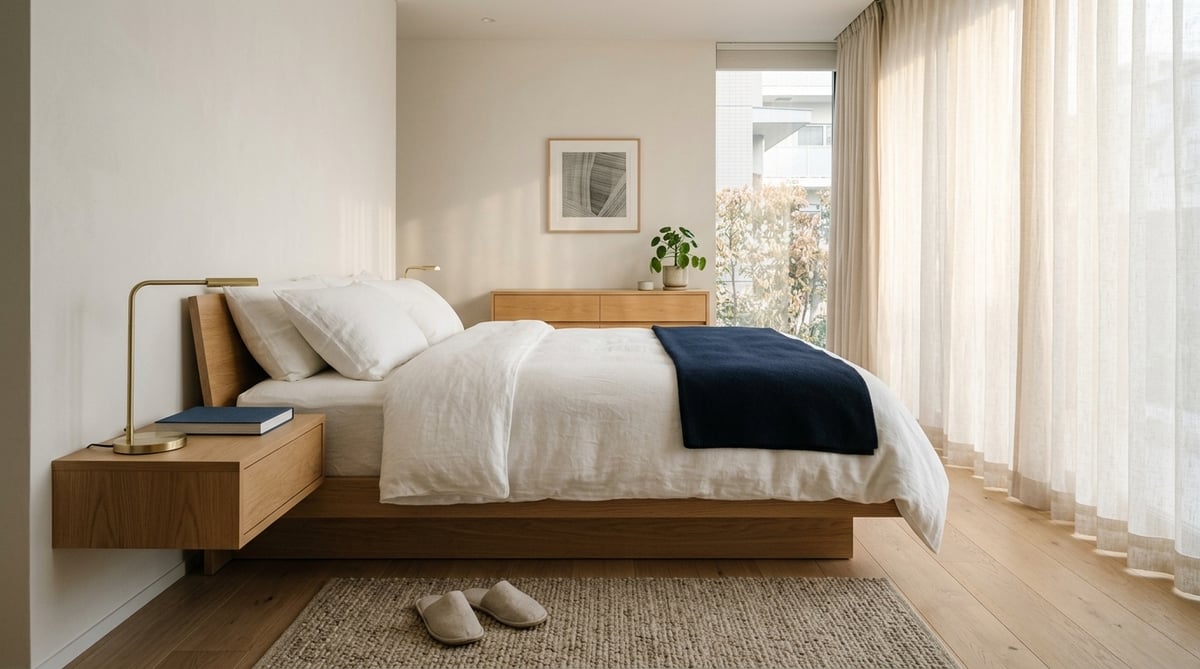
When starting an apartment hunt in Tokyo, many prospective tenants instinctively check the "2nd floor or above" filter on rental search portals. In the rental market, it is true that negative reputations often precede these units: "Never rent the ground floor," "Semi-basement apartments suffer from terrible moisture and mold," or "It's dangerous for security."
However, speaking candidly from the perspective of a licensed real estate broker (Takken) who has handled rental consultations, property viewings, and lease contracts in Tokyo for over a decade, not all first-floor and semi-basement apartments are universally unsafe or uncomfortable. Thanks to major advancements in modern Japanese architectural engineering, elevated foundation design, and multi-layered security technologies, the actual living environment of modern ground-level and semi-basement homes has evolved significantly beyond outdated preconceptions.
In fact, these properties offer compelling daily advantages that upper floors simply cannot match: monthly rents set roughly **10% to 15% lower** than identical units on higher floors, the sheer peace of mind of living with zero anxiety over disturbing downstairs neighbors with footsteps, and the effortless daily flow of entering your home without waiting around for elevators while carrying heavy groceries, suitcases, or bicycles. Rather than eliminating them based on unverified stereotypes, the key is to objectively examine the physical realities of modern building structures and topography, weighing them thoughtfully against your personal daily lifestyle.
Rent Discount
10–15%
Compared to upper floors in the same building
Downstairs Noise Complaints
0%
Structural benefit of having no resident below
Elevator Wait Time Saved
15 hrs/yr
Eliminates daily transit congestion and delays
Building Standards Floor Clearance
45cm+
Modern moisture barrier and ventilation clearance
30-Second Key Takeaways & SummarySorAi Summary
- Compared to upper floors in the same building
- Structural benefit of having no resident below
- Eliminates daily transit congestion and delays
## Why Renters Are Told to Avoid the Ground Floor: Common Realities and Concerns
Why has the warning to "avoid the ground floor" remained so deeply ingrained across the Tokyo rental scene? In daily on-site viewings with international tenants, expats, and locals alike, tenant concerns consistently center around four core issues: privacy, crime prevention, humidity and pests, and urban flooding. Let us examine the objective reality behind each of these concerns.
### Street-Level Visibility and Securing Everyday Privacy
The primary concern cited for first-floor living is line-of-sight exposure from pedestrians walking along front roads or neighboring plots. When an apartment sits directly beside a busy public sidewalk, opening the curtains can leave you feeling exposed to passersby, forcing tenants to keep lace or blackout curtains shut all day, resulting in a dim and stifling indoor atmosphere.
In low-rise wood-frame or light-gauge steel apartments built flush against the street where the distance from the road boundary to the living room window is less than two meters, an eye-level pedestrian line of sight aligns almost directly with an occupant's waist-to-eye height indoors. When interior lighting is switched on at night, silhouettes and furniture layouts become distinctly visible from the sidewalk. Consequently, choosing proper light-diffusing optical curtains and verifying window louver louvers become critical for comfortable daily privacy.
### Burglaries and Crime Prevention Concerns
According to residential burglary statistics published by the National Police Agency, windows represent the most common entry route targeted by intruders (breaking-and-entering or sneak-in thefts). Ground-floor residences naturally experience higher targeted rates because they do not require exterior scaffolding or wall-scaling to reach.
Properties where balcony railings or private yards can be easily vaulted from the road, or those hidden behind high, opaque concrete block walls that create exterior blind spots, inadvertently create favorable cover for intruders attempting to break window glass. Furthermore, even in auto-lock buildings with secure main lobbies, if an unauthorized individual can bypass the front entrance and step directly onto a first-floor balcony from an open bicycle shelter or exterior emergency staircase, the structural risk remains noticeably higher than on upper floors.
### Natural Light Deficits, Ambient Moisture, Mold, and Pests
First-floor units receive the most direct obstruction from surrounding buildings, boundary walls, and tall garden plantings. Even in a south-facing unit, direct natural sunlight may struggle to penetrate deep into the room depending on the season and sun angle. Shorter sunlight hours can make laundry slower to dry and keep rooms cooler in winter, while temperature differentials between uninsulated window glass and indoor moisture produce recurring condensation along sash frames and north-facing walls.
Furthermore, because soil moisture naturally rises from the earth and ground-level residences sit closer to drainage basins, rainwater catch pits, municipal waste collection stations, and garden soil, moisture-loving insects such as mosquitoes, fruit flies, and cockroaches find easier entry into living areas. In older wooden apartments constructed without modern vapor barrier membranes under the foundation, high summer humidity can foster airborne mold spores, leading to costly mold damage on leather shoes, jackets, and wardrobe items.
### Urban Inundation and Flash Flood Risks
In recent years, guerrilla rainstorms and torrential linear rainbands have grown increasingly frequent across Tokyo, turning urban localized flooding into a vital consideration for ground-floor and semi-basement residences. In low-lying urban flood basins, valley bottoms, or areas adjacent to culverted rivers, internal drainage flooding (overflow from storm sewers and municipal drainage pipes exceeding capacity) can inundate street surfaces even when major river embankments remain entirely intact.
When roadway surfaces flood, parcels sitting lower than road grade, sunken building entryways, and semi-basement dry areas naturally become collection channels for surging stormwater, risking under-floor or above-floor inundation. Verifying local topography, elevation histories, and hazard classifications before moving in is an indispensable safety procedure for disaster preparedness and household asset protection.
Free Online Tool • Instant Calculation Sorai Tokyo Official
[【SorAi Initial Cost Simulator】Calculate Transparent Move-in Costs in 10 Seconds](https://soraitokyo.jp/quote?hsLang=en)
Simply enter the rent and deposit from portal listings to calculate a full, itemized breakdown including brokerage and guarantor fees without hidden add-ons.
[Try Initial Cost Simulator →](https://soraitokyo.jp/quote?hsLang=en)
## The Hidden Living Advantages of First-Floor Rentals Over Upper Floors
While valid concerns exist, first-floor apartments offer tangible economic and lifestyle merits that upper floors cannot match. Long-term tenants who deliberately seek out ground-floor living consistently highlight decisive advantages that comfortably outweigh the trade-offs.
### Substantial Rent Savings of 10% to 15% in Prime Tokyo Locations
In Japanese property valuation and rental appraisal, vertical pricing tiers (floor-level rent differentials) are strictly applied. Within the very same apartment building, a first-floor unit is typically priced **5,000 to 15,000 yen (roughly 10% to 15%) lower** each month than identical units situated on the second, third, or higher floors.
For instance, in a popular central Tokyo neighborhood where a second-floor 1LDK apartment rents for 150,000 yen per month, the exact same layout on the first floor frequently leases for 130,000 to 135,000 yen. That translates to an annual saving of 180,000 to 240,000 yen, or roughly 400,000 to 500,000 yen across a standard two-year lease term. For residents prioritizing smart budgeting—allocating extra funds toward travel, lifestyle hobbies, career investments, or emergency savings—this structural price gap presents an exceptional financial advantage.
### Zero Downstairs Noise Anxiety and Total Peace of Mind
In Japanese shared housing management, interpersonal noise complaints consistently rank as the number one dispute between residents. In particular, the heavy heel-drop impact sounds on hardwood flooring (heavyweight floor impact sound LH) and the clatter of dropped objects or scraping furniture legs (lightweight floor impact sound LL) transmit downward through ceilings with surprising clarity.
Living on an upper floor often introduces subtle, continuous subconscious fatigue: tiptoeing in padded slippers late at night, lifting dining chairs cautiously, or constantly scolding young children whenever they run across the room. On the first floor, because there is no residential unit underneath your feet, the risk of disturbing a downstairs neighbor is virtually zero. Whether you engage in indoor stretching, light yoga, or pacing during remote conference calls, the mental freedom of living unburdened by noise anxiety holds immense emotional value.
### Effortless Daily Access Without Stairs or Elevator Bottlenecks
During peak morning rush hours in Tokyo mid-rise and high-rise condominiums, waiting for a crowded elevator that stops on every single floor creates repeated daily friction. The time lost standing in elevator vestibules compounds into noticeable daily micro-stress.
On the first floor, you enter and exit your residence in one seamless, step-free motion directly from the main entrance. When arriving home loaded with heavy grocery bags of bottled water and rice, wheeling heavy suitcases back from overseas business trips, or navigating double strollers with infants, the ability to roll straight into your genkan entryway without negotiating stairs or elevators delivers unmatched day-to-day convenience.
### Expanded Lifestyle Value with Private Terraces and Dedicated Yards
A distinctive feature found exclusively on the ground floor of select residential complexes is the inclusion of an exclusive-use paved terrace or dedicated private garden. While upper-floor balconies strictly prohibit large planter boxes, soil bags, and heavy patio furniture under condominium fire evacuation regulations, ground-level private yards offer far greater flexibility.
You can savor a quiet morning coffee amidst verdant outdoor foliage, cultivate fresh culinary herbs, or place a folding outdoor recliner to read in the calm breeze, experiencing open-air serenity right in the heart of Tokyo. While private garden usage fees generally cost a modest several hundred to one thousand yen monthly, the functional expansion of living space beyond your indoor square footage makes it an outstanding lifestyle upgrade.
Scroll horizontally to see full table →
| Comparison Category | 1st Floor Unit | Mid-Level Floors (2F–4F) | Top Floor | Semi-Basement Unit |
| --- | --- | --- | --- | --- |
| Rent Level | **Most Affordable (-10% to -15% vs base)** | Standard Market Rate | Highest Premium (+10% to +20% vs base) | **Substantially Discounted (-15% to -25%)** |
| Downstairs Noise Stress | **Zero (No tenant underneath)** | Moderate care required | Moderate care required | **Zero (No tenant underneath)** |
| Daily Access Flow | **Fastest; no stairs or elevator** | Stairs or short elevator trip | Elevator wait delays during peak hours | Half-flight staircase ascent/descent |
| Security & Privacy | Window shielding & locking required | Standard and reassuring | High visual privacy; monitor roof access | Naturally shielded from pedestrian view |
| Natural Light & Airflow | Subject to adjacent building barriers | Good overall exposure | Excellent (can run hotter in summer) | Depends on depth of sunken dry area |
| Moisture & Pest Risk | Requires active ventilation check | Standard exposure | Minimal pest ascent; lower humidity | 24h mechanical fan & dehumidifier advised |
| Flood / Inundation Risk | Hazard map verification essential | Very low | Negligible | Sump pump & check valve checks mandatory |
Related Recommendation
[Machiya Tokyo Solo Living Guide: Triple-Train Access via Chiyoda Line & Affordable Rents from ¥60,000s in Arakawa Ward | Sorai Tokyo](https://soraitokyo.jp/en/blog/machiya-living-guide-chiyoda-keisei-toden?hsLang=en)
[Read Article →](https://soraitokyo.jp/en/blog/machiya-living-guide-chiyoda-keisei-toden?hsLang=en)
SORAI SIMULATOR / Online in 10 Sec
### \[SorAi Initial Cost Simulator\] Calculate Estimated Move-in Costs in 10 Seconds
Simply enter the rent and deposit to calculate a transparent move-in cost breakdown including brokerage and guarantor fees without hidden markups.
[Open in Fullscreen / New Tab](https://soraitokyo.jp/en/quote?ref=blog_embed_ext&utm_source=blog_mid_cta&utm_medium=cta&utm_campaign=unified_cta_simulator&hsLang=en) [Chat on Official LINE](https://line.me/R/ti/p/@soraitokyo)
Explore other free SorAi tools: [SorAi Inspection Report →](https://soraitokyo.jp/inspection?ref=blog_mid_cta_aux&lang=en&utm_source=blog_mid_cta&utm_medium=aux_link&utm_campaign=unified_cta_inspection&hsLang=en) [SorAi Request →](https://hearing.soraitokyo.jp/?start=true&ref=blog_mid_cta_aux&lang=en&utm_source=blog_mid_cta&utm_medium=aux_link&utm_campaign=unified_cta_request)
※ 100% Free ・ Online completed.
## Selecting the Right Unit: On-Site Inspection for Safety and Privacy
When evaluating a first-floor rental, the defining criteria is whether the physical architecture of the property naturally neutralizes inherent vulnerabilities in privacy and security. Even within the same price bracket, two ground-floor apartments can offer diametrically opposite levels of safety depending on site grading and layout design. Here are the professional inspection checkpoints to verify during your on-site walkthrough.
### Elevation Differentials Between the Plot and Front Road
The single most important physical factor on the first floor is the elevation difference between the front sidewalk and the apartment's finished interior floor level. Even if two units are officially classified as "first floor" on architectural floor plans, a unit built flush with the roadway offers a vastly different living experience compared to a tiered or retained lot where foundation retaining walls elevate the residence 1.0 to 1.5 meters above street grade.
When the interior floor level sits over one meter higher than the street, a passing pedestrian's direct eye line meets only the solid concrete lower parapet or exterior foundation wall, making it physically impossible to peek into living spaces from the road. When viewing an apartment, never stay solely inside the room: **always step out to the public sidewalk in front of the building and look back at the windows to verify precisely what angles of your ceiling and lighting are visible to daily foot traffic**.
### Auto-Lock Entrances, Security Cameras, and Exterior Metal Shutters
The most formidable physical barrier for first-floor window openings is an exterior metal roll-down shutter (amado). Lowering and locking metal shutters at night or during travel provides nearly 100% physical deterrence against glass-breaking intrusions, while serving as a resilient storm and sound barrier against flying typhoon debris.
While building auto-locks and entry lobby cameras are helpful baseline features, for ground-floor units it is even more critical to inspect the exterior perimeter for surveillance blind spots. Properties that install motion-sensor security lights and security cameras along rear corridors, bicycle bays, and shared trash zones demonstrate that the building owner and property management company take active crime prevention seriously.
Broker's Perspective
#### Does Keeping Shutters Closed All Day Increase Burglary Risk? The Principle of Natural Home Presence
Some ground-floor residents keep their metal window shutters fully lowered and latched 24 hours a day as a security measure. However, during professional burglar casing and scouting, shuttered windows during bright daylight hours telegraph an obvious signal: "This room is unoccupied right now."
Experienced property managers in Tokyo recommend keeping shutters locked at night, while utilizing a layered defense during daylight hours: **CP-certified high-durability security film (total thickness of 350μm or greater) applied to window glass, combined with secondary sash rail locks (fasteners) and dense privacy-filtering lace curtains**. This retains the natural daytime presence of an occupied home while preventing an intruder from reaching the primary crescent latch even if glass is cracked. Presenting a multi-layered barrier that demands more than five minutes to bypass is the most effective deterrent against residential break-ins.
### Balcony Sightlines and Eliminating Exterior Footing Hazards
Intruders strongly prefer operating in blind spots where their presence is completely concealed from public view. Counterintuitively, balcony railings constructed with opaque, solid concrete perimeter walls can actually shelter an intruder crouched on the floor, whereas slatted vertical metal bars or translucent privacy louvers maintain enough visibility to deter unauthorized entry.
Additionally, carefully inspect window and balcony perimeters for physical structures that could serve as climbing footholds. Keep an eye out for these commonly overlooked vulnerabilities:
- Exterior air conditioning compressor units positioned directly beneath window sills, acting as convenient stepping platforms
- Boundary cinderblock walls or low trash shelter roofs positioned within easy jumping distance of balcony railings
- Exterior rainwater downspouts, gas supply pipes, or water heater conduits running directly adjacent to window frames that could support climbing
- Overgrown hedges, tall ornamental shrubbery, or unmanaged trees within the lot that form exterior hiding niches
### Indoor Clothes Drying Amenities and Bathroom Ventilation Dryers
For solo dwellers and single women living on the ground floor, managing laundry drying is vital for personal privacy. Hanging garments outdoors on a low balcony can reveal an occupant's gender, household makeup, and daily schedule to anyone walking by.
Consequently, when shortlisting first-floor rental properties, always prioritize units equipped with an electric or gas **bathroom ventilation dryer (yokushitsu kansouki)** or sturdy **ceiling-mounted interior laundry bars (such as Hosclean systems)**. A bathroom dryer allows you to dry clothes thoroughly overnight, completely shielded from exterior eyes, seasonal cedar pollen, vehicle exhaust, and sudden rain. Ensuring laundry can be completed 100% indoors is a major cornerstone of secure ground-level living.
## Structural and Geological Checks: Moisture, Condensation, and Water Hazards
A first-floor or semi-basement apartment's indoor comfort depends directly on invisible subsurface moisture and building foundation engineering. Thanks to continuous updates in Japanese building codes, modern homes feature moisture barrier performance fundamentally superior to vintage pre-1981 wooden tenements. Understanding how structural designs prevent moisture issues will help you diagnose properties accurately.
### Foundation Gasket Engineering and 45cm Floor Elevation Clearances
Article 22 of the Building Standards Act Enforcement Order stipulates that in wooden residential buildings, the finished floor surface of the lowest habitable story must generally be raised **at least 45 centimeters above the immediately underlying ground level** (with legal exemptions permitted where impermeable continuous moisture-barrier concrete slabs or full mat foundations are deployed). This statutory requirement prevents subterranean soil dampness from collecting beneath floor joists, guarding against timber rot and indoor mold blooms.
Furthermore, contemporary post-1990s wooden and light-gauge steel residences universally employ foundation gasket ventilation systems (such as Joto Kiso-Packing methods) alongside monolithic reinforced concrete mat foundations (beta-kiso). Continuous perimeter air gaps allow fresh crosswinds to sweep through sub-floor spaces, while heavy polyethylene moisture-barrier sheeting and thick concrete slabs seal off subterranean evaporation. In properties built to modern Japanese building standards, the outdated notion that "ground floors are perpetually damp" is structurally obsolete.
Broker's Perspective
#### Semi-Basement Dry Areas: Drainage Capacity and Sump Pump Inspection Requirements
Under Article 29 of the Building Standards Act, habitable rooms located in basement levels must incorporate an exterior sunken lightwell (known in Japanese architecture as a "dry area") outside exterior windows to secure statutory sanitation, natural daylighting, and ventilation. In semi-basement properties, this dry area forms the core of daily indoor air quality.
During an on-site viewing, look down into the dry area pit to verify whether fallen leaves or street debris have accumulated over the drainage grates. Crucially, clarify whether storm runoff is evacuated via natural gravitational fall into the city sewer or pumped out under pressure by an **electric submersible sump pump fitted with backflow prevention check valves**. Inquiring with the property management company regarding dual redundant pumps (emergency backup pumps) and routine maintenance logs ensures you can enjoy the serene acoustic isolation of a semi-basement home with complete peace of mind during heavy rains.
### Drainage Systems and Backflow Prevention in Semi-Basement Units
Semi-basement apartments (often labeled as B1F on floor plans, where windows open into a sunken dry area dug 1.0 to 1.5 meters below street grade) offer an attractive hidden benefit: surrounded by reinforced concrete and earth, they provide exceptional thermal insulation and acoustic soundproofing, creating an exceptionally quiet retreat sheltered from city traffic.
However, because the sunken lightwell forms a bowl-like depression, inadequate drainage can allow torrential downpours to pool water in the dry area, risking leakage past window sashes into the room. The sunken floor is always equipped with a water catch basin, but you must confirm whether water drains away via natural grade or relies on an electric pump pit. Asking your bilingual broker to verify the presence of backup power supplies or manual shut-off valves ensures safe occupancy during unforeseen municipal power disruptions.
### Reading Hazard Maps: River Overflow vs. Localized Storm Inundation
Before committing to any first-floor or semi-basement apartment in Tokyo, the most critical preliminary due diligence is reviewing municipal disaster hazard maps. Under the Real Estate Brokerage Act, licensed brokers are legally required to explain flood hazard risks during the formal Important Matters Explanation (Juyu Jiko Setsumei) before lease signing. However, reviewing this data before scheduling an on-site viewing is essential best practice.
Pay close attention to these two distinct hazard assessments:
- **River Flood Hazard Maps (Gaisui Hanran)**: Project estimated inundation depths and flood durations resulting from major river embankment failures or crest overflows along rivers like the Arakawa, Sumidagawa, or Tamagawa.
- **Storm Drainage Inundation Hazard Maps (Naisui Hanran)**: Detail projected surface flooding caused when localized cloudbursts overwhelm city storm sewers and canal networks. Even on elevated plateaus far from rivers, topographical depressions, bowl bottoms, and ancient culverts can experience standing street water.
If a property sits in a zone designated for potential inundation under 0.5 meters (under-floor flood risk), elevated foundation heights can often prevent indoor damage. However, if the site is mapped for depths exceeding 0.5 to 1.0 meters (above-floor inundation level), selecting a ground-floor or semi-basement unit requires rigorous risk assessment.
### 24-Hour Mechanical Ventilation Systems and Cross-Breeze Circulation
Following revisions to the Building Standards Act enacted in July 2003, all newly constructed residential dwellings in Japan must feature certified 24-hour mechanical ventilation equipment. This system continuously exchanges indoor air across the entire home once every two hours, exhausting ambient humidity, odors, and indoor volatile organic compounds even when all windows remain securely shut.
To prevent stagnant humidity pockets on ground levels, verify that ventilation intake vents are free of particulate clogging and that exhaust fans operate smoothly without acoustic grinding. During viewings, test fan switches and check whether the layout offers dual-aspect ventilation (cross-breeze windows located on opposite or diagonal exterior walls). If renting a studio apartment with windows on only one wall, maintaining continuous ventilation supplemented by an air circulator and air conditioner dry mode keeps indoor humidity comfortably regulated.
Scroll horizontally to see full table →
| Structural Construction Type | 1st Floor / Semi-Basement Sound Insulation | Moisture & Thermal Insulation Profile | Safety & Disaster Resilience Strengths | Key On-Site Inspection Checkpoints |
| --- | --- | --- | --- | --- |
| Reinforced Concrete (RC) | **Very High** (Concrete floor slabs \>150mm between units) | Exceptional airtightness (cool in summer, warm in winter; requires active fan usage) | Highest tier fireproof and earthquake resistance; superior water barrier | 24h ventilation fan airflow, window sash condensation trails |
| Heavy-Gauge Steel (Mansion) | **High** (Solid ALC floor panels deliver reliable acoustic reduction) | Dependent on wall insulation; moisture control generally sound | Robust rigid steel framing with excellent structural stability | Acoustic floor ratings, exterior panel caulking sealant conditions |
| Light-Gauge Steel (Major Builders) | Standard (Units with upgraded acoustic flooring like SHAIDD 55 perform well) | Mat concrete foundation & perimeter gaskets completely block soil dampness | Consistent factory-engineered seismic resilience | Road elevation clearance, presence of exterior metal roll shutters |
| Wood-Frame Apartment (Modern) | Moderate to Standard (Lateral neighbor sounds transmit more easily) | Natural wood breathability; relies on subfloor vapor sheets & air cavities | Short, direct ground-level evacuation routes to the outside | Sub-floor vent grille placement, floor squeaks, absence of musty odors |
## Who Thrives on the First Floor vs. Who Should Choose Upper Floors
Having analyzed both the benefits and technical considerations, deciding whether a first-floor or semi-basement apartment fits your needs ultimately comes down to your personal lifestyle rhythms, household structure, and priorities. Review these two contrasting profiles to see where you align.
#### Tenants Who Thrive in 1st Floor & Semi-Basement Homes
- **Families with Toddlers & Young Children**: Parents who want their children to play freely without fear of downstairs noise disputes.
- **Residents with Bicycles & Bulky Gear**: Road bike enthusiasts who store bikes indoors, as well as camping, golf, and surfing hobbyists.
- **Remote Workers Prioritizing Budget & Space**: Those who want to redirect rent savings into a larger floor plan, a home office, or savings.
- **Residents Seeking Seamless Daily Transit**: Commuters wanting instant, step-free access to the street without stairs or elevator waits.
- **Gardening & Plant Lovers**: Tenants excited to cultivate greenery on a private terrace or dedicated garden plot.
#### Tenants Better Suited for Upper Floors (2F+)
- **Residents Sensitive to Privacy Who Want Open Windows**: Those who enjoy drawing back curtains fully to gaze at wide horizons and city nightscapes.
- **Solo Female Dwellers with Elevated Security Anxiety**: Anyone who prefers sleeping with windows cracked open for evening breezes.
- **Tenants Prioritizing Direct Sun & Outdoor Clothes Drying**: Residents who consider line-drying laundry in direct all-day sunlight a daily must.
- **Individuals Highly Averse to Pests**: Tenants who want to minimize the structural likelihood of insect encounters as close to zero as possible.
- **Those Unwilling to Compromise on Flood Hazard Zones**: Anyone leasing within low-elevation zones designated for above-floor storm flooding.
### Households with Small Children and Remote Workers
Ground-floor apartments deliver an immediate quality-of-life leap for families raising toddlers and elementary school children. On upper floors, parents often find themselves constantly scolding children to "walk quietly" or "stop jumping," producing continuous household tension. On the first floor, with no residential neighbor underneath, energetic indoor play will not result in floor-thumping noise complaints, restoring peace of mind to family life.
For remote professionals and freelancers spending long hours at home, the ground floor is an exceptionally pragmatic choice: it often allows you to secure an entire room size larger for the exact same monthly budget—upgrading from a compact 1K to a comfortable 1LDK, or from a 1LDK to a spacious 2LDK. Creating a clean mental boundary between a dedicated home office and your private bedroom significantly elevates daily productivity and lifestyle satisfaction.
### Active Commuters with Heavy Cargo, Strollers, and Sports Gear
For urban cyclists who ride high-end road or gravel bikes and wish to store their bicycles indoors to protect against bike theft and rain oxidation, the ground floor is unbeatable. You avoid the clumsy ordeal of wheeling bikes vertically into small passenger elevators or maneuvering frames down cramped staircases.
Loading bulky gear—such as camping coolers, surfboards, or golf caddies—into a car parked on-site is effortless when your front door or private terrace gate connects straight to the parking area. Parents pushing baby strollers daily also find step-free entrance access an indispensable lifestyle benefit.
### When Upper Floors Remain the Clear Choice: Privacy and Panoramic Light
If your ideal weekend involves drawing back your curtains completely to read while gazing out at blue skies or sunset horizons, a ground-floor apartment will likely feel restrictive. Ground-floor living inherently involves closer proximity to streets and neighboring walls, requiring consistent reliance on privacy lace curtains or decorative frosted screens.
Similarly, for single women who feel lingering anxiety over street-level security, no amount of modern hardware can entirely replace the psychological peace of mind that comes with living high off the ground. Accurately assessing your personal comfort zone regarding privacy and perceived safety is the ultimate foundation for an apartment search you will never regret.
### Aligning Apartment Choices with Life Stages and Strategic Budgets
In Tokyo real estate, uncovering a "flawless 100-point home" that satisfies every criterion without trade-offs is exceptionally rare. Central locations, station proximity, spacious floor plans, modern construction, and rock-bottom rent can quickly drive rental budgets out of reach if pursued simultaneously.
Approaching your search flexibly—such as choosing a first-floor home in a high-grade concrete condominium to secure a prestigious Tokyo address while keeping rent economical, or renting a ground-floor garden unit during your children's early years to live noise-stress-free—opens up exceptional opportunities. Releasing rigid preconceptions frequently leads to discovering hidden gem apartments that other seekers overlook.
## Frequently Asked Questions and Professional Broker Insights
Here are clear, practical answers from licensed Japanese real estate brokers addressing the most frequent detailed questions raised by prospective tenants considering ground-floor and semi-basement properties.
### Security Essentials for Single Women Considering the First Floor
We are often asked: "Should a woman living alone in Tokyo completely rule out first-floor rentals?" The short answer is: not necessarily. Provided you carefully filter for specific physical building features, comfortable and secure living is fully achievable.
Look for an RC concrete condominium meeting these four foundational conditions: **the plot sits elevated above street grade, the building features an auto-lock entrance with surveillance cameras, exterior metal roll-down shutters are installed on windows, and a bathroom ventilation dryer eliminates the need for outdoor clothes drying**. After moving in, establishing baseline security habits—applying shatter-resistant window film, using secondary sash locks, hanging dense privacy curtains, and securing mailbox combination locks—ensures an extra layer of reassuring protection.
### Practical Surrounding Checks to Eliminate Insect Intrusion
Pest concerns are a primary reason renters hesitate to choose ground-floor homes, yet insect activity always traces back to specific environmental breeding grounds. During your on-site walkthrough, inspect the immediate surroundings for these red flags:
- Shared trash disposal stations situated immediately adjacent to apartment windows (verify whether trash enclosures are kept sanitary and tightly lidded)
- Rainwater collection basins or drainage grates clogged with organic muck and stagnant water
- Unmanaged, dense shrubbery or wild thickets growing directly against the balcony edge
- Commercial restaurants (particularly izakayas, ramen shops, or late-night eateries) operating on the building's ground floor
If the property maintains a clean buffer distance from these conditions, window screens fit snugly without gaps, and the outdoor air conditioner pipe sleeves are solidly packed with sealing putty, pests have very little opportunity to enter. Setting out insect repellent bait trays and applying screen-door repellent sprays upon move-in will effectively minimize pest risks.
### Managing Moisture and Mold to Protect Your Deposit at Move-Out
When leasing a ground-floor or semi-basement home, proactive moisture management protects your security deposit (shikikin) when moving out. Under the Ministry of Land, Infrastructure, Transport and Tourism's (MLIT) "Guidelines for Restoration to Original Condition," natural wear and tear is the landlord's responsibility. However, **if a tenant notices persistent condensation or dampness, fails to address it, and allows mold to rot walls or flooring, it is legally classified as a breach of due care (good manager's duty of care), making the repair costs the tenant's financial responsibility**.
Allowing winter window condensation to spread black mold across wallpaper can result in tens of thousands of yen in wallpaper replacement deductions from your deposit. Prevent this by placing furniture 5 to 10 centimeters away from walls to preserve airflow, never turning off the 24-hour ventilation system, and wiping down winter window condensation using absorbent tape or squeegees. Proper daily ventilation ensures you will never be burdened with unfair move-out fees.
### Negotiating Key Money and Rent on Ground-Floor Units
Because first-floor and semi-basement rentals generally receive fewer general search inquiries on portal sites, property owners are often psychologically motivated to fill vacancies quickly, creating favorable room for negotiation.
Particularly during the rental off-season (May to November) or on listings that have been on the market for several weeks, requests such as **waiving one month of Key Money (Reikin), granting one month of Free Rent (initial month rent waived), or trimming 2,000 to 3,000 yen off monthly rent** are far more likely to be accepted than on high-floor units. Because these adjustments can significantly reduce upfront move-in costs, it is always worth consulting your SorAi broker to explore negotiation possibilities rather than accepting initial listing terms at face value.
## Summary: Unlocking Exceptional Living Value on the Ground Floor
Writing off first-floor and semi-basement apartments based purely on unverified forum opinions means missing out on genuine lifestyle advantages and financial flexibility in Tokyo. Reduced monthly rents, the mental peace of living without downstairs noise worries, seamless step-free accessibility, and the tranquility of private garden terraces represent unique benefits worth considering.
The secret is to evaluate each property objectively across four essential parameters: **site elevation differentials, modern foundation moisture-proofing, drainage infrastructure, and municipal flood hazard classifications**. When privacy and security are properly supported by modern architectural features and thoughtful living practices, you can enjoy a refined, spacious home in an exceptional central Tokyo neighborhood at a fraction of standard costs.
At Sorai Tokyo, our licensed real estate advisors help you evaluate site grading, foundation quality, and building security with thorough, objective clarity—details never fully visible on portal floor plans. Whenever you discover a property of interest, feel free to use SorAi's initial cost calculator and smart consultation tools via our LINE concierge (@soraitokyo) or website. With verified facts and transparent guidance, let us help you find a comfortable home in Tokyo that matches your lifestyle perfectly.
### Featured Tokyo Living Guides
SorAi Editorial
Swipe
#### [ Pet Friendly / Rental Contracts Tokyo Pet-Friendly Apartment Rental Contract Guide: Deposits & Soundproof Tips | Sorai Tokyo Read Guide →](https://soraitokyo.jp/en/blog/tokyo-pet-friendly-apartment-contract-guide?hsLang=en)
#### [ Chiyoda Line / Redevelopment Kitasenju Redevelopment & Livability 2026: 5 Train Lines, Shopping & Housing | Sorai Tokyo Read Guide →](https://soraitokyo.jp/en/blog/area-guide-kitasenju-redevelopment-trend-2026?hsLang=en)
#### [ Tenant Screening / Checklist Tokyo Rental Screening Guide 2026: Why Applications Fail and How to Pass | Sorai Tokyo Read Guide →](https://soraitokyo.jp/en/blog/apartment-screening-checklist-guide?hsLang=en)
### Frequently Asked Questions About Ground-Floor and Semi-Basement Rentals
### QDo first-floor apartments feel colder in winter than upper floors?
ABecause cold air can transfer through foundations and ground-floor units may receive fewer hours of direct sunlight, floors can feel slightly cooler underfoot compared to upper stories. However, in modern reinforced concrete (RC) condominiums or newer homes built with foundation insulation and airtight double-glazed window frames, high thermal insulation prevents significant temperature drops. If you feel chilliness underfoot, simple additions such as placing thick high-pile area rugs, cork mats, or floor-length thermal curtains will comfortably maintain a warm, cozy room temperature.
### QIs a dehumidifier strictly necessary when living in a semi-basement apartment?
ADuring Tokyo's rainy season and peak summer months (June through September), keeping a compressor-type or hybrid dehumidifier in your home is strongly recommended. While semi-basement homes stay naturally cooler in summer and warmer in winter thanks to the thermal mass of surrounding concrete and soil, when humid outdoor summer air flows indoors, it can cause relative humidity to spike rapidly against cooler interior surfaces. Running a dehumidifier alongside your 24-hour mechanical ventilation system easily maintains an ideal, comfortable indoor humidity level of 50% to 60% year-round.
### QIf I rent an apartment with a private garden, who is responsible for yard maintenance and weeding?
AIn Japanese condominium law, a private garden is legally designated as a "common area granted under exclusive right of use." Under standard residential lease agreements, routine groundskeeping, weeding, and sweeping are the contractual responsibility of the tenant enjoying exclusive use of that space. Allowing uncontrolled weeds to attract pests or affect neighbors may prompt notices from property management. If you prefer low-maintenance outdoor living, prioritize properties where ground surfaces are finished with weed barrier fabric topped by interlocking wood decking tiles or artificial turf, or check whether the building owner covers seasonal shrub pruning.

Author: Sorai Tokyo Editorial Team (Supervised by Licensed Real Estate Agents)
A real estate consulting team specializing in assisting foreign nationals find rooms and explaining initial costs in Tokyo. We break down language barriers and differences in customs, offering dedicated support in Japanese, English, and Vietnamese for a safe and secure start to your new life.
 SORAI TOKYO | Proprietary AI "SorAi" × Local Experts
### Sorai Tokyo Concierge Desk Confidently Find Your Apartment, Start to Finish
Send property URLs or floor plans from any portal. Zero pushy sales calls with transparent, fair advice for your Tokyo apartment search.
STEP 1
Upload URL / Plan
Send property URLs or flyer images directly
→
STEP 2
Sorai Audit Report
Objective price check based on market data
→
STEP 3
View & Decide
Meet directly on-site. Move forward only when satisfied
NEW
#### ① SorAi Property Report
Directly submit URLs or floor plans. Get an objective breakdown of move-in costs and terms.
[View Report (Free) ↗](https://inspection.soraitokyo.jp/?utm_source=soraitokyo_blog&utm_medium=cta&utm_campaign=bottom_cta&ref=blog_bottom_cta)
Recommended
#### ② LINE Chat & Availability
Simply share any property link via LINE. Our bilingual concierge swiftly verifies live vacancy, lease terms, and upfront fee breakdowns with zero sales pressure.
[Ask SorAi via LINE (Free) ➔](https://lin.ee/VE8fd8b?utm_source=soraitokyo_blog&utm_medium=cta&utm_campaign=bottom_cta&utm_content=line)
Needs Guidance
#### ③ SorAi Housing Needs
Easily organize your budget, preferred lines, and must-have conditions online. Feel free to explore without rushing.
[Organize Criteria (Free) ➔](https://soraitokyo.jp/en/request?utm_source=soraitokyo_blog&utm_medium=cta&utm_campaign=bottom_cta&ref=blog_bottom_cta&hsLang=en)
Instant Move-in Estimate
#### ④ SorAi Move-in Estimator
Enter rent and management fees to quickly estimate all standard upfront contract costs.
[Check Estimates (Free) ➔](https://soraitokyo.jp/en/quote?utm_source=soraitokyo_blog&utm_medium=cta&utm_campaign=bottom_cta&ref=blog_bottom_cta&hsLang=en)
※ All consultations, audits, and cost estimates are 100% free.
この記事をシェアする
\# 暮らし・吉日
[ SORAI TOKYO](https://soraitokyo.jp/en/)
Sorai Tokyo Co., Ltd.
Room 102, 1-7-14 Yanaka, Adachi-ku, Tokyo, 120-0006
03-6161-8484
[contact@soraitokyo.jp](mailto:contact@soraitokyo.jp)
Tokyo Metropolitan Governor (1) No. 113297
(License Date: December 20, 2025)
### Sitemap
- [Home](https://soraitokyo.jp/en/)
- [About Us](https://soraitokyo.jp/en/about-us)
- [Testimonials](https://soraitokyo.jp/en/testimonials)
- [Chiyoda Line Guide](https://soraitokyo.jp/en/area-guide-chiyoda-line)
- [Sorai Journal](https://soraitokyo.jp/en/blog)
- [FAQs](https://soraitokyo.jp/en/faqs)
- [Contact](https://soraitokyo.jp/en/contact)
- [SorAi Request](https://soraitokyo.jp/en/request)
- [Privacy & Security](https://soraitokyo.jp/en/security)
- [Privacy Policy](https://soraitokyo.jp/en/privacy-policy)
### Business Hours
**10:00 〜 18:00**
Closed: **Tuesday & Wednesday**
Inquiries via LINE, SNS, and email are accepted 24/7.
[View on Google Maps](https://maps.google.com/?q=%E6%9D%B1%E4%BA%AC%E9%83%BD%E8%B6%B3%E7%AB%8B%E5%8C%BA%E8%B0%B7%E4%B8%AD1-7-14) [Book Online Meeting](https://soraitokyo.jp/en/consultation?hsLang=en)
### Multilingual Services
Our professional staff are fluent in Japanese, English, Vietnamese, Russian, and Indonesian to support you from room hunting to contract signing.
[🇯🇵 日本語](https://soraitokyo.jp/ja/blog/first-floor-semi-basement-rental-pros-cons-guide?hsLang=ja) [🇺🇸 English](https://soraitokyo.jp/en/blog/first-floor-semi-basement-rental-pros-cons-guide?hsLang=en) [🇻🇳 Tiếng Việt](https://soraitokyo.jp/vi/blog/first-floor-semi-basement-rental-pros-cons-guide?hsLang=vi) [🇷🇺 Русский](https://soraitokyo.jp/ru/blog/first-floor-semi-basement-rental-pros-cons-guide?hsLang=ru) [🇮🇩 Indonesia](https://soraitokyo.jp/id/blog/first-floor-semi-basement-rental-pros-cons-guide?hsLang=id)
### Inquire via Social Media
Copyright © 2026 株式会社ソライ東京 (Sorai Tokyo Co., Ltd.) All Rights Reserved.
[Chat with SorAi](https://page.line.me/soraitokyo?oat_content=url&openQrModal=true&utm_source=soraitokyo_website&utm_medium=line_button&utm_campaign=chatbot_popover)
SorAi Chat

#### SorAi
Online (Multilingual Support)
×
[Chat with SorAi](https://page.line.me/soraitokyo?oat_content=url&openQrModal=true&utm_source=soraitokyo_website&utm_medium=chatbot_header&utm_campaign=line_btn) [Email Us](https://soraitokyo.jp/en/contact?hsLang=en)
[Get "SorAi" on LINE (24/7 Free)](https://page.line.me/soraitokyo?oat_content=url&openQrModal=true&utm_source=soraitokyo_website&utm_medium=line_button&utm_campaign=floating_btn)
 SorAi | 24/7 AI Rental Chat No signup・100% online
TOC
### Table of Contents
×
```json
{
"@context" : "https://schema.org",
"@type" : "BlogPosting",
"author" : {
"@type" : "Person",
"name" : "ソライ東京編集部",
"url" : "https://soraitokyo.jp/en/blog/author/ソライ東京編集部"
},
"datePublished" : "1970-01-01T00:00:00.000Z",
"headline" : "Should You Avoid 1st Floor & Semi-Basement Apartments in Tokyo? Truth About Security, Humidity & Hidden Perks | Sorai Tokyo",
"image" : [ "https://soraitokyo.jp/hubfs/blog-eyecatches/batch4_serene_bedroom.jpg" ],
"mainEntityOfPage" : {
"@id" : "https://soraitokyo.jp/en/blog/first-floor-semi-basement-rental-pros-cons-guide",
"@type" : "WebPage"
},
"publisher" : {
"@type" : "Organization",
"logo" : {
"@type" : "ImageObject",
"url" : "https://soraitokyo.jp/hubfs/small_logo(color)%20(2)-1.png"
},
"name" : "株式会社ソライ東京"
}
}
```
```json
{
"@context" : "https://schema.org",
"@type" : "FAQPage",
"mainEntity" : [ {
"@type" : "Question",
"acceptedAnswer" : {
"@type" : "Answer",
"text" : "Because cold air can transfer through foundations and ground-floor units may receive fewer hours of direct sunlight, floors can feel slightly cooler underfoot compared to upper stories. However, in modern reinforced concrete (RC) condominiums or newer homes built with foundation insulation and airtight double-glazed window frames, high thermal insulation prevents significant temperature drops. If you feel chilliness underfoot, simple additions such as placing thick high-pile area rugs, cork mats, or floor-length thermal curtains will comfortably maintain a warm, cozy room temperature."
},
"name" : "Do first-floor apartments feel colder in winter than upper floors?"
}, {
"@type" : "Question",
"acceptedAnswer" : {
"@type" : "Answer",
"text" : "During Tokyo's rainy season and peak summer months (June through September), keeping a compressor-type or hybrid dehumidifier in your home is strongly recommended. While semi-basement homes stay naturally cooler in summer and warmer in winter thanks to the thermal mass of surrounding concrete and soil, when humid outdoor summer air flows indoors, it can cause relative humidity to spike rapidly against cooler interior surfaces. Running a dehumidifier alongside your 24-hour mechanical ventilation system easily maintains an ideal, comfortable indoor humidity level of 50% to 60% year-round."
},
"name" : "Is a dehumidifier strictly necessary when living in a semi-basement apartment?"
}, {
"@type" : "Question",
"acceptedAnswer" : {
"@type" : "Answer",
"text" : "In Japanese condominium law, a private garden is legally designated as a \"common area granted under exclusive right of use.\" Under standard residential lease agreements, routine groundskeeping, weeding, and sweeping are the contractual responsibility of the tenant enjoying exclusive use of that space. Allowing uncontrolled weeds to attract pests or affect neighbors may prompt notices from property management. If you prefer low-maintenance outdoor living, prioritize properties where ground surfaces are finished with weed barrier fabric topped by interlocking wood decking tiles or artificial turf, or check whether the building owner covers seasonal shrub pruning."
},
"name" : "If I rent an apartment with a private garden, who is responsible for yard maintenance and weeding?"
} ]
}
```
```json
{
"@context" : "https://schema.org",
"@type" : "BlogPosting",
"author" : {
"@type" : "Person",
"name" : "Author: Sorai Tokyo Editorial Team (Supervised by Licensed Real Estate Agents)"
},
"dateModified" : "2026-10-06T07:12:13Z",
"datePublished" : "2026-10-06T07:12:13Z",
"description" : "Should you really avoid first-floor and semi-basement rentals in Tokyo? A licensed Japanese real estate broker reveals the truth about security, humidity, mold, flood risks, 10–15% lower rent, and zero downstairs noise stress.",
"headline" : "Should You Avoid 1st Floor & Semi-Basement Apartments in Tokyo? Truth About Security, Humidity & Hidden Perks",
"inLanguage" : "en",
"publisher" : {
"@type" : "Organization",
"name" : "Sorai Tokyo",
"url" : "https://soraitokyo.jp"
}
}
```
```json
{
"@context" : "https://schema.org",
"@type" : "BlogPosting",
"author" : {
"@type" : "Organization",
"name" : "Sorai Tokyo Co., Ltd."
},
"dateModified" : "2026-10-06T08:04:30+0000",
"datePublished" : "1970-01-01T00:00:00+0000",
"description" : "Should you really avoid first-floor and semi-basement rentals in Tokyo? A licensed Japanese real estate broker reveals the truth about security, humidity, mold, flood risks, 10–15% lower rent, and zero downstairs noise stress.",
"headline" : "Should You Avoid 1st Floor & Semi-Basement Apartments in Tokyo? Truth About Security, Humidity & Hidden Perks",
"image" : "https://soraitokyo.jp/hubfs/blog-eyecatches/batch4_serene_bedroom.jpg",
"mainEntityOfPage" : {
"@id" : "https://soraitokyo.jp/en/blog/first-floor-semi-basement-rental-pros-cons-guide",
"@type" : "WebPage"
},
"publisher" : {
"@type" : "Organization",
"logo" : {
"@type" : "ImageObject",
"url" : "https://soraitokyo.jp/hubfs/raw_assets/public/soraitokyo-theme/assets/logo.png"
},
"name" : "Sorai Tokyo Co., Ltd."
},
"url" : "https://soraitokyo.jp/en/blog/first-floor-semi-basement-rental-pros-cons-guide"
}
```
```json
{
"@context" : "https://schema.org",
"@type" : "BreadcrumbList",
"itemListElement" : [ {
"@type" : "ListItem",
"item" : "https://soraitokyo.jp/en/",
"name" : "Home",
"position" : 1
}, {
"@type" : "ListItem",
"item" : "https://soraitokyo.jp/en/blog",
"name" : "Blog",
"position" : 2
}, {
"@type" : "ListItem",
"item" : "https://soraitokyo.jp/en/blog/first-floor-semi-basement-rental-pros-cons-guide",
"name" : "Should You Avoid 1st Floor & Semi-Basement Apartments in Tokyo? Truth About Security, Humidity & Hidden Perks",
"position" : 3
} ]
}
```