---
title: 【Save ¥200,000 on Initial Costs】The Break-Even Guide to Furniture & Appliance Subscriptions for Solo Living & Couples in Tokyo | Sorai Tokyo
description: Learn how furniture and appliance subscriptions can slash your move-in costs by over ¥200,000 in Tokyo. A licensed real estate specialist explains break-even calculations, service comparisons, and tips for stress-free relocation.
image: https://soraitokyo.jp/hubfs/blog-eyecatches/batch16_08_corridor_closet_louvered_oak_doors.jpg
---
[ SORAI TOKYO](https://soraitokyo.jp/en/)
- [Home](https://soraitokyo.jp/en/)
- [SorAi Suite](https://soraitokyo.jp/en/quote)
[SorAi Initial Cost Simulator Instant breakdown of move-in costs](https://soraitokyo.jp/en/quote) [SorAi Inspection Report Objective property & hazard diagnosis](https://soraitokyo.jp/en/inspection) [SorAi Request AI-powered rental home recommendations](https://soraitokyo.jp/en/request) [SorAi Phone Consultation 24/7 AI voice response (03-6161-8484)](tel:0361618484)
- [Property Search](https://soraitokyo.jp/en/properties/plegio-kitaayase-asian)
[Featured New (Plegio Kita-Ayase) 2 min from Chiyoda Line starting station](https://soraitokyo.jp/en/properties/plegio-kitaayase-asian) [Furnished Monthly Apartments Short-term rentals for business & temporary stays](https://soraitokyo.jp/en/short-term-rental) [Online Licensed Agent Consultation Camera-off OK • 30–45 min neutral advice](https://soraitokyo.jp/en/consultation) [Client & Resident My Page Check application status & saved documents](https://resident.soraitokyo.jp)
- [Area Guides & Journal](https://soraitokyo.jp/en/area-guide-chiyoda-line)
[Chiyoda Line Living Guide Direct access to Otemachi & Omotesando](https://soraitokyo.jp/en/area-guide-chiyoda-line) [Sorai Journal Expert rental advice & Tokyo insights](https://soraitokyo.jp/en/blog)
- [About Sorai Tokyo](https://soraitokyo.jp/en/about-us)
[Company & Leadership Our story, mission & commitment to trust](https://soraitokyo.jp/en/about-us) [Client Testimonials Real tenant experiences & proven track record](https://soraitokyo.jp/en/testimonials) [FAQs Clear answers on leasing, guarantors & visas](https://soraitokyo.jp/en/faqs) [Privacy & Security Zero paper, zero AI training & encrypted safety](https://soraitokyo.jp/en/security)
EN
[JP 日本語](https://soraitokyo.jp/ja/blog/furniture-appliance-subscription-rental?hsLang=ja) [EN English](https://soraitokyo.jp/en/blog/furniture-appliance-subscription-rental?hsLang=en) [VN Tiếng Việt](https://soraitokyo.jp/vi/blog/furniture-appliance-subscription-rental?hsLang=vi) [RU Русский](https://soraitokyo.jp/ru/blog/furniture-appliance-subscription-rental?hsLang=ru) [ID Indonesia](https://soraitokyo.jp/id/blog/furniture-appliance-subscription-rental?hsLang=id)
EN
[JP 日本語](https://soraitokyo.jp/ja/blog/furniture-appliance-subscription-rental?hsLang=ja) [EN English](https://soraitokyo.jp/en/blog/furniture-appliance-subscription-rental?hsLang=en) [VN Tiếng Việt](https://soraitokyo.jp/vi/blog/furniture-appliance-subscription-rental?hsLang=vi) [RU Русский](https://soraitokyo.jp/ru/blog/furniture-appliance-subscription-rental?hsLang=ru) [ID Indonesia](https://soraitokyo.jp/id/blog/furniture-appliance-subscription-rental?hsLang=id)
[Online Consultation](https://soraitokyo.jp/en/consultation) [Contact](https://soraitokyo.jp/en/contact)
SORAI TOKYO Real Estate & Living
[Cost Simulator Instant Fee Breakdown](https://soraitokyo.jp/en/quote) [Area Guide 20 Stations & Living](https://soraitokyo.jp/en/area-guide-chiyoda-line) [About Us Stance & Commitments](https://soraitokyo.jp/en/about-us) [Contact Us Viewing & Booking](https://soraitokyo.jp/en/contact)
SorAi Suite
- [SorAi Initial Cost Simulator Instant Breakdown](https://soraitokyo.jp/en/quote)
- [SorAi Inspection Report Property & Hazard](https://soraitokyo.jp/en/inspection)
- [SorAi Request AI Matcher](https://soraitokyo.jp/en/request)
- [SorAi Phone Consultation 03-6161-8484](tel:0361618484)
Property Search
- [Featured Property: Plegio Kita-Ayase 2 min walk](https://soraitokyo.jp/en/properties/plegio-kitaayase-asian)
- [Furnished Monthly Apartments Short-Term Rentals](https://soraitokyo.jp/en/short-term-rental)
Area Guides & Journal
- [Chiyoda Line Guide Direct Access to Central Tokyo](https://soraitokyo.jp/en/area-guide-chiyoda-line)
- [Sorai Journal & Insights Expert Advice](https://soraitokyo.jp/en/blog)
About Sorai Tokyo
- [Home](https://soraitokyo.jp/en/)
- [Company Profile Story & Trust](https://soraitokyo.jp/en/about-us)
- [Customer Reviews Real Voice](https://soraitokyo.jp/en/testimonials)
- [Frequently Asked Questions Answers](https://soraitokyo.jp/en/faqs)
- [Privacy & Security Zero Paper & AI Training](https://soraitokyo.jp/en/security)
Consultation & Contact
- [Online Consultation Video call](https://soraitokyo.jp/en/consultation)
- [Contact Form Inquiry](https://soraitokyo.jp/en/contact)
- [Official LINE Consultation URL intake](https://page.line.me/soraitokyo)
Language / 言語
[JP 日本語](https://soraitokyo.jp/ja/blog/furniture-appliance-subscription-rental?hsLang=ja) [EN English](https://soraitokyo.jp/en/blog/furniture-appliance-subscription-rental?hsLang=en) [VN Tiếng Việt](https://soraitokyo.jp/vi/blog/furniture-appliance-subscription-rental?hsLang=vi) [RU Русский](https://soraitokyo.jp/ru/blog/furniture-appliance-subscription-rental?hsLang=ru) [ID Indonesia](https://soraitokyo.jp/id/blog/furniture-appliance-subscription-rental?hsLang=id)
Hours: 10:00 AM - 6:00 PM
Closed: Tuesday & Wednesday
[LINE](https://page.line.me/soraitokyo) [Facebook](https://www.facebook.com/1168140463045963) [Map](https://maps.google.com/?q=%E3%82%BD%E3%83%A9%E3%82%A4%E6%9D%B1%E4%BA%AC)
株式会社ソライ東京 | 宅地建物取引業者 東京都知事免許
[Home](https://soraitokyo.jp/en/) [Area](https://soraitokyo.jp/en/area-guide-chiyoda-line)
Tools
TOC
[LINE](https://page.line.me/soraitokyo?oat_content=url&openQrModal=true&utm_source=soraitokyo_website&utm_medium=bottom_nav&utm_campaign=mobile_bottom)
Select Language
×
[JP 日本語](https://soraitokyo.jp/ja/blog/furniture-appliance-subscription-rental?hsLang=ja) [EN English](https://soraitokyo.jp/en/blog/furniture-appliance-subscription-rental?hsLang=en) [VN Tiếng Việt](https://soraitokyo.jp/vi/blog/furniture-appliance-subscription-rental?hsLang=vi) [RU Русский](https://soraitokyo.jp/ru/blog/furniture-appliance-subscription-rental?hsLang=ru) [ID Indonesia](https://soraitokyo.jp/id/blog/furniture-appliance-subscription-rental?hsLang=id)
SorAi Tools
×
[Initial Cost Simulator Agent Verified / Free 10-second automatic cost estimation from portal URLs or manual input](https://soraitokyo.jp/en/quote) [SorAi Inspection Report Objective Audit Upload floor plan to objectively diagnose earthquake resistance, structure & fair rent](https://soraitokyo.jp/en/inspection) [SorAi Room Hunting Request 100% Online / No Calls Zero unwanted sales calls. Simply send your ideal conditions and relax](https://soraitokyo.jp/en/request)
SORAI SUITE
[SorAi Cost Simulator](https://soraitokyo.jp/en/quote) [SorAi Inspection Report](https://soraitokyo.jp/en/inspection) [SorAi Request](https://soraitokyo.jp/en/request) [Online Consultation](https://soraitokyo.jp/en/consultation) [SorAi Phone Call](tel:0361618484)
MENU
[Area Guide](https://soraitokyo.jp/en/area-guide-chiyoda-line) [Journal](https://soraitokyo.jp/en/blog) [About Us](https://soraitokyo.jp/en/about-us) [Contact](https://soraitokyo.jp/en/contact)
[Free LINE Consultation](https://page.line.me/soraitokyo?oat_content=url&openQrModal=true&utm_source=soraitokyo_website&utm_medium=left_sidebar&utm_campaign=persistent_rail)
1. [Home](https://soraitokyo.jp/en/)
2. /
3. [Blog](https://soraitokyo.jp/en/blog)
4. /
5. 【Save ¥200,000 on Initial Costs】The Break-Even Guide to Furniture & Appliance Subscriptions for Solo Living & Couples in Tokyo
Rental & Living Guide
[Back to Blog List](https://soraitokyo.jp/en/blog)
# 【Save ¥200,000 on Initial Costs】The Break-Even Guide to Furniture & Appliance Subscriptions for Solo Living & Couples in Tokyo
Published: Sep 8, 2026 Updated: Oct 8, 2026 [Sorai Tokyo Editorial (Licensed Agent)](https://soraitokyo.jp/en/about-us)
 SORAI TOKYO | Chat with AI "SorAi" Anytime on LINE
## Exploring Tokyo Neighborhoods or Apartments? Ask Our AI "SorAi" Anytime on LINE
No property URL needed yet. From area safety, commute tips, and rent trends to instant initial-cost audits for listings you found—chat with SorAi 24/7 on LINE with zero sales calls.
[Chat with AI "SorAi" on LINE (Free) 24/7 Instant / Most Popular Ask about areas, rent, vacancy, or upfront fees anytime →](https://lin.ee/VE8fd8b?utm_source=soraitokyo_blog&utm_medium=cta&utm_campaign=fv_cta&utm_content=line) [SorAi Property Report Web Audit Already have a URL or floor plan? Check fair value ↗](https://inspection.soraitokyo.jp/?ref=blog_top_cta) [SorAi Housing Needs Organize your budget & preferred stations online →](https://soraitokyo.jp/en/request?ref=blog_top_cta&hsLang=en) [SorAi Move-in Estimator Quickly estimate standard upfront costs from rent →](https://soraitokyo.jp/en/quote?ref=blog_top_cta&hsLang=en)
※ Consultations are 100% free. No phone number required, zero pushy calls—everything is completed smoothly on LINE.
Table of Contents
Table of Contents
Collapse
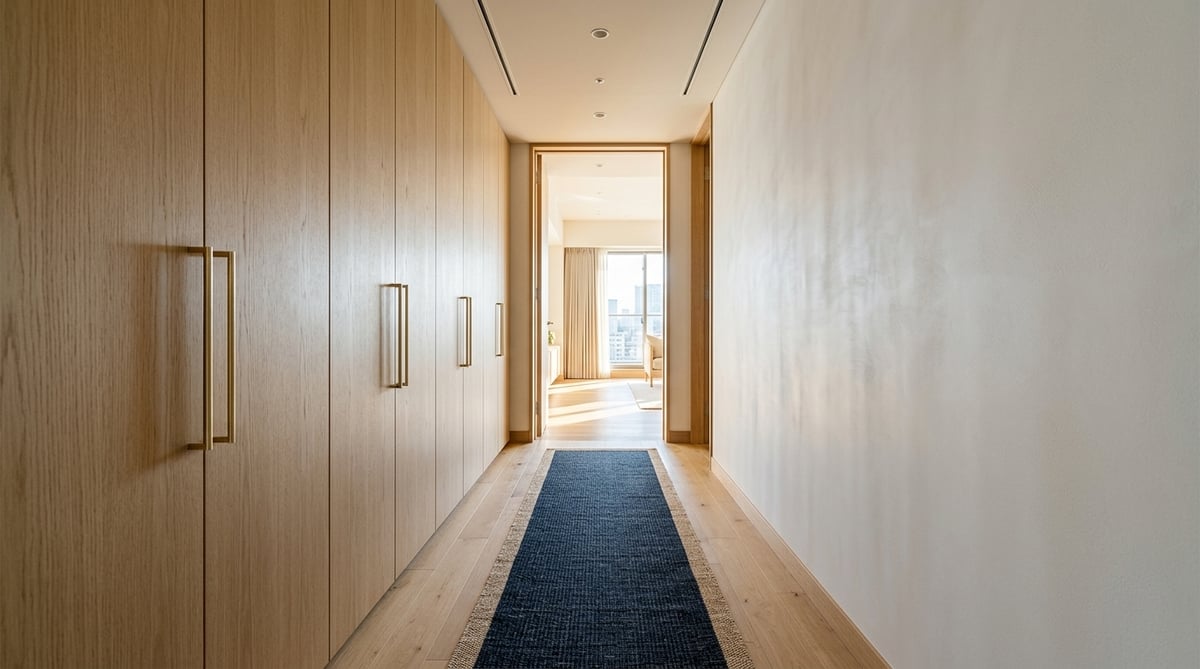
Hunting for a home in Tokyo and picturing your future lifestyle across newly discovered floor plans is one of life’s most exciting chapters. The tranquil morning light spilling into a quiet living room as you sip freshly brewed coffee; the peaceful stroll back through safe, illuminated streets after a long workday, arriving at a welcoming haven that is entirely your own. Yet, while imagining this refined daily comfort, nearly every newcomer encounters the same daunting hurdle: the immense initial cash outflow demanded upon moving in.
When signing a standard residential lease in Tokyo, initial contractual fees alone—including security deposits, key money, agency brokerage commissions, advance rent, guarantor agency fees, and fire insurance—customarily demand four to five times the monthly rent in immediate cash. For a solo apartment renting at 80,000 yen per month, that requires roughly 350,000 to 400,000 yen upfront. For a couple’s home renting at 150,000 yen, around 700,000 yen in liquidity vanishes instantly. Once you add the 200,000 to 300,000 yen required to purchase a full suite of essential appliances and furnishings—refrigerator, washing machine, bed, sofa, microwave, and curtains—the total cash required to launch your Tokyo life rapidly escalates to between 600,000 and 1,000,000 yen.
Draining the bulk of your personal savings right at the doorstep of a new beginning strips away your financial safety cushion and places unnecessary stress on daily life. This is why forward-thinking residents across Tokyo’s central 23 wards and surrounding metropolitan hubs are increasingly adopting furniture and appliance subscriptions. By converting heavy upfront capital expenses into predictable, modest monthly fees, you can drastically reduce upfront moving costs by hundreds of thousands of yen while enjoying a high standard of living. Drawing on a decade of licensed brokerage experience in Tokyo real estate, here is how you can master this strategic approach to contemporary urban housing.
Average Outright Purchase
Buying essential single-occupancy appliances plus a bed upfront
Approx. 250,000JPY
First-Month Subscription Cost
Over 90% reduction in initial first-month cash outflow
Approx. 12,000JPY
Immediate Cash Retained
Preserving liquidity to secure a robust personal emergency fund
Over 200,000JPY
Move-Out Disposal & Moving Cost
Scheduled pickup eliminates oversize trash sticker fees and hauling stress
From 0JPY
30-Second Key Takeaways & SummarySorAi Summary
- Buying essential single-occupancy appliances plus a bed upfront
- Over 90% reduction in initial first-month cash outflow
- Preserving liquidity to secure a robust personal emergency fund
## Slashing Move-In Upfront Costs: The Smart Alternative of Furniture and Appliance Subscriptions
Whether you are setting up your first solo apartment in Tokyo or starting a new life with your partner, preparing for a new home brings a mix of genuine excitement and an endless stream of nickel-and-dime expenses. When you receive the keys, step onto pristine, empty flooring, and gaze out at the Tokyo skyline, you naturally feel that uplifting sense that your own chapter is truly beginning. Yet, when you set out to furnish that space from scratch, the required cash outflow can easily exceed your expectations.
Traditionally, preparing for a move meant heading to home electronics megastores or interior shops, picking out a refrigerator, washing machine, microwave, rice cooker, vacuum cleaner, lighting fixtures, TV, bed, dining table, chairs, and curtains one by one, then settling the bill in full with cash or a credit card swipe. However, the premise of buying everything outright comes not only with a punishing upfront price tag, but also with hidden frictions down the road—especially when moving again or transitioning through different life stages.
Furniture and appliance subscription services offer a refreshing alternative that frees you from the heavy burdens of outright ownership. By paying manageable monthly fees ranging from a few hundred to a few thousand yen, you can bring energy-efficient appliances and thoughtfully designed designer furniture into your home right away, cutting your lump-sum upfront investment virtually to zero.
By shifting your mindset from viewing furniture and appliances as assets you must own to services that deliver daily comfort, the amount of cash you keep in hand during your first month changes dramatically. Keeping an extra 200,000 yen or more in liquid reserve brings priceless peace of mind—giving you a vital buffer for unexpected living adjustments in a new neighborhood, professional development, personal hobbies, and restful weekend downtime.
Online Consultation • Video Call Sorai Tokyo Official
[【Instant Calendar Booking】1-on-1 Online Apartment Consultation](https://soraitokyo.jp/consultation?hsLang=en)
Consult with experienced bilingual real estate advisors via video call. From selecting safe neighborhoods to verifying contract terms, we help you find the right home.
[Check Available Dates & Book →](https://soraitokyo.jp/consultation?hsLang=en)
## Outright Purchase vs. Subscription: The 200,000 Yen Upfront Difference and Breakeven Point
To ground this in reality, let us objectively analyze the upfront expenditures and ongoing cash flows for typical Tokyo rental scenarios: a single resident in a standard studio layout (assumed at 80,000 yen/month rent) and a couple in a one-bedroom apartment (assumed at 150,000 yen/month rent), comparing purchasing furniture and appliances outright against using subscription rental services.
Outfitting an apartment with standard new essentials—reliable, mid-grade quality—typically costs around 230,000 to 260,000 yen for a single person, and reaches roughly 380,000 to 450,000 yen for two people due to larger appliance sizes and additional furnishings.
Scroll horizontally to see full table →
| Furniture & Appliance Items | Outright Purchase (Standard New Market Price) | Subscription Monthly Fee (Estimated) | Cash Outflow Difference in Month One |
| --- | --- | --- | --- |
| 2-Door Refrigerator (140L - 170L) | 42,000 yen | 2,200 yen / month | - 39,800 yen |
| Fully Automatic Washing Machine (5.0kg - 6.0kg) | 38,000 yen | 2,000 yen / month | - 36,000 yen |
| Microwave Oven (with Convection / Baking Function) | 22,000 yen | 1,100 yen / month | - 20,900 yen |
| Single Bed (Bed Frame + Mattress) | 45,000 yen | 2,800 yen / month | - 42,200 yen |
| Work Desk & Ergonomic Office Chair | 35,000 yen | 2,400 yen / month | - 32,600 yen |
| Blackout Curtains, LED Ceiling Light & Vacuum Cleaner | 32,000 yen | 1,800 yen / month | - 30,200 yen |
| Total Initial Setup Outlay | 214,000 yen | 12,300 yen / month | Initial savings of approximately 201,700 yen in cash |
As illustrated in the breakdown above, purchasing everything upfront drains roughly 214,000 yen from your bank account right on day one. In contrast, using a subscription model requires only about 12,300 yen for the first month. That leaves an immediate difference of **roughly 201,700 yen**. Starting your Tokyo life with over 200,000 yen in cash reserves intact provides a tremendous financial cushion, directly eliminating much of the anxiety and cash flow pressure that accompanies signing a Japanese rental lease.
Key Traits: Outright Purchase (Ownership Model)
● Long-Term Cost Efficiency
If you plan to stay in the same apartment and use the same furnishings for three years or longer, paying no recurring monthly fee delivers the lowest cumulative total cost.
● Unrestricted Freedom as Private Property
You can freely customize, alter, or live without worry over minor scratches and scuffs, enjoying full control over personal belongings you truly own.
Key Considerations & Hidden Risks
Requires an immediate cash outlay of 200,000 to 300,000 yen. Moving volume increases significantly, and when relocating or leaving Japan, you bear all costs and administrative effort for municipal oversized waste collection and official home appliance recycling stickers (approx. 15,000 to 30,000 yen).
Key Traits: Furniture & Appliance Subscription (Agile Living Model)
● Maximizes Initial Cash on Hand
You can launch your daily routine for merely several thousand to roughly 10,000 yen in the first month, protecting your savings so you can begin Tokyo life with financial peace of mind.
● Instant Agility for Life Transitions
Whether transitioning from solo living to moving in with a partner, taking a job transfer, or changing floor plans, you can easily return or swap items without dealing with complicated municipal disposal rules.
Comprehensive Support & Peace of Mind
Defects and natural equipment breakdowns are covered with complimentary replacements. For short- to medium-term stays, skipping bulky relocations also dramatically reduces your moving company quotes.
SORAI REQUEST / Online in 1 Min
### \[SorAi Request\] Organize Your Ideal Rental Criteria in Approx. 1 Minute
Simply select your preferences to quickly clarify your rental search. Zero unwanted phone calls — receive tailored apartment proposals directly on LINE or Web.
[Open in Fullscreen / New Tab](https://hearing.soraitokyo.jp/?start=true&ref=blog_embed_ext&lang=en&v=7&utm_source=blog_mid_cta&utm_medium=cta&utm_campaign=unified_cta_request) [Chat on Official LINE](https://line.me/R/ti/p/@soraitokyo)
Explore other free SorAi tools: [SorAi Cost Simulator →](https://soraitokyo.jp/en/quote?ref=blog_mid_cta_aux&lang=en&utm_source=blog_mid_cta&utm_medium=aux_link&utm_campaign=unified_cta_simulator&hsLang=en) [SorAi Inspection Report →](https://soraitokyo.jp/inspection?ref=blog_mid_cta_aux&lang=en&utm_source=blog_mid_cta&utm_medium=aux_link&utm_campaign=unified_cta_inspection&hsLang=en)
※ 100% Free • Online completed.
## Total Cost Comparison by Length of Stay: 1 Year vs. 2 Years vs. 3 Years
When considering furniture and appliance subscriptions, the most crucial metric is understanding your break-even point: exactly how many months of residence make outright purchase the more cost-effective option.
Simply multiplying your monthly subscription fee by the number of months is not enough. A realistic comparison must account for all future expenses tied to outright ownership—such as oversized trash disposal fees upon moving out, extra charges from moving companies based on cargo volume, and the financial risk of replacing appliances in the event of an unexpected breakdown.
Below is a simulation of total expenditures across different lengths of stay, based on the standard solo-living package outlined earlier (outright purchase: 214,000 yen / subscription: 12,300 yen per month).
Scroll horizontally to see full table →
| Length of Stay / Term | Cumulative Cost (Outright Purchase) | Cumulative Cost (Subscription) | Net Difference & Practical Value |
| --- | --- | --- | --- |
| 6 Months to Under 1 Year (Work Assignment / Trial Cohabitation) | 214,000 yen \+ Approx. 15,000 yen disposal/resale hassle cost | 147,600 yen (12,300 yen/month x 12 months + return handling fee) | Subscription is approx. 81,400 yen cheaper \[Clear Winner\] Minimizes upfront capital and protects liquidity |
| 2 Years (Standard Tokyo Lease Term) | 214,000 yen \+ Approx. 25,000 yen additional moving surcharge | Approx. 265,000 yen (Reflecting long-term discounts applied in Year 2) | Virtually Even (Difference of approx. 20,000 to 30,000 yen) Excellent trade-off factoring in free warranty coverage and zero disposal effort |
| 3 Years or Longer (Permanent / Long-Term Settlement) | 214,000 yen (No additional monthly equipment fees) | Over 350,000 yen (Fixed monthly payments continue) | Outright purchase is more economical Advisable to choose rent-to-own plans or cancel before this point |
The conclusions drawn from this break-even analysis are remarkably clear.
First, **if your stay is definitively planned for 1 to 1.5 years or less**, opting for a subscription is without question the smartest move. Whether completing remaining university studies, fulfilling a fixed-term corporate assignment, or testing cohabitation for a year before upgrading to a larger home for marriage, bulky furniture purchased outright quickly turns into a major liability when moving out—entailing costly disposal fees and tedious logistical coordination. With a subscription service, the provider collects everything directly from your apartment upon move-out. There are no oversized trash disposal fees and no lowball price haggling at second-hand shops, yielding net savings of over 80,000 yen.
Second, **for a standard 2-year Tokyo residential lease**, outright purchase and subscription costs are practically neck and neck. While a basic price-tag comparison makes purchasing look slightly cheaper by a few tens of thousands of yen, subscriptions bundle essential value: complimentary repairs and replacements for natural wear and tear, plus significant moving cost reductions (saving roughly 30,000 to 50,000 yen on base mover rates by drastically cutting cargo volume). Moreover, when considering the opportunity cost of preserving 200,000 yen in liquid cash reserves rather than sinking it into upfront move-in expenses, a 2-year subscription delivers outstanding practical value.
Third, **if you are certain you will remain in the same apartment and use the same items for 3 years or longer**, purchasing outright will be cheaper overall. However, by selecting services like subsclife—where total payments are capped and never exceed retail list prices—or subscription plans offering a buyout option where you can pay the remaining residual value to retain ownership, you can keep your initial cash outlay low while seamlessly transitioning into full ownership over time.
## Free Repairs on Breakdown, Flexible Sizing, and Zero Disposal Hassle: The Unmatched Agility of Subscriptions
Beyond the simple financial break-even calculation, what delivers the greatest real-world benefit to Tokyo residents is the sheer psychological agility and peace of mind it brings to everyday life.
Modern home appliances—particularly front-loading washer-dryers and inverter-controlled refrigerators—are sophisticated precision machines. If one suddenly malfunctions, on-site service calls and replacement parts can easily set you back tens of thousands of yen. Moreover, if a cooling failure or water inlet error strikes after the standard one-year manufacturer warranty expires, you are left scrambling to schedule service appointments in the middle of an already hectic workweek, throwing your daily routine into disarray. Major subscription services bundle prompt, complimentary repairs or seamless replacement with an equivalent model for any normal wear-and-tear issues or mechanical failures. In essence, comprehensive appliance protection and maintenance insurance are already baked directly into your monthly fee.
Furthermore, the ability to seamlessly swap furniture sizes and grades as your lifestyle evolves is remarkably well-suited to Tokyo rental living. A compact dining table with a width of 90 cm may be perfectly adequate when starting out in a studio apartment, but if remote work increases and you need room for dual monitors, you can easily exchange it for a 120 cm motorized standing desk. If you move in with a partner, swapping out a single bed for a double is just as straightforward. Liberating yourself from the mental friction of thinking, "Once I buy it, I cannot easily get rid of it," dramatically expands the flexibility and comfort of your living space.
PRO INSIGHT Broker's Field Guide: Move-Out Restoration Guidelines and Delivery Pitfalls
One of the most frequent disputes when vacating a rental property involves wall and flooring damage caused by large appliances. Under the Ministry of Land, Infrastructure, Transport and Tourism Restoration Guidelines, dark thermal discoloration on the wall behind a refrigerator—often called heat marks or static burns—is recognized as an unavoidable physical phenomenon resulting from normal appliance usage. As such, it is explicitly classified as **ordinary wear and tear borne by the landlord**, meaning tenants cannot be billed for wallpaper replacement. Furthermore, these guidelines establish a 6-year statutory lifespan for standard vinyl wallpaper, meaning its residual value depreciates each year until it drops to a nominal value of 1 yen after 6 years of occupancy under the 1-yen residual value principle.
However, as routinely observed in mediation disputes under the Tokyo Rental Housing Dispute Prevention Ordinance (widely known as the Tokyo Rule), physical drag gouges across flooring during installation or water damage and rot from loose washing machine drainage hoses represent a breach of the tenant's duty of due care. In these cases, tenants are held fully liable for out-of-pocket restoration costs.
Tight spatial clearances are especially common in Tokyo studio and one-bedroom layouts. You must carefully account for the effective doorway width (typically only 70 cm to 75 cm), sharp corridor corners, hallway ceiling clearance, and the interior dimensions of the washing machine drain pan (commonly 640 mm by 640 mm). Subscription services often offer professional delivery, unboxing, and installation options at checkout, significantly mitigating exchange risks if an item does not fit. Choosing this route serves as a highly practical safety net against the costly disaster of purchasing an appliance outright, only to discover on delivery day that it cannot pass through your front door with zero return recourse.
## Optimal Use Cases by Lifestyle: Solo Living, Cohabitation, and Temporary Relocation
The true value of furniture and home appliance subscriptions lies in their ability to adapt flexibly to your specific life stage and anticipated length of stay. Below, we examine three typical scenarios encountered in Tokyo rental living and explore how to apply this approach smartly to each situation.
**Scenario 1: New Professionals and Solo Renters in Tokyo (Take-Home Pay: 200,000 to 250,000 Yen/Month)**
Moving to Tokyo from outside the prefecture or setting up a first solo apartment requires substantial upfront cash—not only for security deposits, key money, and brokerage fees, but also for work attire and immediate living reserves. For someone with a monthly take-home income around 220,000 yen, a sound rental budget generally falls between 65,000 and 75,000 yen. Depleting all remaining savings to buy furniture and appliances outright leaves zero buffer for sudden illness or unexpected emergencies. By opting for a subscription on the five essential daily appliances (refrigerator, washing machine, microwave, bed, and lighting), upfront outlay can be limited to around 10,000 yen per month. Preserving the remaining 200,000 yen in a bank account as an emergency fund provides invaluable peace of mind when launching a new professional career.
**Scenario 2: Couples Moving In Together with Marriage on the Horizon (1LDK, Rent: 140,000 to 160,000 Yen/Month)**
When two people who previously lived alone decide to move in together, a common dilemma is what to do with their existing single-occupant appliances. A compact 140-liter refrigerator or a 5 kg washing machine quickly proves inadequate for two people. However, buying high-end family-sized appliances or a washer-dryer combo exceeding 300,000 yen can feel premature before confirming whether the next step will be a larger home, such as a 2LDK. This transitional phase is where renting mid-to-large appliances on a 1-to-2-year subscription delivers maximum utility. Navigating the cohabitation trial period unburdened by heavy assets allows couples to synchronize lifestyles first, purchasing permanent, preferred furnishings only when committing to a long-term residence—completely eliminating redundant replacement costs.
**Scenario 3: Corporate Transfers and Fixed-Term Project Assignments (1 to 2 Years)**
For professionals assigned to a Tokyo headquarters or working on fixed-term projects lasting one to two years, disposing of furniture at the end of the assignment is an enormous hassle. Secondhand shops frequently offer negligible buyout prices, and during peak moving season in March and April, municipal oversized garbage pickup appointments can require booking over a month in advance. With a subscription model, you can move into Tokyo carrying just a few suitcases, and upon vacating, simply coordinate a pickup window with the provider. Eliminating bulky-item moving fees—which easily exceed 100,000 to 150,000 yen during peak periods—makes this strategy exceptionally cost-effective.
Scroll horizontally to see full table →
| Service Name | Strengths and Design Aesthetic | Commitment and Minimum Term | Purchase Option | Recommended For |
| --- | --- | --- | --- | --- |
| CLAS | Extensive lineup of private-brand simple modern furniture and household appliances | No minimum term (return fee applies for under 3 months) | Return upon completion (monthly discounts available for extended use) | Solo renters, frequent movers, short-term residents |
| subsclife | Premium appliances like BALMUDA and renowned designer furniture (all brand-new items) | Selectable contract periods (3 to 24 months) | Option to purchase by paying remaining balance after rental term | Cohabitating couples, users who want curated, top-tier design products |
| Kashite! Dot Com | Outstanding cost performance on essential appliance bundles (new or used options available) | Fixed contracts from 30 days up to 4 years | Return upon completion | Corporate transferees, students, budget-conscious stays of 1 to 2 years |
STEP 01
Determine Total Lease Acquisition Costs
Calculate total initial contract costs including deposits, key money, and broker fees, then reverse-engineer your target cash reserve.
STEP 02
Measure Space and Delivery Pathways
During room viewings, measure the washing machine pan interior, door openings, and elevator dimensions to confirm maximum fitting sizes.
STEP 03
Select Service Based on Stay Duration
Match provider strengths to your timeline—such as CLAS for under one year or subsclife for premium design-forward furnishings.
STEP 04
Consolidated Delivery on Move-In Day
Schedule delivery and setup windows on key pickup day to effortlessly start living in your new Tokyo home from day one.
## Steps to Creating a Home While Intelligently Preserving Cash Flow Through Subscriptions
True success when looking for a home is not just about finding a cheap room or filling it with attractive furniture. An ideal home is one where your monthly cash flow remains steady, you retain a comfortable emergency savings buffer to handle any unexpected expenses, and you can genuinely savor daily life without financial stress.
From the perspective of active real estate brokerage, the principle we emphasize most to residents is the comprehensive management of total move-in costs. Saving 200,000 yen upfront with a furniture and appliance subscription defeats its own purpose if you end up overpaying for the upfront lease agreement itself.
When auditing your lease quote, the fundamental legal foundation you need to know is Article 46 of the Real Estate Brokerage Act. Under this statute and official notifications issued by the Ministry of Land, Infrastructure, Transport and Tourism, the statutory ceiling on brokerage fees that real estate agencies can receive is strictly limited to one month of rent plus consumption tax combined between both the tenant and the landlord. Furthermore, as a baseline rule, an agency cannot charge the tenant more than 0.55 months of rent inclusive of tax unless the tenant has provided explicit prior consent. While charging tenants 1.1 months of rent including tax has become an industry habit among many brokerage firms, simply choosing a transparent agency that offers fair brokerage fees (half-price, or 0.55 months of rent including tax) immediately compresses your move-in costs by approximately 55,000 yen for a 100,000-yen apartment, or around 82,500 yen for a 150,000-yen apartment.
Moreover, reviewing special lease riders requires reliable legal knowledge. In a milestone ruling on December 16, 2005, the Supreme Court of Japan established three mandatory criteria for special clauses that impose ordinary wear-and-tear repairs or mandatory move-out cleaning fees on the tenant to be legally binding:
1. **Objective Clarity of the Special Clause**: The contract must explicitly and specifically state that the tenant bears the repair and restoration costs for normal wear, tear, and aging deterioration.
2. **Clear Tenant Recognition and Agreement**: The tenant must have received sufficient explanation and fully recognized and accepted that they are assuming costs that would ordinarily fall upon the landlord.
3. **Absence of Unconscionable Advantage (Good Faith Principle)**: The financial burden imposed on the tenant must not be disproportionately excessive relative to market rates and rent, nor can it unfairly undermine tenant rights in violation of Article 10 of the Consumer Contract Act.
Additionally, the Supreme Court decision of July 15, 2011, evaluated the validity of contract renewal fee clauses, ruling that such fees are legally valid only to the extent that the amount is reasonable and not excessively burdensome in light of the monthly rent and contract term. In total, by eliminating discretionary optional charges commonly tacked onto lease invoices—such as optional deodorizing and antimicrobial treatments (15,000 to 30,000 yen) or duplicate emergency assistance subscription charges—and pairing half-price brokerage fees with furniture and appliance subscriptions, you can save well over 300,000 to 400,000 yen in total cash outlay when setting up your new home.
At Sorai Tokyo, our mission is to ensure that home seekers never struggle with unfair contractual conditions or inflated move-in costs, offering thorough disclosure and dedicated professional support. Even if you have already obtained an initial price quote from another broker, you can simply share the listing URL from major real estate portals like SUUMO or HOME'S to our official LINE account. A dedicated, licensed real estate transaction specialist will thoroughly verify the latest vacancy status directly on the inter-brokerage real estate database. We also provide a completely free second-opinion diagnosis, auditing your itemized quote for unnecessary add-on fees and applying our half-month brokerage fee (0.55 months of rent including tax).
Furthermore, you can freely access Sorai Tokyo's suite of smart tools (SorAi), including our Move-In Cost Simulator, anytime via the sticky bottom navigation bar on smartphones or the footer section on desktop. It allows you to effortlessly calculate an accurate breakdown of all closing costs tailored to your specific rent bracket, helping you plan your finances with complete clarity and peace of mind as you start your life in Tokyo.

SorAi Real-Time Rental Concierge Online 24/7
Official AI answers your questions 24/7
[Continue on Official LINE (24/7 Free)](https://page.line.me/soraitokyo?oat_content=url&openQrModal=true&utm_source=soraitokyo_website&utm_medium=blog_inline_chat&utm_campaign=line_btn) [Privacy Policy](https://soraitokyo.jp/en/privacy-policy)

Thank you for reading this guide. I am SorAi, your official real estate AI concierge.
Feel free to ask any questions about living expenses, living together, remote work setups, or daily life in Tokyo.
Quick questions:
Summarize lifestyle and living costs
Monthly living cost simulation
Choosing layouts for couples or co-living
Cooking setups and utility onboarding
[Continue on Official LINE (Free)](https://page.line.me/soraitokyo?oat_content=url&openQrModal=true&utm_source=soraitokyo_website&utm_medium=blog_inline_chat&utm_campaign=line_btn)
Send
No phone number required. Feel free to consult at your own pace 24/7.
### Featured Tokyo Living Guides
SorAi Editorial
Swipe
#### [ Tenant Screening / Checklist Tokyo Rental Screening Guide 2026: Why Applications Fail and How to Pass | Sorai Tokyo Read Guide →](https://soraitokyo.jp/en/blog/apartment-screening-checklist-guide?hsLang=en)
#### [![\[H2 2026\] Lucky Daian Moving Calendar: Moving Costs by Rokuyo & 3 Steps to Save Big](https://soraitokyo.jp/hs-fs/hubfs/blog-eyecatches/sample10_06_window_sunroom_bench_greenery.jpg?width=400&height=225&name=sample10_06_window_sunroom_bench_greenery.jpg) Moving / Initial Costs \[H2 2026\] Lucky Daian Moving Calendar: Moving Costs by Rokuyo & 3 Steps to Save Big Read Guide →](https://soraitokyo.jp/en/blog/moving-daian-2026?hsLang=en)
#### [ Layout / Room Types 2SLDK vs 2LDK in Tokyo: What is a Service Room (S), Rent Savings & Air Conditioner Pitfalls | Sorai Tokyo Read Guide →](https://soraitokyo.jp/en/blog/2sldk-2ldk-difference-guide?hsLang=en)
## Frequently Asked Questions: Furniture and Appliance Subscriptions vs. Rental Upfront Costs
### Q If I scratch or stain subscription furniture or appliances, will I be billed for expensive repairs or replacements?
A s a general rule, you will not be billed for minor scratches, sun fading, or natural wear and tear resulting from standard daily use. Major subscription services (such as CLAS and subsclife) include proprietary protection insurance directly in their monthly fees. Even in the event of accidental damage—such as spilled drinks or minor surface scuffs—the tenant liability cap is typically capped at a few thousand yen (rarely exceeding 10,000 yen at most). However, intentional damage, unauthorized disassembly, or water damage caused by leaving items outdoors will incur actual repair costs, so treating them with the same reasonable care as your own belongings is strongly recommended.
### Q re there cancellation penalties or contract lock-in periods if I need to move or terminate early due to a sudden job transfer or life change?
A Cancellation terms vary significantly depending on the provider. For example, CLAS imposes no minimum commitment period, allowing you to return items and cancel anytime (although a handling fee equivalent to round-trip shipping applies only if returned within the first three months). Conversely, subsclife operates on a fixed-term installment model (such as 12 or 24 months) for brand-new designer items; early termination requires paying the remaining total balance of the contract period. If your length of stay in Tokyo is uncertain, a flexible month-to-month service like CLAS is ideal. If your timeline is fixed and you prefer brand-new, premium items, subsclife is the better fit. Aligning the platform with your expected residency timeline is key.
### Q re the delivered furniture and appliances brand new? If they are refurbished or pre-owned, what are the hygiene and sanitization standards?
A This also depends on the platform model. subsclife sources 100% brand-new items directly from manufacturers, making it a seamless choice for anyone sensitive to previous usage history. On the other hand, services such as CLAS and Kasite Dot Com operate circular reuse models, meaning items may be professionally refurbished. Even so, these items undergo rigorous multi-step refurbishment at dedicated maintenance facilities—including complete disassembly cleaning, high-pressure steam sanitization, ozone deodorization, and thorough electrical safety inspections—delivering items in pristine, immaculate condition without any unpleasant second-hand feel. Furthermore, items that come into direct contact with skin, such as mattresses and bedding, often offer guaranteed brand-new options.
### Q If I grow attached to an item after using it for an extended period, can I buy it out and keep it permanently?
A Services broadly fall into two categories: rent-to-own models and rental-only models. With subsclife, once your contract period concludes, you can choose between buying out the item by paying the remaining residual value, extending the term, or returning it. Because total payments never exceed the manufacturer retail price, it essentially functions like a zero-interest installment purchase that lets you transition smoothly into full ownership. CLAS primarily operates on a return basis, though select items feature purchase options, and long-term rentals benefit from tiered monthly discounts of up to 50% off. If you know in advance that you may want to keep the piece, choosing a service with explicit buyout options is the best strategy.

Author: Sorai Tokyo Editorial Team (Supervised by Licensed Real Estate Agents)
A real estate consulting team specializing in assisting foreign nationals find rooms and explaining initial costs in Tokyo. We break down language barriers and differences in customs, offering dedicated support in Japanese, English, and Vietnamese for a safe and secure start to your new life.
 SORAI TOKYO | Chat with AI "SorAi" Anytime on LINE
### Exploring Tokyo Neighborhoods or Apartments? Ask Our AI "SorAi" Anytime on LINE
No property URL needed yet. From area safety, commute tips, and rent trends to instant initial-cost audits for listings you found—chat with SorAi 24/7 on LINE with zero sales calls.
STEP 1
Ask Anything on LINE
Ask about areas & rent, or send a listing URL anytime
→
STEP 2
24/7 Instant Reply by SorAi
Objective area data, live vacancy & fee breakdown
→
STEP 3
Explore at Your Own Pace
Zero sales calls. Meet on-site only when ready to view
24/7 Instant / Most Popular
#### ① Chat with AI "SorAi" on LINE (Free)
Ask about neighborhoods, rent trends, or share any listing URL on LINE. SorAi & our bilingual concierge check live vacancy and upfront fee breakdowns with zero sales pressure.
[Chat with SorAi on LINE (Free) ➔](https://lin.ee/VE8fd8b?utm_source=soraitokyo_blog&utm_medium=cta&utm_campaign=bottom_cta&utm_content=line)
Web Audit
#### ② SorAi Property Report
Already found a listing? Submit the URL or floor plan on the web for an instant objective breakdown of move-in costs and neighborhood data.
[View Report (Free) ↗](https://inspection.soraitokyo.jp/?ref=blog_bottom_cta)
Wait for New Listings
#### ③ SorAi Housing Needs
Select your budget, layout, and must-have conditions in 30 seconds to receive matching listings at your own pace.
[Organize Criteria (Free) ➔](https://soraitokyo.jp/en/request?ref=blog_bottom_cta&hsLang=en)
Instant Move-in Estimate
#### ④ SorAi Move-in Estimator
Enter rent and management fees to quickly estimate standard upfront contract costs and potential savings.
[Check Estimates (Free) ➔](https://soraitokyo.jp/en/quote?ref=blog_bottom_cta&hsLang=en)
※ Consultations are 100% free. No phone number required, zero pushy calls—everything is completed smoothly on LINE.
この記事をシェアする
\# 初期費用# お部屋探し
[ SORAI TOKYO](https://soraitokyo.jp/en/)
Sorai Tokyo Co., Ltd.
Room 102, 1-7-14 Yanaka, Adachi-ku, Tokyo, 120-0006
03-6161-8484
[contact@soraitokyo.jp](mailto:contact@soraitokyo.jp)
Tokyo Metropolitan Governor (1) No. 113297
(License Date: December 20, 2025)
### Sitemap
- [About Us](https://soraitokyo.jp/en/about-us)
- [Testimonials](https://soraitokyo.jp/en/testimonials)
- [Chiyoda Line Guide](https://soraitokyo.jp/en/area-guide-chiyoda-line)
- [Sorai Journal](https://soraitokyo.jp/en/blog)
- [FAQs](https://soraitokyo.jp/en/faqs)
- [Contact](https://soraitokyo.jp/en/contact)
- [SorAi Request](https://soraitokyo.jp/en/request)
### Business Hours
**10:00 〜 18:00**
Closed: **Tuesday & Wednesday**
Inquiries via LINE, SNS, and email are accepted 24/7.
[View on Google Maps](https://maps.google.com/?q=%E6%9D%B1%E4%BA%AC%E9%83%BD%E8%B6%B3%E7%AB%8B%E5%8C%BA%E8%B0%B7%E4%B8%AD1-7-14) [Book Online Meeting](https://soraitokyo.jp/en/consultation?hsLang=en)
### Multilingual Services
Our professional staff are fluent in Japanese, English, Vietnamese, Russian, and Indonesian to support you from room hunting to contract signing.
[🇯🇵 日本語](https://soraitokyo.jp/ja/blog/furniture-appliance-subscription-rental?hsLang=ja) [🇺🇸 English](https://soraitokyo.jp/en/blog/furniture-appliance-subscription-rental?hsLang=en) [🇻🇳 Tiếng Việt](https://soraitokyo.jp/vi/blog/furniture-appliance-subscription-rental?hsLang=vi) [🇷🇺 Русский](https://soraitokyo.jp/ru/blog/furniture-appliance-subscription-rental?hsLang=ru) [🇮🇩 Indonesia](https://soraitokyo.jp/id/blog/furniture-appliance-subscription-rental?hsLang=id)
### Inquire via Social Media
[Privacy Policy](https://soraitokyo.jp/en/privacy-policy) | [Privacy & Security](https://soraitokyo.jp/en/security)
Copyright © 2026 株式会社ソライ東京 (Sorai Tokyo Co., Ltd.) All Rights Reserved.
[Chat with SorAi](https://page.line.me/soraitokyo?oat_content=url&openQrModal=true&utm_source=soraitokyo_website&utm_medium=line_button&utm_campaign=chatbot_popover)
SorAi Chat

#### SorAi
Online (Multilingual Support)
×
[Chat with SorAi](https://page.line.me/soraitokyo?oat_content=url&openQrModal=true&utm_source=soraitokyo_website&utm_medium=chatbot_header&utm_campaign=line_btn) [Email Us](https://soraitokyo.jp/en/contact?hsLang=en)
[Get "SorAi" on LINE (24/7 Free)](https://page.line.me/soraitokyo?oat_content=url&openQrModal=true&utm_source=soraitokyo_website&utm_medium=line_button&utm_campaign=floating_btn)
 SorAi | 24/7 AI Rental Chat No signup・100% online
TOC
### Table of Contents
×
```json
{
"@context" : "https://schema.org",
"@type" : "BlogPosting",
"author" : {
"@type" : "Person",
"name" : "ソライ東京編集部",
"url" : "https://soraitokyo.jp/en/blog/author/ソライ東京編集部"
},
"datePublished" : "2026-09-07T18:08:04.000Z",
"headline" : "【Save ¥200,000 on Initial Costs】The Break-Even Guide to Furniture & Appliance Subscriptions for Solo Living & Couples in Tokyo | Sorai Tokyo",
"image" : [ "https://soraitokyo.jp/hubfs/blog-eyecatches/batch11_scandinavian_modern_living.jpg" ],
"mainEntityOfPage" : {
"@id" : "https://soraitokyo.jp/en/blog/furniture-appliance-subscription-rental",
"@type" : "WebPage"
},
"publisher" : {
"@type" : "Organization",
"logo" : {
"@type" : "ImageObject",
"url" : "https://soraitokyo.jp/hubfs/small_logo(color)%20(2)-1.png"
},
"name" : "株式会社ソライ東京"
}
}
```
```json
{
"@context" : "https://schema.org",
"@type" : "FAQPage",
"mainEntity" : [ {
"@type" : "Question",
"acceptedAnswer" : {
"@type" : "Answer",
"text" : "s a general rule, you will not be billed for minor scratches, sun fading, or natural wear and tear resulting from standard daily use. Major subscription services (such as CLAS and subsclife) include proprietary protection insurance directly in their monthly fees. Even in the event of accidental damage—such as spilled drinks or minor surface scuffs—the tenant liability cap is typically capped at a few thousand yen (rarely exceeding 10,000 yen at most). However, intentional damage, unauthorized disassembly, or water damage caused by leaving items outdoors will incur actual repair costs, so treating them with the same reasonable care as your own belongings is strongly recommended."
},
"name" : "If I scratch or stain subscription furniture or appliances, will I be billed for expensive repairs or replacements?"
}, {
"@type" : "Question",
"acceptedAnswer" : {
"@type" : "Answer",
"text" : "Cancellation terms vary significantly depending on the provider. For example, CLAS imposes no minimum commitment period, allowing you to return items and cancel anytime (although a handling fee equivalent to round-trip shipping applies only if returned within the first three months). Conversely, subsclife operates on a fixed-term installment model (such as 12 or 24 months) for brand-new designer items; early termination requires paying the remaining total balance of the contract period. If your length of stay in Tokyo is uncertain, a flexible month-to-month service like CLAS is ideal. If your timeline is fixed and you prefer brand-new, premium items, subsclife is the better fit. Aligning the platform with your expected residency timeline is key."
},
"name" : "Are there cancellation penalties or contract lock-in periods if I need to move or terminate early due to a sudden job transfer or life change?"
}, {
"@type" : "Question",
"acceptedAnswer" : {
"@type" : "Answer",
"text" : "This also depends on the platform model. subsclife sources 100% brand-new items directly from manufacturers, making it a seamless choice for anyone sensitive to previous usage history. On the other hand, services such as CLAS and Kasite Dot Com operate circular reuse models, meaning items may be professionally refurbished. Even so, these items undergo rigorous multi-step refurbishment at dedicated maintenance facilities—including complete disassembly cleaning, high-pressure steam sanitization, ozone deodorization, and thorough electrical safety inspections—delivering items in pristine, immaculate condition without any unpleasant second-hand feel. Furthermore, items that come into direct contact with skin, such as mattresses and bedding, often offer guaranteed brand-new options."
},
"name" : "Are the delivered furniture and appliances brand new? If they are refurbished or pre-owned, what are the hygiene and sanitization standards?"
}, {
"@type" : "Question",
"acceptedAnswer" : {
"@type" : "Answer",
"text" : "Services broadly fall into two categories: rent-to-own models and rental-only models. With subsclife, once your contract period concludes, you can choose between buying out the item by paying the remaining residual value, extending the term, or returning it. Because total payments never exceed the manufacturer retail price, it essentially functions like a zero-interest installment purchase that lets you transition smoothly into full ownership. CLAS primarily operates on a return basis, though select items feature purchase options, and long-term rentals benefit from tiered monthly discounts of up to 50% off. If you know in advance that you may want to keep the piece, choosing a service with explicit buyout options is the best strategy."
},
"name" : "If I grow attached to an item after using it for an extended period, can I buy it out and keep it permanently?"
} ]
}
```
```json
{
"@context" : "https://schema.org",
"@type" : "BlogPosting",
"author" : {
"@type" : "Person",
"name" : "Author: Sorai Tokyo Editorial Team (Supervised by Licensed Real Estate Agents)"
},
"dateModified" : "2026-09-27T06:54:06Z",
"datePublished" : "2026-09-27T06:54:06Z",
"description" : "Learn how furniture and appliance subscriptions can slash your move-in costs by over ¥200,000 in Tokyo. A licensed real estate specialist explains break-even calculations, service comparisons, and tips for stress-free relocation.",
"headline" : "【Save ¥200,000 on Initial Costs】The Break-Even Guide to Furniture & Appliance Subscriptions for Solo Living & Couples in Tokyo",
"inLanguage" : "en",
"publisher" : {
"@type" : "Organization",
"name" : "Sorai Tokyo",
"url" : "https://soraitokyo.jp"
}
}
```
```json
{
"@context" : "https://schema.org",
"@type" : "BlogPosting",
"author" : {
"@type" : "Organization",
"knowsAbout" : [ "東京メトロ千代田線", "賃貸不動産仲介", "宅地建物取引業", "初期費用適正化", "重要事項説明(IT重説)" ],
"name" : "Sorai Tokyo Editorial Team (Supervised by Licensed Real Estate Agents)",
"url" : "https://soraitokyo.jp/en/about-us"
},
"dateModified" : "2026-10-07T18:01:12+0000",
"datePublished" : "2026-09-07T18:08:04+0000",
"description" : "Learn how furniture and appliance subscriptions can slash your move-in costs by over ¥200,000 in Tokyo. A licensed real estate specialist explains break-even calculations, service comparisons, and tips for stress-free relocation.",
"headline" : "【Save ¥200,000 on Initial Costs】The Break-Even Guide to Furniture & Appliance Subscriptions for Solo Living & Couples in Tokyo",
"image" : "https://soraitokyo.jp/hubfs/blog-eyecatches/batch16_08_corridor_closet_louvered_oak_doors.jpg",
"inLanguage" : "en",
"mainEntityOfPage" : {
"@id" : "https://soraitokyo.jp/en/blog/furniture-appliance-subscription-rental",
"@type" : "WebPage"
},
"publisher" : {
"@type" : "Organization",
"logo" : {
"@type" : "ImageObject",
"url" : "https://soraitokyo.jp/hubfs/raw_assets/public/soraitokyo-theme/assets/logo.png"
},
"name" : "Sorai Tokyo Co., Ltd.",
"url" : "https://soraitokyo.jp/en/"
},
"url" : "https://soraitokyo.jp/en/blog/furniture-appliance-subscription-rental"
}
```
```json
{
"@context" : "https://schema.org",
"@type" : "BreadcrumbList",
"itemListElement" : [ {
"@type" : "ListItem",
"item" : "https://soraitokyo.jp/en/",
"name" : "Home",
"position" : 1
}, {
"@type" : "ListItem",
"item" : "https://soraitokyo.jp/en/blog",
"name" : "Blog",
"position" : 2
}, {
"@type" : "ListItem",
"item" : "https://soraitokyo.jp/en/blog/furniture-appliance-subscription-rental",
"name" : "【Save ¥200,000 on Initial Costs】The Break-Even Guide to Furniture & Appliance Subscriptions for Solo Living & Couples in Tokyo",
"position" : 3
} ]
}
```