---
title: "[Autumn 2026] Escape Soaring Central Tokyo Rents: Save ¥400,000/Year Shifting to the Chiyoda Line (Kita-Ayase–Machiya) | Sorai Tokyo | Sorai Tokyo"
description: Discover how relocating along Tokyo Metro's Chiyoda Line (Machiya to Kita-Ayase) can save you ¥400k+ annually while keeping direct Otemachi access under 25 minutes.
image: https://soraitokyo.jp/hubfs/blog-eyecatches/batch17_01_entrance_alcove_key_niche_bench.jpg
---
[ SORAI TOKYO](https://soraitokyo.jp/en/)
- [Home](https://soraitokyo.jp/en/)
- [SorAi Suite](https://soraitokyo.jp/en/quote)
[SorAi Initial Cost Simulator Instant breakdown of move-in costs](https://soraitokyo.jp/en/quote) [SorAi Inspection Report Objective property & hazard diagnosis](https://soraitokyo.jp/en/inspection) [SorAi Request AI-powered rental home recommendations](https://soraitokyo.jp/en/request) [SorAi Phone Consultation 24/7 AI voice response (03-6161-8484)](tel:0361618484)
- [Property Search](https://soraitokyo.jp/en/properties/plegio-kitaayase-asian)
[Featured New (Plegio Kita-Ayase) 2 min from Chiyoda Line starting station](https://soraitokyo.jp/en/properties/plegio-kitaayase-asian) [Furnished Monthly Apartments Short-term rentals for business & temporary stays](https://soraitokyo.jp/en/short-term-rental) [Online Licensed Agent Consultation Camera-off OK • 30–45 min neutral advice](https://soraitokyo.jp/en/consultation) [Client & Resident My Page Check application status & saved documents](https://resident.soraitokyo.jp)
- [Area Guides & Journal](https://soraitokyo.jp/en/area-guide-chiyoda-line)
[Chiyoda Line Living Guide Direct access to Otemachi & Omotesando](https://soraitokyo.jp/en/area-guide-chiyoda-line) [Sorai Journal Expert rental advice & Tokyo insights](https://soraitokyo.jp/en/blog)
- [About Sorai Tokyo](https://soraitokyo.jp/en/about-us)
[Company & Leadership Our story, mission & commitment to trust](https://soraitokyo.jp/en/about-us) [Client Testimonials Real tenant experiences & proven track record](https://soraitokyo.jp/en/testimonials) [FAQs Clear answers on leasing, guarantors & visas](https://soraitokyo.jp/en/faqs) [Privacy & Security Zero paper, zero AI training & encrypted safety](https://soraitokyo.jp/en/security)
EN
[JP 日本語](https://soraitokyo.jp/ja/blog/inflation-defense-chiyoda-commute-guide-2026?hsLang=ja) [EN English](https://soraitokyo.jp/en/blog/inflation-defense-chiyoda-commute-guide-2026?hsLang=en) [VN Tiếng Việt](https://soraitokyo.jp/vi/blog/inflation-defense-chiyoda-commute-guide-2026?hsLang=vi) [RU Русский](https://soraitokyo.jp/ru/blog/inflation-defense-chiyoda-commute-guide-2026?hsLang=ru) [ID Indonesia](https://soraitokyo.jp/id/blog/inflation-defense-chiyoda-commute-guide-2026?hsLang=id)
EN
[JP 日本語](https://soraitokyo.jp/ja/blog/inflation-defense-chiyoda-commute-guide-2026?hsLang=ja) [EN English](https://soraitokyo.jp/en/blog/inflation-defense-chiyoda-commute-guide-2026?hsLang=en) [VN Tiếng Việt](https://soraitokyo.jp/vi/blog/inflation-defense-chiyoda-commute-guide-2026?hsLang=vi) [RU Русский](https://soraitokyo.jp/ru/blog/inflation-defense-chiyoda-commute-guide-2026?hsLang=ru) [ID Indonesia](https://soraitokyo.jp/id/blog/inflation-defense-chiyoda-commute-guide-2026?hsLang=id)
[Online Consultation](https://soraitokyo.jp/en/consultation) [Contact](https://soraitokyo.jp/en/contact)
SORAI TOKYO Real Estate & Living
[Cost Simulator Instant Fee Breakdown](https://soraitokyo.jp/en/quote) [Area Guide 20 Stations & Living](https://soraitokyo.jp/en/area-guide-chiyoda-line) [About Us Stance & Commitments](https://soraitokyo.jp/en/about-us) [Contact Us Viewing & Booking](https://soraitokyo.jp/en/contact)
SorAi Suite
- [SorAi Initial Cost Simulator Instant Breakdown](https://soraitokyo.jp/en/quote)
- [SorAi Inspection Report Property & Hazard](https://soraitokyo.jp/en/inspection)
- [SorAi Request AI Matcher](https://soraitokyo.jp/en/request)
- [SorAi Phone Consultation 03-6161-8484](tel:0361618484)
Property Search
- [Featured Property: Plegio Kita-Ayase 2 min walk](https://soraitokyo.jp/en/properties/plegio-kitaayase-asian)
- [Furnished Monthly Apartments Short-Term Rentals](https://soraitokyo.jp/en/short-term-rental)
Area Guides & Journal
- [Chiyoda Line Guide Direct Access to Central Tokyo](https://soraitokyo.jp/en/area-guide-chiyoda-line)
- [Sorai Journal & Insights Expert Advice](https://soraitokyo.jp/en/blog)
About Sorai Tokyo
- [Home](https://soraitokyo.jp/en/)
- [Company Profile Story & Trust](https://soraitokyo.jp/en/about-us)
- [Customer Reviews Real Voice](https://soraitokyo.jp/en/testimonials)
- [Frequently Asked Questions Answers](https://soraitokyo.jp/en/faqs)
- [Privacy & Security Zero Paper & AI Training](https://soraitokyo.jp/en/security)
Consultation & Contact
- [Online Consultation Video call](https://soraitokyo.jp/en/consultation)
- [Contact Form Inquiry](https://soraitokyo.jp/en/contact)
- [Official LINE Consultation URL intake](https://page.line.me/soraitokyo)
Language / 言語
[JP 日本語](https://soraitokyo.jp/ja/blog/inflation-defense-chiyoda-commute-guide-2026?hsLang=ja) [EN English](https://soraitokyo.jp/en/blog/inflation-defense-chiyoda-commute-guide-2026?hsLang=en) [VN Tiếng Việt](https://soraitokyo.jp/vi/blog/inflation-defense-chiyoda-commute-guide-2026?hsLang=vi) [RU Русский](https://soraitokyo.jp/ru/blog/inflation-defense-chiyoda-commute-guide-2026?hsLang=ru) [ID Indonesia](https://soraitokyo.jp/id/blog/inflation-defense-chiyoda-commute-guide-2026?hsLang=id)
Hours: 10:00 AM - 6:00 PM
Closed: Tuesday & Wednesday
[LINE](https://page.line.me/soraitokyo) [Facebook](https://www.facebook.com/1168140463045963) [Map](https://maps.google.com/?q=%E3%82%BD%E3%83%A9%E3%82%A4%E6%9D%B1%E4%BA%AC)
株式会社ソライ東京 | 宅地建物取引業者 東京都知事免許
[Home](https://soraitokyo.jp/en/) [Area](https://soraitokyo.jp/en/area-guide-chiyoda-line)
Tools
TOC
[LINE](https://page.line.me/soraitokyo?oat_content=url&openQrModal=true&utm_source=soraitokyo_website&utm_medium=bottom_nav&utm_campaign=mobile_bottom)
Select Language
×
[JP 日本語](https://soraitokyo.jp/ja/blog/inflation-defense-chiyoda-commute-guide-2026?hsLang=ja) [EN English](https://soraitokyo.jp/en/blog/inflation-defense-chiyoda-commute-guide-2026?hsLang=en) [VN Tiếng Việt](https://soraitokyo.jp/vi/blog/inflation-defense-chiyoda-commute-guide-2026?hsLang=vi) [RU Русский](https://soraitokyo.jp/ru/blog/inflation-defense-chiyoda-commute-guide-2026?hsLang=ru) [ID Indonesia](https://soraitokyo.jp/id/blog/inflation-defense-chiyoda-commute-guide-2026?hsLang=id)
SorAi Tools
×
[Initial Cost Simulator Agent Verified / Free 10-second automatic cost estimation from portal URLs or manual input](https://soraitokyo.jp/en/quote) [SorAi Inspection Report Objective Audit Upload floor plan to objectively diagnose earthquake resistance, structure & fair rent](https://soraitokyo.jp/en/inspection) [SorAi Room Hunting Request 100% Online / No Calls Zero unwanted sales calls. Simply send your ideal conditions and relax](https://soraitokyo.jp/en/request)
SORAI SUITE
[SorAi Cost Simulator](https://soraitokyo.jp/en/quote) [SorAi Inspection Report](https://soraitokyo.jp/en/inspection) [SorAi Request](https://soraitokyo.jp/en/request) [Online Consultation](https://soraitokyo.jp/en/consultation) [SorAi Phone Call](tel:0361618484)
MENU
[Area Guide](https://soraitokyo.jp/en/area-guide-chiyoda-line) [Journal](https://soraitokyo.jp/en/blog) [About Us](https://soraitokyo.jp/en/about-us) [Contact](https://soraitokyo.jp/en/contact)
[Free LINE Consultation](https://page.line.me/soraitokyo?oat_content=url&openQrModal=true&utm_source=soraitokyo_website&utm_medium=left_sidebar&utm_campaign=persistent_rail)
1. [Home](https://soraitokyo.jp/en/)
2. /
3. [Area Guide](https://soraitokyo.jp/en/area-guide)
4. /
5. \[Autumn 2026\] Escape Soaring Central Tokyo Rents: Save ¥400,000/Year Shifting to the Chiyoda Line (Kita-Ayase–Machiya) | Sorai Tokyo
Area & Station Guide
[Back to Area Guide](https://soraitokyo.jp/en/area-guide)
# \[Autumn 2026\] Escape Soaring Central Tokyo Rents: Save ¥400,000/Year Shifting to the Chiyoda Line (Kita-Ayase–Machiya) | Sorai Tokyo
Published: Aug 28, 2026 Updated: Oct 8, 2026 [Sorai Tokyo Editorial (Licensed Agent)](https://soraitokyo.jp/en/about-us)
 SORAI TOKYO | Chat with AI "SorAi" Anytime on LINE
## Exploring Tokyo Neighborhoods or Apartments? Ask Our AI "SorAi" Anytime on LINE
No property URL needed yet. From area safety, commute tips, and rent trends to instant initial-cost audits for listings you found—chat with SorAi 24/7 on LINE with zero sales calls.
[Chat with AI "SorAi" on LINE (Free) 24/7 Instant / Most Popular Ask about areas, rent, vacancy, or upfront fees anytime →](https://lin.ee/VE8fd8b?utm_source=soraitokyo_blog&utm_medium=cta&utm_campaign=fv_cta&utm_content=line) [SorAi Property Report Web Audit Already have a URL or floor plan? Check fair value ↗](https://inspection.soraitokyo.jp/?ref=blog_top_cta) [SorAi Housing Needs Organize your budget & preferred stations online →](https://soraitokyo.jp/en/request?ref=blog_top_cta&hsLang=en) [SorAi Move-in Estimator Quickly estimate standard upfront costs from rent →](https://soraitokyo.jp/en/quote?ref=blog_top_cta&hsLang=en)
※ Consultations are 100% free. No phone number required, zero pushy calls—everything is completed smoothly on LINE.
Table of Contents
Table of Contents
Collapse
![\[Autumn 2026\] Escape Soaring Central Tokyo Rents: Save ¥400,000/Year Shifting to the Chiyoda Line (Kita-Ayase–Machiya) | Sorai Tokyo](https://soraitokyo.jp/hs-fs/hubfs/blog-eyecatches/batch17_01_entrance_alcove_key_niche_bench.jpg?width=1200&height=675&name=batch17_01_entrance_alcove_key_niche_bench.jpg)
Rising consumer prices, surging utility bills, and relentless rent hikes on central Tokyo apartments—with wage growth struggling to keep pace, an increasing number of professionals find themselves sighing at the heavy fixed expenses debited from their accounts each month. Across Minato, Shibuya, and Chuo wards, even modest studio (1K) and one-bedroom (1LDK) apartments continue to climb beyond reach. Yet there is a strategic choice that trims housing costs by hundreds of thousands of yen annually without compromising your commute or the quality of central Tokyo access: relocating to the Kita-Ayase–Machiya corridor along the Tokyo Metro Chiyoda Line.
Walking toward the station in the crisp morning air, the gentle rustle of roadside leaves greets your ears. Outside the bustle of the city center, Tokyo's eastern Joto district offers an unpretentious calm where you can unwind and breathe freely. Step through the ticket gates, however, and you are backed by exceptional mobility—reaching Otemachi in a direct 13 to 25 minutes. From a seasoned real estate practitioner's perspective, we unpack the practical wisdom of trimming fixed expenses without sacrificing a single detail of everyday comfort.
Drawing on a decade of hands-on experience as a licensed real estate broker, this guide provides a comprehensive overview of the drivers behind central Tokyo rent inflation, key legal considerations, rental market rates and transit connectivity across the northeastern Chiyoda Line (Machiya, Kitasenju, Ayase, and Kita-Ayase), everyday neighborhood amenities, and a financial breakeven analysis of relocation costs. Consider this your practical roadmap to balancing financial peace of mind with a fulfilling lifestyle.
30-Second Summary & TakeawaysSorAi Summary
- A licensed real estate broker details rental markets, living environments, and leasing contracts for smart inflation defense along the Chiyoda Line (Kita-Ayase–Machiya).
- Consistently save ¥35,000 to ¥50,000 per month by relocating from central Tokyo to the Chiyoda Line.
- Exceptional transit mobility: Machiya in 13 min, Kitasenju in 15 min, Ayase in 20 min, and Kita-Ayase in 25 min direct to Otemachi.
Annual Rent Savings Potential (Singles)
400K–600K JPY
Consistently save ¥35,000 to ¥50,000 monthly by shifting from central Tokyo to the Chiyoda Line
Direct Transit Time to Otemachi
13–25 min
Superb mobility: 13 min from Machiya, 15 min from Kitasenju, 20 min from Ayase, 25 min from Kita-Ayase
Relocation Cost Payback Period
7–10 months
Break even in under a year with discounted 0.55-month (tax incl.) brokerage fees
Morning Rush Seated Commute
Originating Trains Available
Guaranteed seating from Kita-Ayase and Ayase turns transit into productive personal time
## The Mechanics of Central Tokyo Rent Inflation and Fixed Cost Defense
### Surging Rents and Renewal Hikes Across Tokyo's Central Wards, Shibuya, and Shinjuku
In 2026, Tokyo's residential rental market is experiencing a rent surge unseen in over a decade. Across central hubs—including the three central wards of Minato, Chiyoda, and Chuo, alongside Shibuya and Shinjuku—advertised rents for reinforced concrete (RC) studio apartments (around 25 sqm) routinely sit at ¥130,000 to ¥150,000 per month, while one-bedroom units for couples (around 40 sqm) command ¥220,000 to ¥280,000 monthly.
Persistently elevated construction material costs and rising labor expenses have driven up prices for new condominium developments, triggering a ripple effect across existing rental properties. Furthermore, against the backdrop of sustained consumer price inflation, landlords are increasingly adjusting rents for existing tenants upon lease renewal. Renewal notices citing "alignment with prevailing market rates for comparable neighborhood properties" frequently request rent increases of ¥5,000 to ¥20,000 per month, catching many residents unprepared.
In an economic environment where take-home pay rarely rises at the same pace, rent increases debited each month represent a direct hit to disposable income. Allowing housing costs—which comprise the single largest portion of living expenses—to climb unchecked risks eroding your future wealth accumulation and overall peace of mind.
### Protecting Disposable Income Through Strategic Fixed-Cost Reduction
When looking to protect household finances, many people instinctively turn to cutting variable expenses—skimping on groceries or cutting back on hobbies. Yet nickel-and-diming daily food budgets or constantly tweaking mobile plans incurs substantial mental fatigue and rarely proves sustainable over the long run.
In contrast, restructuring housing—your single largest fixed cost—delivers enduring financial protection without requiring continuous willpower. Saving just ¥40,000 per month on rent automatically leaves an extra ¥480,000 in your pocket annually, or ¥960,000 over a standard two-year lease. This difference builds a financial safety cushion far stronger than any daily budgeting strain could achieve.
Strategically choosing a new residential base does not mean downgrading your lifestyle. It means preserving your commute time, floor space, and fixture quality while stripping away unnecessary neighborhood brand premiums and inflated land values. For practical-minded professionals, compressing fixed overhead is the most dependable and effective hedge against inflation.
### Legal Validity and Practical Implications of Lease Renewal Fees in Supreme Court Precedent
When weighing whether to stay in a central Tokyo property or relocate, contract renewal fees are an unavoidable consideration. In the greater Kanto area, rental agreements traditionally require paying a renewal fee equivalent to one month's new rent every two years.
The legal validity of these clauses was tested in the Supreme Court Second Petty Bench decision of July 15, 2011 (Heisei 23). The Supreme Court ruled that renewal fee clauses in lease agreements are legally enforceable provided specific conditions are met. The court stated that so long as the clause is explicitly and unambiguously stated in the contract, and the fee is not deemed excessively exorbitant in relation to the monthly rent and lease duration, it cannot be rendered void under Article 10 of the Consumer Contract Act.
Consequently, as long as the clause is clearly stipulated in the lease, avoiding renewal fees is virtually impossible from a legal standpoint. For a central Tokyo apartment with a ¥150,000 monthly rent, the renewal month demands the regular ¥150,000 rent plus a ¥150,000 renewal fee, roughly ¥15,000 to ¥20,000 in fire insurance renewal, and a ¥20,000 to ¥30,000 renewal administrative fee—totaling over ¥330,000 in one go. Rather than rolling over a lease out of habit, this renewal milestone represents the prime window to relocate to a well-connected suburban hub and dramatically optimize your overall expenditure.
High-Rent Central Tokyo (Minato, Shibuya, Shinjuku)
#### Fixed Costs Consume 35% to 45% of Take-Home Pay
- Elevated market rates: ¥130k–¥150k for studios (1K), ¥240k–¥280k for one-bedrooms (1LDK)
- Hefty biennial renewal fees repeatedly deplete liquid savings
- Higher grocery and daily necessity prices drive up routine living expenses
- Minimal financial cushion leaves households vulnerable to unexpected expenses and economic swings
Paying for proximity and prestige significantly slows your pace of wealth building
Chiyoda Line Shift (Machiya to Kita-Ayase)
#### Sustain Quality Living Under 25% of Take-Home Pay
- Accessible, stable rates: ¥70k–¥80k for studios (1K), ¥120k–¥150k for one-bedrooms (1LDK)
- Direct 13–25 min commute to Otemachi with guaranteed seated rides on originating trains
- Community supermarkets like OK Store trim monthly grocery bills by ¥20,000–¥30,000
- Frees up ¥400,000 to ¥1,200,000 in dependable annual savings capacity
A strategic choice that safeguards wealth without sacrificing comfort or transit ease
Online Consultation (No In-Person Visit Required) Sorai Tokyo Official
[\[Instant Calendar Booking\] Online Apartment Consultation with a Dedicated Agent](https://soraitokyo.jp/consultation?hsLang=en)
Licensed brokers specialized in Tokyo's Joto district provide personalized support via video call—from clarifying your criteria and checking off-market listings to optimizing upfront fees.
[Check Availability & Book Online →](https://soraitokyo.jp/consultation?hsLang=en)
Free Online Tool • Instant Calculation Sorai Tokyo Official
[【SorAi Initial Cost Simulator】Calculate Transparent Move-in Costs in 10 Seconds](https://soraitokyo.jp/quote?hsLang=en)
Simply enter the rent and deposit from portal listings to calculate a full, itemized breakdown including brokerage and guarantor fees without hidden add-ons.
[Try Initial Cost Simulator →](https://soraitokyo.jp/quote?hsLang=en)
## Rent Differentials and Asset Protection Benefits of the Chiyoda Line Corridor (Kita-Ayase–Machiya)
### Comparing Studio (1K) and 1-Bedroom (1LDK) Market Rates by Neighborhood
Within Tokyo's subway network, market rents along the Chiyoda Line drop distinctively once you cross the Arakawa and Sumida rivers. Moving northeast from stations inside the Yamanote loop—such as Nogizaka and Akasaka in Minato, or Yushima and Nezu in Bunkyo—toward the Nippori/Arakawa district and into Adachi Ward, rents for apartments of equivalent building quality ease considerably.
Let us examine the numbers closely. For a steel-frame or RC apartment built within 15 years (around 25 sqm with separate bath and toilet) in central Minato or Chiyoda, median monthly rent hovers around ¥135,000. In comparison, rents at Machiya Station average ¥78,000 to ¥85,000; at Kitasenju Station, ¥78,000 to ¥88,000; at Ayase Station, ¥72,000 to ¥78,000; and at Kita-Ayase Station, ¥68,000 to ¥75,000.
The contrast is even more pronounced for couple-oriented 1LDK apartments (40 to 45 sqm). While central Tokyo typically commands ¥240,000 to ¥280,000 per month, advertised rates run ¥135,000 to ¥160,000 around Machiya Station, ¥140,000 to ¥170,000 at Kitasenju, ¥120,000 to ¥140,000 at Ayase, and ¥110,000 to ¥130,000 at Kita-Ayase. Compared to central Tokyo, this unlocks monthly fixed-cost savings of ¥50,000 to ¥60,000 for solo residents, and ¥100,000 to ¥130,000 for couples and newlyweds.
Scroll horizontally to see full table →
| Area / Station | Studio (1K) Market Rate | 1-Bedroom (1LDK) Market Rate | Monthly Savings vs. Central Tokyo (1K) | Annual Savings vs. Central Tokyo (1K) |
| --- | --- | --- | --- | --- |
| Central 3 Wards, Shibuya & Shinjuku | ¥125,000–¥150,000 | ¥220,000–¥280,000 | Baseline (¥0) | Baseline (¥0) |
| Machiya (Arakawa Ward) | ¥78,000–¥85,000 | ¥135,000–¥160,000 | - Approx. ¥50,000 | Approx. ¥600,000 Saved |
| Kitasenju (Adachi Ward) | ¥78,000–¥88,000 | ¥140,000–¥170,000 | - Approx. ¥48,000 | Approx. ¥576,000 Saved |
| Ayase (Adachi/Katsushika Border) | ¥72,000–¥78,000 | ¥120,000–¥140,000 | - Approx. ¥57,000 | Approx. ¥684,000 Saved |
| Kita-Ayase (Adachi Ward) | ¥68,000–¥75,000 | ¥110,000–¥130,000 | - Approx. ¥62,000 | Approx. ¥744,000 Saved |
### How Lower Rent Frees Up ¥400,000 to ¥1,200,000 in Annual Cash Flow
The cash flow unlocked by these rent differentials expands dramatically over time. If a solo resident moves from a ¥135,000 central Tokyo studio to a ¥75,000 apartment in Ayase, the monthly difference is ¥60,000. That leaves ¥720,000 in unspent funds after one year, and an impressive ¥1,440,000 over a standard two-year lease term.
For couples, the payoff is even larger. A pair moving from a ¥250,000 central Tokyo one-bedroom to a quality 1LDK near Kita-Ayase or LaLa Terrace at ¥125,000 frees up ¥125,000 every single month. That shields ¥1,500,000 in capital after one year, and ¥3,000,000 across two years.
These saved funds can powerfully accelerate automated index fund investments, maximize tax-free NISA contributions, or build a robust down payment for a future home purchase. Given identical income levels, the simple geographic decision of where to base your life creates a multi-million yen disparity in liquid wealth over just two years—a critical insight for thriving in modern Tokyo.
### Accelerated Savings and Psychological Peace of Mind
Beyond the numerical gain in net worth, the greatest benefit of rightsizing fixed expenses is the mental breathing room it restores to everyday life. When rent eats up more than one-third of take-home pay, unexpected medical bills, appliance breakdowns, or social obligations trigger financial anxiety and persistent background stress.
Bringing rent down to around 25% of take-home income allows tens to hundreds of thousands of yen in savings to accumulate automatically each month—without conscious austerity. Selecting finer ingredients for dinner or taking weekend day trips to recharge no longer carries a sense of guilt.
A calm mind improves professional focus and dissolves vague anxieties about the future. Controlling housing costs is not merely a penny-pinching tactic; it is an active life strategy for reclaiming autonomy over your daily living.
SORAI SIMULATOR / Online in 10 Sec
### \[SorAi Initial Cost Simulator\] Calculate Estimated Move-in Costs in 10 Seconds
Simply enter the rent and deposit to calculate a transparent move-in cost breakdown including brokerage and guarantor fees without hidden markups.
[Open in Fullscreen / New Tab](https://soraitokyo.jp/en/quote?ref=blog_embed_ext&utm_source=blog_mid_cta&utm_medium=cta&utm_campaign=unified_cta_simulator&hsLang=en) [Chat on Official LINE](https://line.me/R/ti/p/@soraitokyo)
Explore other free SorAi tools: [SorAi Inspection Report →](https://soraitokyo.jp/inspection?ref=blog_mid_cta_aux&lang=en&utm_source=blog_mid_cta&utm_medium=aux_link&utm_campaign=unified_cta_inspection&hsLang=en) [SorAi Request →](https://hearing.soraitokyo.jp/?start=true&ref=blog_mid_cta_aux&lang=en&utm_source=blog_mid_cta&utm_medium=aux_link&utm_campaign=unified_cta_request)
※ 100% Free ・ Online completed.
Related Reading
[\[Chosen by Otemachi Commuters\] Chiyoda Line "Joto Downtown (Kitasenju & Machiya)" vs. "Inner Yamanote / Bunkyo Plateau (Sendagi & Nezu)": The Reality Behind a ¥30,000 Rent Gap](https://soraitokyo.jp/ja/blog/chiyoda-line-downtown-vs-yanesen-comparison?hsLang=en)
[Read Article →](https://soraitokyo.jp/ja/blog/chiyoda-line-downtown-vs-yanesen-comparison?hsLang=en)
Related Recommendation
[Arakawa Ward Chiyoda Line Ground & Flood Guide: Machiya vs Nishi-Nippori Apartments](https://soraitokyo.jp/en/blog/arakawa-ward-chiyoda-hazard-map-plateau-lowland?hsLang=en)
[Read Article →](https://soraitokyo.jp/en/blog/arakawa-ward-chiyoda-hazard-map-plateau-lowland?hsLang=en)
## Direct 13–30 Minutes to Otemachi and Kasumigaseki: The Transit Power of the Chiyoda Line
### Direct Transit Times and Network Connectivity to Core Business Hubs
No matter how affordable rent may be, a grueling commute or multiple tiring transfers quickly diminishes quality of life. In this regard, the Tokyo Metro Chiyoda Line offers an exceptional level of everyday utility that few transit corridors can match.
The Chiyoda Line cuts straight through Tokyo's financial and governmental nerve centers along a single artery. From Machiya Station, Otemachi is just 13 minutes direct, and Kasumigaseki is 19 minutes. From Kitasenju Station, reach Otemachi in 15 minutes and Kasumigaseki in 21 minutes. From Ayase Station, it takes 20 minutes to Otemachi and 26 minutes to Kasumigaseki. Even from the terminus at Kita-Ayase Station, through trains bring you to Otemachi in 25 to 30 minutes, and Kasumigaseki in 31 to 36 minutes.
Furthermore, key commercial and cultural districts like Hibiya, Akasaka, and Omotesando require zero transfers. At Otemachi, seamless interchanges link you to the Tozai, Marunouchi, Hanzomon, and Toei Mita lines. At Hibiya, convenient connections await for the Hibiya Line, Toei Mita Line, and Yurakucho Line (via Yurakucho Station), ensuring effortless mobility across the entire Tokyo metropolitan area.
### Seated Morning Commutes via Originating Trains from Kita-Ayase and Ayase
One of the greatest privileges of living along the northeastern Chiyoda Line is the ability to board originating trains during weekday morning rush hours and secure a seat. While most inbound Tokyo subway commutes involve standing shoulder-to-shoulder in packed cars, making Kita-Ayase or Ayase your home base completely changes that equation.
Ayase Station is adjacent to an expansive train depot (Ayase Depot), providing numerous morning rush-hour services originating at Ayase toward Yoyogi-Uehara between 7:00 and 8:00 AM. Arriving on the platform just a few minutes early ensures a comfortable seat for your journey.
Likewise, Kita-Ayase Station—which completed major upgrades in 2019 to accommodate 10-car through-train services—operates multiple originating through-trains into central Tokyo during the morning peak. Being entirely liberated from the pressure of crowded cars and settling quietly into a seat offers immeasurable value for your physical and mental well-being.
### Transforming Commutes into Valuable Time for Reading, Rest, and Personal Growth
How you spend 25 minutes each way—50 minutes round-trip every morning—shapes personal growth significantly over the years. In an overcrowded train where even glancing at a smartphone feels cramped, travel time becomes little more than an ordeal to endure.
In contrast, sitting comfortably aboard an originating train turns the carriage into a serene private lounge. You can immerse yourself in a book, study professional certifications, or catch up on sleep to start the workday refreshed.
Across roughly 240 working days a year, a 50-minute daily seated commute generates 200 hours of uninterrupted personal time annually. Cutting annual housing expenses by hundreds of thousands of yen while simultaneously gaining 200 hours of quality focus time is the true appeal of shifting to the Chiyoda Line.
## Station-by-Station Living Environments: Machiya, Kitasenju, Ayase, and Kita-Ayase
### Machiya: 13 Minutes to Otemachi with Sunpop and Charming Neighborhood Shopping
Situated in Arakawa Ward, Machiya Station strikes a graceful balance between physical closeness to central Tokyo and an approachable, historic neighborhood atmosphere. Beyond the Chiyoda Line, the station is served by the Keisei Main Line and the Toden Arakawa Line (Tokyo Sakura Tram), offering quick connections toward Narita Airport and Nippori Station on the Yamanote Line.
Directly linked to the station, the Sunpop Machiya commercial complex houses drugstores, a bookstore, and varied eateries, allowing you to complete daily errands on rainy days without opening an umbrella. Traditional shopping streets like Machiya Ginza Showakai (Machiya Avenue) branch out from the station, where aromas drift from neighborhood butchers, fishmongers, and independent bakeries.
Late-night supermarkets like Gourmet City Machiya and Akafudado Machiya offer dependable convenience for professionals heading home after hours. A short stroll from the station reveals peaceful residential pockets alongside natural respites like Ogu-no-hara Park along the Sumida River. For those prioritizing a 13-minute dash to Otemachi alongside restrained living expenses, Machiya serves as an ideal home base.
### Kitasenju: A 5-Line Transit Hub with Extensive Lumine and Marui Retail
As Adachi Ward's premier transportation hub, Kitasenju Station connects five lines: the Chiyoda Line, Hibiya Line, JR Joban Line, Tobu Skytree Line, and Tsukuba Express. It offers swift access not only throughout central Tokyo, but also toward Saitama and Ibaraki prefectures.
Lumine Kitasenju and Kitasenju Marui flank the station exits, providing comprehensive retail spanning fashion, cosmetics, MUJI, Loft, and major bookstores—eliminating the need to travel into Ginza or Shinjuku for routine shopping. The basement food halls brim with quality delicatessens and fresh produce, making weekend browsing an easy pleasure.
At the same time, historic avenues such as Shukubamachi-dori on the west exit and Gakuen-dori Asahicho on the east exit are lined with traditional shops and charming renovated kominka cafes. While rents are the highest among the northeastern Chiyoda Line stations, the peerless 5-line connectivity, vibrant street life, and unmatched retail options deliver a lifestyle fully comparable to central Tokyo.
### Ayase: Harmonizing Tokyu Store and OK Convenience with Originating Trains
Straddling the boundary of Adachi and Katsushika wards, Ayase Station is a well-rounded neighborhood that strikes an outstanding balance between affordable living and transit convenience. Commercial retail nestles under the elevated tracks, seamlessly transitioning into orderly residential lanes.
Everyday shopping is anchored by Tokyu Store Ayase operating under the tracks until 10:00 PM, while budget favorite OK Store Ayase Ekimae sits within comfortable walking distance. Procuring quality groceries and household goods at competitive prices allows residents to trim routine food and supply expenditures considerably.
Around the station, the verdant promenade of Tokyo Metropolitan Higashi-Ayase Park features lush greenways, cherry blossoms in spring, and autumn foliage. Coupled with the abundance of morning originating trains ensuring seated commutes, Ayase represents an exceptional choice for disciplined budget management without giving up everyday comfort.
### Kita-Ayase: Elevated Everyday Convenience with LaLa Terrace and Quiet Seated Commutes
As the terminus of the Chiyoda Line, Kita-Ayase Station has undergone a dramatic transformation through recent infrastructure investments. Following platform extensions and the introduction of 10-car through-services in 2019, the 2025 opening of LaLa Terrace Kita-Ayase—a station-connected lifestyle shopping center—further elevated neighborhood convenience.
LaLa Terrace gathers a large supermarket, daily lifestyle boutiques, medical clinics, and varied dining options into a single compact hub. While preserving the calm of a quiet residential community, the addition of contemporary amenities creates an inviting environment for solo residents and families alike.
Adjacent to the station lies Shobunuma Park, whose seasonal irises and greenery provide a calming natural retreat. With studio (1K) rents starting in the upper ¥60,000s and the premier benefit of guaranteed seating at the terminal station, Kita-Ayase comes highly recommended for those seeking to minimize housing costs while savoring relaxed personal time.
Scroll horizontally to see full table →
| Station | Direct to Otemachi | Connecting Lines | Key Shopping & Supermarkets | Atmosphere & Best Suited For |
| --- | --- | --- | --- | --- |
| Machiya | 13 min | Chiyoda Line, Keisei Main Line, Toden Arakawa Line | Sunpop Machiya, Gourmet City | Single professionals seeking close city proximity, warm local character, and low living costs |
| Kitasenju | 15 min | Chiyoda Line, Hibiya Line, JR Joban Line, etc. (5 Lines) | Lumine, Marui, Shukubamachi-dori | Residents who want peerless transit mobility, diverse shopping, and a vibrant dining scene |
| Ayase | 20 min | Chiyoda Line (Originating), JR Joban Line | Tokyu Store, OK Store Ayase Ekimae, Tokyo Metropolitan Higashi-Ayase Park | Commuters seeking seated rush-hour trains and everyday grocery savings at OK Store |
| Kita-Ayase | 25–30 min | Chiyoda Line (Terminus / Originating) | LaLa Terrace Kita-Ayase, Shobunuma Park | Those wishing to maximize rent savings while enjoying modern retail and lush, peaceful greenery |
## Breakeven Analysis and Payback Period Simulation for Relocation Costs
### Realistic Breakdown of Upfront Lease Acquisition Costs
The primary hurdle preventing many from relocating is the upfront lease acquisition costs associated with moving. Even knowing that monthly rent will decrease, committing a substantial sum of capital at signing understandably causes hesitation.
When executing a lease through conventional brokerage firms, upfront move-in costs typically total approximately 4.5 to 5 months of rent. For an apartment renting at ¥75,000 per month, this requires around ¥350,000 to ¥400,000 in liquid capital; for a ¥130,000 property, roughly ¥600,000 to ¥700,000 is needed.
Key line items include the security deposit (1 month), key money (1 month), advance and prorated rent (approx. 1.5 months), initial guarantor company fee (0.5 to 1 month), fire insurance (approx. ¥15,000 to ¥20,000), lock exchange fee (approx. ¥15,000 to ¥25,000), and standard brokerage commission (1 month plus tax = 1.1 months). Moving company charges (roughly ¥30,000 to ¥50,000 for singles) are also incurred.
### Breakeven in 7 to 10 Months: Financial Payback Models
Let us examine the breakeven timeline—the exact number of months required to recoup your relocation capital through lower rent. Once you cross this financial milestone, every month of rent savings accumulates as pure net addition to your wealth.
Consider a single professional moving from a central studio in Minato or Chuo (¥135,000/month) to an Ayase studio (¥75,000/month). The monthly rent difference is ¥60,000. Assuming total move-in expenses of approximately ¥390,000 (including moving fees and a discounted 0.55-month brokerage fee), the math is straightforward:
**¥390,000 ÷ ¥60,000 = 6.5 months**
In other words, upfront capital is fully recovered in just seven months. From the eighth month onward, ¥60,000 stays in your account every month (¥720,000 annually). Across the full two-year lease term, even after deducting the initial ¥390,000 expenditure, you achieve net capital savings of ¥1,050,000.
For a couple transitioning from a central Tokyo 1LDK (¥240,000/month) to a Kita-Ayase 1LDK (¥125,000/month), monthly savings reach ¥115,000. With total move-in and moving costs around ¥650,000, the payback period is just 5.6 months (approx. 6 months). You break even in half a year and generate over ¥2,100,000 in net savings over two years. Move-in capital is not an unrecoverable expense; it functions as a high-yield defensive investment.
Broker Insight Why Just Before Paying Renewal Fees Is the Ideal Window to Move
#### The Arrival of Your Biennial Renewal Notice Is Your Prime Opportunity
Lease renewal notices typically arrive two to three months before contract expiration. Submitting your move-out notice at this moment (usually 1 to 2 months' notice) allows you to avoid paying renewal fees (one month's rent plus renewal admin fee) entirely. Redirecting the ¥150,000 to ¥250,000 that would have vanished into renewal fees directly toward upfront move-in costs substantially reduces the net out-of-pocket capital needed to relocate.
Sorai Tokyo Editorial Team / Supervised by Licensed Real Estate Broker
## Strategic Moving Roadmap and Practical Leasing Contract Essentials
### The Three Legal Criteria for Wear-and-Tear and Cleaning Clauses (Supreme Court 2005 Precedent)
In standard practice, rental lease agreements frequently include special clauses assigning restoration costs or move-out cleaning fees to the tenant. However, simply appearing in print does not automatically make every special clause legally binding.
In its decision of December 16, 2005 (Heisei 17), the Supreme Court Second Petty Bench laid down three strict criteria for special clauses governing ordinary wear-and-tear repairs to be considered legally enforceable:
1. **Clarity of the Special Clause:** The contract language must explicitly and objectively state that the tenant is responsible for repair costs resulting from ordinary wear and tear or aging, which are ordinarily the lessor's responsibility.
2. **Tenant Awareness and Mutual Consent:** The tenant must have specifically recognized and consented—via the Explanation of Important Matters or clear contractual disclosure—that they are assuming a special obligation exceeding statutory restoration duties.
3. **Absence of Usurious or One-Sided Terms:** The designated fee must not be disproportionately excessive relative to local market norms and monthly rent, and must not unfairly prejudice consumer interests contrary to the principle of good faith (Article 10 of the Consumer Contract Act).
For instance, an excessive charge far above market standards—such as "Move-out cleaning fee: ¥100,000 for a studio"—or vague clauses lacking specified monetary figures are likely to be deemed unenforceable under established precedent. Carefully examining special clauses before signing is essential to avoiding unjustified expenses upon departure.
STEP 01
#### Confirm Lease Expiry & Notice Period
Check your required move-out notice period (1 or 2 months) three months prior to expiry to plan around avoiding renewal fees
STEP 02
#### Select Chiyoda Line Stations & Budget
Narrow down your search to one or two target stations among Machiya, Kitasenju, Ayase, and Kita-Ayase matching the 25% take-home pay rule
STEP 03
#### Objective Verification of Listing URLs
Send listing URLs found on SUUMO or other portals via LINE; licensed brokers verify actual availability via industry-wide databases
STEP 04
#### Smart Signing with 50% Off Brokerage
Start your new chapter with transparent pricing free of unnecessary fees and a discounted 0.55-month (tax incl.) brokerage fee
### Objective Listing Audits via Industry Databases and Consultation Steps
While countless rental properties appear on major real estate portals (such as SUUMO and LIFULL HOME'S), these consumer websites often feature expired listings or varying upfront cost estimates from different brokerages for the exact same unit.
In Japan's rental market, the vast majority of active listings are shared in real time across the industry through shared inter-broker databases such as REINS (Real Estate Information Network System) and ATBB. Except for select proprietary management listings, any licensed real estate brokerage can handle properties discovered across different portals under fundamentally identical leasing terms.
At Sorai Tokyo, simply sending listing URLs from rental portals to our official LINE account allows a dedicated licensed broker to verify real-time availability via shared industry databases. We provide completely free upfront fee audits and second-opinion reviews on other agencies' quotes, clarifying whether optional charges (such as disinfection fees or 24-hour support packages) are genuinely voluntary to deliver an honest, fair estimate.
Furthermore, you can freely access Sorai Tokyo's suite of smart tools (SorAi)—including our Move-in Cost Simulator—via the fixed bottom navigation on mobile or the footer on desktop. Feel free to explore these tools whenever you wish to estimate move-in costs in advance or organize your search criteria.

SorAi Real-Time Rental Concierge Online 24/7
Official AI answers your questions 24/7
[Continue on Official LINE (24/7 Free)](https://page.line.me/soraitokyo?oat_content=url&openQrModal=true&utm_source=soraitokyo_website&utm_medium=blog_inline_chat&utm_campaign=line_btn) [Privacy Policy](https://soraitokyo.jp/en/privacy-policy)

Thank you for reading this guide. I am SorAi, your official real estate AI concierge.
Feel free to ask any questions about neighborhood livability, rent averages, safety, or commuting convenience in Tokyo.
Quick questions:
Summarize neighborhood livability
Commute access and train crowding
Supermarkets and daily amenities
Rent comparison with nearby stations
[Continue on Official LINE (Free)](https://page.line.me/soraitokyo?oat_content=url&openQrModal=true&utm_source=soraitokyo_website&utm_medium=blog_inline_chat&utm_campaign=line_btn)
Send
No phone number required. Feel free to consult at your own pace 24/7.
### Featured Tokyo Living Guides
SorAi Editorial
Swipe
#### [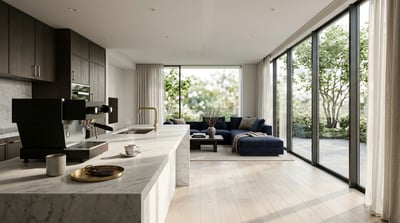 Chiyoda Line / Redevelopment Kitasenju Redevelopment & Livability 2026: 5 Train Lines, Shopping & Housing | Sorai Tokyo Read Guide →](https://soraitokyo.jp/en/blog/area-guide-kitasenju-redevelopment-trend-2026?hsLang=en)
#### [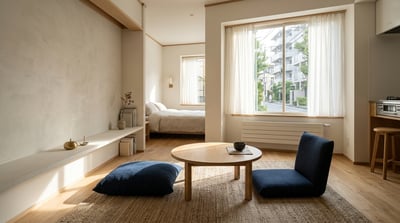 Featured Area / Origin Station Ayase Neighborhood & Safety Guide 2026: North vs South Exit, Rent & Chiyoda Line Commute | Sorai Tokyo Read Guide →](https://soraitokyo.jp/en/blog/area-guide-ayase?hsLang=en)
#### [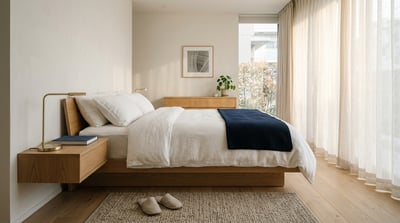 Rent Market / Solo Living Kita-Ayase Solo Living Guide: Rent Averages from ¥50,000s & Chiyoda Line Origin Perks | Sorai Tokyo Read Guide →](https://soraitokyo.jp/en/blog/kita-ayase-single-rent-budget-simulation?hsLang=en)
## Frequently Asked Questions (FAQ) Regarding Chiyoda Line Relocation
### QAre there flood hazard considerations to note for the Kitasenju to Kita-Ayase section of the Chiyoda Line?
ABecause Adachi and Arakawa wards lie on lowlands flanked by the Arakawa and Sumida rivers, many sectors fall within flood hazard zones under maximum probable rainfall scenarios (once-in-a-millennium heavy downpours). In practical apartment selection, choosing a reinforced concrete (RC) building on the second floor or higher (enabling vertical evacuation based on anticipated flood depths) and verifying that emergency power and electrical substations are located above ground level rather than in basements serve as prudent flood precautions. We strongly advise reviewing the official municipal hazard maps thoroughly during viewings and at the Explanation of Important Matters stage to secure a safe floor level.
### QThe Chiyoda Line has a reputation for intense morning congestion. What is the actual commuting stress like?
AMorning peak congestion on the Chiyoda Line (particularly between Machiya, Nishi-Nippori, and Otemachi) is indeed significant. However, basing yourself at Kita-Ayase or Ayase allows you to board originating trains and commute seated. Even when boarding at Machiya or Kitasenju, the ride to Otemachi is remarkably short at just 13 to 15 minutes, resulting in far less physical and mental strain than enduring long rides from distant suburbs on crowded commuter lines. Shifting your departure by 15 to 20 minutes for off-peak travel makes the journey even more comfortable.

Author: Sorai Tokyo Editorial Team (Supervised by Licensed Real Estate Agents)
A real estate consulting team specializing in assisting foreign nationals find rooms and explaining initial costs in Tokyo. We break down language barriers and differences in customs, offering dedicated support in Japanese, English, and Vietnamese for a safe and secure start to your new life.
 SORAI TOKYO | Chat with AI "SorAi" Anytime on LINE
### Exploring Tokyo Neighborhoods or Apartments? Ask Our AI "SorAi" Anytime on LINE
No property URL needed yet. From area safety, commute tips, and rent trends to instant initial-cost audits for listings you found—chat with SorAi 24/7 on LINE with zero sales calls.
STEP 1
Ask Anything on LINE
Ask about areas & rent, or send a listing URL anytime
→
STEP 2
24/7 Instant Reply by SorAi
Objective area data, live vacancy & fee breakdown
→
STEP 3
Explore at Your Own Pace
Zero sales calls. Meet on-site only when ready to view
24/7 Instant / Most Popular
#### ① Chat with AI "SorAi" on LINE (Free)
Ask about neighborhoods, rent trends, or share any listing URL on LINE. SorAi & our bilingual concierge check live vacancy and upfront fee breakdowns with zero sales pressure.
[Chat with SorAi on LINE (Free) ➔](https://lin.ee/VE8fd8b?utm_source=soraitokyo_blog&utm_medium=cta&utm_campaign=bottom_cta&utm_content=line)
Web Audit
#### ② SorAi Property Report
Already found a listing? Submit the URL or floor plan on the web for an instant objective breakdown of move-in costs and neighborhood data.
[View Report (Free) ↗](https://inspection.soraitokyo.jp/?ref=blog_bottom_cta)
Wait for New Listings
#### ③ SorAi Housing Needs
Select your budget, layout, and must-have conditions in 30 seconds to receive matching listings at your own pace.
[Organize Criteria (Free) ➔](https://soraitokyo.jp/en/request?ref=blog_bottom_cta&hsLang=en)
Instant Move-in Estimate
#### ④ SorAi Move-in Estimator
Enter rent and management fees to quickly estimate standard upfront contract costs and potential savings.
[Check Estimates (Free) ➔](https://soraitokyo.jp/en/quote?ref=blog_bottom_cta&hsLang=en)
※ Consultations are 100% free. No phone number required, zero pushy calls—everything is completed smoothly on LINE.
この記事をシェアする
\# エリアガイド# 北綾瀬
[ SORAI TOKYO](https://soraitokyo.jp/en/)
Sorai Tokyo Co., Ltd.
Room 102, 1-7-14 Yanaka, Adachi-ku, Tokyo, 120-0006
03-6161-8484
[contact@soraitokyo.jp](mailto:contact@soraitokyo.jp)
Tokyo Metropolitan Governor (1) No. 113297
(License Date: December 20, 2025)
### Sitemap
- [About Us](https://soraitokyo.jp/en/about-us)
- [Testimonials](https://soraitokyo.jp/en/testimonials)
- [Chiyoda Line Guide](https://soraitokyo.jp/en/area-guide-chiyoda-line)
- [Sorai Journal](https://soraitokyo.jp/en/blog)
- [FAQs](https://soraitokyo.jp/en/faqs)
- [Contact](https://soraitokyo.jp/en/contact)
- [SorAi Request](https://soraitokyo.jp/en/request)
### Business Hours
**10:00 〜 18:00**
Closed: **Tuesday & Wednesday**
Inquiries via LINE, SNS, and email are accepted 24/7.
[View on Google Maps](https://maps.google.com/?q=%E6%9D%B1%E4%BA%AC%E9%83%BD%E8%B6%B3%E7%AB%8B%E5%8C%BA%E8%B0%B7%E4%B8%AD1-7-14) [Book Online Meeting](https://soraitokyo.jp/en/consultation?hsLang=en)
### Multilingual Services
Our professional staff are fluent in Japanese, English, Vietnamese, Russian, and Indonesian to support you from room hunting to contract signing.
[🇯🇵 日本語](https://soraitokyo.jp/ja/blog/inflation-defense-chiyoda-commute-guide-2026?hsLang=ja) [🇺🇸 English](https://soraitokyo.jp/en/blog/inflation-defense-chiyoda-commute-guide-2026?hsLang=en) [🇻🇳 Tiếng Việt](https://soraitokyo.jp/vi/blog/inflation-defense-chiyoda-commute-guide-2026?hsLang=vi) [🇷🇺 Русский](https://soraitokyo.jp/ru/blog/inflation-defense-chiyoda-commute-guide-2026?hsLang=ru) [🇮🇩 Indonesia](https://soraitokyo.jp/id/blog/inflation-defense-chiyoda-commute-guide-2026?hsLang=id)
### Inquire via Social Media
[Privacy Policy](https://soraitokyo.jp/en/privacy-policy) | [Privacy & Security](https://soraitokyo.jp/en/security)
Copyright © 2026 株式会社ソライ東京 (Sorai Tokyo Co., Ltd.) All Rights Reserved.
[Chat with SorAi](https://page.line.me/soraitokyo?oat_content=url&openQrModal=true&utm_source=soraitokyo_website&utm_medium=line_button&utm_campaign=chatbot_popover)
SorAi Chat

#### SorAi
Online (Multilingual Support)
×
[Chat with SorAi](https://page.line.me/soraitokyo?oat_content=url&openQrModal=true&utm_source=soraitokyo_website&utm_medium=chatbot_header&utm_campaign=line_btn) [Email Us](https://soraitokyo.jp/en/contact?hsLang=en)
[Get "SorAi" on LINE (24/7 Free)](https://page.line.me/soraitokyo?oat_content=url&openQrModal=true&utm_source=soraitokyo_website&utm_medium=line_button&utm_campaign=floating_btn)
 SorAi | 24/7 AI Rental Chat No signup・100% online
TOC
### Table of Contents
×
```json
{
"@context" : "https://schema.org",
"@type" : "BlogPosting",
"author" : {
"@type" : "Person",
"name" : "ソライ東京編集部",
"url" : "https://soraitokyo.jp/en/blog/author/ソライ東京編集部"
},
"datePublished" : "2026-08-27T19:51:19.000Z",
"headline" : "[Autumn 2026] Escape Soaring Central Tokyo Rents: Save ¥400,000/Year Shifting to the Chiyoda Line (Kita-Ayase–Machiya) | Sorai Tokyo | Sorai Tokyo",
"image" : [ "https://soraitokyo.jp/hubfs/blog-eyecatches/batch4_renovated_living.jpg" ],
"mainEntityOfPage" : {
"@id" : "https://soraitokyo.jp/en/blog/inflation-defense-chiyoda-commute-guide-2026",
"@type" : "WebPage"
},
"publisher" : {
"@type" : "Organization",
"logo" : {
"@type" : "ImageObject",
"url" : "https://soraitokyo.jp/hubfs/small_logo(color)%20(2)-1.png"
},
"name" : "株式会社ソライ東京"
}
}
```
```json
{
"@context" : "https://schema.org",
"@type" : "FAQPage",
"mainEntity" : [ {
"@type" : "Question",
"acceptedAnswer" : {
"@type" : "Answer",
"text" : "Because Adachi and Arakawa wards lie on lowlands flanked by the Arakawa and Sumida rivers, many sectors fall within flood hazard zones under maximum probable rainfall scenarios (once-in-a-millennium heavy downpours). In practical apartment selection, choosing a reinforced concrete (RC) building on the second floor or higher (enabling vertical evacuation based on anticipated flood depths) and verifying that emergency power and electrical substations are located above ground level rather than in basements serve as prudent flood precautions. We strongly advise reviewing the official municipal hazard maps thoroughly during viewings and at the Explanation of Important Matters stage to secure a safe floor level."
},
"name" : "Are there flood hazard considerations to note for the Kitasenju to Kita-Ayase section of the Chiyoda Line?"
}, {
"@type" : "Question",
"acceptedAnswer" : {
"@type" : "Answer",
"text" : "Morning peak congestion on the Chiyoda Line (particularly between Machiya, Nishi-Nippori, and Otemachi) is indeed significant. However, basing yourself at Kita-Ayase or Ayase allows you to board originating trains and commute seated. Even when boarding at Machiya or Kitasenju, the ride to Otemachi is remarkably short at just 13 to 15 minutes, resulting in far less physical and mental strain than enduring long rides from distant suburbs on crowded commuter lines. Shifting your departure by 15 to 20 minutes for off-peak travel makes the journey even more comfortable."
},
"name" : "The Chiyoda Line has a reputation for intense morning congestion. What is the actual commuting stress like?"
} ]
}
```
```json
{
"@context" : "https://schema.org",
"@type" : "BlogPosting",
"author" : {
"@type" : "Person",
"name" : "Author: Sorai Tokyo Editorial Team (Supervised by Licensed Real Estate Agents)"
},
"dateModified" : "2026-10-02T21:02:52Z",
"datePublished" : "2026-10-02T21:02:52Z",
"description" : "Discover how relocating along Tokyo Metro's Chiyoda Line (Machiya to Kita-Ayase) can save you ¥400k+ annually while keeping direct Otemachi access under 25 minutes.",
"headline" : "[Autumn 2026] Escape Soaring Central Tokyo Rents: Save ¥400,000/Year Shifting to the Chiyoda Line (Kita-Ayase–Machiya) | Sorai Tokyo",
"inLanguage" : "en",
"publisher" : {
"@type" : "Organization",
"name" : "Sorai Tokyo",
"url" : "https://soraitokyo.jp"
}
}
```
```json
{
"@context" : "https://schema.org",
"@type" : "BlogPosting",
"author" : {
"@type" : "Organization",
"knowsAbout" : [ "東京メトロ千代田線", "賃貸不動産仲介", "宅地建物取引業", "初期費用適正化", "重要事項説明(IT重説)" ],
"name" : "Sorai Tokyo Editorial Team (Supervised by Licensed Real Estate Agents)",
"url" : "https://soraitokyo.jp/en/about-us"
},
"dateModified" : "2026-10-07T17:59:45+0000",
"datePublished" : "2026-08-27T19:51:19+0000",
"description" : "Discover how relocating along Tokyo Metro's Chiyoda Line (Machiya to Kita-Ayase) can save you ¥400k+ annually while keeping direct Otemachi access under 25 minutes.",
"headline" : "[Autumn 2026] Escape Soaring Central Tokyo Rents: Save ¥400,000/Year Shifting to the Chiyoda Line (Kita-Ayase–Machiya) | Sorai Tokyo",
"image" : "https://soraitokyo.jp/hubfs/blog-eyecatches/batch17_01_entrance_alcove_key_niche_bench.jpg",
"inLanguage" : "en",
"mainEntityOfPage" : {
"@id" : "https://soraitokyo.jp/en/blog/inflation-defense-chiyoda-commute-guide-2026",
"@type" : "WebPage"
},
"publisher" : {
"@type" : "Organization",
"logo" : {
"@type" : "ImageObject",
"url" : "https://soraitokyo.jp/hubfs/raw_assets/public/soraitokyo-theme/assets/logo.png"
},
"name" : "Sorai Tokyo Co., Ltd.",
"url" : "https://soraitokyo.jp/en/"
},
"url" : "https://soraitokyo.jp/en/blog/inflation-defense-chiyoda-commute-guide-2026"
}
```
```json
{
"@context" : "https://schema.org",
"@type" : "BreadcrumbList",
"itemListElement" : [ {
"@type" : "ListItem",
"item" : "https://soraitokyo.jp/en/",
"name" : "Home",
"position" : 1
}, {
"@type" : "ListItem",
"item" : "https://soraitokyo.jp/en/blog",
"name" : "Blog",
"position" : 2
}, {
"@type" : "ListItem",
"item" : "https://soraitokyo.jp/en/blog/inflation-defense-chiyoda-commute-guide-2026",
"name" : "[Autumn 2026] Escape Soaring Central Tokyo Rents: Save ¥400,000/Year Shifting to the Chiyoda Line (Kita-Ayase–Machiya) | Sorai Tokyo",
"position" : 3
} ]
}
```