---
title: "Kita-Ayase vs. Rokucho: Chiyoda Line Metro Direct vs. Tsukuba Express! Thorough 2026 Comparison of Commutes to Otemachi and Akihabara, Station-Front Shopping, and Living on a ¥70,000s Budget | Sorai Tokyo"
description: "Comparing Kita-Ayase and Rokucho: Chiyoda Line seating vs. TX speed to Akihabara, station shopping, living environment, and rental value in Adachi Ward."
image: https://soraitokyo.jp/hubfs/blog-eyecatches/batch21_08_closet_island_drawer_walk_in_oak.jpg
---
[ SORAI TOKYO](https://soraitokyo.jp/en/)
- [Home](https://soraitokyo.jp/en/)
- [SorAi Suite](https://soraitokyo.jp/en/quote)
[SorAi Initial Cost Simulator Instant breakdown of move-in costs](https://soraitokyo.jp/en/quote) [SorAi Inspection Report Objective property & hazard diagnosis](https://soraitokyo.jp/en/inspection) [SorAi Request AI-powered rental home recommendations](https://soraitokyo.jp/en/request) [SorAi Phone Consultation 24/7 AI voice response (03-6161-8484)](tel:0361618484)
- [Property Search](https://soraitokyo.jp/en/properties/plegio-kitaayase-asian)
[Featured New (Plegio Kita-Ayase) 2 min from Chiyoda Line starting station](https://soraitokyo.jp/en/properties/plegio-kitaayase-asian) [Furnished Monthly Apartments Short-term rentals for business & temporary stays](https://soraitokyo.jp/en/short-term-rental) [Online Licensed Agent Consultation Camera-off OK • 30–45 min neutral advice](https://soraitokyo.jp/en/consultation) [Client & Resident My Page Check application status & saved documents](https://resident.soraitokyo.jp)
- [Area Guides & Journal](https://soraitokyo.jp/en/area-guide-chiyoda-line)
[Chiyoda Line Living Guide Direct access to Otemachi & Omotesando](https://soraitokyo.jp/en/area-guide-chiyoda-line) [Sorai Journal Expert rental advice & Tokyo insights](https://soraitokyo.jp/en/blog)
- [About Sorai Tokyo](https://soraitokyo.jp/en/about-us)
[Company & Leadership Our story, mission & commitment to trust](https://soraitokyo.jp/en/about-us) [Client Testimonials Real tenant experiences & proven track record](https://soraitokyo.jp/en/testimonials) [FAQs Clear answers on leasing, guarantors & visas](https://soraitokyo.jp/en/faqs) [Privacy & Security Zero paper, zero AI training & encrypted safety](https://soraitokyo.jp/en/security)
EN
[JP 日本語](https://soraitokyo.jp/ja/blog/kita-ayase-vs-rokucho-living-cost-commute-comparison?hsLang=ja) [EN English](https://soraitokyo.jp/en/blog/kita-ayase-vs-rokucho-living-cost-commute-comparison?hsLang=en) [VN Tiếng Việt](https://soraitokyo.jp/vi/blog/kita-ayase-vs-rokucho-living-cost-commute-comparison?hsLang=vi) [RU Русский](https://soraitokyo.jp/ru/blog/kita-ayase-vs-rokucho-living-cost-commute-comparison?hsLang=ru) [ID Indonesia](https://soraitokyo.jp/id/blog/kita-ayase-vs-rokucho-living-cost-commute-comparison?hsLang=id)
EN
[JP 日本語](https://soraitokyo.jp/ja/blog/kita-ayase-vs-rokucho-living-cost-commute-comparison?hsLang=ja) [EN English](https://soraitokyo.jp/en/blog/kita-ayase-vs-rokucho-living-cost-commute-comparison?hsLang=en) [VN Tiếng Việt](https://soraitokyo.jp/vi/blog/kita-ayase-vs-rokucho-living-cost-commute-comparison?hsLang=vi) [RU Русский](https://soraitokyo.jp/ru/blog/kita-ayase-vs-rokucho-living-cost-commute-comparison?hsLang=ru) [ID Indonesia](https://soraitokyo.jp/id/blog/kita-ayase-vs-rokucho-living-cost-commute-comparison?hsLang=id)
[Online Consultation](https://soraitokyo.jp/en/consultation) [Contact](https://soraitokyo.jp/en/contact)
SORAI TOKYO Real Estate & Living
[Cost Simulator Instant Fee Breakdown](https://soraitokyo.jp/en/quote) [Area Guide 20 Stations & Living](https://soraitokyo.jp/en/area-guide-chiyoda-line) [About Us Stance & Commitments](https://soraitokyo.jp/en/about-us) [Contact Us Viewing & Booking](https://soraitokyo.jp/en/contact)
SorAi Suite
- [SorAi Initial Cost Simulator Instant Breakdown](https://soraitokyo.jp/en/quote)
- [SorAi Inspection Report Property & Hazard](https://soraitokyo.jp/en/inspection)
- [SorAi Request AI Matcher](https://soraitokyo.jp/en/request)
- [SorAi Phone Consultation 03-6161-8484](tel:0361618484)
Property Search
- [Featured Property: Plegio Kita-Ayase 2 min walk](https://soraitokyo.jp/en/properties/plegio-kitaayase-asian)
- [Furnished Monthly Apartments Short-Term Rentals](https://soraitokyo.jp/en/short-term-rental)
Area Guides & Journal
- [Chiyoda Line Guide Direct Access to Central Tokyo](https://soraitokyo.jp/en/area-guide-chiyoda-line)
- [Sorai Journal & Insights Expert Advice](https://soraitokyo.jp/en/blog)
About Sorai Tokyo
- [Home](https://soraitokyo.jp/en/)
- [Company Profile Story & Trust](https://soraitokyo.jp/en/about-us)
- [Customer Reviews Real Voice](https://soraitokyo.jp/en/testimonials)
- [Frequently Asked Questions Answers](https://soraitokyo.jp/en/faqs)
- [Privacy & Security Zero Paper & AI Training](https://soraitokyo.jp/en/security)
Consultation & Contact
- [Online Consultation Video call](https://soraitokyo.jp/en/consultation)
- [Contact Form Inquiry](https://soraitokyo.jp/en/contact)
- [Official LINE Consultation URL intake](https://page.line.me/soraitokyo)
Language / 言語
[JP 日本語](https://soraitokyo.jp/ja/blog/kita-ayase-vs-rokucho-living-cost-commute-comparison?hsLang=ja) [EN English](https://soraitokyo.jp/en/blog/kita-ayase-vs-rokucho-living-cost-commute-comparison?hsLang=en) [VN Tiếng Việt](https://soraitokyo.jp/vi/blog/kita-ayase-vs-rokucho-living-cost-commute-comparison?hsLang=vi) [RU Русский](https://soraitokyo.jp/ru/blog/kita-ayase-vs-rokucho-living-cost-commute-comparison?hsLang=ru) [ID Indonesia](https://soraitokyo.jp/id/blog/kita-ayase-vs-rokucho-living-cost-commute-comparison?hsLang=id)
Hours: 10:00 AM - 6:00 PM
Closed: Tuesday & Wednesday
[LINE](https://page.line.me/soraitokyo) [Facebook](https://www.facebook.com/1168140463045963) [Map](https://maps.google.com/?q=%E3%82%BD%E3%83%A9%E3%82%A4%E6%9D%B1%E4%BA%AC)
株式会社ソライ東京 | 宅地建物取引業者 東京都知事免許
[Home](https://soraitokyo.jp/en/) [Area](https://soraitokyo.jp/en/area-guide-chiyoda-line)
Tools
TOC
[LINE](https://page.line.me/soraitokyo?oat_content=url&openQrModal=true&utm_source=soraitokyo_website&utm_medium=bottom_nav&utm_campaign=mobile_bottom)
Select Language
×
[JP 日本語](https://soraitokyo.jp/ja/blog/kita-ayase-vs-rokucho-living-cost-commute-comparison?hsLang=ja) [EN English](https://soraitokyo.jp/en/blog/kita-ayase-vs-rokucho-living-cost-commute-comparison?hsLang=en) [VN Tiếng Việt](https://soraitokyo.jp/vi/blog/kita-ayase-vs-rokucho-living-cost-commute-comparison?hsLang=vi) [RU Русский](https://soraitokyo.jp/ru/blog/kita-ayase-vs-rokucho-living-cost-commute-comparison?hsLang=ru) [ID Indonesia](https://soraitokyo.jp/id/blog/kita-ayase-vs-rokucho-living-cost-commute-comparison?hsLang=id)
SorAi Tools
×
[Initial Cost Simulator Agent Verified / Free 10-second automatic cost estimation from portal URLs or manual input](https://soraitokyo.jp/en/quote) [SorAi Inspection Report Objective Audit Upload floor plan to objectively diagnose earthquake resistance, structure & fair rent](https://soraitokyo.jp/en/inspection) [SorAi Room Hunting Request 100% Online / No Calls Zero unwanted sales calls. Simply send your ideal conditions and relax](https://soraitokyo.jp/en/request)
SORAI SUITE
[SorAi Cost Simulator](https://soraitokyo.jp/en/quote) [SorAi Inspection Report](https://soraitokyo.jp/en/inspection) [SorAi Request](https://soraitokyo.jp/en/request) [Online Consultation](https://soraitokyo.jp/en/consultation) [SorAi Phone Call](tel:0361618484)
MENU
[Area Guide](https://soraitokyo.jp/en/area-guide-chiyoda-line) [Journal](https://soraitokyo.jp/en/blog) [About Us](https://soraitokyo.jp/en/about-us) [Contact](https://soraitokyo.jp/en/contact)
[Free LINE Consultation](https://page.line.me/soraitokyo?oat_content=url&openQrModal=true&utm_source=soraitokyo_website&utm_medium=left_sidebar&utm_campaign=persistent_rail)
1. [Home](https://soraitokyo.jp/en/)
2. /
3. [Area Guide](https://soraitokyo.jp/en/area-guide)
4. /
5. Kita-Ayase vs. Rokucho: Chiyoda Line Metro Direct vs. Tsukuba Express! Thorough 2026 Comparison of Commutes to Otemachi and Akihabara, Station-Front Shopping, and Living on a ¥70,000s Budget
Area & Station Guide
[Back to Area Guide](https://soraitokyo.jp/en/area-guide)
# Kita-Ayase vs. Rokucho: Chiyoda Line Metro Direct vs. Tsukuba Express! Thorough 2026 Comparison of Commutes to Otemachi and Akihabara, Station-Front Shopping, and Living on a ¥70,000s Budget
Published: Sep 1, 2026 Updated: Oct 8, 2026 [Sorai Tokyo Editorial (Licensed Agent)](https://soraitokyo.jp/en/about-us)
 SORAI TOKYO | Chat with AI "SorAi" Anytime on LINE
## Exploring Tokyo Neighborhoods or Apartments? Ask Our AI "SorAi" Anytime on LINE
No property URL needed yet. From area safety, commute tips, and rent trends to instant initial-cost audits for listings you found—chat with SorAi 24/7 on LINE with zero sales calls.
[Chat with AI "SorAi" on LINE (Free) 24/7 Instant / Most Popular Ask about areas, rent, vacancy, or upfront fees anytime →](https://lin.ee/VE8fd8b?utm_source=soraitokyo_blog&utm_medium=cta&utm_campaign=fv_cta&utm_content=line) [SorAi Property Report Web Audit Already have a URL or floor plan? Check fair value ↗](https://inspection.soraitokyo.jp/?ref=blog_top_cta) [SorAi Housing Needs Organize your budget & preferred stations online →](https://soraitokyo.jp/en/request?ref=blog_top_cta&hsLang=en) [SorAi Move-in Estimator Quickly estimate standard upfront costs from rent →](https://soraitokyo.jp/en/quote?ref=blog_top_cta&hsLang=en)
※ Consultations are 100% free. No phone number required, zero pushy calls—everything is completed smoothly on LINE.
Table of Contents
Table of Contents
Collapse
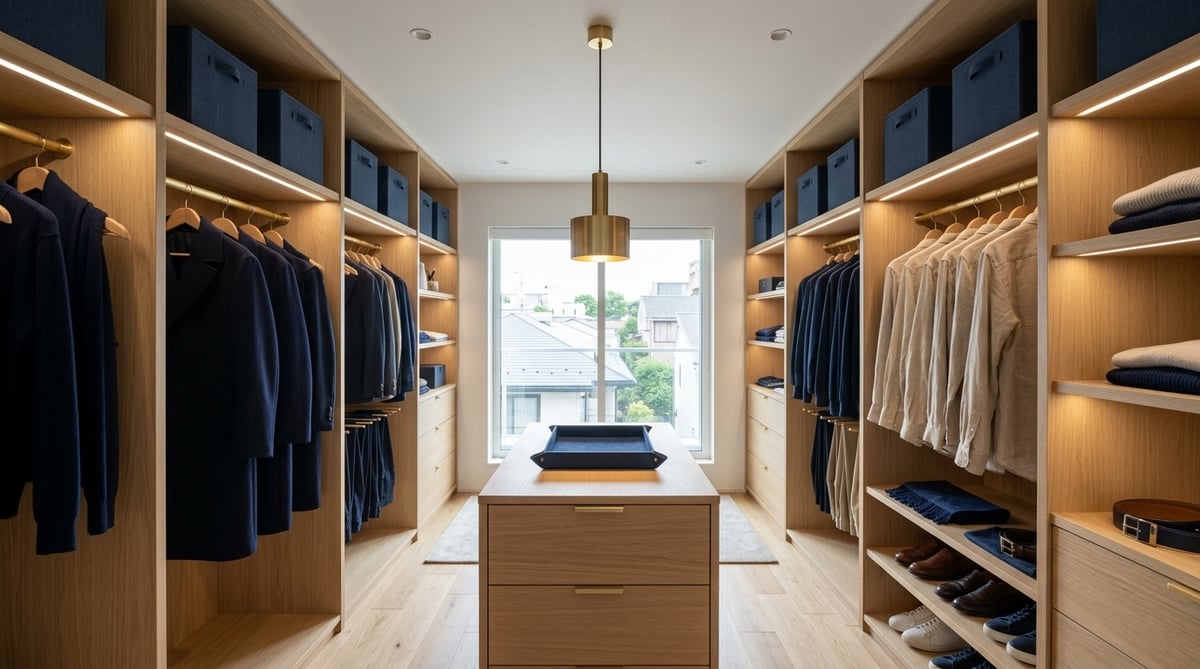
Passing under the elevated tracks of the Tsukuba Express and walking along the broad, tree-lined avenues of Rokucho, newly built detached homes and low-rise apartments stand in orderly rows, enveloped in the clear, airy ambiance characteristic of a master-planned residential district. In contrast, the station-front area of Kita-Ayase—further invigorated by the opening of Mitsui Shopping Park LaLaport CLOSET / LaLa terrace Kita-Ayase—takes pride in its direct access to central Tokyo's premier business districts as the starting terminal of the Tokyo Metro Chiyoda Line. In eastern Adachi Ward, these two neighborhoods are often considered top rivals for apartment hunters, yet each offers a distinctly different living experience rooted in transit infrastructure and urban development history.
As a licensed real estate transaction specialist with over a decade of experience conducting on-the-ground surveys and rental brokerage across Tokyo's Adachi and Katsushika wards, a heartfelt desire I frequently hear from clients is: "I want to keep my monthly rent around ¥70,000 without compromising on commute comfort, public safety, or everyday shopping convenience." Kita-Ayase and Rokucho are separated by a straight-line distance of merely two kilometers. While neighbors that can be traveled between in under 10 minutes by bicycle, they present remarkably contrasting daily routines—from the morning platform atmosphere and evening grocery shopping to nighttime street illumination and weekend leisure.
In this guide, we provide an objective, authentic comparison grounded in extensive local fieldwork: examining the transit capacity and transfers of two major transportation arteries (the Tokyo Metro Chiyoda Line and the Tsukuba Express), comparing Rokucho's orderly streets shaped by land readjustment with Kita-Ayase's evolving commercial convenience, and evaluating soundproofing and layout sizes available within the same rent budget. We hope this insight serves as a trustworthy guide toward finding a relaxed, comfortable home tailored to your daily lifestyle.
Kita-Ayase → Direct to Otemachi
28 min
Seated morning commute on starting Chiyoda Line trains. High economy with a one-way IC fare of ¥252.
Rokucho → Direct to Akihabara
15 min
Semi-Rapid and Local Tsukuba Express service. Swift reach to Kitasenju Station in just approx. 5 minutes.
Single 1K Rent Market
6.8–7.3 10k JPY
Highly affordable within Tokyo's 23 wards. High-spec newer builds are prime targets.
Sorai Brokerage Fee
0.55 Month
Half-month rent (0.55 months tax incl.). Eliminating unnecessary incidental fees to minimize move-in costs.
30-Second Summary & VerdictSorAi Summary
- A licensed real estate professional objectively compares Adachi Ward's two popular areas: Kita-Ayase and Rokucho. We delve into direct Chiyoda Line metro access to Otemachi vs. rapid Tsukuba Express connection to Akihabara, layout choices in the ¥70,000s rent range, station-front shopping like LaLa terrace Kita-Ayase, and flood hazard realities.
- Guaranteed seated morning commute on starting Chiyoda Line trains, paired with economical IC single fares of ¥252.
- High-speed Tsukuba Express transit provides seamless connectivity, reaching Kitasenju Station in approximately 5 minutes.
## Two Leading Destinations in Eastern Adachi: Comparing Foundational Characteristics
Located in the eastern sector of Adachi Ward, both Kita-Ayase and Rokucho have significantly elevated their residential appeal following railway infrastructure upgrades since the 2000s. Previously reliant on a 3-car shuttle train running only between Ayase and Kita-Ayase, Kita-Ayase completed a platform extension for 10-car trains in spring 2019, initiating direct through-service on the main Chiyoda Line and transforming into a seamless terminal directly linked to central Tokyo. Rokucho, on the other hand, was systematically planned and developed through extensive land readjustment projects concurrent with the opening of the Tsukuba Express in 2005.
Walking through both neighborhoods reveals how these differing urban planning paths directly shape the scenery and pedestrian flow. Kita-Ayase features a balanced blend of commercial establishments along Kannana-dori Avenue, long-established quiet residential enclaves, and lush natural greenery centered around Shobunuma Park. In contrast, Rokucho boasts expansive skies cleared by underground utility cables, broad pedestrian sidewalks, and harmonized architecture, creating an orderly residential environment rarely encountered so close to central Tokyo.
### The Present State of Kita-Ayase: Evolving as a Chiyoda Line Starting Station
Any discussion of today's Kita-Ayase Station must highlight its station building and surrounding retail redevelopment. With the debut of Mitsui Shopping Park LaLa terrace Kita-Ayase, seamlessly connected via pedestrian decks to the North Ticket Gate and newly elevated gates, day-to-day convenience has improved exponentially. The ability to step off the train and access large supermarkets, cafes, drugstores, and medical clinics without needing an umbrella in the rain provides immense daily value on the journey home.
Just south of the station lies Shobunuma Park, where magnificent Japanese irises bloom in early summer, while murmuring waterways and leafy canopies mark the gentle change of seasons. Catching glimpses of verdant foliage on the morning walk to the turnstile, and returning home at night guided by quiet residential streetlamps, Kita-Ayase harmonizes modern metropolitan functionality with the welcoming, relaxed atmosphere of Tokyo's traditional neighborhoods.
### The Origin of Rokucho: An Orderly Townscape Born from Land Readjustment
Stepping out of Rokucho Station onto street level, one is immediately greeted by wide-open skies and completely flat roadways. The Rokucho District Land Readjustment Project spanned an expansive area of approximately 106 hectares, widening roads, securing ample pedestrian paths, optimizing park layouts, and burying utility wires completely underground. With few winding or narrow blind alleys, the neighborhood offers unobstructed sightlines, minimizing hidden corners even when walking home late at night.
Most buildings in the area are low-rise apartments and modern detached homes constructed by major housing manufacturers. The entire district exhibits an architectural unity, with meticulously managed neighborhood trash collection points and well-maintained street trees. For single professionals and dual-income couples seeking a clean, calm living environment over busy commercial entertainment districts, Rokucho's immaculate townscape remains a compelling draw.
Online Consultation Desk (No In-Person Visit Needed) Sorai Tokyo Official
[\[Instant Calendar Booking\] Online Apartment Consultation with a Dedicated Agent](https://soraitokyo.jp/consultation?hsLang=en)
Licensed real estate specialists well-versed in eastern Tokyo support you via video call—from organizing wish lists and reviewing off-market listings to optimizing initial moving costs.
[Check Open Slots & Book →](https://soraitokyo.jp/consultation?hsLang=en)
Free Online Tool • Instant Calculation Sorai Tokyo Official
[【SorAi Initial Cost Simulator】Calculate Transparent Move-in Costs in 10 Seconds](https://soraitokyo.jp/quote?hsLang=en)
Simply enter the rent and deposit from portal listings to calculate a full, itemized breakdown including brokerage and guarantor fees without hidden add-ons.
[Try Initial Cost Simulator →](https://soraitokyo.jp/quote?hsLang=en)
## Commuter Performance to Otemachi and Akihabara: Travel Times, Seated Mornings, and True Costs
Daily commuting is a decisive factor governing both mental tranquility and physical vitality when choosing a home. When evaluating railway connectivity between Kita-Ayase and Rokucho, one must look beyond simple transit minutes to practical elements: "Can I get a seat?", "Are transfers required?", and "How do the fare structures compare?"
While the Chiyoda Line and the Tsukuba Express are both vital metropolitan transit arteries, their operating characteristics and crowding patterns differ fundamentally. Drawing on real observational data gathered on weekday morning rush-hour platforms, we examine the true commuting power of each station.
### Seated Commute to Otemachi and Kasumigaseki: Starting Trains from Kita-Ayase
Kita-Ayase Station's premier advantage is its status as an originating terminus for the Tokyo Metro Chiyoda Line. During peak morning hours (7:00 to 8:00 a.m.), numerous 10-car through-trains bound for Yoyogi-Uehara depart directly from this station. Arriving on the platform just a few minutes prior to departure allows commuters to secure a comfortable seat. During off-peak daytime hours, some 3-car shuttle services running only to Ayase Station operate; at Ayase, these arrive at Platform 0, requiring a brief transfer via stairs or escalators to the main line platform (Platform 2 toward Yoyogi-Uehara).
Travel time to Otemachi Station is approximately 28 minutes direct, reaching Kasumigaseki in 33 minutes, Akasaka in 38 minutes, and Omote-sando in roughly 40 minutes. Being seated allows you to open a book, catch up on daily news on your phone, or close your eyes and breathe calmly—transforming a 30-minute journey into personal restorative time. Bypassing the crushing pressure of packed commuter cars significantly reduces physical fatigue on a daily basis.
01
#### Platform Entry
Line up on Kita-Ayase elevated platform 5–7 minutes before departure
02
#### Seated Departure
Board the incoming through-train and settle smoothly into a seat
03
#### Reading & Rest
Enjoy relaxed personal time while passing crowded Ayase and Kitasenju
04
#### Arrive at Otemachi
Step directly into Marunouchi office underground concourses in 28 min
### Rapid Tsukuba Express Transit: 15-Minute Direct Mobility to Akihabara from Rokucho
Rokucho Station's decisive strength lies in the speed and operational reliability of the Tsukuba Express. Operating along grade-separated tracks with zero level crossings, Semi-Rapid and Local trains reach Akihabara Station directly in approximately 15 minutes. Major transit hub Kitasenju Station is just one stop and roughly 5 minutes away (Note: Rapid and Commuter Rapid trains skip Rokucho; only Semi-Rapid and Local trains stop here).
Arriving at Akihabara provides effortless transfers to the JR Yamanote, Keihin-Tohoku, Sobu lines, and Tokyo Metro Hibiya Line. For commutes toward Tokyo Station, Shinjuku, or Ueno, Rokucho's travel times provide a clear advantage. However, because the Tsukuba Express arrives at Rokucho carrying long-distance commuters from Ibaraki and Chiba prefectures, morning trains are densely packed, making a seated ride virtually impossible. For individuals who prefer rapid transit with the mindset that "standing for just 15 minutes is effortless," this speed is an invaluable asset.
### Commuter Passes and Transfers: Metro Fares vs. TX/Metro Combined Costs
An easily overlooked consideration is the ongoing difference in monthly transit passes and transfer physical effort. When commuting to Otemachi from Kita-Ayase, using solely Tokyo Metro Chiyoda Line means a one-way IC fare of ¥252 and a monthly commuter pass of ¥8,970 (¥48,440 for 6 months).
Conversely, commuting from Rokucho to Otemachi typically involves taking the Tsukuba Express to Kitasenju (IC ¥230), then transferring to the Chiyoda Line toward Otemachi (IC ¥178 with transit discount). Although total transit time is around 25 minutes—a few minutes faster than Kita-Ayase—the combined one-way IC fare is ¥408 (cash ¥410). A 1-month commuter pass reaches around ¥14,000, creating an annual difference of approximately ¥60,000 to ¥70,000 compared to a metro-only route. Even if fully subsidized by an employer, the physical transfer involving vertical floor changes at Kitasenju Station remains a meaningful daily lifestyle factor.
Scroll horizontally to see full table →
| Factor | Kita-Ayase Station (Tokyo Metro Chiyoda Line) | Rokucho Station (Tsukuba Express) |
| --- | --- | --- |
| Access to Otemachi Station | Direct approx. 28 min (No transfers) | Approx. 25 min (Transfer to Chiyoda Line at Kitasenju) |
| Access to Akihabara Station | Approx. 26 min (Transfer to Yamanote Line at Nishi-Nippori) | Direct approx. 15 min (No transfers, Semi-Rapid / Local) |
| Seated Likelihood (Morning Rush) | Extremely High (Seated by queuing for starting trains) | Low (Intermediate station; standing is standard) |
| One-Way IC Fare to Otemachi | ¥252 (Tokyo Metro sole operator) | ¥408 (TX ¥230 + Metro ¥178 with transit discount) |
| Detour Options during Disruptions | Local bus routes connecting to Ayase, Kameari, and Takenotsuka | Local bus routes connecting to Takenotsuka, Ayase, and Kitasenju |
SORAI SIMULATOR / Online in 10 Sec
### \[SorAi Initial Cost Simulator\] Calculate Estimated Move-in Costs in 10 Seconds
Simply enter the rent and deposit to calculate a transparent move-in cost breakdown including brokerage and guarantor fees without hidden markups.
[Open in Fullscreen / New Tab](https://soraitokyo.jp/en/quote?ref=blog_embed_ext&utm_source=blog_mid_cta&utm_medium=cta&utm_campaign=unified_cta_simulator&hsLang=en) [Chat on Official LINE](https://line.me/R/ti/p/@soraitokyo)
Explore other free SorAi tools: [SorAi Inspection Report →](https://soraitokyo.jp/inspection?ref=blog_mid_cta_aux&lang=en&utm_source=blog_mid_cta&utm_medium=aux_link&utm_campaign=unified_cta_inspection&hsLang=en) [SorAi Request →](https://hearing.soraitokyo.jp/?start=true&ref=blog_mid_cta_aux&lang=en&utm_source=blog_mid_cta&utm_medium=aux_link&utm_campaign=unified_cta_request)
※ 100% Free ・ Online completed.
Related Reading
[More Value than Kitasenju or Ayase? The Benefits of Renting a 2DK/2LDK in Kita-Ayase: Selecting Properties without Regrets for Couples and Families](https://soraitokyo.jp/ja/blog/kita-ayase-2dk-2ldk-rental-guide?hsLang=en)
[Read Article →](https://soraitokyo.jp/ja/blog/kita-ayase-2dk-2ldk-rental-guide?hsLang=en)
Related Recommendation
[Kita-Ayase Solo Living & Rent Guide: High-Cost-Performance Tokyo Living on the Chiyoda Line](https://soraitokyo.jp/en/blog/kita-ayase-single-rent-budget-simulation?hsLang=en)
[Read Article →](https://soraitokyo.jp/en/blog/kita-ayase-single-rent-budget-simulation?hsLang=en)
## Decisive Differences in Townscape: Master-Planned Rokucho vs. Station-Front Redeveloped Kita-Ayase
The true comfort of a residential district lives not solely in the excitement around station exits, but in the everyday pedestrian path linking the train to your front door. Because Kita-Ayase and Rokucho developed along contrasting historical paths and planning philosophies, the sensory experience of walking and the sense of neighborhood security diverge noticeably.
When showing properties locally, solo female professionals and those favoring tranquility often praise Rokucho's wide, immaculate sidewalks. Meanwhile, families and active home cooks prioritizing park greenery and station shopping give high marks to Kita-Ayase's newly revitalized commercial hub. Let us examine the spatial qualities of each district.
### Underground Wiring and Broad Sidewalks: Rokucho's Open Vistas and Public Safety
Ascending to the surface at Rokucho Station, your eyes are immediately drawn to the expansive, unencumbered sky. Not just along the arterial roads but throughout inner neighborhood lanes, utility lines have been buried underground, leaving views free of poles and tangled wiring. Sidewalks and vehicle roadways are cleanly partitioned with guardrails and landscaping, providing ample width for stress-free strolls even when pushing a stroller or passing oncoming pedestrians.
Streetlamps feature bright, energy-efficient LED fixtures throughout, rendering nocturnal sightlines exceptionally crisp. Official Adachi Ward crime statistics confirm that the Rokucho area maintains very low rates of serious offenses. Free from adult nightlife venues, late-night pachinko parlors, and noisy drinking quarters, the neighborhood preserves an understated residential dignity, making it particularly reassuring for women living alone or anyone returning home late at night.
### Shobunuma Park's Rich Nature and Downtown Warmth: Kita-Ayase's Daily Rhythm
Kita-Ayase, meanwhile, derives its core identity from Shobunuma Park, positioned right outside the station's south exit. Preserving the heritage of the historic iris fields that once blanketed this soil, the park features wooden boardwalks, traditional water wheels, and an artificial waterfall, coming alive in early summer with approximately 8,100 iris plants across 140 varieties. Spending a weekend afternoon reading on a shaded bench or strolling beneath green leaves gently dissolves the tensions of metropolitan life.
Surrounding the station are established neighborhood shops and welcoming family eateries where locals casually exchange greetings, creating an authentic downtown warmth. While Kannana-dori Avenue carries steady traffic and activity, stepping one block inward reveals quiet residential pockets framed by low-rise dwellings. The balance between LaLa terrace's modern shopping and the park's natural sanctuary constitutes Kita-Ayase's signature charm.
### Station Architecture and Access Lines: Elevated Direct Access at Kita-Ayase vs. Deep Underground at Rokucho
A notable distinction felt through daily commutes is the station architecture itself. Kita-Ayase Station is an elevated facility with platforms located on the 3rd floor above ground. Access is facilitated by the North Ticket Gate (Exits 1 & 2) serving the north side of Kannana-dori, the South Ticket Gate (Exit 3) opening directly to Shobunuma Park, and a dedicated ticket gate leading seamlessly onto the pedestrian deck of LaLa terrace Kita-Ayase. Elevators and escalators make vertical transitions effortless, allowing residents to stop by shops in rainy weather without touching wet sidewalks.
In contrast, Rokucho Station is built deep underground, typical of the Tsukuba Express. Ground-level access points include Exit A1 (with full elevator service) positioned near the bus and taxi plaza and the Life supermarket, Exit A2 to the south, and Exit A3 near the Rokucho Station Post Office to the east. While all exits provide escalators and elevators, navigating from the ground-level ticket barriers down to the basement 2nd-floor platform requires approximately 2 to 3 minutes of interior walking. When evaluating "minutes on foot from the station" in rental listings, factoring in this internal transit time is a practical essential for maintaining a relaxed morning routine.
Kita-Ayase Area
#### Harmonizing Station Commercial Hub & Verdant Greenery
- *✓* Direct seated commute to Otemachi and Kasumigaseki on starting Chiyoda Line trains
- *✓* Station-connected LaLa terrace Kita-Ayase provides one-stop daily necessities, dining, and medical clinics
- *✓* Restful park greenery and water features right outside the station at Shobunuma Park
- *✓* Late-night grocery shopping convenience with Seiyu supermarket open until 23:00
Ideal for commuters along the Chiyoda Line seeking comprehensive station-side convenience
Rokucho Area
#### Master-Planned Aesthetics & Direct Akihabara Transit
- *✓* Swift transit reaching Akihabara in 15 min and Kitasenju in 5 min on the Tsukuba Express
- *✓* Open, pristine townscape featuring underground power cables and wide pedestrian sidewalks
- *✓* Calm residential environment free of nightlife districts, offering high peace of mind at night
- *✓* Station-front large Life supermarket open until 24:00, dependable for active home cooking
Ideal for those seeking rapid access to Akihabara/Yamanote Line within an orderly, quiet haven
## Supermarkets and Daily Amenities: LaLa terrace Kita-Ayase vs. Life Rokucho Ekimae
When it comes to the commercial infrastructure supporting everyday life, both stations boast remarkably strong anchors. Operating hours on the way home from work, weekend discount bulk-buying opportunities, and neighborhood dining options directly impact quality of life, whether you cook daily or dine out frequently.
### A Modern Station-Front Retail Hub: The Opening of LaLa terrace Kita-Ayase
The arrival of Mitsui Shopping Park LaLa terrace Kita-Ayase transformed the neighborhood's daily commercial landscape. This four-story facility houses a full-scale supermarket with fresh produce, lifestyle goods retailers, specialty cafes, drugstores, a licensed nursery, and a medical mall featuring internal medicine and dental clinics. Stepping off the train to pick up dinner ingredients, restock personal care items, and complete all errands without opening an umbrella in rain is a substantial practical advantage.
In addition, Seiyu Kita-Ayase is situated just a short walk east along Kannana-dori Avenue, operating until 23:00 (for reference, nearby Tokyu Store Ayase closes at 22:00 and Belx Adachi Kahei closes at 21:00). Having access to supermarket grocery prices even when returning late at night is an invaluable perk for solo residents. Further toward Kahei, discount fresh-market Belx Adachi Kahei (closes 21:00) capably answers weekend bulk-shopping demands.
### Life Supermarket Open until 24:00 and Trusted Neighborhood Grocers in Rokucho
The shopping anchor for Rokucho is Life Rokucho Ekimae, located right outside Exit A1. This spacious store keeps its 1st-floor grocery section open until 24:00 (2nd floor closes at 21:00). Featuring fresh meat and seafood counters, organic produce, in-store freshly baked breads, and an extensive deli section, it provides reliable everyday nutrition for both solo home cooks and busy families. The 2nd floor includes daily home necessities, cosmetics, and apparel, covering routine essentials with ease.
Extending a bit further toward Hanahata leads to Belx Adachi Hanahata and Belx Minami-Hanahata (both closing at 21:00), which draw enthusiastic local shoppers during weekend fresh food sales. The station vicinity also hosts Matsumoto Kiyoshi, convenient 24-hour convenience stores, dry cleaners, and artisan bakeries, ensuring essential services are well positioned along everyday walking paths.
### Dining Out and Weekend Leisure: Major Chains vs. Neighborhood Boutiques
Examining local dining reveals distinct culinary personalities between the two areas. Kita-Ayase offers fast food, casual cafes, and family restaurants within LaLa terrace, complemented by a substantial row of popular ramen eateries, casual chains, and conveyor-belt sushi along Kannana-dori. With numerous late-operating eateries, finding a hearty hot meal after late office hours is never an issue.
Rokucho, while hosting familiar spots like Saizeriya, McDonald's, izakayas, and cafes by the station, has a noticeably more modest total count of eateries. Instead, tucked within its master-planned residential blocks are refined, independent establishments: specialty home-roasted coffee roasters, cozy trattorias, and celebrated local patisseries. Free from commercial nightlife distractions, it suits residents who prefer relaxed weekends savoring artisan pour-over coffee in an intimate neighborhood cafe.
Scroll horizontally to see full table →
| Shopping & Facility Metric | Around Kita-Ayase Station | Around Rokucho Station |
| --- | --- | --- |
| Core Commercial Facility | LaLa terrace Kita-Ayase (Pedestrian deck direct access) | Life Rokucho Ekimae (Directly adjacent to Exit A1) |
| Supermarket Operating Hours | Seiyu Kita-Ayase (9:00–23:00), Belx Adachi Kahei (closes 21:00, Sun from 9:00) | Life Rokucho Ekimae (1F 9:30–24:00), Belx (closes 21:00, Sun from 9:00) |
| Dining & Restaurant Density | Abundant ramen, casual diners, and chains along Kannana-dori | Select station chains + boutique independent cafes in residential streets |
| Parks & Green Spaces | Shobunuma Park (Expansive greenery, iris gardens, waterways) | Rokucho Park, green parklets around Rokucho Museum Bokuken |
| Medical Clinics | Integrated medical mall inside LaLa terrace + local general practices | Station-front medical building + scattered specialist clinics |
## Rent Standards and Building Age: Room Quality on the Same Budget
A rent budget around ¥70,000 represents a sweet spot for high cost-performance in Adachi Ward. Inside the Yamanote Line loop, this same budget often restricts tenants to wooden structures over 40 years old or compact studios under 15 square meters. In Kita-Ayase and Rokucho, however, quality 1K and studio units offering separate bath and toilet, independent washbasins, and interior laundry hookups are well within realistic reach.
### Single 1K/Studio: Target Age and Floor Area on a ¥70,000s Budget
Examining current rental market data, single-occupancy 1K units (22 to 26 sqm) average between ¥68,000 and ¥74,000 across both neighborhoods. Yet, what that same rent buys in terms of construction type and building age differs meaningfully.
Because Rokucho's residential stock arose primarily after the 2005 readjustment, it features a high proportion of newer builds aged 5 to 15 years. You will find a wide supply of designer apartments built with wood or light-gauge steel framing, outfitted with auto-lock entry doors, delivery parcel lockers, and bathroom ventilation-dryers.
Kita-Ayase, conversely, provides a generous stock of reinforced concrete (RC) mid-rise apartments aged 15 to 25 years. While older than Rokucho's wood-frame stock, these RC structures offer superior earthquake resistance and sound insulation. While newly built condominiums near the station reach into the lower ¥80,000s, solid RC apartments 7 to 10 minutes on foot from the station are prime targets within the ¥70,000s bracket.
### Couple and Family 1LDK/2LDK Market Trends
For couples starting a life together or solo dwellers desiring spacious 1LDK layouts (35 to 45 sqm), market rent ranges from ¥105,000 to ¥128,000. In Kita-Ayase, demand concentrates in station-side modern rental towers and condominiums surrounding the redeveloped commercial core.
In Rokucho, major housing manufacturers provide a healthy supply of low-rise 1LDK and 2LDK residences. These frequently include on-site parking spaces, private garden patios, and walk-in closets in the ¥110,000 to ¥130,000 range. For young families, Rokucho's broad, low-traffic sidewalks present an exceptionally friendly environment for raising children.
### Selecting Construction Types: Sound Insulation in Wood/Light-Gauge Steel vs. RC
Unwanted noise from neighboring or upstairs units is one of the most common regrets in apartment living. In master-planned Rokucho, many properties are attractive wood-frame or light-gauge steel residences. Although contemporary industrial housing integrates advanced sound-dampening flooring systems, completely stopping heavy impact noise remains difficult due to structural physics.
For tenants working night shifts who need daytime sleep, or remote workers holding frequent video calls requiring deep concentration, the reinforced concrete (RC) apartments common in Kita-Ayase are generally more suitable. Concrete wall mass and slab thickness deliver reliable acoustic shielding. Weighing newer aesthetic finishes against structural quietness according to your personal routine is key to long-term contentment.
**Kita-Ayase & Rokucho Area Move-in Cost Simulation (Estimated by Market Rent)**
Scroll horizontally to see full table →
| Cost / Simulation Item | Single 1K (Rent ¥72,000 · Maint. ¥4,000) | Couple 1LDK (Rent ¥120,000 · Maint. ¥6,000) |
| --- | --- | --- |
| Deposit & Key Money (1 mo each) | ¥144,000 | ¥240,000 |
| First Month Rent & Fee | ¥76,000 | ¥126,000 |
| Guarantor Company Initial Fee (50%) | ¥38,000 | ¥63,000 |
| Sorai Brokerage Fee (0.55 mo) | ¥39,600 | ¥66,000 |
| Fire Insurance + Key Exchange | approx. ¥40,000 | approx. ¥45,000 |
| **Estimated Total Initial Costs** | **approx. ¥337,000–¥350,000** | **approx. ¥540,000–¥560,000** |
| Key Advantage / Notes | Saves approx. ¥40,000 compared to typical 1.1-month brokerage fees | Saves approx. ¥66,000 compared to typical 1.1-month brokerage fees |
## Cars, Bicycles, or Trains: Choosing by Lifestyle Mobility
The secret to unlocking high living satisfaction in eastern Tokyo lies in utilizing secondary transit beyond the train. Unlike western Tokyo's hilly Musashino plateau, Adachi Ward rests on remarkably flat lowland terrain. This geography bestows immense lifestyle advantages for cycling and driving.
### Completely Flat Lowlands between the Arakawa and Nakagawa: Bicycle Commuting & Shopping
The terrain spanning Kita-Ayase and Rokucho is uniformly flat. Standard city commuter bicycles, not to mention electric-assist models, roll along with effortless ease.
From Kita-Ayase, Ayase Station—served by the Chiyoda and Joban Local lines—is merely 2 kilometers away, an easy 8 to 10-minute bike ride. Taking advantage of express or originating trains from Ayase or exploring the shopping street beneath the tracks becomes a natural part of daily life.
Similarly, from Rokucho, Ayase Station is roughly 2.5 kilometers (10–12 minutes by bicycle), and central Kitasenju Station is only 4 kilometers away (18–20 minutes by bicycle). On pleasant weekends, cycling over to LUMINE or Marui department stores in Kitasenju or riding along the riverside cycling paths of the Arakawa River in the breeze expands your living orbit immensely.
### Proximity to Kannana & Kahei IC vs. Generous Road Widths: Criteria for Car Owners
For car owners or those frequently relying on car-sharing services for weekend getaways, both neighborhoods are well-positioned, yet each brings a unique edge.
Kita-Ayase excels in direct expressway and highway connectivity. Kannana-dori Avenue crosses directly in front of the station, and the Kahei Interchanges on the Shuto Expressway Route 6 Misato Line and Central Circular Route (C2) sit just west of the station. Heading toward Ginza, Haneda Airport, Odaiba, or driving toward North Kanto and Tohoku via the Joban or Tohoku Expressways is exceptionally seamless. Monthly parking spaces typically average between ¥14,000 and ¥18,000.
Rokucho's strength, conversely, is its ease of parking and driving within neighborhood streets. Thanks to land readjustment, interior roads are generously planned at 12 to 16 meters wide, eliminating the anxiety of passing oncoming traffic. Excellent visibility and absence of on-street clutter make driving relaxing even for hesitant drivers. Many apartment complexes feature dedicated on-site parking, with monthly spaces averaging between ¥12,000 and ¥16,000—often slightly more affordable than Kita-Ayase.
### Lifestyle Matching: Who Thrives in Kita-Ayase vs. Who Thrives in Rokucho
To synthesize these comparisons, here is a practical guide to matching each neighborhood to your lifestyle.
**\[Kita-Ayase is Best Suited For:\]**
- Professionals commuting daily along the Tokyo Metro Chiyoda Line to Otemachi, Kasumigaseki, Akasaka, or Omote-sando
- Those wishing to avoid crushing commuter crowds by securing a seated morning commute for reading or rest
- Those who want station-front convenience with groceries, dining, and healthcare compactly unified
- Those who enjoy living near water and lush seasonal greenery, such as Shobunuma Park
- Frequent drivers utilizing the Kahei Expressway Interchanges for regional travel
**\[Rokucho is Best Suited For:\]**
- Commuters heading toward Akihabara, Ueno, Tokyo, or Shinagawa via JR and Yamanote Line connections at Akihabara
- Those prioritizing sheer transit speed to minimize time spent on the train
- Those who appreciate pristine, open streetscapes with buried utility cables and wide sidewalks
- Solo professionals and women seeking high visibility, bright LED streetlamps, and quiet residential surroundings at night
- Those wishing to rent newer designer apartments or pristine residences built by major housing manufacturers
PRO INSIGHT
Field Checkpoints for Kita-Ayase and Rokucho from a Practicing Real Estate Broker
When searching for a home in eastern Adachi Ward, it is crucial to verify physical movement and local surroundings that cannot be captured on floor plans alone. In Kita-Ayase, verify how much traffic vibration and road noise from Kannana-dori reaches the bedroom, ensuring window sashes have an acoustic rating of at least T-2. In Rokucho, examine the distribution of evening lighting from stores like Life or convenience stores along your walk home, and time the actual pedestrian transit from the underground platform to the ticket gates and exits (A1, A2, A3) up to your prospective doorway. Factoring in an extra 2 to 3 minutes for station vertical transit will protect your morning calm after moving in.
Supervised by: Dedicated Licensed Real Estate Transaction Specialist, Sorai Tokyo
### Conclusion: Choosing a Home in Harmony with Your Commute and Daily Rhythm
Kita-Ayase offers the daily luxury of a seated morning commute on the originating Chiyoda Line and effortless retail convenience at LaLa terrace. Rokucho delivers rapid 15-minute access to Akihabara via the Tsukuba Express, framed by utility-pole-free streets and a late-night Life supermarket open until 24:00. These adjacent districts each express a unique charm rooted in distinct transit lines and urban planning visions. Matching your workplace, morning priorities, and cherished weekend moments will guide you naturally to the home where you feel most at ease. Whenever you wish to scrutinize cost estimates or explore current listings, Sorai Tokyo stands ready to accompany you with expertise and integrity.

SorAi Real-Time Rental Concierge Online 24/7
Official AI answers your questions 24/7
[Continue on Official LINE (24/7 Free)](https://page.line.me/soraitokyo?oat_content=url&openQrModal=true&utm_source=soraitokyo_website&utm_medium=blog_inline_chat&utm_campaign=line_btn) [Privacy Policy](https://soraitokyo.jp/en/privacy-policy)

Thank you for reading this guide. I am SorAi, your official real estate AI concierge.
Feel free to ask any questions about neighborhood livability, rent averages, safety, or commuting convenience in Tokyo.
Quick questions:
Summarize neighborhood livability
Commute access and train crowding
Supermarkets and daily amenities
Rent comparison with nearby stations
[Continue on Official LINE (Free)](https://page.line.me/soraitokyo?oat_content=url&openQrModal=true&utm_source=soraitokyo_website&utm_medium=blog_inline_chat&utm_campaign=line_btn)
Send
No phone number required. Feel free to consult at your own pace 24/7.
### Featured Tokyo Living Guides
SorAi Editorial
Swipe
#### [ Chiyoda Line / Redevelopment Kitasenju Redevelopment & Livability 2026: 5 Train Lines, Shopping & Housing | Sorai Tokyo Read Guide →](https://soraitokyo.jp/en/blog/area-guide-kitasenju-redevelopment-trend-2026?hsLang=en)
#### [ Featured Area / Origin Station Ayase Neighborhood & Safety Guide 2026: North vs South Exit, Rent & Chiyoda Line Commute | Sorai Tokyo Read Guide →](https://soraitokyo.jp/en/blog/area-guide-ayase?hsLang=en)
#### [ Rent Market / Solo Living Kita-Ayase Solo Living Guide: Rent Averages from ¥50,000s & Chiyoda Line Origin Perks | Sorai Tokyo Read Guide →](https://soraitokyo.jp/en/blog/kita-ayase-single-rent-budget-simulation?hsLang=en)
## Frequently Asked Questions Regarding Kita-Ayase and Rokucho
### QWhen commuting toward Otemachi from Kita-Ayase Station on the Chiyoda Line, can I truly get a seat during morning rush hour?
AYes, the likelihood of securing a seat is exceptionally high. During weekday peak morning hours (7:00 to 8:00 a.m.), numerous 10-car through-trains originate from Kita-Ayase Station. Arriving on the platform 5 to 7 minutes before departure and lining up in the designated boarding queue will comfortably ensure a seat toward Otemachi and Kasumigaseki. Unlike boarding packed trains at Ayase or Kitasenju, enjoying a seated commute is a premier lifestyle advantage of Kita-Ayase.
### QWhen commuting toward Otemachi from Rokucho Station, how demanding is the transfer at Kitasenju Station?
AAfter arriving at Kitasenju Station via the Tsukuba Express, you transfer from the underground TX platform to the underground Chiyoda Line platform. While internal underground walkways directly link the lines, morning rush-hour pedestrian traffic means allocating roughly 4 to 5 minutes for the transfer. While transfer effort and combined fares (an extra ¥5,000 to ¥6,000 monthly) are involved, total transit time remains very brisk at approximately 25 minutes.
### QFor a single woman living alone, is there a noticeable difference in public safety and street lighting between Kita-Ayase and Rokucho?
ABoth areas rank among the safer sectors in Adachi Ward, but their nighttime street environments differ noticeably. Rokucho's comprehensive land readjustment buried utility poles underground and created wide, straight roads with bright LED lighting and few blind corners, offering high peace of mind when walking alone at night. Kita-Ayase is also lively and bright along Kannana-dori and station entrances, but some older, narrow lanes remain within residential pockets; verifying the exact nighttime walk to the property during your viewing is recommended.
### QWhat should I consider regarding Adachi Ward's flood hazard map when choosing an apartment?
ABoth Kita-Ayase and Rokucho are located in lowlands between the Arakawa and Nakagawa rivers, with Adachi Ward flood hazard maps indicating potential flood depths of 2 to 3 meters in worst-case river overflow scenarios. If safety is a primary priority, choosing an apartment on the 2nd floor or higher is an effective measure. For ground-floor units, checking whether the foundation has been elevated and whether critical shared utilities (electrical panels, water storage) are positioned above flood levels will provide added peace of mind.

Author: Sorai Tokyo Editorial Team (Supervised by Licensed Real Estate Agents)
A real estate consulting team specializing in assisting foreign nationals find rooms and explaining initial costs in Tokyo. We break down language barriers and differences in customs, offering dedicated support in Japanese, English, and Vietnamese for a safe and secure start to your new life.
 SORAI TOKYO | Chat with AI "SorAi" Anytime on LINE
### Exploring Tokyo Neighborhoods or Apartments? Ask Our AI "SorAi" Anytime on LINE
No property URL needed yet. From area safety, commute tips, and rent trends to instant initial-cost audits for listings you found—chat with SorAi 24/7 on LINE with zero sales calls.
STEP 1
Ask Anything on LINE
Ask about areas & rent, or send a listing URL anytime
→
STEP 2
24/7 Instant Reply by SorAi
Objective area data, live vacancy & fee breakdown
→
STEP 3
Explore at Your Own Pace
Zero sales calls. Meet on-site only when ready to view
24/7 Instant / Most Popular
#### ① Chat with AI "SorAi" on LINE (Free)
Ask about neighborhoods, rent trends, or share any listing URL on LINE. SorAi & our bilingual concierge check live vacancy and upfront fee breakdowns with zero sales pressure.
[Chat with SorAi on LINE (Free) ➔](https://lin.ee/VE8fd8b?utm_source=soraitokyo_blog&utm_medium=cta&utm_campaign=bottom_cta&utm_content=line)
Web Audit
#### ② SorAi Property Report
Already found a listing? Submit the URL or floor plan on the web for an instant objective breakdown of move-in costs and neighborhood data.
[View Report (Free) ↗](https://inspection.soraitokyo.jp/?ref=blog_bottom_cta)
Wait for New Listings
#### ③ SorAi Housing Needs
Select your budget, layout, and must-have conditions in 30 seconds to receive matching listings at your own pace.
[Organize Criteria (Free) ➔](https://soraitokyo.jp/en/request?ref=blog_bottom_cta&hsLang=en)
Instant Move-in Estimate
#### ④ SorAi Move-in Estimator
Enter rent and management fees to quickly estimate standard upfront contract costs and potential savings.
[Check Estimates (Free) ➔](https://soraitokyo.jp/en/quote?ref=blog_bottom_cta&hsLang=en)
※ Consultations are 100% free. No phone number required, zero pushy calls—everything is completed smoothly on LINE.
この記事をシェアする
\# エリアガイド# 北千住
[ SORAI TOKYO](https://soraitokyo.jp/en/)
Sorai Tokyo Co., Ltd.
Room 102, 1-7-14 Yanaka, Adachi-ku, Tokyo, 120-0006
03-6161-8484
[contact@soraitokyo.jp](mailto:contact@soraitokyo.jp)
Tokyo Metropolitan Governor (1) No. 113297
(License Date: December 20, 2025)
### Sitemap
- [About Us](https://soraitokyo.jp/en/about-us)
- [Testimonials](https://soraitokyo.jp/en/testimonials)
- [Chiyoda Line Guide](https://soraitokyo.jp/en/area-guide-chiyoda-line)
- [Sorai Journal](https://soraitokyo.jp/en/blog)
- [FAQs](https://soraitokyo.jp/en/faqs)
- [Contact](https://soraitokyo.jp/en/contact)
- [SorAi Request](https://soraitokyo.jp/en/request)
### Business Hours
**10:00 〜 18:00**
Closed: **Tuesday & Wednesday**
Inquiries via LINE, SNS, and email are accepted 24/7.
[View on Google Maps](https://maps.google.com/?q=%E6%9D%B1%E4%BA%AC%E9%83%BD%E8%B6%B3%E7%AB%8B%E5%8C%BA%E8%B0%B7%E4%B8%AD1-7-14) [Book Online Meeting](https://soraitokyo.jp/en/consultation?hsLang=en)
### Multilingual Services
Our professional staff are fluent in Japanese, English, Vietnamese, Russian, and Indonesian to support you from room hunting to contract signing.
[🇯🇵 日本語](https://soraitokyo.jp/ja/blog/kita-ayase-vs-rokucho-living-cost-commute-comparison?hsLang=ja) [🇺🇸 English](https://soraitokyo.jp/en/blog/kita-ayase-vs-rokucho-living-cost-commute-comparison?hsLang=en) [🇻🇳 Tiếng Việt](https://soraitokyo.jp/vi/blog/kita-ayase-vs-rokucho-living-cost-commute-comparison?hsLang=vi) [🇷🇺 Русский](https://soraitokyo.jp/ru/blog/kita-ayase-vs-rokucho-living-cost-commute-comparison?hsLang=ru) [🇮🇩 Indonesia](https://soraitokyo.jp/id/blog/kita-ayase-vs-rokucho-living-cost-commute-comparison?hsLang=id)
### Inquire via Social Media
[Privacy Policy](https://soraitokyo.jp/en/privacy-policy) | [Privacy & Security](https://soraitokyo.jp/en/security)
Copyright © 2026 株式会社ソライ東京 (Sorai Tokyo Co., Ltd.) All Rights Reserved.
[Chat with SorAi](https://page.line.me/soraitokyo?oat_content=url&openQrModal=true&utm_source=soraitokyo_website&utm_medium=line_button&utm_campaign=chatbot_popover)
SorAi Chat

#### SorAi
Online (Multilingual Support)
×
[Chat with SorAi](https://page.line.me/soraitokyo?oat_content=url&openQrModal=true&utm_source=soraitokyo_website&utm_medium=chatbot_header&utm_campaign=line_btn) [Email Us](https://soraitokyo.jp/en/contact?hsLang=en)
[Get "SorAi" on LINE (24/7 Free)](https://page.line.me/soraitokyo?oat_content=url&openQrModal=true&utm_source=soraitokyo_website&utm_medium=line_button&utm_campaign=floating_btn)
 SorAi | 24/7 AI Rental Chat No signup・100% online
TOC
### Table of Contents
×
```json
{
"@context" : "https://schema.org",
"@type" : "BlogPosting",
"author" : {
"@type" : "Person",
"name" : "ソライ東京編集部",
"url" : "https://soraitokyo.jp/en/blog/author/ソライ東京編集部"
},
"datePublished" : "2026-09-01T05:35:25.000Z",
"headline" : "Kita-Ayase vs. Rokucho: Chiyoda Line Metro Direct vs. Tsukuba Express! Thorough 2026 Comparison of Commutes to Otemachi and Akihabara, Station-Front Shopping, and Living on a ¥70,000s Budget | Sorai Tokyo",
"image" : [ "https://soraitokyo.jp/hubfs/blog-eyecatches/batch3_luxury_residence.jpg" ],
"mainEntityOfPage" : {
"@id" : "https://soraitokyo.jp/en/blog/kita-ayase-vs-rokucho-living-cost-commute-comparison",
"@type" : "WebPage"
},
"publisher" : {
"@type" : "Organization",
"logo" : {
"@type" : "ImageObject",
"url" : "https://soraitokyo.jp/hubfs/small_logo(color)%20(2)-1.png"
},
"name" : "株式会社ソライ東京"
}
}
```
```json
{
"@context" : "https://schema.org",
"@type" : "FAQPage",
"mainEntity" : [ {
"@type" : "Question",
"acceptedAnswer" : {
"@type" : "Answer",
"text" : "Yes, the likelihood of securing a seat is exceptionally high. During weekday peak morning hours (7:00 to 8:00 a.m.), numerous 10-car through-trains originate from Kita-Ayase Station. Arriving on the platform 5 to 7 minutes before departure and lining up in the designated boarding queue will comfortably ensure a seat toward Otemachi and Kasumigaseki. Unlike boarding packed trains at Ayase or Kitasenju, enjoying a seated commute is a premier lifestyle advantage of Kita-Ayase."
},
"name" : "When commuting toward Otemachi from Kita-Ayase Station on the Chiyoda Line, can I truly get a seat during morning rush hour?"
}, {
"@type" : "Question",
"acceptedAnswer" : {
"@type" : "Answer",
"text" : "After arriving at Kitasenju Station via the Tsukuba Express, you transfer from the underground TX platform to the underground Chiyoda Line platform. While internal underground walkways directly link the lines, morning rush-hour pedestrian traffic means allocating roughly 4 to 5 minutes for the transfer. While transfer effort and combined fares (an extra ¥5,000 to ¥6,000 monthly) are involved, total transit time remains very brisk at approximately 25 minutes."
},
"name" : "When commuting toward Otemachi from Rokucho Station, how demanding is the transfer at Kitasenju Station?"
}, {
"@type" : "Question",
"acceptedAnswer" : {
"@type" : "Answer",
"text" : "Both areas rank among the safer sectors in Adachi Ward, but their nighttime street environments differ noticeably. Rokucho's comprehensive land readjustment buried utility poles underground and created wide, straight roads with bright LED lighting and few blind corners, offering high peace of mind when walking alone at night. Kita-Ayase is also lively and bright along Kannana-dori and station entrances, but some older, narrow lanes remain within residential pockets; verifying the exact nighttime walk to the property during your viewing is recommended."
},
"name" : "For a single woman living alone, is there a noticeable difference in public safety and street lighting between Kita-Ayase and Rokucho?"
}, {
"@type" : "Question",
"acceptedAnswer" : {
"@type" : "Answer",
"text" : "Both Kita-Ayase and Rokucho are located in lowlands between the Arakawa and Nakagawa rivers, with Adachi Ward flood hazard maps indicating potential flood depths of 2 to 3 meters in worst-case river overflow scenarios. If safety is a primary priority, choosing an apartment on the 2nd floor or higher is an effective measure. For ground-floor units, checking whether the foundation has been elevated and whether critical shared utilities (electrical panels, water storage) are positioned above flood levels will provide added peace of mind."
},
"name" : "What should I consider regarding Adachi Ward's flood hazard map when choosing an apartment?"
} ]
}
```
```json
{
"@context" : "https://schema.org",
"@type" : "BlogPosting",
"author" : {
"@type" : "Person",
"name" : "Author: Sorai Tokyo Editorial Team (Supervised by Licensed Real Estate Agents)"
},
"dateModified" : "2026-10-03T15:39:55Z",
"datePublished" : "2026-10-03T15:39:55Z",
"description" : "Comparing Kita-Ayase and Rokucho: Chiyoda Line seating vs. TX speed to Akihabara, station shopping, living environment, and rental value in Adachi Ward.",
"headline" : "Kita-Ayase vs. Rokucho: Chiyoda Line Metro Direct vs. Tsukuba Express! Thorough 2026 Comparison of Commutes to Otemachi and Akihabara, Station-Front Shopping, and Living on a ¥70,000s Budget",
"inLanguage" : "en",
"publisher" : {
"@type" : "Organization",
"name" : "Sorai Tokyo",
"url" : "https://soraitokyo.jp"
}
}
```
```json
{
"@context" : "https://schema.org",
"@type" : "BlogPosting",
"author" : {
"@type" : "Organization",
"knowsAbout" : [ "東京メトロ千代田線", "賃貸不動産仲介", "宅地建物取引業", "初期費用適正化", "重要事項説明(IT重説)" ],
"name" : "Sorai Tokyo Editorial Team (Supervised by Licensed Real Estate Agents)",
"url" : "https://soraitokyo.jp/en/about-us"
},
"dateModified" : "2026-10-07T18:00:31+0000",
"datePublished" : "2026-09-01T05:35:25+0000",
"description" : "Comparing Kita-Ayase and Rokucho: Chiyoda Line seating vs. TX speed to Akihabara, station shopping, living environment, and rental value in Adachi Ward.",
"headline" : "Kita-Ayase vs. Rokucho: Chiyoda Line Metro Direct vs. Tsukuba Express! Thorough 2026 Comparison of Commutes to Otemachi and Akihabara, Station-Front Shopping, and Living on a ¥70,000s Budget",
"image" : "https://soraitokyo.jp/hubfs/blog-eyecatches/batch21_08_closet_island_drawer_walk_in_oak.jpg",
"inLanguage" : "en",
"mainEntityOfPage" : {
"@id" : "https://soraitokyo.jp/en/blog/kita-ayase-vs-rokucho-living-cost-commute-comparison",
"@type" : "WebPage"
},
"publisher" : {
"@type" : "Organization",
"logo" : {
"@type" : "ImageObject",
"url" : "https://soraitokyo.jp/hubfs/raw_assets/public/soraitokyo-theme/assets/logo.png"
},
"name" : "Sorai Tokyo Co., Ltd.",
"url" : "https://soraitokyo.jp/en/"
},
"url" : "https://soraitokyo.jp/en/blog/kita-ayase-vs-rokucho-living-cost-commute-comparison"
}
```
```json
{
"@context" : "https://schema.org",
"@type" : "BreadcrumbList",
"itemListElement" : [ {
"@type" : "ListItem",
"item" : "https://soraitokyo.jp/en/",
"name" : "Home",
"position" : 1
}, {
"@type" : "ListItem",
"item" : "https://soraitokyo.jp/en/blog",
"name" : "Blog",
"position" : 2
}, {
"@type" : "ListItem",
"item" : "https://soraitokyo.jp/en/blog/kita-ayase-vs-rokucho-living-cost-commute-comparison",
"name" : "Kita-Ayase vs. Rokucho: Chiyoda Line Metro Direct vs. Tsukuba Express! Thorough 2026 Comparison of Commutes to Otemachi and Akihabara, Station-Front Shopping, and Living on a ¥70,000s Budget",
"position" : 3
} ]
}
```