---
title: "Cohabitation & Dual-Income Life: 3 Reasons Couples Choose Kitasenju | Direct Commutes to Different Workplaces, Rent Prices & Area Guide | Sorai Tokyo | Sorai Tokyo"
description: "A comprehensive rental guide to Kitasenju for dual-income couples: 5-line transit access, West vs. East exit living environments, rent prices, and screening tips."
image: https://soraitokyo.jp/hubfs/blog-eyecatches/batch18_05_oval_oak_dining_navy_upholstered_chairs.jpg
---
[ SORAI TOKYO](https://soraitokyo.jp/en/)
- [Home](https://soraitokyo.jp/en/)
- [SorAi Suite](https://soraitokyo.jp/en/quote)
[SorAi Initial Cost Simulator Instant breakdown of move-in costs](https://soraitokyo.jp/en/quote) [SorAi Inspection Report Objective property & hazard diagnosis](https://soraitokyo.jp/en/inspection) [SorAi Request AI-powered rental home recommendations](https://soraitokyo.jp/en/request) [SorAi Phone Consultation 24/7 AI voice response (03-6161-8484)](tel:0361618484)
- [Property Search](https://soraitokyo.jp/en/properties/plegio-kitaayase-asian)
[Featured New (Plegio Kita-Ayase) 2 min from Chiyoda Line starting station](https://soraitokyo.jp/en/properties/plegio-kitaayase-asian) [Furnished Monthly Apartments Short-term rentals for business & temporary stays](https://soraitokyo.jp/en/short-term-rental) [Online Licensed Agent Consultation Camera-off OK • 30–45 min neutral advice](https://soraitokyo.jp/en/consultation) [Client & Resident My Page Check application status & saved documents](https://resident.soraitokyo.jp)
- [Area Guides & Journal](https://soraitokyo.jp/en/area-guide-chiyoda-line)
[Chiyoda Line Living Guide Direct access to Otemachi & Omotesando](https://soraitokyo.jp/en/area-guide-chiyoda-line) [Sorai Journal Expert rental advice & Tokyo insights](https://soraitokyo.jp/en/blog)
- [About Sorai Tokyo](https://soraitokyo.jp/en/about-us)
[Company & Leadership Our story, mission & commitment to trust](https://soraitokyo.jp/en/about-us) [Client Testimonials Real tenant experiences & proven track record](https://soraitokyo.jp/en/testimonials) [FAQs Clear answers on leasing, guarantors & visas](https://soraitokyo.jp/en/faqs) [Privacy & Security Zero paper, zero AI training & encrypted safety](https://soraitokyo.jp/en/security)
EN
[JP 日本語](https://soraitokyo.jp/ja/blog/kita-senju-couple-guide?hsLang=ja) [EN English](https://soraitokyo.jp/en/blog/kita-senju-couple-guide?hsLang=en) [VN Tiếng Việt](https://soraitokyo.jp/vi/blog/kita-senju-couple-guide?hsLang=vi) [RU Русский](https://soraitokyo.jp/ru/blog/kita-senju-couple-guide?hsLang=ru) [ID Indonesia](https://soraitokyo.jp/id/blog/kita-senju-couple-guide?hsLang=id)
EN
[JP 日本語](https://soraitokyo.jp/ja/blog/kita-senju-couple-guide?hsLang=ja) [EN English](https://soraitokyo.jp/en/blog/kita-senju-couple-guide?hsLang=en) [VN Tiếng Việt](https://soraitokyo.jp/vi/blog/kita-senju-couple-guide?hsLang=vi) [RU Русский](https://soraitokyo.jp/ru/blog/kita-senju-couple-guide?hsLang=ru) [ID Indonesia](https://soraitokyo.jp/id/blog/kita-senju-couple-guide?hsLang=id)
[Online Consultation](https://soraitokyo.jp/en/consultation) [Contact](https://soraitokyo.jp/en/contact)
SORAI TOKYO Real Estate & Living
[Cost Simulator Instant Fee Breakdown](https://soraitokyo.jp/en/quote) [Area Guide 20 Stations & Living](https://soraitokyo.jp/en/area-guide-chiyoda-line) [About Us Stance & Commitments](https://soraitokyo.jp/en/about-us) [Contact Us Viewing & Booking](https://soraitokyo.jp/en/contact)
SorAi Suite
- [SorAi Initial Cost Simulator Instant Breakdown](https://soraitokyo.jp/en/quote)
- [SorAi Inspection Report Property & Hazard](https://soraitokyo.jp/en/inspection)
- [SorAi Request AI Matcher](https://soraitokyo.jp/en/request)
- [SorAi Phone Consultation 03-6161-8484](tel:0361618484)
Property Search
- [Featured Property: Plegio Kita-Ayase 2 min walk](https://soraitokyo.jp/en/properties/plegio-kitaayase-asian)
- [Furnished Monthly Apartments Short-Term Rentals](https://soraitokyo.jp/en/short-term-rental)
Area Guides & Journal
- [Chiyoda Line Guide Direct Access to Central Tokyo](https://soraitokyo.jp/en/area-guide-chiyoda-line)
- [Sorai Journal & Insights Expert Advice](https://soraitokyo.jp/en/blog)
About Sorai Tokyo
- [Home](https://soraitokyo.jp/en/)
- [Company Profile Story & Trust](https://soraitokyo.jp/en/about-us)
- [Customer Reviews Real Voice](https://soraitokyo.jp/en/testimonials)
- [Frequently Asked Questions Answers](https://soraitokyo.jp/en/faqs)
- [Privacy & Security Zero Paper & AI Training](https://soraitokyo.jp/en/security)
Consultation & Contact
- [Online Consultation Video call](https://soraitokyo.jp/en/consultation)
- [Contact Form Inquiry](https://soraitokyo.jp/en/contact)
- [Official LINE Consultation URL intake](https://page.line.me/soraitokyo)
Language / 言語
[JP 日本語](https://soraitokyo.jp/ja/blog/kita-senju-couple-guide?hsLang=ja) [EN English](https://soraitokyo.jp/en/blog/kita-senju-couple-guide?hsLang=en) [VN Tiếng Việt](https://soraitokyo.jp/vi/blog/kita-senju-couple-guide?hsLang=vi) [RU Русский](https://soraitokyo.jp/ru/blog/kita-senju-couple-guide?hsLang=ru) [ID Indonesia](https://soraitokyo.jp/id/blog/kita-senju-couple-guide?hsLang=id)
Hours: 10:00 AM - 6:00 PM
Closed: Tuesday & Wednesday
[LINE](https://page.line.me/soraitokyo) [Facebook](https://www.facebook.com/1168140463045963) [Map](https://maps.google.com/?q=%E3%82%BD%E3%83%A9%E3%82%A4%E6%9D%B1%E4%BA%AC)
株式会社ソライ東京 | 宅地建物取引業者 東京都知事免許
[Home](https://soraitokyo.jp/en/) [Area](https://soraitokyo.jp/en/area-guide-chiyoda-line)
Tools
TOC
[LINE](https://page.line.me/soraitokyo?oat_content=url&openQrModal=true&utm_source=soraitokyo_website&utm_medium=bottom_nav&utm_campaign=mobile_bottom)
Select Language
×
[JP 日本語](https://soraitokyo.jp/ja/blog/kita-senju-couple-guide?hsLang=ja) [EN English](https://soraitokyo.jp/en/blog/kita-senju-couple-guide?hsLang=en) [VN Tiếng Việt](https://soraitokyo.jp/vi/blog/kita-senju-couple-guide?hsLang=vi) [RU Русский](https://soraitokyo.jp/ru/blog/kita-senju-couple-guide?hsLang=ru) [ID Indonesia](https://soraitokyo.jp/id/blog/kita-senju-couple-guide?hsLang=id)
SorAi Tools
×
[Initial Cost Simulator Agent Verified / Free 10-second automatic cost estimation from portal URLs or manual input](https://soraitokyo.jp/en/quote) [SorAi Inspection Report Objective Audit Upload floor plan to objectively diagnose earthquake resistance, structure & fair rent](https://soraitokyo.jp/en/inspection) [SorAi Room Hunting Request 100% Online / No Calls Zero unwanted sales calls. Simply send your ideal conditions and relax](https://soraitokyo.jp/en/request)
SORAI SUITE
[SorAi Cost Simulator](https://soraitokyo.jp/en/quote) [SorAi Inspection Report](https://soraitokyo.jp/en/inspection) [SorAi Request](https://soraitokyo.jp/en/request) [Online Consultation](https://soraitokyo.jp/en/consultation) [SorAi Phone Call](tel:0361618484)
MENU
[Area Guide](https://soraitokyo.jp/en/area-guide-chiyoda-line) [Journal](https://soraitokyo.jp/en/blog) [About Us](https://soraitokyo.jp/en/about-us) [Contact](https://soraitokyo.jp/en/contact)
[Free LINE Consultation](https://page.line.me/soraitokyo?oat_content=url&openQrModal=true&utm_source=soraitokyo_website&utm_medium=left_sidebar&utm_campaign=persistent_rail)
1. [Home](https://soraitokyo.jp/en/)
2. /
3. [Area Guide](https://soraitokyo.jp/en/area-guide)
4. /
5. Cohabitation & Dual-Income Life: 3 Reasons Couples Choose Kitasenju | Direct Commutes to Different Workplaces, Rent Prices & Area Guide | Sorai Tokyo
Area & Station Guide
[Back to Area Guide](https://soraitokyo.jp/en/area-guide)
# Cohabitation & Dual-Income Life: 3 Reasons Couples Choose Kitasenju | Direct Commutes to Different Workplaces, Rent Prices & Area Guide | Sorai Tokyo
Published: Jun 23, 2026 Updated: Oct 8, 2026 [Sorai Tokyo Editorial (Licensed Agent)](https://soraitokyo.jp/en/about-us)
 SORAI TOKYO | Chat with AI "SorAi" Anytime on LINE
## Exploring Tokyo Neighborhoods or Apartments? Ask Our AI "SorAi" Anytime on LINE
No property URL needed yet. From area safety, commute tips, and rent trends to instant initial-cost audits for listings you found—chat with SorAi 24/7 on LINE with zero sales calls.
[Chat with AI "SorAi" on LINE (Free) 24/7 Instant / Most Popular Ask about areas, rent, vacancy, or upfront fees anytime →](https://lin.ee/VE8fd8b?utm_source=soraitokyo_blog&utm_medium=cta&utm_campaign=fv_cta&utm_content=line) [SorAi Property Report Web Audit Already have a URL or floor plan? Check fair value ↗](https://inspection.soraitokyo.jp/?ref=blog_top_cta) [SorAi Housing Needs Organize your budget & preferred stations online →](https://soraitokyo.jp/en/request?ref=blog_top_cta&hsLang=en) [SorAi Move-in Estimator Quickly estimate standard upfront costs from rent →](https://soraitokyo.jp/en/quote?ref=blog_top_cta&hsLang=en)
※ Consultations are 100% free. No phone number required, zero pushy calls—everything is completed smoothly on LINE.
Table of Contents
Table of Contents
Collapse
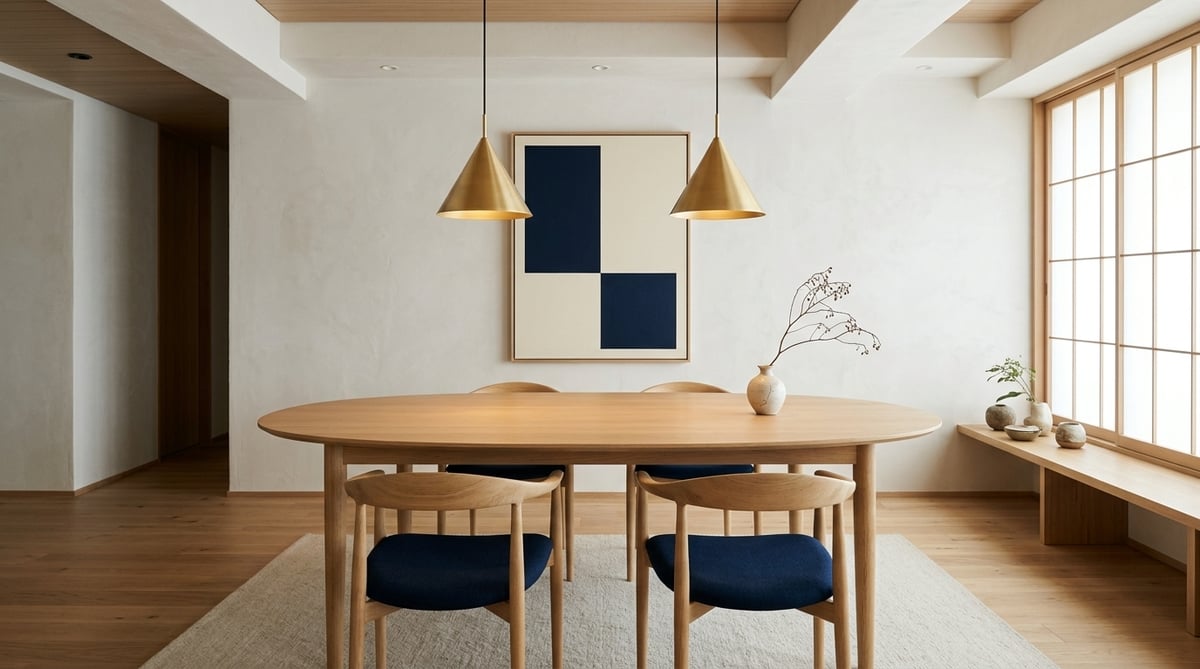
When starting the search for a new home together, working couples and partners inevitably encounter a pressing dilemma: how to balance mutual commuting convenience with everyday living quality. One partner may work in Otemachi, while the other commutes to Roppongi or Shibuya. Choosing a neighborhood near one partner's workplace significantly lengthens the other's daily travel time, placing an unfair burden on their routine. On the other hand, searching for a spacious apartment around central Tokyo terminal stations causes rent prices to skyrocket, potentially straining future savings and long-term financial comfort.
As a base that resolves this commuter and lifestyle cost dilemma, Kitasenju in Adachi Ward has increasingly become the neighborhood of choice for dual-income couples. Once a flourishing post town along the historic Nikko Kaido highway, this district has evolved into one of Tokyo's premier transportation hubs where five distinct rail lines converge. While offering dependable mobility with direct, transfer-free access to major central business districts, it retains a serene atmosphere nestled between the Arakawa and Sumida rivers, seamlessly blending rich commercial facilities with vibrant, welcoming shopping arcades.
In the quiet evening glow of a weekend, slanted sunlight falls across the stone paving of Shukuba-machi Dori Shopping Street, while the savory aroma of yakitori rising from long-established delicatessens whets the appetite. Carrying fresh groceries selected from the food hall of Lumine Kitasenju, you walk back to your shared home through peaceful alleyways dotted with renovated heritage warehouse cafes. On weekdays, each partner enjoys a smooth, direct commute to Otemachi and Roppongi; on weekends, you take tranquil strolls side by side along the verdant banks of the Arakawa River. Here, the warm human touch of classic downtown Tokyo merges effortlessly with the dynamic mobility of the modern metropolis. Drawing from over a decade of hands-on rental advisory and neighborhood research across Adachi, Katsushika, and Arakawa Wards, a licensed real estate transaction specialist provides an authentic, practical breakdown of why Kitasenju is the ideal choice for couples, along with essential tips for a seamless home search.
Connected Rail Lines MULTI ACCESS
5Lines
Direct access via Metro Chiyoda Line, Hibiya Line, JR Joban Line, Tobu Skytree Line, and Tsukuba Express
Direct Time to Otemachi CHIYODA LINE
16Min
Via Tokyo Metro Chiyoda Line. Direct connectivity to Kasumigaseki in 21 min and Omotesando in 29 min
1LDK Couple Rent Market RENT MARKET
130k-160kJPY
Floor area approx. 38–45 sqm. A market level roughly 40,000–60,000 JPY lower per month than Yamanote Line hubs
Sorai Tokyo Brokerage Fee FAIR COMMISSION
Half(0.55 Month)
Flat 0.55 months' rent (tax incl.) on all listings. Unnecessary ancillary fees eliminated from scratch
Summary & TakeawaysSorAi Summary
- A 5-line hub connecting the Chiyoda Line, Hibiya Line, Joban Line, Tobu Line, and Tsukuba Express allows direct transit to differing workplaces without transfers.
- Numerous origin trains depart on the Hibiya Line from this station, offering the rare comfort of a seated morning commute.
- Standard rent ranges from 130,000 to 160,000 JPY for 1LDK and 160,000 to 200,000 JPY for 2LDK layouts, securing more spacious living space than central Tokyo at moderate prices.
## Transit Mobility Across Five Direct Rail Lines Relieving Commuter Stress
When selecting a residential base for two, the daily commute is the most essential objective factor to evaluate. If either partner is forced to make multiple transfers or endure long journeys on heavily congested lines, physical fatigue quietly accumulates, eventually introducing strain into household chores and daily rhythms. The primary reason Kitasenju enjoys consistent support among dual-income households is its convergence of five rail lines radiating directly into central Tokyo.
The lines serving Kitasenju Station are Tokyo Metro Chiyoda Line, Tokyo Metro Hibiya Line, JR Joban Line (Ueno-Tokyo Line), Tobu Skytree Line (through-service to Tokyo Metro Hanzomon Line), and the Metropolitan Intercity Railway Tsukuba Express (TX). This interconnected transit network provides transfer-free access to major business districts throughout Tokyo.
For instance, commuting to Otemachi takes just 16 minutes direct via Tokyo Metro Chiyoda Line. Kasumigaseki is reached in 21 minutes, and Omotesando in 29 minutes. The Chiyoda Line also offers mutual through-service with the JR Joban Local Line and the Odakyu Line, making travel toward Yoyogi-Uehara seamless.
If the other partner works around Roppongi, Ginza, or Toranomon, the Tokyo Metro Hibiya Line is exceptionally convenient. It connects directly to Ueno in 9 minutes, Akihabara in 12 minutes, Ginza in 25 minutes, Kasumigaseki in 29 minutes, and Roppongi in 34 minutes. A crucial practical advantage of the Hibiya Line is that Kitasenju Station serves as an operational terminal, meaning numerous trains originate right here during the morning rush hour. Lining up on the platform slightly earlier allows you to commute comfortably seated all the way to Ginza or Roppongi, an invaluable daily benefit that significantly reduces commuter fatigue.
By boarding the Ueno-Tokyo Line through-train on the JR Joban Line, you reach Ueno in 8 minutes, Tokyo Station directly in 17 minutes, Shimbashi in 22 minutes, and Shinagawa in 27 minutes. For professionals with frequent Shinkansen business trips or those working in the Marunouchi and Yaesu corporate districts, the swift speed of the Joban Line is an outstanding practical asset. Meanwhile, the Tobu Skytree Line operates through-service onto the Tokyo Metro Hanzomon Line, linking directly without transfers to Oshiage, Kinshicho, Kiyosumi-shirakawa, Jimbocho, and Shibuya. Taking the Tsukuba Express brings you to Akihabara in just 10 minutes via rapid service.
Scroll horizontally to see full table →
| Line Name | Direct Business Districts (Travel Time) | Originating Trains | Commuter Practical Highlights |
| --- | --- | --- | --- |
| Tokyo Metro Chiyoda Line | Otemachi (16 min), Kasumigaseki (21 min), Akasaka (24 min), Omotesando (29 min) | Limited (mainly Ayase / Kita-Ayase origins) | Rapid access to central Marunouchi and Kasumigaseki. Through-service to Odakyu Line available |
| Tokyo Metro Hibiya Line | Ueno (9 min), Akihabara (12 min), Ginza (25 min), Roppongi (34 min) | Numerous originating trains operate | Seated commuting possible by lining up during morning rush. Reserved-seat TH Liner also runs |
| JR Joban Line (Ueno-Tokyo Line) | Ueno (8 min), Tokyo (17 min), Shimbashi (22 min), Shinagawa (27 min) | None (direct through-trains from Tsuchiura/Mito) | High speed access to Tokyo and Shimbashi stations. Ideal for business trips and Shinkansen users |
| Tobu Skytree Line | Oshiage (14 min), Kinshicho (17 min), Kiyosumi-shirakawa (21 min), Shibuya (39 min) | Limited (e.g., Asakusa-bound) | Direct connection to Shibuya and Aoyama via Hanzomon Line through-service |
| Tsukuba Express (TX) | Shin-Okachimachi (7 min), Akihabara (10 min) | None (from Tsukuba/Moriya) | Direct to Akihabara in 10 minutes. Underground station design makes it resilient against weather delays |
Thus, even when workplace locations diverge across distinct hubs like Otemachi and Roppongi, Tokyo and Shibuya, or Akihabara and Omotesando, both partners stay comfortably within a direct commute. Without forcing either person to compromise, Kitasenju provides a location profile that fairly divides travel times, making it an enduring favorite for dual-income households.
Online Consultation Desk (No Office Visit Required) Sorai Tokyo Official
[\[Instant Calendar Booking\] Online Rental Consultation with a Dedicated Agent](https://soraitokyo.jp/consultation?hsLang=en)
Licensed real estate specialists versed in eastern Tokyo provide personalized guidance over video call, from organizing search criteria and checking unlisted properties to optimizing initial move-in costs.
[Check Available Dates & Book →](https://soraitokyo.jp/consultation?hsLang=en)
Free Online Tool • Instant Calculation Sorai Tokyo Official
[【SorAi Initial Cost Simulator】Calculate Transparent Move-in Costs in 10 Seconds](https://soraitokyo.jp/quote?hsLang=en)
Simply enter the rent and deposit from portal listings to calculate a full, itemized breakdown including brokerage and guarantor fees without hidden add-ons.
[Try Initial Cost Simulator →](https://soraitokyo.jp/quote?hsLang=en)
## Distinct West and East Exit Characters: Choosing Your Living Environment
When searching for a rental apartment in Kitasenju, understanding the stark character differences between the West Exit and the East Exit (Dendai Exit) is essential. The cityscape, commercial density, and residential surroundings differ markedly on either side of the station tracks. Identifying which environment better aligns with your shared daily rhythm and evening homecoming habits is key to post-move satisfaction.
The West Exit represents Kitasenju's primary commercial core. Stepping outside the ticket gates reveals a second-floor pedestrian deck directly connecting to the station department store Lumine Kitasenju and Kitasenju Marui (Mil-Dis). Even on rainy days, this elevated walkway ensures comfortable, covered access to premier retail floors. Descending from the deck, the main boulevard Kita-road 1010 extends westward, flanked to the north by the historic Senju Honshuku Shopping Arcade (Shukuba-machi Dori).
The prime advantage of the West Exit area lies in its rich array of eateries, pharmacies, banks, and grocery purveyors. For couples who frequently pick up groceries or dine out after work, the West Exit's convenience is exceptional. With lively pedestrian traffic and well-lit streets extending late into the evening, walking home late feels secure and reassuring. Conversely, because restaurants and bars cluster densely along the station front and Shukuba-machi Dori, weekends can be relatively bustling. For those seeking quiet residential surroundings, standard practice suggests choosing homes 7 to 12 minutes on foot from the station toward Senju-nakacho, Senju-kawaramachi, or Senju-okawacho.
In contrast, the East Exit (Dendai Exit) is a peaceful educational and residential quarter, revitalized with the opening of Tokyo Denki University's Tokyo Senju Campus. Facing the station plaza, modern university buildings stand beside cleanly laid out, spacious pedestrian sidewalks. Stretching eastward from the plaza, Gakuen-dori Shopping Street is lined with convenient daily supermarkets, artisan bakeries, pharmacies, and independently owned cafes.
The hallmark of the East Exit district is that quiet residential streets (Senju-asahicho, Senju-azuma) unfold just a 3- to 5-minute walk from the station. Lacking the large-scale entertainment quarters of the West Exit, it maintains a serene, tranquil living atmosphere at night. Furthermore, walking roughly 10 minutes east along Gakuen-dori brings you directly onto the expansive grassy banks of the Arakawa River, making it an ideal setting for couples who enjoy weekend morning jogging or outdoor strolls.
Additionally, the "Kitasenju Station East Exit Front District Category 1 Urban Redevelopment Project" is currently underway. Plans call for constructing a 29-story multi-purpose complex and expanding the transit plaza, promising further upgrades to commuter convenience and residential quality in the coming years.
West Exit Area (Focus on Commerce & Lifestyle Ease)
#### Urban Living with Dynamic Daily Convenience
- ● Direct connection to Lumine and Marui; comfortable sheltered shopping via pedestrian deck
- ● Abundant choices for dining out or home cooking with Shukuba-machi Dori and diverse bistros
- ● Brightly lit streets and steady foot traffic late into the evening ensure high nighttime security
- ● Consideration: Active nightlife near the station; look 7+ minutes out for serene residential peace
Recommended for: Couples who enjoy dining out, takeout, and handling daily errands right at the station
East / Dendai Exit Area (Focus on Quiet & Nature)
#### Tranquil Streets and Natural Open Spaces for Relaxed Living
- ● Calm residential pockets begin just 3 minutes from the station, offering peaceful nights
- ● Gakuen-dori provides neighborhood supermarkets, pharmacies, and local bakeries for everyday needs
- ● Easy walking distance to Arakawa River banks for refreshing morning jogs and riverside walks
- ● Future potential: Station front redevelopment to further elevate pedestrian walkways and amenities
Recommended for: Couples who prioritize peaceful evenings at home and a calm residential setting
SORAI SIMULATOR / Online in 10 Sec
### \[SorAi Initial Cost Simulator\] Calculate Estimated Move-in Costs in 10 Seconds
Simply enter the rent and deposit to calculate a transparent move-in cost breakdown including brokerage and guarantor fees without hidden markups.
[Open in Fullscreen / New Tab](https://soraitokyo.jp/en/quote?ref=blog_embed_ext&utm_source=blog_mid_cta&utm_medium=cta&utm_campaign=unified_cta_simulator&hsLang=en) [Chat on Official LINE](https://line.me/R/ti/p/@soraitokyo)
Explore other free SorAi tools: [SorAi Inspection Report →](https://soraitokyo.jp/inspection?ref=blog_mid_cta_aux&lang=en&utm_source=blog_mid_cta&utm_medium=aux_link&utm_campaign=unified_cta_inspection&hsLang=en) [SorAi Request →](https://hearing.soraitokyo.jp/?start=true&ref=blog_mid_cta_aux&lang=en&utm_source=blog_mid_cta&utm_medium=aux_link&utm_campaign=unified_cta_request)
※ 100% Free ・ Online completed.
Related Guide
[More Value than Kitasenju or Ayase? The Benefits of 2DK & 2LDK Rentals in Kita-Ayase: A Guide for Couples & Families](https://soraitokyo.jp/en/blog/kita-ayase-2dk-2ldk-rental-guide?hsLang=en)
[Read Article →](https://soraitokyo.jp/en/blog/kita-ayase-2dk-2ldk-rental-guide?hsLang=en)
Related Recommendation
[Better Value than Kita-Senju, More Convenient than Kita-Ayase? Benefits & Expert Tips for Renting 2DK & 2LDK in Ayase](https://soraitokyo.jp/en/blog/ayase-2dk-2ldk-rental-guide?hsLang=en)
[Read Article →](https://soraitokyo.jp/en/blog/ayase-2dk-2ldk-rental-guide?hsLang=en)
## 1LDK vs. 2LDK Rent Comparison and Layouts Supporting Remote Work
A primary consideration when exploring rental homes for two is choosing between a 1LDK and a 2LDK floor plan. Because floor area and the number of rooms directly determine monthly rent, carefully aligning your budget with everyday lifestyle habits is essential.
Market rent data for couple-oriented rental homes within a 10-minute walk of Kitasenju Station is outlined below.
For 1LDK units (roughly 38 to 45 sqm), the prevailing market sits between 130,000 and 160,000 JPY per month. Renovated properties 10 to 20 years old and reinforced concrete (RC) apartments start in the high 130,000 JPY range, while newer builds within a 5-minute walk concentrate around 150,000 to 160,000 JPY. Compared to 1LDK units around primary Yamanote Line stations (200,000 to 240,000 JPY), this reflects a monthly savings of 50,000 to 70,000 JPY. That translates to approximately 600,000 to 800,000 JPY in annual fixed expense reduction, meaningfully expanding financial freedom for future savings and lifestyle investments.
For 2LDK units (roughly 50 to 60 sqm), monthly rent typically ranges from 160,000 to 200,000 JPY. Older buildings or residences roughly 12 minutes from the station offer options starting in the high 150,000 JPY range, while newer condominiums range between 190,000 and 220,000 JPY. While leasing a 2LDK in Tokyo's central three wards (Minato, Chiyoda, Chuo) often commands 300,000 to 400,000 JPY or more, Kitasenju lets you secure generous 2LDK space around the 200,000 JPY mark.
Scroll horizontally to see full table →
| Layout Type | Estimated Area | Rent Range (Within 10-Min Walk) | Remote Work Suitability | Best Suited For |
| --- | --- | --- | --- | --- |
| 1LDK (Open Plan) | 38–42 sqm | 130,000–145,000 JPY | Best if only one partner works remotely or mostly office-based | Couples prioritizing lower rent and higher savings |
| 1LDK (Separate Bedroom) | 42–48 sqm | 145,000–160,000 JPY | Separate workspaces possible across LDK and bedroom | Couples with 1–2 days of remote work weekly |
| 2LDK (Compact Plan) | 50–55 sqm | 160,000–180,000 JPY | One room can serve as a dedicated office | Dual-income couples with frequent work-from-home days |
| 2LDK (Spacious Plan) | 55–65 sqm | 180,000–205,000 JPY | Supports simultaneous online video calls in separate rooms | Couples planning for life changes and long-term residence |
The decisive practical factor is the frequency of remote work and the overlap of simultaneous online meetings.
In a 1LDK, the standard arrangement places one desk in the living/dining space and the other in the bedroom. Sliding partitions allow the home to feel expansive during the day while closing off zones during meetings. However, if both partners must speak concurrently on calls, wood-frame or light-gauge steel buildings may transmit voices across sliding doors. If sharing a 1LDK while both working remotely, choosing a reinforced concrete (RC) building with superior acoustic insulation is prudent.
Conversely, if both partners work fully remote or telecommute 3 or more days a week, investing an extra 30,000 to 40,000 JPY monthly for a 2LDK pays substantial dividends. Dedicating one room as a work office and the other as a bedroom naturally organizes boundaries between work and personal life, preventing stress caused by differing sleep or wake-up schedules.
Broker's Practical Insight
#### 3 Vital Tape-Measure Checks During Property Viewings for Couples
The most common oversight during property viewings is furniture mismatch—finding that a large refrigerator does not fit through passageways or that placing a semi-double bed blocks closet doors from opening. For dual-income couples who cook at home, large refrigerators (65 cm+ wide) are common. It is imperative to measure not only the kitchen refrigerator nook, but also elevator doorways, stair landings, and entrance door clear widths. Additionally, verify the internal dimensions of the washing machine tray and the faucet height in the washroom.
Sorai Tokyo Senior Advisor (Licensed Real Estate Broker, 10 Years Experience)
## Daily Shopping: From Direct Station Malls to Historic Arcades
When stepping off the train after a long workday, the ability to seamlessly handle groceries and daily essentials directly shapes living comfort. A cornerstone of Kitasenju's appeal is its multi-layered shopping environment, gracefully linking high-capacity station malls with traditional local arcades.
Just outside the West Exit ticket barriers sit Lumine Kitasenju and Kitasenju Marui.
Lumine's gourmet floor features specialty grocers like Seijo Ishii and Kaldi Coffee Farm, alongside patisseries and prepared-food delicatessens. On late evenings when cooking from scratch is out of reach, picking up fresh bread and prepared dishes from the department store basement makes coming home effortless. With Yurindo bookstore and home sundries boutiques located within the complex, post-work errands conclude neatly within the station perimeter.
Next door, Marui's basement food hall, "Marui Shokuyukan," provides fresh produce, seafood, and butcher meats. Furthermore, Marui houses Muji, Hands, Nojima electronics, and a Seria 100-yen shop. Cookware, storage solutions, curtains, bedding, and home appliances needed when establishing a household can all be procured right by your doorstep.
A few steps beyond the station plaza, dynamic downtown shopping arcades support the household budget with classic warmth.
Along the West Exit's Shukuba-machi Dori Shopping Street, time-tested greengrocers and butchers continue daily trade. Fresh vegetables and fruits are priced affordably, while savory steam rises from croquette and yakitori counters. Moderate cost of living is an intrinsic strength of Adachi Ward, offering reassuring savings for couples who enjoy preparing home-cooked meals together on weekends.
Supermarkets are equally plentiful. Convenient daily options include Life (Coconfan Kitasenju branch), Tokyu Store Kitasenju branch open late into the night, and OK Store Senju-horikiribashi branch for bulk savings. Combining station food halls on busy weeknights with local supermarkets and arcades on weekends allows effortless control over grocery spending.
## Alleyway Heritage Cafes and the Arakawa Riverfront for Weekend Leisure
Because dual-income partners invest immense energy into their careers during the week, weekends call for unwinding together in a comfortable, inspiring setting. Kitasenju harbors an authentic cultural tapestry where historic roots and tranquil nature blend distinctively from central corporate districts.
Walking through Senju, one frequently encounters heritage warehouse cafes and micro-roasteries renovated from Edo-period storehouses and traditional wooden townhouses. Tucked away on quiet backstreets, these independent roasters welcome visitors with exposed timber beams, gentle natural light, and the aroma of fresh drip coffee. Creative art spaces and community hubs repurposed from vintage public bathhouses dot the neighborhood, lending artistic warmth to casual neighborhood walks.
Evening dining is equally varied. Casual French bistros, natural wine bars, and authentic pizzerias hide within the alleys of Shukuba-machi Dori and Senju-nakacho. Enjoying refined cuisine and wine as an effortless extension of daily life captures the essence of living here. Classic tavern institutions also thrive, inviting residents to savor the warm hospitality of downtown Tokyo.
An indispensable sanctuary for couples in Kitasenju is the expansive Arakawa River embankment. Located just a 10- to 12-minute walk from the East Exit through quiet residential streets, ascending the bank reveals open skies, the majestic flow of the river, and wide green lawns.
In spring, tulips bloom across Niji no Hiroba while cherry blossoms adorn the riverbank. On crisp weekend mornings, jogging along the embankment or laying out a picnic with pastries from your favorite local bakery offers an open-air escape rarely found so close to central Tokyo. At dusk, watching the sun dip behind the silhouette of Mount Fuji from the top of the embankment brings tranquil perspective. This seamless cadence between energetic weekdays and peaceful weekends brings lasting serenity to dual-income life.
## Contract Structures and Essential Documents for Smooth Tenant Screening
Once you find a home that matches your vision, you must pass tenant screening conducted by the lease guarantor company and property owner to finalize the contract. In everyday brokerage practice, unmarried cohabitation is reviewed with greater caution than applications from single professionals or legally married couples.
Owners and property managers examine unmarried cohabitation closely out of concern over rent default or sudden cancellation risks—specifically, whether a single remaining partner could sustain monthly rent payments if the relationship dissolved. To clear these concerns and proceed smoothly, selecting the contract structure best suited to your combined income profile is essential.
Lease contracts for cohabiting couples generally fall into three patterns:
1\. Primary Sole Lessee Contract (One partner leases, the other is registered as co-occupant)
The partner with higher income acts as the sole lessee, listing the other as a co-occupant on the application. Documentation is simplified since only one set of application materials is required. However, the lessee's solo monthly income must comfortably exceed three times the monthly rent (annual income at least 36 times the rent). For a 150,000 JPY 1LDK, the applicant generally requires an annual income of 5.4 million JPY or higher.
2\. Joint Lessee Contract (Both partners sign as primary lessees with joint liability)
Both partners sign as co-contractors, mutually assuming joint and several liabilities. This structure allows combined household income to be evaluated together. For example, if one earns 3.5 million JPY and the other 3.0 million JPY, their combined 6.5 million JPY qualifies smoothly for a 2LDK renting at 160,000 to 180,000 JPY. Note that personal IDs and income proofs must be supplied for both, and some properties do not accept joint leases, requiring advance confirmation.
3\. Guarantor-Backed Contract (One signs as primary lessee, partner or relative serves as guarantor)
One partner serves as the primary lessee while the partner or an employed family relative acts as a joint guarantor. Even where guarantor companies are mandatory, adding an employed relative as guarantor provides extra reassurance to the landlord during screening.
STEP 01
##### Determine Contract Structure
Select sole or joint lease structure matching your relative income proportions
STEP 02
##### Prepare Official Documents
Obtain government photo ID, health insurance cards, and latest tax withholding slips
STEP 03
##### Emergency Contact Consent
Notify parents or relatives in advance to prepare them for routine verification calls
STEP 04
##### Guarantor & Management Screening
Completed in 1–3 business days. Noting upcoming marriage intentions strengthens trust
A practical tip during application is specifying "Fiancé/Fiancée" under the relationship field if applicable. Applying merely as "friends" often triggers concern from property management over casual room-sharing, raising scrutiny. When future marriage is planned, adding a note such as "Engaged (wedding planned for Month/Year)" provides substantial peace of mind to property owners.
## Half-Price Brokerage Fees and Objective Advisory via Official LINE
When starting life together, initial move-in costs pose a major financial hurdle alongside monthly rent. In addition to security deposits, key money, advance rent, guarantor fees, and fire insurance, traditional real estate brokers in Japan typically levy a brokerage fee of "1.1 months' rent (tax included)."
For example, leasing a 1LDK renting at 150,000 JPY in Kitasenju commonly incurs a standard brokerage fee of 165,000 JPY (tax incl.). Combined with deposits and key money, total move-in fees can reach 700,000 to 800,000 JPY, before adding moving van fees and furniture acquisitions.
To support dual-income couples embarking on this new chapter, Sorai Tokyo sets its brokerage commission at a flat "half-price (0.55 months' rent, tax included)" across all managed and brokered properties. On a 150,000 JPY property, the brokerage fee is exactly 82,500 JPY (tax incl.), saving you 82,500 JPY compared to conventional agencies. Those saved funds can directly support quality home essentials, such as a premium bed mattress or a shared dining table set.
Equally critical is scrutinizing unnecessary ancillary charges. Clients seeking second opinions frequently show us initial quotes loaded with arbitrary fees, such as "indoor sanitization fee (15,000–30,000 JPY)," "fire extinguisher charge (10,000–20,000 JPY)," "move-in support package (15,000–20,000 JPY)," or "document preparation fee (5,000–10,000 JPY)." These are not legal requirements; they are discretionary markups added by agencies.
Through Sorai Tokyo's official LINE, simply send the URL of a listing found on any portal site or a photo of a fee estimate received elsewhere. A licensed broker will conduct an objective fee audit, eliminating unjustified surcharges and querying inter-broker databases (REINS) to verify current availability and fair contract terms.
During apartment viewings, we never ask clients to visit our physical office for lengthy intake questionnaires or subject them to persistent sales calls. We arrange to meet directly at the property at your requested time and conclude on site upon inspection.
Smart tools (SorAi), including our initial cost simulator, can be accessed anytime from the bottom navigation or footer, allowing you to project precise budgets and proceed with complete confidence.

SorAi Real-Time Rental Concierge Online 24/7
Official AI answers your questions 24/7
[Continue on Official LINE (24/7 Free)](https://page.line.me/soraitokyo?oat_content=url&openQrModal=true&utm_source=soraitokyo_website&utm_medium=blog_inline_chat&utm_campaign=line_btn) [Privacy Policy](https://soraitokyo.jp/en/privacy-policy)

Thank you for reading this guide. I am SorAi, your official real estate AI concierge.
Feel free to ask any questions about neighborhood livability, rent averages, safety, or commuting convenience in Tokyo.
Quick questions:
Summarize neighborhood livability
Commute access and train crowding
Supermarkets and daily amenities
Rent comparison with nearby stations
[Continue on Official LINE (Free)](https://page.line.me/soraitokyo?oat_content=url&openQrModal=true&utm_source=soraitokyo_website&utm_medium=blog_inline_chat&utm_campaign=line_btn)
Send
No phone number required. Feel free to consult at your own pace 24/7.
### Featured Tokyo Living Guides
SorAi Editorial
Swipe
#### [ Chiyoda Line / Redevelopment Kitasenju Redevelopment & Livability 2026: 5 Train Lines, Shopping & Housing | Sorai Tokyo Read Guide →](https://soraitokyo.jp/en/blog/area-guide-kitasenju-redevelopment-trend-2026?hsLang=en)
#### [ Featured Area / Origin Station Ayase Neighborhood & Safety Guide 2026: North vs South Exit, Rent & Chiyoda Line Commute | Sorai Tokyo Read Guide →](https://soraitokyo.jp/en/blog/area-guide-ayase?hsLang=en)
#### [ Rent Market / Solo Living Kita-Ayase Solo Living Guide: Rent Averages from ¥50,000s & Chiyoda Line Origin Perks | Sorai Tokyo Read Guide →](https://soraitokyo.jp/en/blog/kita-ayase-single-rent-budget-simulation?hsLang=en)
## Frequently Asked Questions: Living Together in Kitasenju
### QCan unmarried couples pass tenant screening for rental apartments in Kitasenju?
AYes, applications are routinely approved. The key to a smooth screening is choosing the appropriate lease structure (sole lessee or joint lessees) according to your combined income, and clarifying your future plans by indicating "Engaged" on the application. At Sorai Tokyo, licensed brokers well-versed in specific guarantor and property management standards advise you on the ideal documentation and application phrasing in advance.
### QHow crowded are the Chiyoda Line and Hibiya Line during the morning commute?
ADuring peak morning hours (roughly 7:45 to 8:30 AM), crowding is comparable to other major Tokyo arteries, but Kitasenju provides distinct advantages. The Tokyo Metro Hibiya Line operates many originating trains from Kitasenju Station. By waiting in line on the platform, you can commute seated all the way to Ginza or Roppongi. The Chiyoda Line also reaches Otemachi in just 16 minutes direct, keeping transit time short and physical fatigue minimal.
### QIs the neighborhood around Kitasenju Station safe for walking alone at night?
AThe area benefits from university campus additions and active crime prevention patrols by police and local merchant associations. Along the West Exit shopping street, well-lit corridors and active pedestrian movement ensure comfortable night walks. Meanwhile, the East Exit (Dendai Exit) features orderly walkways and immediate access to quiet residential streets. If nighttime quiet is a priority, consider the East Exit or residences situated at least 7 minutes on foot from the West Exit.

Author: Sorai Tokyo Editorial Team (Supervised by Licensed Real Estate Agents)
A real estate consulting team specializing in assisting foreign nationals find rooms and explaining initial costs in Tokyo. We break down language barriers and differences in customs, offering dedicated support in Japanese, English, and Vietnamese for a safe and secure start to your new life.
 SORAI TOKYO | Chat with AI "SorAi" Anytime on LINE
### Exploring Tokyo Neighborhoods or Apartments? Ask Our AI "SorAi" Anytime on LINE
No property URL needed yet. From area safety, commute tips, and rent trends to instant initial-cost audits for listings you found—chat with SorAi 24/7 on LINE with zero sales calls.
STEP 1
Ask Anything on LINE
Ask about areas & rent, or send a listing URL anytime
→
STEP 2
24/7 Instant Reply by SorAi
Objective area data, live vacancy & fee breakdown
→
STEP 3
Explore at Your Own Pace
Zero sales calls. Meet on-site only when ready to view
24/7 Instant / Most Popular
#### ① Chat with AI "SorAi" on LINE (Free)
Ask about neighborhoods, rent trends, or share any listing URL on LINE. SorAi & our bilingual concierge check live vacancy and upfront fee breakdowns with zero sales pressure.
[Chat with SorAi on LINE (Free) ➔](https://lin.ee/VE8fd8b?utm_source=soraitokyo_blog&utm_medium=cta&utm_campaign=bottom_cta&utm_content=line)
Web Audit
#### ② SorAi Property Report
Already found a listing? Submit the URL or floor plan on the web for an instant objective breakdown of move-in costs and neighborhood data.
[View Report (Free) ↗](https://inspection.soraitokyo.jp/?ref=blog_bottom_cta)
Wait for New Listings
#### ③ SorAi Housing Needs
Select your budget, layout, and must-have conditions in 30 seconds to receive matching listings at your own pace.
[Organize Criteria (Free) ➔](https://soraitokyo.jp/en/request?ref=blog_bottom_cta&hsLang=en)
Instant Move-in Estimate
#### ④ SorAi Move-in Estimator
Enter rent and management fees to quickly estimate standard upfront contract costs and potential savings.
[Check Estimates (Free) ➔](https://soraitokyo.jp/en/quote?ref=blog_bottom_cta&hsLang=en)
※ Consultations are 100% free. No phone number required, zero pushy calls—everything is completed smoothly on LINE.
この記事をシェアする
\# エリアガイド# 北千住
[ SORAI TOKYO](https://soraitokyo.jp/en/)
Sorai Tokyo Co., Ltd.
Room 102, 1-7-14 Yanaka, Adachi-ku, Tokyo, 120-0006
03-6161-8484
[contact@soraitokyo.jp](mailto:contact@soraitokyo.jp)
Tokyo Metropolitan Governor (1) No. 113297
(License Date: December 20, 2025)
### Sitemap
- [About Us](https://soraitokyo.jp/en/about-us)
- [Testimonials](https://soraitokyo.jp/en/testimonials)
- [Chiyoda Line Guide](https://soraitokyo.jp/en/area-guide-chiyoda-line)
- [Sorai Journal](https://soraitokyo.jp/en/blog)
- [FAQs](https://soraitokyo.jp/en/faqs)
- [Contact](https://soraitokyo.jp/en/contact)
- [SorAi Request](https://soraitokyo.jp/en/request)
### Business Hours
**10:00 〜 18:00**
Closed: **Tuesday & Wednesday**
Inquiries via LINE, SNS, and email are accepted 24/7.
[View on Google Maps](https://maps.google.com/?q=%E6%9D%B1%E4%BA%AC%E9%83%BD%E8%B6%B3%E7%AB%8B%E5%8C%BA%E8%B0%B7%E4%B8%AD1-7-14) [Book Online Meeting](https://soraitokyo.jp/en/consultation?hsLang=en)
### Multilingual Services
Our professional staff are fluent in Japanese, English, Vietnamese, Russian, and Indonesian to support you from room hunting to contract signing.
[🇯🇵 日本語](https://soraitokyo.jp/ja/blog/kita-senju-couple-guide?hsLang=ja) [🇺🇸 English](https://soraitokyo.jp/en/blog/kita-senju-couple-guide?hsLang=en) [🇻🇳 Tiếng Việt](https://soraitokyo.jp/vi/blog/kita-senju-couple-guide?hsLang=vi) [🇷🇺 Русский](https://soraitokyo.jp/ru/blog/kita-senju-couple-guide?hsLang=ru) [🇮🇩 Indonesia](https://soraitokyo.jp/id/blog/kita-senju-couple-guide?hsLang=id)
### Inquire via Social Media
[Privacy Policy](https://soraitokyo.jp/en/privacy-policy) | [Privacy & Security](https://soraitokyo.jp/en/security)
Copyright © 2026 株式会社ソライ東京 (Sorai Tokyo Co., Ltd.) All Rights Reserved.
[Chat with SorAi](https://page.line.me/soraitokyo?oat_content=url&openQrModal=true&utm_source=soraitokyo_website&utm_medium=line_button&utm_campaign=chatbot_popover)
SorAi Chat

#### SorAi
Online (Multilingual Support)
×
[Chat with SorAi](https://page.line.me/soraitokyo?oat_content=url&openQrModal=true&utm_source=soraitokyo_website&utm_medium=chatbot_header&utm_campaign=line_btn) [Email Us](https://soraitokyo.jp/en/contact?hsLang=en)
[Get "SorAi" on LINE (24/7 Free)](https://page.line.me/soraitokyo?oat_content=url&openQrModal=true&utm_source=soraitokyo_website&utm_medium=line_button&utm_campaign=floating_btn)
 SorAi | 24/7 AI Rental Chat No signup・100% online
TOC
### Table of Contents
×
```json
{
"@context" : "https://schema.org",
"@type" : "BlogPosting",
"author" : {
"@type" : "Person"
},
"datePublished" : "2026-06-23T09:45:40.000Z",
"headline" : "Cohabitation & Dual-Income Life: 3 Reasons Couples Choose Kitasenju | Direct Commutes to Different Workplaces, Rent Prices & Area Guide | Sorai Tokyo | Sorai Tokyo",
"image" : [ "https://soraitokyo.jp/hubfs/blog-eyecatches/batch11_quiet_luxury_hallway_vista.jpg" ],
"mainEntityOfPage" : {
"@id" : "https://soraitokyo.jp/en/blog/kita-senju-couple-guide",
"@type" : "WebPage"
},
"publisher" : {
"@type" : "Organization",
"logo" : {
"@type" : "ImageObject",
"url" : "https://soraitokyo.jp/hubfs/small_logo(color)%20(2)-1.png"
},
"name" : "株式会社ソライ東京"
}
}
```
```json
{
"@context" : "https://schema.org",
"@type" : "FAQPage",
"mainEntity" : [ {
"@type" : "Question",
"acceptedAnswer" : {
"@type" : "Answer",
"text" : "Yes, applications are routinely approved. The key to a smooth screening is choosing the appropriate lease structure (sole lessee or joint lessees) according to your combined income, and clarifying your future plans by indicating \"Engaged\" on the application. At Sorai Tokyo, licensed brokers well-versed in specific guarantor and property management standards advise you on the ideal documentation and application phrasing in advance."
},
"name" : "Can unmarried couples pass tenant screening for rental apartments in Kitasenju?"
}, {
"@type" : "Question",
"acceptedAnswer" : {
"@type" : "Answer",
"text" : "During peak morning hours (roughly 7:45 to 8:30 AM), crowding is comparable to other major Tokyo arteries, but Kitasenju provides distinct advantages. The Tokyo Metro Hibiya Line operates many originating trains from Kitasenju Station. By waiting in line on the platform, you can commute seated all the way to Ginza or Roppongi. The Chiyoda Line also reaches Otemachi in just 16 minutes direct, keeping transit time short and physical fatigue minimal."
},
"name" : "How crowded are the Chiyoda Line and Hibiya Line during the morning commute?"
}, {
"@type" : "Question",
"acceptedAnswer" : {
"@type" : "Answer",
"text" : "The area benefits from university campus additions and active crime prevention patrols by police and local merchant associations. Along the West Exit shopping street, well-lit corridors and active pedestrian movement ensure comfortable night walks. Meanwhile, the East Exit (Dendai Exit) features orderly walkways and immediate access to quiet residential streets. If nighttime quiet is a priority, consider the East Exit or residences situated at least 7 minutes on foot from the West Exit."
},
"name" : "Is the neighborhood around Kitasenju Station safe for walking alone at night?"
} ]
}
```
```json
{
"@context" : "https://schema.org",
"@type" : "BlogPosting",
"author" : {
"@type" : "Person",
"name" : "Author: Sorai Tokyo Editorial Team (Supervised by Licensed Real Estate Agents)"
},
"dateModified" : "2026-10-03T11:27:14Z",
"datePublished" : "2026-10-03T11:27:14Z",
"description" : "A comprehensive rental guide to Kitasenju for dual-income couples: 5-line transit access, West vs. East exit living environments, rent prices, and screening tips.",
"headline" : "Cohabitation & Dual-Income Life: 3 Reasons Couples Choose Kitasenju | Direct Commutes to Different Workplaces, Rent Prices & Area Guide | Sorai Tokyo",
"inLanguage" : "en",
"publisher" : {
"@type" : "Organization",
"name" : "Sorai Tokyo",
"url" : "https://soraitokyo.jp"
}
}
```
```json
{
"@context" : "https://schema.org",
"@type" : "BlogPosting",
"author" : {
"@type" : "Organization",
"knowsAbout" : [ "東京メトロ千代田線", "賃貸不動産仲介", "宅地建物取引業", "初期費用適正化", "重要事項説明(IT重説)" ],
"name" : "Sorai Tokyo Editorial Team (Supervised by Licensed Real Estate Agents)",
"url" : "https://soraitokyo.jp/en/about-us"
},
"dateModified" : "2026-10-07T17:57:21+0000",
"datePublished" : "2026-06-23T09:45:40+0000",
"description" : "A comprehensive rental guide to Kitasenju for dual-income couples: 5-line transit access, West vs. East exit living environments, rent prices, and screening tips.",
"headline" : "Cohabitation & Dual-Income Life: 3 Reasons Couples Choose Kitasenju | Direct Commutes to Different Workplaces, Rent Prices & Area Guide | Sorai Tokyo",
"image" : "https://soraitokyo.jp/hubfs/blog-eyecatches/batch18_05_oval_oak_dining_navy_upholstered_chairs.jpg",
"inLanguage" : "en",
"mainEntityOfPage" : {
"@id" : "https://soraitokyo.jp/en/blog/kita-senju-couple-guide",
"@type" : "WebPage"
},
"publisher" : {
"@type" : "Organization",
"logo" : {
"@type" : "ImageObject",
"url" : "https://soraitokyo.jp/hubfs/raw_assets/public/soraitokyo-theme/assets/logo.png"
},
"name" : "Sorai Tokyo Co., Ltd.",
"url" : "https://soraitokyo.jp/en/"
},
"url" : "https://soraitokyo.jp/en/blog/kita-senju-couple-guide"
}
```
```json
{
"@context" : "https://schema.org",
"@type" : "BreadcrumbList",
"itemListElement" : [ {
"@type" : "ListItem",
"item" : "https://soraitokyo.jp/en/",
"name" : "Home",
"position" : 1
}, {
"@type" : "ListItem",
"item" : "https://soraitokyo.jp/en/blog",
"name" : "Blog",
"position" : 2
}, {
"@type" : "ListItem",
"item" : "https://soraitokyo.jp/en/blog/kita-senju-couple-guide",
"name" : "Cohabitation & Dual-Income Life: 3 Reasons Couples Choose Kitasenju | Direct Commutes to Different Workplaces, Rent Prices & Area Guide | Sorai Tokyo",
"position" : 3
} ]
}
```