---
title: "Remote Work in Kitasenju: Finding Quiet, Sunlit Rental Apartments & Soundproofing Tips | Sorai Tokyo | Sorai Tokyo"
description: Discover quiet, sunlit rental apartments in Kitasenju for remote work. Learn top neighborhood picks, RC soundproofing tips, and fiber internet guides from local pros.
image: https://soraitokyo.jp/hubfs/blog-eyecatches/batch15_05_dual_monitor_minimal_desk_alcove.jpg
---
[ SORAI TOKYO](https://soraitokyo.jp/en/)
- [Home](https://soraitokyo.jp/en/)
- [SorAi Suite](https://soraitokyo.jp/en/quote)
[SorAi Initial Cost Simulator Instant breakdown of move-in costs](https://soraitokyo.jp/en/quote) [SorAi Inspection Report Objective property & hazard diagnosis](https://soraitokyo.jp/en/inspection) [SorAi Request AI-powered rental home recommendations](https://soraitokyo.jp/en/request) [SorAi Phone Consultation 24/7 AI voice response (03-6161-8484)](tel:0361618484)
- [Property Search](https://soraitokyo.jp/en/properties/plegio-kitaayase-asian)
[Featured New (Plegio Kita-Ayase) 2 min from Chiyoda Line starting station](https://soraitokyo.jp/en/properties/plegio-kitaayase-asian) [Furnished Monthly Apartments Short-term rentals for business & temporary stays](https://soraitokyo.jp/en/short-term-rental) [Online Licensed Agent Consultation Camera-off OK • 30–45 min neutral advice](https://soraitokyo.jp/en/consultation) [Client & Resident My Page Check application status & saved documents](https://resident.soraitokyo.jp)
- [Area Guides & Journal](https://soraitokyo.jp/en/area-guide-chiyoda-line)
[Chiyoda Line Living Guide Direct access to Otemachi & Omotesando](https://soraitokyo.jp/en/area-guide-chiyoda-line) [Sorai Journal Expert rental advice & Tokyo insights](https://soraitokyo.jp/en/blog)
- [About Sorai Tokyo](https://soraitokyo.jp/en/about-us)
[Company & Leadership Our story, mission & commitment to trust](https://soraitokyo.jp/en/about-us) [Client Testimonials Real tenant experiences & proven track record](https://soraitokyo.jp/en/testimonials) [FAQs Clear answers on leasing, guarantors & visas](https://soraitokyo.jp/en/faqs) [Privacy & Security Zero paper, zero AI training & encrypted safety](https://soraitokyo.jp/en/security)
EN
[JP 日本語](https://soraitokyo.jp/ja/blog/kita-senju-telework-quiet-rentals?hsLang=ja) [EN English](https://soraitokyo.jp/en/blog/kita-senju-telework-quiet-rentals?hsLang=en) [VN Tiếng Việt](https://soraitokyo.jp/vi/blog/kita-senju-telework-quiet-rentals?hsLang=vi) [RU Русский](https://soraitokyo.jp/ru/blog/kita-senju-telework-quiet-rentals?hsLang=ru) [ID Indonesia](https://soraitokyo.jp/id/blog/kita-senju-telework-quiet-rentals?hsLang=id)
EN
[JP 日本語](https://soraitokyo.jp/ja/blog/kita-senju-telework-quiet-rentals?hsLang=ja) [EN English](https://soraitokyo.jp/en/blog/kita-senju-telework-quiet-rentals?hsLang=en) [VN Tiếng Việt](https://soraitokyo.jp/vi/blog/kita-senju-telework-quiet-rentals?hsLang=vi) [RU Русский](https://soraitokyo.jp/ru/blog/kita-senju-telework-quiet-rentals?hsLang=ru) [ID Indonesia](https://soraitokyo.jp/id/blog/kita-senju-telework-quiet-rentals?hsLang=id)
[Online Consultation](https://soraitokyo.jp/en/consultation) [Contact](https://soraitokyo.jp/en/contact)
SORAI TOKYO Real Estate & Living
[Cost Simulator Instant Fee Breakdown](https://soraitokyo.jp/en/quote) [Area Guide 20 Stations & Living](https://soraitokyo.jp/en/area-guide-chiyoda-line) [About Us Stance & Commitments](https://soraitokyo.jp/en/about-us) [Contact Us Viewing & Booking](https://soraitokyo.jp/en/contact)
SorAi Suite
- [SorAi Initial Cost Simulator Instant Breakdown](https://soraitokyo.jp/en/quote)
- [SorAi Inspection Report Property & Hazard](https://soraitokyo.jp/en/inspection)
- [SorAi Request AI Matcher](https://soraitokyo.jp/en/request)
- [SorAi Phone Consultation 03-6161-8484](tel:0361618484)
Property Search
- [Featured Property: Plegio Kita-Ayase 2 min walk](https://soraitokyo.jp/en/properties/plegio-kitaayase-asian)
- [Furnished Monthly Apartments Short-Term Rentals](https://soraitokyo.jp/en/short-term-rental)
Area Guides & Journal
- [Chiyoda Line Guide Direct Access to Central Tokyo](https://soraitokyo.jp/en/area-guide-chiyoda-line)
- [Sorai Journal & Insights Expert Advice](https://soraitokyo.jp/en/blog)
About Sorai Tokyo
- [Home](https://soraitokyo.jp/en/)
- [Company Profile Story & Trust](https://soraitokyo.jp/en/about-us)
- [Customer Reviews Real Voice](https://soraitokyo.jp/en/testimonials)
- [Frequently Asked Questions Answers](https://soraitokyo.jp/en/faqs)
- [Privacy & Security Zero Paper & AI Training](https://soraitokyo.jp/en/security)
Consultation & Contact
- [Online Consultation Video call](https://soraitokyo.jp/en/consultation)
- [Contact Form Inquiry](https://soraitokyo.jp/en/contact)
- [Official LINE Consultation URL intake](https://page.line.me/soraitokyo)
Language / 言語
[JP 日本語](https://soraitokyo.jp/ja/blog/kita-senju-telework-quiet-rentals?hsLang=ja) [EN English](https://soraitokyo.jp/en/blog/kita-senju-telework-quiet-rentals?hsLang=en) [VN Tiếng Việt](https://soraitokyo.jp/vi/blog/kita-senju-telework-quiet-rentals?hsLang=vi) [RU Русский](https://soraitokyo.jp/ru/blog/kita-senju-telework-quiet-rentals?hsLang=ru) [ID Indonesia](https://soraitokyo.jp/id/blog/kita-senju-telework-quiet-rentals?hsLang=id)
Hours: 10:00 AM - 6:00 PM
Closed: Tuesday & Wednesday
[LINE](https://page.line.me/soraitokyo) [Facebook](https://www.facebook.com/1168140463045963) [Map](https://maps.google.com/?q=%E3%82%BD%E3%83%A9%E3%82%A4%E6%9D%B1%E4%BA%AC)
株式会社ソライ東京 | 宅地建物取引業者 東京都知事免許
[Home](https://soraitokyo.jp/en/) [Area](https://soraitokyo.jp/en/area-guide-chiyoda-line)
Tools
TOC
[LINE](https://page.line.me/soraitokyo?oat_content=url&openQrModal=true&utm_source=soraitokyo_website&utm_medium=bottom_nav&utm_campaign=mobile_bottom)
Select Language
×
[JP 日本語](https://soraitokyo.jp/ja/blog/kita-senju-telework-quiet-rentals?hsLang=ja) [EN English](https://soraitokyo.jp/en/blog/kita-senju-telework-quiet-rentals?hsLang=en) [VN Tiếng Việt](https://soraitokyo.jp/vi/blog/kita-senju-telework-quiet-rentals?hsLang=vi) [RU Русский](https://soraitokyo.jp/ru/blog/kita-senju-telework-quiet-rentals?hsLang=ru) [ID Indonesia](https://soraitokyo.jp/id/blog/kita-senju-telework-quiet-rentals?hsLang=id)
SorAi Tools
×
[Initial Cost Simulator Agent Verified / Free 10-second automatic cost estimation from portal URLs or manual input](https://soraitokyo.jp/en/quote) [SorAi Inspection Report Objective Audit Upload floor plan to objectively diagnose earthquake resistance, structure & fair rent](https://soraitokyo.jp/en/inspection) [SorAi Room Hunting Request 100% Online / No Calls Zero unwanted sales calls. Simply send your ideal conditions and relax](https://soraitokyo.jp/en/request)
SORAI SUITE
[SorAi Cost Simulator](https://soraitokyo.jp/en/quote) [SorAi Inspection Report](https://soraitokyo.jp/en/inspection) [SorAi Request](https://soraitokyo.jp/en/request) [Online Consultation](https://soraitokyo.jp/en/consultation) [SorAi Phone Call](tel:0361618484)
MENU
[Area Guide](https://soraitokyo.jp/en/area-guide-chiyoda-line) [Journal](https://soraitokyo.jp/en/blog) [About Us](https://soraitokyo.jp/en/about-us) [Contact](https://soraitokyo.jp/en/contact)
[Free LINE Consultation](https://page.line.me/soraitokyo?oat_content=url&openQrModal=true&utm_source=soraitokyo_website&utm_medium=left_sidebar&utm_campaign=persistent_rail)
1. [Home](https://soraitokyo.jp/en/)
2. /
3. [Area Guide](https://soraitokyo.jp/en/area-guide)
4. /
5. Remote Work in Kitasenju: Finding Quiet, Sunlit Rental Apartments & Soundproofing Tips | Sorai Tokyo
Area & Station Guide
[Back to Area Guide](https://soraitokyo.jp/en/area-guide)
# Remote Work in Kitasenju: Finding Quiet, Sunlit Rental Apartments & Soundproofing Tips | Sorai Tokyo
Published: Aug 19, 2026 Updated: Oct 8, 2026 [Sorai Tokyo Editorial (Licensed Agent)](https://soraitokyo.jp/en/about-us)
 SORAI TOKYO | Chat with AI "SorAi" Anytime on LINE
## Exploring Tokyo Neighborhoods or Apartments? Ask Our AI "SorAi" Anytime on LINE
No property URL needed yet. From area safety, commute tips, and rent trends to instant initial-cost audits for listings you found—chat with SorAi 24/7 on LINE with zero sales calls.
[Chat with AI "SorAi" on LINE (Free) 24/7 Instant / Most Popular Ask about areas, rent, vacancy, or upfront fees anytime →](https://lin.ee/VE8fd8b?utm_source=soraitokyo_blog&utm_medium=cta&utm_campaign=fv_cta&utm_content=line) [SorAi Property Report Web Audit Already have a URL or floor plan? Check fair value ↗](https://inspection.soraitokyo.jp/?ref=blog_top_cta) [SorAi Housing Needs Organize your budget & preferred stations online →](https://soraitokyo.jp/en/request?ref=blog_top_cta&hsLang=en) [SorAi Move-in Estimator Quickly estimate standard upfront costs from rent →](https://soraitokyo.jp/en/quote?ref=blog_top_cta&hsLang=en)
※ Consultations are 100% free. No phone number required, zero pushy calls—everything is completed smoothly on LINE.
Table of Contents
Table of Contents
Collapse
5 Lines Connected
Direct Train Lines
JR Joban, Chiyoda, Hibiya, Tobu, and Tsukuba Express
16 Min
Direct Access to Otemachi
Via Tokyo Metro Chiyoda Line, no transfers
180 mm or more
Recommended Wall Thickness
RC/SRC concrete party wall sound insulation benchmark
0.55 Month Rent
Sorai Tokyo Brokerage Fee
Half-price (tax incl.) with zero unnecessary add-on fees
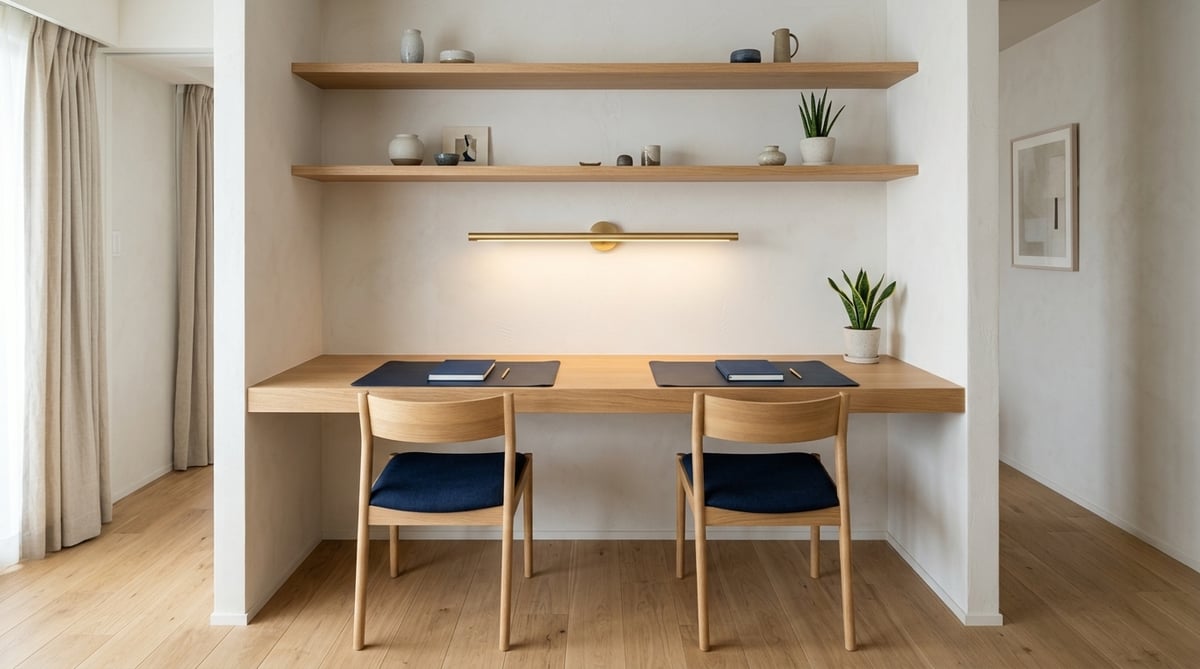
At 9:00 AM, fresh coffee is poured into a favorite generous mug, and the laptop screen opens across the work desk. Behind sound-insulated windows, the distant hum of the station and railway tracks fades away, leaving the gentle morning light from the southeastern window to trace serene patterns across the wooden flooring. After a focused morning of work, a short midday walk brings you to the banks of the Arakawa River just minutes away. Taking a deep breath under the expansive sky while gazing over the tranquil flowing water rests screen-weary eyes before stepping back inside for afternoon video conferences. This natural, balanced rhythm is the understated luxury that life in Kitasenju gracefully affords.
With five direct railway lines—JR Joban Line, Tokyo Metro Chiyoda Line, Tokyo Metro Hibiya Line, Tobu Skytree Line, and Tsukuba Express—Kitasenju Station is renowned as one of Tokyo's premier transit hubs. It provides effortless connectivity across the capital, reaching Otemachi in just 16 minutes direct, while connecting seamlessly without transfers to Kasumigaseki, Roppongi, Akihabara, and Ueno. Yet, stepping just a few streets away from the station reveals historic row houses, quiet residential lanes, and the refreshing openness of the riverbanks. As fully remote work and hybrid schedules of three to four days at home become mainstream, an increasing number of professionals consult on relocating to Kitasenju, seeking a tranquil work sanctuary without surrendering swift access to central Tokyo.
At the same time, the station plazas and surrounding Shukuba-machi shopping streets bustle with restaurants and commercial venues. Because so many railway tracks intersect here alongside busy arterial avenues, choosing the wrong location or building structure can quickly lead to frustrations: train noise filtering into business calls, dim daylight blocked by towering neighbors, or sluggish internet speeds stalling large file transfers.
In this guide, a licensed real estate broker with over a decade of hands-on advisory experience across Tokyo's eastern districts (Adachi, Katsushika, and Arakawa) explains essential criteria for choosing a remote-work rental in Kitasenju. From selecting quiet neighborhoods away from commercial bustle and evaluating reinforced concrete (RC) sound insulation to verifying dedicated fiber-optic internet and structuring layouts that cleanly separate work and rest, here is practical guidance drawn directly from the field.
30-Second Summary & Key TakeawaysSorAi Summary
- For professionals seeking telework-friendly rentals in Kitasenju, a licensed real estate broker provides practical insights on quiet, sunlit areas (such as Senju-Okawacho and Senju-Higashi), soundproof RC construction standards, FTTH fiber verification, and market rents by layout.
- Enjoy 5 direct railway lines (JR Joban, Chiyoda, Hibiya, Tobu, and Tsukuba Express) connecting directly to Otemachi, Roppongi, and Akihabara without changing trains.
- Utilize our practical checklist for day and night noise inspections to verify lease clauses and evaluate on-site conditions before signing, preventing unexpected acoustic issues or additional expenses.
## Finding Quiet and Natural Sunlight Around Kitasenju's 5-Line Terminal
Kitasenju Station ranks among the busiest transit hubs globally, surrounded by vibrant traditional neighborhoods. While central Tokyo access and daily amenities are extraordinary, balancing true quiet with consistent daylight throughout the day requires an understanding of Kitasenju's unique urban topography and zoning patterns.
### Terminal Convenience and the Living Environment Trade-off
Kitasenju's greatest strength is its extensive railway network linking directly to Tokyo's primary business centers. The Chiyoda Line connects straight to Otemachi, Hibiya, and Akasaka; the Hibiya Line reaches Ueno, Akihabara, Ginza, and Roppongi; and the Joban Rapid Line travels via the Ueno-Tokyo Line straight to Tokyo and Shinagawa. Furthermore, the Tobu Skytree Line offers through-service onto the Hanzomon Line toward Shibuya and Omotesando. When unexpected client visits or office days arise, commuting friction remains exceptionally low.
However, the immediate vicinity of the station is designated as commercial zoning, densely packed with izakayas, bars, karaoke venues, and late-night eateries. The West Exit plaza and surrounding streets around Nakacho and Senju 2-chome see high foot traffic late into the evening, with weekend street noise occasionally echoing into nearby homes. For a lifestyle centered on full-day concentration at home, choosing a building based purely on walking distance to the station can result in persistent disturbances from outdoor chatter, kitchen exhausts, and idling delivery vans. Expanding your walking radius to around 7 to 12 minutes—crossing past commercial boundaries into Category 1 Residential or Quasi-Industrial zones—is the essential first step toward lasting tranquility.
### Evaluating Zoning Designations for Reliable Sunlight
For a rewarding work-from-home routine, natural daylight is just as vital as acoustic privacy. A living space bathed in soft light from dawn until dusk helps maintain healthy daily rhythms without relying constantly on artificial ceiling lamps.
To ensure reliable sunlight in Kitasenju, attention must be paid to urban planning zoning and fronting street widths. In commercial zones directly adjacent to the station, building-to-land ratios of 80% and floor-area ratios of 400% to 500% allow mid-to-high-rise buildings to stand wall-to-wall. Even with a south-facing balcony, an adjacent building's corridor or exterior wall just meters away can block direct daylight throughout the day.
In contrast, Category 1 and Category 2 Residential zones located a short walk from the station impose building height caps, northern setback restrictions, and shadow regulations. Choosing a corner plot fronting a road of 6 meters or wider, or a property with 2- to 3-story detached houses on its southern side, significantly diminishes the risk of daylight being blocked now or in the future. Always review the designated zoning listed on property fact sheets and personally observe sun angles and surrounding building shadows around midday to early afternoon.
### Railway and Arterial Noise Guidelines
Because five lines converge and branch at Kitasenju, elevated and ground-level tracks run in multiple directions north and south of the station. Train frequencies on the JR Joban Line, Tobu Skytree Line, and Tsukuba Express are notably high, with rolling sounds and crossing signals continuing from early morning until midnight.
Train noise involves not only airborne sound waves but also structural vibrations traveling through soil and foundations. As a practical guideline, positioning yourself at a direct distance of 80 to 100 meters or more from tracks—ideally with other reinforced concrete buildings standing in between as sound barriers—substantially dampens noise levels inside the home.
Similar care applies to heavy vehicular traffic. The Nikko Kaido (National Route 4), running north-south on the West Exit side, handles significant commercial truck, route bus, and emergency vehicle traffic day and night. While condominiums along Route 4 often boast impressive facades and well-appointed common facilities, balconies facing the highway will inevitably invite traffic rumble indoors whenever windows are opened for fresh air. For those prioritizing peace, selecting a home situated one to two blocks inside the residential fabric off Route 4 is strongly recommended.
Online Consultation (No In-Person Visit Required) Sorai Tokyo Official
[\[Instant Calendar Booking\] Online Rental Consultation with a Dedicated Agent](https://soraitokyo.jp/consultation?hsLang=en)
Licensed real estate professionals specializing in Tokyo's eastern districts assist with refining your criteria, checking unlisted properties, and optimizing move-in costs via video consultation.
[Check Availability & Book →](https://soraitokyo.jp/consultation?hsLang=en)
Comprehensive Area Guide Sorai Tokyo Official
[【Chiyoda Line Area Guide】Direct Access to Otemachi! Station Comparison](https://soraitokyo.jp/area-guide-chiyoda-line?hsLang=en)
Complete rental and living guide for all stations on the Tokyo Metro Chiyoda Line, from Kita-Ayase and Kita-Senju to downtown Otemachi.
[Explore Chiyoda Line Guide →](https://soraitokyo.jp/area-guide-chiyoda-line?hsLang=en)
## Quiet Residential Enclaves Away from the Bustle (East Exit & Senju-Midoricho)
Kitasenju takes on strikingly different characters across its West and East Exits, as well as its northern and southern borders. From a leasing advisory perspective, optimal quiet and daylight for remote professionals are concentrated in specific residential pockets.
### East Exit (Senju-Asahicho & Hinodecho): Calm Enclaves Past Gakuen-dori
Exiting through Kitasenju Station's East Exit (Den-dai Exit), you are greeted by the Tokyo Senju Campus of Tokyo Denki University. Beyond the pedestrian concourse and plaza, the Gakuen-dori Asahicho shopping street extends eastward, lined with independent cafes and bakeries.
The distinctive advantage of the East Exit is the complete absence of nightlife entertainment districts once past the station plaza, presenting instead an academic, orderly atmosphere with peaceful residential streets. In particular, the area stretching from eastern Senju-Asahicho into Hinodecho sits comfortably removed from commercial bustle, offering an attractive blend of low-rise houses and reinforced concrete apartments.
Hinodecho borders the Arakawa River embankment, where tall structures are practically non-existent. South- and east-facing balconies open onto vast sky views, receiving generous sunlight from dawn onward. Additionally, Ushida Station on the Tobu Skytree Line and Keisei-Sekiya Station on the Keisei Main Line are within walking distance, providing alternate routes should train delays occur. Commuters also benefit from adjacent Ayase Station (where originating Chiyoda Line trains offer seated travel) and local grocery hubs such as Tokyu Store Ayase (open until 23:00) and Belx supermarkets nearby.
### West Exit (Senju-Midoricho & Senju-Kawaracho): Peaceful Enclaves West of Route 4
For those who appreciate having Lumine and Marui directly connected to the station on the West Exit side, quiet living can be found west of the Nikko Kaido (Route 4) in Senju-Nakaicho, Senju-Midoricho, and Senju-Kawaracho.
Descending the West Exit pedestrian deck and heading straight west along the main avenue (Kita-road 1010) brings you to the broad Route 4 intersection. Once past this crossing, the station bustle recedes quickly, transforming into a calm residential neighborhood with comfortable street widths.
Historically home to papermaking and craft workshops, Senju-Midoricho has matured into an established residential district. It is close to the Sumida River Super Levee, where riverside promenades (Sumida River Terrace) serve as serene morning and evening walking trails. In addition, Senju-Ohashi Station on the Keisei Line and the Ponte Porta Senju shopping mall (featuring a Life supermarket, medical clinics, and a large drugstore) are within easy reach, making grocery trips remarkably convenient for home cooks.
### Beyond Shukuba-machi (Senju 4-chome & 5-chome): Historic Low-Rise Living
Another West Exit option is following the historic Shukuba-machi shopping street (Sun Road) northward into Senju 4-chome and Senju 5-chome.
Walking north from the station, lively izakaya lights give way to historic public baths (sento) and renovated traditional kissaten cafes. At Senju 5-chome, the road connects directly to the sloped path leading up to the Arakawa riverbanks. Zoned largely as Category 1 Residential, mid-to-high-rise construction is strictly limited here, making it easier to find low-rise RC apartments with open, sun-filled southern exposures.
East Exit Area (Senju-Asahicho & Hinodecho)
Academic Serenity and Open Riverbank Horizons
Zero entertainment nightlife districts past the station plaza; safe and quiet evening walks
3 to 5 minutes to Arakawa River; unobstructed expansive skies and rich daily sunlight
Gakuen-dori is lined with inviting cafes, artisanal bakeries, and deli shops
Gakuen-dori serves as a university pedestrian route in late afternoon; check foot traffic by time of day
West Exit Area (Senju-Midoricho & Senju-Nakaicho)
Commercial Amenities and Wide Streets for Comfortable Living
Crossing Route 4 places you in a tranquil residential quarter well removed from station noise
Convenient everyday grocery access via Ponte Porta Senju and Life supermarket
Abundant condominium-grade RC residences equipped with higher building and soundproof specs
Pedestrian traffic signals across Route 4 add about 1 to 2 minutes to station commutes
Scroll horizontally to see full table →
| Area & Neighborhood | Walk to Station | Approx. 1LDK Rent | Day & Night Quiet | Sunlight & Openness | Telework Rating |
| --- | --- | --- | --- | --- | --- |
| East Exit: Senju-Asahicho | 5–8 min walk | 125,000–145,000 yen | Good (Residential) | Moderate to Good | ★★★★☆ |
| East Exit: Hinodecho | 9–13 min walk | 115,000–135,000 yen | Excellent (Low traffic) | Excellent (Riverbank adjacent) | ★★★★★ |
| West Exit: Senju-Midoricho | 10–14 min walk | 120,000–140,000 yen | Excellent (Quiet residential) | Good (Generous street widths) | ★★★★★ |
| West Exit: Senju-Nakaicho | 7–10 min walk | 130,000–150,000 yen | Good (Stepped back from Route 4) | Standard (Mid-rise neighbors) | ★★★★☆ |
| West Exit: Senju 4 & 5-chome | 8–12 min walk | 118,000–138,000 yen | Good (Serene evenings) | Good (Low-rise zone) | ★★★★☆ |
SORAI INSPECTION / 100% Online in as Little as 10 Seconds
### \[SorAi Inspection Report\] Objective Evaluation of Hazard Risks, Building Quality & Initial Costs
Simply share a listing URL from portal sites (such as SUUMO or HOME'S). Receive an objective evaluation covering flood hazards, building specifications, and fair initial cost assessments powered by public datasets and proprietary AI.
[Open Full Screen in New Window](https://inspection.soraitokyo.jp/?ref=blog_embed_ext&lang=en&utm_source=blog_mid_cta&utm_medium=cta&utm_campaign=unified_cta_inspection) [Consult Directly via Official LINE](https://line.me/R/ti/p/@soraitokyo)
Explore other complimentary SorAi tools:[SorAi Initial Cost Simulator →](https://soraitokyo.jp/en/quote?ref=blog_mid_cta_aux&lang=en&utm_source=blog_mid_cta&utm_medium=aux_link&utm_campaign=unified_cta_simulator&hsLang=en) [SorAi Request →](https://hearing.soraitokyo.jp/?start=true&ref=blog_mid_cta_aux&lang=en&utm_source=blog_mid_cta&utm_medium=aux_link&utm_campaign=unified_cta_request)
Completely free to use, 100% online
Related Guide
[\[Chosen by Otemachi Commuters\] Chiyoda Line "Downtown Adachi-Arakawa (Kitasenju / Machiya)" vs. "Within Yamanote Loop Bunkyo Plateau (Sendagi / Nezu)": The Reality Behind a 30,000 Yen Rent Gap](https://soraitokyo.jp/en/blog/chiyoda-line-downtown-vs-yanesen-comparison?hsLang=en)
[Read Article →](https://soraitokyo.jp/en/blog/chiyoda-line-downtown-vs-yanesen-comparison?hsLang=en)
Related Recommendation
[Escape Soaring Central Tokyo Rents: Save ¥400,000+ a Year on the Chiyoda Line (Kita-Ayase to Machiya) Smart Relocation Guide | Sorai Tokyo](https://soraitokyo.jp/en/blog/inflation-defense-chiyoda-commute-guide-2026?hsLang=en)
[Read Article →](https://soraitokyo.jp/en/blog/inflation-defense-chiyoda-commute-guide-2026?hsLang=en)
## Vital Lifelines for Remote Work: Evaluating RC Soundproofing and Gigabit Fiber (FTTH)
Once you narrow down target neighborhoods, the next critical step is rigorously evaluating building specifications. For everyday telework, satisfaction depends far more on reliable sound insulation between neighbors and unbroken, high-speed internet infrastructure than on interior surface finishes or building age.
### Soundproofing Across Building Structures (Wood, Steel, RC, and SRC)
Rental properties typically fall into five structural categories: Wooden (W), Light-Gauge Steel (S), Heavy-Gauge Steel, Reinforced Concrete (RC), and Steel Reinforced Concrete (SRC). If you regularly conduct Zoom or Microsoft Teams voice calls and need undisturbed focus throughout the day, standard selection criteria should focus on RC or SRC construction.
While wooden and light-gauge steel buildings boast lower construction costs—translating into budget-friendly rents—even walls filled with acoustic insulation (such as glass wool) cannot match the mass-law sound attenuation provided by dense concrete. Voices from adjacent apartments, typing clicks, closing doors, and footsteps from above transmit relatively easily, often creating mutual self-consciousness regarding daily household sounds.
By contrast, concrete in RC and SRC buildings possesses a high specific gravity (around 2.3 t/m³), acting under the physical law of mass to reflect airborne sound waves effectively. Under acoustic guidelines established by the Architectural Institute of Japan, properly designed RC and SRC condominiums are by far the most consistent in achieving D-50 ratings (a level where normal conversational voices next door remain barely perceptible).
### Party Wall Thickness and Neighboring Sounds: Direct Finish vs. Double-Stud Walls
Even within RC condominiums, assuming that every building is automatically quiet requires caution. In field assessments, we always inspect the structure and thickness of party walls (kaiheki) dividing adjacent units.
Under Article 30 of the Building Standards Act and Article 22-3 of its Enforcement Order, mandatory sound insulation performance applies to party walls in multi-family dwellings. However, some rental apartment buildings utilize concrete party walls measuring only around 150 mm thick. For dependable silence during remote work, concrete party wall thicknesses of 180 mm or more (preferably 200 mm or more) serve as an ideal benchmark.
Interior wall finishing methods also warrant close examination. A "direct finish" (where wallpaper is applied directly onto smoothed concrete) is free from drum-like cavity resonance, preserving consistent soundproofing. Conversely, a "double-stud gypsum board wall" (where studs and plasterboards are built in front of the concrete wall with an air cavity) can sometimes induce low-frequency resonance depending on cavity depth and installation quality, causing deeper vocal frequencies (such as male speaking registers) to transmit into neighboring rooms. During an in-person viewing, gently tap the party wall with your palm to verify a solid, dense response rather than a hollow drumming echo.
### Window Soundproofing Ratings (T-2 to T-3) and Double-Sash Windows
Another pivotal element governing indoor tranquility is window sash performance. Even when surrounded by heavy concrete, acoustic energy enters a room through its thinnest barriers: the window openings.
Under Japanese Industrial Standards (JIS), acoustic performance for window sashes is classified by T-ratings. Standard single-pane aluminum sashes generally achieve only T-1 (reducing sound levels by roughly 25 dB). However, keeping interior spaces quiet near railways or major roads requires T-2 (30 dB reduction) or T-3 (35 dB reduction) soundproof sashes, or secondary inner windows (double sashes) installed inside existing frames.
Even if outdoor traffic or passing trains generate 70 dB of exterior noise, a T-3 sash or inner secondary window reduces interior noise to approximately 35 dB (comparable to a tranquil suburban night or a quiet library reading room). In addition to acoustic defense, double sashes deliver thermal insulation that limits winter drafts and condensation while curbing summer heat gain, substantially improving air conditioning efficiency and lowering utility bills.
### Internet Architecture: The Critical Distinction Between VDSL and Direct Fiber (FTTH)
Even when listings advertise "Internet Compatible" or "Equipped with Optical Fiber," verifying exact internal cabling methods is vital. This is one of the most frequently overlooked nuances in real estate listings.
In residential buildings, optical fiber runs from utility poles to the property's main distribution frame (MDF). How that signal travels from the MDF to individual residences determines actual performance across three main types.
First is the "VDSL method," commonly found in older apartments. This architecture utilizes vintage analog copper telephone lines (metal twisted pairs) between the MDF and each apartment. Theoretical maximum speeds are capped at 100 Mbps downstream. During peak evening hours (20:00 to 23:00) or high-traffic periods, shared bandwidth bottlenecks often cause throughput to plummet, triggering stuttering video and interrupted audio during calls.
Second is the "LAN distribution method," where Ethernet cables run to each unit. If Category 5e or higher cables are installed, downstream speeds can support up to 1 Gbps, although performance remains dependent on aging switching hubs in the common areas.
The most dependable choice for remote work is the third type: "Direct Fiber-to-the-Home (FTTH)." Here, dedicated optical fiber cables run unbroken from the utility pole directly into modular optical outlets (fiber jacks) inside your specific apartment. Transmission loss is negligible, supporting dedicated bandwidths from 1 Gbps up to 10 Gbps upstream and downstream. Large file uploads and high-definition multi-party screen sharing proceed smoothly without lag.
Licensed Broker's Practical Advice
#### Steps to Verify Direct Fiber (FTTH) During Viewings & Before Contracting
When listing materials state only "Fiber Compatible," marketing floor plans rarely clarify whether the building uses VDSL or direct fiber. Follow these two diagnostic steps to be certain:
- **Check wall outlets inside the unit**: During your viewing, examine the multimedia wall plate to see if there is an optical port stamped with the kanji for light or "SC Optical Outlet." If only an RJ-11 modular telephone jack is present, the building is almost certainly running VDSL.
- **Run an address lookup on the NTT East portal**: Even prior to viewings, querying the official building name and apartment unit number on NTT East's "FLET'S Hikari Service Area Search" reveals whether the address is provisioned for "Mansion Type (Direct Fiber)" or "Mansion Type (VDSL)." Contact Sorai Tokyo, and our team will gladly confirm the connection type for prospective properties in advance.
Scroll horizontally to see full table →
| Evaluation Item | Compromise Line (Standard Living) | Remote Work Benchmark (High Focus) | On-Site Verification Method |
| --- | --- | --- | --- |
| Basic Structure | Steel frame (Heavy-gauge steel) | Reinforced Concrete (RC / SRC) | Listing floor plan & official property registry |
| Party Wall Thickness | 150 mm or more | 180 mm to 200 mm+ (Direct finish preferred) | Architectural specs sheet & wall tap test |
| Window Soundproofing | T-1 sash (Single-pane glass) | T-2 to T-3 sash / Double sash (Insulated glass) | JIS rating stickers on sash & glass markings |
| Internet Infrastructure | LAN wiring (Shared 1 Gbps) | Direct Optical Fiber (FTTH straight to unit) | Presence of optical wall jack & provider check |
## Separating Desk and Bed: 1DK and 1LDK Layouts Tailored for Telework
A frequent challenge for full-time teleworkers is blurred boundaries between work and personal rest, making mental disengagement difficult. When your bed remains constantly in sight while you work, concentration tends to fracture, and the quiet tension of the workday lingers long after closing your computer. In compact residential spaces, striking an intentional balance between an independent workspace and a relaxing living area is the hallmark of thoughtful floor plan selection.
### Zoning 1K and Studio Layouts for Clean Mental Separation
Even when opting for a 1K or studio apartment around 25 m² to keep monthly rent economical, smart zoning can transform the space. Placing the bed centrally and squeezing a work desk into whatever corner remains inevitably restricts room circulation.
To establish an effective remote-work setup in a 1K apartment, intentional visual zoning through furniture placement is key. Position the bed along the far wall away from the entrance, and set up a 100 to 120 cm work desk near the window on the near side. Placing an open wooden shelving unit between them maintains natural light transmission without creating claustrophobia, psychologically demarcating the bedroom zone from the work zone. Arranging your desk so that the bed does not appear behind you also keeps video call backgrounds clean, tidy, and professional.
### Crafting a Dedicated Workspace in 1DK and 1LDK Apartments
When budget permits, a 1DK or 1LDK apartment spanning 32 m² to 40 m² offers an ideal solution. In Kitasenju, 1DK units built 15 to 25 years ago can often be found in the lower 100,000s yen per month—securing two distinct rooms for roughly the same budget as a newer 1K in central Tokyo.
In a 1DK layout, the dining-kitchen area (6 to 8 tatami mats) can accommodate a dining table for meals and relaxation, leaving the inner room (4.5 to 6 tatami mats) to serve entirely as a dedicated workspace and bedroom. Closing sliding doors isolates cooking aromas and kitchen appliance sounds, creating a tranquil environment for focused tasks. The simple physical act of closing the room door at the end of the day provides a satisfying, clear transition into your evening rest.
### Optimizing Camera Angles, Wall Outlets, and Window Placement
When reviewing floor plans during viewings, examine the spatial relationship between the desk wall, power outlets, and window positions.
A key setup to avoid is positioning your desk directly in front of a window with your back turned to it. Backlit video cameras leave your face shadowed and dark on screen. Even when utilizing virtual backgrounds, camera edges often glitch or look unnatural.
The recommended layout allows soft daylight to enter from the side or at a slight forward angle relative to your desk. This lights your face naturally and cleanly for video calls. Additionally, ensure the desk wall features sufficient electrical outlets to accommodate your PC, secondary monitors, chargers, and desk lamp without running extension cords across primary walking paths.
### Aligning Your Desk to South and East Exposures
Making the most of natural daylight depends on how your desk aligns with compass orientations. For teleworkers active from early morning, east-facing windows offer substantial advantages. Gentle morning light illuminates the desk area, facilitating an energetic, natural transition into morning tasks.
South-facing rooms provide generous, consistent illumination all day. However, harsh direct midday sunlight reflecting off computer monitors can reduce screen visibility and tire your eyes. When arranging a workspace beside south-facing glass, installing adjustable sheer roll screens or horizontal blinds softens direct sunbeams, creating an even, glare-free working ambience.
## Recharging and Daily Movement: Arakawa Riverbank Walks & Work-Friendly Cafes
A subtle hazard of remote work is physical stagnation and mental fatigue caused by fewer reasons to step outside. A major reason remote professionals rate Kitasenju so highly is the wealth of rejuvenating outdoor spaces and third places situated right at their doorstep.
### The Expansive Arakawa River: Refreshing Waterside Walks Within Minutes
Flowing past the northeastern edge of Kitasenju, the Arakawa River is accessible in just 3 to 5 minutes on foot from Senju-Asahicho, Hinodecho, or Senju 5-chome.
Standing on the levee embankment opens up panoramic, uncluttered horizons virtually untouched by high-rise towers. Featuring the Rainbow Plaza (Niji no Hiroba) with seasonal tulip blooms, well-paved cycling trails, and wide lawns, a 20-minute stroll enjoying fresh river breezes between assignments offers a wonderful mental reset. Morning jogs and sunset walks integrate naturally into daily routines, helping maintain vitality and steady focus.
### Coworking Spaces and Change-of-Pace Work Hubs Around the Station
Whenever you need a change of scenery or an acoustically sealed private booth for critical presentations, Kitasenju's surrounding work hubs provide comprehensive support.
Around the station, you will find 24-hour facilities such as BIZcomfort Kitasenju (in Senju-Asahicho and Senju 3-chome), Good Office Kitasenju, private soundproof booths at ZXY Kitasenju, and JR STATION BOOTH pods right beside the ticket gates. Furthermore, quiet coffee shops in residential Senju-Higashi and book cafes repurposed from historic wooden homes in Senju-Nakacho offer peaceful work atmospheres with reliable Wi-Fi and power outlets.
### Local Shopping Streets and Takeaway Lunches
Choosing midday meals is another everyday joy of working from home. Several vibrant traditional shopping avenues radiate from Kitasenju Station, including Kita-road 1010, Shukuba-machi Street, Gakuen-dori, and Senju Nico Nico Street.
At noon, the enticing aromas of freshly cooked delicacies waft from neighborhood butcher shops, while local delicatessens display homemade simmered dishes, grilled fish, and bento boxes. Securing warm, nutritious meals at friendly prices relieves the burden of cooking every day while supporting a balanced diet. Enjoying warm, everyday interactions with local independent shopkeepers is one of the heartwarming charms of daily life in historic Kitasenju.
## Essential Practical Checklist: Inspecting Noise Day and Night
To avoid unexpected surprises after signing your lease, keep these practical on-site inspection points in mind. Evaluating a property requires listening to actual soundscapes and checking daylight on-site rather than relying solely on floor plans.
### Ambient Noise Shifts: Weekday Daytime vs. Evenings and Weekends
A common pitfall when searching for remote-work apartments is touring properties only on weekend afternoons. On weekends, nearby construction sites pause, delivery trucks are fewer, and neighbors are frequently out, giving an impression of exceptional quiet that may not reflect normal workdays.
However, remote work takes place predominantly on weekday mornings and afternoons (9:00 to 18:00). Sounds from nearby schools or nurseries, fronting road traffic, and commercial mechanical equipment can only be assessed on a weekday. Conversely, late in the evening (after 20:00 or 22:00), background ambient noise drops, making distant train rumbles or footsteps from adjacent units far more noticeable. When possible, view the property during weekday business hours and take an evening walk past the neighborhood before finalizing your contract.
### What Common Corridors, Stairs, and Trash Areas Reveal About Management
Before stepping inside the apartment itself, carefully observe common area maintenance. Corridors, elevator landings, bicycle parking areas, and garbage disposal stations reflect how well the building is managed and how considerate current residents are.
Check whether personal belongings have been left in hallways, whether unsolicited flyers overflow around mailboxes, whether harsh warning signs regarding domestic noise or trash disposal are posted on bulletin boards, and whether garbage stations are kept clean. Properties with meticulous common area management rarely experience resident conflicts. Take in both the apartment interior and the health of the common areas.
### Acoustic Reverberation Tests with Windows Open and Closed
Once inside the room, stand in the center and open the windows to listen carefully to ambient outdoor sounds. Gauge the types and volume of sounds that enter, including traffic rumble, railway crossing bells, and pedestrian voices.
Next, close the window sashes and lock the crescent latch to evaluate how much sound is blocked. Clap your hands firmly inside the room to confirm that sound does not resonate hollowly into neighboring walls and that proper air-tightness is maintained. Finally, turn on the bathroom and kitchen exhaust fans to verify that whistling sounds or intense drafts do not develop around air supply vents.
STEP 01
Weekday Daytime Viewing
Assess living sounds, daylight, and street traffic during actual business hours
STEP 02
Common Area Audit
Inspect trash storage, bike parking, and bulletin notices to evaluate management quality
STEP 03
Acoustic & Fiber Checks
Perform wall percussion tests, window sound checks, and confirm optical fiber outlets
STEP 04
Evening Neighborhood Visit
Confirm commute walking routes, streetlight brightness, and night quiet during return hours

SorAi Real-Time Rental Concierge Online 24/7
Official AI answers your questions 24/7
[Continue on Official LINE (24/7 Free)](https://page.line.me/soraitokyo?oat_content=url&openQrModal=true&utm_source=soraitokyo_website&utm_medium=blog_inline_chat&utm_campaign=line_btn) [Privacy Policy](https://soraitokyo.jp/en/privacy-policy)

Thank you for reading this guide. I am SorAi, your official real estate AI concierge.
Feel free to ask any questions about apartment viewing checkpoints, layout comparisons, soundproofing, or natural lighting in Tokyo.
Quick questions:
Summarize apartment viewing points
Viewing measurements and soundproofing
Comparing layouts and living flows
Sunlight, humidity, and neighborhood
[Continue on Official LINE (Free)](https://page.line.me/soraitokyo?oat_content=url&openQrModal=true&utm_source=soraitokyo_website&utm_medium=blog_inline_chat&utm_campaign=line_btn)
Send
No phone number required. Feel free to consult at your own pace 24/7.
### Featured Tokyo Living Guides
SorAi Editorial
Swipe
#### [ Chiyoda Line / Redevelopment Kitasenju Redevelopment & Livability 2026: 5 Train Lines, Shopping & Housing | Sorai Tokyo Read Guide →](https://soraitokyo.jp/en/blog/area-guide-kitasenju-redevelopment-trend-2026?hsLang=en)
#### [ Featured Area / Origin Station Ayase Neighborhood & Safety Guide 2026: North vs South Exit, Rent & Chiyoda Line Commute | Sorai Tokyo Read Guide →](https://soraitokyo.jp/en/blog/area-guide-ayase?hsLang=en)
#### [ Rent Market / Solo Living Kita-Ayase Solo Living Guide: Rent Averages from ¥50,000s & Chiyoda Line Origin Perks | Sorai Tokyo Read Guide →](https://soraitokyo.jp/en/blog/kita-ayase-single-rent-budget-simulation?hsLang=en)
## Frequently Asked Questions (FAQ)
When working from home, daily well-being hinges on acoustic serenity, natural daylight, and dependable neighborhood amenities. Combining a 5-line terminal connecting straight into downtown Tokyo with open skies along the Arakawa River and quiet interior environments, Kitasenju's residential quarters offer an exceptional foundation for telework living.
Should you have any questions or uncertainties regarding your home search, please feel free to reach out to Sorai Tokyo. Whether using the sticky bottom navigation on your mobile screen or the footer on desktop, our suite of complimentary smart tools (SorAi)—including the Initial Cost Simulator—is always ready to assist. As your neighborhood advisors, we are dedicated to helping you create a serene, fulfilling lifestyle in Tokyo.
### QWhat is the expected monthly rent for a quiet, sunlit RC apartment in Kitasenju?
AFor a single-occupancy 1K apartment (around 25 m²) in a reinforced concrete (RC) building offering reliable acoustic insulation and daylight, expect around 80,000 to 95,000 yen per month, including management fees. For 1DK to 1LDK floor plans (around 32 to 42 m²) that allow a clean separation between your work desk and bed, standard rates range from 115,000 to 145,000 yen. Expanding your search to a 10- to 12-minute walk from the station—toward Hinodecho on the East Exit or Senju-Midoricho on the West Exit—makes it much easier to find spacious layouts and upgraded building specifications within the same budget.
### QIf a listing states "Optical Fiber Compatible," does that guarantee high-speed direct fiber (FTTH)?
ANot necessarily. In older apartment buildings, even if optical fiber reaches the common utility room, in-building distribution to each unit may rely on vintage telephone wiring via the VDSL method (capped at 100 Mbps downstream). Rather than relying solely on the listing description, verify whether an optical wall port (SC connector) exists inside the unit during your viewing, or query the official address and building name on NTT East's website beforehand. You can also share the building name with Sorai Tokyo's official LINE account, and our advisors will gladly confirm the wiring method for you in advance.
### QBetween the East Exit (Senju-Asahicho) and West Exit (Senju-Midoricho), which is better suited for telework?
AThe ideal choice depends on your daily lifestyle preferences. If you value jogging or walking along the Arakawa River levee and prefer returning home without passing through commercial entertainment zones, the East Exit (Senju-Asahicho and Hinodecho) offers a serene, academic atmosphere. On the other hand, if you prioritize grocery shopping at large supermarkets (such as Life) and want well-appointed RC condominium specifications, the areas west of Route 4 (Senju-Midoricho and Senju-Kawaracho) are outstanding. Both areas deliver an excellent balance of acoustic calm and daylight for remote work, so exploring them on foot will help confirm which environment resonates best with your personal routine.

Author: Sorai Tokyo Editorial Team (Supervised by Licensed Real Estate Agents)
A real estate consulting team specializing in assisting foreign nationals find rooms and explaining initial costs in Tokyo. We break down language barriers and differences in customs, offering dedicated support in Japanese, English, and Vietnamese for a safe and secure start to your new life.
 SORAI TOKYO | Chat with AI "SorAi" Anytime on LINE
### Exploring Tokyo Neighborhoods or Apartments? Ask Our AI "SorAi" Anytime on LINE
No property URL needed yet. From area safety, commute tips, and rent trends to instant initial-cost audits for listings you found—chat with SorAi 24/7 on LINE with zero sales calls.
STEP 1
Ask Anything on LINE
Ask about areas & rent, or send a listing URL anytime
→
STEP 2
24/7 Instant Reply by SorAi
Objective area data, live vacancy & fee breakdown
→
STEP 3
Explore at Your Own Pace
Zero sales calls. Meet on-site only when ready to view
24/7 Instant / Most Popular
#### ① Chat with AI "SorAi" on LINE (Free)
Ask about neighborhoods, rent trends, or share any listing URL on LINE. SorAi & our bilingual concierge check live vacancy and upfront fee breakdowns with zero sales pressure.
[Chat with SorAi on LINE (Free) ➔](https://lin.ee/VE8fd8b?utm_source=soraitokyo_blog&utm_medium=cta&utm_campaign=bottom_cta&utm_content=line)
Web Audit
#### ② SorAi Property Report
Already found a listing? Submit the URL or floor plan on the web for an instant objective breakdown of move-in costs and neighborhood data.
[View Report (Free) ↗](https://inspection.soraitokyo.jp/?ref=blog_bottom_cta)
Wait for New Listings
#### ③ SorAi Housing Needs
Select your budget, layout, and must-have conditions in 30 seconds to receive matching listings at your own pace.
[Organize Criteria (Free) ➔](https://soraitokyo.jp/en/request?ref=blog_bottom_cta&hsLang=en)
Instant Move-in Estimate
#### ④ SorAi Move-in Estimator
Enter rent and management fees to quickly estimate standard upfront contract costs and potential savings.
[Check Estimates (Free) ➔](https://soraitokyo.jp/en/quote?ref=blog_bottom_cta&hsLang=en)
※ Consultations are 100% free. No phone number required, zero pushy calls—everything is completed smoothly on LINE.
この記事をシェアする
\# エリアガイド# 北千住
[ SORAI TOKYO](https://soraitokyo.jp/en/)
Sorai Tokyo Co., Ltd.
Room 102, 1-7-14 Yanaka, Adachi-ku, Tokyo, 120-0006
03-6161-8484
[contact@soraitokyo.jp](mailto:contact@soraitokyo.jp)
Tokyo Metropolitan Governor (1) No. 113297
(License Date: December 20, 2025)
### Sitemap
- [About Us](https://soraitokyo.jp/en/about-us)
- [Testimonials](https://soraitokyo.jp/en/testimonials)
- [Chiyoda Line Guide](https://soraitokyo.jp/en/area-guide-chiyoda-line)
- [Sorai Journal](https://soraitokyo.jp/en/blog)
- [FAQs](https://soraitokyo.jp/en/faqs)
- [Contact](https://soraitokyo.jp/en/contact)
- [SorAi Request](https://soraitokyo.jp/en/request)
### Business Hours
**10:00 〜 18:00**
Closed: **Tuesday & Wednesday**
Inquiries via LINE, SNS, and email are accepted 24/7.
[View on Google Maps](https://maps.google.com/?q=%E6%9D%B1%E4%BA%AC%E9%83%BD%E8%B6%B3%E7%AB%8B%E5%8C%BA%E8%B0%B7%E4%B8%AD1-7-14) [Book Online Meeting](https://soraitokyo.jp/en/consultation?hsLang=en)
### Multilingual Services
Our professional staff are fluent in Japanese, English, Vietnamese, Russian, and Indonesian to support you from room hunting to contract signing.
[🇯🇵 日本語](https://soraitokyo.jp/ja/blog/kita-senju-telework-quiet-rentals?hsLang=ja) [🇺🇸 English](https://soraitokyo.jp/en/blog/kita-senju-telework-quiet-rentals?hsLang=en) [🇻🇳 Tiếng Việt](https://soraitokyo.jp/vi/blog/kita-senju-telework-quiet-rentals?hsLang=vi) [🇷🇺 Русский](https://soraitokyo.jp/ru/blog/kita-senju-telework-quiet-rentals?hsLang=ru) [🇮🇩 Indonesia](https://soraitokyo.jp/id/blog/kita-senju-telework-quiet-rentals?hsLang=id)
### Inquire via Social Media
[Privacy Policy](https://soraitokyo.jp/en/privacy-policy) | [Privacy & Security](https://soraitokyo.jp/en/security)
Copyright © 2026 株式会社ソライ東京 (Sorai Tokyo Co., Ltd.) All Rights Reserved.
[Chat with SorAi](https://page.line.me/soraitokyo?oat_content=url&openQrModal=true&utm_source=soraitokyo_website&utm_medium=line_button&utm_campaign=chatbot_popover)
SorAi Chat

#### SorAi
Online (Multilingual Support)
×
[Chat with SorAi](https://page.line.me/soraitokyo?oat_content=url&openQrModal=true&utm_source=soraitokyo_website&utm_medium=chatbot_header&utm_campaign=line_btn) [Email Us](https://soraitokyo.jp/en/contact?hsLang=en)
[Get "SorAi" on LINE (24/7 Free)](https://page.line.me/soraitokyo?oat_content=url&openQrModal=true&utm_source=soraitokyo_website&utm_medium=line_button&utm_campaign=floating_btn)
 SorAi | 24/7 AI Rental Chat No signup・100% online
TOC
### Table of Contents
×
```json
{
"@context" : "https://schema.org",
"@type" : "BlogPosting",
"author" : {
"@type" : "Person",
"name" : "ソライ東京編集部",
"url" : "https://soraitokyo.jp/en/blog/author/ソライ東京編集部"
},
"datePublished" : "2026-08-18T18:24:46.000Z",
"headline" : "Remote Work in Kitasenju: Finding Quiet, Sunlit Rental Apartments & Soundproofing Tips | Sorai Tokyo | Sorai Tokyo",
"image" : [ "https://soraitokyo.jp/hubfs/blog-eyecatches/batch7_window_bench_lounge.jpg" ],
"mainEntityOfPage" : {
"@id" : "https://soraitokyo.jp/en/blog/kita-senju-telework-quiet-rentals",
"@type" : "WebPage"
},
"publisher" : {
"@type" : "Organization",
"logo" : {
"@type" : "ImageObject",
"url" : "https://soraitokyo.jp/hubfs/small_logo(color)%20(2)-1.png"
},
"name" : "株式会社ソライ東京"
}
}
```
```json
{
"@context" : "https://schema.org",
"@type" : "FAQPage",
"mainEntity" : [ {
"@type" : "Question",
"acceptedAnswer" : {
"@type" : "Answer",
"text" : "For a single-occupancy 1K apartment (around 25 m²) in a reinforced concrete (RC) building offering reliable acoustic insulation and daylight, expect around 80,000 to 95,000 yen per month, including management fees. For 1DK to 1LDK floor plans (around 32 to 42 m²) that allow a clean separation between your work desk and bed, standard rates range from 115,000 to 145,000 yen. Expanding your search to a 10- to 12-minute walk from the station—toward Hinodecho on the East Exit or Senju-Midoricho on the West Exit—makes it much easier to find spacious layouts and upgraded building specifications within the same budget."
},
"name" : "What is the expected monthly rent for a quiet, sunlit RC apartment in Kitasenju?"
}, {
"@type" : "Question",
"acceptedAnswer" : {
"@type" : "Answer",
"text" : "Not necessarily. In older apartment buildings, even if optical fiber reaches the common utility room, in-building distribution to each unit may rely on vintage telephone wiring via the VDSL method (capped at 100 Mbps downstream). Rather than relying solely on the listing description, verify whether an optical wall port (SC connector) exists inside the unit during your viewing, or query the official address and building name on NTT East's website beforehand. You can also share the building name with Sorai Tokyo's official LINE account, and our advisors will gladly confirm the wiring method for you in advance."
},
"name" : "If a listing states \"Optical Fiber Compatible,\" does that guarantee high-speed direct fiber (FTTH)?"
}, {
"@type" : "Question",
"acceptedAnswer" : {
"@type" : "Answer",
"text" : "The ideal choice depends on your daily lifestyle preferences. If you value jogging or walking along the Arakawa River levee and prefer returning home without passing through commercial entertainment zones, the East Exit (Senju-Asahicho and Hinodecho) offers a serene, academic atmosphere. On the other hand, if you prioritize grocery shopping at large supermarkets (such as Life) and want well-appointed RC condominium specifications, the areas west of Route 4 (Senju-Midoricho and Senju-Kawaracho) are outstanding. Both areas deliver an excellent balance of acoustic calm and daylight for remote work, so exploring them on foot will help confirm which environment resonates best with your personal routine."
},
"name" : "Between the East Exit (Senju-Asahicho) and West Exit (Senju-Midoricho), which is better suited for telework?"
} ]
}
```
```json
{
"@context" : "https://schema.org",
"@type" : "BlogPosting",
"author" : {
"@type" : "Person",
"name" : "Author: Sorai Tokyo Editorial Team (Supervised by Licensed Real Estate Agents)"
},
"dateModified" : "2026-10-03T11:49:14Z",
"datePublished" : "2026-10-03T11:49:14Z",
"description" : "Discover quiet, sunlit rental apartments in Kitasenju for remote work. Learn top neighborhood picks, RC soundproofing tips, and fiber internet guides from local pros.",
"headline" : "Remote Work in Kitasenju: Finding Quiet, Sunlit Rental Apartments & Soundproofing Tips | Sorai Tokyo",
"inLanguage" : "en",
"publisher" : {
"@type" : "Organization",
"name" : "Sorai Tokyo",
"url" : "https://soraitokyo.jp"
}
}
```
```json
{
"@context" : "https://schema.org",
"@type" : "BlogPosting",
"author" : {
"@type" : "Organization",
"knowsAbout" : [ "東京メトロ千代田線", "賃貸不動産仲介", "宅地建物取引業", "初期費用適正化", "重要事項説明(IT重説)" ],
"name" : "Sorai Tokyo Editorial Team (Supervised by Licensed Real Estate Agents)",
"url" : "https://soraitokyo.jp/en/about-us"
},
"dateModified" : "2026-10-07T17:58:25+0000",
"datePublished" : "2026-08-18T18:24:46+0000",
"description" : "Discover quiet, sunlit rental apartments in Kitasenju for remote work. Learn top neighborhood picks, RC soundproofing tips, and fiber internet guides from local pros.",
"headline" : "Remote Work in Kitasenju: Finding Quiet, Sunlit Rental Apartments & Soundproofing Tips | Sorai Tokyo",
"image" : "https://soraitokyo.jp/hubfs/blog-eyecatches/batch15_05_dual_monitor_minimal_desk_alcove.jpg",
"inLanguage" : "en",
"mainEntityOfPage" : {
"@id" : "https://soraitokyo.jp/en/blog/kita-senju-telework-quiet-rentals",
"@type" : "WebPage"
},
"publisher" : {
"@type" : "Organization",
"logo" : {
"@type" : "ImageObject",
"url" : "https://soraitokyo.jp/hubfs/raw_assets/public/soraitokyo-theme/assets/logo.png"
},
"name" : "Sorai Tokyo Co., Ltd.",
"url" : "https://soraitokyo.jp/en/"
},
"url" : "https://soraitokyo.jp/en/blog/kita-senju-telework-quiet-rentals"
}
```
```json
{
"@context" : "https://schema.org",
"@type" : "BreadcrumbList",
"itemListElement" : [ {
"@type" : "ListItem",
"item" : "https://soraitokyo.jp/en/",
"name" : "Home",
"position" : 1
}, {
"@type" : "ListItem",
"item" : "https://soraitokyo.jp/en/blog",
"name" : "Blog",
"position" : 2
}, {
"@type" : "ListItem",
"item" : "https://soraitokyo.jp/en/blog/kita-senju-telework-quiet-rentals",
"name" : "Remote Work in Kitasenju: Finding Quiet, Sunlit Rental Apartments & Soundproofing Tips | Sorai Tokyo",
"position" : 3
} ]
}
```