---
title: "Tokyo Lease Renewal Fees Explained: Costs, Breakdown, Negotiation & Move vs. Renew | Sorai Tokyo | Sorai Tokyo"
description: What are the standard renewal fees for renting in Tokyo? Licensed real estate experts explain the cost breakdown across the 23 wards, negotiation tactics, legal auto-renewal risks, and a breakeven comparison between moving vs. renewing.
image: https://soraitokyo.jp/hubfs/blog-eyecatches/batch22_08_hallway_book_niche_recessed_oak.jpg
---
[ SORAI TOKYO](https://soraitokyo.jp/en/)
- [Home](https://soraitokyo.jp/en/)
- [SorAi Suite](https://soraitokyo.jp/en/quote)
[SorAi Initial Cost Simulator Instant breakdown of move-in costs](https://soraitokyo.jp/en/quote) [SorAi Inspection Report Objective property & hazard diagnosis](https://soraitokyo.jp/en/inspection) [SorAi Request AI-powered rental home recommendations](https://soraitokyo.jp/en/request) [SorAi Phone Consultation 24/7 AI voice response (03-6161-8484)](tel:0361618484)
- [Property Search](https://soraitokyo.jp/en/properties/plegio-kitaayase-asian)
[Featured New (Plegio Kita-Ayase) 2 min from Chiyoda Line starting station](https://soraitokyo.jp/en/properties/plegio-kitaayase-asian) [Furnished Monthly Apartments Short-term rentals for business & temporary stays](https://soraitokyo.jp/en/short-term-rental) [Online Licensed Agent Consultation Camera-off OK • 30–45 min neutral advice](https://soraitokyo.jp/en/consultation) [Client & Resident My Page Check application status & saved documents](https://resident.soraitokyo.jp)
- [Area Guides & Journal](https://soraitokyo.jp/en/area-guide-chiyoda-line)
[Chiyoda Line Living Guide Direct access to Otemachi & Omotesando](https://soraitokyo.jp/en/area-guide-chiyoda-line) [Sorai Journal Expert rental advice & Tokyo insights](https://soraitokyo.jp/en/blog)
- [About Sorai Tokyo](https://soraitokyo.jp/en/about-us)
[Company & Leadership Our story, mission & commitment to trust](https://soraitokyo.jp/en/about-us) [Client Testimonials Real tenant experiences & proven track record](https://soraitokyo.jp/en/testimonials) [FAQs Clear answers on leasing, guarantors & visas](https://soraitokyo.jp/en/faqs) [Privacy & Security Zero paper, zero AI training & encrypted safety](https://soraitokyo.jp/en/security)
EN
[JP 日本語](https://soraitokyo.jp/ja/blog/lease-renewal-fee-guide?hsLang=ja) [EN English](https://soraitokyo.jp/en/blog/lease-renewal-fee-guide?hsLang=en) [VN Tiếng Việt](https://soraitokyo.jp/vi/blog/lease-renewal-fee-guide?hsLang=vi) [RU Русский](https://soraitokyo.jp/ru/blog/lease-renewal-fee-guide?hsLang=ru) [ID Indonesia](https://soraitokyo.jp/id/blog/lease-renewal-fee-guide?hsLang=id)
EN
[JP 日本語](https://soraitokyo.jp/ja/blog/lease-renewal-fee-guide?hsLang=ja) [EN English](https://soraitokyo.jp/en/blog/lease-renewal-fee-guide?hsLang=en) [VN Tiếng Việt](https://soraitokyo.jp/vi/blog/lease-renewal-fee-guide?hsLang=vi) [RU Русский](https://soraitokyo.jp/ru/blog/lease-renewal-fee-guide?hsLang=ru) [ID Indonesia](https://soraitokyo.jp/id/blog/lease-renewal-fee-guide?hsLang=id)
[Online Consultation](https://soraitokyo.jp/en/consultation) [Contact](https://soraitokyo.jp/en/contact)
SORAI TOKYO Real Estate & Living
[Cost Simulator Instant Fee Breakdown](https://soraitokyo.jp/en/quote) [Area Guide 20 Stations & Living](https://soraitokyo.jp/en/area-guide-chiyoda-line) [About Us Stance & Commitments](https://soraitokyo.jp/en/about-us) [Contact Us Viewing & Booking](https://soraitokyo.jp/en/contact)
SorAi Suite
- [SorAi Initial Cost Simulator Instant Breakdown](https://soraitokyo.jp/en/quote)
- [SorAi Inspection Report Property & Hazard](https://soraitokyo.jp/en/inspection)
- [SorAi Request AI Matcher](https://soraitokyo.jp/en/request)
- [SorAi Phone Consultation 03-6161-8484](tel:0361618484)
Property Search
- [Featured Property: Plegio Kita-Ayase 2 min walk](https://soraitokyo.jp/en/properties/plegio-kitaayase-asian)
- [Furnished Monthly Apartments Short-Term Rentals](https://soraitokyo.jp/en/short-term-rental)
Area Guides & Journal
- [Chiyoda Line Guide Direct Access to Central Tokyo](https://soraitokyo.jp/en/area-guide-chiyoda-line)
- [Sorai Journal & Insights Expert Advice](https://soraitokyo.jp/en/blog)
About Sorai Tokyo
- [Home](https://soraitokyo.jp/en/)
- [Company Profile Story & Trust](https://soraitokyo.jp/en/about-us)
- [Customer Reviews Real Voice](https://soraitokyo.jp/en/testimonials)
- [Frequently Asked Questions Answers](https://soraitokyo.jp/en/faqs)
- [Privacy & Security Zero Paper & AI Training](https://soraitokyo.jp/en/security)
Consultation & Contact
- [Online Consultation Video call](https://soraitokyo.jp/en/consultation)
- [Contact Form Inquiry](https://soraitokyo.jp/en/contact)
- [Official LINE Consultation URL intake](https://page.line.me/soraitokyo)
Language / 言語
[JP 日本語](https://soraitokyo.jp/ja/blog/lease-renewal-fee-guide?hsLang=ja) [EN English](https://soraitokyo.jp/en/blog/lease-renewal-fee-guide?hsLang=en) [VN Tiếng Việt](https://soraitokyo.jp/vi/blog/lease-renewal-fee-guide?hsLang=vi) [RU Русский](https://soraitokyo.jp/ru/blog/lease-renewal-fee-guide?hsLang=ru) [ID Indonesia](https://soraitokyo.jp/id/blog/lease-renewal-fee-guide?hsLang=id)
Hours: 10:00 AM - 6:00 PM
Closed: Tuesday & Wednesday
[LINE](https://page.line.me/soraitokyo) [Facebook](https://www.facebook.com/1168140463045963) [Map](https://maps.google.com/?q=%E3%82%BD%E3%83%A9%E3%82%A4%E6%9D%B1%E4%BA%AC)
株式会社ソライ東京 | 宅地建物取引業者 東京都知事免許
[Home](https://soraitokyo.jp/en/) [Area](https://soraitokyo.jp/en/area-guide-chiyoda-line)
Tools
TOC
[LINE](https://page.line.me/soraitokyo?oat_content=url&openQrModal=true&utm_source=soraitokyo_website&utm_medium=bottom_nav&utm_campaign=mobile_bottom)
Select Language
×
[JP 日本語](https://soraitokyo.jp/ja/blog/lease-renewal-fee-guide?hsLang=ja) [EN English](https://soraitokyo.jp/en/blog/lease-renewal-fee-guide?hsLang=en) [VN Tiếng Việt](https://soraitokyo.jp/vi/blog/lease-renewal-fee-guide?hsLang=vi) [RU Русский](https://soraitokyo.jp/ru/blog/lease-renewal-fee-guide?hsLang=ru) [ID Indonesia](https://soraitokyo.jp/id/blog/lease-renewal-fee-guide?hsLang=id)
SorAi Tools
×
[Initial Cost Simulator Agent Verified / Free 10-second automatic cost estimation from portal URLs or manual input](https://soraitokyo.jp/en/quote) [SorAi Inspection Report Objective Audit Upload floor plan to objectively diagnose earthquake resistance, structure & fair rent](https://soraitokyo.jp/en/inspection) [SorAi Room Hunting Request 100% Online / No Calls Zero unwanted sales calls. Simply send your ideal conditions and relax](https://soraitokyo.jp/en/request)
SORAI SUITE
[SorAi Cost Simulator](https://soraitokyo.jp/en/quote) [SorAi Inspection Report](https://soraitokyo.jp/en/inspection) [SorAi Request](https://soraitokyo.jp/en/request) [Online Consultation](https://soraitokyo.jp/en/consultation) [SorAi Phone Call](tel:0361618484)
MENU
[Area Guide](https://soraitokyo.jp/en/area-guide-chiyoda-line) [Journal](https://soraitokyo.jp/en/blog) [About Us](https://soraitokyo.jp/en/about-us) [Contact](https://soraitokyo.jp/en/contact)
[Free LINE Consultation](https://page.line.me/soraitokyo?oat_content=url&openQrModal=true&utm_source=soraitokyo_website&utm_medium=left_sidebar&utm_campaign=persistent_rail)
1. [Home](https://soraitokyo.jp/en/)
2. /
3. [Blog](https://soraitokyo.jp/en/blog)
4. /
5. Tokyo Lease Renewal Fees Explained: Costs, Breakdown, Negotiation & Move vs. Renew | Sorai Tokyo
Rental & Living Guide
[Back to Blog List](https://soraitokyo.jp/en/blog)
# Tokyo Lease Renewal Fees Explained: Costs, Breakdown, Negotiation & Move vs. Renew | Sorai Tokyo
Published: Jul 24, 2026 Updated: Oct 8, 2026 [Sorai Tokyo Editorial (Licensed Agent)](https://soraitokyo.jp/en/about-us)
 SORAI TOKYO | Chat with AI "SorAi" Anytime on LINE
## Exploring Tokyo Neighborhoods or Apartments? Ask Our AI "SorAi" Anytime on LINE
No property URL needed yet. From area safety, commute tips, and rent trends to instant initial-cost audits for listings you found—chat with SorAi 24/7 on LINE with zero sales calls.
[Chat with AI "SorAi" on LINE (Free) 24/7 Instant / Most Popular Ask about areas, rent, vacancy, or upfront fees anytime →](https://lin.ee/VE8fd8b?utm_source=soraitokyo_blog&utm_medium=cta&utm_campaign=fv_cta&utm_content=line) [SorAi Property Report Web Audit Already have a URL or floor plan? Check fair value ↗](https://inspection.soraitokyo.jp/?ref=blog_top_cta) [SorAi Housing Needs Organize your budget & preferred stations online →](https://soraitokyo.jp/en/request?ref=blog_top_cta&hsLang=en) [SorAi Move-in Estimator Quickly estimate standard upfront costs from rent →](https://soraitokyo.jp/en/quote?ref=blog_top_cta&hsLang=en)
※ Consultations are 100% free. No phone number required, zero pushy calls—everything is completed smoothly on LINE.
Table of Contents
Table of Contents
Collapse
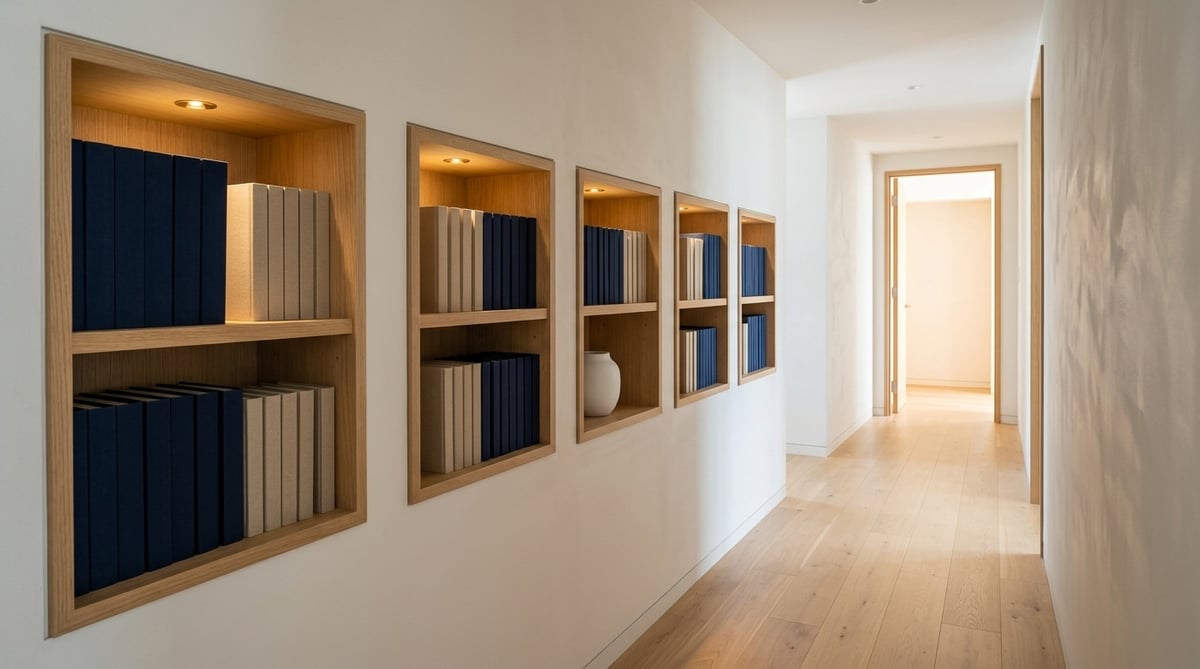
On a quiet weekend morning, soft daylight streams across the living room flooring while the rich aroma of freshly brewed coffee gently fills the air. Settling into your favorite sofa and gazing out over the tranquil Tokyo streetscape, you can feel how naturally life in this city has woven itself into your daily rhythm. The familiar commute route, the quiet bakery discovered around the corner, and the warm glow of the shopping district lanterns welcoming you home late at night—the everyday memories gathered in this home provide a reassuring foundation that supports your life in Japan.
In the midst of this peaceful routine, a formal envelope arrives in the mailbox: "Notice of Lease Expiration and Renewal Procedures." Unfolding the document reveals a bill requiring one month of the new rent as a renewal fee, accompanied by an administrative renewal fee, fire insurance premiums, and a guarantor company renewal fee, adding up to roughly 1.3 to 1.5 months' worth of rent. It is entirely natural to wonder: "Why must I pay a substantial sum simply to keep living here?", "Can this fee be negotiated or refused?", or "Would it actually be more economical to move to a new neighborhood?"
The residential lease renewal fee is a historical business custom deeply rooted in the Greater Tokyo Area and select regions of Japan, and its legal validity has been firmly upheld by the Supreme Court of Japan when properly stipulated in contracts. However, very few tenants fully understand the exact breakdown of these charges or their precise legal standing. As a licensed real estate broker active in the Tokyo rental market for over a decade, I will clarify how renewal fees work, detail the complete cost picture, explain where negotiation is realistic, and analyze the financial break-even point between renewing and relocating—based not on guesswork, but on objective figures and established legal principles.
Tokyo Renewal Benchmark
Standard market baseline every 2 years under regular tenancy
1.0 Month New Rent
Total Renewal Outlay
Combined renewal fee, admin fee, insurance, and guarantor renewal
1.3 to 1.5 Months Rent
Supreme Court Validity
July 15, 2011 Ruling (Clarity and Reasonableness Standard)
Clauses Upheld Valid
30-Second Key Takeaways & SummarySorAi Summary
- Standard market baseline every 2 years under regular tenancy
- Combined renewal fee, admin fee, insurance, and guarantor renewal
- July 15, 2011 Ruling (Clarity and Reasonableness Standard)
## How Lease Renewal Fees Work and Business Customs in the Greater Tokyo Area
The lease renewal fee billed every two years for rental housing is not a cost uniformly charged throughout Japan. According to a nationwide survey on private rental housing conducted by the Ministry of Land, Infrastructure, Transport and Tourism, the percentage of rental properties charging a renewal fee upon lease renewal stands at approximately 47.6% on average nationwide. However, looking strictly at Tokyo, as many as 65% to 70% of properties establish a renewal fee. It has become an exceptionally entrenched regional custom across the Greater Tokyo Area (Tokyo, Kanagawa, Chiba, and Saitama Prefectures) as well as parts of the Kansai region centered on Kyoto. On the other hand, in most of the Kansai region—including Osaka—as well as Hokkaido and Kyushu, it is far more common not to charge renewal fees, but rather to set higher initial key money or non-refundable deposit deductions, reflecting the distinctive historical background of real estate transactions in each region.
### Why Renewal Fees Exist and Market Trends by Region
Tracing the historical origins of renewal fees leads back to the rapid influx of population into urban centers during Japan's period of high economic growth. At that time, severe housing shortages arose in metropolitan hubs such as Tokyo and Kyoto, and once tenants moved in, they tended to remain for long periods. Due to strong tenant protections under the Act on Land and Building Leases (formerly the Building Lease Act), it was legally very difficult for landlords to initiate lease cancellations or request rent increases. As a result, the custom of paying a lump-sum fee at the time of renewal emerged organically as a way to adjust for rental discrepancies caused by inflation and rising land values.
In contemporary real estate practice, renewal fees serve three overlapping functions. First, they function as a supplementary advance payment of rent, helping keep monthly rents at a reasonable level that aligns with neighboring market rates. Second, they serve as consideration for smoothly renewing the agreement and securing the legal right to use and enjoy the premises stably for the next two years. Third, much like the key money exchanged at the lease inception, they represent a customary lump-sum gratuity to the landlord. Because these aspects are integrated into the contractual structure, one month of the revised rent has become the universal market standard across private rental housing in the Tokyo Metropolitan Area.
### The Two-Year Renewal Cycle Under Standard Lease Agreements
The vast majority of residential leases executed on a day-to-day basis are standard building lease agreements governed by Articles 26 through 29 of the Act on Land and Building Leases. Under standard lease agreements where the term is one year or longer, establishing a two-year lease term is standard practice. While general principles of civil law dictate that an agreement terminates upon expiration of its term, the Act on Land and Building Leases adopts a statutory renewal framework to safeguard tenants from losing their primary residence, disallowing landlords from refusing renewals or requesting cancellations unless there is a justifiable cause.
While tenants are afforded robust legal standing that generally permits them to continue residing in the home for as many years as they wish, the biannual renewal procedure exists to reconfirm the contractual terms and renew fire insurance and rent guarantee contracts every two years. A two-year cycle—coinciding with life transitions such as spring employment, job transfers, or autumn corporate rotations—also provides tenants with an objective milestone to reflect on their own lifestyle stage.
### The Difference Between Mutual Renewal and Statutory Renewal
Lease renewals fall into two main categories: mutual renewal and statutory renewal. In day-to-day management practice, mutual renewal refers to the procedure where the tenant signs and seals the lease renewal agreement sent by the property management company or brokerage firm two to three months prior to expiration, pays the renewal fee and administrative handling charge, and executes a fresh two-year contract. In Tokyo rental housing, mutual renewal—where both tenant and landlord formally exchange agreements—is the standard rule.
Conversely, if both parties fail to reach terms regarding renewal fees or lease conditions and the expiration date arrives without executing a renewal agreement, the lease automatically renews under identical conditions pursuant to Article 26, Paragraph 1 of the Act on Land and Building Leases. This is known as statutory renewal (or automatic renewal). When statutory renewal takes effect, the lease transitions into a contract without a fixed duration, and the tenant retains the legal right to continue living in the property without facing eviction. However, it is essential to note that if the contract includes a special clause explicitly stating that the renewal fee must be paid even in the event of statutory renewal, opting for statutory renewal does not relieve the tenant of the obligation to pay the fee.
Online Consultation • Video Call Sorai Tokyo Official
[【Instant Calendar Booking】1-on-1 Online Apartment Consultation](https://soraitokyo.jp/consultation?hsLang=en)
Consult with experienced bilingual real estate advisors via video call. From selecting safe neighborhoods to verifying contract terms, we help you find the right home.
[Check Available Dates & Book →](https://soraitokyo.jp/consultation?hsLang=en)
## A Complete Breakdown of Costs Charged During Lease Renewal
When the renewal notice arrives, many tenants are surprised to find that several incidental fees have been added on top of the renewal fee, which they had assumed would simply equal one month's rent. The breakdown sent by property management companies typically lists a variety of items beyond just the core renewal fee. Understanding clearly for each line item "who is being paid" and "what service it covers" is the vital first step toward preventing unnecessary expenses and proceeding with the renewal process in full confidence.
### Contract Renewal Fee: Typically Equivalent to One Month of the New Rent
The largest portion of your renewal expenses is the renewal fee. This payment goes directly to the property owner, your landlord. Unless your rent was increased or decreased during the lease term, you will typically be billed an amount equal to one month of your current base rent (excluding the monthly maintenance and management fees). If both parties agree to a rent adjustment at the time of renewal, the standard practice is to calculate this fee based on one month of the newly revised rent. Under Japanese consumption tax law, residential lease renewal fees are considered part of the consideration for residential housing, meaning they are, in principle, exempt from consumption tax.
### Typical Renewal Administrative Fees Paid to the Property Management Company (0.25 to 0.5 Months' Rent)
Billed separately from the renewal fee is the renewal administrative fee (sometimes listed as a renewal contract preparation fee). This payment goes to the property management company (or brokerage agency) handling the property's maintenance and administrative renewal paperwork on behalf of the landlord. Typically, this fee ranges from 0.25 to 0.5 months' new rent (plus tax), or is set at a flat rate of around 20,000 to 30,000 yen in many cases. It covers operational expenses: preparing the renewal agreements, verifying any changes to terms, and coordinating paperwork with fire insurance providers and guarantor companies. Because this administrative fee compensates a specific service provided, it is subject to Japanese consumption tax.
### Fire and Household Contents Insurance Renewal Fee (15,000 to 25,000 Yen)
In Japanese rental properties, tenants are required to carry fire insurance (household contents insurance) bundled with tenant liability coverage. This protects against damage to the building or personal belongings caused by accidental fires or water leaks. The policy term is typically aligned with the standard two-year lease, meaning you will need to pay the premium for the upcoming two years (roughly 15,000 to 25,000 yen) as a lump sum upon contract renewal. Property management companies usually send a designated insurance plan alongside the renewal packet, but it is always wise to review the coverage details to ensure you are not paying for excessive or unnecessary options.
### Annual Guarantor Company Renewal Fees (Around ¥10,000)
In today's rental market across the Tokyo metropolitan area—including the 23 central wards—over 90% of properties require tenants to use a rental guarantor company rather than a joint guarantor. When using a guarantor company, an "annual guarantee renewal fee" is billed every one or two years, separate from the initial guarantee fee paid upon signing the lease. The standard rate is typically ¥10,000 per year (or approximately 10% of the total monthly rent). At the time of lease renewal, the continuation fee for the second year—or the carryover fee going into the third year—is added directly to your renewal statement.
Scroll horizontally to see full table →
| Estimated Monthly Rent (Excl. Management Fee) | Renewal Fee (1 Month) | Renewal Administrative Fee (0.5 Month + Tax) | Fire Insurance + Guarantor Renewal Fee | Estimated Total Renewal Cost |
| --- | --- | --- | --- | --- |
| Rent: ¥70,000 (Studio / Single Occupant) | ¥70,000 | ¥38,500 | Approx. ¥28,000 | Approx. ¥136,500 (1.95x monthly rent) |
| Rent: ¥100,000 (1K / 1DK) | ¥100,000 | ¥55,000 | Approx. ¥30,000 | Approx. ¥185,000 (1.85x monthly rent) |
| Rent: ¥150,000 (1LDK / Couple) | ¥150,000 | ¥82,500 | Approx. ¥32,000 | Approx. ¥264,500 (1.76x monthly rent) |
| Rent: ¥200,000 (2LDK / Family) | ¥200,000 | ¥110,000 | Approx. ¥35,000 | Approx. ¥345,000 (1.72x monthly rent) |
PRO INSIGHT You can save on upfront costs by choosing and setting up your own fire and renters insurance policy
The fire insurance payment slip enclosed with your lease renewal notice (typically around 20,000 to 25,000 yen for a two-year term) almost always represents a policy from the property management company's affiliated insurance agency. While holding tenant liability insurance is a mandatory contractual requirement under your residential lease, any lease clause forcing you to purchase a policy from a designated insurance provider may be legally invalid under the Antimonopoly Act and the Consumer Contract Act. By enrolling on your own in an online fire insurance plan tailored for renters (which typically costs about 8,000 to 10,000 yen for two years while offering 20 million yen in tenant liability coverage and 100 million yen in personal liability coverage) and submitting a copy of your insurance certificate to your management company, you can maintain the exact same level of coverage while saving 10,000 yen or more. Please be sure to notify the property management company well before your lease renewal date to confirm in advance that you will be purchasing an independent policy with equivalent coverage.
SORAI REQUEST / Online in 1 Min
### \[SorAi Request\] Organize Your Ideal Rental Criteria in Approx. 1 Minute
Simply select your preferences to quickly clarify your rental search. Zero unwanted phone calls — receive tailored apartment proposals directly on LINE or Web.
[Open in Fullscreen / New Tab](https://hearing.soraitokyo.jp/?start=true&ref=blog_embed_ext&lang=en&v=7&utm_source=blog_mid_cta&utm_medium=cta&utm_campaign=unified_cta_request) [Chat on Official LINE](https://line.me/R/ti/p/@soraitokyo)
Explore other free SorAi tools: [SorAi Cost Simulator →](https://soraitokyo.jp/en/quote?ref=blog_mid_cta_aux&lang=en&utm_source=blog_mid_cta&utm_medium=aux_link&utm_campaign=unified_cta_simulator&hsLang=en) [SorAi Inspection Report →](https://soraitokyo.jp/inspection?ref=blog_mid_cta_aux&lang=en&utm_source=blog_mid_cta&utm_medium=aux_link&utm_campaign=unified_cta_inspection&hsLang=en)
※ 100% Free • Online completed.
## Supreme Court Precedents: The Legal Grounds and Validity of Renewal Fee Clauses
"Is it fair to pay a fee just to continue living here?" "Can I legally refuse to pay it?" These questions have been fiercely contested in court for decades. During the late 2000s, tenants filed a wave of class-action lawsuits—predominantly in Kyoto and Osaka—arguing that renewal fee clauses were null and void under Article 10 of the Consumer Contract Act, which invalidates clauses that unilaterally harm consumer interests. The legal debate was ultimately brought to a definitive conclusion by a landmark Supreme Court decision in 2011.
### Validity Criteria Established by the Supreme Court Decision of July 15, 2011
In its Second Petty Bench judgment on July 15, 2011, the Supreme Court delivered a pivotal, unifying ruling regarding renewal fee clauses in lease agreements. The Court recognized that renewal fees serve a multifaceted economic purpose—such as supplementing or prepaying rent, providing consideration for securing tenancy rights, and acting as a lump-sum payment—and established the following legal standard:
**\[Summary of Judicial Precedent\]**
Where an agreement to pay a renewal fee is unambiguously and explicitly stated in the lease contract, the renewal fee clause cannot be deemed invalid under Article 10 of the Consumer Contract Act, unless there are special circumstances such as the renewal fee amount being exorbitantly high in relation to the rent amount and the lease duration.
In this ruling, the Court upheld the validity of renewal fees equivalent to approximately two months' rent for a one-year contract (equivalent to four months' rent over two years) as well as two months' rent for a two-year contract, finding no exceptional circumstances. Consequently, the standard practice in the Tokyo metropolitan area—one month's new rent every two years—is firmly recognized by the judiciary as lawful and legally binding.
### Relationship with Article 10 of the Consumer Contract Act and the Boundary of Usurious Practices
Article 10 of the Consumer Contract Act stipulates that any clause in a consumer contract that restricts the rights or expands the obligations of the consumer beyond non-mandatory statutory provisions, and unilaterally harms the interests of the consumer in violation of the principle of good faith under Article 1, Paragraph 2 of the Civil Code, shall be void. While tenants argued that renewal fees impose an unfair unilateral financial burden, the Supreme Court concluded that, considering the nature of renewal fees, regional commercial customs, and the balance with total rent payments, these fees do not automatically violate good faith or unilaterally harm tenant interests.
However, this does not mean every renewal fee clause is granted carte blanche. A clause may still be invalidated under Article 10 of the Consumer Contract Act or Article 90 of the Civil Code (violating public order and good morals) if it is deemed plainly extortionate—for instance, requiring multiple months of rent for an unusually short lease renewal period (such as every six months), demanding fees totaling a full year's rent, or using vague and ambiguous calculation formulas in the contract.
### The Three Criteria for Special Lease Provisions from the Supreme Court Decision of December 16, 2005
To assess the validity of special contractual provisions in residential leases, the legal doctrine from the landmark Supreme Court ruling on security deposit refunds and restoration obligations (Second Petty Bench, December 16, 2005) is equally essential. In that case, the Court held that for a special provision that shifts burdens beyond statutory defaults onto the tenant (such as clauses requiring tenants to pay for ordinary wear and tear) to be legally enforceable, it must satisfy three criteria:
- **Objective Rationality**: A legitimate, rational justification must exist for the clause, without constituting an unconscionable practice or violating public order and morality.
- **Tenant Awareness**: The tenant must clearly recognize that they are assuming obligations beyond standard statutory principles and customary burdens.
- **Mutual Assent**: With that clear awareness, the tenant must have freely agreed to the special provision of their own will.
Renewal fee clauses satisfy these three criteria whenever the lease contract and the Explanation of Important Matters clearly state at the time of signing that "a renewal fee equivalent to one month of the revised rent shall be paid upon renewal," and the tenant executes the agreement after receiving a formal verbal explanation from a licensed real estate broker.
### Legal Risks of Refusing to Pay the Renewal Fee
What happens if you unilaterally refuse to pay a renewal fee that is clearly specified in your lease? In practice, as long as you continue to pay your monthly rent on time and without delay, courts will rarely grant a landlord's request for contract termination or forced eviction solely because of an unpaid renewal fee. Under Japanese judicial precedent, a residential lease can only be terminated when the mutual trust between landlord and tenant has been irrevocably destroyed (the Doctrine of Breakdown of Mutual Trust).
Nonetheless, refusing to pay unambiguously places you in breach of contract (default of obligation). Although your fundamental right to occupy the property remains protected through statutory renewal, overdue renewal fees accrue delinquency interest charges, and you face the legal risk of formal payment demands or small-claims lawsuits from the landlord or guarantor company. Furthermore, if you use a rent guarantor company, the delinquency may be registered with credit reporting agencies as a payment default, causing lasting damage to your credit record that can jeopardize future credit card applications, mortgage approvals, and new apartment screenings. Refusing payment on the grounds that the clause is legally invalid carries substantial risks and is never an advisable strategy in practice.
## When Renewal Fee Reductions or Installment Plans Are Possible—and How to Negotiate
Since renewal fees are legally enforceable when stipulated in your lease, an unsubstantiated refusal will simply not work. However, in day-to-day real estate practice, there are definitely cases where landlords agree to fee reductions, payment extensions, or installment arrangements through individual negotiation. A residential lease is a long-term contractual relationship built on mutual trust between people. For a property owner, the absolute worst-case scenario is having a reliable, problem-free tenant move out over a renewal fee, resulting in vacancy risk where rental income halts for several months while searching for a replacement. By understanding the landlord’s financial mindset and the local market climate, you can open up room for a constructive discussion.
### Three Objective Conditions That Make Fee Negotiations Feasible
Negotiations for lowering renewal fees or monthly rent are far more likely to succeed when the following three conditions align:
**1. Market rents nearby have softened as the building ages**
If two to four years have passed since you moved in, and comparable units of similar age and floor area in the immediate neighborhood are renting for less—or if another vacant unit in your own building is currently advertised at a lower rate—you have compelling, objective evidence to propose a reduction in your renewal fee or a minor downward adjustment in your monthly rent.
**2. Multiple units in your building have sat vacant for extended periods**
When a building has a high vacancy rate and empty units have lingered on the market for three to six months or longer, landlords feel a heightened sense of urgency about tenant turnover. If a tenant moves out, turnover expenses—including restoration work, owner-paid leasing incentives, and agency fees—can easily devour three to four months of rental revenue. In these circumstances, owners are far more inclined to accept half the renewal fee if it means keeping a good tenant in place.
**3. You have an impeccable tenancy track record with zero arrears or disputes**
A conscientious resident who has never paid rent late over the past two years and has never triggered noise or garbage disposal complaints is an owner’s greatest asset. Compared to the uncertainty and risk of welcoming an unknown applicant, accommodating a vetted, dependable tenant is sound business logic for any property owner.
### How and When to Open the Conversation: Timing and Etiquette
When approaching negotiations, timing and tone are everything. Demanding a discount just one month before your lease expires puts property managers under administrative strain and often triggers an emotional, defensive reaction from the landlord. Instead, check the cancellation notice period outlined in your lease agreement—typically one to two months before vacating—and initiate your conversation two to three months before the expiration date for the best results.
In terms of phrasing, avoid framing your request as a stubborn refusal to pay. Ground your inquiry in genuine appreciation for your home and neighborhood: emphasize that you love living there and hope to stay as long as possible. A collaborative approach works best—explaining that rising living costs or surrounding market rates make the renewal fee particularly burdensome, prompting you to weigh relocation, but that you would eagerly renew and stay long-term if a reduction in the fee or a small rent adjustment could be considered. This framing makes it much easier for property managers to present a favorable recommendation to the landlord on your behalf.
### Arranging Installment Plans or Due Date Extensions If Lump-Sum Payment Is Difficult
Even if an outright fee reduction is off the table, requesting an installment schedule or a payment deadline extension is entirely feasible if a large lump sum strains your household budget. Practical, flexible solutions are negotiated all the time—such as splitting the one-month renewal fee into two equal installments added to the following two months' rent, or pushing the deadline back by a month to coincide with a seasonal bonus. The critical factor in preserving trust is never letting a payment deadline pass unannounced; instead, communicate your clear intent to pay and propose a realistic installment schedule in writing or by email well in advance.
STEP 1 **3 Months Before Expiry: Review Your Lease & Research Market Rates**
Review renewal clauses and your required move-out notice window (typically 1 to 2 months). Check major property listing portals to research current asking rents in your building and recent closing rates for comparable neighborhood properties.
STEP 2 **2 to 2.5 Months Before Expiry: Approach Your Management Company**
Upon receiving your renewal notice, confirm your desire to stay and politely inquire about options such as a renewal fee reduction, arranging your own fire insurance, or paying in installments.
STEP 3 **1.5 Months Before Expiry: Evaluate the Landlord’s Response & Weigh Alternatives**
Carefully review the landlord’s counter-proposal and terms. Make an objective, financially sound decision on whether to renew and remain or relocate to a new property based on total break-even costs.
STEP 4 **1 Month Before Expiry: Execute Renewal Agreement or Submit Move-Out Notice**
Sign and return the renewal agreement to finalize procedures, or submit your formal notice of lease termination to the management company before the required contractual cutoff.
## Break-Even Simulation: Renewing vs. Moving to a New Home
It is completely natural to think, "If I have to pay around 200,000 yen in renewal fees, I might as well turn over a new leaf and move to a new apartment." However, making that decision purely on emotion can cause you to underestimate the total upfront moving costs, potentially leaving you with a much heavier financial burden. Whether staying put or moving is more economically rational becomes clear once you calculate the break-even point—balancing the total initial costs of moving against the number of years you plan to stay in your next home.
### Calculating Total Upfront Relocation Costs (4 to 5 Months' Rent + Moving Fees)
When signing a lease for a new rental property, upfront move-in costs typically amount to roughly 4 to 5 months of your monthly rent. For instance, if you are relocating to an apartment renting for 100,000 yen per month, you can expect line items such as a security deposit (1 month / 100,000 yen), key money (1 month / 100,000 yen), the first month's prepaid rent and management fee (1 month / approx. 110,000 yen), brokerage commission (standardly 1 month plus tax / 110,000 yen), an initial guarantor company enrollment fee (0.5 months / 50,000 yen), renters fire insurance (approx. 15,000 to 20,000 yen), and a lock-changing fee (approx. 20,000 to 30,000 yen). In contractual move-in fees alone, this totals around 500,000 to 550,000 yen.
On top of contract expenses, you will also need to cover professional moving company charges (typically 40,000 to 60,000 yen for a solo mover in regular season, 80,000 to 100,000 yen during peak moving season, and 80,000 to 150,000 yen for couples). Factoring in potential move-out restoration deductions from your previous residence exceeding your old security deposit, as well as replacing lighting fixtures, curtains, or furnishings tailored to the new floor plan, total cash outlay for a relocation commonly reaches between 600,000 and 700,000 yen overall.
### The Financial Advantage of Capping Brokerage Fees at Half a Month's Rent (0.55 Months with Tax) under Article 46 of the Real Estate Brokerage Act
Among all initial move-in costs, the brokerage fee is the single most practical expense you can reduce. Under Article 46 of the Real Estate Brokerage Act and Ministry of Construction Notification No. 1392, the maximum total commission an agency can collect is capped at "one month's rent plus consumption tax (1.1 months total) combined from both the landlord and the tenant." Furthermore, Article 4 of the same notification establishes that the statutory standard collectible from the tenant alone is "0.5 months' rent plus consumption tax (0.55 months total)." Agencies are only permitted to charge up to 1.1 months if the tenant provides explicit prior consent.
While standard agency practice in Japan has routinely charged the full 1.1 months without clear explanation, choosing a broker that honors the statutory default of "half a month's rent (0.55 months including tax)" can instantly save you tens of thousands—or even over a hundred thousand—yen. For instance, on an apartment with a monthly rent of 120,000 yen, the brokerage fee drops from 132,000 yen to 66,000 yen. That immediate 66,000 yen in savings can be redirected straight toward your moving services or furnishing your new home.
### Calculating Move-Out Restoration Costs: Ministry Guidelines, Tokyo Rules, and the 6-Year Wallpaper Depreciation Rule
When planning your next relocation, one critical factor that cannot be overlooked is the final financial settlement on your current apartment. Regarding move-out fees for rental properties in Japan, the Ministry of Land, Infrastructure, Transport and Tourism's Restoration Trouble and Guidelines alongside the Tokyo Metropolitan Ordinance for the Prevention of Rental Housing Disputes (commonly known as the Tokyo Rule) clearly establish a fundamental principle: the cost of repairing natural aging and ordinary wear and tear incurred through everyday living is already covered by your monthly rent and must be borne by the landlord.
A particularly vital point to understand is the statutory service life of vinyl wallpaper, which covers most interior walls. Under the national guidelines, the service life of wallpaper is set at six years. After six years of continuous tenancy, its residual book value drops to essentially one yen (or 10% to 1 yen equivalent). Even if wallpaper is damaged due to a tenant's carelessness, the tenant's liability is strictly limited to the proportion of its remaining value. If you move out after two years, your liability is roughly 67%; after four years, it decreases to approximately 33%. Once you have resided in the property for six years or longer, there is no legal basis for a landlord to bill you for wallpaper replacement unless there was intentional or malicious destruction. Knowing whether you can expect a proper refund of your security deposit is an indispensable element when budgeting for your upcoming move.
#### Option A: Renewing Your Current Lease
One-Time Cost: Approx. 150,000 to 250,000 JPY
- **Financial Advantage**: Upfront cash outflow is limited strictly to contract renewal charges, allowing you to preserve your liquid savings.
- **Lifestyle Stability**: Zero hassle involving packing, municipal address registrations, or setting up utility connections.
- **Environmental Continuity**: Keep your established daily routines, familiar neighborhood favorites, and proven home comfort intact.
- **Trade-Off**: Underlying frustrations with floor plan constraints, outdated fixtures, or commute times remain unaddressed.
#### Option B: Relocating to a New Home
One-Time Cost: Approx. 500,000 to 700,000 JPY
- **Elevated Daily Living**: Shorter commute times, expanded layouts, and modern kitchen and bath amenities significantly boost overall quality of life.
- **Fixed-Cost Optimization**: Securing a more competitive unit or leveraging reduced brokerage commission structures can compress recurring expenses over the long run.
- **A Fresh Start**: The excitement of discovering new local gems and seamlessly upgrading to an environment tailored to your current life stage.
- **Trade-Off**: Requires a sizable upfront capital outlay, alongside the time and logistical effort needed for packing and moving procedures.
### Cost Comparison by Intended Length of Stay (1, 2, 3, and 4 Years)
So, how does the financial outcome shift depending on exactly how many more years you plan to stay? Let’s run a comparative simulation. Assume you currently live in an apartment with a monthly rent of 100,000 JPY. We compare the total expenditure of renewing your existing lease versus moving to an equivalent 100,000 JPY apartment with a discounted brokerage fee of 0.55 months' rent.
Scroll horizontally to see full table →
| Planned Length of Stay | Renewing Current Lease | Moving to Same-Rent Apartment | Financial Assessment |
| --- | --- | --- | --- |
| Staying for 1 more year only (3 years total) | Renewal Cost: approx. 185,000 JPY | Relocation Cost: approx. 550,000 JPY | Renewing saves approx. 365,000 JPY (overwhelmingly favorable) |
| Staying for 2 more years (full next term) | Renewal Cost: approx. 185,000 JPY | Relocation Cost: approx. 550,000 JPY | Renewing saves approx. 365,000 JPY (financially advantageous) |
| Lowering rent by 10,000 JPY / stay 2 years | Rent 2.40M + Renewal 185K = 2.585M JPY | Rent 2.16M + Upfront 500K = 2.660M JPY | Difference is only 75,000 JPY (moving recommended depending on living conditions) |
| Lowering rent by 15,000 JPY / stay 4 years | Rent 4.80M + 2 Renewals 370K = 5.170M JPY | Rent 4.08M + Moving Upfront + 1 Renewal = 4.740M JPY | Moving saves approx. 430,000 JPY (long-term cost advantage reverses) |
As this simulation makes clear, **if you plan to stay for only 1 to 2 more years in an apartment at the same rent tier, renewing your current lease is far more cost-effective, saving over 300,000 JPY in out-of-pocket cash**. To recoup the initial moving costs, your financial break-even point requires either lowering your monthly rent by 10,000 to 20,000 JPY, or securing a meaningful upgrade in living quality—such as a larger layout or closer station access—while committing to stay for at least 3 to 4 years.
## Smart Life Planning Looking Ahead to Your Next Lease Renewal
To avoid scrambling for funds or rushing into a hasty relocation decision once the renewal notice arrives, incorporating your lease renewal timeline into everyday financial planning is remarkably effective. In Tokyo's rental market, the standard two-year lease cycle is far more than an upcoming expense deadline—it offers a valuable, built-in opportunity to review your work style, personal relationships, and overall household financial health.
### Taking Stock of Your Living Environment at the 18-Month Mark
Once 18 months have passed since your lease began—six months prior to expiration—you reach the ideal window for a clear-headed assessment of your current home. The initial excitement of moving into a new neighborhood has settled, leaving you with genuine, four-season experience regarding room layout, storage sufficiency, train commute congestion, neighborhood noise levels, and natural sunlight.
Ask yourself practical questions: Has increased remote work left your desk area feeling cramped? Are you planning to move in with a partner? Does your 10-minute walk from the station serve as a pleasant daily transition, or has it become a physical burden? Jotting down these observations in a notebook or on your smartphone around this time ensures that when the official renewal notice arrives three months before expiration, you can confidently decide whether to stay or relocate without emotional rush.
### Factoring Renewal Savings into Your Monthly Budget
Facing a lump-sum renewal bill of 150,000 to 250,000 yen can feel like a heavy financial burden when billed all at once. However, dividing this sum across the 24 months of your lease reveals a modest ongoing allocation of roughly 6,000 to 10,000 yen per month. If your monthly rent is 80,000 yen, consider your effective housing cost to be roughly 87,000 yen; if rent is 120,000 yen, budget as though it were 130,000 yen. Setting up an automated monthly transfer into a dedicated savings sub-account builds this buffer painlessly.
Having renewal funds fully prepared by the time your lease expires eliminates financial stress completely. Even better, should you decide to move rather than renew, that accumulated reserve immediately transitions into a ready-made budget for your new home's upfront move-in costs, granting you complete freedom of choice.
### Reassessing Floor Plans and Locations as Your Life Stage Evolves
As you move through your twenties, thirties, and forties, your career trajectory, household setup, and daily priorities naturally shift. Your spatial needs continually evolve—whether transitioning from a compact single studio to a spacious one-bedroom or two-bedroom with a partner, or seeking a quiet, roomy residence in a peaceful residential suburb to better support dedicated home office days.
Each renewal milestone presents a meaningful checkpoint to verify whether your home still aligns with your current life stage. If your apartment remains a deeply comfortable sanctuary surrounded by your favorite furnishings, the renewal fee represents a sound investment in preserving peace of mind. Conversely, if you feel constrained or out of sync with your space, it is a clear indicator that the time has come to explore a new neighborhood. Whichever path you choose, approaching it with intention turns your lease renewal into a positive step forward in your Tokyo life.
## Consultation Desk When You Are Unsure About Your Housing Choice
When receiving a lease renewal notice, many people find themselves torn between whether they should renew and stay or relocate to a new home. Either choice represents an important step toward shaping your everyday life into something more comfortable and authentic to you, and it cannot be measured by a simplistic binary of right versus wrong or success versus failure.
There is an undeniable richness in cherishing the shifting seasonal sunlight and serene comfort of a familiar, beloved home. At the same time, there is a distinct excitement in discovering a favorite cafe around an unfamiliar corner and carving out more breathing room in daily life by shortening your commute. Both paths are equally valid and wonderful choices. What matters most is that you do not make a decision out of anxiety over opaque fees or rushed urgency, but rather choose a path you feel genuinely confident in, backed by objective figures and accurate legal insights.
100% Free & Fully Online
### Reach Out via Official LINE for Quote Reviews and Relocation Consultations
At Sorai Tokyo, all rental brokerage fees are capped at half the statutory limit—specifically 0.55 months' rent including tax. If you share a property listing URL you are interested in or a quote provided by another agency via our official LINE, a dedicated licensed real estate broker will carefully verify the latest availability on the inter-broker network. We provide a completely free objective review of your initial move-in costs and a transparent second opinion on quotes from other agencies. Please rest assured that we never engage in aggressive sales calls or unsolicited visits.
From your smartphone, you can access Sorai Tokyo's suite of smart tools (SorAi)—including our initial cost simulator—at any time via the fixed bottom navigation bar, or from the footer area at the bottom of the page on desktop. We invite you to make full use of them as you navigate choices for your new life ahead.

SorAi Real-Time Rental Concierge Online 24/7
Official AI answers your questions 24/7
[Continue on Official LINE (24/7 Free)](https://page.line.me/soraitokyo?oat_content=url&openQrModal=true&utm_source=soraitokyo_website&utm_medium=blog_inline_chat&utm_campaign=line_btn) [Privacy Policy](https://soraitokyo.jp/en/privacy-policy)

Thank you for reading this guide. I am SorAi, your official real estate AI concierge.
Feel free to ask any questions about upfront cost estimates, simulations, or eliminating unnecessary fees for renting in Tokyo.
Quick questions:
Summarize initial cost points
Estimate upfront rental costs
Tips to eliminate optional fees
Brokerage fee and deposit advice
[Continue on Official LINE (Free)](https://page.line.me/soraitokyo?oat_content=url&openQrModal=true&utm_source=soraitokyo_website&utm_medium=blog_inline_chat&utm_campaign=line_btn)
Send
No phone number required. Feel free to consult at your own pace 24/7.
### Featured Tokyo Living Guides
SorAi Editorial
Swipe
#### [ Tenant Screening / Checklist Tokyo Rental Screening Guide 2026: Why Applications Fail and How to Pass | Sorai Tokyo Read Guide →](https://soraitokyo.jp/en/blog/apartment-screening-checklist-guide?hsLang=en)
#### [![\[H2 2026\] Lucky Daian Moving Calendar: Moving Costs by Rokuyo & 3 Steps to Save Big](https://soraitokyo.jp/hs-fs/hubfs/blog-eyecatches/sample10_06_window_sunroom_bench_greenery.jpg?width=400&height=225&name=sample10_06_window_sunroom_bench_greenery.jpg) Moving / Initial Costs \[H2 2026\] Lucky Daian Moving Calendar: Moving Costs by Rokuyo & 3 Steps to Save Big Read Guide →](https://soraitokyo.jp/en/blog/moving-daian-2026?hsLang=en)
#### [ Layout / Room Types 2SLDK vs 2LDK in Tokyo: What is a Service Room (S), Rent Savings & Air Conditioner Pitfalls | Sorai Tokyo Read Guide →](https://soraitokyo.jp/en/blog/2sldk-2ldk-difference-guide?hsLang=en)
## Frequently Asked Questions About Lease Renewal
Here are the questions most frequently brought to licensed real estate brokers by tenants during lease renewals, paired with clear answers grounded in Japanese rental housing law.
### Q Will I face immediate eviction if I do not pay the renewal fee?
A You will not face immediate eviction. As long as your base monthly rent is being paid, statutory renewal under the Act on Land and Building Leases applies, and your right to continue residing in the property remains legally protected. However, if your lease agreement contains a renewal fee clause, non-payment constitutes a breach of contract that incurs late payment penalties, collection demands from your guarantor company, and potential payment orders through summary court. Because this can severely damage your credit standing, never simply refuse payment without notice; if you are experiencing financial difficulties, always consult the management company promptly to request installment plans or a payment grace period.
### Q Can I refuse to pay the renewal administrative fee billed by the property management company?
A If the obligation to pay a renewal administrative fee is clearly stated in your original lease agreement (or the Statement of Important Matters), it constitutes an agreed-upon contractual obligation, making refusal difficult. On the other hand, if no such provision exists in your original contract and the fee is demanded unilaterally for the first time in the renewal notice packet, you may have legal grounds to decline it as an unagreed charge. Be sure to check the special provisions in your lease agreement first.
### Q Can I switch to a cheaper fire insurance policy of my own choice upon renewal?
A In principle, yes. What the landlord legally requires is adequate tenant liability coverage against risks like fire and water leaks; they cannot legally force you into a specific insurance provider. As long as you arrange an insurance policy on your own that provides equal or greater coverage (typically around 20 million yen in tenant liability coverage) and submit a copy of the policy certificate to the management company, there is no issue. To avoid procedural mix-ups, the best practice is to notify the management company in advance that you will be arranging your own policy.
### Q If I move out shortly after completing the renewal, will my renewal fee be refunded on a prorated basis?
A s a rule, renewal fees are non-refundable. Under Japanese judicial precedent, the renewal fee is interpreted as a lump-sum payment in exchange for securing the right to renew the contract and continue tenancy for the new term. Consequently, even if you vacate the property voluntarily a few months after renewal, claims for prorated refunds for the remaining months are generally dismissed. If you foresee moving in the near future due to a job relocation or marriage, we strongly advise consulting your management company before signing the renewal agreement to explore options such as a short-term lease extension or switching to a fixed-term tenancy.

Author: Sorai Tokyo Editorial Team (Supervised by Licensed Real Estate Agents)
A real estate consulting team specializing in assisting foreign nationals find rooms and explaining initial costs in Tokyo. We break down language barriers and differences in customs, offering dedicated support in Japanese, English, and Vietnamese for a safe and secure start to your new life.
 SORAI TOKYO | Chat with AI "SorAi" Anytime on LINE
### Exploring Tokyo Neighborhoods or Apartments? Ask Our AI "SorAi" Anytime on LINE
No property URL needed yet. From area safety, commute tips, and rent trends to instant initial-cost audits for listings you found—chat with SorAi 24/7 on LINE with zero sales calls.
STEP 1
Ask Anything on LINE
Ask about areas & rent, or send a listing URL anytime
→
STEP 2
24/7 Instant Reply by SorAi
Objective area data, live vacancy & fee breakdown
→
STEP 3
Explore at Your Own Pace
Zero sales calls. Meet on-site only when ready to view
24/7 Instant / Most Popular
#### ① Chat with AI "SorAi" on LINE (Free)
Ask about neighborhoods, rent trends, or share any listing URL on LINE. SorAi & our bilingual concierge check live vacancy and upfront fee breakdowns with zero sales pressure.
[Chat with SorAi on LINE (Free) ➔](https://lin.ee/VE8fd8b?utm_source=soraitokyo_blog&utm_medium=cta&utm_campaign=bottom_cta&utm_content=line)
Web Audit
#### ② SorAi Property Report
Already found a listing? Submit the URL or floor plan on the web for an instant objective breakdown of move-in costs and neighborhood data.
[View Report (Free) ↗](https://inspection.soraitokyo.jp/?ref=blog_bottom_cta)
Wait for New Listings
#### ③ SorAi Housing Needs
Select your budget, layout, and must-have conditions in 30 seconds to receive matching listings at your own pace.
[Organize Criteria (Free) ➔](https://soraitokyo.jp/en/request?ref=blog_bottom_cta&hsLang=en)
Instant Move-in Estimate
#### ④ SorAi Move-in Estimator
Enter rent and management fees to quickly estimate standard upfront contract costs and potential savings.
[Check Estimates (Free) ➔](https://soraitokyo.jp/en/quote?ref=blog_bottom_cta&hsLang=en)
※ Consultations are 100% free. No phone number required, zero pushy calls—everything is completed smoothly on LINE.
この記事をシェアする
\# 初期費用# お部屋探し
[ SORAI TOKYO](https://soraitokyo.jp/en/)
Sorai Tokyo Co., Ltd.
Room 102, 1-7-14 Yanaka, Adachi-ku, Tokyo, 120-0006
03-6161-8484
[contact@soraitokyo.jp](mailto:contact@soraitokyo.jp)
Tokyo Metropolitan Governor (1) No. 113297
(License Date: December 20, 2025)
### Sitemap
- [About Us](https://soraitokyo.jp/en/about-us)
- [Testimonials](https://soraitokyo.jp/en/testimonials)
- [Chiyoda Line Guide](https://soraitokyo.jp/en/area-guide-chiyoda-line)
- [Sorai Journal](https://soraitokyo.jp/en/blog)
- [FAQs](https://soraitokyo.jp/en/faqs)
- [Contact](https://soraitokyo.jp/en/contact)
- [SorAi Request](https://soraitokyo.jp/en/request)
### Business Hours
**10:00 〜 18:00**
Closed: **Tuesday & Wednesday**
Inquiries via LINE, SNS, and email are accepted 24/7.
[View on Google Maps](https://maps.google.com/?q=%E6%9D%B1%E4%BA%AC%E9%83%BD%E8%B6%B3%E7%AB%8B%E5%8C%BA%E8%B0%B7%E4%B8%AD1-7-14) [Book Online Meeting](https://soraitokyo.jp/en/consultation?hsLang=en)
### Multilingual Services
Our professional staff are fluent in Japanese, English, Vietnamese, Russian, and Indonesian to support you from room hunting to contract signing.
[🇯🇵 日本語](https://soraitokyo.jp/ja/blog/lease-renewal-fee-guide?hsLang=ja) [🇺🇸 English](https://soraitokyo.jp/en/blog/lease-renewal-fee-guide?hsLang=en) [🇻🇳 Tiếng Việt](https://soraitokyo.jp/vi/blog/lease-renewal-fee-guide?hsLang=vi) [🇷🇺 Русский](https://soraitokyo.jp/ru/blog/lease-renewal-fee-guide?hsLang=ru) [🇮🇩 Indonesia](https://soraitokyo.jp/id/blog/lease-renewal-fee-guide?hsLang=id)
### Inquire via Social Media
[Privacy Policy](https://soraitokyo.jp/en/privacy-policy) | [Privacy & Security](https://soraitokyo.jp/en/security)
Copyright © 2026 株式会社ソライ東京 (Sorai Tokyo Co., Ltd.) All Rights Reserved.
[Chat with SorAi](https://page.line.me/soraitokyo?oat_content=url&openQrModal=true&utm_source=soraitokyo_website&utm_medium=line_button&utm_campaign=chatbot_popover)
SorAi Chat

#### SorAi
Online (Multilingual Support)
×
[Chat with SorAi](https://page.line.me/soraitokyo?oat_content=url&openQrModal=true&utm_source=soraitokyo_website&utm_medium=chatbot_header&utm_campaign=line_btn) [Email Us](https://soraitokyo.jp/en/contact?hsLang=en)
[Get "SorAi" on LINE (24/7 Free)](https://page.line.me/soraitokyo?oat_content=url&openQrModal=true&utm_source=soraitokyo_website&utm_medium=line_button&utm_campaign=floating_btn)
 SorAi | 24/7 AI Rental Chat No signup・100% online
TOC
### Table of Contents
×
```json
{
"@context" : "https://schema.org",
"@type" : "BlogPosting",
"author" : {
"@type" : "Person",
"name" : "ソライ東京編集部",
"url" : "https://soraitokyo.jp/en/blog/author/ソライ東京編集部"
},
"datePublished" : "2026-07-24T11:37:25.000Z",
"headline" : "Tokyo Lease Renewal Fees Explained: Costs, Breakdown, Negotiation & Move vs. Renew | Sorai Tokyo | Sorai Tokyo",
"image" : [ "https://soraitokyo.jp/hubfs/blog-eyecatches/batch6_tall_shoebox_entrance.jpg" ],
"mainEntityOfPage" : {
"@id" : "https://soraitokyo.jp/en/blog/lease-renewal-fee-guide",
"@type" : "WebPage"
},
"publisher" : {
"@type" : "Organization",
"logo" : {
"@type" : "ImageObject",
"url" : "https://soraitokyo.jp/hubfs/small_logo(color)%20(2)-1.png"
},
"name" : "株式会社ソライ東京"
}
}
```
```json
{
"@context" : "https://schema.org",
"@type" : "FAQPage",
"mainEntity" : [ {
"@type" : "Question",
"acceptedAnswer" : {
"@type" : "Answer",
"text" : "You will not face immediate eviction. As long as your base monthly rent is being paid, statutory renewal under the Act on Land and Building Leases applies, and your right to continue residing in the property remains legally protected. However, if your lease agreement contains a renewal fee clause, non-payment constitutes a breach of contract that incurs late payment penalties, collection demands from your guarantor company, and potential payment orders through summary court. Because this can severely damage your credit standing, never simply refuse payment without notice; if you are experiencing financial difficulties, always consult the management company promptly to request installment plans or a payment grace period."
},
"name" : "Will I face immediate eviction if I do not pay the renewal fee?"
}, {
"@type" : "Question",
"acceptedAnswer" : {
"@type" : "Answer",
"text" : "If the obligation to pay a renewal administrative fee is clearly stated in your original lease agreement (or the Statement of Important Matters), it constitutes an agreed-upon contractual obligation, making refusal difficult. On the other hand, if no such provision exists in your original contract and the fee is demanded unilaterally for the first time in the renewal notice packet, you may have legal grounds to decline it as an unagreed charge. Be sure to check the special provisions in your lease agreement first."
},
"name" : "Can I refuse to pay the renewal administrative fee billed by the property management company?"
}, {
"@type" : "Question",
"acceptedAnswer" : {
"@type" : "Answer",
"text" : "In principle, yes. What the landlord legally requires is adequate tenant liability coverage against risks like fire and water leaks; they cannot legally force you into a specific insurance provider. As long as you arrange an insurance policy on your own that provides equal or greater coverage (typically around 20 million yen in tenant liability coverage) and submit a copy of the policy certificate to the management company, there is no issue. To avoid procedural mix-ups, the best practice is to notify the management company in advance that you will be arranging your own policy."
},
"name" : "Can I switch to a cheaper fire insurance policy of my own choice upon renewal?"
}, {
"@type" : "Question",
"acceptedAnswer" : {
"@type" : "Answer",
"text" : "s a rule, renewal fees are non-refundable. Under Japanese judicial precedent, the renewal fee is interpreted as a lump-sum payment in exchange for securing the right to renew the contract and continue tenancy for the new term. Consequently, even if you vacate the property voluntarily a few months after renewal, claims for prorated refunds for the remaining months are generally dismissed. If you foresee moving in the near future due to a job relocation or marriage, we strongly advise consulting your management company before signing the renewal agreement to explore options such as a short-term lease extension or switching to a fixed-term tenancy."
},
"name" : "If I move out shortly after completing the renewal, will my renewal fee be refunded on a prorated basis?"
} ]
}
```
```json
{
"@context" : "https://schema.org",
"@type" : "BlogPosting",
"author" : {
"@type" : "Person",
"name" : "Author: Sorai Tokyo Editorial Team (Supervised by Licensed Real Estate Agents)"
},
"dateModified" : "2026-09-27T09:00:17Z",
"datePublished" : "2026-09-27T09:00:17Z",
"description" : "What are the standard renewal fees for renting in Tokyo? Licensed real estate experts explain the cost breakdown across the 23 wards, negotiation tactics, legal auto-renewal risks, and a breakeven comparison between moving vs. renewing.",
"headline" : "Tokyo Lease Renewal Fees Explained: Costs, Breakdown, Negotiation & Move vs. Renew | Sorai Tokyo",
"inLanguage" : "en",
"publisher" : {
"@type" : "Organization",
"name" : "Sorai Tokyo",
"url" : "https://soraitokyo.jp"
}
}
```
```json
{
"@context" : "https://schema.org",
"@type" : "BlogPosting",
"author" : {
"@type" : "Organization",
"knowsAbout" : [ "東京メトロ千代田線", "賃貸不動産仲介", "宅地建物取引業", "初期費用適正化", "重要事項説明(IT重説)" ],
"name" : "Sorai Tokyo Editorial Team (Supervised by Licensed Real Estate Agents)",
"url" : "https://soraitokyo.jp/en/about-us"
},
"dateModified" : "2026-10-07T17:57:59+0000",
"datePublished" : "2026-07-24T11:37:25+0000",
"description" : "What are the standard renewal fees for renting in Tokyo? Licensed real estate experts explain the cost breakdown across the 23 wards, negotiation tactics, legal auto-renewal risks, and a breakeven comparison between moving vs. renewing.",
"headline" : "Tokyo Lease Renewal Fees Explained: Costs, Breakdown, Negotiation & Move vs. Renew | Sorai Tokyo",
"image" : "https://soraitokyo.jp/hubfs/blog-eyecatches/batch22_08_hallway_book_niche_recessed_oak.jpg",
"inLanguage" : "en",
"mainEntityOfPage" : {
"@id" : "https://soraitokyo.jp/en/blog/lease-renewal-fee-guide",
"@type" : "WebPage"
},
"publisher" : {
"@type" : "Organization",
"logo" : {
"@type" : "ImageObject",
"url" : "https://soraitokyo.jp/hubfs/raw_assets/public/soraitokyo-theme/assets/logo.png"
},
"name" : "Sorai Tokyo Co., Ltd.",
"url" : "https://soraitokyo.jp/en/"
},
"url" : "https://soraitokyo.jp/en/blog/lease-renewal-fee-guide"
}
```
```json
{
"@context" : "https://schema.org",
"@type" : "BreadcrumbList",
"itemListElement" : [ {
"@type" : "ListItem",
"item" : "https://soraitokyo.jp/en/",
"name" : "Home",
"position" : 1
}, {
"@type" : "ListItem",
"item" : "https://soraitokyo.jp/en/blog",
"name" : "Blog",
"position" : 2
}, {
"@type" : "ListItem",
"item" : "https://soraitokyo.jp/en/blog/lease-renewal-fee-guide",
"name" : "Tokyo Lease Renewal Fees Explained: Costs, Breakdown, Negotiation & Move vs. Renew | Sorai Tokyo",
"position" : 3
} ]
}
```