---
title: "Nishi-Nippori Neighborhood Comparison by Exit: Dokanyama & Yanaka Residential Enclave vs. Ogubashi-dori | Rent Differences and Nighttime Safety | Sorai Tokyo"
description: Comparing Nishi-Nippori by station exit. Discover rent trends, nighttime safety, retail convenience, and topography between Dokanyama and Ogubashi-dori.
image: https://soraitokyo.jp/hubfs/blog-eyecatches/batch25_02_living_window_bench_corner_book_nook.jpg
---
[ SORAI TOKYO](https://soraitokyo.jp/en/)
- [Home](https://soraitokyo.jp/en/)
- [SorAi Suite](https://soraitokyo.jp/en/quote)
[SorAi Initial Cost Simulator Instant breakdown of move-in costs](https://soraitokyo.jp/en/quote) [SorAi Inspection Report Objective property & hazard diagnosis](https://soraitokyo.jp/en/inspection) [SorAi Request AI-powered rental home recommendations](https://soraitokyo.jp/en/request) [SorAi Phone Consultation 24/7 AI voice response (03-6161-8484)](tel:0361618484)
- [Property Search](https://soraitokyo.jp/en/properties/plegio-kitaayase-asian)
[Featured New (Plegio Kita-Ayase) 2 min from Chiyoda Line starting station](https://soraitokyo.jp/en/properties/plegio-kitaayase-asian) [Furnished Monthly Apartments Short-term rentals for business & temporary stays](https://soraitokyo.jp/en/short-term-rental) [Online Licensed Agent Consultation Camera-off OK • 30–45 min neutral advice](https://soraitokyo.jp/en/consultation) [Client & Resident My Page Check application status & saved documents](https://resident.soraitokyo.jp)
- [Area Guides & Journal](https://soraitokyo.jp/en/area-guide-chiyoda-line)
[Chiyoda Line Living Guide Direct access to Otemachi & Omotesando](https://soraitokyo.jp/en/area-guide-chiyoda-line) [Sorai Journal Expert rental advice & Tokyo insights](https://soraitokyo.jp/en/blog)
- [About Sorai Tokyo](https://soraitokyo.jp/en/about-us)
[Company & Leadership Our story, mission & commitment to trust](https://soraitokyo.jp/en/about-us) [Client Testimonials Real tenant experiences & proven track record](https://soraitokyo.jp/en/testimonials) [FAQs Clear answers on leasing, guarantors & visas](https://soraitokyo.jp/en/faqs) [Privacy & Security Zero paper, zero AI training & encrypted safety](https://soraitokyo.jp/en/security)
EN
[JP 日本語](https://soraitokyo.jp/ja/blog/nishi-nippori-exit-comparison-safety-rentals?hsLang=ja) [EN English](https://soraitokyo.jp/en/blog/nishi-nippori-exit-comparison-safety-rentals?hsLang=en) [VN Tiếng Việt](https://soraitokyo.jp/vi/blog/nishi-nippori-exit-comparison-safety-rentals?hsLang=vi) [RU Русский](https://soraitokyo.jp/ru/blog/nishi-nippori-exit-comparison-safety-rentals?hsLang=ru) [ID Indonesia](https://soraitokyo.jp/id/blog/nishi-nippori-exit-comparison-safety-rentals?hsLang=id)
EN
[JP 日本語](https://soraitokyo.jp/ja/blog/nishi-nippori-exit-comparison-safety-rentals?hsLang=ja) [EN English](https://soraitokyo.jp/en/blog/nishi-nippori-exit-comparison-safety-rentals?hsLang=en) [VN Tiếng Việt](https://soraitokyo.jp/vi/blog/nishi-nippori-exit-comparison-safety-rentals?hsLang=vi) [RU Русский](https://soraitokyo.jp/ru/blog/nishi-nippori-exit-comparison-safety-rentals?hsLang=ru) [ID Indonesia](https://soraitokyo.jp/id/blog/nishi-nippori-exit-comparison-safety-rentals?hsLang=id)
[Online Consultation](https://soraitokyo.jp/en/consultation) [Contact](https://soraitokyo.jp/en/contact)
SORAI TOKYO Real Estate & Living
[Cost Simulator Instant Fee Breakdown](https://soraitokyo.jp/en/quote) [Area Guide 20 Stations & Living](https://soraitokyo.jp/en/area-guide-chiyoda-line) [About Us Stance & Commitments](https://soraitokyo.jp/en/about-us) [Contact Us Viewing & Booking](https://soraitokyo.jp/en/contact)
SorAi Suite
- [SorAi Initial Cost Simulator Instant Breakdown](https://soraitokyo.jp/en/quote)
- [SorAi Inspection Report Property & Hazard](https://soraitokyo.jp/en/inspection)
- [SorAi Request AI Matcher](https://soraitokyo.jp/en/request)
- [SorAi Phone Consultation 03-6161-8484](tel:0361618484)
Property Search
- [Featured Property: Plegio Kita-Ayase 2 min walk](https://soraitokyo.jp/en/properties/plegio-kitaayase-asian)
- [Furnished Monthly Apartments Short-Term Rentals](https://soraitokyo.jp/en/short-term-rental)
Area Guides & Journal
- [Chiyoda Line Guide Direct Access to Central Tokyo](https://soraitokyo.jp/en/area-guide-chiyoda-line)
- [Sorai Journal & Insights Expert Advice](https://soraitokyo.jp/en/blog)
About Sorai Tokyo
- [Home](https://soraitokyo.jp/en/)
- [Company Profile Story & Trust](https://soraitokyo.jp/en/about-us)
- [Customer Reviews Real Voice](https://soraitokyo.jp/en/testimonials)
- [Frequently Asked Questions Answers](https://soraitokyo.jp/en/faqs)
- [Privacy & Security Zero Paper & AI Training](https://soraitokyo.jp/en/security)
Consultation & Contact
- [Online Consultation Video call](https://soraitokyo.jp/en/consultation)
- [Contact Form Inquiry](https://soraitokyo.jp/en/contact)
- [Official LINE Consultation URL intake](https://page.line.me/soraitokyo)
Language / 言語
[JP 日本語](https://soraitokyo.jp/ja/blog/nishi-nippori-exit-comparison-safety-rentals?hsLang=ja) [EN English](https://soraitokyo.jp/en/blog/nishi-nippori-exit-comparison-safety-rentals?hsLang=en) [VN Tiếng Việt](https://soraitokyo.jp/vi/blog/nishi-nippori-exit-comparison-safety-rentals?hsLang=vi) [RU Русский](https://soraitokyo.jp/ru/blog/nishi-nippori-exit-comparison-safety-rentals?hsLang=ru) [ID Indonesia](https://soraitokyo.jp/id/blog/nishi-nippori-exit-comparison-safety-rentals?hsLang=id)
Hours: 10:00 AM - 6:00 PM
Closed: Tuesday & Wednesday
[LINE](https://page.line.me/soraitokyo) [Facebook](https://www.facebook.com/1168140463045963) [Map](https://maps.google.com/?q=%E3%82%BD%E3%83%A9%E3%82%A4%E6%9D%B1%E4%BA%AC)
株式会社ソライ東京 | 宅地建物取引業者 東京都知事免許
[Home](https://soraitokyo.jp/en/) [Area](https://soraitokyo.jp/en/area-guide-chiyoda-line)
Tools
TOC
[LINE](https://page.line.me/soraitokyo?oat_content=url&openQrModal=true&utm_source=soraitokyo_website&utm_medium=bottom_nav&utm_campaign=mobile_bottom)
Select Language
×
[JP 日本語](https://soraitokyo.jp/ja/blog/nishi-nippori-exit-comparison-safety-rentals?hsLang=ja) [EN English](https://soraitokyo.jp/en/blog/nishi-nippori-exit-comparison-safety-rentals?hsLang=en) [VN Tiếng Việt](https://soraitokyo.jp/vi/blog/nishi-nippori-exit-comparison-safety-rentals?hsLang=vi) [RU Русский](https://soraitokyo.jp/ru/blog/nishi-nippori-exit-comparison-safety-rentals?hsLang=ru) [ID Indonesia](https://soraitokyo.jp/id/blog/nishi-nippori-exit-comparison-safety-rentals?hsLang=id)
SorAi Tools
×
[Initial Cost Simulator Agent Verified / Free 10-second automatic cost estimation from portal URLs or manual input](https://soraitokyo.jp/en/quote) [SorAi Inspection Report Objective Audit Upload floor plan to objectively diagnose earthquake resistance, structure & fair rent](https://soraitokyo.jp/en/inspection) [SorAi Room Hunting Request 100% Online / No Calls Zero unwanted sales calls. Simply send your ideal conditions and relax](https://soraitokyo.jp/en/request)
SORAI SUITE
[SorAi Cost Simulator](https://soraitokyo.jp/en/quote) [SorAi Inspection Report](https://soraitokyo.jp/en/inspection) [SorAi Request](https://soraitokyo.jp/en/request) [Online Consultation](https://soraitokyo.jp/en/consultation) [SorAi Phone Call](tel:0361618484)
MENU
[Area Guide](https://soraitokyo.jp/en/area-guide-chiyoda-line) [Journal](https://soraitokyo.jp/en/blog) [About Us](https://soraitokyo.jp/en/about-us) [Contact](https://soraitokyo.jp/en/contact)
[Free LINE Consultation](https://page.line.me/soraitokyo?oat_content=url&openQrModal=true&utm_source=soraitokyo_website&utm_medium=left_sidebar&utm_campaign=persistent_rail)
1. [Home](https://soraitokyo.jp/en/)
2. /
3. [Area Guide](https://soraitokyo.jp/en/area-guide-chiyoda-line)
4. /
5. Nishi-Nippori Neighborhood Comparison by Exit: Dokanyama & Yanaka Residential Enclave vs. Ogubashi-dori | Rent Differences and Nighttime Safety
Area & Station Guide
[Back to Area Guide](https://soraitokyo.jp/en/area-guide-chiyoda-line)
# Nishi-Nippori Neighborhood Comparison by Exit: Dokanyama & Yanaka Residential Enclave vs. Ogubashi-dori | Rent Differences and Nighttime Safety
Published: Aug 29, 2026 Updated: Oct 8, 2026 [Sorai Tokyo Editorial (Licensed Agent)](https://soraitokyo.jp/en/about-us)
 SORAI TOKYO | Chat with AI "SorAi" Anytime on LINE
## Exploring Tokyo Neighborhoods or Apartments? Ask Our AI "SorAi" Anytime on LINE
No property URL needed yet. From area safety, commute tips, and rent trends to instant initial-cost audits for listings you found—chat with SorAi 24/7 on LINE with zero sales calls.
[Chat with AI "SorAi" on LINE (Free) 24/7 Instant / Most Popular Ask about areas, rent, vacancy, or upfront fees anytime →](https://lin.ee/VE8fd8b?utm_source=soraitokyo_blog&utm_medium=cta&utm_campaign=fv_cta&utm_content=line) [SorAi Property Report Web Audit Already have a URL or floor plan? Check fair value ↗](https://inspection.soraitokyo.jp/?ref=blog_top_cta) [SorAi Housing Needs Organize your budget & preferred stations online →](https://soraitokyo.jp/en/request?ref=blog_top_cta&hsLang=en) [SorAi Move-in Estimator Quickly estimate standard upfront costs from rent →](https://soraitokyo.jp/en/quote?ref=blog_top_cta&hsLang=en)
※ Consultations are 100% free. No phone number required, zero pushy calls—everything is completed smoothly on LINE.
Table of Contents
Table of Contents
Collapse
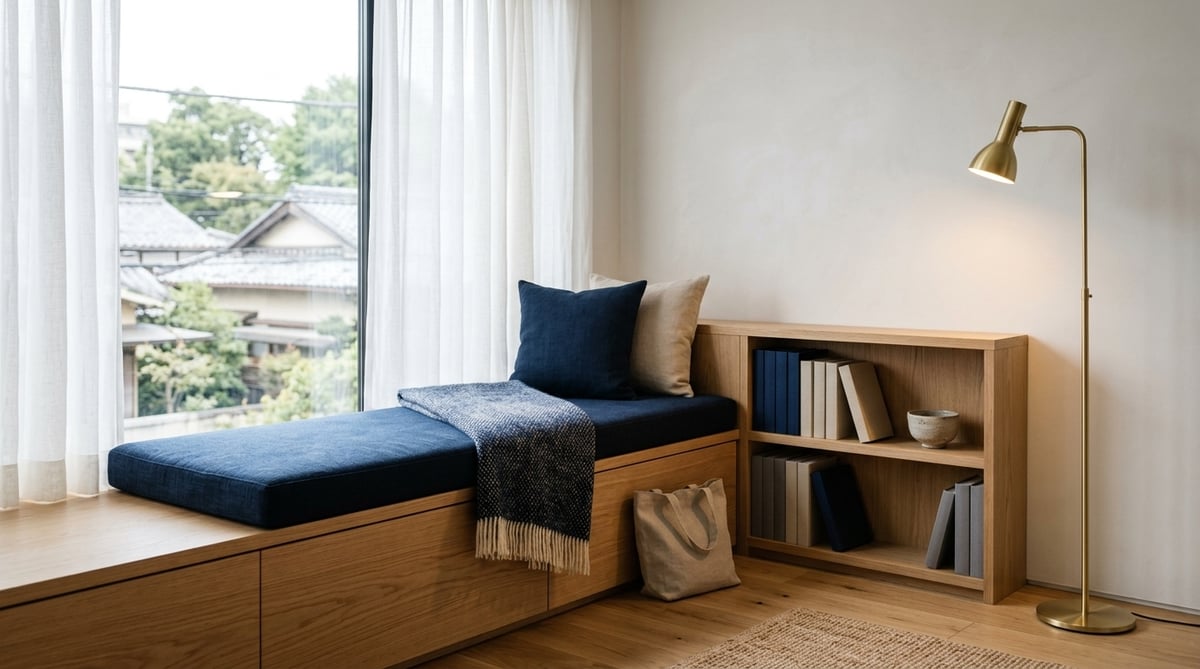
Situated in northeastern Tokyo along the Yamanote Line, Nishi-Nippori Station serves as a central transit crossroad uniting four railway lines across three operators: the JR Yamanote Line, JR Keihin-Tohoku Line, Tokyo Metro Chiyoda Line, and the Nippori-Toneri Liner. Offering direct access to Otemachi Station in approximately 12 to 13 minutes and reaching Tokyo or Shinjuku Station in around 20 minutes, it stands as an exceptionally well-connected hub. While rental interest from single professionals and dual-income couples remains robust due to this remarkable transit efficiency, apartment hunters quickly uncover a distinctive geographic phenomenon: the living environments on either side of the railway tracks are fundamentally divergent.
Stepping out of the ticket gates toward the west, you are welcomed by the expansive campus of Kaisei Academy and the lush, historic canopy of Suwa Shrine. Ascending the gentle slope reveals the tranquil hillside enclave of Dokanyama, well removed from metropolitan clamor. Conversely, exiting east toward Ogubashi-dori immerses you in a neighborhood of traditional eateries illuminated by crimson lanterns, practical drugstores, and the unpretentious warmth of classic Tokyo commerce. Even for properties sharing an identical five-minute walking radius from Nishi-Nippori Station, choosing the west or east exit substantially alters commute logistics, nighttime walkway brightness, ground foundation stability, and monthly rents by 5,000 to nearly 10,000 yen.
Drawing on over a decade of brokerage practice and residential environmental research across the borders of Bunkyo, Arakawa, and Taito wards, this analysis delivers an in-depth appraisal of Nishi-Nippori Station's west side (Dokanyama and Yanaka) versus its east side (Ogubashi-dori and Mikawashima). Beyond desktop figures, we examine the physical slope gradient, streetlamp illumination past 10:00 PM, and arterial traffic acoustics based on direct field evaluations.
East-West Average Rent Delta (Studio / 1K)
Approx. +¥8,000
West side (Dokanyama / Yanaka) retains a premium driven by plateau elevation and academic prestige
West Side (Dokanyama) Ground Geology
Musashino Plateau
Dense Kanto loam layer; entirely outside flood hazard inundation zones
East Side (Ogubashi-dori) Topography
Completely Flat
Zero inclines connecting station and supermarkets; exceptionally comfortable for cycling
Railway Connections
4 Lines / 3 Operators
JR Yamanote & Keihin-Tohoku Lines / Tokyo Metro Chiyoda Line / Toneri Liner
30-Second Key Takeaways & SummarySorAi Summary
- West side (Dokanyama / Yanaka) retains a premium driven by plateau elevation and academic prestige
- Dense Kanto loam layer; entirely outside flood hazard inundation zones
- Zero inclines connecting station and supermarkets; exceptionally comfortable for cycling
## Two Divergent Enclaves Across the Tracks: The West and East Exits
Discerning the residential qualities of Nishi-Nippori requires understanding the dual geographical and historical backgrounds divided cleanly by the railway lines. With the valley carved by the JR tracks acting as a boundary, the west side rises onto the eastern edge of the Musashino Plateau, whereas the east side occupies an alluvial lowland nestled between the Sumida and Arakawa rivers. This elevation differential spans approximately 15 meters. Such distinct topography directly dictates the streetscape, the legal zoning distinctions between residential and commercial districts, and daily residential comfort.
### Station Layout and Navigating the East-West Exits
Nishi-Nippori Station features a multi-tiered layout where JR lines intersect the subterranean Tokyo Metro Chiyoda Line, accompanied by the elevated Nippori-Toneri Liner terminal to the east. Daily pedestrian circulation flows through the following access points:
The JR station (Yamanote Line and Keihin-Tohoku Line) operates with a single consolidated ticket gate. Turning left after exiting guides you west toward Dokanyama, Yanaka, and Kaisei Academy. Turning right and passing under the railway viaduct leads east toward Ogubashi-dori, the Nippori-Toneri Liner, and Mikawashima. For the underground Chiyoda Line, dedicated surface portals emerge at street level: Exit 1 connects directly west toward Kaisei Academy and the plateau heights; Exit 2 opens east toward Ogubashi-dori and the Toneri Liner; Exit 3 leads out along Dokanyama-dori. The elevated station structure of the Nippori-Toneri Liner stands across Ogubashi-dori east of the JR exit, connected via a pedestrian overpass and street-level crosswalks.
An essential consideration during apartment hunting is the frequent scenario where a residence is close to a Chiyoda Line portal but requires traversing a lengthy underground concourse to access the JR gates. Morning commute times fluctuate depending on stairwell and elevator placement from the deep subway platforms to street level. Determining whether your daily transit relies primarily on the JR lines or on the Chiyoda Line toward Otemachi and Kasumigaseki will clarify which station portal should anchor your commute.
### Scholarly Serenity on Dokanyama Heights vs. Lowtown Energy on Ogubashi-dori
Taking the west exit immediately brings lush groves and the grounds of a storied shrine into view. Dokanyama, celebrated since the Muromachi period and historically linked to the warrior Ota Dokan, has long stood as an admired natural vantage point. Today, it hosts the campus of Kaisei Junior and Senior High School. Much of this sector is designated as a Category 1 Mid/High-Rise Exclusive Residential District or an Educational District, where amusement facilities such as pachinko parlors and adult entertainment venues are strictly banned by law. Consequently, nighttime vehicular traffic is scarce despite the immediate proximity to a Yamanote Line station, preserving an uncommonly quiet residential setting.
In striking contrast, the eastern exit opens directly onto Ogubashi-dori (Metropolitan Route 58), a major arterial avenue running north-south. Overhead runs the viaduct of the Nippori-Toneri Liner, while the street below is flanked by late-night casual dining spots, convenience stores, drugstores, and neighborhood izakayas. Extending toward Nishi-Nippori 1-chome and Higashi-Nippori in Arakawa Ward, this enclave retains traditional Tokyo hospitality alongside illuminated shopfronts that provide an abundance of practical retail stops on the way home from work. For those who prioritize everyday errand efficiency and brightly lit return routes over absolute evening quiet, the east exit provides dependable convenience.
### Topography and Hazard Profiles: Musashino Plateau vs. Flat Lowlands
Natural hazard mitigation remains a decisive factor in long-term property selection. Around Nishi-Nippori Station, disaster resilience ratings diverge decisively along the railway divide.
The western Dokanyama and Yanaka areas sit along the crest of the Musashino Plateau at elevations between 18 and 22 meters above sea level. The subsoil consists of consolidated Kanto loam, renowned for its strong earthquake resistance and exceptionally low liquefaction risk. This sector lies entirely outside the Arakawa River flood hazard inundation zones, making it one of the most structurally secure locations within central Tokyo regarding water damage.
In contrast, the eastern lowlands stretching along Ogubashi-dori toward Mikawashima occupy alluvial ground at elevations of just 2 to 4 meters. While this provides the daily luxury of completely flat terrain without inclines, certain sections fall within hazard zones projecting flood depths between 3.0 and 5.0 meters in the event of a maximum-scale Arakawa River overflow (a once-in-two-centuries rainfall event). When leasing on the east side, adopting practical risk safeguards—such as selecting reinforced concrete (RC) units on the third floor or higher and confirming that electrical switchgear is located above ground level—proves highly prudent.
Scroll horizontally to see full table →
| Comparison Metric | West Side (Dokanyama / Yanaka) | East Side (Ogubashi-dori) |
| --- | --- | --- |
| Topography & Elevation | Approx. 18–22m above sea level (Musashino Plateau upland) | Approx. 2–4m above sea level (Flat alluvial lowland) |
| Ground Geology | Kanto loam layer (Firm foundation, minimal liquefaction risk) | Sandy/clay strata (Softer alluvial soil, liquefaction awareness advised) |
| Flood Hazard | Outside designated flood inundation areas for Arakawa overflow | Certain zones project 3.0m to under 5.0m inundation in severe events |
| Neighborhood Character | Quiet educational & residential enclave, low-rise residences, shrines, greenery | Lively commercial district, traditional neighborhood shops, mixed-use retail |
| Walking Approach | Noticeable slopes such as Dokanyamazaka and Fujimizaka | Entirely flat walking approach with zero hills |
| Key Landmarks | Kaisei Academy, Suwa Shrine, Nishi-Nippori Park | Toneri Liner Station, My Basket Supermarkets, Drugstores |
| Studio / 1K Rent Baseline | ¥90,000–¥100,000 (Within 15 years old) | ¥80,000–¥90,000 (Within 15 years old) |
West Side: Dokanyama & Yanaka
**Enjoying Solid Upland Ground and Serene Residential Living**
A refined neighborhood enveloped by Kaisei Academy and the wooded grounds of Suwa Shrine. The Musashino Plateau loam offers complete immunity from flood hazards and reassuring earthquake stability. An ideal district for residents seeking tranquil evenings detached from station commercial noise, or those who enjoy weekend strolls through Yanaka Ginza and Shinobazu Pond. Daily hill walking and slightly higher rent levels are the primary factors to evaluate.
East Side: Ogubashi-dori Area
**Living Rationally with Flat Navigation and Accessible Rents**
A completely level streetscape from station to front door. Grocers, drugstores, and eateries cluster directly around the station, minimizing daily friction for meals and household shopping. Rents average approximately 8,000 yen lower per month than the west side, making it a well-suited environment for professionals prioritizing housing economics or those commuting by bicycle toward Ueno and Asakusa.
#### Nishi-Nippori Comprehensive Livability: Yamanote & Chiyoda Transit and Rent Trends
For a complete overview encompassing transit logistics where the Yamanote and Chiyoda lines intersect, historical neighborhood rent movements, and full district insights, please review our comprehensive guide below.
[👉 Maximizing Nishi-Nippori's Transit Efficiency: The Yamanote × Chiyoda Hub Guide](https://soraitokyo.jp/en/blog/nishi-nippori-station-jr-chiyoda-commute-hub?hsLang=en)
Online Consultation • Video Call Sorai Tokyo Official
[【Instant Calendar Booking】1-on-1 Online Apartment Consultation](https://soraitokyo.jp/consultation?hsLang=en)
Consult with experienced bilingual real estate advisors via video call. From selecting safe neighborhoods to verifying contract terms, we help you find the right home.
[Check Available Dates & Book →](https://soraitokyo.jp/consultation?hsLang=en)
## West Exit (Dokanyama & Yanaka): Scholarly Prestige and Restful Quiet
The western section of Nishi-Nippori Station offers an attractive residential address for those seeking a tranquil home on the upland plateau inside the Yamanote Line loop. Encompassing addresses such as Nishi-Nippori 3-chome and 4-chome in Arakawa Ward, Sendagi 3-chome in Bunkyo Ward, and Yanaka 7-chome in Taito Ward, this quarter combines historic metropolitan charm with deep residential calm.
### The Appeal of an Established Enclave Framed by Kaisei Academy and Suwa Shrine
Ascending the stairs or slopes directly outside the west exit brings you onto an open, elevated terrace: Dokanyama. To your right stand the campus grounds of Kaisei Junior and Senior High School; while student activities animate the daytime hours, the neighborhood settles into unbroken quiet by evening and throughout weekends. To your left, Suwa Shrine serves as the area's spiritual anchor, its verdant trees offering refreshing seasonal colors.
The defining hallmark of this pocket is its freedom from commercial bustle despite being within a five-minute walk of a Yamanote Line station. Strict urban planning designations prevent chaotic commercial signage or late-night entertainment venues, giving way to meticulously maintained low-rise condominiums and classic private residences. On weekend mornings, strolling along Suwadai-dori places you within a ten-minute walk of the beloved Yanaka Ginza shopping district and the Yuyake Dandan stairs, adding relaxed local exploration to your lifestyle.
### Objective Safety Verified by Tokyo Metropolitan Police Crime Statistics
Examining official crime metrics confirms the neighborhood's quiet safety. Based on the Tokyo Metropolitan Police Department's recorded incident counts categorized by district and offense, the western Dokanyama and Yanaka sectors (including Nishi-Nippori 3-chome and Yanaka 7-chome) demonstrate very low incident numbers, sustaining a secure residential climate.
Violent crimes are virtually absent, and confrontational disturbances remain exceptionally low year-round. Non-intrusive theft offenses, such as shoplifting and bicycle theft, are notably curtailed compared to commercial pockets on the east side. This peaceful track record is supported by strong community vigilance, historic family residences, and close local ties alongside the area's educational reputation.
When returning home late at night, the lack of touts or host clubs ensures that solo dwellers and late-shift professionals can walk back from the station with composure and peace of mind.
### Evaluating the Hill Approach and the Rent Premium (+¥5,000 to ¥10,000 vs. East)
While the west side offers exemplary living standards, two practical variables demand careful consideration: the hill incline and prevailing rent levels.
The primary routes ascending to the Dokanyama heights are Dokanyamazaka and Fujimizaka. The vertical rise is around 15 meters, equivalent to climbing four to five stories. While unencumbered daytime walks feel like pleasant light exercise, navigating the slope with an umbrella in the rain or carrying heavy groceries requires real physical effort. For cyclists, standard city bikes prove demanding, making electric-assist bicycles the pragmatic choice.
Regarding rental costs, properties on the upland Musashino Plateau within the Yamanote ring naturally command a premium over the east side. Looking at reinforced concrete (RC) apartments built within the past 15 years for single occupants (studio and 1K layouts of 20 to 25 square meters), east-side units typically trade in the low-to-mid 80,000 yen range, whereas comparable west-side apartments fall between 90,000 and 100,000 yen per month. This 5,000 to 10,000 yen difference represents an intentional investment in tranquility, prestige, and upland geological security.
SORAI INSPECTION / Instant Online Review
### SorAi Property Diagnostic: Unbiased Assessment of Hazard, Building, and Cost Fairness
Simply share a listing URL from major portals (SUUMO, HOME'S, etc.). Powered by official registries and proprietary analytics, we deliver an objective evaluation of flood vulnerabilities, building specifications, and initial move-in costs.
[Open in Full Window](https://inspection.soraitokyo.jp/?ref=blog_embed_ext&lang=en&utm_source=blog_mid_cta&utm_medium=cta&utm_campaign=unified_cta_inspection) [Consult via Official LINE](https://line.me/R/ti/p/@soraitokyo)
Explore other complimentary SorAi tools:[SorAi Move-in Cost Simulator →](https://soraitokyo.jp/en/quote?ref=blog_mid_cta_aux&lang=en&utm_source=blog_mid_cta&utm_medium=aux_link&utm_campaign=unified_cta_simulator&hsLang=en) [SorAi Housing Consultation →](https://hearing.soraitokyo.jp/?start=true&ref=blog_mid_cta_aux&lang=en&utm_source=blog_mid_cta&utm_medium=aux_link&utm_campaign=unified_cta_request)
Entirely complimentary and accessible online
Related Recommendation
[Arakawa Ward Chiyoda Line Ground & Flood Guide: Machiya vs Nishi-Nippori Apartments](https://soraitokyo.jp/en/blog/arakawa-ward-chiyoda-hazard-map-plateau-lowland?hsLang=en)
[Read Article →](https://soraitokyo.jp/en/blog/arakawa-ward-chiyoda-hazard-map-plateau-lowland?hsLang=en)
## East Exit (Ogubashi-dori): Flat Navigation and Practical Convenience
The eastern sector of Nishi-Nippori Station offers a highly functional residential base for residents seeking urban efficiency and favorable living economics. Comprising sections of Nishi-Nippori 1-chome and 2-chome alongside Higashi-Nippori 6-chome in Arakawa Ward, this district enables residents to live adjacent to Tokyo's commercial center while streamlining everyday routines.
### Zero-Incline Streetscapes and Effortless Bicycle Mobility
The standout physical advantage of the east exit is its entirely flat terrain from station gates to residential entryways. Passing through the turnstiles, crossing Ogubashi-dori, and navigating toward Mikawashima or Nippori involves completely level sidewalks. Returning home with heavy groceries poses no strain on feet or joints.
This level topography dramatically expands daily cycling mobility. Nippori Station is reached in minutes along flat roads, while Ueno Station can be reached in approximately 12 to 15 minutes by bicycle. On weekends, visiting Ueno Park and its museums or shopping across Asakusa is effortless without boarding a train. Numerous rental apartments here feature dedicated bicycle parking, making cycling a natural fixture of everyday life.
### Dense Array of Dining Options, Supermarkets, and Drugstores
The retail ecosystem supporting everyday life on the east side is tailored for practical living, whether you prefer cooking at home or dining out.
Multiple My Basket mini-supermarkets operating until midnight dot the station periphery, joined by Maruetsu Petit for fresh produce and Hiruma Marketplace a short walk away. In addition, prominent drugstores along Ogubashi-dori and around the station make purchasing household sundries and pharmacy items hassle-free.
For dining, popular fast-food outlets, beef bowl chains, and casual coffee shops stand alongside neighborhood set-meal diners, izakayas, and Chinese restaurants tucked beneath the viaducts and down nearby alleys. Returning home late after overtime work and finding hot dining options right outside the station is a major practical benefit for solo professionals.
### Managing Thoroughfare Noise and Leveraging Affordable Rental Rates
To enjoy comfortable living on the east side, assessing ambient traffic noise and exhaust before choosing a unit is essential.
Ogubashi-dori, cutting north-south past the station, carries steady vehicle traffic including municipal buses and delivery trucks. Overhead, the Nippori-Toneri Liner produces light motor acoustics and ground vibrations as trains pass. Furthermore, tracks for the JR Joban Line run nearby, introducing occasional railway sounds.
Selecting an apartment on the east side therefore requires confirming structural composition and window sound insulation. Because wooden and light-gauge steel frame buildings transmit roadway rumble easily, reinforced concrete (RC) or steel reinforced concrete (SRC) structures should serve as your baseline. During room viewings, keep the windows firmly shut to check sash tightness and evaluate whether secondary interior glazing is present. Simply choosing an apartment situated one or two blocks back from the thoroughfare noticeably enhances acoustic quiet.
Despite these caveats, rent levels on the east side remain remarkably competitive for the Yamanote Line corridor. Because pricing is more moderate than on the west side, an equivalent monthly budget secures newer construction, superior kitchen fittings, and modern interior appointments. For residents balancing rent expenditure with updated living specifications, the east side is an undeniably rational choice.
Scroll horizontally to see full table →
| Layout & Floor Area | West Side (Dokanyama / Yanaka) | East Side (Ogubashi-dori) | Estimated Monthly Rent Delta |
| --- | --- | --- | --- |
| Studio / 1K (20–25㎡) Within 15 yrs, RC structure | ¥92,000–¥102,000 | ¥83,000–¥92,000 | Approx. ¥8,000–¥10,000 higher in West |
| 1DK / 1LDK (30–40㎡) Within 20 yrs, RC structure | ¥135,000–¥155,000 | ¥122,000–¥140,000 | Approx. ¥12,000–¥15,000 higher in West |
| 2LDK (50–60㎡) Family units, condo-grade rentals | ¥220,000–¥260,000 | ¥195,000–¥230,000 | Approx. ¥20,000–¥30,000 higher in West |
| Over 25 yrs old, Wood/Steel (Single layout, separate bath/toilet) | ¥75,000–¥82,000 | ¥68,000–¥75,000 | Approx. ¥7,000 higher in West |
## Nighttime Safety and Selection Standards for Solo Dwellers and Women
In brokerage practice, questions regarding nighttime safety and security represent the most frequent inquiries from female clients and their families. Here, we outline the reality of the station surroundings after 10:00 PM, which daytime viewings cannot reveal.
### Atmosphere Past 10:00 PM and Comparing Streetlamp Corridors
Late at night, the character of the streetscape shifts distinctively between the exits.
On the west side (Dokanyama), commercial storefronts shutter after 10:00 PM and the area becomes profoundly quiet. Along the streets bordering Kaisei Academy and down residential lanes, municipal streetlights are well maintained, but lighting levels are intentionally modest and few pedestrians remain. While the neighborhood boasts an excellent safety record, those sensitive to walking down solitary streets may feel uneasy. When returning home west, avoiding narrow alley shortcuts or dimly lit public stairs and adhering to primary routes—such as Dokanyama-dori or Shinobazu-dori with active vehicular traffic and wide, unobstructed sidewalks—provides greater reassurance.
Conversely, the east side (Ogubashi-dori) remains illuminated by restaurants and convenience stores until near the final train, maintaining consistent pedestrian movement. While this ambient brightness fosters confidence, patrons congregating outside taverns and socializing in groups appear during late hours. For east-side living, focusing on residences accessible entirely via broad, well-lit pedestrian corridors along the main road, or properties where the turn into residential side streets occurs right beside the station, represents the most strategic choice.
### Essential Security Features: Auto-Locks, Surveillance Cameras, and Upper Floors
For solo residents or individuals living on their own for the first time in Tokyo, we advise prioritizing three baseline security features when screening properties around Nishi-Nippori Station.
First is a video intercom with auto-locking entrance gates. Screening visitors at the common threshold effectively deters unauthorized entry. Furthermore, choosing a building equipped with delivery parcel lockers reduces unnecessary face-to-face interactions with couriers, enhancing both daily safety and personal convenience.
Second is strategically placed surveillance cameras. When cameras monitor not only the main lobby but also the elevator interior, bicycle storage areas, and perimeter walkways without blind spots, the building reflects thorough management oversight that acts as a tangible psychological deterrent.
Third is selecting a unit on the second floor or above. Whether situated in the low-rise western residential zone or the eastern commercial corridor, ground-floor apartments are vulnerable to street-level sightlines and require extra vigilance regarding window openings. Particularly along alleys, confirm during on-site inspections that your apartment is above ground level and free from external structures that could serve as climbing footholds toward the balcony.
### Arterial RC Condominiums vs. Quiet Backstreet Properties: Balancing Pros and Cons
Balancing personal safety with everyday living comfort hinges on choosing the right setting: a main thoroughfare versus a quiet backstreet, each offering clear tradeoffs.
The decisive strength of reinforced concrete (RC) buildings along major roads (such as Ogubashi-dori or Dokanyama-dori) is an illuminated walking route home. With constant visibility from drivers and pedestrians, nighttime walks feel secure. The tradeoff is traffic acoustics and exhaust particles. To ensure restful laundry routines without outdoor drying, confirming that the unit includes a bathroom ventilation dryer is highly beneficial.
In contrast, backstreet residences situated off the arterial avenues offer blissful nighttime quiet. The challenge lies in the final 100 to 200 meters of narrow alleys leading to the entrance, which may fall into shadows cast by adjoining buildings. When considering an off-street property, inspecting the path on foot after dark to evaluate sidewalk width, sightlines, and streetlight brightness is an indispensable precaution.
Scroll horizontally to see full table →
| Verification Factor | West Side (Dokanyama) Realities | East Side (Ogubashi-dori) Realities | Professional On-Site Checklist |
| --- | --- | --- | --- |
| Illumination Past 10:00 PM | Alleys are dim; streetlights exist but offer subdued brightness | Avenues are brightly lit; side streets vary between light and shadow | Check not just lamp placement, but deep shadows cast by neighboring structures |
| Late-Night Foot Traffic | Pedestrians are few; very quiet atmosphere | Steady movement around dining clusters well into the night | Identify pedestrian demographics (returning commuters vs. bar patrons) |
| Noise & Vibration Levels | Sparse vehicle traffic; exceptionally peaceful | Arterial vehicle rumble, Toneri Liner transit sounds, train tracks | Verify acoustic performance with windows closed (check window sash ratings) |
| Blind Spots & Concealment | Foliage and hedge shadows from parks and shrines | Gaps between commercial buildings, service doors, recessed bike racks | Examine whether recessed pockets or blind spots surround the entrance |
| Recommended Return Route | Sidewalk routes via Dokanyama-dori | Direct sidewalk routes along Ogubashi-dori | Prioritize well-lit, open main avenues even if slightly indirect |
## Strategic Steps for Selecting the Ideal Apartment in Nishi-Nippori
To identify a residence that truly aligns with your expectations in Nishi-Nippori, follow this practical four-step workflow.
Step 01
Determine Slope and Ground Tolerance
Decide your geological preference: the elevated Musashino Plateau (West) or flat lowlands (East).
Step 02
Audit Day and Night Access Routes
Walk the route from the station on foot to evaluate illumination past 10:00 PM and roadway noise.
Step 03
Align Budget with Layout Priorities
Factor in the ~¥8,000 rent gap to prioritize building age, floor area, or equipment specifications.
Step 04
REINS Database & Quote Diagnosis
Verify true vacancy, filter phantom listings, and eliminate unnecessary initial fees with a broker.
### The Critical Need to Walk Morning and Night Corridors in Person
The single greatest pitfall when renting around Nishi-Nippori is relying exclusively on daytime automobile tours. Touring by car obscures the real steepness of the western slopes, masks the traffic light wait times across Ogubashi-dori, and conceals nighttime road noise.
Once you identify candidate residences, we strongly recommend walking the route between the station and the building twice: once on a weekday morning and once after 9:00 PM on a weekday evening. In the morning, observe passenger crowding at the gates and the walking connection to the Chiyoda Line platforms; at night, assess streetlight illumination and the character of passing pedestrians. Experiencing the west side's hill after a full workday provides the clearest clarity on whether the route fits your daily stamina.

SorAi Real-Time Rental Concierge Online 24/7
Official AI answers your questions 24/7
[Continue on Official LINE (24/7 Free)](https://page.line.me/soraitokyo?oat_content=url&openQrModal=true&utm_source=soraitokyo_website&utm_medium=blog_inline_chat&utm_campaign=line_btn) [Privacy Policy](https://soraitokyo.jp/en/privacy-policy)

Thank you for reading this guide. I am SorAi, your official real estate AI concierge.
Feel free to ask any questions about neighborhood livability, rent averages, safety, or commuting convenience in Tokyo.
Quick questions:
Summarize neighborhood livability
Commute access and train crowding
Supermarkets and daily amenities
Rent comparison with nearby stations
[Continue on Official LINE (Free)](https://page.line.me/soraitokyo?oat_content=url&openQrModal=true&utm_source=soraitokyo_website&utm_medium=blog_inline_chat&utm_campaign=line_btn)
Send
No phone number required. Feel free to consult at your own pace 24/7.
### Featured Tokyo Living Guides
SorAi Editorial
Swipe
#### [ Pet Friendly / Rental Contracts Tokyo Pet-Friendly Apartment Rental Contract Guide: Deposits & Soundproof Tips | Sorai Tokyo Read Guide →](https://soraitokyo.jp/en/blog/tokyo-pet-friendly-apartment-contract-guide?hsLang=en)
#### [ Chiyoda Line / Redevelopment Kitasenju Redevelopment & Livability 2026: 5 Train Lines, Shopping & Housing | Sorai Tokyo Read Guide →](https://soraitokyo.jp/en/blog/area-guide-kitasenju-redevelopment-trend-2026?hsLang=en)
#### [ Tenant Screening / Checklist Tokyo Rental Screening Guide 2026: Why Applications Fail and How to Pass | Sorai Tokyo Read Guide →](https://soraitokyo.jp/en/blog/apartment-screening-checklist-guide?hsLang=en)
## Frequently Asked Questions (FAQ)
### QWhich side of Nishi-Nippori Station is safer for a woman living alone: the west or the east side?
AThe ideal side depends on your security priorities and daily lifestyle. In terms of overall crime statistics and tranquility, the west side (Dokanyama and Yanaka) is superior; however, pedestrian foot traffic calms considerably after 10:00 PM and street lighting is understated. Conversely, the east side remains brightly lit with consistent activity late into the night, accompanied by the lively bustle of dining establishments. For women prioritizing peace of mind, we recommend either an RC building equipped with auto-locks and security cameras along a prominent avenue on the east side (such as Ogubashi-dori) or a well-situated property within a 3 to 4-minute walk from the station along an open path on the west side.
### QIs street noise from major thoroughfares an issue on the east side of Nishi-Nippori?
AProperties fronting Ogubashi-dori, Meiji-dori, or the elevated Nippori-Toneri Liner tracks can experience heavy vehicle noise and structural vibrations late into the night. Because wooden or light-gauge steel frame buildings are vulnerable to acoustic disturbances, opt for reinforced concrete (RC) construction and verify during your room viewing whether double-glazed window sashes or high sound-insulation ratings are installed. Stepping just one block back into the residential streets reduces ambient noise substantially, making off-street locations the smarter choice for noise-sensitive residents.
### QIs climbing the hill on the Dokanyama side strenuous on a daily basis?
AThe elevation change is approximately 15 meters, equivalent to climbing the 4th or 5th floor of a typical building, which presents a measurable workout during daily commutes or grocery runs. When traveling light, the slope offers a pleasant incline, but many find it tiring when carrying heavy luggage, feeling unwell, or walking in inclement weather. If using a bicycle, electric-assist capability is essentially indispensable. We strongly advise walking up and down the route on foot prior to signing a lease to assess whether the incline aligns comfortably with your daily routine.

Author: Sorai Tokyo Editorial Team (Supervised by Licensed Real Estate Agents)
A real estate consulting team specializing in assisting foreign nationals find rooms and explaining initial costs in Tokyo. We break down language barriers and differences in customs, offering dedicated support in Japanese, English, and Vietnamese for a safe and secure start to your new life.
 SORAI TOKYO | Chat with AI "SorAi" Anytime on LINE
### Exploring Tokyo Neighborhoods or Apartments? Ask Our AI "SorAi" Anytime on LINE
No property URL needed yet. From area safety, commute tips, and rent trends to instant initial-cost audits for listings you found—chat with SorAi 24/7 on LINE with zero sales calls.
STEP 1
Ask Anything on LINE
Ask about areas & rent, or send a listing URL anytime
→
STEP 2
24/7 Instant Reply by SorAi
Objective area data, live vacancy & fee breakdown
→
STEP 3
Explore at Your Own Pace
Zero sales calls. Meet on-site only when ready to view
24/7 Instant / Most Popular
#### ① Chat with AI "SorAi" on LINE (Free)
Ask about neighborhoods, rent trends, or share any listing URL on LINE. SorAi & our bilingual concierge check live vacancy and upfront fee breakdowns with zero sales pressure.
[Chat with SorAi on LINE (Free) ➔](https://lin.ee/VE8fd8b?utm_source=soraitokyo_blog&utm_medium=cta&utm_campaign=bottom_cta&utm_content=line)
Web Audit
#### ② SorAi Property Report
Already found a listing? Submit the URL or floor plan on the web for an instant objective breakdown of move-in costs and neighborhood data.
[View Report (Free) ↗](https://inspection.soraitokyo.jp/?ref=blog_bottom_cta)
Wait for New Listings
#### ③ SorAi Housing Needs
Select your budget, layout, and must-have conditions in 30 seconds to receive matching listings at your own pace.
[Organize Criteria (Free) ➔](https://soraitokyo.jp/en/request?ref=blog_bottom_cta&hsLang=en)
Instant Move-in Estimate
#### ④ SorAi Move-in Estimator
Enter rent and management fees to quickly estimate standard upfront contract costs and potential savings.
[Check Estimates (Free) ➔](https://soraitokyo.jp/en/quote?ref=blog_bottom_cta&hsLang=en)
※ Consultations are 100% free. No phone number required, zero pushy calls—everything is completed smoothly on LINE.
この記事をシェアする
\# エリアガイド# 北千住
[ SORAI TOKYO](https://soraitokyo.jp/en/)
Sorai Tokyo Co., Ltd.
Room 102, 1-7-14 Yanaka, Adachi-ku, Tokyo, 120-0006
03-6161-8484
[contact@soraitokyo.jp](mailto:contact@soraitokyo.jp)
Tokyo Metropolitan Governor (1) No. 113297
(License Date: December 20, 2025)
### Sitemap
- [About Us](https://soraitokyo.jp/en/about-us)
- [Testimonials](https://soraitokyo.jp/en/testimonials)
- [Chiyoda Line Guide](https://soraitokyo.jp/en/area-guide-chiyoda-line)
- [Sorai Journal](https://soraitokyo.jp/en/blog)
- [FAQs](https://soraitokyo.jp/en/faqs)
- [Contact](https://soraitokyo.jp/en/contact)
- [SorAi Request](https://soraitokyo.jp/en/request)
### Business Hours
**10:00 〜 18:00**
Closed: **Tuesday & Wednesday**
Inquiries via LINE, SNS, and email are accepted 24/7.
[View on Google Maps](https://maps.google.com/?q=%E6%9D%B1%E4%BA%AC%E9%83%BD%E8%B6%B3%E7%AB%8B%E5%8C%BA%E8%B0%B7%E4%B8%AD1-7-14) [Book Online Meeting](https://soraitokyo.jp/en/consultation?hsLang=en)
### Multilingual Services
Our professional staff are fluent in Japanese, English, Vietnamese, Russian, and Indonesian to support you from room hunting to contract signing.
[🇯🇵 日本語](https://soraitokyo.jp/ja/blog/nishi-nippori-exit-comparison-safety-rentals?hsLang=ja) [🇺🇸 English](https://soraitokyo.jp/en/blog/nishi-nippori-exit-comparison-safety-rentals?hsLang=en) [🇻🇳 Tiếng Việt](https://soraitokyo.jp/vi/blog/nishi-nippori-exit-comparison-safety-rentals?hsLang=vi) [🇷🇺 Русский](https://soraitokyo.jp/ru/blog/nishi-nippori-exit-comparison-safety-rentals?hsLang=ru) [🇮🇩 Indonesia](https://soraitokyo.jp/id/blog/nishi-nippori-exit-comparison-safety-rentals?hsLang=id)
### Inquire via Social Media
[Privacy Policy](https://soraitokyo.jp/en/privacy-policy) | [Privacy & Security](https://soraitokyo.jp/en/security)
Copyright © 2026 株式会社ソライ東京 (Sorai Tokyo Co., Ltd.) All Rights Reserved.
[Chat with SorAi](https://page.line.me/soraitokyo?oat_content=url&openQrModal=true&utm_source=soraitokyo_website&utm_medium=line_button&utm_campaign=chatbot_popover)
SorAi Chat

#### SorAi
Online (Multilingual Support)
×
[Chat with SorAi](https://page.line.me/soraitokyo?oat_content=url&openQrModal=true&utm_source=soraitokyo_website&utm_medium=chatbot_header&utm_campaign=line_btn) [Email Us](https://soraitokyo.jp/en/contact?hsLang=en)
[Get "SorAi" on LINE (24/7 Free)](https://page.line.me/soraitokyo?oat_content=url&openQrModal=true&utm_source=soraitokyo_website&utm_medium=line_button&utm_campaign=floating_btn)
 SorAi | 24/7 AI Rental Chat No signup・100% online
TOC
### Table of Contents
×
```json
{
"@context" : "https://schema.org",
"@type" : "BlogPosting",
"author" : {
"@type" : "Person",
"name" : "ソライ東京編集部",
"url" : "https://soraitokyo.jp/en/blog/author/ソライ東京編集部"
},
"datePublished" : "2026-08-29T11:45:23.000Z",
"headline" : "Nishi-Nippori Neighborhood Comparison by Exit: Dokanyama & Yanaka Residential Enclave vs. Ogubashi-dori | Rent Differences and Nighttime Safety | Sorai Tokyo",
"image" : [ "https://soraitokyo.jp/hubfs/blog-eyecatches/batch11_quiet_luxury_hallway_vista.jpg" ],
"mainEntityOfPage" : {
"@id" : "https://soraitokyo.jp/en/blog/nishi-nippori-exit-comparison-safety-rentals",
"@type" : "WebPage"
},
"publisher" : {
"@type" : "Organization",
"logo" : {
"@type" : "ImageObject",
"url" : "https://soraitokyo.jp/hubfs/small_logo(color)%20(2)-1.png"
},
"name" : "株式会社ソライ東京"
}
}
```
```json
{
"@context" : "https://schema.org",
"@type" : "FAQPage",
"mainEntity" : [ {
"@type" : "Question",
"acceptedAnswer" : {
"@type" : "Answer",
"text" : "The ideal side depends on your security priorities and daily lifestyle. In terms of overall crime statistics and tranquility, the west side (Dokanyama and Yanaka) is superior; however, pedestrian foot traffic calms considerably after 10:00 PM and street lighting is understated. Conversely, the east side remains brightly lit with consistent activity late into the night, accompanied by the lively bustle of dining establishments. For women prioritizing peace of mind, we recommend either an RC building equipped with auto-locks and security cameras along a prominent avenue on the east side (such as Ogubashi-dori) or a well-situated property within a 3 to 4-minute walk from the station along an open path on the west side."
},
"name" : "Which side of Nishi-Nippori Station is safer for a woman living alone: the west or the east side?"
}, {
"@type" : "Question",
"acceptedAnswer" : {
"@type" : "Answer",
"text" : "Properties fronting Ogubashi-dori, Meiji-dori, or the elevated Nippori-Toneri Liner tracks can experience heavy vehicle noise and structural vibrations late into the night. Because wooden or light-gauge steel frame buildings are vulnerable to acoustic disturbances, opt for reinforced concrete (RC) construction and verify during your room viewing whether double-glazed window sashes or high sound-insulation ratings are installed. Stepping just one block back into the residential streets reduces ambient noise substantially, making off-street locations the smarter choice for noise-sensitive residents."
},
"name" : "Is street noise from major thoroughfares an issue on the east side of Nishi-Nippori?"
}, {
"@type" : "Question",
"acceptedAnswer" : {
"@type" : "Answer",
"text" : "The elevation change is approximately 15 meters, equivalent to climbing the 4th or 5th floor of a typical building, which presents a measurable workout during daily commutes or grocery runs. When traveling light, the slope offers a pleasant incline, but many find it tiring when carrying heavy luggage, feeling unwell, or walking in inclement weather. If using a bicycle, electric-assist capability is essentially indispensable. We strongly advise walking up and down the route on foot prior to signing a lease to assess whether the incline aligns comfortably with your daily routine."
},
"name" : "Is climbing the hill on the Dokanyama side strenuous on a daily basis?"
} ]
}
```
```json
{
"@context" : "https://schema.org",
"@type" : "BlogPosting",
"author" : {
"@type" : "Person",
"name" : "Author: Sorai Tokyo Editorial Team (Supervised by Licensed Real Estate Agents)"
},
"dateModified" : "2026-10-03T12:36:11Z",
"datePublished" : "2026-10-03T12:36:11Z",
"description" : "Comparing Nishi-Nippori by station exit. Discover rent trends, nighttime safety, retail convenience, and topography between Dokanyama and Ogubashi-dori.",
"headline" : "Nishi-Nippori Neighborhood Comparison by Exit: Dokanyama & Yanaka Residential Enclave vs. Ogubashi-dori | Rent Differences and Nighttime Safety",
"inLanguage" : "en",
"publisher" : {
"@type" : "Organization",
"name" : "Sorai Tokyo",
"url" : "https://soraitokyo.jp"
}
}
```
```json
{
"@context" : "https://schema.org",
"@type" : "BlogPosting",
"author" : {
"@type" : "Organization",
"knowsAbout" : [ "東京メトロ千代田線", "賃貸不動産仲介", "宅地建物取引業", "初期費用適正化", "重要事項説明(IT重説)" ],
"name" : "Sorai Tokyo Editorial Team (Supervised by Licensed Real Estate Agents)",
"url" : "https://soraitokyo.jp/en/about-us"
},
"dateModified" : "2026-10-07T18:00:00+0000",
"datePublished" : "2026-08-29T11:45:23+0000",
"description" : "Comparing Nishi-Nippori by station exit. Discover rent trends, nighttime safety, retail convenience, and topography between Dokanyama and Ogubashi-dori.",
"headline" : "Nishi-Nippori Neighborhood Comparison by Exit: Dokanyama & Yanaka Residential Enclave vs. Ogubashi-dori | Rent Differences and Nighttime Safety",
"image" : "https://soraitokyo.jp/hubfs/blog-eyecatches/batch25_02_living_window_bench_corner_book_nook.jpg",
"inLanguage" : "en",
"mainEntityOfPage" : {
"@id" : "https://soraitokyo.jp/en/blog/nishi-nippori-exit-comparison-safety-rentals",
"@type" : "WebPage"
},
"publisher" : {
"@type" : "Organization",
"logo" : {
"@type" : "ImageObject",
"url" : "https://soraitokyo.jp/hubfs/raw_assets/public/soraitokyo-theme/assets/logo.png"
},
"name" : "Sorai Tokyo Co., Ltd.",
"url" : "https://soraitokyo.jp/en/"
},
"url" : "https://soraitokyo.jp/en/blog/nishi-nippori-exit-comparison-safety-rentals"
}
```
```json
{
"@context" : "https://schema.org",
"@type" : "BreadcrumbList",
"itemListElement" : [ {
"@type" : "ListItem",
"item" : "https://soraitokyo.jp/en/",
"name" : "Home",
"position" : 1
}, {
"@type" : "ListItem",
"item" : "https://soraitokyo.jp/en/blog",
"name" : "Blog",
"position" : 2
}, {
"@type" : "ListItem",
"item" : "https://soraitokyo.jp/en/blog/nishi-nippori-exit-comparison-safety-rentals",
"name" : "Nishi-Nippori Neighborhood Comparison by Exit: Dokanyama & Yanaka Residential Enclave vs. Ogubashi-dori | Rent Differences and Nighttime Safety",
"position" : 3
} ]
}
```