---
title: "Solo Remote Work in Nishi-Nippori: Dual-Line Access on the Yamanote & Chiyoda Lines | Finding Soundproof RC Apartments in the 80,000 Yen Range & Wi-Fi Cafe Guide | Sorai Tokyo"
description: "Explore Nishi-Nippori for remote work & solo living: Yamanote/Chiyoda mobility, soundproof RC apartments in the 80,000 yen range, cafe maps & initial cost tips."
image: https://soraitokyo.jp/hubfs/blog-eyecatches/batch18_04_window_nook_desk_sheer_roman_shade.jpg
---
[ SORAI TOKYO](https://soraitokyo.jp/en/)
- [Home](https://soraitokyo.jp/en/)
- [SorAi Suite](https://soraitokyo.jp/en/quote)
[SorAi Initial Cost Simulator Instant breakdown of move-in costs](https://soraitokyo.jp/en/quote) [SorAi Inspection Report Objective property & hazard diagnosis](https://soraitokyo.jp/en/inspection) [SorAi Request AI-powered rental home recommendations](https://soraitokyo.jp/en/request) [SorAi Phone Consultation 24/7 AI voice response (03-6161-8484)](tel:0361618484)
- [Property Search](https://soraitokyo.jp/en/properties/plegio-kitaayase-asian)
[Featured New (Plegio Kita-Ayase) 2 min from Chiyoda Line starting station](https://soraitokyo.jp/en/properties/plegio-kitaayase-asian) [Furnished Monthly Apartments Short-term rentals for business & temporary stays](https://soraitokyo.jp/en/short-term-rental) [Online Licensed Agent Consultation Camera-off OK • 30–45 min neutral advice](https://soraitokyo.jp/en/consultation) [Client & Resident My Page Check application status & saved documents](https://resident.soraitokyo.jp)
- [Area Guides & Journal](https://soraitokyo.jp/en/area-guide-chiyoda-line)
[Chiyoda Line Living Guide Direct access to Otemachi & Omotesando](https://soraitokyo.jp/en/area-guide-chiyoda-line) [Sorai Journal Expert rental advice & Tokyo insights](https://soraitokyo.jp/en/blog)
- [About Sorai Tokyo](https://soraitokyo.jp/en/about-us)
[Company & Leadership Our story, mission & commitment to trust](https://soraitokyo.jp/en/about-us) [Client Testimonials Real tenant experiences & proven track record](https://soraitokyo.jp/en/testimonials) [FAQs Clear answers on leasing, guarantors & visas](https://soraitokyo.jp/en/faqs) [Privacy & Security Zero paper, zero AI training & encrypted safety](https://soraitokyo.jp/en/security)
EN
[JP 日本語](https://soraitokyo.jp/ja/blog/nishi-nippori-remote-work-single-guide?hsLang=ja) [EN English](https://soraitokyo.jp/en/blog/nishi-nippori-remote-work-single-guide?hsLang=en) [VN Tiếng Việt](https://soraitokyo.jp/vi/blog/nishi-nippori-remote-work-single-guide?hsLang=vi) [RU Русский](https://soraitokyo.jp/ru/blog/nishi-nippori-remote-work-single-guide?hsLang=ru) [ID Indonesia](https://soraitokyo.jp/id/blog/nishi-nippori-remote-work-single-guide?hsLang=id)
EN
[JP 日本語](https://soraitokyo.jp/ja/blog/nishi-nippori-remote-work-single-guide?hsLang=ja) [EN English](https://soraitokyo.jp/en/blog/nishi-nippori-remote-work-single-guide?hsLang=en) [VN Tiếng Việt](https://soraitokyo.jp/vi/blog/nishi-nippori-remote-work-single-guide?hsLang=vi) [RU Русский](https://soraitokyo.jp/ru/blog/nishi-nippori-remote-work-single-guide?hsLang=ru) [ID Indonesia](https://soraitokyo.jp/id/blog/nishi-nippori-remote-work-single-guide?hsLang=id)
[Online Consultation](https://soraitokyo.jp/en/consultation) [Contact](https://soraitokyo.jp/en/contact)
SORAI TOKYO Real Estate & Living
[Cost Simulator Instant Fee Breakdown](https://soraitokyo.jp/en/quote) [Area Guide 20 Stations & Living](https://soraitokyo.jp/en/area-guide-chiyoda-line) [About Us Stance & Commitments](https://soraitokyo.jp/en/about-us) [Contact Us Viewing & Booking](https://soraitokyo.jp/en/contact)
SorAi Suite
- [SorAi Initial Cost Simulator Instant Breakdown](https://soraitokyo.jp/en/quote)
- [SorAi Inspection Report Property & Hazard](https://soraitokyo.jp/en/inspection)
- [SorAi Request AI Matcher](https://soraitokyo.jp/en/request)
- [SorAi Phone Consultation 03-6161-8484](tel:0361618484)
Property Search
- [Featured Property: Plegio Kita-Ayase 2 min walk](https://soraitokyo.jp/en/properties/plegio-kitaayase-asian)
- [Furnished Monthly Apartments Short-Term Rentals](https://soraitokyo.jp/en/short-term-rental)
Area Guides & Journal
- [Chiyoda Line Guide Direct Access to Central Tokyo](https://soraitokyo.jp/en/area-guide-chiyoda-line)
- [Sorai Journal & Insights Expert Advice](https://soraitokyo.jp/en/blog)
About Sorai Tokyo
- [Home](https://soraitokyo.jp/en/)
- [Company Profile Story & Trust](https://soraitokyo.jp/en/about-us)
- [Customer Reviews Real Voice](https://soraitokyo.jp/en/testimonials)
- [Frequently Asked Questions Answers](https://soraitokyo.jp/en/faqs)
- [Privacy & Security Zero Paper & AI Training](https://soraitokyo.jp/en/security)
Consultation & Contact
- [Online Consultation Video call](https://soraitokyo.jp/en/consultation)
- [Contact Form Inquiry](https://soraitokyo.jp/en/contact)
- [Official LINE Consultation URL intake](https://page.line.me/soraitokyo)
Language / 言語
[JP 日本語](https://soraitokyo.jp/ja/blog/nishi-nippori-remote-work-single-guide?hsLang=ja) [EN English](https://soraitokyo.jp/en/blog/nishi-nippori-remote-work-single-guide?hsLang=en) [VN Tiếng Việt](https://soraitokyo.jp/vi/blog/nishi-nippori-remote-work-single-guide?hsLang=vi) [RU Русский](https://soraitokyo.jp/ru/blog/nishi-nippori-remote-work-single-guide?hsLang=ru) [ID Indonesia](https://soraitokyo.jp/id/blog/nishi-nippori-remote-work-single-guide?hsLang=id)
Hours: 10:00 AM - 6:00 PM
Closed: Tuesday & Wednesday
[LINE](https://page.line.me/soraitokyo) [Facebook](https://www.facebook.com/1168140463045963) [Map](https://maps.google.com/?q=%E3%82%BD%E3%83%A9%E3%82%A4%E6%9D%B1%E4%BA%AC)
株式会社ソライ東京 | 宅地建物取引業者 東京都知事免許
[Home](https://soraitokyo.jp/en/) [Area](https://soraitokyo.jp/en/area-guide-chiyoda-line)
Tools
TOC
[LINE](https://page.line.me/soraitokyo?oat_content=url&openQrModal=true&utm_source=soraitokyo_website&utm_medium=bottom_nav&utm_campaign=mobile_bottom)
Select Language
×
[JP 日本語](https://soraitokyo.jp/ja/blog/nishi-nippori-remote-work-single-guide?hsLang=ja) [EN English](https://soraitokyo.jp/en/blog/nishi-nippori-remote-work-single-guide?hsLang=en) [VN Tiếng Việt](https://soraitokyo.jp/vi/blog/nishi-nippori-remote-work-single-guide?hsLang=vi) [RU Русский](https://soraitokyo.jp/ru/blog/nishi-nippori-remote-work-single-guide?hsLang=ru) [ID Indonesia](https://soraitokyo.jp/id/blog/nishi-nippori-remote-work-single-guide?hsLang=id)
SorAi Tools
×
[Initial Cost Simulator Agent Verified / Free 10-second automatic cost estimation from portal URLs or manual input](https://soraitokyo.jp/en/quote) [SorAi Inspection Report Objective Audit Upload floor plan to objectively diagnose earthquake resistance, structure & fair rent](https://soraitokyo.jp/en/inspection) [SorAi Room Hunting Request 100% Online / No Calls Zero unwanted sales calls. Simply send your ideal conditions and relax](https://soraitokyo.jp/en/request)
SORAI SUITE
[SorAi Cost Simulator](https://soraitokyo.jp/en/quote) [SorAi Inspection Report](https://soraitokyo.jp/en/inspection) [SorAi Request](https://soraitokyo.jp/en/request) [Online Consultation](https://soraitokyo.jp/en/consultation) [SorAi Phone Call](tel:0361618484)
MENU
[Area Guide](https://soraitokyo.jp/en/area-guide-chiyoda-line) [Journal](https://soraitokyo.jp/en/blog) [About Us](https://soraitokyo.jp/en/about-us) [Contact](https://soraitokyo.jp/en/contact)
[Free LINE Consultation](https://page.line.me/soraitokyo?oat_content=url&openQrModal=true&utm_source=soraitokyo_website&utm_medium=left_sidebar&utm_campaign=persistent_rail)
1. [Home](https://soraitokyo.jp/en/)
2. /
3. [Area Guide](https://soraitokyo.jp/en/area-guide-chiyoda-line)
4. /
5. Solo Remote Work in Nishi-Nippori: Dual-Line Access on the Yamanote & Chiyoda Lines | Finding Soundproof RC Apartments in the 80,000 Yen Range & Wi-Fi Cafe Guide
Area & Station Guide
[Back to Area Guide](https://soraitokyo.jp/en/area-guide-chiyoda-line)
# Solo Remote Work in Nishi-Nippori: Dual-Line Access on the Yamanote & Chiyoda Lines | Finding Soundproof RC Apartments in the 80,000 Yen Range & Wi-Fi Cafe Guide
Published: Sep 13, 2026 Updated: Oct 8, 2026 [Sorai Tokyo Editorial (Licensed Agent)](https://soraitokyo.jp/en/about-us)
 SORAI TOKYO | Chat with AI "SorAi" Anytime on LINE
## Exploring Tokyo Neighborhoods or Apartments? Ask Our AI "SorAi" Anytime on LINE
No property URL needed yet. From area safety, commute tips, and rent trends to instant initial-cost audits for listings you found—chat with SorAi 24/7 on LINE with zero sales calls.
[Chat with AI "SorAi" on LINE (Free) 24/7 Instant / Most Popular Ask about areas, rent, vacancy, or upfront fees anytime →](https://lin.ee/VE8fd8b?utm_source=soraitokyo_blog&utm_medium=cta&utm_campaign=fv_cta&utm_content=line) [SorAi Property Report Web Audit Already have a URL or floor plan? Check fair value ↗](https://inspection.soraitokyo.jp/?ref=blog_top_cta) [SorAi Housing Needs Organize your budget & preferred stations online →](https://soraitokyo.jp/en/request?ref=blog_top_cta&hsLang=en) [SorAi Move-in Estimator Quickly estimate standard upfront costs from rent →](https://soraitokyo.jp/en/quote?ref=blog_top_cta&hsLang=en)
※ Consultations are 100% free. No phone number required, zero pushy calls—everything is completed smoothly on LINE.
Table of Contents
Table of Contents
Collapse
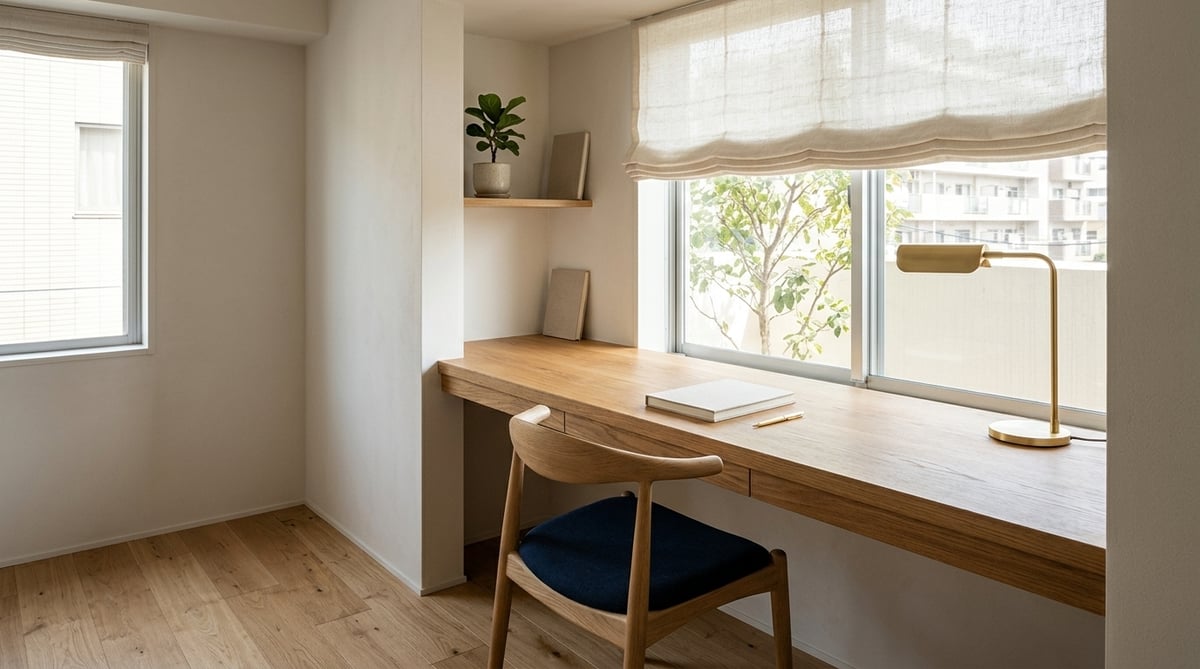
At dusk, as you step out of the station ticket gates, the calm rhythm of neighborhood life and a nostalgic warmth welcome you home. When searching for a home, the truly worthwhile choice is never a mere comparison of specs and figures, but how genuinely rich, serene, and unburdened your everyday routine can be within those walls. Drawing upon ten years of practical field experience as a licensed real estate broker, we gently unpack common anxieties and share practical insights so you can select your home with enduring confidence.
Directly connecting the JR Yamanote Line and Tokyo Metro Chiyoda Line, Nishi-Nippori delivers superb mobility to Tokyo’s primary business districts alongside a tranquil residential setting imbued with traditional downtown charm. Imagine starting your morning with freshly brewed coffee bathed in soft natural light, then diving into video conferences and focused deep work inside a quiet reinforced concrete (RC) apartment. In the afternoon, take a brief stroll to a Wi-Fi-equipped cafe just minutes away or wander through leafy hilltop lanes; come evening, pick up fresh produce at a supermarket open until midnight before returning home. Here, the energetic pace of central Tokyo and the gentle ease of independent living exist in seamless harmony.
Yamanote & Chiyoda Dual Access
2 Major Arteries
Direct access to Shinjuku, Shibuya, and Otemachi
Soundproof RC Solo Rent Market
82k–88k JPY
More accessible station-front condos than inside the loop
Direct Ride to Otemachi Station
Direct in 11 Mins
Smooth transit into central office quarters via Chiyoda Line
Station-Area Wi-Fi Workspaces
Abundant within 5 mins
Rich cluster of cafes and productive retreats for a change of pace
30-Second Summary & TakeawaysSorAi Summary
- A licensed broker breaks down rental market trends, living conditions, and leasing essentials for solo teleworkers seeking soundproof RC homes in the 80,000 yen range around Nishi-Nippori.
- Seamless, omnidirectional connectivity across Tokyo via the Yamanote Line and Chiyoda Line.
- A benchmark rent in the 80,000 yen range for soundproof RC units within an 8-minute walk allows residents to balance daily convenience with financial peace of mind.
## Transit Convenience in Nishi-Nippori and Rental Market Trends for Soundproof RC Buildings
For professionals who primarily work remotely while commuting to the office or attending external meetings a few times a week, transportation access deeply influences daily quality of life and physical stamina. Nishi-Nippori Station serves as a vital interchange combining the loop-connecting JR Yamanote and Keihin-Tohoku Lines, the Tokyo Metro Chiyoda Line slicing through downtown corporate hubs, and the Nippori-Toneri Liner extending toward Adachi Ward.
### Omnidirectional Transit Across Tokyo via the Yamanote and Chiyoda Lines
The foremost advantage of Nishi-Nippori Station lies in the ability to seamlessly choose between the Tokyo Metro Chiyoda Line and the JR Yamanote Line. Via the Chiyoda Line, you can reach Otemachi Station directly in about 11 minutes, Kasumigaseki Station in 16 minutes, Akasaka Station in 21 minutes, and Omotesando Station in 26 minutes—delivering you into major financial and governmental centers without a single transfer.
Meanwhile, the JR Yamanote Line brings you directly to Ikebukuro Station in 11 minutes, Ueno Station in 5 minutes, Tokyo Station in 12 minutes, Shinjuku Station in 20 minutes, and Shibuya Station in 28 minutes. During daytime hours, Keihin-Tohoku Line rapid services also stop here. Reaching major hubs across the capital in under 30 minutes affords hybrid workers an invaluable measure of comfort and freedom.
### Rent Market Comparisons Across Yamanote Stations and Chiyoda Line Stops
Despite being situated on the coveted Yamanote Line loop, rent levels around Nishi-Nippori Station remain notably grounded. On the Bunkyo Ward side, single-resident RC apartments around Sendagi Station (8 minutes to Otemachi) and Nezu Station (6 minutes to Otemachi) routinely command 95,000 to 115,000 yen, with the Bunkyo borders near Komagome and Tabata Stations centering firmly in the 90,000 yen range.
Further east on the Chiyoda Line past the Arakawa River lie Ayase Station (West/East exits), Kita-Ayase Station (North/South/Central gates) offering terminating and originating trains, and Kitasenju Station (West/East Den-dai exits). Kitasenju sits in the low 80,000 yen range, while Ayase and Kita-Ayase sit in the low-to-mid 60,000 yen range. Nishi-Nippori offers the rare balance of Yamanote Line speed while securing soundproof RC apartments within a 5- to 8-minute walk on the Arakawa Ward side in the 80,000 yen tier (82,000 to 88,000 yen including management fees).
### Leasing Trends for RC Apartments Within an 8-Minute Walk in the 80,000 Yen Range
When targeting a total monthly budget in the 80,000 yen range within Nishi-Nippori, prime options within an 8-minute walk typically consist of reinforced concrete (RC) and steel-reinforced concrete (SRC) buildings built 15 to 25 years ago, offering 20 to 25 square meters of private space.
These properties are well appointed with auto-lock entrances, delivery parcel boxes, separated bath and toilet layouts, indoor laundry spaces, standalone washbasins, and kitchens with two-burner gas cooktops. Even among properties around 20 years old, tastefully renovated units appear in the mid-80,000 yen range, bringing together the acoustic insulation of sturdy concrete architecture with sensible pricing.
Online Consultation Desk (No In-Person Visit Required) Sorai Tokyo Official
[\[Instant Calendar Booking\] Online Home Search Consultation with a Dedicated Agent](https://soraitokyo.jp/consultation?hsLang=en)
Licensed real estate brokers specialized in Tokyo's eastern districts provide dedicated video consultations, helping you organize criteria, uncover unlisted properties, and optimize initial move-in costs.
[Check Available Dates & Book →](https://soraitokyo.jp/consultation?hsLang=en)
#### Comprehensive Livability in Nishi-Nippori: Transit Access on the Yamanote & Chiyoda Lines and Local Charm
Beyond finding a peaceful home office in a soundproof RC residence, discover the area's shopping environment, neighborhood safety, and rapid access to Tokyo's prime destinations in our full area guide.
[👉 Living with Nishi-Nippori Transit Convenience: 10 Mins to Otemachi, 20 Mins to Shinjuku, and Neighborhood Insights Here](https://soraitokyo.jp/ja/blog/nishi-nippori-station-jr-chiyoda-commute-hub?hsLang=en)
Free Online Tool • Instant Calculation Sorai Tokyo Official
[【SorAi Initial Cost Simulator】Calculate Transparent Move-in Costs in 10 Seconds](https://soraitokyo.jp/quote?hsLang=en)
Simply enter the rent and deposit from portal listings to calculate a full, itemized breakdown including brokerage and guarantor fees without hidden add-ons.
[Try Initial Cost Simulator →](https://soraitokyo.jp/quote?hsLang=en)
## Soundproof RC Architecture and Space Planning for Productive Remote Work
For individuals working from home, sound insulation and functional spatial layout are decisive factors governing productivity and everyday peace of mind. Working in an environment where you worry about online meeting voices leaking next door, or where household noise and street clatter interrupt your focus, quickly leads to fatigue.
### 180mm+ Boundary Walls and T-2 Acoustic Sashes for Quiet Video Meetings
A solid architectural foundation is a non-negotiable prerequisite for working from home. In wooden and light-gauge steel buildings, dividing walls typically consist of gypsum board with a thickness of only 100 to 120 mm. Conversations and keyboard clicks transmit easily, creating potential confidentiality risks.
In contrast, cast-in-place reinforced concrete (RC) and steel-reinforced concrete (SRC) use high-density concrete to block acoustic energy. By selecting a property with a **boundary concrete wall thickness of 180mm or greater**—as recommended by the Architectural Institute of Japan—you secure a D-50 rating (where normal conversation is virtually imperceptible next door), letting you speak freely during conference calls.
Furthermore, because railway lines and major thoroughfares cross Nishi-Nippori, verifying window sashes rated **T-2 (providing approximately 30 dB of acoustic reduction)** or higher is crucial. A T-2 sash suppresses external traffic roar down to roughly 40 dB, comparable to the hushed calm of a quiet library.
### Dimensional Planning for Workstations and Traffic Flow in 20–25 sqm Layouts
In a standard 1K floor plan of 20 to 25 square meters (room size approximately 6.5 to 7.5 tatami mats) typical of the 80,000 yen bracket, the following essential clearances balance a productive desk area with restful living quarters:
- **Work Desk**: Width 100–120 cm x Depth 60 cm. A comfortable standard dimension accommodating an external monitor and laptop.
- **Chair Clearance**: At least 75–80 cm behind the desk to ensure effortless sitting, standing, and reclining.
- **Single Bed Placement**: Width 100 cm x Length 200 cm. Placed flush against a wall to keep open pathways to the balcony completely clear.
- **Camera Backdrop Considerations**: Position the desk facing a wall or with a clean, neutral wall behind you to prevent beds or drying laundry from entering the video frame.
- **Refrigerator Space**: Verify a space of at least 60 cm width x 60 cm depth, anticipating a standard two-door 150–170L unit.
- **Washing Machine Pan and Faucet**: Check that the interior pan measures at least 60 cm x 60 cm and the faucet stands at least 110 cm from the floor.
### Evaluating Apartment Internet Infrastructure and Identifying Fiber-to-the-Home (FTTH)
The foundation of dependable remote work is internet stability and bandwidth. Older multi-family residences frequently rely on VDSL systems (distributing signals via legacy telephone copper wiring), which caps speeds at 100 Mbps and frequently suffers evening slowdowns and dropped connections.
To ensure effortless telework, choosing a building equipped with direct **Fiber-to-the-Home (FTTH) optical wiring** is essential. During property viewings, check whether the wall outlet plate features a dedicated fiber port labeled "Optical" (光). Direct fiber wiring supports speeds up to 1 Gbps to 2 Gbps, guaranteeing consistent bandwidth and low ping values for uninterrupted video and large data transfers.
Scroll horizontally to see full table →
| Building Structure Type | Standard Boundary Wall Thickness | Airborne Sound Insulation (D-Value) | Sash Sound Insulation Rating | Remote Work Suitability & Quietness |
| --- | --- | --- | --- | --- |
| **Wood Frame (W)** | 100–120 mm (Hollow Drywall) | D-35 to D-40 (Conversations easily leak) | Equivalent to T-1 (approx. 25 dB reduction) | High risk of meeting voice leakage. Exercise extreme caution near tracks or main roads. |
| **Light-Gauge Steel (S)** | 120–140 mm (Multi-layer Board) | D-40 to D-45 (Loud impacts recognizable) | T-1 to T-2 | Feasible in quiet residential zones, but neighboring phone conversations may be audible. |
| **Reinforced Concrete (RC)** | 180–200 mm (Cast-in-Place Concrete) | D-50 to D-55 (Neighboring speech nearly silent) | T-2 or higher (approx. 30 dB reduction) | **Recommended standard. High airtightness enables secure calls and quiet nighttime work.** |
| **Steel Reinforced Concrete (SRC)** | 180–220 mm (Dense Concrete) | D-55 or higher (Exceptional sound insulation) | T-2 to T-3 | Common in mid-to-high-rise station-front buildings; highly resilient against vibration and road noise. |
SORAI SIMULATOR / Online in 10 Sec
### \[SorAi Initial Cost Simulator\] Calculate Estimated Move-in Costs in 10 Seconds
Simply enter the rent and deposit to calculate a transparent move-in cost breakdown including brokerage and guarantor fees without hidden markups.
[Open in Fullscreen / New Tab](https://soraitokyo.jp/en/quote?ref=blog_embed_ext&utm_source=blog_mid_cta&utm_medium=cta&utm_campaign=unified_cta_simulator&hsLang=en) [Chat on Official LINE](https://line.me/R/ti/p/@soraitokyo)
Explore other free SorAi tools: [SorAi Inspection Report →](https://soraitokyo.jp/inspection?ref=blog_mid_cta_aux&lang=en&utm_source=blog_mid_cta&utm_medium=aux_link&utm_campaign=unified_cta_inspection&hsLang=en) [SorAi Request →](https://hearing.soraitokyo.jp/?start=true&ref=blog_mid_cta_aux&lang=en&utm_source=blog_mid_cta&utm_medium=aux_link&utm_campaign=unified_cta_request)
※ 100% Free ・ Online completed.
Related Reading
[More Value than Kitasenju or Ayase? The Benefits of Renting 2DK/2LDK in Kita-Ayase and How Couples and Families Avoid Regrets](https://soraitokyo.jp/ja/blog/kita-ayase-2dk-2ldk-rental-guide?hsLang=en)
[Read Article →](https://soraitokyo.jp/ja/blog/kita-ayase-2dk-2ldk-rental-guide?hsLang=en)
Related Recommendation
[Kita-Ayase Solo Living & Rent Guide: High-Cost-Performance Tokyo Living on the Chiyoda Line](https://soraitokyo.jp/en/blog/kita-ayase-single-rent-budget-simulation?hsLang=en)
[Read Article →](https://soraitokyo.jp/en/blog/kita-ayase-single-rent-budget-simulation?hsLang=en)
## Station-Area Wi-Fi Work Cafes and Coworking Environment Map
To sustain remote work happily over the long term, securing comfortable third places nearby for a refreshing change of scene and mental reset is remarkably effective. From station-front cultural hubs and cafes equipped with power outlets and Wi-Fi to cozy book cafes nestled in the historic Yanesen quarter, a versatile spectrum of productive environments sits within easy walking distance of Nishi-Nippori Station.
### Station-Front Hub Nishi-Nippori Scramble and Power-Equipped Work Cafes
Positioned directly outside the Nishi-Nippori ticket gates beneath the elevated tracks is NISHINIPPORI SCRAMBLE, a vibrant community hub. This stylishly revitalized under-viaduct space gathers specialty coffee stands, an evening night-kiosk serving craft beers and light meals, and an intimate curated bookstore. Its warm, wood-accented open seating provides an inspiring atmosphere for checking emails or sketching new concepts.
Dedicated work-friendly cafes also cluster around the station. Along Dokanyama-dori, Cafe de Crie Nishi-Nippori features counter seats equipped with power outlets and stable free Wi-Fi. Nearby Cafe Veloce Nishi-Nippori offers spacious seating and budget-friendly coffee, ideal for brisk focus sessions. Walking a little further toward Tabata or Shin-Mikawashima reveals Komeda's Coffee, where roomy booths allow extended, undisturbed deep work.
### Yanesen Book Cafes and Weekend Third Places
Ascending the Dokanyama hill to the west of Nishi-Nippori Station leads across a verdant plateau framed by Suwa Shrine and historic temples, flowing smoothly into Tokyo's beloved Yanesen district. The Yanaka Ginza shopping street is only a 7- to 10-minute walk away. Heritage townhouse cafes such as HAGISO, Kayaba Coffee, and CIBI line your walking paths, perfect for weekend reading or weekly planning. In addition, the Arakawa Ward Nippori Library offers silent study rooms for focused, cost-free work sessions.
### Midnight Supermarkets and Station Shopping Streets Supporting Daily Life
When stepping out after wrapping up late-night projects, having immediate access to groceries and daily essentials is a true lifeline for home cooking. Just a 3-minute walk from the station along Ogubashi-dori, Summit Store Nishi-Nippori stays open until midnight (24:00), providing an extensive selection of fresh meats, produce, and prepared meals.
Multiple My Basket mini-supermarkets offer affordable daily staples around the station, complemented by Matsumoto Kiyoshi drugstores and multiple convenience stores. This compact network makes it effortless to complete all essential errands in a single stop on your way home.
Inside Yamanote Loop / Adjacent to Bunkyo Ward
Nishi-Nippori 3-chome & Yanaka (Upland Enclave)
- Quiet, distinguished residential setting surrounded by Suwa Shrine and temple greenery
- Effortless daily strolls to Yanaka Ginza shopping street and independent artisanal cafes
- Reassurance of solid upland ground (Musashino Plateau)
- Rents run higher at 90,000–100,000+ yen with tighter market availability
- Station approaches involve ascending slopes or outdoor staircases
Arakawa Ward Side / Station-Close Flatlands
Nishi-Nippori 2-chome & 5-chome (Mixed Commercial & Residential)
- **Abundant supply of soundproof RC/SRC apartments in the low-80,000 yen range**
- Flat, level walking routes to Summit Store (open until midnight) and convenience stores
- 3- to 6-minute walks to the gates maximize Yamanote and Chiyoda mobility
- Properties facing Ogubashi-dori or Meiji-dori have substantial traffic, making T-2 sashes essential
- Scattered dining spots create the energetic atmosphere typical of commercial districts
## Income-Calibrated Rent Ratios and Household Budget Simulations
Even after finding an apartment perfectly suited for remote work, a lifestyle cannot remain peaceful if monthly rent overburdens take-home income. To construct a resilient household buffer against sudden inflation or rising utility bills, it is essential to discard the vague traditional benchmark of "one-third of gross salary" and base decisions on logical net cash flow.
### The 25%–28% Net Income Rent Ratio Standard
As pay stubs clearly show, social insurance and income taxes reduce net take-home earnings to approximately 75% to 80% of gross pay. For someone with a gross monthly salary of 330,000 yen, actual take-home income sits around 260,000 to 270,000 yen. Designing a monthly budget without anchoring on this net figure inevitably invites financial strain.
As an objective standard balancing asset accumulation with daily lifestyle comfort, Sorai Tokyo advocates the following rent-to-income ratios:
- **Solo Residents: 25% to 28% of Net Take-Home Income**
- **Dual-Income Couples & Households: 22% to 26% of Combined Net Take-Home Income**
Keeping housing costs within 28% of net pay controls baseline fixed expenses so effectively that seasonal spikes in electricity costs or consumer price shifts never push personal cash flows into deficit. Selecting an 80,000 yen RC apartment in Nishi-Nippori represents the most rational strategy for solo professionals earning 280,000 to 320,000 yen net to enjoy central Tokyo mobility while upholding the 25%–28% rule.
### Budget Breakdown Simulations for Net Incomes of 240,000, 280,000, and 320,000 Yen
Factoring in the realities of remote work expenditures, let us examine household balance sheets across three typical take-home income brackets. Working from home tends to elevate monthly utility bills to roughly 15,000 to 18,000 yen due to continuous air conditioning and computer operation, underscoring the vital importance of disciplining baseline rent.
Scroll horizontally to see full table →
| Budget Category | Net 240,000 JPY (Solo) | Net 280,000 JPY (Recommended) | Net 320,000 JPY (Comfort Buffer) |
| --- | --- | --- | --- |
| **Rent & Common Fees (Target)** | 66,000 JPY (27.5% ratio) | 78,000 JPY (27.8% ratio) | 86,000 JPY (26.8% ratio) |
| **Food (Groceries + Dining/Cafes)** | 36,000 JPY | 42,000 JPY | 48,000 JPY |
| **Utilities (Adjusted for WFH)** | 14,000 JPY | 16,000 JPY | 17,000 JPY |
| **Connectivity (Fiber + Mobile)** | 8,000 JPY | 9,000 JPY | 9,000 JPY |
| **Daily Supplies, Clothing & Sundries** | 15,000 JPY | 20,000 JPY | 25,000 JPY |
| **Socializing & Leisure** | 20,000 JPY | 28,000 JPY | 35,000 JPY |
| **Emergency Savings & Investments** | 41,000 JPY | 52,000 JPY | 65,000 JPY |
| **Contingency Reserve** | 40,000 JPY | 35,000 JPY | 35,000 JPY |
| **Total Expenditures & Cash Balance** | 240,000 JPY (Sustained Surplus) | 280,000 JPY (Steady Wealth Growth) | 320,000 JPY (High-Level Cushion) |
### How Fixed Expense Discipline Creates Wealth and Peace of Mind
When someone with a take-home pay of 280,000 yen chooses a home in the low-80,000 yen tier, they can comfortably allocate over 50,000 yen every month into tax-advantaged investment accounts (such as NISA), defined-contribution pensions, and cash reserves. Restrained fixed costs serve as an indispensable safety cushion against unexpected life events or corporate workplace shifts. Marrying central city proximity with approachable rents, Nishi-Nippori stands as an exemplary choice for those seeking true economic autonomy and stability.
## Anatomy of Lease Contract Initial Costs and Scrutinizing Unnecessary Add-Ons
Even if you find a property with an ideal monthly rent, initial leasing costs can derail your financial roadmap if left unchecked. Across the leasing industry, brokers frequently present optional incidental services disguised as mandatory requirements, inflating invoices well past fair market rates. Mastering how to deconstruct initial quotes prior to signing empowers you to restore costs to their proper baseline.
### Standard Components of Security Deposits, Key Money, and Incidental Fees
Initial leasing invoices in Japan primarily encompass the following components:
- **Security Deposit / Shikikin (0 to 1 month)**: Collateral held to cover restoration obligations or unpaid rent upon vacating. Any balance after actual expenses is refunded.
- **Key Money / Reikin (0 to 1 month)**: A non-refundable gratuity paid directly to the lessor upon executing the agreement.
- **Advance & Prorated Rent (1 to 1.5 months)**: Prorated rent for the move-in month plus the full subsequent month's rent.
- **Brokerage Commission (0.55 to 1.1 months incl. tax)**: Compensation paid to the licensed brokerage. Under Article 46 of the Real Estate Brokerage Act, the statutory principle caps the tenant's share at 0.55 months (tax included) unless explicit prior consent is given.
- **Initial Guarantor Company Fee (40% to 50% of total rent)**: A fee paid to an institutional rent guarantor securing lease obligations.
- **Fire & Liability Insurance (15,000 to 25,000 JPY for 2 years)**: Tenant liability and personal property loss insurance.
- **Lock Replacement Fee (16,500 to 22,000 JPY incl. tax)**: The actual cost of changing the entry door lock cylinder.
### Identifying and Eliminating Unnecessary Incidental Add-Ons
Superfluous items slipped into brokerage estimates follow unmistakable patterns. In the vast majority of cases, these represent proprietary products designed to bolster the agency's profit margins, bearing zero legal or contractual obligation for the tenant.
- **Room Disinfection & Deodorizing Fees (15,000 to 25,000 JPY)**: Often consisting merely of spraying a basic aerosol can. Proper hygiene is already ensured by standard turnover cleaning, making this item unnecessary in principle.
- **24-Hour Emergency Support Service (16,500 to 22,000 JPY)**: An on-call service for plumbing or lost keys that almost always duplicates inclusions already provided by standard fire insurance or core property management services.
- **Document Preparation & Move-In Admin Fees (11,000 to 22,000 JPY)**: Preparing contracts and delivering Explanations of Important Matters are foundational brokerage duties covered by the brokerage commission; charging extra administrative fees violates statutory guidelines.
- **Fire Extinguisher & Disaster Kit Charges (10,000 to 15,000 JPY)**: Portable fire extinguishers cost only a few thousand yen retail; there is no legal basis compelling tenants to purchase high-priced proprietary emergency kits.
### Reviewing Mandated Fire Insurance and Exercising the Tenant's Free Choice of Provider
Initial leasing invoices frequently prescribe high-priced, agency-affiliated fire insurance costing 20,000 to 25,000 yen for two years. However, forcing tenants into a specific underwriter is problematic under Article 300 of the Insurance Business Act (prohibition of unfair insurance solicitation). Tenants retain the absolute right to freely choose and procure an insurance policy that meets or exceeds the coverage requirements stipulated in the lease.
By personally procuring a direct online tenant insurance policy (such as Zurich Small Amount and Short Term Insurance or Nisshin Fire's dedicated tenant plan), you can secure robust tenant liability (10–20 million yen) and household belongings coverage (2–3 million yen) for roughly **4,000 to 8,000 yen annually (8,000 to 16,000 yen for two years)**. Simply informing the management agency, "I will submit an insurance certificate providing equivalent coverage prior to lease execution," reliably trims 10,000 to 15,000 yen from your upfront cash outlay.
Scroll horizontally to see full table →
| Invoice Line Item | Standard Brokerage Estimate (1 Mo Dep / 1 Mo Key / Inflated Extras) | Sorai Tokyo Fair Contract (Half Commission / Zero Extras) | Difference & Total Savings |
| --- | --- | --- | --- |
| **Security Deposit (Shikikin)** | 82,000 JPY (1 month) | 82,000 JPY (1 month) | 0 JPY |
| **Key Money (Reikin)** | 82,000 JPY (1 month) | 82,000 JPY (1 month) | 0 JPY |
| **Advance Rent & Common Fees** | 87,000 JPY (1 month) | 87,000 JPY (1 month) | 0 JPY |
| **Brokerage Commission** | 90,200 JPY (1.1 months incl. tax) | 45,100 JPY (0.55 months incl. tax) | -45,100 JPY (50% reduction) |
| **Guarantor Company Initial Fee** | 43,500 JPY (50% total rent) | 43,500 JPY (50% total rent) | 0 JPY |
| **Fire Insurance (2 Years)** | 22,000 JPY (Designated expensive plan) | 9,000 JPY (Optimal direct plan) | -13,000 JPY |
| **Lock Replacement Fee** | 22,000 JPY (incl. tax) | 22,000 JPY (incl. tax) | 0 JPY |
| **Disinfection & Deodorizing** | 22,000 JPY (Unnecessary add-on) | 0 JPY (Fully excluded) | -22,000 JPY |
| **24-Hour Emergency Support** | 16,500 JPY (Unnecessary add-on) | 0 JPY (Fully excluded) | -16,500 JPY |
| **Document Preparation Fee** | 11,000 JPY (Improper billing) | 0 JPY (Fully excluded) | -11,000 JPY |
| **Total Initial Costs** | **478,200 JPY** | **370,600 JPY** | **-107,600 JPY (approx. 110,000 JPY saved)** |
## Beginning a Balanced Remote Work Lifestyle in Peaceful Nishi-Nippori
Starting your morning with fresh coffee in a quiet room, stepping out when focus wanes to walk amid Yanesen's greenery, holding swift access to Tokyo's primary commercial hubs firmly in hand, and returning at night to deep, restorative rest within a solid RC apartment—Nishi-Nippori offers a profound sense of breathing room and grounded calm to those who take both their profession and personal life seriously.
A 10-Year Broker's Field Perspective: Topographical Contrast and Soundproofing in Nishi-Nippori (Dokanyama Upland vs. Ogubashi-dori Lowland)
A central insight when choosing a home in Nishi-Nippori is recognizing the area's dual topographical character divided by the railway line. The western Dokanyama side rests on the resilient Musashino Plateau, opening into peaceful enclaves cradled by temples and neighborhood parks. It is ideal for those who place absolute quiet above all else, though the hill approach and slightly higher rents are points to keep in mind.
Conversely, the eastern Arakawa Ward side offers flat walking routes, plentiful retail amenities, and a rich selection of modern, well-fitted RC residences in the 80,000 yen range. When selecting units along broad avenues, verifying window sash acoustic performance (T-2 or above) and acoustic sleeve baffling on ventilation ducts during your viewing enables you to enjoy both superb daily convenience and pristine acoustic quietude.
Keeping rent within 25% to 28% of your take-home pay while eliminating superfluous add-on charges from your initial lease agreement acts as a formidable financial shield when starting anew. Whenever you feel uncertain during your apartment hunt or have doubts about an invoice, Sorai Tokyo is here to help. We are dedicated to supporting every resident as they step forward into a rich, sustainable urban life with deep professional clarity and sincere guidance.

SorAi Real-Time Rental Concierge Online 24/7
Official AI answers your questions 24/7
[Continue on Official LINE (24/7 Free)](https://page.line.me/soraitokyo?oat_content=url&openQrModal=true&utm_source=soraitokyo_website&utm_medium=blog_inline_chat&utm_campaign=line_btn) [Privacy Policy](https://soraitokyo.jp/en/privacy-policy)

Thank you for reading this guide. I am SorAi, your official real estate AI concierge.
Feel free to ask any questions about living expenses, living together, remote work setups, or daily life in Tokyo.
Quick questions:
Summarize lifestyle and living costs
Monthly living cost simulation
Choosing layouts for couples or co-living
Cooking setups and utility onboarding
[Continue on Official LINE (Free)](https://page.line.me/soraitokyo?oat_content=url&openQrModal=true&utm_source=soraitokyo_website&utm_medium=blog_inline_chat&utm_campaign=line_btn)
Send
No phone number required. Feel free to consult at your own pace 24/7.
### Featured Tokyo Living Guides
SorAi Editorial
Swipe
#### [ Chiyoda Line / Redevelopment Kitasenju Redevelopment & Livability 2026: 5 Train Lines, Shopping & Housing | Sorai Tokyo Read Guide →](https://soraitokyo.jp/en/blog/area-guide-kitasenju-redevelopment-trend-2026?hsLang=en)
#### [ Featured Area / Origin Station Ayase Neighborhood & Safety Guide 2026: North vs South Exit, Rent & Chiyoda Line Commute | Sorai Tokyo Read Guide →](https://soraitokyo.jp/en/blog/area-guide-ayase?hsLang=en)
#### [ Rent Market / Solo Living Kita-Ayase Solo Living Guide: Rent Averages from ¥50,000s & Chiyoda Line Origin Perks | Sorai Tokyo Read Guide →](https://soraitokyo.jp/en/blog/kita-ayase-single-rent-budget-simulation?hsLang=en)
## Frequently Asked Questions
### QWhat are morning rush-hour conditions like at Nishi-Nippori Station with access to both the Yamanote and Chiyoda Lines, and what alternative routes exist during train delays?
ADuring peak morning commuting hours (approx. 7:45 to 8:30 AM), Chiyoda Line trains bound for Otemachi are heavily patronized, but the ride from Nishi-Nippori to Otemachi takes just 11 minutes (5 stops), keeping physical strain minimal. Furthermore, if train operations on the Chiyoda Line are suspended, you can readily switch to the JR Yamanote or Keihin-Tohoku Lines to reach Tokyo or Ueno Stations directly, or walk roughly 10 minutes to access the Keisei Main Line at Nippori Station. The risk of being completely stranded during your commute is exceptionally low.
### QCan I secure high-speed fiber-optic internet suitable for remote work in an 80,000 yen soundproof RC apartment?
AYes, readily. Most RC apartments in the 80,000 yen range within an 8-minute walk of Nishi-Nippori Station support FLET'S Hikari and various optical fiber providers. Because internal building distribution via legacy VDSL caps connection speeds at 100 Mbps, verify during your viewing that the wall plate includes a dedicated optical fiber port. Choosing a building with direct Fiber-to-the-Home (FTTH) wiring delivers symmetrical 1 Gbps-class speeds with steady bandwidth, ensuring flawless video conferences and data transfers.
### QIf a brokerage claims that room disinfection fees and 24-hour emergency support are mandatory property management requirements, can they truly not be removed?
AIn most instances, these are optional proprietary products added by the mediating brokerage and can be removed. Politely ask: "Could you kindly clarify whether these items are non-negotiable requirements designated by the listing management company or landlord, or proprietary optional products of your agency?" It is uncommon for primary listing managers to strictly mandate these charges; once confirmed as optional broker add-ons, agencies will generally agree to remove them from the invoice.

Author: Sorai Tokyo Editorial Team (Supervised by Licensed Real Estate Agents)
A real estate consulting team specializing in assisting foreign nationals find rooms and explaining initial costs in Tokyo. We break down language barriers and differences in customs, offering dedicated support in Japanese, English, and Vietnamese for a safe and secure start to your new life.
 SORAI TOKYO | Chat with AI "SorAi" Anytime on LINE
### Exploring Tokyo Neighborhoods or Apartments? Ask Our AI "SorAi" Anytime on LINE
No property URL needed yet. From area safety, commute tips, and rent trends to instant initial-cost audits for listings you found—chat with SorAi 24/7 on LINE with zero sales calls.
STEP 1
Ask Anything on LINE
Ask about areas & rent, or send a listing URL anytime
→
STEP 2
24/7 Instant Reply by SorAi
Objective area data, live vacancy & fee breakdown
→
STEP 3
Explore at Your Own Pace
Zero sales calls. Meet on-site only when ready to view
24/7 Instant / Most Popular
#### ① Chat with AI "SorAi" on LINE (Free)
Ask about neighborhoods, rent trends, or share any listing URL on LINE. SorAi & our bilingual concierge check live vacancy and upfront fee breakdowns with zero sales pressure.
[Chat with SorAi on LINE (Free) ➔](https://lin.ee/VE8fd8b?utm_source=soraitokyo_blog&utm_medium=cta&utm_campaign=bottom_cta&utm_content=line)
Web Audit
#### ② SorAi Property Report
Already found a listing? Submit the URL or floor plan on the web for an instant objective breakdown of move-in costs and neighborhood data.
[View Report (Free) ↗](https://inspection.soraitokyo.jp/?ref=blog_bottom_cta)
Wait for New Listings
#### ③ SorAi Housing Needs
Select your budget, layout, and must-have conditions in 30 seconds to receive matching listings at your own pace.
[Organize Criteria (Free) ➔](https://soraitokyo.jp/en/request?ref=blog_bottom_cta&hsLang=en)
Instant Move-in Estimate
#### ④ SorAi Move-in Estimator
Enter rent and management fees to quickly estimate standard upfront contract costs and potential savings.
[Check Estimates (Free) ➔](https://soraitokyo.jp/en/quote?ref=blog_bottom_cta&hsLang=en)
※ Consultations are 100% free. No phone number required, zero pushy calls—everything is completed smoothly on LINE.
この記事をシェアする
\# エリアガイド# 北千住
[ SORAI TOKYO](https://soraitokyo.jp/en/)
Sorai Tokyo Co., Ltd.
Room 102, 1-7-14 Yanaka, Adachi-ku, Tokyo, 120-0006
03-6161-8484
[contact@soraitokyo.jp](mailto:contact@soraitokyo.jp)
Tokyo Metropolitan Governor (1) No. 113297
(License Date: December 20, 2025)
### Sitemap
- [About Us](https://soraitokyo.jp/en/about-us)
- [Testimonials](https://soraitokyo.jp/en/testimonials)
- [Chiyoda Line Guide](https://soraitokyo.jp/en/area-guide-chiyoda-line)
- [Sorai Journal](https://soraitokyo.jp/en/blog)
- [FAQs](https://soraitokyo.jp/en/faqs)
- [Contact](https://soraitokyo.jp/en/contact)
- [SorAi Request](https://soraitokyo.jp/en/request)
### Business Hours
**10:00 〜 18:00**
Closed: **Tuesday & Wednesday**
Inquiries via LINE, SNS, and email are accepted 24/7.
[View on Google Maps](https://maps.google.com/?q=%E6%9D%B1%E4%BA%AC%E9%83%BD%E8%B6%B3%E7%AB%8B%E5%8C%BA%E8%B0%B7%E4%B8%AD1-7-14) [Book Online Meeting](https://soraitokyo.jp/en/consultation?hsLang=en)
### Multilingual Services
Our professional staff are fluent in Japanese, English, Vietnamese, Russian, and Indonesian to support you from room hunting to contract signing.
[🇯🇵 日本語](https://soraitokyo.jp/ja/blog/nishi-nippori-remote-work-single-guide?hsLang=ja) [🇺🇸 English](https://soraitokyo.jp/en/blog/nishi-nippori-remote-work-single-guide?hsLang=en) [🇻🇳 Tiếng Việt](https://soraitokyo.jp/vi/blog/nishi-nippori-remote-work-single-guide?hsLang=vi) [🇷🇺 Русский](https://soraitokyo.jp/ru/blog/nishi-nippori-remote-work-single-guide?hsLang=ru) [🇮🇩 Indonesia](https://soraitokyo.jp/id/blog/nishi-nippori-remote-work-single-guide?hsLang=id)
### Inquire via Social Media
[Privacy Policy](https://soraitokyo.jp/en/privacy-policy) | [Privacy & Security](https://soraitokyo.jp/en/security)
Copyright © 2026 株式会社ソライ東京 (Sorai Tokyo Co., Ltd.) All Rights Reserved.
[Chat with SorAi](https://page.line.me/soraitokyo?oat_content=url&openQrModal=true&utm_source=soraitokyo_website&utm_medium=line_button&utm_campaign=chatbot_popover)
SorAi Chat

#### SorAi
Online (Multilingual Support)
×
[Chat with SorAi](https://page.line.me/soraitokyo?oat_content=url&openQrModal=true&utm_source=soraitokyo_website&utm_medium=chatbot_header&utm_campaign=line_btn) [Email Us](https://soraitokyo.jp/en/contact?hsLang=en)
[Get "SorAi" on LINE (24/7 Free)](https://page.line.me/soraitokyo?oat_content=url&openQrModal=true&utm_source=soraitokyo_website&utm_medium=line_button&utm_campaign=floating_btn)
 SorAi | 24/7 AI Rental Chat No signup・100% online
TOC
### Table of Contents
×
```json
{
"@context" : "https://schema.org",
"@type" : "BlogPosting",
"author" : {
"@type" : "Person",
"name" : "ソライ東京編集部",
"url" : "https://soraitokyo.jp/en/blog/author/ソライ東京編集部"
},
"datePublished" : "2026-09-12T23:38:16.000Z",
"headline" : "Solo Remote Work in Nishi-Nippori: Dual-Line Access on the Yamanote & Chiyoda Lines | Finding Soundproof RC Apartments in the 80,000 Yen Range & Wi-Fi Cafe Guide | Sorai Tokyo",
"image" : [ "https://soraitokyo.jp/hubfs/blog-eyecatches/batch4_renovated_living.jpg" ],
"mainEntityOfPage" : {
"@id" : "https://soraitokyo.jp/en/blog/nishi-nippori-remote-work-single-guide",
"@type" : "WebPage"
},
"publisher" : {
"@type" : "Organization",
"logo" : {
"@type" : "ImageObject",
"url" : "https://soraitokyo.jp/hubfs/small_logo(color)%20(2)-1.png"
},
"name" : "株式会社ソライ東京"
}
}
```
```json
{
"@context" : "https://schema.org",
"@type" : "FAQPage",
"mainEntity" : [ {
"@type" : "Question",
"acceptedAnswer" : {
"@type" : "Answer",
"text" : "During peak morning commuting hours (approx. 7:45 to 8:30 AM), Chiyoda Line trains bound for Otemachi are heavily patronized, but the ride from Nishi-Nippori to Otemachi takes just 11 minutes (5 stops), keeping physical strain minimal. Furthermore, if train operations on the Chiyoda Line are suspended, you can readily switch to the JR Yamanote or Keihin-Tohoku Lines to reach Tokyo or Ueno Stations directly, or walk roughly 10 minutes to access the Keisei Main Line at Nippori Station. The risk of being completely stranded during your commute is exceptionally low."
},
"name" : "What are morning rush-hour conditions like at Nishi-Nippori Station with access to both the Yamanote and Chiyoda Lines, and what alternative routes exist during train delays?"
}, {
"@type" : "Question",
"acceptedAnswer" : {
"@type" : "Answer",
"text" : "Yes, readily. Most RC apartments in the 80,000 yen range within an 8-minute walk of Nishi-Nippori Station support FLET'S Hikari and various optical fiber providers. Because internal building distribution via legacy VDSL caps connection speeds at 100 Mbps, verify during your viewing that the wall plate includes a dedicated optical fiber port. Choosing a building with direct Fiber-to-the-Home (FTTH) wiring delivers symmetrical 1 Gbps-class speeds with steady bandwidth, ensuring flawless video conferences and data transfers."
},
"name" : "Can I secure high-speed fiber-optic internet suitable for remote work in an 80,000 yen soundproof RC apartment?"
}, {
"@type" : "Question",
"acceptedAnswer" : {
"@type" : "Answer",
"text" : "In most instances, these are optional proprietary products added by the mediating brokerage and can be removed. Politely ask: \"Could you kindly clarify whether these items are non-negotiable requirements designated by the listing management company or landlord, or proprietary optional products of your agency?\" It is uncommon for primary listing managers to strictly mandate these charges; once confirmed as optional broker add-ons, agencies will generally agree to remove them from the invoice."
},
"name" : "If a brokerage claims that room disinfection fees and 24-hour emergency support are mandatory property management requirements, can they truly not be removed?"
} ]
}
```
```json
{
"@context" : "https://schema.org",
"@type" : "BlogPosting",
"author" : {
"@type" : "Person",
"name" : "Author: Sorai Tokyo Editorial Team (Supervised by Licensed Real Estate Agents)"
},
"dateModified" : "2026-10-03T12:36:32Z",
"datePublished" : "2026-10-03T12:36:32Z",
"description" : "Explore Nishi-Nippori for remote work & solo living: Yamanote/Chiyoda mobility, soundproof RC apartments in the 80,000 yen range, cafe maps & initial cost tips.",
"headline" : "Solo Remote Work in Nishi-Nippori: Dual-Line Access on the Yamanote & Chiyoda Lines | Finding Soundproof RC Apartments in the 80,000 Yen Range & Wi-Fi Cafe Guide",
"inLanguage" : "en",
"publisher" : {
"@type" : "Organization",
"name" : "Sorai Tokyo",
"url" : "https://soraitokyo.jp"
}
}
```
```json
{
"@context" : "https://schema.org",
"@type" : "BlogPosting",
"author" : {
"@type" : "Organization",
"knowsAbout" : [ "東京メトロ千代田線", "賃貸不動産仲介", "宅地建物取引業", "初期費用適正化", "重要事項説明(IT重説)" ],
"name" : "Sorai Tokyo Editorial Team (Supervised by Licensed Real Estate Agents)",
"url" : "https://soraitokyo.jp/en/about-us"
},
"dateModified" : "2026-10-07T18:01:35+0000",
"datePublished" : "2026-09-12T23:38:16+0000",
"description" : "Explore Nishi-Nippori for remote work & solo living: Yamanote/Chiyoda mobility, soundproof RC apartments in the 80,000 yen range, cafe maps & initial cost tips.",
"headline" : "Solo Remote Work in Nishi-Nippori: Dual-Line Access on the Yamanote & Chiyoda Lines | Finding Soundproof RC Apartments in the 80,000 Yen Range & Wi-Fi Cafe Guide",
"image" : "https://soraitokyo.jp/hubfs/blog-eyecatches/batch18_04_window_nook_desk_sheer_roman_shade.jpg",
"inLanguage" : "en",
"mainEntityOfPage" : {
"@id" : "https://soraitokyo.jp/en/blog/nishi-nippori-remote-work-single-guide",
"@type" : "WebPage"
},
"publisher" : {
"@type" : "Organization",
"logo" : {
"@type" : "ImageObject",
"url" : "https://soraitokyo.jp/hubfs/raw_assets/public/soraitokyo-theme/assets/logo.png"
},
"name" : "Sorai Tokyo Co., Ltd.",
"url" : "https://soraitokyo.jp/en/"
},
"url" : "https://soraitokyo.jp/en/blog/nishi-nippori-remote-work-single-guide"
}
```
```json
{
"@context" : "https://schema.org",
"@type" : "BreadcrumbList",
"itemListElement" : [ {
"@type" : "ListItem",
"item" : "https://soraitokyo.jp/en/",
"name" : "Home",
"position" : 1
}, {
"@type" : "ListItem",
"item" : "https://soraitokyo.jp/en/blog",
"name" : "Blog",
"position" : 2
}, {
"@type" : "ListItem",
"item" : "https://soraitokyo.jp/en/blog/nishi-nippori-remote-work-single-guide",
"name" : "Solo Remote Work in Nishi-Nippori: Dual-Line Access on the Yamanote & Chiyoda Lines | Finding Soundproof RC Apartments in the 80,000 Yen Range & Wi-Fi Cafe Guide",
"position" : 3
} ]
}
```