---
title: "Nishi-Nippori vs. Tabata: Yamanote & Chiyoda Line Transit Power or a Serene Neighborhood for ¥5,000 Less? A 2026 Solo Living Comparison | Sorai Tokyo"
description: "Comparing Nishi-Nippori and Tabata for solo living: rent differences, transit access, topography, shopping, and everyday atmosphere by a licensed Tokyo broker."
image: https://soraitokyo.jp/hubfs/blog-eyecatches/batch6_sliding_doors_1ldk.jpg
---
[ SORAI TOKYO](https://soraitokyo.jp/en/)
- [Home](https://soraitokyo.jp/en/)
- [SorAi Suite](https://soraitokyo.jp/en/quote)
[SorAi Initial Cost Simulator Instant breakdown of move-in costs](https://soraitokyo.jp/en/quote) [SorAi Inspection Report Objective property & hazard diagnosis](https://soraitokyo.jp/en/inspection) [SorAi Request AI-powered rental home recommendations](https://soraitokyo.jp/en/request) [SorAi Phone Consultation 24/7 AI voice response (03-6161-8484)](tel:0361618484)
- [Property Search](https://soraitokyo.jp/en/properties/plegio-kitaayase-asian)
[Featured New (Plegio Kita-Ayase) 2 min from Chiyoda Line starting station](https://soraitokyo.jp/en/properties/plegio-kitaayase-asian) [Furnished Monthly Apartments Short-term rentals for business & temporary stays](https://soraitokyo.jp/en/short-term-rental) [Online Licensed Agent Consultation Camera-off OK • 30–45 min neutral advice](https://soraitokyo.jp/en/consultation) [Client & Resident My Page Check application status & saved documents](https://resident.soraitokyo.jp)
- [Area Guides & Journal](https://soraitokyo.jp/en/area-guide-chiyoda-line)
[Chiyoda Line Living Guide Direct access to Otemachi & Omotesando](https://soraitokyo.jp/en/area-guide-chiyoda-line) [Sorai Journal Expert rental advice & Tokyo insights](https://soraitokyo.jp/en/blog)
- [About Sorai Tokyo](https://soraitokyo.jp/en/about-us)
[Company & Leadership Our story, mission & commitment to trust](https://soraitokyo.jp/en/about-us) [Client Testimonials Real tenant experiences & proven track record](https://soraitokyo.jp/en/testimonials) [FAQs Clear answers on leasing, guarantors & visas](https://soraitokyo.jp/en/faqs) [Privacy & Security Zero paper, zero AI training & encrypted safety](https://soraitokyo.jp/en/security)
EN
[JP 日本語](https://soraitokyo.jp/ja/blog/nishi-nippori-vs-tabata-single-comparison?hsLang=ja) [EN English](https://soraitokyo.jp/en/blog/nishi-nippori-vs-tabata-single-comparison?hsLang=en) [VN Tiếng Việt](https://soraitokyo.jp/vi/blog/nishi-nippori-vs-tabata-single-comparison?hsLang=vi) [RU Русский](https://soraitokyo.jp/ru/blog/nishi-nippori-vs-tabata-single-comparison?hsLang=ru) [ID Indonesia](https://soraitokyo.jp/id/blog/nishi-nippori-vs-tabata-single-comparison?hsLang=id)
EN
[JP 日本語](https://soraitokyo.jp/ja/blog/nishi-nippori-vs-tabata-single-comparison?hsLang=ja) [EN English](https://soraitokyo.jp/en/blog/nishi-nippori-vs-tabata-single-comparison?hsLang=en) [VN Tiếng Việt](https://soraitokyo.jp/vi/blog/nishi-nippori-vs-tabata-single-comparison?hsLang=vi) [RU Русский](https://soraitokyo.jp/ru/blog/nishi-nippori-vs-tabata-single-comparison?hsLang=ru) [ID Indonesia](https://soraitokyo.jp/id/blog/nishi-nippori-vs-tabata-single-comparison?hsLang=id)
[Online Consultation](https://soraitokyo.jp/en/consultation) [Contact](https://soraitokyo.jp/en/contact)
SORAI TOKYO Real Estate & Living
[Cost Simulator Instant Fee Breakdown](https://soraitokyo.jp/en/quote) [Area Guide 20 Stations & Living](https://soraitokyo.jp/en/area-guide-chiyoda-line) [About Us Stance & Commitments](https://soraitokyo.jp/en/about-us) [Contact Us Viewing & Booking](https://soraitokyo.jp/en/contact)
SorAi Suite
- [SorAi Initial Cost Simulator Instant Breakdown](https://soraitokyo.jp/en/quote)
- [SorAi Inspection Report Property & Hazard](https://soraitokyo.jp/en/inspection)
- [SorAi Request AI Matcher](https://soraitokyo.jp/en/request)
- [SorAi Phone Consultation 03-6161-8484](tel:0361618484)
Property Search
- [Featured Property: Plegio Kita-Ayase 2 min walk](https://soraitokyo.jp/en/properties/plegio-kitaayase-asian)
- [Furnished Monthly Apartments Short-Term Rentals](https://soraitokyo.jp/en/short-term-rental)
Area Guides & Journal
- [Chiyoda Line Guide Direct Access to Central Tokyo](https://soraitokyo.jp/en/area-guide-chiyoda-line)
- [Sorai Journal & Insights Expert Advice](https://soraitokyo.jp/en/blog)
About Sorai Tokyo
- [Home](https://soraitokyo.jp/en/)
- [Company Profile Story & Trust](https://soraitokyo.jp/en/about-us)
- [Customer Reviews Real Voice](https://soraitokyo.jp/en/testimonials)
- [Frequently Asked Questions Answers](https://soraitokyo.jp/en/faqs)
- [Privacy & Security Zero Paper & AI Training](https://soraitokyo.jp/en/security)
Consultation & Contact
- [Online Consultation Video call](https://soraitokyo.jp/en/consultation)
- [Contact Form Inquiry](https://soraitokyo.jp/en/contact)
- [Official LINE Consultation URL intake](https://page.line.me/soraitokyo)
Language / 言語
[JP 日本語](https://soraitokyo.jp/ja/blog/nishi-nippori-vs-tabata-single-comparison?hsLang=ja) [EN English](https://soraitokyo.jp/en/blog/nishi-nippori-vs-tabata-single-comparison?hsLang=en) [VN Tiếng Việt](https://soraitokyo.jp/vi/blog/nishi-nippori-vs-tabata-single-comparison?hsLang=vi) [RU Русский](https://soraitokyo.jp/ru/blog/nishi-nippori-vs-tabata-single-comparison?hsLang=ru) [ID Indonesia](https://soraitokyo.jp/id/blog/nishi-nippori-vs-tabata-single-comparison?hsLang=id)
Hours: 10:00 AM - 6:00 PM
Closed: Tuesday & Wednesday
[LINE](https://page.line.me/soraitokyo) [Facebook](https://www.facebook.com/1168140463045963) [Map](https://maps.google.com/?q=%E3%82%BD%E3%83%A9%E3%82%A4%E6%9D%B1%E4%BA%AC)
株式会社ソライ東京 | 宅地建物取引業者 東京都知事免許
[Home](https://soraitokyo.jp/en/) [Area](https://soraitokyo.jp/en/area-guide-chiyoda-line)
Tools
TOC
[LINE](https://page.line.me/soraitokyo?oat_content=url&openQrModal=true&utm_source=soraitokyo_website&utm_medium=bottom_nav&utm_campaign=mobile_bottom)
Select Language
×
[JP 日本語](https://soraitokyo.jp/ja/blog/nishi-nippori-vs-tabata-single-comparison?hsLang=ja) [EN English](https://soraitokyo.jp/en/blog/nishi-nippori-vs-tabata-single-comparison?hsLang=en) [VN Tiếng Việt](https://soraitokyo.jp/vi/blog/nishi-nippori-vs-tabata-single-comparison?hsLang=vi) [RU Русский](https://soraitokyo.jp/ru/blog/nishi-nippori-vs-tabata-single-comparison?hsLang=ru) [ID Indonesia](https://soraitokyo.jp/id/blog/nishi-nippori-vs-tabata-single-comparison?hsLang=id)
SorAi Tools
×
[Initial Cost Simulator Agent Verified / Free 10-second automatic cost estimation from portal URLs or manual input](https://soraitokyo.jp/en/quote) [SorAi Inspection Report Objective Audit Upload floor plan to objectively diagnose earthquake resistance, structure & fair rent](https://soraitokyo.jp/en/inspection) [SorAi Room Hunting Request 100% Online / No Calls Zero unwanted sales calls. Simply send your ideal conditions and relax](https://soraitokyo.jp/en/request)
SORAI SUITE
[SorAi Cost Simulator](https://soraitokyo.jp/en/quote) [SorAi Inspection Report](https://soraitokyo.jp/en/inspection) [SorAi Request](https://soraitokyo.jp/en/request) [Online Consultation](https://soraitokyo.jp/en/consultation) [SorAi Phone Call](tel:0361618484)
MENU
[Area Guide](https://soraitokyo.jp/en/area-guide-chiyoda-line) [Journal](https://soraitokyo.jp/en/blog) [About Us](https://soraitokyo.jp/en/about-us) [Contact](https://soraitokyo.jp/en/contact)
[Free LINE Consultation](https://page.line.me/soraitokyo?oat_content=url&openQrModal=true&utm_source=soraitokyo_website&utm_medium=left_sidebar&utm_campaign=persistent_rail)
1. [Home](https://soraitokyo.jp/en/)
2. /
3. [Area Guide](https://soraitokyo.jp/en/area-guide-chiyoda-line)
4. /
5. Nishi-Nippori vs. Tabata: Yamanote & Chiyoda Line Transit Power or a Serene Neighborhood for ¥5,000 Less? A 2026 Solo Living Comparison
Area & Station Guide
[Back to Area Guide](https://soraitokyo.jp/en/area-guide-chiyoda-line)
# Nishi-Nippori vs. Tabata: Yamanote & Chiyoda Line Transit Power or a Serene Neighborhood for ¥5,000 Less? A 2026 Solo Living Comparison
Published: Sep 13, 2026 Updated: Oct 8, 2026 [Sorai Tokyo Editorial (Licensed Agent)](https://soraitokyo.jp/en/about-us)
 SORAI TOKYO | Chat with AI "SorAi" Anytime on LINE
## Exploring Tokyo Neighborhoods or Apartments? Ask Our AI "SorAi" Anytime on LINE
No property URL needed yet. From area safety, commute tips, and rent trends to instant initial-cost audits for listings you found—chat with SorAi 24/7 on LINE with zero sales calls.
[Chat with AI "SorAi" on LINE (Free) 24/7 Instant / Most Popular Ask about areas, rent, vacancy, or upfront fees anytime →](https://lin.ee/VE8fd8b?utm_source=soraitokyo_blog&utm_medium=cta&utm_campaign=fv_cta&utm_content=line) [SorAi Property Report Web Audit Already have a URL or floor plan? Check fair value ↗](https://inspection.soraitokyo.jp/?ref=blog_top_cta) [SorAi Housing Needs Organize your budget & preferred stations online →](https://soraitokyo.jp/en/request?ref=blog_top_cta&hsLang=en) [SorAi Move-in Estimator Quickly estimate standard upfront costs from rent →](https://soraitokyo.jp/en/quote?ref=blog_top_cta&hsLang=en)
※ Consultations are 100% free. No phone number required, zero pushy calls—everything is completed smoothly on LINE.
Table of Contents
Table of Contents
Collapse
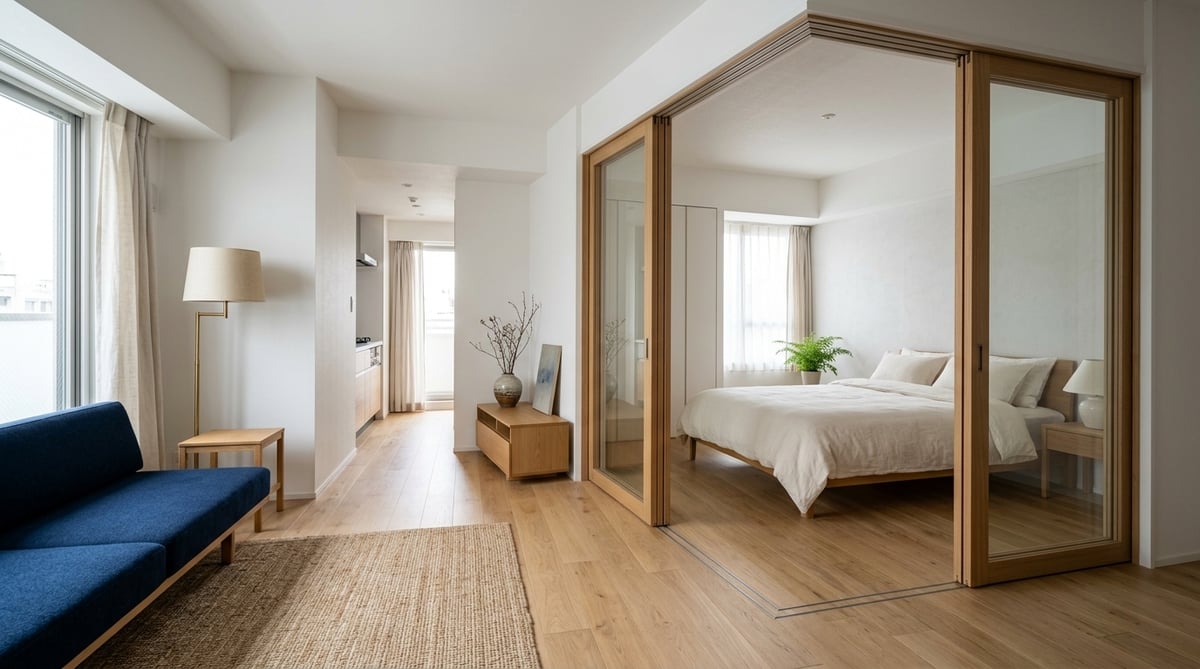
Located in the northeastern section of the JR Yamanote Line, Nishi-Nippori and Tabata are adjacent stations separated by just one stop—an operating distance of roughly 0.8 km. While the train glides between their platforms in under two minutes, stepping outside the ticket gates reveals two remarkably contrasting neighborhood atmospheres and daily rhythms.
Nishi-Nippori serves as a dynamic transportation crossroads connecting the JR Yamanote and Keihin-Tohoku Lines with the Tokyo Metro Chiyoda Line and the Nippori-Toneri Liner, offering direct, swift transit into central Tokyo's business core. In contrast, Tabata features the calm atré vie shopping facility right at the station, while a short stroll into the hills reveals the peaceful, leafy residential quarter once favored by prominent literary figures like Ryunosuke Akutagawa—all while maintaining some of the most accessible rent levels along the Yamanote Line.
For individuals embarking on solo living in Tokyo or looking to relocate along the Yamanote Line to minimize commute fatigue, choosing between these neighboring stations marks a significant turning point in monthly fixed expenses, daily lifestyle cadence, and evening comfort. From the viewpoint of a licensed real estate broker (Takken) with ten years of experience guiding rental clients across Tokyo, this comprehensive comparison explores the authentic living experience of both neighborhoods beyond standard floor plans and listing sheets.
Distance Between Stations
0.8km
Just two minutes by train or about a 12-minute walk apart, yet each station offers a distinctly unique neighborhood identity.
Average 1K Monthly Rent Difference
¥5,000/mo+
Tabata's average rent is roughly ¥5,000 to ¥7,000 lower per month than Nishi-Nippori, saving around ¥60,000 to ¥80,000 annually.
Transit Network Comparison
4Lines vs. 2 Lines
A contrast between Nishi-Nippori's direct subway connectivity and Tabata's focus on residential tranquility with two core JR lines.
Summary & Key TakeawaysSorAi Summary
- A professional real estate broker compares solo living between neighboring Yamanote stations Nishi-Nippori and Tabata, covering rental rates, initial fees, transit connectivity, topography, public safety, and grocery shopping.
- Despite being only two minutes apart by train (or 12 minutes on foot), the urban character, daily conveniences, and residential settings differ fundamentally.
- Tabata offers average rental rates approximately ¥5,000 to ¥7,000 lower per month than Nishi-Nippori, amounting to roughly ¥170,000 to ¥180,000 in total savings over a standard two-year lease.
## Neighboring Stations on the Yamanote Line: Key Contrasts Between Nishi-Nippori and Tabata
Traveling clockwise (inbound) on the Yamanote Line loop, Nishi-Nippori follows Nippori, immediately followed by Tabata. Administratively, Nishi-Nippori belongs to Arakawa Ward (bordering Sendagi in Bunkyo Ward), while Tabata is part of Kita Ward (bordering Honkomagome in Bunkyo Ward). Alongside this municipal boundary, the dramatic topography of the Nippori Cliff Line—where the Musashino Plateau drops into the lowlands—profoundly shapes each neighborhood's distinctive character.
Exiting the ticket gate at Nishi-Nippori Station, you are immediately greeted by the hum of traffic along Dokanyama-dori and Ogubashi-dori avenues, paired with the lively bustle of izakayas and casual eateries tucked under the railway viaducts. As evening falls, warm shopfront lights illuminate the streets, filled with commuters and students heading home. The station area is densely developed as a vibrant commercial district, offering bright, bustling pedestrian routes late into the night. Conversely, looking west past the railway tracks reveals the campus of the prestigious Kaisei Junior & Senior High School, leading up steep inclines to the Suwadai plateau, where tranquil residential streets and historic temples reside.
Tabata Station, by contrast, maintains an uncommonly serene atmosphere for a Yamanote Line hub. Exiting the North Gate leads directly to atré vie Tabata, but once through the modest plaza, there are no sprawling entertainment quarters—only orderly, peaceful residential blocks. The South Gate is even more charming and understated, housed in a compact wooden building that feels worlds away from central Tokyo, opening directly onto verdant staircases and hillside slopes. This neighborhood once hosted a vibrant colony of prominent writers and artists—including Ryunosuke Akutagawa, Saisei Muroo, and Sakutaro Hagiwara—known as the Tabata Writers' Village, a quiet legacy that still informs the calm ambiance today.
The decisive choice for solo residents boils down to personal priorities: placing stationfront convenience and multimodal transit power at the forefront, or embracing lower monthly overhead and peaceful evening calm at home.
Online Consultation Desk (No In-Person Visit Needed) Sorai Tokyo Official
[\[Instant Calendar Booking\] Online Apartment Search Consultation with a Dedicated Agent](https://soraitokyo.jp/consultation?hsLang=en)
A licensed broker specializing in northeastern Tokyo provides personalized guidance via video consultation, assisting with criteria refinement, unlisted property inquiries, and initial cost optimization.
[Check Available Dates & Book →](https://soraitokyo.jp/consultation?hsLang=en)
#### \[Nishi-Nippori Neighborhood Guide\] Proximity to Work via Chiyoda and Yamanote Lines
Beyond this comparison with Tabata, explore our dedicated Nishi-Nippori comprehensive guide to learn more about direct Chiyoda Line commutes to Otemachi and Kasumigaseki, alongside the quiet educational enclaves around Kaisei High School.
[👉 Read the Full Guide: Living at the Yamanote & Chiyoda Crossroads in Nishi-Nippori](https://soraitokyo.jp/ja/blog/nishi-nippori-station-jr-chiyoda-commute-hub?hsLang=en)
Comprehensive Area Guide Sorai Tokyo Official
[【Chiyoda Line Area Guide】Direct Access to Otemachi! Station Comparison](https://soraitokyo.jp/area-guide-chiyoda-line?hsLang=en)
Complete rental and living guide for all stations on the Tokyo Metro Chiyoda Line, from Kita-Ayase and Kita-Senju to downtown Otemachi.
[Explore Chiyoda Line Guide →](https://soraitokyo.jp/area-guide-chiyoda-line?hsLang=en)
## \[Transit Mobility\] Chiyoda Line Direct Access at Nishi-Nippori vs. Yamanote & Keihin-Tohoku Lines at Tabata
Daily commuting comfort and weekend mobility play an essential role in solo living satisfaction. When evaluating Nishi-Nippori and Tabata, the primary operational difference centers on direct connectivity to the Tokyo Metro Chiyoda Line.
### Nishi-Nippori Station: Transit Flow and the Distinct Chiyoda Advantage
Nishi-Nippori functions as a prominent multimodal transit junction served by four lines:
- JR Yamanote Line
- JR Keihin-Tohoku Line (Rapid trains bypass during midday)
- Tokyo Metro Chiyoda Line
- Nippori-Toneri Liner
The station provides above-ground access via the JR ticket gates, alongside subterranean Exits 1, 2, and 3 for the Chiyoda Line. A major convenience is the dedicated underground transfer concourse linking JR and Chiyoda Line platforms, allowing seamless transit between lines without ever stepping out into the rain.
Access to the Chiyoda Line provides immense value for professionals commuting toward Otemachi, Marunouchi, Kasumigaseki, Akasaka, or Omotesando. Direct travel times are exceptional: Otemachi in approximately 10 minutes, Kasumigaseki in 15 minutes, Akasaka in 17 minutes, and Omotesando in 21 minutes. Bypassing transfers and platform congestion shortens morning travel, making morning routines calm and unhurried.
Additionally, the JR Yamanote Line connects directly to major commercial terminals: Ikebukuro in about 11 minutes, Shinjuku in 20 minutes, Ueno in 5 minutes, and Tokyo Station in 13 minutes. The Nippori-Toneri Liner provides simple access northward into Adachi Ward. Note that during midday rapid hours (approx. 10:30 to 15:30), Keihin-Tohoku Line trains skip Nishi-Nippori, requiring passengers to use the Yamanote Line for JR journeys during those times.
### Tabata Station: Streamlined Rail Efficiency via Yamanote and Keihin-Tohoku Lines
Tabata Station offers service across two vital JR routes: the Yamanote Line and the Keihin-Tohoku Line. While lacking subway connections, both JR arterial lines run alongside each other on shared island platforms (two platforms, four tracks). Inbound and outbound trains stop across from one another, enabling smooth, cross-platform transfers on the same level without climbing stairs. Connectivity to key Tokyo hubs remains remarkably swift.
Travel times from Tabata include Ueno in approximately 7 minutes, Tokyo Station in 10 minutes (via Keihin-Tohoku Rapid, or 14 minutes via the Yamanote Line), and Shinagawa in 24 minutes. Heading west, Ikebukuro is reachable in 9 minutes, Shinjuku in 18 minutes, and Shibuya in 24 minutes. Crucially, all Keihin-Tohoku Line rapid trains stop at Tabata throughout the midday window (approx. 10:30 to 15:30), ensuring continuous rapid connections toward Tokyo Station and Shinagawa without bypass interruptions.
Tabata Station features two contrasting entrances: the North Gate and the South Gate. The North Gate serves as the main entrance, equipped with elevators, escalators, and direct access to atré vie Tabata, alongside the station rotary with bus and taxi stands. The South Gate, on the other hand, preserves a nostalgic, compact wooden ticket house with standard turnstiles and ticket machines. Without barrier-free elevators, it opens directly onto hillside staircases and footpaths—unsuited for heavy luggage or strollers, but cherished by residents on the southern plateau as a peaceful, quiet shortcut home.
Broker's Practical Insight: Commute Routes and the Chiyoda Dependency Metric
If your office is located along the Chiyoda Line—such as Otemachi, Hibiya, Kasumigaseki, Akasaka, or Omotesando—choosing Nishi-Nippori offers tremendous daily value. Adding an extra transfer adds 15 to 20 minutes across a daily round trip, along with physical and mental transfer fatigue. Conversely, if your destination lies along the Yamanote or Keihin-Tohoku network (Tokyo, Shinagawa, Ikebukuro, Shinjuku), the transit difference between Tabata and Nishi-Nippori is a negligible one to two minutes. For those without a subway commute, Tabata faces virtually no transit disadvantage.
Scroll horizontally to see full table →
| Key Station / Criteria | Nishi-Nippori Station | Tabata Station | Comparison Notes |
| --- | --- | --- | --- |
| Train Lines | JR Yamanote, Keihin-Tohoku (midday rapid bypass), Metro Chiyoda, Nippori-Toneri Liner (4 lines) | JR Yamanote, Keihin-Tohoku (all trains stop, 2 lines) | Direct subway connectivity is the primary differentiator |
| Access to Otemachi | Direct in approx. 10 min (Chiyoda Line) | Approx. 17 min (transfer at Nishi-Nippori or Tokyo Station) | Nishi-Nippori offers a seamless, transfer-free ride |
| Access to Tokyo Station | Direct in approx. 13 min (Yamanote Line outbound) | Direct in approx. 10 min (Keihin-Tohoku Rapid) / 14 min (Yamanote Line) | Tabata reaches Tokyo in 10 min via midday Keihin-Tohoku Rapid service |
| Access to Shinjuku | Direct in approx. 20 min (Yamanote Line inbound) | Direct in approx. 18 min (Yamanote Line inbound) | Tabata has a one-stop advantage heading toward Ikebukuro and Shinjuku |
| Access to Ikebukuro | Direct in approx. 11 min (Yamanote Line inbound) | Direct in approx. 9 min (Yamanote Line inbound) | Both stations reach Ikebukuro within roughly 10 minutes |
| Access to Omotesando | Direct in approx. 21 min (Chiyoda Line) | Approx. 28 min (transfer at Nishi-Nippori) | The Chiyoda Line provides Nishi-Nippori with direct rides to Minato and Shibuya |
SORAI SIMULATOR / Online in 10 Sec
### \[SorAi Initial Cost Simulator\] Calculate Estimated Move-in Costs in 10 Seconds
Simply enter the rent and deposit to calculate a transparent move-in cost breakdown including brokerage and guarantor fees without hidden markups.
[Open in Fullscreen / New Tab](https://soraitokyo.jp/en/quote?ref=blog_embed_ext&utm_source=blog_mid_cta&utm_medium=cta&utm_campaign=unified_cta_simulator&hsLang=en) [Chat on Official LINE](https://line.me/R/ti/p/@soraitokyo)
Explore other free SorAi tools: [SorAi Inspection Report →](https://soraitokyo.jp/inspection?ref=blog_mid_cta_aux&lang=en&utm_source=blog_mid_cta&utm_medium=aux_link&utm_campaign=unified_cta_inspection&hsLang=en) [SorAi Request →](https://hearing.soraitokyo.jp/?start=true&ref=blog_mid_cta_aux&lang=en&utm_source=blog_mid_cta&utm_medium=aux_link&utm_campaign=unified_cta_request)
※ 100% Free ・ Online completed.
Related Reading
[\[Nishi-Nippori Station Exit Comparison\] Dokanyama & Yanaka Hillside vs. Ogubashi-dori: Rental Rates and Nighttime Safety Examined](https://soraitokyo.jp/ja/blog/nishi-nippori-exit-comparison-safety-rentals?hsLang=en)
[Read Article →](https://soraitokyo.jp/ja/blog/nishi-nippori-exit-comparison-safety-rentals?hsLang=en)
Related Recommendation
[Kita-Ayase Solo Living & Rent Guide: High-Cost-Performance Tokyo Living on the Chiyoda Line](https://soraitokyo.jp/en/blog/kita-ayase-single-rent-budget-simulation?hsLang=en)
[Read Article →](https://soraitokyo.jp/en/blog/kita-ayase-single-rent-budget-simulation?hsLang=en)
## \[Rental Rates\] The Reality of a ¥5,000 Monthly Difference (Saving ¥60,000+ Annually in Fixed Costs)
For solo residents, monthly rent represents the single largest recurring living expense. Situated in the northeastern arc of the Yamanote Line, both Nishi-Nippori and Tabata maintain reasonable pricing compared to southwestern stations like Ebisu or Meguro. Nonetheless, a clear pricing gap exists between these two neighboring stations.
### Comparing 1K and Studio (One-Room) Rental Averages
Based on current 2026 inter-broker transaction databases (such as REINS) and verified contract data, standard single-occupant properties (20 to 25 sq.m., separate bath and toilet, reinforced concrete building with auto-lock security) display the following rental ranges:
- **Nishi-Nippori Station Area (1K, within 10 min walk)**: ¥83,000 to ¥95,000 (including maintenance/management fees)
- **Tabata Station Area (1K, within 10 min walk)**: ¥78,000 to ¥88,000 (including maintenance/management fees)
When comparing properties with identical building age, floor area, and amenities (separate vanity, second floor or higher), Tabata consistently trends **roughly ¥5,000 to ¥7,000 cheaper per month** than Nishi-Nippori. In Tabata, one-room studios of around 18 sq.m. or wooden-structure apartments can be found in the upper ¥60,000s to around ¥70,000. In Nishi-Nippori, finding listings below ¥70,000 generally requires accepting buildings older than 35 years, uphill walks exceeding 12 minutes, or integrated unit bathrooms.
### Two-Year Total Living Expense Simulation
A monthly difference of ¥5,000 might seem like the cost of a few lunches. However, projected over a standard two-year lease term (24 months), the financial divergence creates a meaningful cushion for household budgeting.
**Nishi-Nippori vs. Tabata: 2-Year Total Housing Cost Simulation**
Scroll horizontally to see full table →
| Expense / Simulation Item | Nishi-Nippori 1K (Rent ¥88,000 incl. fees) | Tabata 1K (Rent ¥82,000 incl. fees) |
| --- | --- | --- |
| **24-Month Total Rent** | **¥2,112,000** | **¥1,968,000** |
| Estimated Move-in Costs (1 mo. dep. / 1 mo. key) | Approx. ¥410,000 | Approx. ¥382,000 |
| Renewal Fee (At 2 years / 1 mo. rent) | ¥88,000 | ¥82,000 |
| **Estimated 2-Year Total Outlay** | **Approx. ¥2,610,000** | **Approx. ¥2,432,000** |
| Characteristics & Notes | Chosen for direct Chiyoda Line transit mobility | Saves roughly ¥178,000 in housing costs over 2 years |
Even with a modest ¥6,000 monthly rent difference, cumulative rent savings total ¥144,000 over two years. Factoring in rent-proportional move-in costs (key money and agency fees) alongside the lease renewal fee, the two-year differential widens to roughly ¥170,000 to ¥180,000. Reallocating this sum toward personal investments, lifestyle comforts, or savings represents the core practical advantage of choosing Tabata.
Nishi-Nippori Value
Prioritizing Time and Multimodal Access
The extra ¥5,000 to ¥7,000 monthly rent serves as an investment in daily commuting efficiency via the Chiyoda Line, sheltered underground platform access on rainy mornings, and expansive reach across Tokyo. For busy professionals, it directly buys everyday time and ease.
Tabata Value
Prioritizing Low Fixed Overhead and Quiet Repose
Enjoying the reliable foundation of the Yamanote Line while preserving manageable rental outlays in a calm neighborhood. Trimming ¥60,000 to ¥80,000 per year provides financial peace of mind and fosters disciplined savings.
## \[Neighborhood Character\] Bustling Dining Hub in Nishi-Nippori vs. Cultural Quiet in Tabata
The streetscape right outside your doorstep defines daily quality of life. Nishi-Nippori and Tabata exhibit distinct zoning and urban designs, directly reflected in their everyday neighborhood atmospheres.
### Nishi-Nippori: Energetic Viaduct Dining and Serene Hillside Temple Enclaves
Turning right from the JR ticket gates toward Ogubashi-dori leads into a designated commercial zone characterized by independent dining spots, ramen shops, and casual international eateries. Even arriving home late at night, the streets maintain a steady presence of pedestrians and bright streetlights, creating an environment that feels lively and accessible after long work hours. For solo residents who rarely cook and prefer grabbing dinner on their walk from the station, the dining choices are abundant.
Yet Nishi-Nippori is far more than its energetic station frontage. Passing through the JR underpass toward the west reveals a completely different scene. Walking past Kaisei Academy up the slope of the Suwadai plateau brings you into Category 1 Residential and Low-Rise Exclusive Residential Zones. Here, historic temples like Suwa Shrine and Jokoji Temple sit quietly amid leafy surroundings, where tranquil evening air replaces the urban buzz. Shifting from lively commercial convenience to serene residential repose within a four- to five-minute walk is one of Nishi-Nippori's most compelling dualities.
### Tabata: Practical atré Convenience and the Literary Heritage of Tabata Writers' Village
Tabata Station features no sprawling entertainment districts or late-night bar alleys. Stepping out of the North Gate, the integrated atré vie Tabata commercial complex provides convenient daily essentials: a Seijo Ishii grocery store, bakery, pharmacy, and casual restaurants. While traffic moves smoothly along the station front, the absence of overwhelming crowds creates an unhurried, reassuring stroll home.
Following Tabata Takadai-dori up onto the plateau reveals a tidy, peaceful neighborhood of private houses and low-rise apartments. Across the Meiji, Taisho, and early Showa eras, prominent authors and artists—including Ryunosuke Akutagawa, Saisei Muroo, Sakutaro Hagiwara, Raicho Hiratsuka, and Yumeji Takehisa—lived and gathered here in what became known as the Tabata Writers' Village. The Tabata Memorial Museum of Writers and Artists near the station honors this heritage, and a gentle, reflective calm continues to permeate the neighborhood's residential lanes.
The South Gate presents an even more distinctive atmosphere: stepping from the small wooden station reveals pedestrian footbridges spanning active rail yards, accompanied by the rhythm of passing trains and open breezes. Free from commercial storefronts, tree-lined stairways and gentle paths climb directly into the surrounding residences. For those who wish to disconnect from urban sensory overload and unwind with evening reading or rest, Tabata's quiet streets offer a welcoming sanctuary.
Building Standards Act Insight: Habitable Room Daylighting (Article 28) and Urban Form
Under Article 28 of the Building Standards Act, habitable residential rooms require effective window daylighting areas of at least one-seventh of the floor area. In commercial districts like Nishi-Nippori's East Exit, high building-to-land and floor-area ratios create dense developments where exterior windows frequently face adjacent building walls, restricting natural light. Conversely, in low-rise residential zones across the Tabata plateau or Nishi-Nippori's Suwadai, setback regulations and north-side boundary controls preserve generous spacing between structures, making it much easier to find bright, well-ventilated apartments. Always verify window clearance during viewings.
## \[Grocery Shopping Comparison\] MyBasket & Summit vs. atré vie & Gyomu Super
When cooking at home or picking up daily provisions, the supermarkets and retail outlets positioned along your walking route directly shape everyday comfort. Both Nishi-Nippori and Tabata provide reliable shopping infrastructures tailored to distinct lifestyles.
### Nishi-Nippori: Late-Night Mini-Supermarkets and Neighborhood Access to Yanaka & Sendagi
Grocery shopping around Nishi-Nippori combines compact, stationfront mini-supermarkets with full-scale stores and traditional shopping arcades within walking distance.
Directly near the station, Aeon's urban compact supermarkets—MyBasket (including Nishi-Nippori Ekimae and Nishi-Nippori 5-chome branches)—operate long hours, typically from 7:00 to 24:00. Even after late-night overtime, residents can easily purchase milk, eggs, bread, frozen meals, and daily essentials at affordable prices. Well-stocked pharmacies and convenience stores ensure standard errands are handled effortlessly.
When cooking larger weekend meals, walking west along Dokanyama-dori toward Sendagi brings you to Summit Store Sendagi (open 9:00 to 23:00). This full-scale supermarket offers extensive selections of fresh produce, meats, bakery items, and prepared deli dishes. Furthermore, an easy seven- to eight-minute walk leads directly to the vibrant Yanaka Ginza Shopping District, where local butchers, greengrocers, and deli stalls provide a delightful old-town shopping experience right in your backyard.
### Tabata: Refined atré Delis and Exceptional Budget Value at Gyomu Super
Tabata's retail ecosystem offers a highly practical layout for residents committed to managing grocery expenses while maintaining quality meals.
On the ground floor of atré vie Tabata, directly connected to the North Gate, sits Seijo Ishii (open 7:00 to 22:00), stocked with artisan breads, imported delicacies, fine cheeses, wines, and specialty seasonings. It provides an effortless way to pick up elevated dinner items on the walk home from work. The complex also features pharmacies and general goods, allowing seamless shopping without braving rainy weather.
Tabata's true practical centerpiece is Gyomu Super Tabata (open 9:00 to 20:00), situated just a flat three-minute walk from the North Gate. Wholesale-priced staples—such as frozen noodles, pasta, bulk sauces, frozen vegetables, fresh meats, tofu, and natto—make managing monthly grocery budgets remarkably efficient. For home cooks looking to keep food costs predictable, having Gyomu Super three minutes from the station provides an invaluable everyday foundation.
Additionally, the North Gate area features Maruetsu Petit Tabata (open 7:00 to 1:00 AM), ensuring late-night fresh food access. This enables an optimal shopping strategy: bulk staple purchases at Gyomu Super, late-night essentials at Maruetsu Petit, and weekend specialty treats at Seijo Ishii.
Scroll horizontally to see full table →
| Area | Store Name | Walking Distance / Location | Operating Hours | Key Features & Best Uses |
| --- | --- | --- | --- | --- |
| Nishi-Nippori | MyBasket (Multiple branches) | 1 to 3 min walk | 7:00 – 24:00 | Compact grocery store near the station; convenient late-night essential shopping |
| Summit Store Sendagi | 9 min walk (Sendagi side) | 9:00 – 23:00 | Full-scale supermarket with wide selections for comprehensive weekend meal shopping | |
| Yanaka Ginza Shopping District | 7 min walk | Varies by shop | Butchers, delis, and produce stalls offering warm local interaction and neighborhood charm | |
| Tabata | Gyomu Super Tabata | 3 min walk from North Gate | 9:00 – 20:00 | Household budget anchor: bulk staples, frozen goods, and fresh foods at wholesale rates |
| Seijo Ishii atré vie Tabata | Directly at North Gate | 7:00 – 22:00 | Curated import grocery, quality wines, cheeses, and freshly prepared gourmet deli dishes | |
| Maruetsu Petit Tabata | 3 min walk from North Gate | 7:00 – 1:00 AM | Open until 1:00 AM, providing dependable late-night produce and grocery shopping | |
## The Nippori Cliff Line: Elevation Shifts, Staircases, and Incline Checks for Viewings
When searching for apartments across Nishi-Nippori and Tabata, relying solely on two-dimensional maps or listing sheets can lead to unexpected surprises after moving in. The defining factor is the dramatic elevation change created by the Nippori Cliff Line.
### Geological Context and Elevation Differences
The Hongo Plateau—the eastern edge of the Musashino Plateau—descends steeply toward the Tokyo lowlands along the Nippori-to-Tabata axis. The JR Yamanote and Keihin-Tohoku Line tracks were laid along the base of this natural bluff.
Around Nishi-Nippori Station, the East Exit (Arakawa Ward side) sits at an elevation of roughly 3 to 4 meters, whereas the Suwadai plateau to the west (home to Kaisei Academy and Suwa Shrine) rises to about 20 meters. Across a horizontal span of just a few dozen meters, there is a vertical rise of more than 15 meters—equivalent to a five-story building. Routes climbing to the western plateau, such as Fujimizaka and Jizozaka, feature steep gradients that demand steady physical effort.
At Tabata Station, this cliff topography is even more pronounced. The North Gate opens toward major thoroughfares connecting the lower ground to the plateau roads, featuring moderate, gradual street gradients. The South Gate, however, is perched midway up the bluff face. Reaching the residential hilltop from the South Gate requires ascending long outdoor stairs or steep, winding paths.
### Essential Physical Walking Checks During Property Viewings
A listing stating "5-minute walk from station" feels entirely different if it consists of flat ground versus steep inclines or extended stairways.
Step 01
Verify Station Exit
Determine whether your route uses Tabata's North or South Gate, or Nishi-Nippori's JR or Subway Exits.
Step 02
Walk the Route on Foot
Avoid relying solely on agency cars; walk the inclines and stairs yourself from the station to the property.
Step 03
Consider Rain and Baggage
Evaluate walking with umbrellas, pathway widths, handrail availability, and nighttime streetlight visibility.
Step 04
Check Alternative Detours
Identify bicycle-friendly gradual slopes or public elevator-equipped corridors that bypass steep stairs.
During humid summers or when returning home fatigued, climbing steep slopes or stairs every day can become a physical burden. On the other hand, hillside homes offer distinct residential benefits: minimal flood risk, superior natural daylight and ventilation, and shelter from roadside traffic noise. Deciding between flat lowland convenience and plateau serenity comes down to matching your daily habits and stamina to the physical landscape.
Broker's Infrastructure Note: City Gas vs. LP Gas Ministerial Revisions (Fully Enacted April 2025)
Most rental apartments across Nishi-Nippori and Tabata use municipal city gas, but older low-rise buildings occasionally utilize LP gas (propane). While propane previously carried substantially higher, opaque billing practices, the Ministry of Economy, Trade and Industry fully enacted ministerial revisions in April 2025 (promulgated July 2024) mandating a transparent three-part billing structure (basic charge, consumption charge, and itemized facility charge). This strictly prohibits landlords or gas suppliers from bundling air conditioner or water heater equipment amortizations into residential gas bills. Always confirm the utility type and review the itemized rate structure in the Important Matters Explanation (Itsetsu) prior to signing.
## Selecting Your Ideal Neighborhood: Solo Living Persona Profiles
Having compared transit convenience, rental costs, street environments, grocery options, and topographical conditions, it is clear that while both stations benefit from the Yamanote Line, the ideal match depends on your personal lifestyle and core priorities.
### Profiles Suited for Nishi-Nippori
Nishi-Nippori is particularly well suited for individuals matching these criteria:
- **Professionals commuting along the Chiyoda Line toward Otemachi, Kasumigaseki, Akasaka, or Omotesando**: Eliminating morning transfers and streamlining travel makes Nishi-Nippori's direct Chiyoda access an exceptionally logical base.
- **Individuals working late who prefer dining out or grabbing groceries right at the station**: The East Exit's cluster of late-night dining options and supermarkets supports busy professionals after hours.
- **Commuters prioritizing maximum rail versatility**: Capitalizing on four interconnected lines (Yamanote, Keihin-Tohoku, Chiyoda, and Nippori-Toneri Liner) allows seamless reach across the capital.
### Profiles Suited for Tabata
Meanwhile, Tabata offers a gratifying, serene setting for residents with the following preferences:
- **Residents wanting Yamanote Line connectivity while keeping fixed overhead low**: Saving ¥5,000 to ¥7,000 per month—translating to roughly ¥170,000 to ¥180,000 across two years—frees capital for personal investments, hobbies, and savings.
- **Home cooks prioritizing budget-conscious, wholesome meals**: Leveraging Gyomu Super Tabata (3 minutes from the North Gate), Maruetsu Petit, and atré vie Seijo Ishii enables balanced, budget-friendly meal planning.
- **Individuals seeking restful, quiet nights away from entertainment quarters**: The peaceful streets, cultural literary atmosphere, and green hillside walkways around the South Gate provide an ideal environment for evening unwinding.
Scroll horizontally to see full table →
| Category / Evaluation Axis | Nishi-Nippori Station | Tabata Station | Key Decision Point |
| --- | --- | --- | --- |
| Chiyoda Line Commute | Direct and seamless | Requires transfer | Nishi-Nippori is superior for Otemachi or Akasaka commutes |
| Rent Affordability & Cost Performance | Standard for Yamanote Line | Accessible within Yamanote Line | Tabata saves ¥5,000 to ¥7,000 monthly in fixed living overhead |
| Home Cooking (Supermarkets) | Mainly small formats (Summit requires walk) | Well-balanced with Gyomu Super & atré | Gyomu Super 3 min from station is Tabata's distinct asset |
| Dining Out Options | Abundant (numerous restaurants & taverns) | Limited (mainly atré and stationfront eateries) | Nishi-Nippori excels for grabbing dinner after work |
| Nighttime Calm & Residential Setting | East Exit is bustling; Suwadai is peaceful | Consistently quiet and calm overall | Tabata offers a calm residential atmosphere right near the station |
## Making a Confident Home Choice: Dedicated Broker Support for Your Apartment Search
Nishi-Nippori: unlocking dynamic everyday efficiency through Yamanote speed and direct Chiyoda Line reach.
Tabata: preserving Yamanote convenience while trimming ¥5,000+ in monthly rent, backed by tranquil hillside enclaves and the value of Gyomu Super.
Neither station is universally superior; the right choice flows naturally from what you value most in your daily life. Whether your priority is minimizing commute fatigue or lowering monthly expenses to invest in hobbies and personal savings, both paths represent thoughtful decisions for solo living in Tokyo.
When browsing rental portals (such as SUUMO or HOME'S) and wondering whether a listing is actively available, whether an estimate from another agency includes unnecessary charges, or how the walking inclines and shopping routes function in reality, feel free to contact Sorai Tokyo.
By simply sharing property listing links to our official LINE account, our licensed real estate brokers check active availability via official broker networks (REINS), verify initial leasing costs, and offer objective second opinions—100% free of charge and fully online. We never conduct unsolicited sales calls or pressure tactics.
Additionally, you can freely access Sorai Tokyo's suite of smart advisory tools (SorAi)—including our Move-in Cost Simulator—anytime via the bottom navigation bar on mobile or the footer menu on desktop. Calculate realistic initial leasing expenses directly from monthly rent to plan your apartment search with clarity.
We wish you a fulfilling, peaceful, and comfortable new chapter of living, whether along the lively avenues of Nishi-Nippori or the quiet hills of Tabata.

SorAi Real-Time Rental Concierge Online 24/7
Official AI answers your questions 24/7
[Continue on Official LINE (24/7 Free)](https://page.line.me/soraitokyo?oat_content=url&openQrModal=true&utm_source=soraitokyo_website&utm_medium=blog_inline_chat&utm_campaign=line_btn) [Privacy Policy](https://soraitokyo.jp/en/privacy-policy)

Thank you for reading this guide. I am SorAi, your official real estate AI concierge.
Feel free to ask any questions about neighborhood livability, rent averages, safety, or commuting convenience in Tokyo.
Quick questions:
Summarize neighborhood livability
Commute access and train crowding
Supermarkets and daily amenities
Rent comparison with nearby stations
[Continue on Official LINE (Free)](https://page.line.me/soraitokyo?oat_content=url&openQrModal=true&utm_source=soraitokyo_website&utm_medium=blog_inline_chat&utm_campaign=line_btn)
Send
No phone number required. Feel free to consult at your own pace 24/7.
### Featured Tokyo Living Guides
SorAi Editorial
Swipe
#### [ Chiyoda Line / Redevelopment Kitasenju Redevelopment & Livability 2026: 5 Train Lines, Shopping & Housing | Sorai Tokyo Read Guide →](https://soraitokyo.jp/en/blog/area-guide-kitasenju-redevelopment-trend-2026?hsLang=en)
#### [ Featured Area / Origin Station Ayase Neighborhood & Safety Guide 2026: North vs South Exit, Rent & Chiyoda Line Commute | Sorai Tokyo Read Guide →](https://soraitokyo.jp/en/blog/area-guide-ayase?hsLang=en)
#### [ Rent Market / Solo Living Kita-Ayase Solo Living Guide: Rent Averages from ¥50,000s & Chiyoda Line Origin Perks | Sorai Tokyo Read Guide →](https://soraitokyo.jp/en/blog/kita-ayase-single-rent-budget-simulation?hsLang=en)
## Frequently Asked Questions (FAQ): Solo Living in Nishi-Nippori & Tabata
Here are objective, broker-verified answers to common questions received during client consultations regarding rental properties in Nishi-Nippori and Tabata.
### QFor solo female residents, which station is recommended for nighttime safety and peace of mind?
AEach station offers a distinct type of reassurance. Tabata Station's North Gate area has no sprawling nightlife quarters and features orderly, well-lit residential streets, making it favored by those seeking tranquil surroundings. Nishi-Nippori Station's East Exit features numerous eateries and stores operating late into the evening, providing steady foot traffic and continuous lighting that helps avoid dark, isolated paths. However, residential areas on Nishi-Nippori's Suwadai or around Tabata's South Gate grow quiet late at night. We recommend walking your actual commute path during evening hours (around 20:00 to 22:00) to evaluate lighting and line of sight.
### QTabata Station's South Gate is known for stairs and steep slopes. Should it be avoided when searching for an apartment?
AIt does not need to be ruled out entirely, but your daily habits should align with the topography. Because the South Gate lacks elevators and leads directly to stairs, it is unsuited for regular cycling or rolling heavy luggage. However, hillside properties above the South Gate (toward Tabata 1-chome and Honkomagome) often feature peaceful residential settings and attractive rental pricing within walking distance of the Yamanote Line. Many residents live comfortably by handling grocery shopping at the North Gate's atré vie or Gyomu Super, and walking up the gentler incline road on their way home.
### QHow crowded is the morning transfer between JR and the Chiyoda Line at Nishi-Nippori Station?
ADuring peak morning hours from 8:00 to 8:45 AM, the underground passageway and transfer gates connecting JR to the Chiyoda Line become heavily congested. Because the Chiyoda Line platform is underground, transfers typically require 3 to 4 minutes under normal conditions, and up to 5 minutes during peak rush periods. If you reside near Nishi-Nippori Station, you can access the Chiyoda Line platform directly via street-level entrances (Exits 1 to 3), completely bypassing JR transfer congestion. Chiyoda Line trains operate at frequent intervals of roughly 2 to 3 minutes during morning rush hours.

Author: Sorai Tokyo Editorial Team (Supervised by Licensed Real Estate Agents)
A real estate consulting team specializing in assisting foreign nationals find rooms and explaining initial costs in Tokyo. We break down language barriers and differences in customs, offering dedicated support in Japanese, English, and Vietnamese for a safe and secure start to your new life.
 SORAI TOKYO | Chat with AI "SorAi" Anytime on LINE
### Exploring Tokyo Neighborhoods or Apartments? Ask Our AI "SorAi" Anytime on LINE
No property URL needed yet. From area safety, commute tips, and rent trends to instant initial-cost audits for listings you found—chat with SorAi 24/7 on LINE with zero sales calls.
STEP 1
Ask Anything on LINE
Ask about areas & rent, or send a listing URL anytime
→
STEP 2
24/7 Instant Reply by SorAi
Objective area data, live vacancy & fee breakdown
→
STEP 3
Explore at Your Own Pace
Zero sales calls. Meet on-site only when ready to view
24/7 Instant / Most Popular
#### ① Chat with AI "SorAi" on LINE (Free)
Ask about neighborhoods, rent trends, or share any listing URL on LINE. SorAi & our bilingual concierge check live vacancy and upfront fee breakdowns with zero sales pressure.
[Chat with SorAi on LINE (Free) ➔](https://lin.ee/VE8fd8b?utm_source=soraitokyo_blog&utm_medium=cta&utm_campaign=bottom_cta&utm_content=line)
Web Audit
#### ② SorAi Property Report
Already found a listing? Submit the URL or floor plan on the web for an instant objective breakdown of move-in costs and neighborhood data.
[View Report (Free) ↗](https://inspection.soraitokyo.jp/?ref=blog_bottom_cta)
Wait for New Listings
#### ③ SorAi Housing Needs
Select your budget, layout, and must-have conditions in 30 seconds to receive matching listings at your own pace.
[Organize Criteria (Free) ➔](https://soraitokyo.jp/en/request?ref=blog_bottom_cta&hsLang=en)
Instant Move-in Estimate
#### ④ SorAi Move-in Estimator
Enter rent and management fees to quickly estimate standard upfront contract costs and potential savings.
[Check Estimates (Free) ➔](https://soraitokyo.jp/en/quote?ref=blog_bottom_cta&hsLang=en)
※ Consultations are 100% free. No phone number required, zero pushy calls—everything is completed smoothly on LINE.
この記事をシェアする
\# エリアガイド# 北千住
[ SORAI TOKYO](https://soraitokyo.jp/en/)
Sorai Tokyo Co., Ltd.
Room 102, 1-7-14 Yanaka, Adachi-ku, Tokyo, 120-0006
03-6161-8484
[contact@soraitokyo.jp](mailto:contact@soraitokyo.jp)
Tokyo Metropolitan Governor (1) No. 113297
(License Date: December 20, 2025)
### Sitemap
- [About Us](https://soraitokyo.jp/en/about-us)
- [Testimonials](https://soraitokyo.jp/en/testimonials)
- [Chiyoda Line Guide](https://soraitokyo.jp/en/area-guide-chiyoda-line)
- [Sorai Journal](https://soraitokyo.jp/en/blog)
- [FAQs](https://soraitokyo.jp/en/faqs)
- [Contact](https://soraitokyo.jp/en/contact)
- [SorAi Request](https://soraitokyo.jp/en/request)
### Business Hours
**10:00 〜 18:00**
Closed: **Tuesday & Wednesday**
Inquiries via LINE, SNS, and email are accepted 24/7.
[View on Google Maps](https://maps.google.com/?q=%E6%9D%B1%E4%BA%AC%E9%83%BD%E8%B6%B3%E7%AB%8B%E5%8C%BA%E8%B0%B7%E4%B8%AD1-7-14) [Book Online Meeting](https://soraitokyo.jp/en/consultation?hsLang=en)
### Multilingual Services
Our professional staff are fluent in Japanese, English, Vietnamese, Russian, and Indonesian to support you from room hunting to contract signing.
[🇯🇵 日本語](https://soraitokyo.jp/ja/blog/nishi-nippori-vs-tabata-single-comparison?hsLang=ja) [🇺🇸 English](https://soraitokyo.jp/en/blog/nishi-nippori-vs-tabata-single-comparison?hsLang=en) [🇻🇳 Tiếng Việt](https://soraitokyo.jp/vi/blog/nishi-nippori-vs-tabata-single-comparison?hsLang=vi) [🇷🇺 Русский](https://soraitokyo.jp/ru/blog/nishi-nippori-vs-tabata-single-comparison?hsLang=ru) [🇮🇩 Indonesia](https://soraitokyo.jp/id/blog/nishi-nippori-vs-tabata-single-comparison?hsLang=id)
### Inquire via Social Media
[Privacy Policy](https://soraitokyo.jp/en/privacy-policy) | [Privacy & Security](https://soraitokyo.jp/en/security)
Copyright © 2026 株式会社ソライ東京 (Sorai Tokyo Co., Ltd.) All Rights Reserved.
[Chat with SorAi](https://page.line.me/soraitokyo?oat_content=url&openQrModal=true&utm_source=soraitokyo_website&utm_medium=line_button&utm_campaign=chatbot_popover)
SorAi Chat

#### SorAi
Online (Multilingual Support)
×
[Chat with SorAi](https://page.line.me/soraitokyo?oat_content=url&openQrModal=true&utm_source=soraitokyo_website&utm_medium=chatbot_header&utm_campaign=line_btn) [Email Us](https://soraitokyo.jp/en/contact?hsLang=en)
[Get "SorAi" on LINE (24/7 Free)](https://page.line.me/soraitokyo?oat_content=url&openQrModal=true&utm_source=soraitokyo_website&utm_medium=line_button&utm_campaign=floating_btn)
 SorAi | 24/7 AI Rental Chat No signup・100% online
TOC
### Table of Contents
×
```json
{
"@context" : "https://schema.org",
"@type" : "BlogPosting",
"author" : {
"@type" : "Person",
"name" : "ソライ東京編集部",
"url" : "https://soraitokyo.jp/en/blog/author/ソライ東京編集部"
},
"datePublished" : "2026-09-13T00:09:12.000Z",
"headline" : "Nishi-Nippori vs. Tabata: Yamanote & Chiyoda Line Transit Power or a Serene Neighborhood for ¥5,000 Less? A 2026 Solo Living Comparison | Sorai Tokyo",
"image" : [ "https://soraitokyo.jp/hubfs/blog-eyecatches/batch8_tv_console_indirect_light.jpg" ],
"mainEntityOfPage" : {
"@id" : "https://soraitokyo.jp/en/blog/nishi-nippori-vs-tabata-single-comparison",
"@type" : "WebPage"
},
"publisher" : {
"@type" : "Organization",
"logo" : {
"@type" : "ImageObject",
"url" : "https://soraitokyo.jp/hubfs/small_logo(color)%20(2)-1.png"
},
"name" : "株式会社ソライ東京"
}
}
```
```json
{
"@context" : "https://schema.org",
"@type" : "FAQPage",
"mainEntity" : [ {
"@type" : "Question",
"acceptedAnswer" : {
"@type" : "Answer",
"text" : "Each station offers a distinct type of reassurance. Tabata Station's North Gate area has no sprawling nightlife quarters and features orderly, well-lit residential streets, making it favored by those seeking tranquil surroundings. Nishi-Nippori Station's East Exit features numerous eateries and stores operating late into the evening, providing steady foot traffic and continuous lighting that helps avoid dark, isolated paths. However, residential areas on Nishi-Nippori's Suwadai or around Tabata's South Gate grow quiet late at night. We recommend walking your actual commute path during evening hours (around 20:00 to 22:00) to evaluate lighting and line of sight."
},
"name" : "For solo female residents, which station is recommended for nighttime safety and peace of mind?"
}, {
"@type" : "Question",
"acceptedAnswer" : {
"@type" : "Answer",
"text" : "It does not need to be ruled out entirely, but your daily habits should align with the topography. Because the South Gate lacks elevators and leads directly to stairs, it is unsuited for regular cycling or rolling heavy luggage. However, hillside properties above the South Gate (toward Tabata 1-chome and Honkomagome) often feature peaceful residential settings and attractive rental pricing within walking distance of the Yamanote Line. Many residents live comfortably by handling grocery shopping at the North Gate's atré vie or Gyomu Super, and walking up the gentler incline road on their way home."
},
"name" : "Tabata Station's South Gate is known for stairs and steep slopes. Should it be avoided when searching for an apartment?"
}, {
"@type" : "Question",
"acceptedAnswer" : {
"@type" : "Answer",
"text" : "During peak morning hours from 8:00 to 8:45 AM, the underground passageway and transfer gates connecting JR to the Chiyoda Line become heavily congested. Because the Chiyoda Line platform is underground, transfers typically require 3 to 4 minutes under normal conditions, and up to 5 minutes during peak rush periods. If you reside near Nishi-Nippori Station, you can access the Chiyoda Line platform directly via street-level entrances (Exits 1 to 3), completely bypassing JR transfer congestion. Chiyoda Line trains operate at frequent intervals of roughly 2 to 3 minutes during morning rush hours."
},
"name" : "How crowded is the morning transfer between JR and the Chiyoda Line at Nishi-Nippori Station?"
} ]
}
```
```json
{
"@context" : "https://schema.org",
"@type" : "BlogPosting",
"author" : {
"@type" : "Person",
"name" : "Author: Sorai Tokyo Editorial Team (Supervised by Licensed Real Estate Agents)"
},
"dateModified" : "2026-10-03T15:51:45Z",
"datePublished" : "2026-10-03T15:51:45Z",
"description" : "Comparing Nishi-Nippori and Tabata for solo living: rent differences, transit access, topography, shopping, and everyday atmosphere by a licensed Tokyo broker.",
"headline" : "Nishi-Nippori vs. Tabata: Yamanote & Chiyoda Line Transit Power or a Serene Neighborhood for ¥5,000 Less? A 2026 Solo Living Comparison",
"inLanguage" : "en",
"publisher" : {
"@type" : "Organization",
"name" : "Sorai Tokyo",
"url" : "https://soraitokyo.jp"
}
}
```
```json
{
"@context" : "https://schema.org",
"@type" : "BlogPosting",
"author" : {
"@type" : "Organization",
"knowsAbout" : [ "東京メトロ千代田線", "賃貸不動産仲介", "宅地建物取引業", "初期費用適正化", "重要事項説明(IT重説)" ],
"name" : "Sorai Tokyo Editorial Team (Supervised by Licensed Real Estate Agents)",
"url" : "https://soraitokyo.jp/en/about-us"
},
"dateModified" : "2026-10-07T18:01:38+0000",
"datePublished" : "2026-09-13T00:09:12+0000",
"description" : "Comparing Nishi-Nippori and Tabata for solo living: rent differences, transit access, topography, shopping, and everyday atmosphere by a licensed Tokyo broker.",
"headline" : "Nishi-Nippori vs. Tabata: Yamanote & Chiyoda Line Transit Power or a Serene Neighborhood for ¥5,000 Less? A 2026 Solo Living Comparison",
"image" : "https://soraitokyo.jp/hubfs/blog-eyecatches/batch6_sliding_doors_1ldk.jpg",
"inLanguage" : "en",
"mainEntityOfPage" : {
"@id" : "https://soraitokyo.jp/en/blog/nishi-nippori-vs-tabata-single-comparison",
"@type" : "WebPage"
},
"publisher" : {
"@type" : "Organization",
"logo" : {
"@type" : "ImageObject",
"url" : "https://soraitokyo.jp/hubfs/raw_assets/public/soraitokyo-theme/assets/logo.png"
},
"name" : "Sorai Tokyo Co., Ltd.",
"url" : "https://soraitokyo.jp/en/"
},
"url" : "https://soraitokyo.jp/en/blog/nishi-nippori-vs-tabata-single-comparison"
}
```
```json
{
"@context" : "https://schema.org",
"@type" : "BreadcrumbList",
"itemListElement" : [ {
"@type" : "ListItem",
"item" : "https://soraitokyo.jp/en/",
"name" : "Home",
"position" : 1
}, {
"@type" : "ListItem",
"item" : "https://soraitokyo.jp/en/blog",
"name" : "Blog",
"position" : 2
}, {
"@type" : "ListItem",
"item" : "https://soraitokyo.jp/en/blog/nishi-nippori-vs-tabata-single-comparison",
"name" : "Nishi-Nippori vs. Tabata: Yamanote & Chiyoda Line Transit Power or a Serene Neighborhood for ¥5,000 Less? A 2026 Solo Living Comparison",
"position" : 3
} ]
}
```