---
title: "Solo Living for Women in Nogizaka: Nighttime Street Safety, Security Camera Coverage, and Auto-Lock Rental Guide | Sorai Tokyo"
description: Explore solo living in Nogizaka for women. Discover nighttime safety, security camera density, Tokyo Midtown route, and auto-lock apartment tips from a licensed broker.
image: https://soraitokyo.jp/hubfs/blog-eyecatches/batch16_05_window_counter_bar_city_twilight.jpg
---
[ SORAI TOKYO](https://soraitokyo.jp/en/)
- [Home](https://soraitokyo.jp/en/)
- [SorAi Suite](https://soraitokyo.jp/en/quote)
[SorAi Initial Cost Simulator Instant breakdown of move-in costs](https://soraitokyo.jp/en/quote) [SorAi Inspection Report Objective property & hazard diagnosis](https://soraitokyo.jp/en/inspection) [SorAi Request AI-powered rental home recommendations](https://soraitokyo.jp/en/request) [SorAi Phone Consultation 24/7 AI voice response (03-6161-8484)](tel:0361618484)
- [Property Search](https://soraitokyo.jp/en/properties/plegio-kitaayase-asian)
[Featured New (Plegio Kita-Ayase) 2 min from Chiyoda Line starting station](https://soraitokyo.jp/en/properties/plegio-kitaayase-asian) [Furnished Monthly Apartments Short-term rentals for business & temporary stays](https://soraitokyo.jp/en/short-term-rental) [Online Licensed Agent Consultation Camera-off OK • 30–45 min neutral advice](https://soraitokyo.jp/en/consultation) [Client & Resident My Page Check application status & saved documents](https://resident.soraitokyo.jp)
- [Area Guides & Journal](https://soraitokyo.jp/en/area-guide-chiyoda-line)
[Chiyoda Line Living Guide Direct access to Otemachi & Omotesando](https://soraitokyo.jp/en/area-guide-chiyoda-line) [Sorai Journal Expert rental advice & Tokyo insights](https://soraitokyo.jp/en/blog)
- [About Sorai Tokyo](https://soraitokyo.jp/en/about-us)
[Company & Leadership Our story, mission & commitment to trust](https://soraitokyo.jp/en/about-us) [Client Testimonials Real tenant experiences & proven track record](https://soraitokyo.jp/en/testimonials) [FAQs Clear answers on leasing, guarantors & visas](https://soraitokyo.jp/en/faqs) [Privacy & Security Zero paper, zero AI training & encrypted safety](https://soraitokyo.jp/en/security)
EN
[JP 日本語](https://soraitokyo.jp/ja/blog/nogizaka-female-solo-living-guide-2026?hsLang=ja) [EN English](https://soraitokyo.jp/en/blog/nogizaka-female-solo-living-guide-2026?hsLang=en) [VN Tiếng Việt](https://soraitokyo.jp/vi/blog/nogizaka-female-solo-living-guide-2026?hsLang=vi) [RU Русский](https://soraitokyo.jp/ru/blog/nogizaka-female-solo-living-guide-2026?hsLang=ru) [ID Indonesia](https://soraitokyo.jp/id/blog/nogizaka-female-solo-living-guide-2026?hsLang=id)
EN
[JP 日本語](https://soraitokyo.jp/ja/blog/nogizaka-female-solo-living-guide-2026?hsLang=ja) [EN English](https://soraitokyo.jp/en/blog/nogizaka-female-solo-living-guide-2026?hsLang=en) [VN Tiếng Việt](https://soraitokyo.jp/vi/blog/nogizaka-female-solo-living-guide-2026?hsLang=vi) [RU Русский](https://soraitokyo.jp/ru/blog/nogizaka-female-solo-living-guide-2026?hsLang=ru) [ID Indonesia](https://soraitokyo.jp/id/blog/nogizaka-female-solo-living-guide-2026?hsLang=id)
[Online Consultation](https://soraitokyo.jp/en/consultation) [Contact](https://soraitokyo.jp/en/contact)
SORAI TOKYO Real Estate & Living
[Cost Simulator Instant Fee Breakdown](https://soraitokyo.jp/en/quote) [Area Guide 20 Stations & Living](https://soraitokyo.jp/en/area-guide-chiyoda-line) [About Us Stance & Commitments](https://soraitokyo.jp/en/about-us) [Contact Us Viewing & Booking](https://soraitokyo.jp/en/contact)
SorAi Suite
- [SorAi Initial Cost Simulator Instant Breakdown](https://soraitokyo.jp/en/quote)
- [SorAi Inspection Report Property & Hazard](https://soraitokyo.jp/en/inspection)
- [SorAi Request AI Matcher](https://soraitokyo.jp/en/request)
- [SorAi Phone Consultation 03-6161-8484](tel:0361618484)
Property Search
- [Featured Property: Plegio Kita-Ayase 2 min walk](https://soraitokyo.jp/en/properties/plegio-kitaayase-asian)
- [Furnished Monthly Apartments Short-Term Rentals](https://soraitokyo.jp/en/short-term-rental)
Area Guides & Journal
- [Chiyoda Line Guide Direct Access to Central Tokyo](https://soraitokyo.jp/en/area-guide-chiyoda-line)
- [Sorai Journal & Insights Expert Advice](https://soraitokyo.jp/en/blog)
About Sorai Tokyo
- [Home](https://soraitokyo.jp/en/)
- [Company Profile Story & Trust](https://soraitokyo.jp/en/about-us)
- [Customer Reviews Real Voice](https://soraitokyo.jp/en/testimonials)
- [Frequently Asked Questions Answers](https://soraitokyo.jp/en/faqs)
- [Privacy & Security Zero Paper & AI Training](https://soraitokyo.jp/en/security)
Consultation & Contact
- [Online Consultation Video call](https://soraitokyo.jp/en/consultation)
- [Contact Form Inquiry](https://soraitokyo.jp/en/contact)
- [Official LINE Consultation URL intake](https://page.line.me/soraitokyo)
Language / 言語
[JP 日本語](https://soraitokyo.jp/ja/blog/nogizaka-female-solo-living-guide-2026?hsLang=ja) [EN English](https://soraitokyo.jp/en/blog/nogizaka-female-solo-living-guide-2026?hsLang=en) [VN Tiếng Việt](https://soraitokyo.jp/vi/blog/nogizaka-female-solo-living-guide-2026?hsLang=vi) [RU Русский](https://soraitokyo.jp/ru/blog/nogizaka-female-solo-living-guide-2026?hsLang=ru) [ID Indonesia](https://soraitokyo.jp/id/blog/nogizaka-female-solo-living-guide-2026?hsLang=id)
Hours: 10:00 AM - 6:00 PM
Closed: Tuesday & Wednesday
[LINE](https://page.line.me/soraitokyo) [Facebook](https://www.facebook.com/1168140463045963) [Map](https://maps.google.com/?q=%E3%82%BD%E3%83%A9%E3%82%A4%E6%9D%B1%E4%BA%AC)
株式会社ソライ東京 | 宅地建物取引業者 東京都知事免許
[Home](https://soraitokyo.jp/en/) [Area](https://soraitokyo.jp/en/area-guide-chiyoda-line)
Tools
TOC
[LINE](https://page.line.me/soraitokyo?oat_content=url&openQrModal=true&utm_source=soraitokyo_website&utm_medium=bottom_nav&utm_campaign=mobile_bottom)
Select Language
×
[JP 日本語](https://soraitokyo.jp/ja/blog/nogizaka-female-solo-living-guide-2026?hsLang=ja) [EN English](https://soraitokyo.jp/en/blog/nogizaka-female-solo-living-guide-2026?hsLang=en) [VN Tiếng Việt](https://soraitokyo.jp/vi/blog/nogizaka-female-solo-living-guide-2026?hsLang=vi) [RU Русский](https://soraitokyo.jp/ru/blog/nogizaka-female-solo-living-guide-2026?hsLang=ru) [ID Indonesia](https://soraitokyo.jp/id/blog/nogizaka-female-solo-living-guide-2026?hsLang=id)
SorAi Tools
×
[Initial Cost Simulator Agent Verified / Free 10-second automatic cost estimation from portal URLs or manual input](https://soraitokyo.jp/en/quote) [SorAi Inspection Report Objective Audit Upload floor plan to objectively diagnose earthquake resistance, structure & fair rent](https://soraitokyo.jp/en/inspection) [SorAi Room Hunting Request 100% Online / No Calls Zero unwanted sales calls. Simply send your ideal conditions and relax](https://soraitokyo.jp/en/request)
SORAI SUITE
[SorAi Cost Simulator](https://soraitokyo.jp/en/quote) [SorAi Inspection Report](https://soraitokyo.jp/en/inspection) [SorAi Request](https://soraitokyo.jp/en/request) [Online Consultation](https://soraitokyo.jp/en/consultation) [SorAi Phone Call](tel:0361618484)
MENU
[Area Guide](https://soraitokyo.jp/en/area-guide-chiyoda-line) [Journal](https://soraitokyo.jp/en/blog) [About Us](https://soraitokyo.jp/en/about-us) [Contact](https://soraitokyo.jp/en/contact)
[Free LINE Consultation](https://page.line.me/soraitokyo?oat_content=url&openQrModal=true&utm_source=soraitokyo_website&utm_medium=left_sidebar&utm_campaign=persistent_rail)
1. [Home](https://soraitokyo.jp/en/)
2. /
3. [Area Guide](https://soraitokyo.jp/en/area-guide-chiyoda-line)
4. /
5. Solo Living for Women in Nogizaka: Nighttime Street Safety, Security Camera Coverage, and Auto-Lock Rental Guide
Area & Station Guide
[Back to Area Guide](https://soraitokyo.jp/en/area-guide-chiyoda-line)
# Solo Living for Women in Nogizaka: Nighttime Street Safety, Security Camera Coverage, and Auto-Lock Rental Guide
Published: Sep 11, 2026 Updated: Oct 8, 2026 [Sorai Tokyo Editorial (Licensed Agent)](https://soraitokyo.jp/en/about-us)
 SORAI TOKYO | Chat with AI "SorAi" Anytime on LINE
## Exploring Tokyo Neighborhoods or Apartments? Ask Our AI "SorAi" Anytime on LINE
No property URL needed yet. From area safety, commute tips, and rent trends to instant initial-cost audits for listings you found—chat with SorAi 24/7 on LINE with zero sales calls.
[Chat with AI "SorAi" on LINE (Free) 24/7 Instant / Most Popular Ask about areas, rent, vacancy, or upfront fees anytime →](https://lin.ee/VE8fd8b?utm_source=soraitokyo_blog&utm_medium=cta&utm_campaign=fv_cta&utm_content=line) [SorAi Property Report Web Audit Already have a URL or floor plan? Check fair value ↗](https://inspection.soraitokyo.jp/?ref=blog_top_cta) [SorAi Housing Needs Organize your budget & preferred stations online →](https://soraitokyo.jp/en/request?ref=blog_top_cta&hsLang=en) [SorAi Move-in Estimator Quickly estimate standard upfront costs from rent →](https://soraitokyo.jp/en/quote?ref=blog_top_cta&hsLang=en)
※ Consultations are 100% free. No phone number required, zero pushy calls—everything is completed smoothly on LINE.
Table of Contents
Table of Contents
Collapse
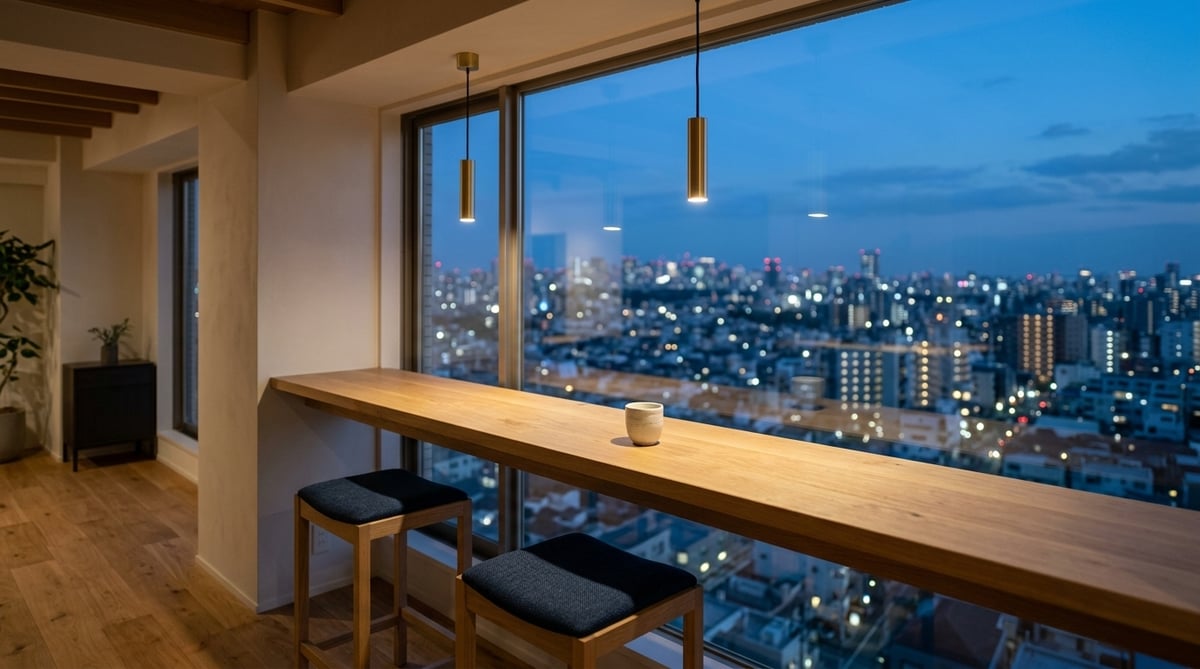
While sitting directly beside Tokyo's vibrant forefronts of Roppongi and Akasaka, Nogizaka embraces you with surprising tranquility and lush greenery the very moment you step out of the station. The soft afternoon light reflecting off the museum's glass facade, the crisp air provided by the sacred grove of Nogi Shrine, and the gentle breeze sweeping through the trees of Hinokicho Park all cultivate an understated serenity that makes you forget you are in the heart of central Tokyo.
"Being so close to the bustling nightlife of Roppongi, is walking home at night truly safe for a woman living alone?" "Can I find a high-security apartment featuring auto-lock and interior hotel-style corridors within a budget of 120,000 to 150,000 yen?" Many women long for the convenience of living close to work in the city center, yet harbor genuine concerns about balancing personal safety with housing costs.
From the perspective of a licensed real estate broker with a decade of experience guiding apartment selections across Minato Ward and central Tokyo, this guide carefully unpacks the authentic security landscape around Nogizaka Station. We explore the vigilant patrols unique to the Akasaka Police Station precinct, safe late-night walking routes utilizing the direct underground passage to Tokyo Midtown, and the indispensable security features and floor plan criteria essential for comfortable, confident living.
Distance to Roppongi Midtown
3-min walk
Direct underground connection from Exit 3
Direct Access to Otemachi Station
~10 mins
Direct on Tokyo Metro Chiyoda Line without transfers
Police Precinct Security Protocol
24 hours
High-priority patrol zone under Akasaka Police Station
Single-Occupant Rent Market
125k~160k JPY
Standard for 1K apartments with auto-lock security
30-Second Summary & Key TakeawaysSorAi Summary
- A comprehensive safety guide for women considering living alone in Nogizaka.
- Distance to Roppongi Tokyo Midtown: 3-minute walk
- Direct access to Otemachi Station: approximately 10 minutes
This specialized security guide is tailored for **single women who want to start living alone in Nogizaka, adjacent to Roppongi and Akasaka, yet have reservations about nighttime lighting, neighborhood safety, and security facilities**. It thoroughly details police coverage under Akasaka Police Station, the direct Tokyo Midtown route, nighttime streetlamp and surveillance networks, and practical criteria for selecting secure auto-lock properties with complete peace of mind.
## Nogizaka's Unique Location: Harmonizing Roppongi and Akasaka Convenience with Residential Tranquility
The defining appeal of Nogizaka lies in how it forms an independent, tranquil residential haven set apart from urban bustle, even while nestled directly between Roppongi and Akasaka—two of Tokyo's preeminent commercial and business hubs. Centered along Gaien-Higashi-dori Avenue, Tokyo Midtown and Hinokicho Park in Akasaka 9-chome unfold to the east, while refined vintage condominiums and low-rise residences stand in orderly lines throughout Minami-Aoyama 1-chome to the west.
Nogizaka Station on the Chiyoda Line occupies an exceptional position for daily business commutes. Kasumigaseki Station is reachable in about 5 minutes, Otemachi Station in approximately 10 minutes via a direct ride, and Omotesando Station in just 2 minutes. Even during morning peak hours, the brief transit times spare you from the fatigue of lengthy crowded train rides. Furthermore, both Roppongi Station (Hibiya Line and Toei Oedo Line) and Aoyama-itchome Station (Ginza Line, Hanzomon Line, and Toei Oedo Line) are within an 8 to 12-minute walk, allowing you to choose seamlessly among multiple train lines depending on your destination.
Options for walking to work are equally plentiful, turning the dream of living steps from the office into everyday reality. Offices around Roppongi Hills and Tokyo Midtown are a 5 to 10-minute walk away, while Akasaka Biz Tower and ARK Hills can be reached on foot in about 10 to 15 minutes. Toranomon Hills is also accessible within a 20-minute walk, or via an effortless Chiyoda Line ride connecting through Kokkai-gijidomae and Kasumigaseki, freeing your daily rhythm from worries over late-night taxis or missing the last train.
### Key Exits and Station Layout at Nogizaka Station
Daily comfort and safety are profoundly influenced by your path from the ticket gates up to street level. Nogizaka Station on the Tokyo Metro Chiyoda Line features several key portals: Exit 1 toward Nogi Shrine and Gaien-Higashi-dori Avenue, Exit 2 near Roppongi 7-chome, Exit 3 providing an underground passage directly toward Tokyo Midtown and Hinokicho Park, and Exit 6 directly connecting to The National Art Center, Tokyo. Understanding the character and immediate surroundings of each exit represents the first step toward selecting the right apartment.
- **Exit 1 (Nogi Shrine / Gaien-Higashi-dori Avenue)**: Located to the right after passing the ticket barriers, this exit leads directly up to the torii gate and lush forest canopy of Nogi Shrine, opening out onto the sidewalk of Gaien-Higashi-dori Avenue. It is the most frequently chosen route for heading toward Minami-Aoyama 1-chome and the western side of Nogizaka Overpass. High-intensity street lighting ensures clear visibility along the main avenue well into the night.
- **Exit 2 (Nogizaka Overpass / Roppongi 7-chome)**: A staircase exit emerging southeast of Nogizaka Overpass toward the serene side streets of Roppongi 7-chome. While useful as a shortcut toward Akasaka-dori Avenue and Seijoki-dori Street, pedestrian volume diminishes sharply late at night, making the primary avenue route preferable during late hours.
- **Exit 3 (Tokyo Midtown / Hinokicho Park Underground Passage)**: Directly connects to Tokyo Midtown's Plaza B1 concourse and Hinokicho Park. In addition to letting you reach Midtown's commercial floors without opening an umbrella on rainy days, it provides an illuminated passage staffed with active security personnel until around 23:00, offering an exceptionally reassuring daily route for solo women (note that Exit 6 is the dedicated underground entrance to The National Art Center, Tokyo).
### Navigating the Undulating Musashino Plateau and Local Slopes
No discussion of Nogizaka's geography is complete without mentioning the dynamic topographical elevation changes characteristic of Minato Ward, situated at the eastern edge of the Musashino Plateau. As its name indicates, the Nogizaka Overpass spans a natural ravine, and steep slopes with vertical drops of 15 to 20 meters dot the surrounding landscape—including the descending Nogizaka slope toward Akasaka, Sanpun-zaka and Yagen-zaka leading toward TBS, and Hikawa-zaka climbing toward Hikawa Shrine.
Unlike flat bay areas or traditional downtown lowlands, walking up and down these inclines provides a genuine physical workout during daily routines. However, this very elevation change reflects firm upland ground, fostering a secure residential setting with minimal flood risk. To make daily shopping and commuting effortless, consider selecting apartments with flat approaches along the ridge line of Gaien-Higashi-dori Avenue, or adopt an electric-assist bicycle or local shared e-bikes (such as LUUP), which feature numerous docking stations throughout the neighborhood.
Online Consultation Desk (No Store Visit Required) Sorai Tokyo Official
[\[Instant Calendar Booking\] Online Apartment Consultation with a Dedicated Agent](https://soraitokyo.jp/consultation?hsLang=en)
Licensed real estate brokers thoroughly versed in Minato Ward and central Tokyo will personally assist you via video call—from clarifying your wish list and checking unlisted listings to optimizing upfront moving costs.
[View Available Dates & Book →](https://soraitokyo.jp/consultation?hsLang=en)
Comprehensive Area Guide Sorai Tokyo Official
[【Chiyoda Line Area Guide】Direct Access to Otemachi! Station Comparison](https://soraitokyo.jp/area-guide-chiyoda-line?hsLang=en)
Complete rental and living guide for all stations on the Tokyo Metro Chiyoda Line, from Kita-Ayase and Kita-Senju to downtown Otemachi.
[Explore Chiyoda Line Guide →](https://soraitokyo.jp/area-guide-chiyoda-line?hsLang=en)
## Akasaka Police Station Security Coverage, Nighttime Street Illumination, and CCTV Density
When selecting a neighborhood for independent living, nighttime safety stands above all other priorities for female residents. The vicinity of Nogizaka Station (Akasaka 9-chome, Minami-Aoyama 1-chome, and Roppongi 7-chome in Minato Ward) falls under the jurisdiction of Akasaka Police Station, renowned for maintaining one of the strictest public safety standards in the metropolis.
Headquartered in Akasaka 4-chome, Akasaka Police Station maintains a 24-hour special security cordon safeguarding not only nightlife districts, but also foreign embassies, Ministry of Defense facilities, Imperial Guard installations, and vital governmental headquarters nearby. Consequently, police standing guard posts are stationed at major intersections along arterial roads around Nogizaka, and the frequency of patrols by police cars and bicycle officers far exceeds that of typical residential neighborhoods. Encountering uniformed officers during your daily routine provides a constant, tangible deterrent against potential crime.
Professional Perspective How to Correctly Interpret Minato Ward Crime Data from Metropolitan Police Statistics
Looking solely at overall crime statistics across Minato Ward can give an inflated impression due to bustling entertainment quarters like Roppongi Crossing and Shimbashi Station. However, when examining open municipal crime data broken down by individual micro-districts (chome), reported violent offenses and residential break-ins across Akasaka 9-chome and Minami-Aoyama 1-chome surrounding Nogizaka Station are exceedingly rare year-round, matching or exceeding the safety levels of quiet outer residential districts. Separating nightlife numbers from residential sectors is a vital step in choosing a secure home in central Tokyo.
### Surveillance Camera Density and LED Street Visibility
Strolling through Nogizaka at night, one is immediately struck by how bright the streets remain. Along the main thoroughfare of Gaien-Higashi-dori Avenue, high-intensity LED streetlights line both sidewalks and roadways at regular intervals. Even past midnight, road contours and the facial expressions of approaching pedestrians remain clearly discernible.
Furthermore, Minato Ward's municipal security camera subsidy program works in tandem with private security networks from large-scale redevelopments like Tokyo Midtown. Alongside public street cameras, high-definition cameras mounted outside luxury residences, office buildings, and commercial facilities cover surrounding sidewalks with wide-angle surveillance. The entire neighborhood is effectively enveloped in a comprehensive watch network, minimizing blind spots and fostering psychological peace of mind for women returning late.
SORAI SIMULATOR / 100% Online in 10 Seconds
#### \[SorAi Move-in Cost Simulator\] Instant Upfront Fee Calculation in 10 Seconds
Simply enter the rent, deposit, and key money to instantly calculate total upfront costs, including brokerage and guarantor fees.
[Open in Full-Screen Window](https://soraitokyo.jp/quote?ref=blog_embed_ext&utm_source=blog_mid_cta&utm_medium=cta&utm_campaign=unified_cta_simulator&hsLang=en) [Consult Directly via Official LINE](https://line.me/R/ti/p/@soraitokyo)
Explore Other Complimentary SorAi Tools:[SorAi Assessment Report →](https://soraitokyo.jp/inspection?ref=blog_mid_cta_aux&lang=en&utm_source=blog_mid_cta&utm_medium=aux_link&utm_campaign=unified_cta_inspection&hsLang=en) [SorAi Request Portal →](https://hearing.soraitokyo.jp/?start=true&ref=blog_mid_cta_aux&lang=en&utm_source=blog_mid_cta&utm_medium=aux_link&utm_campaign=unified_cta_request)
Completely free to use, handled entirely online
Related Guide You Might Like
[\[Ayase Solo Living Simulation\] Realities of Tokyo Living from 60,000 Yen Rent & Budget Breakdown](https://soraitokyo.jp/ja/blog/ayase-living-costs-single-simulation?hsLang=en)
[Read Article →](https://soraitokyo.jp/ja/blog/ayase-living-costs-single-simulation?hsLang=en)
Related Recommendation
[Healthcare & Clinic Guide Around Ayase: Weekend Care, General Hospitals, and Living Safely for Solo Residents](https://soraitokyo.jp/en/blog/ayase-medical-clinic-daily-support?hsLang=en)
[Read Article →](https://soraitokyo.jp/en/blog/ayase-medical-clinic-daily-support?hsLang=en)
## Choosing Safe Routes for Late-Night Returns: Tokyo Midtown Underground Passage and Gaien-Higashi-dori
Even in an exceptionally safe district, how you choose your walking route late at night dramatically affects your perceived sense of security. When living alone in Nogizaka, the single most practical decision is simply avoiding the crowded corridors around Roppongi Crossing (Roppongi 3-chome and 5-chome) during your daily commute home.
Whether walking back from Roppongi Station or Nogizaka Station, well-established, secure paths await you. Let us review the two primary routes you can seamlessly interchange according to weather and hour.
STEP 1: Gates to Underground Floor
From Nogizaka Exit 3 or Roppongi underground passage into Tokyo Midtown
Walk through a pristine, bright, and secure underground concourse staffed with security guards, unaffected by weather.
STEP 2: Grocery Shopping & Surface Exit
Ascend to the plaza level via Galleria B1 (Precce Premium, etc.)
Finish grocery shopping at the supermarket open until 23:00, then take the monitored escalator up to the street.
STEP 3: Wide Arterial Walk to Residence
Proceed along the spacious sidewalk of Gaien-Higashi-dori Avenue
Walk along the bright, wide boulevard free of blind spots directly toward your apartment entrance.
Recommended Route A
#### Tokyo Midtown Underground Concourse
- ✓ Direct dry connection from Nogizaka Station Exit 3, sheltered from rain
- ✓ On-site security guards, bright lighting, and comfortable transit until around 23:00
- ✓ Shop for groceries at Precce Premium and head straight home
- △ Requires switching to street level after commercial complex closing hours late at night
The standard route for Nogizaka residents, perfectly balancing after-work shopping with personal security.
Recommended Route B
#### Gaien-Higashi-dori Boulevard Route
- ✓ High streetlamp illumination 24/7 with wide, safe sidewalks
- ✓ High density of roadside security cameras and steady vehicular traffic minimize blind spots
- ✓ Smooth access to convenience stores and neighborhood grocery stores
- △ Breezes occasionally sweep across the Nogizaka Overpass, calling for warm attire in winter
An expansive primary avenue you can confidently take after the last train or during early mornings.
### Alleys and Shortcuts to Avoid at Night
Conversely, certain paths should be consciously bypassed when walking alone at night. Notable examples include the stepped footpaths descending behind Nogi Shrine into the residential pockets of Akasaka 7-chome and 8-chome, as well as narrow private lanes where streetlights are spaced far apart. While charming as historic daytime walking trails, tree shadows obscure visibility at night, and pedestrian flow drops off abruptly.
Additionally, the back alleys of Roppongi 7-chome—the blocks set one street back from Seijoki-dori Street with scattered dining establishments—occasionally see delivery motorbikes and late-night nightlife traffic. Unless your destination sits directly along that street, staying on the broad avenue of Gaien-Higashi-dori, even if it requires a minor detour of a few dozen meters, is a cardinal rule of personal safety.
#### \[Area Guide by Lifestyle\] For Those Prioritizing Hinokicho Park's Greenery and Roppongi Office Proximity
Beyond security considerations, if you place high value on the distinctive Nogizaka lifestyle—such as making the expansive park greenery of Tokyo Midtown and Hinokicho Park your backyard, or walking to offices in Roppongi and Kasumigaseki—please explore our comprehensive area guide covering rent trends and premier single-occupant apartments.
[👉 \[Lifestyle Guide\] Living Solo in Nogizaka: Hinokicho Park Greenery and Minato Ward Serenity](https://soraitokyo.jp/ja/blog/nogizaka-living-roppongi-single-rent?hsLang=en)
## Essential Security Features and Property Inspection Standards for Confident Living
In Tokyo's rental market, the level of security equipment impacts not only your daily peace of mind but also your fundamental living comfort. Especially when searching for apartments in Nogizaka in the 120,000 to 160,000 yen range, having clear benchmarks on which features are non-negotiable versus where you can remain flexible is essential.
Rather than relying merely on the phrase "auto-lock included" on a listing flyer, you must scrutinize how that equipment is configured and operated on-site through a professional lens during viewings.
Scroll horizontally to see full table →
| Security Feature | Priority Rank | Protective Function & Benefits | Key Inspection Checkpoints |
| --- | --- | --- | --- |
| Interior Hallway Layout | Highest Priority | Completely shields resident entries and departures from outside view. Shields against weather and outdoor insects. | Hallway climate control, carpet maintenance, and adequate lighting levels. |
| Auto-Lock & CCTV Cameras | Essential | Physically and psychologically deters unauthorized intruders. Strongly discourages issues in common areas. | Check if cameras cover the main entrance, elevators, and garbage disposal room. |
| Video Monitor Intercom | Essential | Allows verifying visitor identity without unlocking the door. Auto-recording when away from home. | Check for video memory functions, wide camera angles, and nighttime screen clarity. |
| Delivery Box & On-Site Trash Room | Very Important | Avoids face-to-face package receipt and prevents parcel theft. Allows 24/7 disposal without outdoor dressing. | Number of lockers (availability), and secure keycard/lock access to the trash room. |
| Floor Level (2F+) & Balcony Security | Important Condition | Blocks street-level sightlines, prevents climbing access, and protects laundry privacy. | Distance from drainpipes or adjacent building scaffolding, and railing slit design. |
### Why Hotel-Style Interior Corridors Provide Unmatched Reassurance
Among various building specifications, hotel-style interior hallways merit special recommendation. In typical exterior-corridor apartments, observers across the street or in opposing buildings can easily tell which rooms have lights on, who is arriving home, and exactly which front door they enter.
With an interior hallway layout, the moment you pass the lobby auto-lock, you enter an enclosed private realm shielded entirely from outside gaze. There is no risk of cold drafts or driving rain rushing in when you open your door, and your privacy remains protected during package and mail deliveries. Many properties line their common corridors with sound-absorbing carpeting, allowing you to walk to your door silently without worrying about footsteps late at night.
### Evaluating Effective Usable Living Space Beyond Stated Square Footage
When reviewing apartment listings in Nogizaka, exercise caution regarding exclusive floor area figures and floor plan diagrams. In central Tokyo's steel-framed reinforced concrete (SRC) and reinforced concrete (RC) buildings, substantial load-bearing columns and overhead beam structures frequently protrude into the living space to enhance earthquake resilience.
Even for a unit marked "25 sq.m with a 7.0-tatami room," interior columns invading the four corners can diminish the true "effective floor area" down to the equivalent of roughly 5.5 tatami once a bed and work desk are placed. We recommend carrying a tape measure during in-person viewings to check the following dimensions:
- **Usable Wall Dimensions for Bed Placement**: Verify whether placing a single bed (approx. 100 cm wide × 200 cm long) or semi-double bed (approx. 120 cm wide) obstructs closet doors or passage to the balcony.
- **Outlet and TV Cable Placement**: Check whether electrical outlets are positioned at convenient heights where you envision setting up a workstation, ambient lighting, or bedside phone charging.
- **Washing Machine Pan Clearance and Overhead Storage**: Confirm whether the opening width accommodates a front-loading drum washer (recommended 64 cm or wider) and whether upper shelving is available for detergents and towels.
- **Kitchen Counter Prep Area**: Ensure adequate food preparation space between the sink and stovetop (verifying it is not a cramped single burner with an undersized micro-sink).
## Effortless Home Cooking with Precce Premium and My Basket
Balancing living expenses and maintaining personal wellness while living alone in central Tokyo hinges on having dependable, convenient grocery options. Precisely because Roppongi and Akasaka boast countless dining options, the presence of accessible supermarkets where you can pick up fresh ingredients and everyday goods without friction dictates your overall quality of life.
Nogizaka's distinct advantage lies in having both high-end gourmet markets and budget-friendly everyday supermarkets within an easy walk of one another.
Scroll horizontally to see full table →
| Store Name | Business Hours | Price Range & Character | Smart Usage in Nogizaka |
| --- | --- | --- | --- |
| Precce Premium Tokyo Midtown | 7:00 ~ 24:00 | High Quality & Gourmet | Fresh organic produce, prime cuts of meat and seafood, fine wine, imported cheeses, and artisanal deli items. Perfect for weekend cooking and quick gourmet meals. |
| My Basket Roppongi 7-chome | 7:00 ~ 23:00 | Affordable & Practical | Everyday staples like milk, eggs, tofu, natto, frozen foods, beverages, and seasonings. Enjoy reliable AEON Group everyday pricing right in central Tokyo. |
| Tomod's Pharmacy Tokyo Midtown | 9:00 ~ 21:00 (Sat/Sun/Holidays 10:00~21:00) | Drugstore & Cosmetics | Over-the-counter pharmaceuticals, skincare, cosmetics, oral care, and daily toiletries. Features a prescription dispensary convenient for picking up medicine after work. |
| Seijo Ishii Akasaka Biz Tower | 8:00 ~ 22:00 (Sat/Sun/Holidays 10:00~20:00) | Imported & Specialty Foods | Convenient when returning via Akasaka Station. Great for signature cheesecakes, international deli items, and specialty imported groceries. |
### Everyday Grocery Routes That Shape a Comfortable Daily Rhythm
Picture an ordinary weekday evening. Returning from work, you take Exit 3 of Nogizaka Station into the underground passage of Tokyo Midtown, heading straight to Precce Premium on Galleria B1. Open until midnight, you never have to rush even on long evenings. You pick up neatly arranged seasonal vegetables, a freshly crafted salad, and freshly baked artisanal bread for tomorrow's breakfast.
Meanwhile, for restocking household seasonings, frozen essentials, and heavy bottled water, My Basket Roppongi 7-chome along Gaien-Higashi-dori Avenue is your go-to. Priced just as affordably as suburban supermarkets, it naturally curbs the high food costs often feared in central Tokyo. Skillfully balancing these two stores is the quiet secret to maintaining an effortless, enjoyable solo lifestyle in Nogizaka over the long term.
On weekend mornings, take a leisurely stroll toward Aoyama-itchome to savor freshly brewed coffee at a quiet cafe bathed in tree-filtered sunlight, or open a paperback on a terrace seat at Tokyo Midtown—experiencing the serene luxury of having the entire neighborhood serve as an extension of your living room.
## Finding Quality Nogizaka Apartments from 120,000 Yen and On-Site Inspection Checkpoints
Hearing the name Nogizaka in Minato Ward often evokes the assumption that living here requires a budget upwards of 200,000 yen per month. However, by focusing on single-occupant layouts like 1K or studio apartments and understanding the nuances of building age and structural characteristics, you can reliably discover quality homes featuring sound security within the 125,000 to 150,000 yen bracket.
### Nogizaka Rental Tiers by Building Age and Specifications
- **120,000 to 135,000 JPY (Built 25–35 years ago, Renovated)**: Solid SRC or RC buildings constructed under the modern seismic code (post-June 1981) that have received full interior renovations within recent years. Plumbing fixtures are brand new, and while exteriors look established, lobbies frequently feature retrofitted auto-locks and surveillance cameras, making this tier ideal for budget-conscious renters seeking value.
- **135,000 to 150,000 JPY (Built 15–25 years ago, Urban Condominiums)**: Primarily developer-built investment condominiums and urban residences. Delivery lockers, video monitor intercoms, bathroom dehumidifiers, and independent washbasins come standard, backed by well-kept common facilities. Highly popular and well-balanced, drawing many single female occupants.
- **150,000 to 165,000 JPY (Under 10 years old, Interior Corridor Residences)**: Equipped with hotel-grade interior corridors, high-speed fiber internet, reheating bathtubs, and multi-burner system kitchens. Many are tucked along peaceful residential streets just behind Gaien-Higashi-dori Avenue, presenting the premier choice for those seeking both deep quiet and top-tier security.
### Optimizing Upfront Move-in Costs Grounded in Legal Standards
When entering a lease contract, assessing total upfront moving costs is just as critical as the monthly rent itself. In desirable central Tokyo districts, you may encounter initial quotes loaded with two months' key money and extra optional fees. However, understanding standard legal frameworks enables you to eliminate unnecessary expenses.
Broker Legal Commentary Brokerage Fee Statutory Caps and Exit Special Clause Inspection Standards
**1. Brokerage Fee Caps Under Article 46 of the Real Estate Brokerage Act**
Under Japanese law, total brokerage commissions from lessor and tenant combined cannot exceed one month's rent plus tax. Unless explicit prior consent is granted, the statutory cap charged to a single party is strictly **0.55 months' rent (tax included)**. To ease the financial burden of launching a new life in Tokyo, Sorai Tokyo transparently sets brokerage fees at **half price (0.55 months' rent, tax included)**.
**2. Tokyo Rental Housing Dispute Prevention Ordinance and Restoration Standards**
Tokyo law mandates explaining the "Tokyo Rules" prior to contract signing. Grounded in Ministry of Land, Infrastructure, Transport and Tourism (MLIT) guidelines, wallpaper depreciation runs over 6 years (down to 1 yen residual value), and ordinary wear-and-tear repairs remain the lessor's obligation. Furthermore, under Supreme Court precedent (Dec 16, 2005), special clauses burdensome to tenants (such as mandatory cleaning fees) are legally enforceable only if the exact amounts and scope are clearly written in the contract and explicitly agreed upon by the tenant. Careful line-by-line scrutiny of fee estimates is indispensable.
Scroll horizontally to see full table →
| Cost Item | Typical Agency Estimate Example | After Optimization at Sorai Tokyo |
| --- | --- | --- |
| Brokerage Commission | 1.1 months' rent (tax incl.) e.g., 148,500 JPY on 135,000 JPY rent | 0.55 months' rent (tax incl.) e.g., 74,250 JPY (Save 74,250 JPY) |
| Room Sanitization / Antibacterial Fee | 16,500 ~ 22,000 JPY (Optional add-on) | 0 JPY (Unnecessary add-on removed) |
| 24-Hour Emergency Support Fee | 16,500 ~ 26,400 JPY (2-year term) | Scrutinized objectively unless required by landlord |
| Deposit, Key Money, Advance Rent, Guarantor Fee | Per listing terms (Actual costs) | Per listing terms (Proactively negotiate key money) |
| Net Savings Difference | Baseline Total | Save approximately 90,000 ~ 120,000 JPY |
The saved funds can be allocated directly into enriching your new living space—investing in favorite furniture pieces, quality blackout curtains, or smart door locks for enhanced security.
### The "Day and Night" Inspection Routine
Once you find a promising apartment, an on-site viewing is essential before signing. Whenever possible, we recommend walking around the building twice: once during bright daytime hours and once at night (after 19:00). You will notice aspects of the neighborhood that remain hidden during the day.
1. **Entrance Blind Spots and Lighting Layout**: When approaching the entrance after dark, check whether landscaping shrubbery or bike sheds cast deep shadows, and ensure motion-sensor lights activate reliably.
2. **Elevator Security Windows and Monitors**: Check if the elevator car door has a glass viewing panel, and whether the ground floor waiting area displays a live surveillance monitor.
3. **Corridor Quietness and Maintenance Quality**: Observe whether the garbage collection area is kept pristine and check whether advertising flyers overflow from mailboxes. Common area cleanliness directly mirrors resident manners and property management rigor.
4. **Indoor Cellular Signal Strength**: In heavy RC structures or apartments with interior hallways, units nestled deep inside the floor plan may experience diminished mobile carrier reception. Verify signal bars on your phone for both calls and data inside the unit.
5. **Window Sightlines and Neighboring Privacy**: Open the curtains to verify whether opposing office buildings or neighboring residences have a direct line of sight into your living room, checking for frosted glass or protective balcony balustrades.
## Beginning Your Balanced, Confident Life in Nogizaka
Nogizaka is a neighborhood where you can feel the invigorating pulse of central Tokyo close at hand, yet return home to the whisper of leaves and calm, restorative air. The bright illumination of Gaien-Higashi-dori Avenue, the vigilant guardianship of the Akasaka Police precinct, and the daily conveniences of Tokyo Midtown combine to form an irreplaceable bedrock of safety for women living independently in Tokyo.
When choosing a home, personal values vary—what mornings you wish to greet and what features matter most to you are uniquely yours. Valuing time gained through living moments from work and keeping housing costs balanced while ensuring uncompromised security are both commendable paths.
Whenever you discover an apartment of interest or wish to review an existing move-in cost estimate, feel free to reach out to Sorai Tokyo. Our licensed brokers will thoroughly check real-time listings on industry inter-brokerage networks and provide objective cost reviews and second opinions completely free of charge, entirely online.
You can also access Sorai Tokyo's suite of smart tools (SorAi), including our Move-in Cost Simulator, anytime via the sticky bottom navigation on mobile or the footer on desktop. We are dedicated to accompanying you every step of the way, ensuring your new life in Tokyo begins with confidence, comfort, and peace of mind.

SorAi Real-Time Rental Concierge Online 24/7
Official AI answers your questions 24/7
[Continue on Official LINE (24/7 Free)](https://page.line.me/soraitokyo?oat_content=url&openQrModal=true&utm_source=soraitokyo_website&utm_medium=blog_inline_chat&utm_campaign=line_btn) [Privacy Policy](https://soraitokyo.jp/en/privacy-policy)

Thank you for reading this guide. I am SorAi, your official real estate AI concierge.
Feel free to ask any questions about apartment viewing checkpoints, layout comparisons, soundproofing, or natural lighting in Tokyo.
Quick questions:
Summarize apartment viewing points
Viewing measurements and soundproofing
Comparing layouts and living flows
Sunlight, humidity, and neighborhood
[Continue on Official LINE (Free)](https://page.line.me/soraitokyo?oat_content=url&openQrModal=true&utm_source=soraitokyo_website&utm_medium=blog_inline_chat&utm_campaign=line_btn)
Send
No phone number required. Feel free to consult at your own pace 24/7.
### Featured Tokyo Living Guides
SorAi Editorial
Swipe
#### [ Pet Friendly / Rental Contracts Tokyo Pet-Friendly Apartment Rental Contract Guide: Deposits & Soundproof Tips | Sorai Tokyo Read Guide →](https://soraitokyo.jp/en/blog/tokyo-pet-friendly-apartment-contract-guide?hsLang=en)
#### [ Chiyoda Line / Redevelopment Kitasenju Redevelopment & Livability 2026: 5 Train Lines, Shopping & Housing | Sorai Tokyo Read Guide →](https://soraitokyo.jp/en/blog/area-guide-kitasenju-redevelopment-trend-2026?hsLang=en)
#### [ Tenant Screening / Checklist Tokyo Rental Screening Guide 2026: Why Applications Fail and How to Pass | Sorai Tokyo Read Guide →](https://soraitokyo.jp/en/blog/apartment-screening-checklist-guide?hsLang=en)
## Frequently Asked Questions (FAQ)
### QDo late-night revelers from Roppongi's entertainment district spill over into the Nogizaka Station area?
AHardly ever, so you can rest assured. Roppongi's nightlife hubs (bars and clubs) are heavily concentrated around Roppongi Crossing, Imoaraizaka, and the Roa Building area in Roppongi 3-chome and 5-chome. Akasaka 9-chome and Minami-Aoyama 1-chome, where Nogizaka Station is located, are physically separated from those entertainment zones by the vast grounds of Tokyo Midtown, Hinokicho Park, and Nogi Shrine. This geographic buffer preserves the area's identity as a quiet cultural and residential sanctuary, maintaining a calm and peaceful atmosphere throughout the night.
### QCan I find an apartment with auto-lock and separate bath and toilet within a budget of 120,000 yen?
AYes, absolutely. In buildings approximately 20 to 30 years old, 1K layouts ranging from 20 to 23 square meters equipped with auto-lock, separate bath and toilet, indoor washing machine space, and a video monitor intercom consistently circulate around 125,000 to 135,000 yen. Many feature beautifully renovated interiors. Broadening your search beyond brand-new construction allows you to secure an excellent home that meets your security needs while respecting your budget.
### QI hear Nogizaka has many hills. Is walking or bicycling difficult during daily routines?
AMoving along the ridge path of Gaien-Higashi-dori Avenue is virtually flat and quite comfortable. However, elevation drops occur when descending from the Nogizaka Overpass toward Akasaka-dori Avenue or Seijoki-dori Street. For pedestrian movement, utilizing elevators and commercial concourse connections makes route navigation easy. For cycling, choosing an electric-assist bicycle or using the widely available shared e-bikes (like LUUP) stationed across Nogizaka and Roppongi allows you to travel effortlessly without worrying about hill slopes.

Author: Sorai Tokyo Editorial Team (Supervised by Licensed Real Estate Agents)
A real estate consulting team specializing in assisting foreign nationals find rooms and explaining initial costs in Tokyo. We break down language barriers and differences in customs, offering dedicated support in Japanese, English, and Vietnamese for a safe and secure start to your new life.
 SORAI TOKYO | Chat with AI "SorAi" Anytime on LINE
### Exploring Tokyo Neighborhoods or Apartments? Ask Our AI "SorAi" Anytime on LINE
No property URL needed yet. From area safety, commute tips, and rent trends to instant initial-cost audits for listings you found—chat with SorAi 24/7 on LINE with zero sales calls.
STEP 1
Ask Anything on LINE
Ask about areas & rent, or send a listing URL anytime
→
STEP 2
24/7 Instant Reply by SorAi
Objective area data, live vacancy & fee breakdown
→
STEP 3
Explore at Your Own Pace
Zero sales calls. Meet on-site only when ready to view
24/7 Instant / Most Popular
#### ① Chat with AI "SorAi" on LINE (Free)
Ask about neighborhoods, rent trends, or share any listing URL on LINE. SorAi & our bilingual concierge check live vacancy and upfront fee breakdowns with zero sales pressure.
[Chat with SorAi on LINE (Free) ➔](https://lin.ee/VE8fd8b?utm_source=soraitokyo_blog&utm_medium=cta&utm_campaign=bottom_cta&utm_content=line)
Web Audit
#### ② SorAi Property Report
Already found a listing? Submit the URL or floor plan on the web for an instant objective breakdown of move-in costs and neighborhood data.
[View Report (Free) ↗](https://inspection.soraitokyo.jp/?ref=blog_bottom_cta)
Wait for New Listings
#### ③ SorAi Housing Needs
Select your budget, layout, and must-have conditions in 30 seconds to receive matching listings at your own pace.
[Organize Criteria (Free) ➔](https://soraitokyo.jp/en/request?ref=blog_bottom_cta&hsLang=en)
Instant Move-in Estimate
#### ④ SorAi Move-in Estimator
Enter rent and management fees to quickly estimate standard upfront contract costs and potential savings.
[Check Estimates (Free) ➔](https://soraitokyo.jp/en/quote?ref=blog_bottom_cta&hsLang=en)
※ Consultations are 100% free. No phone number required, zero pushy calls—everything is completed smoothly on LINE.
この記事をシェアする
\# エリアガイド# 北千住
[ SORAI TOKYO](https://soraitokyo.jp/en/)
Sorai Tokyo Co., Ltd.
Room 102, 1-7-14 Yanaka, Adachi-ku, Tokyo, 120-0006
03-6161-8484
[contact@soraitokyo.jp](mailto:contact@soraitokyo.jp)
Tokyo Metropolitan Governor (1) No. 113297
(License Date: December 20, 2025)
### Sitemap
- [About Us](https://soraitokyo.jp/en/about-us)
- [Testimonials](https://soraitokyo.jp/en/testimonials)
- [Chiyoda Line Guide](https://soraitokyo.jp/en/area-guide-chiyoda-line)
- [Sorai Journal](https://soraitokyo.jp/en/blog)
- [FAQs](https://soraitokyo.jp/en/faqs)
- [Contact](https://soraitokyo.jp/en/contact)
- [SorAi Request](https://soraitokyo.jp/en/request)
### Business Hours
**10:00 〜 18:00**
Closed: **Tuesday & Wednesday**
Inquiries via LINE, SNS, and email are accepted 24/7.
[View on Google Maps](https://maps.google.com/?q=%E6%9D%B1%E4%BA%AC%E9%83%BD%E8%B6%B3%E7%AB%8B%E5%8C%BA%E8%B0%B7%E4%B8%AD1-7-14) [Book Online Meeting](https://soraitokyo.jp/en/consultation?hsLang=en)
### Multilingual Services
Our professional staff are fluent in Japanese, English, Vietnamese, Russian, and Indonesian to support you from room hunting to contract signing.
[🇯🇵 日本語](https://soraitokyo.jp/ja/blog/nogizaka-female-solo-living-guide-2026?hsLang=ja) [🇺🇸 English](https://soraitokyo.jp/en/blog/nogizaka-female-solo-living-guide-2026?hsLang=en) [🇻🇳 Tiếng Việt](https://soraitokyo.jp/vi/blog/nogizaka-female-solo-living-guide-2026?hsLang=vi) [🇷🇺 Русский](https://soraitokyo.jp/ru/blog/nogizaka-female-solo-living-guide-2026?hsLang=ru) [🇮🇩 Indonesia](https://soraitokyo.jp/id/blog/nogizaka-female-solo-living-guide-2026?hsLang=id)
### Inquire via Social Media
[Privacy Policy](https://soraitokyo.jp/en/privacy-policy) | [Privacy & Security](https://soraitokyo.jp/en/security)
Copyright © 2026 株式会社ソライ東京 (Sorai Tokyo Co., Ltd.) All Rights Reserved.
[Chat with SorAi](https://page.line.me/soraitokyo?oat_content=url&openQrModal=true&utm_source=soraitokyo_website&utm_medium=line_button&utm_campaign=chatbot_popover)
SorAi Chat

#### SorAi
Online (Multilingual Support)
×
[Chat with SorAi](https://page.line.me/soraitokyo?oat_content=url&openQrModal=true&utm_source=soraitokyo_website&utm_medium=chatbot_header&utm_campaign=line_btn) [Email Us](https://soraitokyo.jp/en/contact?hsLang=en)
[Get "SorAi" on LINE (24/7 Free)](https://page.line.me/soraitokyo?oat_content=url&openQrModal=true&utm_source=soraitokyo_website&utm_medium=line_button&utm_campaign=floating_btn)
 SorAi | 24/7 AI Rental Chat No signup・100% online
TOC
### Table of Contents
×
```json
{
"@context" : "https://schema.org",
"@type" : "BlogPosting",
"author" : {
"@type" : "Person",
"name" : "ソライ東京編集部",
"url" : "https://soraitokyo.jp/en/blog/author/ソライ東京編集部"
},
"datePublished" : "2026-09-11T05:46:11.000Z",
"headline" : "Solo Living for Women in Nogizaka: Nighttime Street Safety, Security Camera Coverage, and Auto-Lock Rental Guide | Sorai Tokyo",
"image" : [ "https://soraitokyo.jp/hubfs/blog-eyecatches/batch8_tv_console_indirect_light.jpg" ],
"mainEntityOfPage" : {
"@id" : "https://soraitokyo.jp/en/blog/nogizaka-female-solo-living-guide-2026",
"@type" : "WebPage"
},
"publisher" : {
"@type" : "Organization",
"logo" : {
"@type" : "ImageObject",
"url" : "https://soraitokyo.jp/hubfs/small_logo(color)%20(2)-1.png"
},
"name" : "株式会社ソライ東京"
}
}
```
```json
{
"@context" : "https://schema.org",
"@type" : "FAQPage",
"mainEntity" : [ {
"@type" : "Question",
"acceptedAnswer" : {
"@type" : "Answer",
"text" : "Hardly ever, so you can rest assured. Roppongi's nightlife hubs (bars and clubs) are heavily concentrated around Roppongi Crossing, Imoaraizaka, and the Roa Building area in Roppongi 3-chome and 5-chome. Akasaka 9-chome and Minami-Aoyama 1-chome, where Nogizaka Station is located, are physically separated from those entertainment zones by the vast grounds of Tokyo Midtown, Hinokicho Park, and Nogi Shrine. This geographic buffer preserves the area's identity as a quiet cultural and residential sanctuary, maintaining a calm and peaceful atmosphere throughout the night."
},
"name" : "Do late-night revelers from Roppongi's entertainment district spill over into the Nogizaka Station area?"
}, {
"@type" : "Question",
"acceptedAnswer" : {
"@type" : "Answer",
"text" : "Yes, absolutely. In buildings approximately 20 to 30 years old, 1K layouts ranging from 20 to 23 square meters equipped with auto-lock, separate bath and toilet, indoor washing machine space, and a video monitor intercom consistently circulate around 125,000 to 135,000 yen. Many feature beautifully renovated interiors. Broadening your search beyond brand-new construction allows you to secure an excellent home that meets your security needs while respecting your budget."
},
"name" : "Can I find an apartment with auto-lock and separate bath and toilet within a budget of 120,000 yen?"
}, {
"@type" : "Question",
"acceptedAnswer" : {
"@type" : "Answer",
"text" : "Moving along the ridge path of Gaien-Higashi-dori Avenue is virtually flat and quite comfortable. However, elevation drops occur when descending from the Nogizaka Overpass toward Akasaka-dori Avenue or Seijoki-dori Street. For pedestrian movement, utilizing elevators and commercial concourse connections makes route navigation easy. For cycling, choosing an electric-assist bicycle or using the widely available shared e-bikes (like LUUP) stationed across Nogizaka and Roppongi allows you to travel effortlessly without worrying about hill slopes."
},
"name" : "I hear Nogizaka has many hills. Is walking or bicycling difficult during daily routines?"
} ]
}
```
```json
{
"@context" : "https://schema.org",
"@type" : "BlogPosting",
"author" : {
"@type" : "Person",
"name" : "Author: Sorai Tokyo Editorial Team (Supervised by Licensed Real Estate Agents)"
},
"dateModified" : "2026-10-03T12:44:08Z",
"datePublished" : "2026-10-03T12:44:08Z",
"description" : "Explore solo living in Nogizaka for women. Discover nighttime safety, security camera density, Tokyo Midtown route, and auto-lock apartment tips from a licensed broker.",
"headline" : "Solo Living for Women in Nogizaka: Nighttime Street Safety, Security Camera Coverage, and Auto-Lock Rental Guide",
"inLanguage" : "en",
"publisher" : {
"@type" : "Organization",
"name" : "Sorai Tokyo",
"url" : "https://soraitokyo.jp"
}
}
```
```json
{
"@context" : "https://schema.org",
"@type" : "BlogPosting",
"author" : {
"@type" : "Organization",
"knowsAbout" : [ "東京メトロ千代田線", "賃貸不動産仲介", "宅地建物取引業", "初期費用適正化", "重要事項説明(IT重説)" ],
"name" : "Sorai Tokyo Editorial Team (Supervised by Licensed Real Estate Agents)",
"url" : "https://soraitokyo.jp/en/about-us"
},
"dateModified" : "2026-10-07T18:01:26+0000",
"datePublished" : "2026-09-11T05:46:11+0000",
"description" : "Explore solo living in Nogizaka for women. Discover nighttime safety, security camera density, Tokyo Midtown route, and auto-lock apartment tips from a licensed broker.",
"headline" : "Solo Living for Women in Nogizaka: Nighttime Street Safety, Security Camera Coverage, and Auto-Lock Rental Guide",
"image" : "https://soraitokyo.jp/hubfs/blog-eyecatches/batch16_05_window_counter_bar_city_twilight.jpg",
"inLanguage" : "en",
"mainEntityOfPage" : {
"@id" : "https://soraitokyo.jp/en/blog/nogizaka-female-solo-living-guide-2026",
"@type" : "WebPage"
},
"publisher" : {
"@type" : "Organization",
"logo" : {
"@type" : "ImageObject",
"url" : "https://soraitokyo.jp/hubfs/raw_assets/public/soraitokyo-theme/assets/logo.png"
},
"name" : "Sorai Tokyo Co., Ltd.",
"url" : "https://soraitokyo.jp/en/"
},
"url" : "https://soraitokyo.jp/en/blog/nogizaka-female-solo-living-guide-2026"
}
```
```json
{
"@context" : "https://schema.org",
"@type" : "BreadcrumbList",
"itemListElement" : [ {
"@type" : "ListItem",
"item" : "https://soraitokyo.jp/en/",
"name" : "Home",
"position" : 1
}, {
"@type" : "ListItem",
"item" : "https://soraitokyo.jp/en/blog",
"name" : "Blog",
"position" : 2
}, {
"@type" : "ListItem",
"item" : "https://soraitokyo.jp/en/blog/nogizaka-female-solo-living-guide-2026",
"name" : "Solo Living for Women in Nogizaka: Nighttime Street Safety, Security Camera Coverage, and Auto-Lock Rental Guide",
"position" : 3
} ]
}
```