---
title: "Soundproof Rental vs Instrument-Friendly Apartments in Tokyo: DTM Sound Isolation (D & L Values) & Inspection Guide | Sorai Tokyo"
description: A licensed Tokyo real estate broker breaks down soundproof apartments vs instrument-friendly rentals for DTM music production, acoustic D/L values, prefabricated booths, and screening tips.
image: https://soraitokyo.jp/hubfs/blog-eyecatches/batch27_04_study_corner_window_built_in_bookdesk.jpg
---
[ SORAI TOKYO](https://soraitokyo.jp/en/)
- [Home](https://soraitokyo.jp/en/)
- [SorAi Suite](https://soraitokyo.jp/en/quote)
[SorAi Initial Cost Simulator Instant breakdown of move-in costs](https://soraitokyo.jp/en/quote) [SorAi Inspection Report Objective property & hazard diagnosis](https://soraitokyo.jp/en/inspection) [SorAi Request AI-powered rental home recommendations](https://soraitokyo.jp/en/request) [SorAi Phone Consultation 24/7 AI voice response (03-6161-8484)](tel:0361618484)
- [Property Search](https://soraitokyo.jp/en/properties/plegio-kitaayase-asian)
[Featured New (Plegio Kita-Ayase) 2 min from Chiyoda Line starting station](https://soraitokyo.jp/en/properties/plegio-kitaayase-asian) [Furnished Monthly Apartments Short-term rentals for business & temporary stays](https://soraitokyo.jp/en/short-term-rental) [Online Licensed Agent Consultation Camera-off OK • 30–45 min neutral advice](https://soraitokyo.jp/en/consultation) [Client & Resident My Page Check application status & saved documents](https://resident.soraitokyo.jp)
- [Area Guides & Journal](https://soraitokyo.jp/en/area-guide-chiyoda-line)
[Chiyoda Line Living Guide Direct access to Otemachi & Omotesando](https://soraitokyo.jp/en/area-guide-chiyoda-line) [Sorai Journal Expert rental advice & Tokyo insights](https://soraitokyo.jp/en/blog)
- [About Sorai Tokyo](https://soraitokyo.jp/en/about-us)
[Company & Leadership Our story, mission & commitment to trust](https://soraitokyo.jp/en/about-us) [Client Testimonials Real tenant experiences & proven track record](https://soraitokyo.jp/en/testimonials) [FAQs Clear answers on leasing, guarantors & visas](https://soraitokyo.jp/en/faqs) [Privacy & Security Zero paper, zero AI training & encrypted safety](https://soraitokyo.jp/en/security)
EN
[JP 日本語](https://soraitokyo.jp/ja/blog/soundproof-room-vs-musical-instrument-rental-guide?hsLang=ja) [EN English](https://soraitokyo.jp/en/blog/soundproof-room-vs-musical-instrument-rental-guide?hsLang=en) [VN Tiếng Việt](https://soraitokyo.jp/vi/blog/soundproof-room-vs-musical-instrument-rental-guide?hsLang=vi) [RU Русский](https://soraitokyo.jp/ru/blog/soundproof-room-vs-musical-instrument-rental-guide?hsLang=ru) [ID Indonesia](https://soraitokyo.jp/id/blog/soundproof-room-vs-musical-instrument-rental-guide?hsLang=id)
[Online Consultation](https://soraitokyo.jp/en/consultation) [Contact](https://soraitokyo.jp/en/contact)
SORAI TOKYO Real Estate & Living
[Cost Simulator Instant Fee Breakdown](https://soraitokyo.jp/en/quote) [Area Guide 20 Stations & Living](https://soraitokyo.jp/en/area-guide-chiyoda-line) [About Us Stance & Commitments](https://soraitokyo.jp/en/about-us) [Contact Us Viewing & Booking](https://soraitokyo.jp/en/contact)
SorAi Suite
- [SorAi Initial Cost Simulator Instant Breakdown](https://soraitokyo.jp/en/quote)
- [SorAi Inspection Report Property & Hazard](https://soraitokyo.jp/en/inspection)
- [SorAi Request AI Matcher](https://soraitokyo.jp/en/request)
- [SorAi Phone Consultation 03-6161-8484](tel:0361618484)
Property Search
- [Featured Property: Plegio Kita-Ayase 2 min walk](https://soraitokyo.jp/en/properties/plegio-kitaayase-asian)
- [Furnished Monthly Apartments Short-Term Rentals](https://soraitokyo.jp/en/short-term-rental)
Area Guides & Journal
- [Chiyoda Line Guide Direct Access to Central Tokyo](https://soraitokyo.jp/en/area-guide-chiyoda-line)
- [Sorai Journal & Insights Expert Advice](https://soraitokyo.jp/en/blog)
About Sorai Tokyo
- [Home](https://soraitokyo.jp/en/)
- [Company Profile Story & Trust](https://soraitokyo.jp/en/about-us)
- [Customer Reviews Real Voice](https://soraitokyo.jp/en/testimonials)
- [Frequently Asked Questions Answers](https://soraitokyo.jp/en/faqs)
- [Privacy & Security Zero Paper & AI Training](https://soraitokyo.jp/en/security)
Consultation & Contact
- [Online Consultation Video call](https://soraitokyo.jp/en/consultation)
- [Contact Form Inquiry](https://soraitokyo.jp/en/contact)
- [Official LINE Consultation URL intake](https://page.line.me/soraitokyo)
Language / 言語
[JP 日本語](https://soraitokyo.jp/ja/blog/soundproof-room-vs-musical-instrument-rental-guide?hsLang=ja) [EN English](https://soraitokyo.jp/en/blog/soundproof-room-vs-musical-instrument-rental-guide?hsLang=en) [VN Tiếng Việt](https://soraitokyo.jp/vi/blog/soundproof-room-vs-musical-instrument-rental-guide?hsLang=vi) [RU Русский](https://soraitokyo.jp/ru/blog/soundproof-room-vs-musical-instrument-rental-guide?hsLang=ru) [ID Indonesia](https://soraitokyo.jp/id/blog/soundproof-room-vs-musical-instrument-rental-guide?hsLang=id)
Hours: 10:00 AM - 6:00 PM
Closed: Tuesday & Wednesday
[LINE](https://page.line.me/soraitokyo) [Facebook](https://www.facebook.com/1168140463045963) [Map](https://maps.google.com/?q=%E3%82%BD%E3%83%A9%E3%82%A4%E6%9D%B1%E4%BA%AC)
株式会社ソライ東京 | 宅地建物取引業者 東京都知事免許
[Home](https://soraitokyo.jp/en/) [Area](https://soraitokyo.jp/en/area-guide-chiyoda-line)
Tools
TOC
[LINE](https://page.line.me/soraitokyo?oat_content=url&openQrModal=true&utm_source=soraitokyo_website&utm_medium=bottom_nav&utm_campaign=mobile_bottom)
Select Language
×
[JP 日本語](https://soraitokyo.jp/ja/blog/soundproof-room-vs-musical-instrument-rental-guide?hsLang=ja) [EN English](https://soraitokyo.jp/en/blog/soundproof-room-vs-musical-instrument-rental-guide?hsLang=en) [VN Tiếng Việt](https://soraitokyo.jp/vi/blog/soundproof-room-vs-musical-instrument-rental-guide?hsLang=vi) [RU Русский](https://soraitokyo.jp/ru/blog/soundproof-room-vs-musical-instrument-rental-guide?hsLang=ru) [ID Indonesia](https://soraitokyo.jp/id/blog/soundproof-room-vs-musical-instrument-rental-guide?hsLang=id)
SorAi Tools
×
[Initial Cost Simulator Agent Verified / Free 10-second automatic cost estimation from portal URLs or manual input](https://soraitokyo.jp/en/quote) [SorAi Inspection Report Objective Audit Upload floor plan to objectively diagnose earthquake resistance, structure & fair rent](https://soraitokyo.jp/en/inspection) [SorAi Room Hunting Request 100% Online / No Calls Zero unwanted sales calls. Simply send your ideal conditions and relax](https://soraitokyo.jp/en/request)
SORAI SUITE
[SorAi Cost Simulator](https://soraitokyo.jp/en/quote) [SorAi Inspection Report](https://soraitokyo.jp/en/inspection) [SorAi Request](https://soraitokyo.jp/en/request) [Online Consultation](https://soraitokyo.jp/en/consultation) [SorAi Phone Call](tel:0361618484)
MENU
[Area Guide](https://soraitokyo.jp/en/area-guide-chiyoda-line) [Journal](https://soraitokyo.jp/en/blog) [About Us](https://soraitokyo.jp/en/about-us) [Contact](https://soraitokyo.jp/en/contact)
[Free LINE Consultation](https://page.line.me/soraitokyo?oat_content=url&openQrModal=true&utm_source=soraitokyo_website&utm_medium=left_sidebar&utm_campaign=persistent_rail)
1. [Home](https://soraitokyo.jp/en/)
2. /
3. [Blog](https://soraitokyo.jp/en/blog)
4. /
5. Soundproof Rental vs Instrument-Friendly Apartments in Tokyo: DTM Sound Isolation (D & L Values) & Inspection Guide
Rental & Living Guide
[Back to Blog List](https://soraitokyo.jp/en/blog)
# Soundproof Rental vs Instrument-Friendly Apartments in Tokyo: DTM Sound Isolation (D & L Values) & Inspection Guide
Published: Oct 30, 2026 Updated: Oct 30, 2026 [Sorai Tokyo Editorial (Licensed Agent)](https://soraitokyo.jp/en/about-us)
 SORAI TOKYO | Chat with AI "SorAi" Anytime on LINE
## Exploring Tokyo Neighborhoods or Apartments? Ask Our AI "SorAi" Anytime on LINE
No property URL needed yet. From area safety, commute tips, and rent trends to instant initial-cost audits for listings you found—chat with SorAi 24/7 on LINE with zero sales calls.
[Chat with AI "SorAi" on LINE (Free) 24/7 Instant / Most Popular Ask about areas, rent, vacancy, or upfront fees anytime →](https://lin.ee/VE8fd8b?utm_source=soraitokyo_blog&utm_medium=cta&utm_campaign=fv_cta&utm_content=line) [SorAi Property Report Web Audit Already have a URL or floor plan? Check fair value ↗](https://inspection.soraitokyo.jp/?ref=blog_top_cta) [SorAi Housing Needs Organize your budget & preferred stations online →](https://soraitokyo.jp/en/request?ref=blog_top_cta&hsLang=en) [SorAi Move-in Estimator Quickly estimate standard upfront costs from rent →](https://soraitokyo.jp/en/quote?ref=blog_top_cta&hsLang=en)
※ Consultations are 100% free. No phone number required, zero pushy calls—everything is completed smoothly on LINE.
Table of Contents
Table of Contents
Collapse
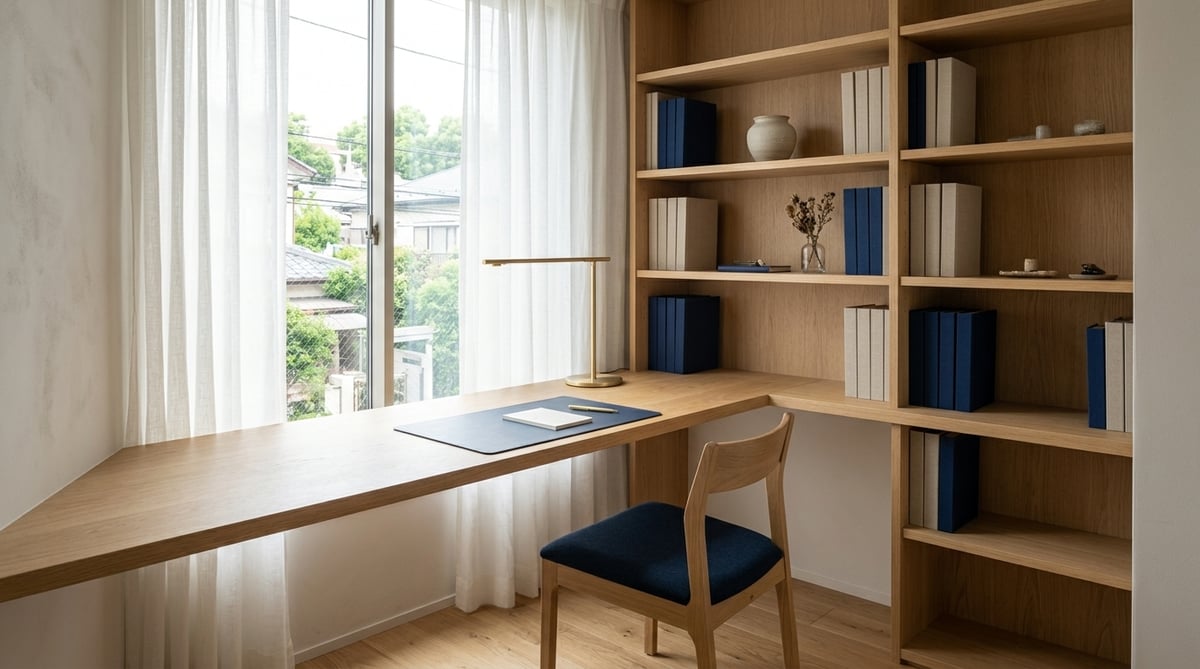
Late at night, there comes a quiet moment when you gently slip off your favorite monitor headphones and listen closely to the stillness of your room. On your computer screen, intricate track waveforms stretch out in sequence. Deep down, you yearn to push your kick drum's punch, the sub-bass rumble, and the subtle air of your vocal tracks through the rich, dimensional soundfield of true studio monitors to dial in your final mix. Or perhaps, when inspiration strikes past midnight, you simply want to let your fingers freely roam across your MIDI keyboard without dreading noise complaints from next door. For music producers, desktop music (DTM) creators, and acoustic instrumentalists, having a home where you can immerse yourself in sound without anxiety brings a profound sense of fulfillment and grounding to everyday life in Tokyo.
Yet, when opening Japanese rental portals in search of an ideal creative base, international creators and Tokyo newcomers frequently hit a confusing crossroads: listings marked as *Musical Instruments Allowed (Gakki Sodan / Gakki Ka)* versus true *Soundproof Rentals (Bouon Manshon / Music Apartments)*. While both seem welcoming to music, the underlying architectural engineering, acoustic isolation performance, and building management rules differ drastically. Signing a lease based solely on promotional brochure wording often leads to heartbreak shortly after move-in—such as receiving strict noise warnings when monitor sub-bass leaks into adjacent units, or discovering that amplifiers and external speakers are strictly prohibited under building bylaws.
As licensed real estate advisors, we regularly field urgent inquiries from international musicians and creators: “How far can I actually push my studio monitors in a standard reinforced concrete (RC) apartment in Tokyo?” or “Can I install a prefabricated soundproof booth (like Yamaha Avitecs or Kawai Nasal) in a standard rental without running into floor load limits or breaker capacity issues?” Finding a residence where you can produce music to your heart's content requires a clear understanding of structural acoustic engineering, standardized Japanese Industrial Standards (JIS) metrics like D-values and L-values, and practical verification steps prior to lease signing. From the perspective of a veteran Tokyo licensed broker with a decade of transactional experience, let us carefully guide you through the essential facts so you can harmonize an inspiring studio sanctuary with comfortable, high-end daily living.
- Listings labeled “Musical Instruments Allowed” are predominantly standard RC residential buildings with daytime-only practice permissions; late-night music production and studio monitor playback strictly require a true “Soundproof Rental” engineered with decoupled box-in-a-box floating acoustic architecture.
- Building acoustic isolation is objectively rated by airborne sound insulation “D-value” (D-55 or higher recommended for music) and floor impact insulation “L-value” (LL and LH); for digital audio workstations, physical decoupling to isolate keyboard keybed strikes and low-frequency speaker vibration is paramount.
- Retrofitting a modular soundproof booth into a standard apartment requires strict adherence to Article 85 of the Building Standards Act Enforcement Order (floor live load limit of approx. 180 kg/sqm) and electrical panel capacity (minimum 40A–50A), making formal written landlord consent and on-site inspection essential.
## The Decisive Differences: Standard “Instrument-Friendly” Rentals vs. Dedicated Soundproof Apartments
In Tokyo's rental market, “Instrument-Friendly” and “Soundproof Rentals” belong to fundamentally distinct categories. Confusing these two classifications is the single most common cause of noise disputes, lost security deposits, and shattered creative expectations after moving in. To navigate your search safely, let us examine the architectural backgrounds and contractual realities governing each type of property.
### Contractual Permissions vs. Architectural Box-in-a-Box Floating Structures
When an apartment listing states “Musical Instruments Negotiable” or “Instruments Allowed,” it simply denotes a legal concession within the building's management bylaws granting permission to practice certain acoustic instruments under limited conditions. Architecturally, the vast majority of these properties are conventional reinforced concrete (RC) or steel-reinforced concrete (SRC) residential complexes designed for standard single professionals or families. The individual dwelling units feature no specialized acoustic construction whatsoever. They consist of standard concrete demising walls, ordinary aluminum window frames, and standard floating wood flooring, offering acoustic isolation identical to any regular Tokyo residence.
In sharp contrast, purpose-built Soundproof Rentals and dedicated Music Apartments are engineered from the blueprint stage with the sole purpose of trapping sound and neutralizing vibration. Their core engineering marvel is the “Box-in-a-Box” floating acoustic structure. Inside the structural concrete envelope of the building, a secondary, entirely detached interior room is built floating on heavy-duty elastomeric vibration-isolation rubber dampers and specialized acoustic buffers. The floor, walls, and ceiling are completely decoupled from the building's structural frame. This fundamental detachment blocks not only airborne sound waves, but also structure-borne flanking noise (vibrations traveling through the concrete skeleton to neighboring units above, below, and adjacent). Furthermore, these units feature professional-grade acoustic compression doors with cam-lock handles, dual-pane or secondary soundproof windows, and sound-baffled heat-recovery ventilation ducts, functioning essentially as residential recording studios.
In short: “Instrument-Friendly” represents a mere contractual relaxation within a standard residential framework, whereas a “Soundproof Rental” is a triumph of specialized physical acoustic engineering. Understanding this distinction is the cornerstone of securing a space aligned with your production workflow.
### Allowable Playing Hours: Daytime Limits vs. Midnight Creative Freedom
Your creative momentum and daily schedule depend heavily on the permitted sound-producing hours specified in the building's bylaws. In conventional instrument-friendly rentals, everyday families and corporate employees reside right next door. Consequently, management rules strictly curtail playing hours. Typical standard bylaws permit playing only during daytime windows—most commonly 10:00 AM to 7:00 PM or 9:00 AM to 8:00 PM—with nighttime sound generation strictly banned. Furthermore, many buildings restrict continuous practice sessions to no more than two hours at a time, or prohibit playing altogether on weekday evenings.
For music producers, beatmakers, and guitarists who work regular daytime jobs or spend afternoons on location, returning home at 9:00 PM only to face a total sound ban means your home studio is practically useless during your prime creative hours. Even if you work primarily on headphones, the physical acoustic projection of vocal tracking, acoustic guitar strumming, or repetitive weighted MIDI keyboard key clatter can quickly trigger neighbor complaints and contractual warnings.
Conversely, dedicated soundproof apartment complexes guarantee expansive playing hours backed by high-spec lab-verified isolation. Depending on the building's engineering rating, most permit unrestrained playback from 8:00 AM until 11:00 PM or midnight, while high-performance box-in-a-box properties offer unrestricted 24-hour playing privileges. Returning home past midnight and dialing in your low-end mix on studio monitors, or capturing an inspired vocal take in the stillness of 2:00 AM without a shred of guilt, is a creative freedom exclusively delivered by authentic soundproof rentals.
### Acoustic Realities Across Building Structures: Wood, Steel, and Standard RC
A building's structural fabric directly dictates its acoustic capabilities. Tokyo residential properties generally fall into wood-frame (W), light-gauge steel (S), heavy steel, reinforced concrete (RC), and steel-reinforced concrete (SRC). In acoustic physics, the law of mass (the Mass Law) governs sound insulation: denser, heavier materials inherently resist sound transmission much more effectively.
In wood-frame and light-gauge steel apartments, interior partition walls are hollow cavities with minimal mass. Normal neighbor conversations, TV audio, morning alarm chimes, and even smartphone vibration alerts on nightstands can easily resonate through airborne cavities and structural studs. In such environments, operating studio monitors, tracking acoustic instruments, or delivering dynamic vocals is physically out of the question. Occasionally, you may see older wooden apartments advertised as “Instruments Negotiable,” but in reality, this almost always translates to “digital pianos allowed strictly with headphones,” not open-air acoustic playing.
Are standard reinforced concrete (RC) and SRC buildings safe? Here lies a common trap. While solid cast concrete demising walls adequately attenuate typical conversational speech and mid-to-high frequencies, they are remarkably vulnerable to low-frequency energy (kick drum transients, 60Hz–100Hz bass guitar fundamentals, and subwoofer rumbles) as well as direct mechanical floor impacts. Standard RC condominiums are engineered solely around typical domestic living noise; they are not calculated to contain sound pressure levels exceeding 80 dB or sustained low-end resonance. Overestimating a standard RC wall's capability and turning up your studio monitors can turn structural walls and floor slabs into massive acoustic radiators, propagating bass frequencies deep into distant units.
Instrument-Friendly (Standard RC / SRC)
### Rule-Relaxed Standard Living with Strict Limitations
- *✓* Standard market rent pricing with abundant neighborhood choices
- *✓* Sound-producing hours strictly limited to daytime (e.g. 10:00 AM – 7:00 PM)
- *✓* Suitable for light acoustic guitar or upright piano hobby practice
- *✓* Inadequate for deep bass monitor playback, drum kits, or late-night DTM
An ideal, budget-friendly match for daytime hobby piano playing or digital keyboardists working primarily on headphones.
Soundproof Rental (Music Condominium)
### Acoustically Engineered Creative Sanctuaries
- *✓* Box-in-a-box floating decoupling completely isolates structural vibration
- *✓* Sound playback allowed until 11:00 PM / midnight, or 24/7 continuous
- *✓* Fully equipped with soundproof doors, secondary glazing, and baffled HVAC
- *✓* Carries a monthly rental premium of approximately ¥15,000 to ¥35,000
An indispensable environment for serious music producers requiring late-night monitor mixing, studio vocal recording, and zero friction with neighbors.
Scroll horizontally to see full table →
| Comparison Feature | Standard “Instruments Allowed” Rental | Dedicated Soundproof Rental (Music Condominium) |
| --- | --- | --- |
| **Acoustic & Structural Design** | Standard RC/SRC (150–180mm concrete demising wall, single-pane glazing) | Floating box-in-a-box construction, decoupled rubber isolators, secondary acoustic glazing |
| **Acoustic Rating (D-Value)** | D-45 to D-50 approx. (blocks casual speech, leaks bass and high volume) | D-55 to D-65 (Dr-55 to Dr-65) (significantly attenuates piano and monitor output) |
| **Permitted Playing Hours** | Daytime only (e.g. 10:00 AM – 7:00 PM; rarely extends past 8:00 PM) | Until 11:00 PM or midnight, or unrestricted 24/7 sound operation |
| **Doors, Windows & Ventilation** | Standard hollow-core wooden interior doors, basic wall vent sleeves (direct sound leakage) | Heavy compression soundproof doors, secondary sash, sound-baffled heat-recovery ventilation |
| **DTM & Recording Suitability** | Feasible strictly with headphones; monitors and dynamic condenser mics highly restricted | Outstanding suitability; ideal for studio monitor mixing, vocal tracking, and amp modeling |
| **Rent Level Baseline** | Equal to general market rates for the same area and floor plan | Carries an acoustic infrastructure premium of ¥15,000 to ¥35,000 per month |
Free Online Tool • Instant Calculation Sorai Tokyo Official
[【SorAi Initial Cost Simulator】Calculate Transparent Move-in Costs in 10 Seconds](https://soraitokyo.jp/quote?hsLang=en)
Simply enter the rent and deposit from portal listings to calculate a full, itemized breakdown including brokerage and guarantor fees without hidden add-ons.
[Try Initial Cost Simulator →](https://soraitokyo.jp/quote?hsLang=en)
## Acoustic Performance Metrics for Music Production: Airborne D-Values vs. Structure-Borne L-Values
Evaluating an apartment's acoustic shielding requires looking beyond subjective impressions like “it feels peaceful.” You need to evaluate standardized architectural acoustic metrics. The Japanese Industrial Standards (JIS) provide rigorous testing methodologies and rating grades for both airborne sound transmission and structure-borne mechanical vibration.
### JIS Airborne Sound Insulation: D-Values (Dr-Grades) and the Low-Frequency Hurdle (63Hz–125Hz)
The standard benchmark for evaluating how effectively a partition wall, floor, door, or window stops airborne sound waves from passing into an adjoining unit or the street is the “Transmission Loss Grade D-Value (or Dr-Grade),” established under JIS A 1419-1. Calculated from the sound pressure level difference between the sound source room and the receiving room, **a higher D-value indicates superior acoustic isolation**.
Under Japanese architectural standards, multi-family housing classifications typically break down as follows:
- **D-30 to D-35:** Typical baseline for wooden or light-gauge steel apartments. Everyday conversation and TV dialogue from next door can be understood distinctly. External speaker playback is impossible without triggering complaints.
- **D-45 to D-50:** Baseline for standard Japanese condominium-grade RC construction. Normal speaking voices and everyday domestic noise are muffled to unobtrusive levels. However, piano chords, projected vocals, and stereo music easily bleed through.
- **D-55 to D-60:** Benchmark for dedicated soundproof residential buildings. When an acoustic grand piano is played or studio monitors are run at moderate listening levels next door, the sound is attenuated to a faint murmur in the receiving room, barely audible over gentle ambient background noise.
- **D-65 and above:** Elite tier for commercial recording studios and dedicated drum-capable residences. Even under the punishing sound pressure of acoustic drum kits or full bass cabinets, adjoining units retain nearly complete silence.
For DTM creators, the crucial engineering challenge is frequency-dependent transmission loss. JIS D-value rating curves are weighted against human hearing sensitivity, meaning mid-range frequencies (500Hz to 2,000Hz)—where human vocals and acoustic guitars reside—are attenuated relatively easily. However, basic acoustic physics dictates that long-wavelength **low frequencies (63Hz to 125Hz)** effortlessly penetrate structural barriers. Even across a solid wall rated at D-50, acoustic transmission loss in the low-frequency band can plunge by 15 dB to 20 dB compared to mid-range performance. This frequency disparity explains why the thump of your kick drum and the resonance of your sub-bass line leak so easily into adjacent apartments. If your workflow relies on open-air studio monitor mixing, evaluating overall D-55 to D-60 ratings with verified low-end isolation is indispensable.
### Floor Impact Sound: L-Values (LL & LH), MIDI Keybed Strikes, and Structural Transmission
Parallel to airborne sound, structure-borne sound—where mechanical kinetic energy vibrates the building frame directly—is a notorious source of residential conflict. In Japan, this is measured by the “Floor Impact Sound Level L-Value” under JIS A 1419-2. Unlike D-values, **with L-values, a lower number denotes superior acoustic performance**.
Floor impact noise is separated into two primary engineering categories:
- **Lightweight Floor Impact Sound (LL Rating):** High-frequency kinetic sounds, such as a metal spoon dropped on the floor, footsteps in hard-soled slippers, or rolling caster wheels of an office task chair. These can be effectively mitigated with high-density acoustic rubber underlayments and resilient mats beneath your finish flooring.
- **Heavyweight Floor Impact Sound (LH Rating):** Low-frequency, heavy structural thuds, such as children jumping or heavy gear cases being set down. Surface floor treatments cannot eliminate this; isolation depends directly on the structural concrete slab thickness (200mm or thicker is recommended) and the overall structural rigidity of the building.
The most overlooked vulnerability in a home DTM setup is the physical shockwave generated by weighted 88-key hammer-action MIDI controllers and speaker stand floor coupling. When you hammer on weighted keys, kinetic energy punches through the keyboard stand legs straight into the floor slab. To the downstairs neighbor, this translates into a dull, repetitive “thud-thud-thud” knocking from their ceiling, which can feel intensely irritating even if no musical tone is heard. Similarly, studio monitors resting directly on a work desk transfer acoustic cabinet resonance into the desk frame and down into the floor. Countering these issues requires choosing apartments with substantial floor slabs and decoupling your speakers and keyboard stands using specialized multi-layer acoustic isolation pads and vibration-absorbing platforms.
### Inspecting Demising Walls: Solid Poured Concrete vs. GL System vs. Drywall Assemblies
Even across reinforced concrete buildings, the interior construction method applied to demising walls (the partition wall between your unit and your neighbor's) drastically alters real-world acoustic performance. When touring properties in Tokyo, you should identify three common construction methods:
The gold standard is **Direct Concrete Wallpapering (Cross Jikabari)**, where a thick solid concrete partition (180mm to 220mm+) is finished directly with a thin smoothing compound and wallpaper. Because there are no internal air voids, it obeys the Mass Law flawlessly, delivering dependable acoustic isolation across the spectrum and containing low-frequency bass with minimal transmission. Among standard RC rentals, this represents the safest structural choice.
The second, and most treacherous for audio creators, is the **GL Method (Gypsum Lath Adhesive Bonding)**. In this system, drywall gypsum boards are bonded to the rough concrete wall using mounds of GL adhesive paste, creating an intentional 20mm to 30mm hollow air gap between the concrete and the board. This trapped air acts as an acoustic spring, resonating with specific frequencies (typically 100Hz to 250Hz, covering male speech fundamentals, kick drums, and bass notes). This phenomenon—known as the low-frequency resonance transmission loss dip or “drumhead resonance effect”—causes the wall assembly to exhibit significantly worse acoustic isolation than a bare concrete wall alone. This method is prevalent in RC buildings constructed 20 to 30 years ago, requiring careful inspection.
The third common design, standard in Tokyo high-rise tower condominiums and newer steel-frame residences, is the **Drywall Fire-Rated Acoustic Partition**. To keep tower structures lightweight, structural concrete is replaced by light-gauge steel studs packed with dense rockwool or glasswool insulation, sandwiched on both sides by dual layers of heavy gypsum board. While lab-certified premium drywall systems achieve D-50 to D-55 ratings, they inherently offer less structural mass than monolithic cast concrete when handling physical impacts and deep sub-bass frequencies.
Soundproof Apartment Target Rating
D-55 or Higher
Attenuates grand pianos and active studio monitors to negligible levels next door
Recommended Floor Slab Thickness
200 mm+
Structural standard for damping heavy floor impact (LH) and weighted keybed vibration
Critical DTM Leakage Frequencies
63–125 Hz
Kick drum and sub-bass wavelengths; highest risk zone for wall penetration and resonance
Recommended Studio Breaker Capacity
40–50 A
Necessary electrical service to simultaneously run workstations, audio gear, and climate control
Scroll horizontally to see full table →
| Acoustic Rating (D / Dr Grade) | Typical Structural Examples | Perceived Sound in Adjacent Unit | Suitability for Music Production |
| --- | --- | --- | --- |
| **D-30 to D-35** | Wood-frame & light-gauge steel apartments | Regular conversations and TV dialogue clearly audible and intelligible | **Unsuitable:** Studio monitors and acoustic recording will trigger immediate complaints |
| **D-40 to D-45** | Standard RC rentals (GL-bonded walls, single-pane glazing) | Conversations muffled, but music and laughing bleed through easily | **Severely Restricted:** Headphone production only; open mic tracking highly risky |
| **D-50** | Condominium-grade RC (direct concrete demising wall 180mm+) | Piano and elevated singing audible, but attenuated to domestic living levels | **Daytime Moderate:** Low-volume monitoring feasible; monitor sub-bass closely |
| **D-55 to D-60** | Dedicated soundproof rentals (box-in-a-box floating acoustic shell) | Piano playing and studio monitor output reduced to barely perceptible whispers | **Optimal (Recommended):** Nighttime monitor mixing, vocal booth tracking fully enabled |
| **D-65 or Higher** | Professional tracking studios, heavy drum-rated music complexes | Acoustic drums and cranked bass amplifiers virtually inaudible next door | **Commercial Grade:** Unrestricted 24/7 drum kits, large active subwoofers, full bands |
Related Recommendation
[【Save ¥200,000 on Initial Costs】The Break-Even Guide to Furniture & Appliance Subscriptions for Solo Living & Couples in Tokyo](https://soraitokyo.jp/en/blog/furniture-appliance-subscription-rental?hsLang=en)
[Read Article →](https://soraitokyo.jp/en/blog/furniture-appliance-subscription-rental?hsLang=en)
SORAI SIMULATOR / Online in 10 Sec
### \[SorAi Initial Cost Simulator\] Calculate Estimated Move-in Costs in 10 Seconds
Simply enter the rent and deposit to calculate a transparent move-in cost breakdown including brokerage and guarantor fees without hidden markups.
[Open in Fullscreen / New Tab](https://soraitokyo.jp/en/quote?ref=blog_embed_ext&ref=blog_mid_cta&lang=en&hsLang=en) [Chat on Official LINE](https://line.me/R/ti/p/@soraitokyo)
Explore other free SorAi tools: [SorAi Inspection Report →](https://soraitokyo.jp/inspection?ref=blog_mid_cta_aux&lang=en&hsLang=en) [SorAi Request →](https://hearing.soraitokyo.jp/?start=true&ref=blog_mid_cta_aux&lang=en)
※ 100% Free ・ Online completed.
## Retrofitting Prefabricated Soundproof Booths (Avitecs & Nasal): Legal, Structural & Facility Constraints
Many international creators and expats relocating to Tokyo consider an alternative route: “Moving into a specialized soundproof apartment is challenging due to budget constraints or limited vacancies in my desired neighborhood. Can I rent a standard apartment and install a modular booth like a Yamaha Avitecs or Kawai Nasal?” While this is technically feasible, introducing a modular soundproof booth into a Japanese rental property involves strict architectural laws, structural floor limits, electrical constraints, and HVAC realities.
### Building Standards Act Enforcement Order Article 85: Floor Live Load Limits (180 kg/sqm)
The primary legal barrier you must clear is structural floor loading. Under Article 85 of Japan's Building Standards Act Enforcement Order, the structural live load standard for residential living rooms is mandated at **1,800 N/sqm (approximately 180 kg per square meter)**. Building structural engineers size floor beams, rebar layouts, and concrete floor slabs to support weight up to this design threshold.
However, modular soundproof booths (ranging from 0.8-jo to 1.5-jo in Japanese floor sizing, or roughly 1.3 to 2.5 square meters) are exceptionally dense structures. Packed with multi-layer drywall boards, lead composite sheeting, high-density damping rubber, and fiberglass wool, **the empty booth shell alone weighs 200 kg to over 380 kg**. When you add the weight of the creator, desk, studio monitors, computer workstation, heavy audio interfaces, and weighted keyboards, the total static weight easily reaches 350 kg to 500 kg. Concentrating this mass onto a footprint of just 1.3 to 2.0 square meters creates a point load that drastically exceeds the statutory 180 kg/sqm design assumption.
In a solid RC building with a 200mm floor slab, catastrophic failure is unlikely, but in wood-frame or light-gauge steel buildings, this point load can cause visible floor sagging, structural deflection, and ceiling plaster cracking in the unit below. Therefore, before signing a lease, you must submit the manufacturer's specification sheet (model, dimensions, and total operating weight) to the landlord and property management company to obtain **formal written permission**. Installing a heavy booth without authorization constitutes a breach of the tenant's duty of care (Zenkan Chui Gimu), which can result in immediate lease termination and exorbitant floor restoration liabilities upon moving out.
### Electrical Service Panel Sizing (40A–50A) and Dedicated Grounding Terminals
Your studio's electrical supply is another vital element that cannot be overlooked during apartment tours. A professional home studio setup routinely powers an array of high-draw hardware simultaneously:
- High-end audio/video workstation PC (300W to 600W / 3A to 6A under heavy load)
- Large dual visual displays (100W / 1A)
- Active powered studio monitors (pair drawing approx. 150W / 1.5A)
- Professional audio interface, external preamps, analog synth racks (100W / 1A)
- Soundproof booth heat-recovery ventilation fan (20W to 40W)
- Room and booth air conditioning units (800W to 1,500W / 8A to 15A during compressor startup)
- Daily household appliances (refrigerator, microwave oven, washing machine, kettle, lighting)
In Tokyo, standard studio (1K / Studio) apartments often come provisioned with a modest **30-Ampere** main breaker contract. If you run your workstation, studio monitors, and air conditioning simultaneously in mid-summer while boiling water or running a microwave, you will instantly trip the main breaker. An unexpected power blackout during an intensive DAW rendering or recording session can corrupt project files and damage sensitive studio gear. During room inspections, always check the electrical breaker panel and confirm with management whether **the service can be upgraded to 40A or 50A** (requiring a single-phase 3-wire line lead-in).
Furthermore, professional audio recording demands a dedicated **grounded electrical outlet (Earth Terminal)**. If you power your audio interface and tube preamps from an ungrounded 2-prong Japanese domestic outlet, switching noise from PC power supplies and household electronics will couple into your audio signal chain, producing irritating hums, buzzes, and high-frequency hash that ruin delicate acoustic guitar and vocal recordings. Verify whether the studio room features a 3-prong grounded receptacle or an accessible grounding terminal screw on the wall plate.
### Booth Heat Trapping, Duct Sleeves, and Dedicated Split AC Routing
Musicians who install modular booths in Tokyo frequently encounter a stifling reality: extreme internal heat and oxygen depletion. To achieve sound isolation, acoustic booths are engineered to be hermetically sealed. Consequently, thermal energy cannot escape. When you combine human metabolic body heat (equivalent to roughly 100 watts of radiant heat) with high-performance desktop computers, multiple displays, and power amps, internal temperatures inside a closed booth can surge past 30°C (86°F) within 15 minutes, climbing toward 40°C (104°F) during Tokyo's humid summers.
While modular booths feature sound-baffled ventilation fans (such as Mitsubishi Lossnay systems), these fans merely exchange fresh oxygen; they provide zero active thermal cooling. To work productively for hours in a booth sized 1.2-jo or larger, **a dedicated wall-mounted split air conditioner inside the booth** is practically mandatory.
Here lies the logistical bottleneck: installing an AC unit inside a booth requires an exterior wall sleeve (a round penetration hole through the building's exterior envelope) to route refrigerant pipes and condensate drain lines out to the exterior condenser unit. In almost every Tokyo rental apartment, each room is equipped with exactly one pre-drilled sleeve, which is already occupied by the apartment's primary living room AC. Punching a new hole through an exterior reinforced concrete wall is strictly forbidden by building bylaws because it compromises structural integrity and weatherproofing. Some creators attempt to vent cold air from the main room into the booth using secondary intake fans, but cooling efficiency is notoriously poor. Before investing in a modular soundproof booth, you must carefully evaluate whether a viable, code-compliant air conditioning routing path exists.
Licensed Broker Insight
### Document Load-Distributing Underlayments and Removal Pathways in Writing
When requesting landlord approval for a modular soundproof booth, Japanese property managers worry most about two things: permanent floor indentations and whether the booth can realistically be dismantled and removed at move-out without damaging common areas. To secure smooth written approval, always accompany your application with a formal schematic showing a structural load-distribution base. We advise installing 12mm to 15mm structural plywood sheets combined with high-density vibration-damping rubber mats across the booth's entire footprint. Distributing point loads into a broad surface prevents floorboard crushing and protects your security deposit. Additionally, measure elevator cabin depths, stairwell landings, and hallway turns in advance to prove that large flat-pack acoustic panels can be transported in and out without scratching walls.
## Tokyo Soundproof Rental Market Rates & 2-Year Total Cost Simulation
It is natural to hesitate when looking at dedicated soundproof apartments in Tokyo, as monthly rents are noticeably higher than standard apartments. However, evaluating housing solely on monthly base rent ignores the full picture. When you aggregate all studio-related external expenditures, commuting times, and gear relocation fees into a comprehensive **Two-Year Total Cost of Occupancy**, the financial equation often shifts dramatically in favor of purpose-built soundproof rentals.
### Rental Premiums Across Tokyo Hotspots (¥15,000–¥35,000 / Month Differential)
Analyzing rental listings across Tokyo for 1K to 1LDK apartments (25 to 40 square meters), dedicated soundproof units command a monthly premium of approximately **¥15,000 to ¥35,000** over standard RC apartments of identical size, age, and station proximity.
For example, along creative transport corridors favored by musicians—such as the JR Chuo/Sobu Lines (Koenji, Asagaya, Nakano, Ogikubo), the Tobu Tojo and Seibu Ikebukuro Lines (Nerima, Ekoda, Narimasu, Shiki, near major music colleges), and the Keio Line (Sasazuka, Meidaimae, Chofu)—a modern standard RC 1K apartment (25 sqm) rents for roughly ¥85,000 to ¥100,000 per month. In comparison, a dedicated soundproof 1K apartment in the same neighborhood typically ranges from ¥105,000 to ¥130,000 per month. In prime central wards such as Bunkyo, Shinjuku, or Meguro, this premium can expand to ¥30,000 to ¥40,000 monthly.
Whether this rent differential is an “expensive luxury” or a “cost-effective asset” depends entirely on how you balance external studio rental fees against having an uncompromised 24/7 private creative facility right at home.
### Comparing External Studio Rental, Booth Purchase, and Dedicated Apartment Costs
Let us look closely at the external expenses incurred by musicians living in standard apartments who rely on commercial rehearsal studios for tracking, vocal sessions, and monitor mixing.
In Tokyo, commercial rehearsal studios charge approximately ¥1,000 to ¥1,500 per hour for individual practice bookings (typically booked one day in advance or on the day of use). If an active producer books 3-hour sessions 3 times per week, the monthly expenditure adds up quickly:
**¥1,200/hour × 3 hours × 3 days/week × 4 weeks = Approx. ¥43,200 per month**
Factoring in train fares while hauling heavy guitar cases, synthesizers, and mic bags, external studio spending easily exceeds ¥45,000 to ¥50,000 each month. Over a standard Japanese two-year residential lease term (24 months), this totals an eye-opening **¥1,000,000 to ¥1,200,000** paid out to third-party facilities.
On the other hand, retrofitting a new modular soundproof booth (1.2-jo size, Dr-35 to Dr-40 acoustic rating) into a standard apartment requires an upfront capital investment of ¥1,200,000 to ¥1,800,000 for the booth itself (or ¥700,000 to ¥1,000,000 on the secondhand market), plus ¥80,000 to ¥120,000 for initial assembly. Whenever you move to another apartment, specialized disassembly, transport, and reassembly runs **¥150,000 to ¥250,000+ per relocation**. Crucially, placing a booth consumes roughly 4 to 5 square meters of your living area, turning an ordinary 25-sqm apartment into an uncomfortably cramped living space.
Below is a realistic, objective cost comparison of the three options over a standard 2-year lease in Tokyo:
1. **Scenario A: Renting a Dedicated Soundproof Apartment (Rent differential: +¥25,000/month)**
2. **Scenario B: Renting a Standard RC Apartment + Booking External Rehearsal Studios (3x/week)**
3. **Scenario C: Renting a Standard RC Apartment + Purchasing a New Modular Soundproof Booth**
Scroll horizontally to see full table →
| Comparison Item | Scenario A: Soundproof Apartment | Scenario B: Standard Rental + Studio | Scenario C: Standard Rental + Booth |
| --- | --- | --- | --- |
| **Base Rent (2-Year Total)** | Approx. ¥2,760,000 (¥115,000 × 24 mo.) | Approx. ¥2,160,000 (¥90,000 × 24 mo.) | Approx. ¥2,160,000 (¥90,000 × 24 mo.) |
| **Acoustic & Studio Usage Fees** | **¥0** (Included in rent) | Approx. ¥1,040,000 (Based on 9 hrs/week) | Approx. ¥1,500,000 (New booth & assembly) |
| **Move-in & Relocation Overhead** | Standard move-in costs (¥450,000–¥550,000) | Standard move-in costs (¥350,000–¥450,000) | Move-in + future relocation (¥550,000–¥650,000) |
| **Estimated 2-Year Total Outlay** | **Approx. ¥3,200,000 – ¥3,300,000** | Approx. ¥3,550,000 – ¥3,650,000 | Approx. ¥4,200,000 – ¥4,300,000 |
| **Usable Living Space & Comfort** | Spacious and integrated; entire room is soundproofed | Full domestic living space (travel required for audio) | Nearly half of living room lost to booth; highly cramped |
As the calculations demonstrate, while a soundproof apartment seems more expensive on a monthly rent slip, it turns out to be **the most economical and rational choice over a 2-year period** when weighed against recurring studio fees or the heavy capital sink of purchasing, maintaining, and moving a modular booth.
### The Invaluable Time Dividend and Creative Peace of Mind
Beyond cold financial calculations, the greatest return on investment is recovered time and mental headspace.
Using commercial rehearsal studios requires navigating calendar openings, booking web portals, packing sensitive instruments, and braving crowded Tokyo commuter trains. Once there, you face the creative pressure of “I must write a great riff within this paid 2-hour window.” If sudden inspiration strikes at 1:00 AM, but the studio is closed or fully booked, that creative spark fades.
When your home is a certified soundproof sanctuary, you simply wake up, pour fresh coffee, and slide directly into your studio chair. You can capture a vocal melody at 2:00 AM the moment it enters your head, and fall right into bed when fatigue sets in. The profound psychological freedom of knowing you can produce world-class audio anytime without disturbing anyone creates an open creative mindset that elevates your artistic output.
## On-Site Inspection Checklist and Contract Verification for Music Creators
When touring prospective soundproof apartments or instrument-friendly rentals in Tokyo, there are critical physical details that listing photos and floor plans simply cannot convey. Here is the step-by-step physical inspection protocol our licensed brokers follow before guiding clients to the contract table.
### Physical Boundary Verification: Walls, Beams, Sashes, and Ventilation Flues
The moment you step inside the unit, focus on the physical boundaries where sound naturally attempts to escape.
First, cross-reference the floor plan to identify which walls border neighboring units, and note the structural columns and ceiling beams. (Never strike or pound on walls, as this damages gypsum board and breaches viewing etiquette; instead, examine the surface texture with your fingertips). Gauge whether the wall feels dense and cool like direct solid concrete or sounds hollow like drywall over studs.
Next, thoroughly inspect the windows and balcony sashes, which represent primary sound escape routes. In authentic soundproof apartments, check whether double inner acoustic windows (such as Inplus) are installed, and verify whether the glass panes feature asymmetrical thickness to eliminate coincident resonance dips. When engaging the window latches (crescent locks) or pulling shut the heavy cam-lock soundproof door handle, notice if you feel a subtle shift in air pressure as the heavy rubber weatherstripping seals tight. That snug airtight seal is physical proof of high-grade acoustic craftsmanship.
Pay close attention to 24-hour ventilation supply and exhaust registers on the exterior walls. Even with thick concrete and dual-pane glass, an unbaffled straight-through circular vent pipe will allow interior monitor sound to broadcast straight onto the street while letting traffic rumble in. A true music apartment features an internal acoustic sound-attenuating baffle box (silencer chamber) or an S-curved insulated duct line to stop sound leakage dead in its tracks.
### Assessing Ambient Noise and Selecting Optimal Unit Placement in the Building
Beyond the room's standalone acoustic insulation, where the apartment sits inside the building structure significantly influences your day-to-day peace of mind.
From an acoustic standpoint, **a ground-floor corner unit (1st Floor Corner)** is the safest configuration. With no neighbors living below you, the risk of transmitting structure-borne floor impact noise (such as weighted keybed thumping, foot pedal clicks, or rolling chair casters) is practically zero. With a corner position, you share only a single demising wall and your ceiling with neighbors, cutting your acoustic exposure in half. Alternatively, a second-floor unit situated directly above an entrance lobby, bicycle storage room, or retail shop provides similar peace of mind regarding downward floor vibration.
During your property walkthrough, examine common areas, elevators, and community bulletin boards. If you see numerous official notices warning residents about “Late-Night Noise and Footsteps,” take note: the building either has weak general soundproofing or chronic friction among tenants. Walk the exterior block at night to verify neighborhood tranquility and ensure that nearby train tracks or heavy truck routes do not introduce intrusive low-frequency rumble into your recording mics.
### Scrutinizing Bylaws and the Statement of Important Matters Regarding Studio Gear
Even if an apartment impresses you during a visit, you must carefully review the building bylaws (Kanri Kiyaku / Shiyo Saisoku) and the legal Statement of Important Matters (Juyo Jiko Setsumeisho) before signing any lease.
Standard Japanese residential lease contracts contain broad covenants prohibiting “acts generating sound, vibration, or odors that cause disturbance to neighbors.” Even in properties marketed as “Instrument-Friendly,” detailed annex tables frequently contain strict exclusions, such as:
- “Permitted Instruments: Upright acoustic pianos, non-amplified string instruments, and woodwinds only.”
- “Percussion instruments, brass instruments, guitar amplifiers, bass amps, and large PA speakers are strictly forbidden.”
- “Vocal practice, operatic projection, and group choral singing are prohibited.”
- “Playing hours limited to a maximum of 2 hours daily, with all musical sound prohibited after 8:00 PM.”
Never assume that “DTM is just working on a computer, so it will be fine.” Whether studio monitor playback constitutes an “amplifier” or vocal tracking is considered “vocal practice” is up to the management association and landlord. To protect yourself from disputes down the road, state clearly on your rental application: **“Use of nearfield studio monitors at reasonable volumes for digital music production, along with home vocal tracking.”** Securing formal written landlord approval beforehand guarantees that you can produce music in your new Tokyo home with complete confidence.
01
#### Define Your Studio Style
Clarify required playing hours (daytime vs. 24/7) and key equipment (monitors, weighted keys, vocal tracking)
02
#### On-Site Physical Audit
Inspect dual acoustic windows, sound doors, silenced vents, 40A+ panel service, and grounded outlets
03
#### Review Building Bylaws
Scrutinize allowable hours, speaker volume rules, and instrument limits with landlord before applying
04
#### Optimize Costs & Sign Lease
Audit initial move-in estimates to eliminate padded fees, stepping into your new life with peace of mind
## Harmonizing High-End Living with Your Creative Sound: Final Broker Recommendations
When searching for a home in Tokyo, there is no single “correct” choice for how to prioritize your budget. Minimizing rent to keep overhead light and fund world travel or vintage hardware is a practical approach. Equally valid is investing in an inspiring, acoustically isolated residence where you can produce music 24/7. Both paths can offer deeply rewarding lifestyles in Tokyo.
### Connecting Uncompromising Sound Design with Elevated Everyday Comfort
Music production and instrument practice are far more than weekend hobbies—they are vital channels for decompression, self-expression, and personal identity. Spending your creative hours worrying about sound leaks, keeping speaker volume unnaturally quiet, or racing against studio booking clocks quietly drains your artistic passion.
The greatest gift of an authentic soundproof apartment is not simply the freedom to produce sound—it is the serenity of true silence when you want to rest. By shielding you from city rumble and street sirens, a floating box-in-a-box apartment becomes a tranquil oasis in Tokyo where you can recharge deeply, sleep soundly, and rediscover your creative rhythm. Clarifying your long-term creative ambitions helps ensure you select a home you will love living in.
### Optimizing Move-In Costs and Planning Confident Studio Capital
Because soundproof apartments command higher monthly rents, keeping your initial move-in costs lean is essential. In Japan, upfront move-in costs (brokerage fees, security deposits, key money, guarantor fees, and prepaid rent) scale directly with monthly rent. Furthermore, traditional agencies often pad initial quotes with optional, non-mandatory services—such as document processing fees, mandatory indoor disinfection, 24-hour support fees, or overpriced emergency fire extinguishers—adding hundreds of thousands of yen in unnecessary fees.
Guided by Ministry of Land, Infrastructure, Transport and Tourism (MLIT) guidelines and Japanese Supreme Court precedents, our licensed brokers audit and eliminate these extraneous line items. Saving ¥100,000 to ¥300,000 on upfront rental fees frees up capital you can immediately redirect into studio furniture, high-end acoustic treatment, or that dream microphone and monitor setup. Keeping move-in fees lean is the smartest way to sustain your music production journey in Tokyo.
### Free LINE Second Opinions & SorAi Smart Tools for International Creators
At Sorai Tokyo, our licensed real estate specialists support international residents, musicians, and audio professionals in finding verified soundproof apartments and instrument-friendly homes across Greater Tokyo. If you come across an intriguing listing on portals like SUUMO or LIFULL HOME'S, simply copy the URL and send it directly to our official LINE account ([LINE ID: @soraitokyo](https://line.me/R/ti/p/@soraitokyo)). Our team will check the national real estate database to verify live availability, confirm the building's acoustic bylaws, and provide a transparent, 100% free second opinion on your move-in cost estimate—entirely online in English.
Our concierge requires no Japanese phone number and never conducts pushy sales calls, allowing you to search comfortably at your own pace. On mobile, tap the sticky bottom navigation bar; on desktop, access the footer tools to explore our Initial Cost Simulator, property diagnostic reports, custom wish-list matching, and online consultations via SorAi smart tools. We wish you an inspiring move to Tokyo, filled with exceptional music, smooth rental approvals, and creative joy.
## Frequently Asked Questions: Soundproof & Music Rentals in Tokyo
### QIf an RC apartment is listed as “Instruments Allowed,” can I safely produce DTM and track vocals at night as long as I wear headphones?
AWhile headphones prevent airborne sound from monitor speakers, the quiet hours of the night make “weighted MIDI keyboard strikes (mechanical vibrations traveling through stands into floor slabs)” and “open acoustic vocal projection” surprisingly audible to neighbors above, below, and next door. Standard RC walls are built for normal conversational living noise (around D-45 to D-50); uncontained singing or hard keybed tapping past midnight can quickly trigger noise complaints. If you intend to record live vocals with dynamic range or play heavily late at night, choosing an apartment with verified floating box-in-a-box soundproofing is the only reliable choice.
### QCan I stop studio monitor sound leakage into neighboring units simply by sticking acoustic foam panels and sound-dampening sheets to the walls?
ACommercial acoustic panels (polyurethane foam or rigid fiberglass) absorb internal room flutter echoes to deliver a cleaner monitoring environment, but they provide almost zero sound isolation (transmission loss) to keep sound from passing through walls. Similarly, lightweight adhesive damping sheets only slightly soften certain high frequencies; they cannot block low frequencies (63Hz to 125Hz) from bass and kick drums, nor can they stop structural vibration. True noise prevention requires physical decoupling from the building frame (floating floors) and heavy structural mass.
### QWhat are the most common security deposit restoration disputes when installing a modular soundproof booth (0.8 to 1.5-jo) in a standard rental?
AThe two primary dispute triggers are deep indentations and crushed flooring caused by 200kg to 400kg of concentrated static weight over time, and wall discoloration or refrigerant pipe marks from dedicated air conditioning installations. While normal furniture indentations are considered standard wear and tear under Japanese rental guidelines, installing an unauthorized commercial booth breaches the tenant's duty of care, leaving you liable for complete floorboard replacement. Always secure prior written landlord approval and install 12mm+ structural plywood with heavy-duty rubber damping pads beneath the booth to evenly distribute the load.
### QWill a dedicated soundproof rental apartment completely block sub-bass frequencies from an active studio subwoofer?
AEven in D-55 to D-60 residential soundproof apartments, playing ultra-low sub-bass frequencies (40Hz to 80Hz) at elevated volumes can cause airborne energy to resonate through building elements into adjoining spaces. Outside of heavy commercial recording facilities (D-65 to D-70+), considerate calibration of deep sub-bass is necessary in residential housing late at night. Placing specialized acoustic isolation pads (such as Sorbothane or composite isolation platforms) beneath your monitors and subwoofers decouples them from desks and floor slabs, improving bass clarity while keeping low-end transmission to neighbors tightly controlled.

SorAi Real-Time Rental Concierge Online 24/7
Official AI answers your questions 24/7
[Continue on Official LINE (24/7 Free)](https://page.line.me/soraitokyo?oat_content=url&openQrModal=true&utm_source=soraitokyo_website&utm_medium=blog_inline_chat&utm_campaign=line_btn) [Privacy Policy](https://soraitokyo.jp/en/privacy-policy)

Thank you for reading this guide. I am SorAi, your official real estate AI concierge.
Feel free to ask any questions about upfront cost estimates, simulations, or eliminating unnecessary fees for renting in Tokyo.
Quick questions:
Summarize initial cost points
Estimate upfront rental costs
Tips to eliminate optional fees
Brokerage fee and deposit advice
[Continue on Official LINE (Free)](https://page.line.me/soraitokyo?oat_content=url&openQrModal=true&utm_source=soraitokyo_website&utm_medium=blog_inline_chat&utm_campaign=line_btn)
Send
No phone number required. Feel free to consult at your own pace 24/7.
### Featured Tokyo Living Guides
SorAi Editorial
Swipe
#### [ Pet Friendly / Rental Contracts Tokyo Pet-Friendly Apartment Rental Contract Guide: Deposits & Soundproof Tips | Sorai Tokyo Read Guide →](https://soraitokyo.jp/en/blog/tokyo-pet-friendly-apartment-contract-guide?hsLang=en)
#### [ Chiyoda Line / Redevelopment Kitasenju Redevelopment & Livability 2026: 5 Train Lines, Shopping & Housing | Sorai Tokyo Read Guide →](https://soraitokyo.jp/en/blog/area-guide-kitasenju-redevelopment-trend-2026?hsLang=en)
#### [ Tenant Screening / Checklist Tokyo Rental Screening Guide 2026: Why Applications Fail and How to Pass | Sorai Tokyo Read Guide →](https://soraitokyo.jp/en/blog/apartment-screening-checklist-guide?hsLang=en)

Author: Sorai Tokyo Editorial Team (Supervised by Licensed Real Estate Agents)
A real estate consulting team specializing in assisting foreign nationals find rooms and explaining initial costs in Tokyo. We break down language barriers and differences in customs, offering dedicated support in Japanese, English, and Vietnamese for a safe and secure start to your new life.
 SORAI TOKYO | Chat with AI "SorAi" Anytime on LINE
### Exploring Tokyo Neighborhoods or Apartments? Ask Our AI "SorAi" Anytime on LINE
No property URL needed yet. From area safety, commute tips, and rent trends to instant initial-cost audits for listings you found—chat with SorAi 24/7 on LINE with zero sales calls.
STEP 1
Ask Anything on LINE
Ask about areas & rent, or send a listing URL anytime
→
STEP 2
24/7 Instant Reply by SorAi
Objective area data, live vacancy & fee breakdown
→
STEP 3
Explore at Your Own Pace
Zero sales calls. Meet on-site only when ready to view
24/7 Instant / Most Popular
#### ① Chat with AI "SorAi" on LINE (Free)
Ask about neighborhoods, rent trends, or share any listing URL on LINE. SorAi & our bilingual concierge check live vacancy and upfront fee breakdowns with zero sales pressure.
[Chat with SorAi on LINE (Free) ➔](https://lin.ee/VE8fd8b?utm_source=soraitokyo_blog&utm_medium=cta&utm_campaign=bottom_cta&utm_content=line)
Web Audit
#### ② SorAi Property Report
Already found a listing? Submit the URL or floor plan on the web for an instant objective breakdown of move-in costs and neighborhood data.
[View Report (Free) ↗](https://inspection.soraitokyo.jp/?ref=blog_bottom_cta)
Wait for New Listings
#### ③ SorAi Housing Needs
Select your budget, layout, and must-have conditions in 30 seconds to receive matching listings at your own pace.
[Organize Criteria (Free) ➔](https://soraitokyo.jp/en/request?ref=blog_bottom_cta&hsLang=en)
Instant Move-in Estimate
#### ④ SorAi Move-in Estimator
Enter rent and management fees to quickly estimate standard upfront contract costs and potential savings.
[Check Estimates (Free) ➔](https://soraitokyo.jp/en/quote?ref=blog_bottom_cta&hsLang=en)
※ Consultations are 100% free. No phone number required, zero pushy calls—everything is completed smoothly on LINE.
この記事をシェアする
\# 暮らし・吉日
[ SORAI TOKYO](https://soraitokyo.jp/en/)
Sorai Tokyo Co., Ltd.
Room 102, 1-7-14 Yanaka, Adachi-ku, Tokyo, 120-0006
03-6161-8484
[contact@soraitokyo.jp](mailto:contact@soraitokyo.jp)
Tokyo Metropolitan Governor (1) No. 113297
(License Date: December 20, 2025)
### Sitemap
- [About Us](https://soraitokyo.jp/en/about-us)
- [Testimonials](https://soraitokyo.jp/en/testimonials)
- [Chiyoda Line Guide](https://soraitokyo.jp/en/area-guide-chiyoda-line)
- [Sorai Journal](https://soraitokyo.jp/en/blog)
- [FAQs](https://soraitokyo.jp/en/faqs)
- [Contact](https://soraitokyo.jp/en/contact)
- [SorAi Request](https://soraitokyo.jp/en/request)
### Business Hours
**10:00 〜 18:00**
Closed: **Tuesday & Wednesday**
Inquiries via LINE, SNS, and email are accepted 24/7.
[View on Google Maps](https://maps.google.com/?q=%E6%9D%B1%E4%BA%AC%E9%83%BD%E8%B6%B3%E7%AB%8B%E5%8C%BA%E8%B0%B7%E4%B8%AD1-7-14) [Book Online Meeting](https://soraitokyo.jp/en/consultation?hsLang=en)
### Multilingual Services
Our professional staff are fluent in Japanese, English, Vietnamese, Russian, and Indonesian to support you from room hunting to contract signing.
[🇯🇵 日本語](https://soraitokyo.jp/ja/blog/soundproof-room-vs-musical-instrument-rental-guide?hsLang=ja) [🇺🇸 English](https://soraitokyo.jp/en/blog/soundproof-room-vs-musical-instrument-rental-guide?hsLang=en) [🇻🇳 Tiếng Việt](https://soraitokyo.jp/vi/blog/soundproof-room-vs-musical-instrument-rental-guide?hsLang=vi) [🇷🇺 Русский](https://soraitokyo.jp/ru/blog/soundproof-room-vs-musical-instrument-rental-guide?hsLang=ru) [🇮🇩 Indonesia](https://soraitokyo.jp/id/blog/soundproof-room-vs-musical-instrument-rental-guide?hsLang=id)
### Inquire via Social Media
[Privacy Policy](https://soraitokyo.jp/en/privacy-policy) | [Privacy & Security](https://soraitokyo.jp/en/security)
Copyright © 2026 株式会社ソライ東京 (Sorai Tokyo Co., Ltd.) All Rights Reserved.
[Chat with SorAi](https://page.line.me/soraitokyo?oat_content=url&openQrModal=true&utm_source=soraitokyo_website&utm_medium=line_button&utm_campaign=chatbot_popover)
SorAi Chat

#### SorAi
Online (Multilingual Support)
×
[Chat with SorAi](https://page.line.me/soraitokyo?oat_content=url&openQrModal=true&utm_source=soraitokyo_website&utm_medium=chatbot_header&utm_campaign=line_btn) [Email Us](https://soraitokyo.jp/en/contact?hsLang=en)
[Get "SorAi" on LINE (24/7 Free)](https://page.line.me/soraitokyo?oat_content=url&openQrModal=true&utm_source=soraitokyo_website&utm_medium=line_button&utm_campaign=floating_btn)
 SorAi | 24/7 AI Rental Chat No signup・100% online
TOC
### Table of Contents
×
```json
{
"@context" : "https://schema.org",
"@type" : "BlogPosting",
"author" : {
"@type" : "Person",
"name" : "ソライ東京編集部",
"url" : "https://soraitokyo.jp/en/blog/author/ソライ東京編集部"
},
"datePublished" : "2026-10-30T02:25:31.000Z",
"headline" : "Soundproof Rental vs Instrument-Friendly Apartments in Tokyo: DTM Sound Isolation (D & L Values) & Inspection Guide | Sorai Tokyo",
"image" : [ "https://soraitokyo.jp/hubfs/blog-eyecatches/batch27_04_study_corner_window_built_in_bookdesk.jpg" ],
"mainEntityOfPage" : {
"@id" : "https://soraitokyo.jp/en/blog/soundproof-room-vs-musical-instrument-rental-guide",
"@type" : "WebPage"
},
"publisher" : {
"@type" : "Organization",
"logo" : {
"@type" : "ImageObject",
"url" : "https://soraitokyo.jp/hubfs/small_logo(color)%20(2)-1.png"
},
"name" : "株式会社ソライ東京"
}
}
```
```json
{
"@context" : "https://schema.org",
"@type" : "FAQPage",
"mainEntity" : [ {
"@type" : "Question",
"acceptedAnswer" : {
"@type" : "Answer",
"text" : "While headphones prevent airborne sound from monitor speakers, the quiet hours of the night make “weighted MIDI keyboard strikes (mechanical vibrations traveling through stands into floor slabs)” and “open acoustic vocal projection” surprisingly audible to neighbors above, below, and next door. Standard RC walls are built for normal conversational living noise (around D-45 to D-50); uncontained singing or hard keybed tapping past midnight can quickly trigger noise complaints. If you intend to record live vocals with dynamic range or play heavily late at night, choosing an apartment with verified floating box-in-a-box soundproofing is the only reliable choice."
},
"name" : "If an RC apartment is listed as “Instruments Allowed,” can I safely produce DTM and track vocals at night as long as I wear headphones?"
}, {
"@type" : "Question",
"acceptedAnswer" : {
"@type" : "Answer",
"text" : "Commercial acoustic panels (polyurethane foam or rigid fiberglass) absorb internal room flutter echoes to deliver a cleaner monitoring environment, but they provide almost zero sound isolation (transmission loss) to keep sound from passing through walls. Similarly, lightweight adhesive damping sheets only slightly soften certain high frequencies; they cannot block low frequencies (63Hz to 125Hz) from bass and kick drums, nor can they stop structural vibration. True noise prevention requires physical decoupling from the building frame (floating floors) and heavy structural mass."
},
"name" : "Can I stop studio monitor sound leakage into neighboring units simply by sticking acoustic foam panels and sound-dampening sheets to the walls?"
}, {
"@type" : "Question",
"acceptedAnswer" : {
"@type" : "Answer",
"text" : "The two primary dispute triggers are deep indentations and crushed flooring caused by 200kg to 400kg of concentrated static weight over time, and wall discoloration or refrigerant pipe marks from dedicated air conditioning installations. While normal furniture indentations are considered standard wear and tear under Japanese rental guidelines, installing an unauthorized commercial booth breaches the tenant's duty of care, leaving you liable for complete floorboard replacement. Always secure prior written landlord approval and install 12mm+ structural plywood with heavy-duty rubber damping pads beneath the booth to evenly distribute the load."
},
"name" : "What are the most common security deposit restoration disputes when installing a modular soundproof booth (0.8 to 1.5-jo) in a standard rental?"
}, {
"@type" : "Question",
"acceptedAnswer" : {
"@type" : "Answer",
"text" : "Even in D-55 to D-60 residential soundproof apartments, playing ultra-low sub-bass frequencies (40Hz to 80Hz) at elevated volumes can cause airborne energy to resonate through building elements into adjoining spaces. Outside of heavy commercial recording facilities (D-65 to D-70+), considerate calibration of deep sub-bass is necessary in residential housing late at night. Placing specialized acoustic isolation pads (such as Sorbothane or composite isolation platforms) beneath your monitors and subwoofers decouples them from desks and floor slabs, improving bass clarity while keeping low-end transmission to neighbors tightly controlled."
},
"name" : "Will a dedicated soundproof rental apartment completely block sub-bass frequencies from an active studio subwoofer?"
} ]
}
```
```json
{
"@context" : "https://schema.org",
"@type" : "BlogPosting",
"author" : {
"@type" : "Person",
"jobTitle" : "Licensed Real Estate Transaction Agent (Tokyo Governor License (1) No. 113297)",
"name" : "Author: Sorai Tokyo Editorial Team (Supervised by Licensed Real Estate Agents)",
"url" : "https://soraitokyo.jp/en/about-us"
},
"dateModified" : "2026-10-30T02:25:31Z",
"datePublished" : "2026-10-30T02:25:31Z",
"description" : "A licensed Tokyo real estate broker breaks down soundproof apartments vs instrument-friendly rentals for DTM music production, acoustic D/L values, prefabricated booths, and screening tips.",
"headline" : "Soundproof Rental vs Instrument-Friendly Apartments in Tokyo: DTM Sound Isolation (D & L Values) & Inspection Guide",
"inLanguage" : "en",
"publisher" : {
"@type" : "Organization",
"logo" : {
"@type" : "ImageObject",
"url" : "https://soraitokyo.jp/hubfs/raw_assets/public/soraitokyo-theme/assets/logo.png"
},
"name" : "Sorai Tokyo",
"url" : "https://soraitokyo.jp"
}
}
```
```json
{
"@context" : "https://schema.org",
"@type" : "BlogPosting",
"author" : {
"@type" : "Organization",
"knowsAbout" : [ "東京メトロ千代田線", "賃貸不動産仲介", "宅地建物取引業", "初期費用適正化", "重要事項説明(IT重説)" ],
"name" : "Sorai Tokyo Editorial Team (Supervised by Licensed Real Estate Agents)",
"url" : "https://soraitokyo.jp/en/about-us"
},
"dateModified" : "2026-10-30T03:12:31+0000",
"datePublished" : "2026-10-30T02:25:31+0000",
"description" : "A licensed Tokyo real estate broker breaks down soundproof apartments vs instrument-friendly rentals for DTM music production, acoustic D/L values, prefabricated booths, and screening tips.",
"headline" : "Soundproof Rental vs Instrument-Friendly Apartments in Tokyo: DTM Sound Isolation (D & L Values) & Inspection Guide",
"image" : "https://soraitokyo.jp/hubfs/blog-eyecatches/batch27_04_study_corner_window_built_in_bookdesk.jpg",
"inLanguage" : "en",
"mainEntityOfPage" : {
"@id" : "https://soraitokyo.jp/en/blog/soundproof-room-vs-musical-instrument-rental-guide",
"@type" : "WebPage"
},
"publisher" : {
"@type" : "Organization",
"logo" : {
"@type" : "ImageObject",
"url" : "https://soraitokyo.jp/hubfs/raw_assets/public/soraitokyo-theme/assets/logo.png"
},
"name" : "Sorai Tokyo Co., Ltd.",
"url" : "https://soraitokyo.jp/en/"
},
"url" : "https://soraitokyo.jp/en/blog/soundproof-room-vs-musical-instrument-rental-guide"
}
```
```json
{
"@context" : "https://schema.org",
"@type" : "BreadcrumbList",
"itemListElement" : [ {
"@type" : "ListItem",
"item" : "https://soraitokyo.jp/en/",
"name" : "Home",
"position" : 1
}, {
"@type" : "ListItem",
"item" : "https://soraitokyo.jp/en/blog",
"name" : "Blog",
"position" : 2
}, {
"@type" : "ListItem",
"item" : "https://soraitokyo.jp/en/blog/soundproof-room-vs-musical-instrument-rental-guide",
"name" : "Soundproof Rental vs Instrument-Friendly Apartments in Tokyo: DTM Sound Isolation (D & L Values) & Inspection Guide",
"position" : 3
} ]
}
```