---
title: "Tokyo Utilities & Internet Setup Guide: Electricity, Gas Inspection, Water & Avoiding Slow VDSL Connections | Sorai Tokyo"
description: "A licensed Tokyo real estate broker guides you through setting up utilities for your new rental apartment: electric, water, and gas timelines, essential tips for booking gas inspections, and how to verify high-speed fiber internet for remote work."
image: https://soraitokyo.jp/hubfs/blog-eyecatches/batch23_07_bedroom_sliding_shoji_closet_oak_bed.jpg
---
[ SORAI TOKYO](https://soraitokyo.jp/en/)
- [Home](https://soraitokyo.jp/en/)
- [SorAi Suite](https://soraitokyo.jp/en/quote)
[SorAi Initial Cost Simulator Instant breakdown of move-in costs](https://soraitokyo.jp/en/quote) [SorAi Inspection Report Objective property & hazard diagnosis](https://soraitokyo.jp/en/inspection) [SorAi Request AI-powered rental home recommendations](https://soraitokyo.jp/en/request) [SorAi Phone Consultation 24/7 AI voice response (03-6161-8484)](tel:0361618484)
- [Property Search](https://soraitokyo.jp/en/properties/plegio-kitaayase-asian)
[Featured New (Plegio Kita-Ayase) 2 min from Chiyoda Line starting station](https://soraitokyo.jp/en/properties/plegio-kitaayase-asian) [Furnished Monthly Apartments Short-term rentals for business & temporary stays](https://soraitokyo.jp/en/short-term-rental) [Online Licensed Agent Consultation Camera-off OK • 30–45 min neutral advice](https://soraitokyo.jp/en/consultation) [Client & Resident My Page Check application status & saved documents](https://resident.soraitokyo.jp)
- [Area Guides & Journal](https://soraitokyo.jp/en/area-guide-chiyoda-line)
[Chiyoda Line Living Guide Direct access to Otemachi & Omotesando](https://soraitokyo.jp/en/area-guide-chiyoda-line) [Sorai Journal Expert rental advice & Tokyo insights](https://soraitokyo.jp/en/blog)
- [About Sorai Tokyo](https://soraitokyo.jp/en/about-us)
[Company & Leadership Our story, mission & commitment to trust](https://soraitokyo.jp/en/about-us) [Client Testimonials Real tenant experiences & proven track record](https://soraitokyo.jp/en/testimonials) [FAQs Clear answers on leasing, guarantors & visas](https://soraitokyo.jp/en/faqs) [Privacy & Security Zero paper, zero AI training & encrypted safety](https://soraitokyo.jp/en/security)
EN
[JP 日本語](https://soraitokyo.jp/ja/blog/utility-setup-guide?hsLang=ja) [EN English](https://soraitokyo.jp/en/blog/utility-setup-guide?hsLang=en) [VN Tiếng Việt](https://soraitokyo.jp/vi/blog/utility-setup-guide?hsLang=vi) [RU Русский](https://soraitokyo.jp/ru/blog/utility-setup-guide?hsLang=ru) [ID Indonesia](https://soraitokyo.jp/id/blog/utility-setup-guide?hsLang=id)
EN
[JP 日本語](https://soraitokyo.jp/ja/blog/utility-setup-guide?hsLang=ja) [EN English](https://soraitokyo.jp/en/blog/utility-setup-guide?hsLang=en) [VN Tiếng Việt](https://soraitokyo.jp/vi/blog/utility-setup-guide?hsLang=vi) [RU Русский](https://soraitokyo.jp/ru/blog/utility-setup-guide?hsLang=ru) [ID Indonesia](https://soraitokyo.jp/id/blog/utility-setup-guide?hsLang=id)
[Online Consultation](https://soraitokyo.jp/en/consultation) [Contact](https://soraitokyo.jp/en/contact)
SORAI TOKYO Real Estate & Living
[Cost Simulator Instant Fee Breakdown](https://soraitokyo.jp/en/quote) [Area Guide 20 Stations & Living](https://soraitokyo.jp/en/area-guide-chiyoda-line) [About Us Stance & Commitments](https://soraitokyo.jp/en/about-us) [Contact Us Viewing & Booking](https://soraitokyo.jp/en/contact)
SorAi Suite
- [SorAi Initial Cost Simulator Instant Breakdown](https://soraitokyo.jp/en/quote)
- [SorAi Inspection Report Property & Hazard](https://soraitokyo.jp/en/inspection)
- [SorAi Request AI Matcher](https://soraitokyo.jp/en/request)
- [SorAi Phone Consultation 03-6161-8484](tel:0361618484)
Property Search
- [Featured Property: Plegio Kita-Ayase 2 min walk](https://soraitokyo.jp/en/properties/plegio-kitaayase-asian)
- [Furnished Monthly Apartments Short-Term Rentals](https://soraitokyo.jp/en/short-term-rental)
Area Guides & Journal
- [Chiyoda Line Guide Direct Access to Central Tokyo](https://soraitokyo.jp/en/area-guide-chiyoda-line)
- [Sorai Journal & Insights Expert Advice](https://soraitokyo.jp/en/blog)
About Sorai Tokyo
- [Home](https://soraitokyo.jp/en/)
- [Company Profile Story & Trust](https://soraitokyo.jp/en/about-us)
- [Customer Reviews Real Voice](https://soraitokyo.jp/en/testimonials)
- [Frequently Asked Questions Answers](https://soraitokyo.jp/en/faqs)
- [Privacy & Security Zero Paper & AI Training](https://soraitokyo.jp/en/security)
Consultation & Contact
- [Online Consultation Video call](https://soraitokyo.jp/en/consultation)
- [Contact Form Inquiry](https://soraitokyo.jp/en/contact)
- [Official LINE Consultation URL intake](https://page.line.me/soraitokyo)
Language / 言語
[JP 日本語](https://soraitokyo.jp/ja/blog/utility-setup-guide?hsLang=ja) [EN English](https://soraitokyo.jp/en/blog/utility-setup-guide?hsLang=en) [VN Tiếng Việt](https://soraitokyo.jp/vi/blog/utility-setup-guide?hsLang=vi) [RU Русский](https://soraitokyo.jp/ru/blog/utility-setup-guide?hsLang=ru) [ID Indonesia](https://soraitokyo.jp/id/blog/utility-setup-guide?hsLang=id)
Hours: 10:00 AM - 6:00 PM
Closed: Tuesday & Wednesday
[LINE](https://page.line.me/soraitokyo) [Facebook](https://www.facebook.com/1168140463045963) [Map](https://maps.google.com/?q=%E3%82%BD%E3%83%A9%E3%82%A4%E6%9D%B1%E4%BA%AC)
株式会社ソライ東京 | 宅地建物取引業者 東京都知事免許
[Home](https://soraitokyo.jp/en/) [Area](https://soraitokyo.jp/en/area-guide-chiyoda-line)
Tools
TOC
[LINE](https://page.line.me/soraitokyo?oat_content=url&openQrModal=true&utm_source=soraitokyo_website&utm_medium=bottom_nav&utm_campaign=mobile_bottom)
Select Language
×
[JP 日本語](https://soraitokyo.jp/ja/blog/utility-setup-guide?hsLang=ja) [EN English](https://soraitokyo.jp/en/blog/utility-setup-guide?hsLang=en) [VN Tiếng Việt](https://soraitokyo.jp/vi/blog/utility-setup-guide?hsLang=vi) [RU Русский](https://soraitokyo.jp/ru/blog/utility-setup-guide?hsLang=ru) [ID Indonesia](https://soraitokyo.jp/id/blog/utility-setup-guide?hsLang=id)
SorAi Tools
×
[Initial Cost Simulator Agent Verified / Free 10-second automatic cost estimation from portal URLs or manual input](https://soraitokyo.jp/en/quote) [SorAi Inspection Report Objective Audit Upload floor plan to objectively diagnose earthquake resistance, structure & fair rent](https://soraitokyo.jp/en/inspection) [SorAi Room Hunting Request 100% Online / No Calls Zero unwanted sales calls. Simply send your ideal conditions and relax](https://soraitokyo.jp/en/request)
SORAI SUITE
[SorAi Cost Simulator](https://soraitokyo.jp/en/quote) [SorAi Inspection Report](https://soraitokyo.jp/en/inspection) [SorAi Request](https://soraitokyo.jp/en/request) [Online Consultation](https://soraitokyo.jp/en/consultation) [SorAi Phone Call](tel:0361618484)
MENU
[Area Guide](https://soraitokyo.jp/en/area-guide-chiyoda-line) [Journal](https://soraitokyo.jp/en/blog) [About Us](https://soraitokyo.jp/en/about-us) [Contact](https://soraitokyo.jp/en/contact)
[Free LINE Consultation](https://page.line.me/soraitokyo?oat_content=url&openQrModal=true&utm_source=soraitokyo_website&utm_medium=left_sidebar&utm_campaign=persistent_rail)
1. [Home](https://soraitokyo.jp/en/)
2. /
3. [Blog](https://soraitokyo.jp/en/blog)
4. /
5. Tokyo Utilities & Internet Setup Guide: Electricity, Gas Inspection, Water & Avoiding Slow VDSL Connections
Rental & Living Guide
[Back to Blog List](https://soraitokyo.jp/en/blog)
# Tokyo Utilities & Internet Setup Guide: Electricity, Gas Inspection, Water & Avoiding Slow VDSL Connections
Published: Sep 27, 2026 Updated: Oct 8, 2026 [Sorai Tokyo Editorial (Licensed Agent)](https://soraitokyo.jp/en/about-us)
 SORAI TOKYO | Chat with AI "SorAi" Anytime on LINE
## Exploring Tokyo Neighborhoods or Apartments? Ask Our AI "SorAi" Anytime on LINE
No property URL needed yet. From area safety, commute tips, and rent trends to instant initial-cost audits for listings you found—chat with SorAi 24/7 on LINE with zero sales calls.
[Chat with AI "SorAi" on LINE (Free) 24/7 Instant / Most Popular Ask about areas, rent, vacancy, or upfront fees anytime →](https://lin.ee/VE8fd8b?utm_source=soraitokyo_blog&utm_medium=cta&utm_campaign=fv_cta&utm_content=line) [SorAi Property Report Web Audit Already have a URL or floor plan? Check fair value ↗](https://inspection.soraitokyo.jp/?ref=blog_top_cta) [SorAi Housing Needs Organize your budget & preferred stations online →](https://soraitokyo.jp/en/request?ref=blog_top_cta&hsLang=en) [SorAi Move-in Estimator Quickly estimate standard upfront costs from rent →](https://soraitokyo.jp/en/quote?ref=blog_top_cta&hsLang=en)
※ Consultations are 100% free. No phone number required, zero pushy calls—everything is completed smoothly on LINE.
Table of Contents
Table of Contents
Collapse
[Home](https://soraitokyo.jp/?hsLang=en) \> [Blog & Guides](https://soraitokyo.jp/en/blog?hsLang=en) \> Step-by-Step Utility Setup and Choosing the Right Internet Connection
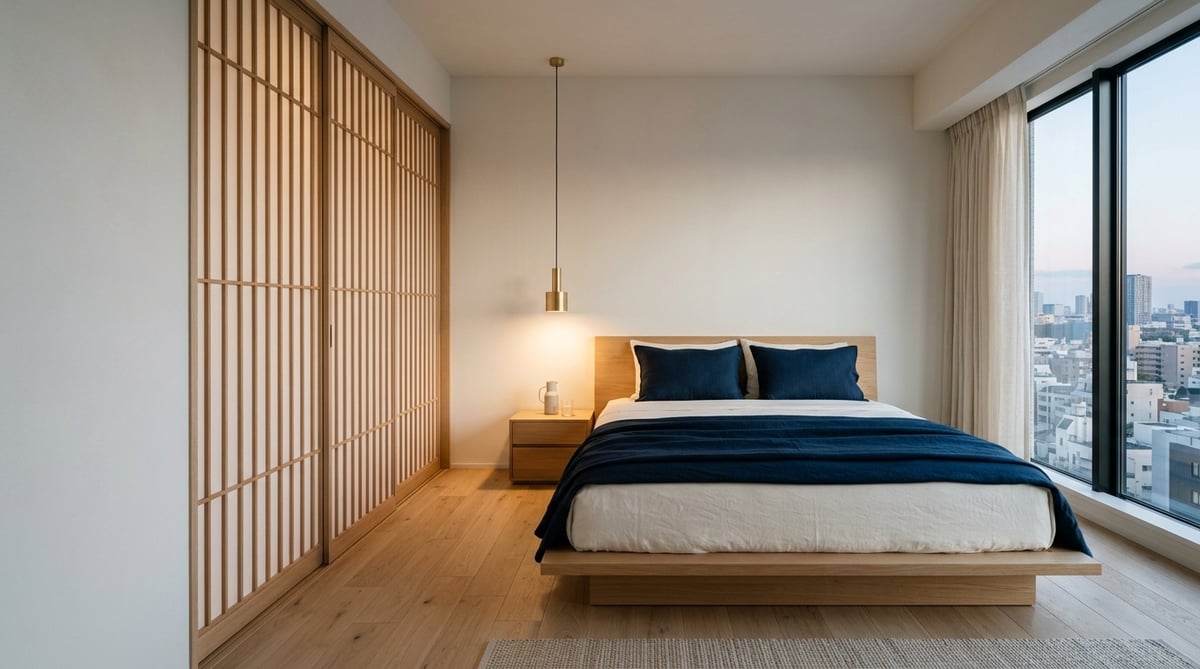
At twilight on moving day, as you pause unpacking to slide open the window of your brand-new room, the Tokyo skyline spreads before you in the warm glow of dusk. Turn the faucet and fresh water flows freely; flip the switch and welcoming light fills the living space. Above all, stepping into a steaming shower to melt away the fatigue of moving day marks the true beginning of comfortable daily life. While it feels entirely natural, a seamless start hinges on having every essential utility activated without a hitch on day one. Understanding the proper sequence and timing transforms what could be a stressful rush into a calm, confident transition into your new home.
Signing the lease, receiving the keys, and unlocking your new door is a moment filled with both excitement and the quiet anxiety of administrative details. In Tokyo's 23 wards, utility providers, billing setups, and building equipment variations can be bewildering. Assuming everything will turn on automatically often leads to unpleasant surprises—such as facing an icy splash at the sink after dark or discovering that remote work is impossible due to sluggish internet on your very first morning. Drawing from a decade of on-the-ground experience as a licensed real estate broker assisting countless residents, this practical guide walks you through every step to ensure your home is fully functional and welcoming from day one.
Table of Contents
- [Moving-Day Utility Roadmap: How to Ensure Immediate Comfort](https://soraitokyo.jp/en/blog/utility-setup-guide#section-roadmap)
- [Electricity, Water, and Gas: Setup Timelines and the Golden Rule for Gas Inspections](https://soraitokyo.jp/en/blog/utility-setup-guide#section-utilities)
- [Choosing Internet for Remote Work: Fiber-to-the-Room vs. VDSL Systems](https://soraitokyo.jp/en/blog/utility-setup-guide#section-internet)
- [Restrictions on Individual Fiber Lines and the 5G Home Router Alternative](https://soraitokyo.jp/en/blog/utility-setup-guide#section-fiber-limit)
- [Three Essential First-Day Tasks: Meter Photos, Water Trap Priming, and Breakers](https://soraitokyo.jp/en/blog/utility-setup-guide#section-first-day)
- [Broker Insights: Optimizing Utility Bills and Avoiding Landlord Disputes](https://soraitokyo.jp/en/blog/utility-setup-guide#section-legal-finance)
- [Frequently Asked Questions (FAQ) on Tokyo Rental Utilities](https://soraitokyo.jp/en/blog/utility-setup-guide#section-faq)
- [Sound Preparation for a Warm and Welcoming New Beginning](https://soraitokyo.jp/en/blog/utility-setup-guide#section-conclusion)
30-Second Key Takeaways & SummarySorAi Summary
- During the February-to-April moving rush, weekend and holiday in-person gas activation slots typically book out two weeks in advance.
- Across the Tokyo Electric Power grid, electricity is activated remotely, allowing same-day power without an on-site technician visit.
- Despite theoretical 100 Mbps caps, shared copper phone lines in older complexes often degrade to 10–20 Mbps during evening peak hours.
## Setting Up Your Utilities: A Step-by-Step Roadmap for a Seamless Move-In Day
### Complete Utility Setup Timeline: From 1 Month Before Move-in to Moving Day
When setting up utilities for a rental property, the most critical factor to understand is that each service operates under fundamentally different lead times and in-person presence requirements. While electricity and water can now be activated remotely and without in-person appointments thanks to modern smart infrastructure, gas is governed by strict safety regulations involving property and human life. As a result, gas activation must always be your highest priority.
By familiarizing yourself with this standard timeline from one month out up to your move-in day, you can avoid missed deadlines and unnecessary complications amidst the rush of moving. If your lease commencement date—the day rent begins—differs from the actual day your furniture arrives, the golden rule in real estate practice is to schedule your utility start date for the lease commencement date rather than your physical moving day. Once the lease starts, the apartment is officially under your custody. If you visit ahead of time to set off pest-control foggers, measure rooms, or do a preliminary cleaning, lacking running water and electricity will create major inconveniences.
STEP 01: 2 to 3 Weeks Before
Book Gas In-Person Appointment & Check Fiber Internet
Secure your preferred gas turn-on time slot early. Verify the building's internal internet wiring system and arrange any necessary installation work.
STEP 02: 1 Week Before
Online Applications for Electricity & Water
Submit applications online with your electric power company and the Tokyo Metropolitan Bureau of Waterworks, completing your previous address shutdown and new address start simultaneously.
STEP 03: Moving Day (Morning)
Initial Checks: Meters, Water Flow & Power
Photograph the utility meters, open the main water valve, flush drain traps with water to block sewer odors, and switch on the main circuit breaker to confirm electrical flow.
STEP 04: Moving Day (Afternoon)
In-Person Gas Inspection & Wi-Fi Setup
Complete ignition testing for the water heater and stove alongside the gas technician. Set up your Wi-Fi router to ensure a comfortable living environment from your very first night.
### 3 Critical Living Disruptions Caused by Delaying Utility Setup
Every spring during peak moving season in Tokyo, we invariably hear from tenants facing urgent dilemmas: "There is no hot water on move-in day," or "The apartment is pitch black, and we can't unpack." These setbacks rarely stem from simple forgetfulness; more often, newcomers are caught off guard by utility provider booking systems and the physical supply architecture unique to Japanese rental housing.
The first major disruption is **complete loss of bathing and cooking functions due to delayed gas activation**. As detailed later, Japanese law strictly mandates a physical on-site safety inspection and ignition test before city gas or propane can be activated. Even if the main valve is open outside, the water heater will remain non-operational until a certified technician enters your apartment to perform this check. Arriving at your new home exhausted, dusty, and sweaty from moving—only to find you cannot take a warm shower and must wander the neighborhood late at night searching for a public bathhouse—is an unnecessarily stressful start to your new Tokyo life.
The second disruption is **billing disputes and double-charging risks from overlapping previous usage**. With electricity and tap water, turning on the circuit breakers or opening the water valve often yields power and running water immediately, even without a formal activation application. However, using these utilities without an official start-date registration creates significant ambiguity between your consumption, the previous tenant's final settlement reading, and water or electricity used by turnover contractors during the vacancy period. This routinely triggers unexpected, contentious invoices from electric power companies or municipal water bureaus weeks down the line.
The third disruption is **telework failure and connectivity blackouts caused by delayed home internet installation**. In Tokyo apartment complexes, scheduling fiber-optic cable lead-in construction gets heavily backlogged. Tenants who wait until after moving in to arrange their internet frequently discover that the earliest installation appointment is 4 to 6 weeks away. Burning through your mobile tethering allowance in days or dropping off urgent online client calls can severely hamper professional work. Planning your connectivity schedule backwards from your key handover date is essential.
Peak Season Gas Appointment Booking Rate
85 %+
During the February-to-April moving rush, weekend and holiday in-person gas activation slots typically book out two weeks in advance.
Tokyo Smart Meter Adoption Rate
99 %+
Across the Tokyo Electric Power grid, electricity is activated remotely, allowing same-day power without an on-site technician visit.
VDSL Evening Effective Speed Drop
80 % drop
Despite theoretical 100 Mbps caps, shared copper phone lines in older complexes often degrade to 10–20 Mbps during evening peak hours.
Standard Breaker Amperage Change Fee
0 JPY
Smart meter setting changes and standard breaker upgrades are performed free of charge by the power provider, within building trunk line capacity.
Online Consultation • Video Call Sorai Tokyo Official
[【Instant Calendar Booking】1-on-1 Online Apartment Consultation](https://soraitokyo.jp/consultation?hsLang=en)
Consult with experienced bilingual real estate advisors via video call. From selecting safe neighborhoods to verifying contract terms, we help you find the right home.
[Check Available Dates & Book →](https://soraitokyo.jp/consultation?hsLang=en)
## Setting Up Electricity, Water, and Gas: The Complete Timeline and Golden Rules for Gas Valve Opening Appointments
### Setting Up Electricity Online and Remote Activation via Smart Meters
Setting up electricity is standardly done through the official website of a retail electricity provider, such as TEPCO Energy Partner, roughly one to two weeks before your move-in date. When applying, you will need either the 22-digit supply point identification number listed on your lease contract or explanation of important matters, or your exact new address including the room number.
Across the service area of TEPCO Power Grid, nearly 100% of conventional mechanical induction disk meters have now been replaced with communication-enabled smart meters. As a result, technicians no longer need to visit your home in person; power is turned on remotely via communication networks directly from the utility company's systems. On moving day, all you need to do is switch the breaker switches inside your apartment's distribution panel—the main breaker, the earth leakage circuit breaker, and all individual branch breakers—to the "ON" position, and your lights and air conditioning will be ready to use immediately.
If you forgot to sign up online in advance, flipping the breakers might still turn on the lights, provided the smart meter has not been configured with a remote cutoff lock. However, even in such cases, the utility company will detect power consumption without an active contract in real time, so you must submit your service start application online or contact their customer service center on that very same day.
### Setting Up Tokyo Water Service and Opening the Main Shutoff Valve in Your Meter Box
Water service across the 23 special wards and most of the Tama area is managed by the Tokyo Metropolitan Government Bureau of Waterworks. You should submit your service start application 3 to 7 days before your move-in date via the Tokyo Water MyNet website, the official smartphone app, or by phone. Just like electric service, no in-person appointment or technician visit is required to start your water.
If you turn on a faucet on move-in day and no water comes out, check the pipe shaft (meter box cabinet) located directly beside your front entrance door. Inside, right next to the water meter, you will find the main water shutoff valve, which typically features either a T-shaped handle or a round wheel valve. To prevent accidental leaks while the unit is vacant, property managers or the water bureau often turn this valve firmly clockwise to shut it off.
Slowly turning this valve counterclockwise restores the water supply to your apartment's plumbing. Before opening it, always double-check that every faucet inside the apartment—in the kitchen, bathroom vanity, shower/tub, and washing machine supply tap—is completely closed. If a faucet is left open when the main valve is opened, water could surge out and cause unexpected flooding damage. Additionally, when you run water for the very first time, trapped air in the pipes may cause a rattling sound or briefly produce cloudy or discolored water; simply let the taps run continuously for 1 to 2 minutes, and it will quickly clear up.
### Why In-Person Attendance for Gas Activation Is Legally Required and How to Secure Booking During Peak Seasons
Unlike electricity and water, **gas activation strictly requires the tenant or an authorized representative to be present inside the residence by law, regardless of whether the property uses city gas or propane (LP gas)**. This mandate stems from safety regulations under the Gas Business Act and the Act on the Securing of Safety and Optimization of Transaction of Liquefied Petroleum Gas. It is a vital safety protocol designed to prevent catastrophic gas leaks, carbon monoxide poisoning from incomplete combustion, and accidental fires.
On the day of activation, a certified technician from the utility company visits your residence. Beyond simply unlocking the outdoor gas meter, the technician must enter your home to conduct hands-on inspections. Using specialized detection equipment, they test for micro-leaks along pipe fittings, confirm that the hot water heater runs properly, and verify that the stovetop burners ignite smoothly. While the entire procedure typically takes just 15 to 20 minutes, if no one is home, the technician cannot enter the premises and the appointment will be cancelled on the spot.
Booking bottlenecks are especially acute during the spring relocation rush between late February and early April, as well as the corporate relocation window in September and October. Time slots for weekends and national holidays often fill up two to three weeks in advance. The moment your move-in date is locked in, booking an activation slot directly through the Tokyo Gas or assigned propane provider portal should be your top priority. It is the single most important rule to guarantee a hot bath on your very first night in Tokyo.
### City Gas vs. Propane (LPG): Differences and Appliance Compatibility Safety
While the vast majority of rental properties in Tokyo rely on city gas (13A), supplied directly through underground utility pipelines, some low-rise apartments, suburban homes, or buildings utilizing existing infrastructure may use propane gas (liquefied petroleum gas, or LPG). Because these two gas types differ completely in their source material and caloric heat output, you must strictly verify fuel compatibility if you plan to bring your own freestanding gas stove from your previous home.
Using a city gas appliance (12A/13A) on a propane supply, or vice versa, causes severe hazards such as dangerous carbon monoxide buildup from incomplete combustion or catastrophic explosions from abnormal ignition. Every gas appliance features a manufacturer's label explicitly stating whether it is built for "City Gas" or "LPG," so be sure to check this before moving. Keep in mind that during the in-person move-in inspection, technicians are legally required to refuse connection and gas activation if the appliance does not match the property's gas supply.
Scroll horizontally to see full table →
| Utility Service | Recommended Setup Timeline | In-Person Presence Required | Application Method & Contact | Action on Move-in Day |
| --- | --- | --- | --- | --- |
| Electricity (TEPCO / Deregulated Providers) | 1 to 2 weeks before moving | Not required (remote activation via smart meter) | Provider website (using the 22-digit Supply Point Identification Number or property address) | Switch all circuit breaker switches to the "ON" position on the distribution panel |
| Water (Bureau of Waterworks, Tokyo Metropolitan Government) | 3 to 7 days before moving | Not required | Tokyo Water MyNet portal (web / official app) or customer service phone desk | Turn the main water shut-off valve counterclockwise inside the meter box to start flow |
| City Gas (Tokyo Gas, etc.) | 2 to 3 weeks before moving (Highest priority) | Mandatory in-person presence inside the unit | Tokyo Gas official website or assigned gas utility service center | Be present during technician visit for appliance ignition test, safety leak inspection, and signature |
| LP Gas (Propane Gas Providers) | 2 to 3 weeks before moving (Highest priority) | Mandatory in-person presence inside the unit | Contact the designated building LP gas supplier directly via phone or web portal | Ignition safety inspection and security deposit payment (around 10,000 to 20,000 JPY may be required) |
Standard in Tokyo's 23 Wards
#### City Gas (13A): Key Features and Practical Tips
- • Supplied via underground pipelines, keeping both base monthly charges and usage rates cost-effective
- • Gas appliances must be rated for 12A/13A city gas; propane (LPG) appliances cannot be used
- • Opening appointments can be scheduled online instantly by selecting an open time slot
Individual Cylinder Supply
#### LP Gas (Propane): Key Characteristics and Considerations
- • Monthly utility costs run roughly 1.5 to 2 times higher than city gas due to cylinder delivery and individual equipment maintenance fees.
- • Offers higher calorific output for powerful cooking heat, along with the distinct resilience of rapid independent restoration during natural disasters.
- • Standard practice often requires placing a refundable security deposit of around 10,000 yen in cash upon initial account activation.
SORAI REQUEST / Online in 1 Min
### \[SorAi Request\] Organize Your Ideal Rental Criteria in Approx. 1 Minute
Simply select your preferences to quickly clarify your rental search. Zero unwanted phone calls — receive tailored apartment proposals directly on LINE or Web.
[Open in Fullscreen / New Tab](https://hearing.soraitokyo.jp/?start=true&ref=blog_embed_ext&lang=en&v=7&utm_source=blog_mid_cta&utm_medium=cta&utm_campaign=unified_cta_request) [Chat on Official LINE](https://line.me/R/ti/p/@soraitokyo)
Explore other free SorAi tools: [SorAi Cost Simulator →](https://soraitokyo.jp/en/quote?ref=blog_mid_cta_aux&lang=en&utm_source=blog_mid_cta&utm_medium=aux_link&utm_campaign=unified_cta_simulator&hsLang=en) [SorAi Inspection Report →](https://soraitokyo.jp/inspection?ref=blog_mid_cta_aux&lang=en&utm_source=blog_mid_cta&utm_medium=aux_link&utm_campaign=unified_cta_inspection&hsLang=en)
※ 100% Free • Online completed.
## Choosing the Right Internet for Remote Work: How to Tell Fiber-to-the-Home Apart from VDSL
### How In-Building Wiring Works: The Three Types (Fiber, LAN, and VDSL)
Even if a rental listing sheet advertises "Fiber-Optic Ready" or "Free Internet Included," that alone does not guarantee a high-speed, stable connection. When fiber-optic lines are brought into a multi-family building, they first reach the building's central distribution board in the main distribution frame room. From there, **the specific type of wiring used to deliver the connection from the utility room to your private unit** dramatically dictates your actual connection speed and stability.
In-building distribution systems in Tokyo apartments generally fall into three distinct categories:
The first is **Fiber-to-the-Home (FTTH)**. In this ideal setup, uninterrupted fiber-optic cables run all the way from the utility pole outside, through the building's distribution room, directly to the optical wall outlet inside your living room. Maximum theoretical speeds range from 1 Gbps to 10 Gbps. Because optical fiber is virtually immune to external electromagnetic interference, it maintains exceptional stability even during massive data transfers and extended video conferences.
The second is the **Ethernet LAN System**. In this configuration, a collective router or network switch is installed in the distribution room, and individual Ethernet cables (such as CAT5e or CAT6) run to each unit. Maximum speeds typically range from 100 Mbps to 1 Gbps. It offers the plug-and-play convenience of plugging your device directly into a wall port on move-in day. However, connection speeds can throttle during peak evening hours depending on the switch capacity and the number of active users across the building.
The third—and by far the most frequent source of headaches for remote workers—is the **VDSL System**. While fiber optics reach the building's utility room, the final stretch up to individual rooms relies on legacy analog telephone copper wiring installed when the building was originally constructed.
### Why VDSL Suffers from Slowdowns and Drops: Physical Constraints and Peak Evening Speeds
The critical flaw of VDSL stems from its hardware limitations: **the underlying technical standard caps maximum bandwidth at 100 Mbps download and 35 to 50 Mbps upload (theoretical values)**. Compared to the 1 Gbps (1,000 Mbps) baseline of a true fiber-optic setup, VDSL begins with barely one-tenth of the available bandwidth.
To make matters worse, legacy copper telephone wires are highly vulnerable to external electromagnetic interference, and every tenant in the building shares the same collective transmission pathway. Signals easily distort when nearby neighbors run microwaves or large home appliances. Furthermore, during peak evening hours between 8:00 PM and midnight, when residents stream 4K video or play online games simultaneously, actual throughput frequently plummets below 10 to 20 Mbps.
Upload speeds can degrade even further, often cratering to just a few megabits per second. This causes audio to distort into robotic garble during Zoom or Google Meet calls, or triggers abrupt disconnections right in the middle of crucial screen-sharing presentations. Many expats move in believing their apartment has "fast fiber," only to discover that working from home is practically untenable.
### How to Verify the Wiring Type at the Wall Plate During Property Viewings
Because real estate listing sheets and online portals almost always use the catch-all term "Fiber-Optic," inspecting the multimedia wall plate in person during your room viewing is the single most reliable way to uncover the truth.
Check the cluster of outlets along the walls in the living room or bedroom. If the plate features a small green port marked with the embossed label **"Fiber" or "Optical SC,"** the unit is equipped with a direct Fiber-to-the-Home connection. You can plug an Optical Network Unit directly into the wall, delivering a rock-solid, high-speed connection of 1 Gbps or higher.
Conversely, if you only see a standard small square telephone jack (an RJ-11 modular jack with fine metal pins visible inside) and no dedicated optical terminal, the building almost certainly operates on VDSL. In this scenario, you must rent a dedicated VDSL modem from a carrier like NTT after moving in, routing a cable from the phone jack through the modem and into your Wi-Fi router.
Scroll horizontally to see full table →
| Wiring System | Cable Type to Room | Maximum Rated Speed | Evening Speeds & Stability | How to Identify on Wall Plate |
| --- | --- | --- | --- | --- |
| Fiber-to-the-Home (FTTH) | Direct fiber-optic cable | 1 Gbps to 10 Gbps | Extremely stable (often 300 to 800+ Mbps actual) | Dedicated optical port stamped with "Fiber" or "Optical SC" |
| Ethernet LAN System | Ethernet cable (CAT5e or higher) | 100 Mbps to 1 Gbps | Standard (temporary dips under high building traffic) | Standard RJ-45 Ethernet port on the wall plate |
| VDSL System | Legacy analog copper phone wire | Up to 100 Mbps (hardware limit) | Frequently drops to 10–20 Mbps at night; prone to lag | Only a small modular phone jack (RJ-11) present |
## Restrictions on Installing Individual Fiber Lines and the Practical Solution of 5G Home Routers
### Management Bylaws and Screw-Fastening Consent for Installing Detached-Home Fiber in Rental Apartments
When a desirable apartment turns out to have a VDSL setup, some tenants think, "Why not just pay out of pocket to run an individual detached-home (family-type) fiber line directly into my unit?" In theory, for lower floors of a building (typically the first to third floors), running a fiber optic cable straight from a nearby utility pole into the room is technically feasible.
However, **tenants in rental apartments are strictly prohibited under Japanese law from running individual fiber cables at their own discretion**. Routing a line intended for standalone houses along an exterior wall entails drilling holes to screw and mount an optical cabinet box, passing cables through air-conditioner duct sleeves, and in some cases, drilling entirely new entry holes through the facade. Under the Condominium Ownership Act, a building's exterior walls and shared corridors constitute "common elements," and in an entire rental apartment building, they represent the exclusive real property of the building owner.
Consequently, before any construction can begin, you must obtain a formal written "Building Construction Consent Form" from both the property management company and the property owner. In practice, however, the sobering reality in Tokyo is that **over 90% of landlords and management companies explicitly refuse and deny permission for individual exterior drilling**, citing building aesthetics, the risk of cracking exterior tiles, structural water leakage hazards from compromised waterproofing layers, and the complicated burden of restoration to original condition upon move-out.
### Alternative Options When Landlords or Management Companies Deny Installation Consent
If individual installation is denied, forcing the work through without authorization constitutes a grave breach of the tenant's legal duty of due care as a prudent custodian. This can result in costly damage claims totaling hundreds of thousands of yen for facade restoration when you vacate the property. Therefore, in an environment where individual wiring is impossible, it is essential to swiftly pivot to realistic alternatives.
The first alternative is to utilize the existing VDSL wiring while switching to an "IPv6 (IPoE) connection service." Under the legacy IPv4 (PPPoE) setup, severe bottlenecks frequently occur at telecom network termination points. Upgrading to IPv6 (IPoE) bypasses these congested junctions, often unlocking the full hardware ceiling of VDSL with stable downstream speeds around 70 to 90 Mbps. However, no matter how much you optimize the connection routing, it cannot break through the physical 100 Mbps ceiling of copper telephone wire, leaving inherent performance limits for heavy data transfers and massive file downloads.
### 5G Home Router Connection Quality and Instant Plug-and-Play Mobility on Move-In Day
In buildings where fiber installation is impossible, the most potent and realistic solution for modern remote work environments is deploying a "5G home router" (such as docomo home 5G, Speed Wi-Fi HOME 5G, or Rakuten Turbo).
The greatest advantage of a 5G home router lies in its **"complete freedom from exterior wall construction and instant mobility—simply plug it into a wall outlet on your move-in day to immediately establish a high-speed Wi-Fi environment."** It entirely eliminates the frustrating dead zone of waiting a month or more without internet access for an optical line installation appointment.
Across Tokyo's 23 wards, cellular carriers have built out remarkably dense 5G Sub-6 coverage. Placing the router near a window with clear signal reception frequently yields real-world download speeds exceeding 150 Mbps to 300 Mbps or more. This performance vastly outperforms sluggish VDSL lines that can plummet to around 15 Mbps during peak evening hours. Aside from competitive online gaming where pinpoint latency (ping) is critical, a 5G home router delivers exceptionally smooth, dependable connectivity for everyday remote work, high-definition video conferencing, and seamless 4K streaming.
## The 3 Essential First-Day Move-in Tasks (Photographing Meters, Replenishing Water Traps, and Checking Circuit Breakers)
### Photographing Utility Meters to Prevent Move-in and Move-out Billing Disputes
Before unpacking your boxes and stepping fully into your new home after receiving the keys, the very first step you should take is **taking clear smartphone photos of all meter readings inside the outdoor utility box**. Prior to bringing in your belongings and running your household appliances, capture sharp, legible photographs of the dials and cumulative usage figures on your electricity, water, and gas meters.
This establishes a clear boundary between your usage and that of the previous resident, as well as the electricity and water consumed by wallpaper installers or cleaning contractors during the vacancy period. On rare occasions, a meter-reading discrepancy during the former tenant's final settlement can mistakenly roll previous usage into your first monthly bill, resulting in an unexpectedly steep charge. Having timestamped photographs of the meter dials from the exact day you moved in provides definitive, objective proof to present to the electric utility, water bureau, or management company, allowing you to have the first month's invoice corrected immediately to the fair amount.
### Replenishing Evaporated Drain Traps to Block Sewer Odors and Pest Infiltration
Upon opening the door to a new apartment, you might notice an unpleasant sewer stench or stale, musty air lingering in the rooms. This is rarely caused by broken pipes or plumbing defects; rather, it is almost always due to **evaporated drain water seals (dry trap siphonage)** resulting from the property sitting vacant.
Beneath your kitchen sink, bathroom vanity, shower drain, and washing machine waterproof tray, curved drain traps hold a standing pool of water designed to act as a liquid barrier. This water seal prevents foul sewer gases and pests such as drain flies and cockroaches from traveling up through the pipes into your living space. However, when an apartment remains unoccupied for weeks or months without running water, dry indoor air causes this standing pool to evaporate entirely. Consequently, an open pathway forms directly between the sewer main and your apartment, allowing strong sewer gas to flow backwards into the interior.
To resolve and prevent this, before moving any furniture inside, **slowly pour three to four cups (roughly one liter) of tap water into each drain: the kitchen sink, bathroom washbasin, shower floor drain, and washing machine tray**. Refilling the traps reinstates the airtight seal, and any lingering sewer odors will generally clear up within a few hours. Opening windows on opposite sides of the room to create cross-ventilation while running the ventilation fans will quickly restore crisp, clean air throughout your new home.
### Checking Electrical Amperage and Preventing Breaker Trips from Simultaneous Appliance Use
Open the electrical distribution panel, typically situated near the entryway or inside the washroom, and check the amperage capacity on the main breaker switch on the far left. The contract amperage can be identified by the number printed on the switch handle or its color coding (such as red for 10A, pink for 15A, yellow for 20A, green for 30A, gray for 40A, brown for 50A, and purple for 60A).
In Tokyo, many studio and one-room apartments are initially set up with a modest 20A contract. Under modern living conditions, however, running an air conditioner in the winter (approx. 6 to 10A) while using a microwave (approx. 12 to 15A), boiling water with an electric kettle (approx. 10A), or running a washer-dryer combo (approx. 10 to 12A) will instantly push total power draw beyond the 20A threshold. This triggers frequent circuit breaker trips, posing the frustrating risk of cutting power abruptly and losing unsaved computer work.
As a baseline for comfortable urban living, the recommended electrical capacities are **30A to 40A for single residents** and **40A to 50A for couples or dual-income households**. In particular, anyone working remotely with high-performance desktop computers, external monitors, and peripherals should secure at least a 30A capacity to ensure smooth, uninterrupted daily work.
### Costs of Changing Amperage and Managing Smart Meter Upgrades
If your current contract is 20A and you anticipate capacity shortages, you can request an amperage upgrade by contacting your electricity provider. **In buildings already equipped with a smart meter, the upgrade is handled entirely through remote digital configuration by the utility, meaning the work is typically free of charge**. No on-site technician visit or home presence is required, and the capacity increase usually takes effect within a few business days following your application.
However, there are two crucial leasing considerations to keep in mind. First, **prior consent from your building management company or property owner is essential**. The overall electrical infrastructure of the building—such as the distribution cubicle and main feeder lines—has strict capacity limits, and upgrading your breaker without permission may breach building regulations. Second, **restoration to the original amperage upon moving out is commonly required**. If you raise the contract from 30A to 40A upon move-in, your lease agreement will typically stipulate returning the breaker to the original 30A setting when you vacate. Increasing amperage also modestly raises your monthly base utility fee by a few hundred yen, so it is best to choose a capacity that matches your actual appliance requirements.
Licensed Broker Insight The First 30 Minutes of Move-in Day Protect Your Entire Tenancy
Moving day is often a whirlwind of unloading moving trucks, leading many renters to postpone inspecting the premises. However, those initial thirty minutes—before floors and walls are obstructed by furniture and cardboard boxes—represent your most critical window of legal and financial defense. Beyond recording meter numbers, take comprehensive smartphone photos and videos of existing wallpaper peeling, floor dents, scratches, and door fittings. Submitting these immediately as an official move-in condition report to your property manager ensures you are completely shielded from unfair restoration charges when moving out years down the line.
## A Licensed Broker’s Guide to Cutting Utility & Internet Costs and Preventing Rental Disputes
### Cancellation Penalty Risks in Major Utilities vs. Deregulated Power & Gas Bundles
Following the full deregulation of Japan's electricity and city gas retail markets, submitting a moving inquiry or apartment application through portal sites often triggers a flood of promotional sales calls. These pitches promise deals like "save 1,500 yen every month by bundling your electricity, gas, and internet" or offer substantial cashback. While utility bundling is a practical strategy for cutting monthly living costs, jumping into a contract without carefully reviewing the fine print is something I strongly caution against.
The primary pitfall to watch out for is **"long-term lock-in periods of two to three years paired with hefty early-termination penalties."** Certain deregulated energy providers impose cancellation fees ranging from several thousand to over ten thousand yen if you terminate early. Furthermore, some market-linked plans have removed caps on fuel cost adjustments, meaning that global energy spikes can actually make your monthly bills significantly higher than standard metered rates offered by regional legacy utilities like Tokyo Electric Power Company. A far more prudent approach is to first set up reliable connections with established regional incumbents such as Tokyo Electric Power Company and Tokyo Gas. Once you understand your actual daily power usage patterns and routine in your new home, you can carefully compare reputable alternative providers that do not impose restrictive penalty clauses.
### Cost Allocation Boundaries Between Tenant and Landlord: Defined by Ministry Guidelines and Supreme Court Precedents
The gradual wear and tear resulting from daily living and utility usage is directly tied to your security deposit settlement when you eventually move out years later. According to the "Guidelines for Preventing Restoration Disputes" issued by the Ministry of Land, Infrastructure, Transport and Tourism (MLIT), the repair costs for natural deterioration over time and normal wear and tear from ordinary living are already factored into and covered by the monthly rent you pay.
A classic example is wallpaper: **the statutory depreciable lifespan for wallpaper is set at 6 years**. Once 6 years have passed since move-in, the remaining economic value of the wallpaper drops to essentially 1 yen (less than 10% of its initial asset value). Even if there is minor darkening from normal living or indentations from furniture placement, the landlord cannot legally charge the tenant for the full replacement cost. Furthermore, even if you accidentally damage a section due to negligence, the charge is restricted to a prorated amount based on the remaining value of just that specific wall surface (measured per wall plane), rather than the entire room.
Even if your lease agreement contains special clauses such as "Tenant shall bear all cleaning fees upon moving out" (commonly known as mandatory cleaning or deposit deduction riders), they are not unconditionally enforceable. In a landmark **Supreme Court ruling on December 16, 2005**, the Second Petty Bench established "three strict legal requirements" for any rider shifting the cost of normal wear and tear to the tenant to be legally valid:
- **Clarity of the Special Clause:** The lease agreement must objectively and specifically state that the tenant is assuming financial responsibility for normal wear and tear that would otherwise fall on the landlord.
- **Tenant's Consent and Explicit Awareness:** The tenant must have entered into the contract with a clear understanding and acceptance that they are undertaking liabilities exceeding their standard restoration obligations under civil law.
- **Absence of Unconscionability:** The stipulated amount must not be disproportionately excessive compared to local market rates or the monthly rent, and must not unilaterally harm the tenant's interests in violation of good faith principles and Article 10 of the Consumer Contract Act.
Furthermore, in another **Supreme Court ruling on July 15, 2011**, lease renewal fee clauses were held to be "valid unless there are exceptional circumstances, such as the fee being excessively exorbitant." Understanding whether the provisions written into your lease agreement align with official public guidelines and established judicial precedents is essential wisdom to safeguard both your legal rights and your finances from move-in all the way to move-out.
## Welcoming Your New Life with Confidence and Warmth
Moving into a rental home is far more than simply transporting boxes from one address to another. It marks the start of a cherished ritual—laying the foundation for your daily life in Tokyo, from waking up refreshed each morning and savoring a peaceful sense of arrival at dusk, to unwinding in a warm bath after a long day.
Electricity, water, gas, and the reliable high-speed internet essential to modern life—each requires an understanding of distinct lead times and setup procedures. By taking care of these arrangements in advance, you can step across the threshold of your new home on move-in day with complete peace of mind, free from unnecessary rush or stress.
If you ever feel uncertain about finding a home, navigating lease contracts, or assessing whether your upfront move-in costs are fair, please never hesitate to reach out. At Sorai Tokyo, you have continuous, complimentary access to our suite of smart concierge tools (SorAi)—accessible via the persistent bottom navigation on mobile or the footer on desktop. From our Move-in Cost Simulator and Property Assessment Reports to custom criteria inquiries and online consultation bookings, our tools are always at your fingertips.
Simply send us the property portal link or floor plan sheet of any apartment that catches your eye via our official LINE account. A dedicated, licensed real estate transaction specialist will cross-check its real-time availability against the professional inter-broker databases, thoroughly review itemized initial quotes, and provide a completely free, objective second opinion. We strictly avoid high-pressure sales calls or persistent requests to visit our office, so feel free to reach out at your own pace, as casually as catching up over a cup of tea. We sincerely wish you a smooth transition and a warm, fulfilling new chapter in Tokyo.

SorAi Real-Time Rental Concierge Online 24/7
Official AI answers your questions 24/7
[Continue on Official LINE (24/7 Free)](https://page.line.me/soraitokyo?oat_content=url&openQrModal=true&utm_source=soraitokyo_website&utm_medium=blog_inline_chat&utm_campaign=line_btn) [Privacy Policy](https://soraitokyo.jp/en/privacy-policy)

Thank you for reading this guide. I am SorAi, your official real estate AI concierge.
Feel free to ask any questions about living expenses, living together, remote work setups, or daily life in Tokyo.
Quick questions:
Summarize lifestyle and living costs
Monthly living cost simulation
Choosing layouts for couples or co-living
Cooking setups and utility onboarding
[Continue on Official LINE (Free)](https://page.line.me/soraitokyo?oat_content=url&openQrModal=true&utm_source=soraitokyo_website&utm_medium=blog_inline_chat&utm_campaign=line_btn)
Send
No phone number required. Feel free to consult at your own pace 24/7.
### Featured Tokyo Living Guides
SorAi Editorial
Swipe
#### [ Pet Friendly / Rental Contracts Renting with Medium/Large Dogs & Cats in Tokyo: Pet Deposit Surcharges, Restoration Clauses & Soundproof RC Apartments Read Guide →](https://soraitokyo.jp/en/blog/tokyo-pet-friendly-apartment-contract-guide?hsLang=en)
#### [ Chiyoda Line / Redevelopment Kita-Senju Station East Exit Redevelopment & Rental Market Guide: 29-Story Tower Plan & 5-Line Living Value Read Guide →](https://soraitokyo.jp/en/blog/area-guide-kitasenju-redevelopment-trend-2026?hsLang=en)
#### [ Tenant Screening / Checklist Tokyo Rental Screening Guide 2026: Why Applications Fail and How to Pass | Sorai Tokyo Read Guide →](https://soraitokyo.jp/en/blog/apartment-screening-checklist-guide?hsLang=en)
## Frequently Asked Questions (FAQ) About Setting Up Utilities in Tokyo Rentals
### Q If I forgot to book a gas turn-on appointment for move-in day, can someone come over immediately today?
A If there happens to be an opening on the emergency phone line, a technician might be able to rush over. However, during peak moving seasons (February to April, and September to October) or on weekends, technician schedules are completely booked solid from morning onward, making same-day visits virtually impossible. In that scenario, the earliest opening will be the following day or later, meaning you will not have hot water or be able to shower on your first night. We strongly advise booking your gas appointment 2 to 3 weeks in advance as soon as your move-in date is finalized.
### Q If my apartment only has VDSL internet, can I hire a contractor on my own to run a dedicated fiber-optic line directly into my unit?
A This is strictly prohibited. Anchoring an external fiber optical cabinet to the building facade with screws or routing cables through air conditioner sleeve ducts constitutes physical modification of common building areas, which legally requires explicit, written consent from the property owner. Proceeding without authorization constitutes a breach of the building management bylaws and a violation of your duty of due care as a tenant. This will not only result in an immediate stop-work order, but you will also be billed substantial exterior wall restoration damages upon moving out. Because property owners in Tokyo rarely approve individual line installations, choosing a 5G home router is generally the most realistic and hassle-free solution.
### Q What should I do if the main water shutoff valve inside the meter box is too stiff to turn by hand?
A Water shutoff valves that have remained closed for extended periods can freeze in place due to rust, mineral buildup, or water pressure. Forcing the handle with metal tools like pliers risks snapping the brass stem, which can cause catastrophic flooding. Put on work gloves and gradually apply gentle, steady two-handed pressure to the left (counterclockwise). If it still does not budge, immediately contact the Tokyo Metropolitan Government Bureau of Waterworks customer center or your property management emergency contact. A field patrol technician from the water bureau will visit and open the valve for you free of charge.
### Q If the air conditioner or water heater does not work right after moving in, do I have to pay for the repairs myself?
A s long as there was no willful damage or negligence on your part (such as physically striking and breaking the unit), the repairs are fully covered by the landlord at no cost to you. Under Article 606, Paragraph 1 of the Japanese Civil Code and the Tokyo Rental Housing Dispute Prevention Ordinance (commonly known as the Tokyo Rules), the lessor bears the statutory obligation to repair natural malfunctions and standard wear and tear on primary facilities furnished with the apartment. Hiring a repair contractor on your own can lead to contentious reimbursement disputes, so contact your management company immediately upon noticing the defect so they can arrange for inspection, repair, or replacement on the landlord's behalf.

Author: Sorai Tokyo Editorial Team (Supervised by Licensed Real Estate Agents)
A real estate consulting team specializing in assisting foreign nationals find rooms and explaining initial costs in Tokyo. We break down language barriers and differences in customs, offering dedicated support in Japanese, English, and Vietnamese for a safe and secure start to your new life.
 SORAI TOKYO | Chat with AI "SorAi" Anytime on LINE
### Exploring Tokyo Neighborhoods or Apartments? Ask Our AI "SorAi" Anytime on LINE
No property URL needed yet. From area safety, commute tips, and rent trends to instant initial-cost audits for listings you found—chat with SorAi 24/7 on LINE with zero sales calls.
STEP 1
Ask Anything on LINE
Ask about areas & rent, or send a listing URL anytime
→
STEP 2
24/7 Instant Reply by SorAi
Objective area data, live vacancy & fee breakdown
→
STEP 3
Explore at Your Own Pace
Zero sales calls. Meet on-site only when ready to view
24/7 Instant / Most Popular
#### ① Chat with AI "SorAi" on LINE (Free)
Ask about neighborhoods, rent trends, or share any listing URL on LINE. SorAi & our bilingual concierge check live vacancy and upfront fee breakdowns with zero sales pressure.
[Chat with SorAi on LINE (Free) ➔](https://lin.ee/VE8fd8b?utm_source=soraitokyo_blog&utm_medium=cta&utm_campaign=bottom_cta&utm_content=line)
Web Audit
#### ② SorAi Property Report
Already found a listing? Submit the URL or floor plan on the web for an instant objective breakdown of move-in costs and neighborhood data.
[View Report (Free) ↗](https://inspection.soraitokyo.jp/?ref=blog_bottom_cta)
Wait for New Listings
#### ③ SorAi Housing Needs
Select your budget, layout, and must-have conditions in 30 seconds to receive matching listings at your own pace.
[Organize Criteria (Free) ➔](https://soraitokyo.jp/en/request?ref=blog_bottom_cta&hsLang=en)
Instant Move-in Estimate
#### ④ SorAi Move-in Estimator
Enter rent and management fees to quickly estimate standard upfront contract costs and potential savings.
[Check Estimates (Free) ➔](https://soraitokyo.jp/en/quote?ref=blog_bottom_cta&hsLang=en)
※ Consultations are 100% free. No phone number required, zero pushy calls—everything is completed smoothly on LINE.
この記事をシェアする
\# 初期費用# お部屋探し
[ SORAI TOKYO](https://soraitokyo.jp/en/)
Sorai Tokyo Co., Ltd.
Room 102, 1-7-14 Yanaka, Adachi-ku, Tokyo, 120-0006
03-6161-8484
[contact@soraitokyo.jp](mailto:contact@soraitokyo.jp)
Tokyo Metropolitan Governor (1) No. 113297
(License Date: December 20, 2025)
### Sitemap
- [About Us](https://soraitokyo.jp/en/about-us)
- [Testimonials](https://soraitokyo.jp/en/testimonials)
- [Chiyoda Line Guide](https://soraitokyo.jp/en/area-guide-chiyoda-line)
- [Sorai Journal](https://soraitokyo.jp/en/blog)
- [FAQs](https://soraitokyo.jp/en/faqs)
- [Contact](https://soraitokyo.jp/en/contact)
- [SorAi Request](https://soraitokyo.jp/en/request)
### Business Hours
**10:00 〜 18:00**
Closed: **Tuesday & Wednesday**
Inquiries via LINE, SNS, and email are accepted 24/7.
[View on Google Maps](https://maps.google.com/?q=%E6%9D%B1%E4%BA%AC%E9%83%BD%E8%B6%B3%E7%AB%8B%E5%8C%BA%E8%B0%B7%E4%B8%AD1-7-14) [Book Online Meeting](https://soraitokyo.jp/en/consultation?hsLang=en)
### Multilingual Services
Our professional staff are fluent in Japanese, English, Vietnamese, Russian, and Indonesian to support you from room hunting to contract signing.
[🇯🇵 日本語](https://soraitokyo.jp/ja/blog/utility-setup-guide?hsLang=ja) [🇺🇸 English](https://soraitokyo.jp/en/blog/utility-setup-guide?hsLang=en) [🇻🇳 Tiếng Việt](https://soraitokyo.jp/vi/blog/utility-setup-guide?hsLang=vi) [🇷🇺 Русский](https://soraitokyo.jp/ru/blog/utility-setup-guide?hsLang=ru) [🇮🇩 Indonesia](https://soraitokyo.jp/id/blog/utility-setup-guide?hsLang=id)
### Inquire via Social Media
[Privacy Policy](https://soraitokyo.jp/en/privacy-policy) | [Privacy & Security](https://soraitokyo.jp/en/security)
Copyright © 2026 株式会社ソライ東京 (Sorai Tokyo Co., Ltd.) All Rights Reserved.
[Chat with SorAi](https://page.line.me/soraitokyo?oat_content=url&openQrModal=true&utm_source=soraitokyo_website&utm_medium=line_button&utm_campaign=chatbot_popover)
SorAi Chat

#### SorAi
Online (Multilingual Support)
×
[Chat with SorAi](https://page.line.me/soraitokyo?oat_content=url&openQrModal=true&utm_source=soraitokyo_website&utm_medium=chatbot_header&utm_campaign=line_btn) [Email Us](https://soraitokyo.jp/en/contact?hsLang=en)
[Get "SorAi" on LINE (24/7 Free)](https://page.line.me/soraitokyo?oat_content=url&openQrModal=true&utm_source=soraitokyo_website&utm_medium=line_button&utm_campaign=floating_btn)
 SorAi | 24/7 AI Rental Chat No signup・100% online
TOC
### Table of Contents
×
```json
{
"@context" : "https://schema.org",
"@type" : "BlogPosting",
"author" : {
"@type" : "Person"
},
"datePublished" : "2026-09-26T15:15:55.000Z",
"headline" : "Tokyo Utilities & Internet Setup Guide: Electricity, Gas Inspection, Water & Avoiding Slow VDSL Connections | Sorai Tokyo",
"image" : [ "https://soraitokyo.jp/hubfs/blog-eyecatches/sample10_07_hallway_perspective_footlight.jpg" ],
"mainEntityOfPage" : {
"@id" : "https://soraitokyo.jp/en/blog/utility-setup-guide",
"@type" : "WebPage"
},
"publisher" : {
"@type" : "Organization",
"logo" : {
"@type" : "ImageObject",
"url" : "https://soraitokyo.jp/hubfs/small_logo(color)%20(2)-1.png"
},
"name" : "株式会社ソライ東京"
}
}
```
```json
{
"@context" : "https://schema.org",
"@type" : "FAQPage",
"mainEntity" : [ {
"@type" : "Question",
"acceptedAnswer" : {
"@type" : "Answer",
"text" : "If there happens to be an opening on the emergency phone line, a technician might be able to rush over. However, during peak moving seasons (February to April, and September to October) or on weekends, technician schedules are completely booked solid from morning onward, making same-day visits virtually impossible. In that scenario, the earliest opening will be the following day or later, meaning you will not have hot water or be able to shower on your first night. We strongly advise booking your gas appointment 2 to 3 weeks in advance as soon as your move-in date is finalized."
},
"name" : "If I forgot to book a gas turn-on appointment for move-in day, can someone come over immediately today?"
}, {
"@type" : "Question",
"acceptedAnswer" : {
"@type" : "Answer",
"text" : "This is strictly prohibited. Anchoring an external fiber optical cabinet to the building facade with screws or routing cables through air conditioner sleeve ducts constitutes physical modification of common building areas, which legally requires explicit, written consent from the property owner. Proceeding without authorization constitutes a breach of the building management bylaws and a violation of your duty of due care as a tenant. This will not only result in an immediate stop-work order, but you will also be billed substantial exterior wall restoration damages upon moving out. Because property owners in Tokyo rarely approve individual line installations, choosing a 5G home router is generally the most realistic and hassle-free solution."
},
"name" : "If my apartment only has VDSL internet, can I hire a contractor on my own to run a dedicated fiber-optic line directly into my unit?"
}, {
"@type" : "Question",
"acceptedAnswer" : {
"@type" : "Answer",
"text" : "Water shutoff valves that have remained closed for extended periods can freeze in place due to rust, mineral buildup, or water pressure. Forcing the handle with metal tools like pliers risks snapping the brass stem, which can cause catastrophic flooding. Put on work gloves and gradually apply gentle, steady two-handed pressure to the left (counterclockwise). If it still does not budge, immediately contact the Tokyo Metropolitan Government Bureau of Waterworks customer center or your property management emergency contact. A field patrol technician from the water bureau will visit and open the valve for you free of charge."
},
"name" : "What should I do if the main water shutoff valve inside the meter box is too stiff to turn by hand?"
}, {
"@type" : "Question",
"acceptedAnswer" : {
"@type" : "Answer",
"text" : "s long as there was no willful damage or negligence on your part (such as physically striking and breaking the unit), the repairs are fully covered by the landlord at no cost to you. Under Article 606, Paragraph 1 of the Japanese Civil Code and the Tokyo Rental Housing Dispute Prevention Ordinance (commonly known as the Tokyo Rules), the lessor bears the statutory obligation to repair natural malfunctions and standard wear and tear on primary facilities furnished with the apartment. Hiring a repair contractor on your own can lead to contentious reimbursement disputes, so contact your management company immediately upon noticing the defect so they can arrange for inspection, repair, or replacement on the landlord's behalf."
},
"name" : "If the air conditioner or water heater does not work right after moving in, do I have to pay for the repairs myself?"
} ]
}
```
```json
{
"@context" : "https://schema.org",
"@type" : "BlogPosting",
"author" : {
"@type" : "Person",
"name" : "Author: Sorai Tokyo Editorial Team (Supervised by Licensed Real Estate Agents)"
},
"dateModified" : "2026-09-27T18:31:50Z",
"datePublished" : "2026-09-27T18:31:50Z",
"description" : "A licensed Tokyo real estate broker guides you through setting up utilities for your new rental apartment: electric, water, and gas timelines, essential tips for booking gas inspections, and how to verify high-speed fiber internet for remote work.",
"headline" : "Tokyo Utilities & Internet Setup Guide: Electricity, Gas Inspection, Water & Avoiding Slow VDSL Connections",
"inLanguage" : "en",
"publisher" : {
"@type" : "Organization",
"name" : "Sorai Tokyo",
"url" : "https://soraitokyo.jp"
}
}
```
```json
{
"@context" : "https://schema.org",
"@type" : "BlogPosting",
"author" : {
"@type" : "Organization",
"knowsAbout" : [ "東京メトロ千代田線", "賃貸不動産仲介", "宅地建物取引業", "初期費用適正化", "重要事項説明(IT重説)" ],
"name" : "Sorai Tokyo Editorial Team (Supervised by Licensed Real Estate Agents)",
"url" : "https://soraitokyo.jp/en/about-us"
},
"dateModified" : "2026-10-07T17:56:45+0000",
"datePublished" : "2026-09-26T15:15:55+0000",
"description" : "A licensed Tokyo real estate broker guides you through setting up utilities for your new rental apartment: electric, water, and gas timelines, essential tips for booking gas inspections, and how to verify high-speed fiber internet for remote work.",
"headline" : "Tokyo Utilities & Internet Setup Guide: Electricity, Gas Inspection, Water & Avoiding Slow VDSL Connections",
"image" : "https://soraitokyo.jp/hubfs/blog-eyecatches/batch23_07_bedroom_sliding_shoji_closet_oak_bed.jpg",
"inLanguage" : "en",
"mainEntityOfPage" : {
"@id" : "https://soraitokyo.jp/en/blog/utility-setup-guide",
"@type" : "WebPage"
},
"publisher" : {
"@type" : "Organization",
"logo" : {
"@type" : "ImageObject",
"url" : "https://soraitokyo.jp/hubfs/raw_assets/public/soraitokyo-theme/assets/logo.png"
},
"name" : "Sorai Tokyo Co., Ltd.",
"url" : "https://soraitokyo.jp/en/"
},
"url" : "https://soraitokyo.jp/en/blog/utility-setup-guide"
}
```
```json
{
"@context" : "https://schema.org",
"@type" : "BreadcrumbList",
"itemListElement" : [ {
"@type" : "ListItem",
"item" : "https://soraitokyo.jp/en/",
"name" : "Home",
"position" : 1
}, {
"@type" : "ListItem",
"item" : "https://soraitokyo.jp/en/blog",
"name" : "Blog",
"position" : 2
}, {
"@type" : "ListItem",
"item" : "https://soraitokyo.jp/en/blog/utility-setup-guide",
"name" : "Tokyo Utilities & Internet Setup Guide: Electricity, Gas Inspection, Water & Avoiding Slow VDSL Connections",
"position" : 3
} ]
}
```