---
title: "Living in Yushima & Shin-Ochanomizu for Medical Professionals & Students: Near Juntendo & Institute of Science Tokyo | Safe Night Commute Rental Guide | Sorai Tokyo"
description: A practical rental guide for medical staff and students near Juntendo and Institute of Science Tokyo. Expert broker advice on quiet homes, safe night walks, and costs.
image: https://soraitokyo.jp/hubfs/blog-eyecatches/batch25_06_sanitary_stone_vessel_sink_navy_wall.jpg
---
[ SORAI TOKYO](https://soraitokyo.jp/en/)
- [Home](https://soraitokyo.jp/en/)
- [SorAi Suite](https://soraitokyo.jp/en/quote)
[SorAi Initial Cost Simulator Instant breakdown of move-in costs](https://soraitokyo.jp/en/quote) [SorAi Inspection Report Objective property & hazard diagnosis](https://soraitokyo.jp/en/inspection) [SorAi Request AI-powered rental home recommendations](https://soraitokyo.jp/en/request) [SorAi Phone Consultation 24/7 AI voice response (03-6161-8484)](tel:0361618484)
- [Property Search](https://soraitokyo.jp/en/properties/plegio-kitaayase-asian)
[Featured New (Plegio Kita-Ayase) 2 min from Chiyoda Line starting station](https://soraitokyo.jp/en/properties/plegio-kitaayase-asian) [Furnished Monthly Apartments Short-term rentals for business & temporary stays](https://soraitokyo.jp/en/short-term-rental) [Online Licensed Agent Consultation Camera-off OK • 30–45 min neutral advice](https://soraitokyo.jp/en/consultation) [Client & Resident My Page Check application status & saved documents](https://resident.soraitokyo.jp)
- [Area Guides & Journal](https://soraitokyo.jp/en/area-guide-chiyoda-line)
[Chiyoda Line Living Guide Direct access to Otemachi & Omotesando](https://soraitokyo.jp/en/area-guide-chiyoda-line) [Sorai Journal Expert rental advice & Tokyo insights](https://soraitokyo.jp/en/blog)
- [About Sorai Tokyo](https://soraitokyo.jp/en/about-us)
[Company & Leadership Our story, mission & commitment to trust](https://soraitokyo.jp/en/about-us) [Client Testimonials Real tenant experiences & proven track record](https://soraitokyo.jp/en/testimonials) [FAQs Clear answers on leasing, guarantors & visas](https://soraitokyo.jp/en/faqs) [Privacy & Security Zero paper, zero AI training & encrypted safety](https://soraitokyo.jp/en/security)
EN
[JP 日本語](https://soraitokyo.jp/ja/blog/yushima-shin-ochanomizu-medical-staff-rentals?hsLang=ja) [EN English](https://soraitokyo.jp/en/blog/yushima-shin-ochanomizu-medical-staff-rentals?hsLang=en) [VN Tiếng Việt](https://soraitokyo.jp/vi/blog/yushima-shin-ochanomizu-medical-staff-rentals?hsLang=vi) [RU Русский](https://soraitokyo.jp/ru/blog/yushima-shin-ochanomizu-medical-staff-rentals?hsLang=ru) [ID Indonesia](https://soraitokyo.jp/id/blog/yushima-shin-ochanomizu-medical-staff-rentals?hsLang=id)
EN
[JP 日本語](https://soraitokyo.jp/ja/blog/yushima-shin-ochanomizu-medical-staff-rentals?hsLang=ja) [EN English](https://soraitokyo.jp/en/blog/yushima-shin-ochanomizu-medical-staff-rentals?hsLang=en) [VN Tiếng Việt](https://soraitokyo.jp/vi/blog/yushima-shin-ochanomizu-medical-staff-rentals?hsLang=vi) [RU Русский](https://soraitokyo.jp/ru/blog/yushima-shin-ochanomizu-medical-staff-rentals?hsLang=ru) [ID Indonesia](https://soraitokyo.jp/id/blog/yushima-shin-ochanomizu-medical-staff-rentals?hsLang=id)
[Online Consultation](https://soraitokyo.jp/en/consultation) [Contact](https://soraitokyo.jp/en/contact)
SORAI TOKYO Real Estate & Living
[Cost Simulator Instant Fee Breakdown](https://soraitokyo.jp/en/quote) [Area Guide 20 Stations & Living](https://soraitokyo.jp/en/area-guide-chiyoda-line) [About Us Stance & Commitments](https://soraitokyo.jp/en/about-us) [Contact Us Viewing & Booking](https://soraitokyo.jp/en/contact)
SorAi Suite
- [SorAi Initial Cost Simulator Instant Breakdown](https://soraitokyo.jp/en/quote)
- [SorAi Inspection Report Property & Hazard](https://soraitokyo.jp/en/inspection)
- [SorAi Request AI Matcher](https://soraitokyo.jp/en/request)
- [SorAi Phone Consultation 03-6161-8484](tel:0361618484)
Property Search
- [Featured Property: Plegio Kita-Ayase 2 min walk](https://soraitokyo.jp/en/properties/plegio-kitaayase-asian)
- [Furnished Monthly Apartments Short-Term Rentals](https://soraitokyo.jp/en/short-term-rental)
Area Guides & Journal
- [Chiyoda Line Guide Direct Access to Central Tokyo](https://soraitokyo.jp/en/area-guide-chiyoda-line)
- [Sorai Journal & Insights Expert Advice](https://soraitokyo.jp/en/blog)
About Sorai Tokyo
- [Home](https://soraitokyo.jp/en/)
- [Company Profile Story & Trust](https://soraitokyo.jp/en/about-us)
- [Customer Reviews Real Voice](https://soraitokyo.jp/en/testimonials)
- [Frequently Asked Questions Answers](https://soraitokyo.jp/en/faqs)
- [Privacy & Security Zero Paper & AI Training](https://soraitokyo.jp/en/security)
Consultation & Contact
- [Online Consultation Video call](https://soraitokyo.jp/en/consultation)
- [Contact Form Inquiry](https://soraitokyo.jp/en/contact)
- [Official LINE Consultation URL intake](https://page.line.me/soraitokyo)
Language / 言語
[JP 日本語](https://soraitokyo.jp/ja/blog/yushima-shin-ochanomizu-medical-staff-rentals?hsLang=ja) [EN English](https://soraitokyo.jp/en/blog/yushima-shin-ochanomizu-medical-staff-rentals?hsLang=en) [VN Tiếng Việt](https://soraitokyo.jp/vi/blog/yushima-shin-ochanomizu-medical-staff-rentals?hsLang=vi) [RU Русский](https://soraitokyo.jp/ru/blog/yushima-shin-ochanomizu-medical-staff-rentals?hsLang=ru) [ID Indonesia](https://soraitokyo.jp/id/blog/yushima-shin-ochanomizu-medical-staff-rentals?hsLang=id)
Hours: 10:00 AM - 6:00 PM
Closed: Tuesday & Wednesday
[LINE](https://page.line.me/soraitokyo) [Facebook](https://www.facebook.com/1168140463045963) [Map](https://maps.google.com/?q=%E3%82%BD%E3%83%A9%E3%82%A4%E6%9D%B1%E4%BA%AC)
株式会社ソライ東京 | 宅地建物取引業者 東京都知事免許
[Home](https://soraitokyo.jp/en/) [Area](https://soraitokyo.jp/en/area-guide-chiyoda-line)
Tools
TOC
[LINE](https://page.line.me/soraitokyo?oat_content=url&openQrModal=true&utm_source=soraitokyo_website&utm_medium=bottom_nav&utm_campaign=mobile_bottom)
Select Language
×
[JP 日本語](https://soraitokyo.jp/ja/blog/yushima-shin-ochanomizu-medical-staff-rentals?hsLang=ja) [EN English](https://soraitokyo.jp/en/blog/yushima-shin-ochanomizu-medical-staff-rentals?hsLang=en) [VN Tiếng Việt](https://soraitokyo.jp/vi/blog/yushima-shin-ochanomizu-medical-staff-rentals?hsLang=vi) [RU Русский](https://soraitokyo.jp/ru/blog/yushima-shin-ochanomizu-medical-staff-rentals?hsLang=ru) [ID Indonesia](https://soraitokyo.jp/id/blog/yushima-shin-ochanomizu-medical-staff-rentals?hsLang=id)
SorAi Tools
×
[Initial Cost Simulator Agent Verified / Free 10-second automatic cost estimation from portal URLs or manual input](https://soraitokyo.jp/en/quote) [SorAi Inspection Report Objective Audit Upload floor plan to objectively diagnose earthquake resistance, structure & fair rent](https://soraitokyo.jp/en/inspection) [SorAi Room Hunting Request 100% Online / No Calls Zero unwanted sales calls. Simply send your ideal conditions and relax](https://soraitokyo.jp/en/request)
SORAI SUITE
[SorAi Cost Simulator](https://soraitokyo.jp/en/quote) [SorAi Inspection Report](https://soraitokyo.jp/en/inspection) [SorAi Request](https://soraitokyo.jp/en/request) [Online Consultation](https://soraitokyo.jp/en/consultation) [SorAi Phone Call](tel:0361618484)
MENU
[Area Guide](https://soraitokyo.jp/en/area-guide-chiyoda-line) [Journal](https://soraitokyo.jp/en/blog) [About Us](https://soraitokyo.jp/en/about-us) [Contact](https://soraitokyo.jp/en/contact)
[Free LINE Consultation](https://page.line.me/soraitokyo?oat_content=url&openQrModal=true&utm_source=soraitokyo_website&utm_medium=left_sidebar&utm_campaign=persistent_rail)
1. [Home](https://soraitokyo.jp/en/)
2. /
3. [Area Guide](https://soraitokyo.jp/en/area-guide-chiyoda-line)
4. /
5. Living in Yushima & Shin-Ochanomizu for Medical Professionals & Students: Near Juntendo & Institute of Science Tokyo | Safe Night Commute Rental Guide
Area & Station Guide
[Back to Area Guide](https://soraitokyo.jp/en/area-guide-chiyoda-line)
# Living in Yushima & Shin-Ochanomizu for Medical Professionals & Students: Near Juntendo & Institute of Science Tokyo | Safe Night Commute Rental Guide
Published: Aug 30, 2026 Updated: Oct 8, 2026 [Sorai Tokyo Editorial (Licensed Agent)](https://soraitokyo.jp/en/about-us)
 SORAI TOKYO | Chat with AI "SorAi" Anytime on LINE
## Exploring Tokyo Neighborhoods or Apartments? Ask Our AI "SorAi" Anytime on LINE
No property URL needed yet. From area safety, commute tips, and rent trends to instant initial-cost audits for listings you found—chat with SorAi 24/7 on LINE with zero sales calls.
[Chat with AI "SorAi" on LINE (Free) 24/7 Instant / Most Popular Ask about areas, rent, vacancy, or upfront fees anytime →](https://lin.ee/VE8fd8b?utm_source=soraitokyo_blog&utm_medium=cta&utm_campaign=fv_cta&utm_content=line) [SorAi Property Report Web Audit Already have a URL or floor plan? Check fair value ↗](https://inspection.soraitokyo.jp/?ref=blog_top_cta) [SorAi Housing Needs Organize your budget & preferred stations online →](https://soraitokyo.jp/en/request?ref=blog_top_cta&hsLang=en) [SorAi Move-in Estimator Quickly estimate standard upfront costs from rent →](https://soraitokyo.jp/en/quote?ref=blog_top_cta&hsLang=en)
※ Consultations are 100% free. No phone number required, zero pushy calls—everything is completed smoothly on LINE.
Table of Contents
Table of Contents
Collapse
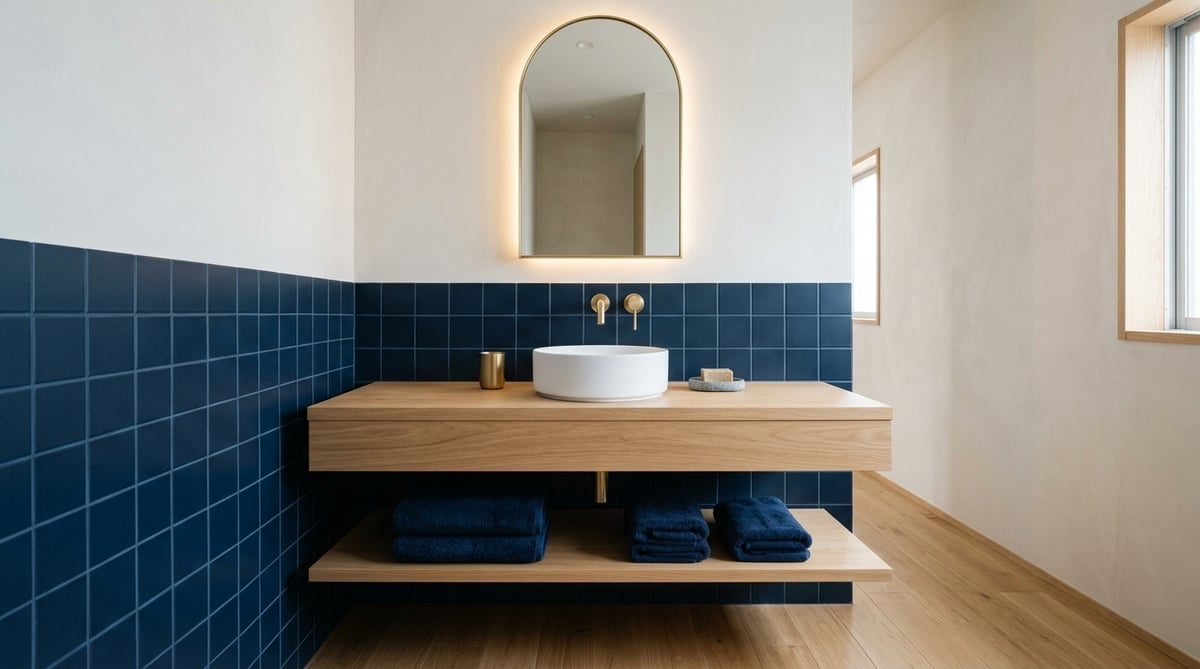
At dusk, as you step out of the station ticket gate, the gentle hum of neighborhood life and a nostalgic warmth welcome you. Gazing down at the deep waters of the Kanda River from Hijiribashi Bridge in Ochanomizu, the headlights of commuter trains homeward bound flicker softly on the surface. Along the slopes leading toward Yushima Tenmangu Shrine, the play of shadows on stone pavings mingles with an enduring air of calm. When choosing a home, the truly worthwhile choice is never a mere comparison of specs and figures, but how enriching, effortless, and restorative your daily life will be within its walls.
For doctors, nurses, medical technicians, and aspiring students at Juntendo University Hospital or the Institute of Science Tokyo (formerly Tokyo Medical and Dental University) Yushima Campus, a home is far more than just a place to sleep. It serves as a personal sanctuary—a protective shelter to decompress body and mind from intense stress and round-the-clock responsibilities. Late-night on-call duties, harsh morning sunlight following a night shift, unexpected emergency dispatches. Amidst irregular shift patterns, securing restorative sleep, ensuring physical safety during nighttime walks home, and maintaining a robust, sustainable budget are paramount. Drawing from a decade of frontline brokerage experience across Tokyo as a licensed real estate broker, this guide untangles concerns one by one to provide grounded wisdom for confident home selection.
30-Second Summary & Key TakeawaysSorAi Summary
- A licensed real estate broker explains local rental markets, living environments, and contract safeguards tailored for healthcare workers and students near Juntendo and Institute of Science Tokyo.
- An objective analysis of real living costs and building specifications evaluated through the daily commuting flow of medical personnel in Yushima and Shin-Ochanomizu.
- Practical strategies to eliminate unneeded initial fees and inspect special contract clauses before signing to avoid unexpected moving-out expenses.
## Location Dynamics of Yushima and Shin-Ochanomizu and Commute Flow for Healthcare Staff
Stretching from Yushima in Bunkyo Ward into Kanda Surugadai and Kanda Awajicho in Chiyoda Ward, this district carries forward a distinguished heritage as a historic seat of academic learning. Today, it stands as one of Japan's most prominent clusters of advanced healthcare institutions. To the north lie Juntendo University and its Ochanomizu campus; to the west spreads the Yushima campus of the Institute of Science Tokyo; while to the east, the tranquil wooded precincts of Yushima Tenmangu Shrine and Kanda Myojin Shrine quietly flourish.
The primary advantage of living here is the proximity between work and home, affording valuable time and immediate emergency responsiveness. Those serving in Juntendo Hospital's Emergency Primary Care Center or the Institute of Science Tokyo Hospital's Advanced Critical Care Center often face strict on-call requirements to report within 20 to 30 minutes of notification. Establishing a residential base within walking or cycling distance—enabling a reliable hospital arrival even late at night when public transit ceases—is an indispensable operational foundation for fulfilling medical duties.
However, relying solely on straight-line distances on a map introduces significant pitfalls. Formed by the intersection of the Hongo Plateau and the erosion valley of the Kanda River, this district features some of Tokyo's most undulating terrain. Examples include the gentle incline of Hongo-dori Avenue leading from Ochanomizu Station toward Juntendo Hospital, the steep ascents of Sanmisaka, Yushimazaka, and Sanemorizaka climbing from Yushima Station up to the plateau, as well as the steep stairways and slopes behind Kanda Myojin. An incline that feels like pleasant exercise during an energetic daytime walk can become a punishing physical trial after an exhausting overnight shift or when rushing in during a snowy midnight call.
When assessing commuting routes, calculate elevation changes between station exits, hospital staff entrances, and property doorsteps with exact precision. At Yushima Station on the Tokyo Metro Chiyoda Line, Exits 1 and 5 serve as primary routes toward Juntendo and Institute of Science Tokyo; however, climbing Sanmisaka entails a sharp incline, making a slightly longer but gentler detour via Kasuga-dori Avenue preferable. When using Shin-Ochanomizu Station on the Chiyoda Line, navigating the underground concourse via Exits B1 through B3 directly linked to JR Ochanomizu Station minimizes exposure to rain during foul weather. At JR Ochanomizu Station on the Chuo-Sobu Line, utilizing the newer elevator and escalator connections at the Hijiribashi Gate ensures a barrier-free, flat approach.
Walk Time to University Hospitals
3–7 min walk
Direct access to Juntendo & Institute of Science Tokyo
Soundproofing for Shift Workers
D-50 Standard
Demising wall acoustics ensuring uninterrupted daytime sleep
Night Street Safety Around Stations
Well-Lit Avenues
Safe midnight returns along Kasuga-dori and Hongo-dori
Single 1K Rent Market Rate
¥98k–¥115k
An investment in minimal commute fatigue
Nighttime street lighting and pedestrian ambiance also require careful inspection. The character of Yushima shifts visibly between the educational and residential quarter of Yushima 1-chome and 2-chome and the commercial nightlife quarter of Yushima 3-chome bordering Ueno and Shinobazu Pond. Yushima 1-chome and 2-chome benefit from Bunkyo Ward's strict urban planning and designated educational zones, which bar entertainment establishments and excessive neon signage. This creates a remarkably tranquil residential neighborhood with orderly, bright streetlights. In contrast, parts of Yushima 3-chome near Yushima Station on the Chiyoda Line and east of Kasuga-dori feature dense dining and bar clusters. Solo healthcare workers returning home late at night should carefully assess security camera coverage, lighting levels, and unobstructed sightlines along their walking paths.
Online Consultation Window (No Store Visit Required) Sorai Tokyo Official
[\[Instant Calendar Booking\] Online Housing Consultation with a Dedicated Agent](https://soraitokyo.jp/consultation?hsLang=en)
Licensed real estate brokers thoroughly versed in Tokyo's eastern subcenters support you via video call—from clarifying search criteria to discovering off-market listings and optimizing initial moving costs.
[Check Open Dates & Book →](https://soraitokyo.jp/consultation?hsLang=en)
#### Comprehensive Livability in Yushima: Everyday Convenience & Neighborhood Appeal Walkable to Ueno & Okachimachi
Beyond proximity to work, learn more about the broader appeal of living solo in Yushima—including weekend shopping, culinary culture, and walking access to multiple railway stations—in our comprehensive area guide below.
[👉 \[Yushima Area Guide\] Walkable to Ueno, Okachimachi & Akihabara: Direct Central Tokyo Access and Safe Night-Walk Rentals](https://soraitokyo.jp/ja/blog/yushima-ueno-akihabara-walkable-rentals?hsLang=en)
Free Online Tool • Instant Calculation Sorai Tokyo Official
[【SorAi Initial Cost Simulator】Calculate Transparent Move-in Costs in 10 Seconds](https://soraitokyo.jp/quote?hsLang=en)
Simply enter the rent and deposit from portal listings to calculate a full, itemized breakdown including brokerage and guarantor fees without hidden add-ons.
[Try Initial Cost Simulator →](https://soraitokyo.jp/quote?hsLang=en)
## Building Structure Selection and Interior Soundproofing Standards for Inverted Shift Work
When it comes to renting a home, healthcare workers have far more demanding sleep environment requirements than typical daytime office professionals. After grueling overnight shifts or rotating evening schedules, you must achieve deep, uninterrupted sleep at midday when the sun shines brightest, or in the late afternoon when neighboring residents return home. Sleep disruptions from external noise or vibration during hours when the human circadian rhythm naturally leans toward wakefulness disrupt the autonomic nervous system and degrade mental acuity—a significant risk factor in high-stakes clinical work.
When selecting structural types that govern sound insulation, wooden frame (W) and light-gauge steel frame (S) buildings should be firmly ruled out. These structures feature lighter columns and beams unable to support heavy wall and floor assemblies, leading to lower-density demising walls and thin floor slabs. Neighborhood alarm clocks, footsteps, plumbing drainage sounds, and even vibrating smartphones can transmit through the building frame. The primary defensive line for shift workers is a reinforced concrete (RC) or steel-reinforced concrete (SRC) condominium.
Even among RC and SRC buildings, acoustic performance varies. Review floor plans and property flyers (maisonette sheets) closely for demising wall construction and thickness. For walls separating adjacent units, cast-in-place concrete walls with a thickness of at least 180 mm represent the desirable standard. In high-rise condominiums or recent cost-optimized properties featuring dry fire-resistant acoustic walls (gypsum board with internal glass wool insulation), sound isolation varies with construction quality and may fail to mute low-frequency vibrational noise, such as footfalls or door closures. During a property viewing, gently tap the demising wall with your knuckles to confirm whether it feels dense and solid rather than producing a hollow, drum-like echo.
RC / SRC Condominiums (Recommended)
Poured concrete provides demising wall thickness of 180 mm or more and floor slabs of 200 mm or more. This substantially dampens airborne and structure-borne sound, blocking daytime neighbor activities. The structural rigidity also prevents vibrations from traffic along Kuramaebashi-dori and Hongo-dori.
Wood / Light Steel Apartments (Not Recommended)
Commonly built with hollow double-layer gypsum board and glass wool, with wall thicknesses often limited to 100 mm–130 mm. Low-frequency footfalls, plumbing drainage, and normal conversations easily bleed through, making consistent sleep difficult for irregular shift workers.
Another factor that must not be overlooked is the window sash acoustic rating against outdoor noise. Yushima and Shin-Ochanomizu are surrounded by major thoroughfares—Kuramaebashi-dori, Hongo-dori, Hakusan-dori, and Sotobori-dori—which serve as critical transit arteries for Juntendo Hospital, the Institute of Science Tokyo Hospital, the University of Tokyo Hospital, and Tokyo Metropolitan Komagome Hospital. Emergency vehicles travel these routes around the clock with sirens active. An ambulance siren reaches 90 dB to 100 dB at close range, matching the volume of a train rumbling across an overhead bridge.
To preserve restful sleep, indoor ambient noise must be kept below 35 dB (comparable to the quiet of a library). When exterior noise reaches 80 dB, window glass requires a sound transmission loss of at least 45 dB. Standard single-pane glass sashes (insulation grade T-1, dampening roughly 25 dB) are insufficient. We recommend residences equipped with airtight sashes meeting Japanese Industrial Standards (JIS) rated T-2 (30 dB reduction) or T-3 (35 dB reduction), or properties fitted with double sashes (inner sashes) added inside existing frames. Double sashes create an insulating air buffer that delivers acoustic protection while helping prevent winter condensation and boosting thermal efficiency.
Pay close attention to internal floor plan layouts as well. In 1K and 1DK units, inspect what sits directly on the other side of the bedroom wall where your bed will rest. If it faces a neighbor's living room, their television wall, or building elevator shafts and shared trash disposal rooms, you face elevated risks from mechanical noise and vibrations. A favorable layout uses your own closets and bathroom facilities as an acoustic buffer zone between your sleeping area and neighboring units.
In furniture planning, dedicating adequate clearance for sleep is top priority. Standard single bed frames measure 980 mm wide by 2,050 mm long, while a semi-double bed measures 1,200 mm wide by 2,050 mm long. Additionally, allow a 100 mm to 150 mm margin from the window so that heavy Grade-1 blackout curtains hang flush against window casings and the floor without light leaks. Maintain a clear walkway width of at least 600 mm, and if closets have outward swing doors, allow 600 mm to 700 mm of swing radius clearance in front. In-person measurement with a tape measure is essential to verify that overhead beams, pillars, or direct airflow from air conditioning units do not interfere with comfortable bed placement.
SORAI SIMULATOR / Online in 10 Sec
### \[SorAi Initial Cost Simulator\] Calculate Estimated Move-in Costs in 10 Seconds
Simply enter the rent and deposit to calculate a transparent move-in cost breakdown including brokerage and guarantor fees without hidden markups.
[Open in Fullscreen / New Tab](https://soraitokyo.jp/en/quote?ref=blog_embed_ext&utm_source=blog_mid_cta&utm_medium=cta&utm_campaign=unified_cta_simulator&hsLang=en) [Chat on Official LINE](https://line.me/R/ti/p/@soraitokyo)
Explore other free SorAi tools: [SorAi Inspection Report →](https://soraitokyo.jp/inspection?ref=blog_mid_cta_aux&lang=en&utm_source=blog_mid_cta&utm_medium=aux_link&utm_campaign=unified_cta_inspection&hsLang=en) [SorAi Request →](https://hearing.soraitokyo.jp/?start=true&ref=blog_mid_cta_aux&lang=en&utm_source=blog_mid_cta&utm_medium=aux_link&utm_campaign=unified_cta_request)
※ 100% Free ・ Online completed.
Related Guide You Might Like
[\[Chosen by Otemachi Commuters\] Chiyoda Line: Traditional Shitamachi (Kitasenju & Machiya) vs. Yamanote Loop Plateau (Sendagi & Nezu) | The Real ¥30,000 Rent Gap](https://soraitokyo.jp/ja/blog/chiyoda-line-downtown-vs-yanesen-comparison?hsLang=en)
[Read Article →](https://soraitokyo.jp/ja/blog/chiyoda-line-downtown-vs-yanesen-comparison?hsLang=en)
Related Recommendation
[Living as a Couple & Family in Machiya: Arakawa Ward's Generous Childcare Support and 2LDK Rental Guide from ¥140,000s | Sorai Tokyo](https://soraitokyo.jp/en/blog/machiya-family-couple-2ldk-rent-savings?hsLang=en)
[Read Article →](https://soraitokyo.jp/en/blog/machiya-family-couple-2ldk-rent-savings?hsLang=en)
## Calculating Safe Rent Ratios from Take-Home Pay and Financial Planning
Due to central Tokyo proximity and pleasant residential environments, Bunkyo Ward's Yushima and Chiyoda Ward's Kanda Surugadai maintain some of the most stable, premium rent price bands across Tokyo's 23 wards. In the 2026 rental market, a reinforced concrete (RC) 1K apartment built within the last 15 years with an auto-lock security entrance (22 sq m to 26 sq m) typically commands between ¥105,000 and ¥125,000 per month.
Early in medical careers—such as junior residents, senior residents, graduate medical researchers, and early-career nurses—take-home pay is often modest relative to demanding schedules. Monthly earnings can fluctuate widely based on night shift and overtime allowances. Committing to a steep rent burdens monthly cash flow and compromises emotional breathing room. As a practical financial safeguard, we recommend keeping monthly rent within 25% to 28% of net take-home pay for single residents, or 22% to 26% for dual-income couples planning for future asset accumulation or education funds.
Many rental agencies cite aggressive rules of thumb such as "one-third of gross salary" or "30% to 35% of take-home pay." However, these benchmarks often rely on full bonus payouts and sustained overtime, creating a precarious budget. Medical professionals bear distinct professional expenses uncommon in standard corporate roles. Ongoing education requires ¥20,000 to ¥40,000 per month in fixed outlays for medical textbooks, academic journal subscriptions, medical society annual dues, conference registrations, malpractice insurance, and medical consumables like scrubs and stethoscopes. Below is a realistic monthly financial simulation designed to accommodate these essential expenses while protecting personal savings and reserve funds.
Scroll horizontally to see full table →
| Expense Category | ¥250k Net Take-Home (1st-Year Resident / Junior Nurse) | ¥300k Net Take-Home (2nd-Year Resident / Mid-Level Nurse) | ¥350k Net Take-Home (Senior Resident / Fellow) | ¥450k Net Take-Home (Attending Physician / Postgrad Researcher) |
| --- | --- | --- | --- | --- |
| **Target Rent (Incl. Fees, ~26–27%)** | ¥67,000 (Suburbs / Shared living) | ¥80,000 (Older building / 1 stop away) | ¥95,000 (Standard 1K near Yushima) | ¥120,000 (Station-front 1K/1DK in Yushima/Ochanomizu) |
| Food (Cooking, hospital meals, prepared food) | ¥40,000 | ¥45,000 | ¥50,000 | ¥60,000 |
| Utilities (Electricity, city gas, water) | ¥13,000 | ¥15,000 | ¥16,000 | ¥18,000 |
| Connectivity (Fiber home internet, smartphone) | ¥8,000 | ¥8,000 | ¥9,000 | ¥10,000 |
| Daily Sundries, Consumables & Clothing | ¥12,000 | ¥15,000 | ¥18,000 | ¥22,000 |
| Social, Leisure & Restorative Recreation | ¥20,000 | ¥25,000 | ¥30,000 | ¥40,000 |
| Medical Books, Society Fees & Malpractice Insurance | ¥15,000 | ¥20,000 | ¥25,000 | ¥35,000 |
| Student Loans / Medical Loans (If applicable) | ¥30,000 | ¥30,000 | ¥30,000 | ¥30,000 |
| **Emergency Reserves & Net Savings (Remaining)** | ¥45,000 | ¥62,000 | ¥77,000 | ¥115,000 |
At a take-home income of ¥250,000 to ¥300,000, leasing an RC apartment within a 10-minute walk of Juntendo or Institute of Science Tokyo—where rents often exceed ¥100,000—consumes 35% to 40% of income, squeezing finances. Realistic options at this career stage include expanding your search along the Chiyoda Line toward Adachi, Katsushika, and Arakawa (such as Kitasenju or Machiya), or carefully selecting older, renovated RC buildings in Bunkyo Ward. Areas around Ayase Station—the starting and terminal point for many Chiyoda Line trains, offering flexible platform access to Tracks 2, 3, and 0 for Yoyogi-uehara—feature helpful retail like Tokyu Store Ayase (open 8:00 to 22:00) and Belx Adachi Kahei (open until 21:00, Sundays/holidays 9:00 to 21:00). These amenities suit the lifestyle of shift workers. Once your take-home pay exceeds ¥350,000, upgrading to an RC 1K unit in Yushima 1-chome, 2-chome, or Hongo 3-chome is an easily achievable next step.
## Optimizing Move-In Costs and Auditing Unnecessary Contract Line Items
During the rental journey, many tenants experience confusion when receiving the initial move-in cost estimate. While the original property flyer indicated "1 month security deposit, 1 month key money, 1 month brokerage fee," the final invoice just before signing can unexpectedly swell to five or six months' worth of rent.
A structural issue in the brokerage industry is bundling optional ancillary items into contracts, presenting them as mandatory conditions to generate sales margins. Under Japanese law, many of these fees lack statutory backing, and tenants retain the legal right to decline them. Below is an audit of common fees alongside their legal foundations, grounded in practical brokerage experience.
Scroll horizontally to see full table →
| Invoice Line Item | Agency Quoted Price | Fair Value / Corrected Amount | Legal Basis & Key Negotiation Point |
| --- | --- | --- | --- |
| **Brokerage Commission** | 1.1 months' rent (tax incl.) | **0.55 months' rent (tax incl.)** | Real Estate Brokerage Act, Article 46, Paragraph 2; MLIT Notification No. 100. Unless prior consent is granted when requesting brokerage, the fee is capped at 0.55 months' rent (tax incl.). Demanding 1.1 months unilaterally without prior consent breaches ministerial notification principles. |
| **Disinfection & Deodorizing Treatment** | ¥16,500–¥27,500 | **¥0 (Completely optional)** | This service duplicates professional move-out turnover cleaning. Unless explicitly stipulated as a mandatory covenant in special clauses, tenants can decline it. |
| **24-Hour Emergency Support Fee** | ¥16,500–¥22,000 (2 yrs) | **¥0 (Voluntary opt-out)** | Under Civil Code Article 606, Paragraph 1, the lessor bears the fundamental duty to maintain and repair leased property. Lockout services are frequently bundled with standard fire insurance policies, making separate subscriptions redundant. |
| **Document Preparation / Admin Fee** | ¥5,500–¥11,000 | **¥0 (No statutory basis)** | A licensed broker's remuneration is limited strictly to statutory commissions under Article 46 of the Real Estate Brokerage Act. Collecting additional administrative fees under alternate labels is questionable under brokerage regulations. |
| **Designated Fire Insurance (2 yrs)** | ¥20,000–¥28,000 | **¥8,000–¥12,000** | Under Article 19 of the Antimonopoly Act (unfair trade practices / tied selling), lessors and brokers should avoid forcing specific insurance carriers. Tenants may independently purchase coverage providing equivalent tenant liability protection. |
The primary legal safeguard is the statutory cap on brokerage commissions. Under Article 46 of the Real Estate Brokerage Act and Ministry of Construction Notification No. 1552 of 1970 (amended by MLIT Notification No. 100 of 2017), total remuneration collected from both parties cannot exceed one month's rent plus consumption tax (1.1 months total). Under Section 4, the default rule states: **"In brokering residential leases, remuneration received from either party shall not exceed 0.5 months' rent plus consumption tax (0.55 months tax incl.), unless prior consent is obtained."**
Unless a tenant gives explicit consent to pay a full 1.1 months before applying, demanding more than 0.55 months runs counter to statutory guidelines. If an invoice automatically lists 1.1 months, politely request in writing: "Pursuant to MLIT Notification under Article 46 of the Real Estate Brokerage Act, please adjust the brokerage commission to the statutory default limit of 0.55 months' rent (tax inclusive)."
Similarly, regarding indoor disinfection or deodorization sprays: when a unit has already undergone professional turnover cleaning, the practical benefit of an extra retail chemical treatment is minimal. Unless explicitly codified as a mandatory condition in special clauses, tenants may decline it.
Tenants also have options regarding fire insurance (household goods and tenant liability coverage) rather than simply accepting expensive in-house policies. By purchasing standalone online policies from providers such as Nisshin Fire & Marine or Zurich Small-Amount Short-Term Insurance, comprehensive tenant liability can be secured for around ¥4,000 to ¥5,000 per year (¥8,000 to ¥10,000 for two years). Informing the broker that "I will arrange personal insurance meeting the lessor's required standards (e.g., ¥20 million tenant liability, ¥100 million personal liability) and provide a policy copy prior to signing" provides a straightforward way to curb moving costs.
Broker's Insight: Opt Out of Ancillary Fees Before Submitting the Application
The most important timing tip when reviewing estimates is to avoid raising sudden objections after the final contract documents arrive, which can strain relationships with management firms and property owners. The best approach is to state clearly in the application remarks or covering email: "Please remove optional ancillary items (disinfection, 24-hour support, designated insurance). We request the brokerage commission follow the statutory default cap of 0.55 months' rent (tax incl.)." Confirming these terms before credit screening prevents misunderstandings later on.
## Night Street Safety and On-Site Inspection Protocols for Returning Shift Workers
Returning home along quiet streets after demanding clinical shifts is when personal safety matters most. Walking through dim alleys where streetlights thin out adds unnecessary strain to a fatigued body and mind. Evaluating a property in Yushima or Shin-Ochanomizu requires inspecting the surrounding street context and building security infrastructure on site, beyond what listing photos reveal.
When conducting a property viewing, visit twice if possible—once during daylight and once at night. A street that looks clean and orderly at noon can reveal dark blind spots after sunset, obscured by tree foliage or high boundary walls. Pay specific attention to whether sidewalks are clearly separated from roadways by guardrails. Major avenues such as Hongo-dori and Hakusan-dori feature broad walkways and ample illumination, but turning into secondary side streets often brings wider streetlight spacing and reduced pedestrian traffic.
Regarding building security, do not rely on auto-lock lobby doors alone. Auto-locks remain vulnerable to tailgating, where an unauthorized individual follows a resident inside as the door closes. Confirm that security cameras cover not only the front entrance, but also elevators, mail cubicles, bicycle parking areas, and emergency stairwells. Inside the apartment, verify whether the intercom includes a color video monitor with automatic recording. An intercom that captures visitors while you are away provides meaningful deterrence against unwanted intrusions.
Step 1
Daytime Route & Slope Check
Measure walking time from hospital staff doors, slope angles, and proximity to grocery stores.
Step 2
Common Area Management Audit
Evaluate building maintenance through trash disposal upkeep, flyer overflow, and bicycle order.
Step 3
Acoustics & Clearance Measurement
Measure traffic noise with closed windows, verify wall thickness, and measure bed clearances under beams.
Step 4
Night Route Audit After 10:00 PM
Verify lighting brightness, walkway sightlines, security cameras, and blind spots from the station.
The clearest window into building upkeep and resident etiquette is found in common areas: trash rooms, mailboxes, and bicycle parking. A locked, dedicated trash disposal room that is regularly cleaned and where sorting guidelines are observed indicates attentive property management and considerate co-residents. Conversely, properties with abandoned bulky trash or overflowing flyers scattered across mailbox lobbies often suffer from lax oversight, increasing the likelihood of noise and disposal conflicts.
Additionally, 24-hour on-site trash disposal is an invaluable amenity for healthcare personnel working irregular hours. When disposal is restricted to specific weekday mornings, it frequently clashes with overnight duty or early rounds, causing waste to accumulate indoors. A secure, enclosed on-site storage area accessible at any hour significantly enhances daily residential comfort.
## SorAi Tokyo Brokerage Support and Smart Tool Workflow
When navigating housing choices and unfamiliar leasing practices, having an objective advisor aligned with your interests offers peace of mind. SorAi Tokyo delivers tenant-centered brokerage grounded in full disclosure and fair transaction standards to protect your residential rights and finances.
At SorAi Tokyo, brokerage commissions for all rental properties are capped at **0.55 months' rent (tax incl., half-price)**. We strictly honor the default cap outlined in Article 46 of the Real Estate Brokerage Act, never charging a full 1.1 months without voluntary consent. Furthermore, we exclude unneeded add-ons like disinfection packages, 24-hour support plans, and administrative fees from your estimate, conducting transparent cost audits from day one.
Scroll horizontally to see full table →
| Service Dimension | Typical Rental Agencies | SorAi Tokyo |
| --- | --- | --- |
| **Brokerage Fee** | Commonly 1.1 months' rent (tax incl.) | **0.55 months' rent (tax incl., half-price)** |
| **Optional Ancillary Fees** | Disinfection and support packages routinely bundled | **Unneeded add-ons removed; strictly essential costs** |
| **Third-Party Quote Audits** | Often reluctant to review quotes from other brokers | **Free second-opinion audit of competitor quotes via official LINE** |
| **Vacancy Verification** | Risk of outdated listings used to lure customers into branches | **Licensed brokers query inter-agency networks (REINS) directly in real time** |
| **Smart Web Tools** | Limited public calculators; in-person meetings favored | **Move-in cost simulators and tools made freely available online** |
At SorAi Tokyo, we prioritize honest information over automated marketing claims. Because listing statuses in Japan depend on individual property management companies and private owners, relying on automated scraping alone cannot guarantee real-time vacancy accuracy.
Through our official LINE consultation service, simply share a listing URL from portals like SUUMO or LIFULL HOME'S, or upload a photo of a move-in cost estimate issued by another broker. **Dedicated licensed real estate brokers will cross-reference the inter-brokerage network (such as REINS) and contact managing agents directly to confirm current vacancy status, evaluate invoice accuracy, and provide an objective second opinion free of charge.** Whether you want to know if an apartment is genuinely available or how to eliminate unnecessary fees, our licensed brokers provide grounded, factual advice.
We also offer accessible web tools (SorAi) for estimating fair move-in costs from your smartphone or computer. These calculators can be launched from the sticky bottom navigation on mobile devices or the footer on desktop screens. Enter the monthly rent, security deposit, and key money terms to view unnecessary charges alongside potential savings achieved through SorAi Tokyo. Before scheduling in-person visits, use these objective metrics to make informed choices with peace of mind.
## Summary: Choosing a Restorative Home to Protect Physical and Mental Well-Being
After navigating intense hours of clinical duty, personal time at home is where you quietly regain your balance. Stepping out of the hospital staff entrance into the crisp pre-dawn air, the soft glow of morning twilight gently tints the Kanda River. Climbing the steady slope of Yushima's historic quarter and opening your front door, physical tension releases into quiet relief. A home is a vital personal sanctuary designed to protect your health and replenish energy for tomorrow's responsibilities.
Beyond surface conveniences, focus on acoustic wall performance, safe nighttime walking routes, and rent levels calibrated to long-term financial health. We hope the insights shared here from a licensed real estate broker with a decade of field experience dispel lingering doubts and guide you toward a home chosen with clarity and confidence. We stand ready with transparent information to support the dedicated healthcare professionals and students who support our communities each day.

SorAi Real-Time Rental Concierge Online 24/7
Official AI answers your questions 24/7
[Continue on Official LINE (24/7 Free)](https://page.line.me/soraitokyo?oat_content=url&openQrModal=true&utm_source=soraitokyo_website&utm_medium=blog_inline_chat&utm_campaign=line_btn) [Privacy Policy](https://soraitokyo.jp/en/privacy-policy)

Thank you for reading this guide. I am SorAi, your official real estate AI concierge.
Feel free to ask any questions about neighborhood livability, rent averages, safety, or commuting convenience in Tokyo.
Quick questions:
Summarize neighborhood livability
Commute access and train crowding
Supermarkets and daily amenities
Rent comparison with nearby stations
[Continue on Official LINE (Free)](https://page.line.me/soraitokyo?oat_content=url&openQrModal=true&utm_source=soraitokyo_website&utm_medium=blog_inline_chat&utm_campaign=line_btn)
Send
No phone number required. Feel free to consult at your own pace 24/7.
### Featured Tokyo Living Guides
SorAi Editorial
Swipe
#### [ Pet Friendly / Rental Contracts Tokyo Pet-Friendly Apartment Rental Contract Guide: Deposits & Soundproof Tips | Sorai Tokyo Read Guide →](https://soraitokyo.jp/en/blog/tokyo-pet-friendly-apartment-contract-guide?hsLang=en)
#### [ Chiyoda Line / Redevelopment Kitasenju Redevelopment & Livability 2026: 5 Train Lines, Shopping & Housing | Sorai Tokyo Read Guide →](https://soraitokyo.jp/en/blog/area-guide-kitasenju-redevelopment-trend-2026?hsLang=en)
#### [ Tenant Screening / Checklist Tokyo Rental Screening Guide 2026: Why Applications Fail and How to Pass | Sorai Tokyo Read Guide →](https://soraitokyo.jp/en/blog/apartment-screening-checklist-guide?hsLang=en)
## Frequently Asked Questions About Renting in Yushima and Shin-Ochanomizu
### QWhen searching within a 10-minute walk of Juntendo Hospital or Institute of Science Tokyo, what are the average rents and recommended micro-districts?
AAreas within a 10-minute walk of Juntendo Hospital (Hongo 3-chome, Bunkyo Ward) and the Institute of Science Tokyo Yushima Campus (Yushima 1-chome, Bunkyo Ward) primarily encompass Bunkyo Ward's Yushima 1-chome and 2-chome, Hongo 2-chome and 3-chome, and Chiyoda Ward's Kanda Surugadai 2-chome and 3-chome across the Kanda River. Average monthly rents for an RC single 1K apartment (20 sq m to 25 sq m) built within the past 15 years range from ¥105,000 to ¥125,000, including management fees. For a quieter residential setting, Yushima 2-chome or Hongo 3-chome is ideal; for transit convenience and flat walking routes to stations, Kanda Surugadai is well-suited. To keep rent under ¥100,000, practical alternatives include renovated apartments aged 20 years or older, or looking a few stations outward along the Chiyoda Line toward Adachi and Arakawa Wards.
### QWhat are the key considerations for selecting an apartment that satisfies hospital on-call requirements (such as arriving within 30 minutes of a page)?
ATo reliably meet on-call response requirements, you must establish an independent transit route that does not depend on public trains or buses. Focus on a physical radius reachable within 15 to 20 minutes on foot or 5 to 10 minutes by bicycle (generally within 1.2 km of walking distance) to account for late-night service suspensions or timetable disruptions. When mapping your route, verify elevation gradients and signalized intersections in advance. Because climbing the steep hills of the Hongo Plateau adds time, prioritize routes with gentle grades such as Kasuga-dori or Hongo-dori, or consider flatter approaches alongside the Kanda River corridor.
### QAs an irregular shift worker with day/night turnover, how can I specifically verify soundproofing between adjacent units and floors during a viewing?
AThere are four effective steps you can take during a viewing. First, clap your hands in the center of the room to ensure acoustics are naturally absorbed rather than producing a sharp, hollow echo (excessive reverberation can indicate lightweight, hollow party walls). Second, gently tap the demising wall separating adjacent units with your knuckles to confirm the dense, solid feel characteristic of poured concrete (dry gypsum board hollow walls produce a light, drumming sound). Third, close all windows and use a sound meter app to gauge traffic and siren noise from nearby thoroughfares (under 35 dB ambient sound is the target). Fourth, visually inspect window sash frames for a T-2 or T-3 acoustic rating stamp, or verify whether an inner double sash has been installed.

Author: Sorai Tokyo Editorial Team (Supervised by Licensed Real Estate Agents)
A real estate consulting team specializing in assisting foreign nationals find rooms and explaining initial costs in Tokyo. We break down language barriers and differences in customs, offering dedicated support in Japanese, English, and Vietnamese for a safe and secure start to your new life.
 SORAI TOKYO | Chat with AI "SorAi" Anytime on LINE
### Exploring Tokyo Neighborhoods or Apartments? Ask Our AI "SorAi" Anytime on LINE
No property URL needed yet. From area safety, commute tips, and rent trends to instant initial-cost audits for listings you found—chat with SorAi 24/7 on LINE with zero sales calls.
STEP 1
Ask Anything on LINE
Ask about areas & rent, or send a listing URL anytime
→
STEP 2
24/7 Instant Reply by SorAi
Objective area data, live vacancy & fee breakdown
→
STEP 3
Explore at Your Own Pace
Zero sales calls. Meet on-site only when ready to view
24/7 Instant / Most Popular
#### ① Chat with AI "SorAi" on LINE (Free)
Ask about neighborhoods, rent trends, or share any listing URL on LINE. SorAi & our bilingual concierge check live vacancy and upfront fee breakdowns with zero sales pressure.
[Chat with SorAi on LINE (Free) ➔](https://lin.ee/VE8fd8b?utm_source=soraitokyo_blog&utm_medium=cta&utm_campaign=bottom_cta&utm_content=line)
Web Audit
#### ② SorAi Property Report
Already found a listing? Submit the URL or floor plan on the web for an instant objective breakdown of move-in costs and neighborhood data.
[View Report (Free) ↗](https://inspection.soraitokyo.jp/?ref=blog_bottom_cta)
Wait for New Listings
#### ③ SorAi Housing Needs
Select your budget, layout, and must-have conditions in 30 seconds to receive matching listings at your own pace.
[Organize Criteria (Free) ➔](https://soraitokyo.jp/en/request?ref=blog_bottom_cta&hsLang=en)
Instant Move-in Estimate
#### ④ SorAi Move-in Estimator
Enter rent and management fees to quickly estimate standard upfront contract costs and potential savings.
[Check Estimates (Free) ➔](https://soraitokyo.jp/en/quote?ref=blog_bottom_cta&hsLang=en)
※ Consultations are 100% free. No phone number required, zero pushy calls—everything is completed smoothly on LINE.
この記事をシェアする
\# エリアガイド# 北千住
[ SORAI TOKYO](https://soraitokyo.jp/en/)
Sorai Tokyo Co., Ltd.
Room 102, 1-7-14 Yanaka, Adachi-ku, Tokyo, 120-0006
03-6161-8484
[contact@soraitokyo.jp](mailto:contact@soraitokyo.jp)
Tokyo Metropolitan Governor (1) No. 113297
(License Date: December 20, 2025)
### Sitemap
- [About Us](https://soraitokyo.jp/en/about-us)
- [Testimonials](https://soraitokyo.jp/en/testimonials)
- [Chiyoda Line Guide](https://soraitokyo.jp/en/area-guide-chiyoda-line)
- [Sorai Journal](https://soraitokyo.jp/en/blog)
- [FAQs](https://soraitokyo.jp/en/faqs)
- [Contact](https://soraitokyo.jp/en/contact)
- [SorAi Request](https://soraitokyo.jp/en/request)
### Business Hours
**10:00 〜 18:00**
Closed: **Tuesday & Wednesday**
Inquiries via LINE, SNS, and email are accepted 24/7.
[View on Google Maps](https://maps.google.com/?q=%E6%9D%B1%E4%BA%AC%E9%83%BD%E8%B6%B3%E7%AB%8B%E5%8C%BA%E8%B0%B7%E4%B8%AD1-7-14) [Book Online Meeting](https://soraitokyo.jp/en/consultation?hsLang=en)
### Multilingual Services
Our professional staff are fluent in Japanese, English, Vietnamese, Russian, and Indonesian to support you from room hunting to contract signing.
[🇯🇵 日本語](https://soraitokyo.jp/ja/blog/yushima-shin-ochanomizu-medical-staff-rentals?hsLang=ja) [🇺🇸 English](https://soraitokyo.jp/en/blog/yushima-shin-ochanomizu-medical-staff-rentals?hsLang=en) [🇻🇳 Tiếng Việt](https://soraitokyo.jp/vi/blog/yushima-shin-ochanomizu-medical-staff-rentals?hsLang=vi) [🇷🇺 Русский](https://soraitokyo.jp/ru/blog/yushima-shin-ochanomizu-medical-staff-rentals?hsLang=ru) [🇮🇩 Indonesia](https://soraitokyo.jp/id/blog/yushima-shin-ochanomizu-medical-staff-rentals?hsLang=id)
### Inquire via Social Media
[Privacy Policy](https://soraitokyo.jp/en/privacy-policy) | [Privacy & Security](https://soraitokyo.jp/en/security)
Copyright © 2026 株式会社ソライ東京 (Sorai Tokyo Co., Ltd.) All Rights Reserved.
[Chat with SorAi](https://page.line.me/soraitokyo?oat_content=url&openQrModal=true&utm_source=soraitokyo_website&utm_medium=line_button&utm_campaign=chatbot_popover)
SorAi Chat

#### SorAi
Online (Multilingual Support)
×
[Chat with SorAi](https://page.line.me/soraitokyo?oat_content=url&openQrModal=true&utm_source=soraitokyo_website&utm_medium=chatbot_header&utm_campaign=line_btn) [Email Us](https://soraitokyo.jp/en/contact?hsLang=en)
[Get "SorAi" on LINE (24/7 Free)](https://page.line.me/soraitokyo?oat_content=url&openQrModal=true&utm_source=soraitokyo_website&utm_medium=line_button&utm_campaign=floating_btn)
 SorAi | 24/7 AI Rental Chat No signup・100% online
TOC
### Table of Contents
×
```json
{
"@context" : "https://schema.org",
"@type" : "BlogPosting",
"author" : {
"@type" : "Person",
"name" : "ソライ東京編集部",
"url" : "https://soraitokyo.jp/en/blog/author/ソライ東京編集部"
},
"datePublished" : "2026-08-30T02:21:13.000Z",
"headline" : "Living in Yushima & Shin-Ochanomizu for Medical Professionals & Students: Near Juntendo & Institute of Science Tokyo | Safe Night Commute Rental Guide | Sorai Tokyo",
"image" : [ "https://soraitokyo.jp/hubfs/blog-eyecatches/batch11_reed_screen_balcony_room.jpg" ],
"mainEntityOfPage" : {
"@id" : "https://soraitokyo.jp/en/blog/yushima-shin-ochanomizu-medical-staff-rentals",
"@type" : "WebPage"
},
"publisher" : {
"@type" : "Organization",
"logo" : {
"@type" : "ImageObject",
"url" : "https://soraitokyo.jp/hubfs/small_logo(color)%20(2)-1.png"
},
"name" : "株式会社ソライ東京"
}
}
```
```json
{
"@context" : "https://schema.org",
"@type" : "FAQPage",
"mainEntity" : [ {
"@type" : "Question",
"acceptedAnswer" : {
"@type" : "Answer",
"text" : "Areas within a 10-minute walk of Juntendo Hospital (Hongo 3-chome, Bunkyo Ward) and the Institute of Science Tokyo Yushima Campus (Yushima 1-chome, Bunkyo Ward) primarily encompass Bunkyo Ward's Yushima 1-chome and 2-chome, Hongo 2-chome and 3-chome, and Chiyoda Ward's Kanda Surugadai 2-chome and 3-chome across the Kanda River. Average monthly rents for an RC single 1K apartment (20 sq m to 25 sq m) built within the past 15 years range from ¥105,000 to ¥125,000, including management fees. For a quieter residential setting, Yushima 2-chome or Hongo 3-chome is ideal; for transit convenience and flat walking routes to stations, Kanda Surugadai is well-suited. To keep rent under ¥100,000, practical alternatives include renovated apartments aged 20 years or older, or looking a few stations outward along the Chiyoda Line toward Adachi and Arakawa Wards."
},
"name" : "When searching within a 10-minute walk of Juntendo Hospital or Institute of Science Tokyo, what are the average rents and recommended micro-districts?"
}, {
"@type" : "Question",
"acceptedAnswer" : {
"@type" : "Answer",
"text" : "To reliably meet on-call response requirements, you must establish an independent transit route that does not depend on public trains or buses. Focus on a physical radius reachable within 15 to 20 minutes on foot or 5 to 10 minutes by bicycle (generally within 1.2 km of walking distance) to account for late-night service suspensions or timetable disruptions. When mapping your route, verify elevation gradients and signalized intersections in advance. Because climbing the steep hills of the Hongo Plateau adds time, prioritize routes with gentle grades such as Kasuga-dori or Hongo-dori, or consider flatter approaches alongside the Kanda River corridor."
},
"name" : "What are the key considerations for selecting an apartment that satisfies hospital on-call requirements (such as arriving within 30 minutes of a page)?"
}, {
"@type" : "Question",
"acceptedAnswer" : {
"@type" : "Answer",
"text" : "There are four effective steps you can take during a viewing. First, clap your hands in the center of the room to ensure acoustics are naturally absorbed rather than producing a sharp, hollow echo (excessive reverberation can indicate lightweight, hollow party walls). Second, gently tap the demising wall separating adjacent units with your knuckles to confirm the dense, solid feel characteristic of poured concrete (dry gypsum board hollow walls produce a light, drumming sound). Third, close all windows and use a sound meter app to gauge traffic and siren noise from nearby thoroughfares (under 35 dB ambient sound is the target). Fourth, visually inspect window sash frames for a T-2 or T-3 acoustic rating stamp, or verify whether an inner double sash has been installed."
},
"name" : "As an irregular shift worker with day/night turnover, how can I specifically verify soundproofing between adjacent units and floors during a viewing?"
} ]
}
```
```json
{
"@context" : "https://schema.org",
"@type" : "BlogPosting",
"author" : {
"@type" : "Person",
"name" : "Author: Sorai Tokyo Editorial Team (Supervised by Licensed Real Estate Agents)"
},
"dateModified" : "2026-10-03T13:50:44Z",
"datePublished" : "2026-10-03T13:50:44Z",
"description" : "A practical rental guide for medical staff and students near Juntendo and Institute of Science Tokyo. Expert broker advice on quiet homes, safe night walks, and costs.",
"headline" : "Living in Yushima & Shin-Ochanomizu for Medical Professionals & Students: Near Juntendo & Institute of Science Tokyo | Safe Night Commute Rental Guide",
"inLanguage" : "en",
"publisher" : {
"@type" : "Organization",
"name" : "Sorai Tokyo",
"url" : "https://soraitokyo.jp"
}
}
```
```json
{
"@context" : "https://schema.org",
"@type" : "BlogPosting",
"author" : {
"@type" : "Organization",
"knowsAbout" : [ "東京メトロ千代田線", "賃貸不動産仲介", "宅地建物取引業", "初期費用適正化", "重要事項説明(IT重説)" ],
"name" : "Sorai Tokyo Editorial Team (Supervised by Licensed Real Estate Agents)",
"url" : "https://soraitokyo.jp/en/about-us"
},
"dateModified" : "2026-10-07T18:00:07+0000",
"datePublished" : "2026-08-30T02:21:13+0000",
"description" : "A practical rental guide for medical staff and students near Juntendo and Institute of Science Tokyo. Expert broker advice on quiet homes, safe night walks, and costs.",
"headline" : "Living in Yushima & Shin-Ochanomizu for Medical Professionals & Students: Near Juntendo & Institute of Science Tokyo | Safe Night Commute Rental Guide",
"image" : "https://soraitokyo.jp/hubfs/blog-eyecatches/batch25_06_sanitary_stone_vessel_sink_navy_wall.jpg",
"inLanguage" : "en",
"mainEntityOfPage" : {
"@id" : "https://soraitokyo.jp/en/blog/yushima-shin-ochanomizu-medical-staff-rentals",
"@type" : "WebPage"
},
"publisher" : {
"@type" : "Organization",
"logo" : {
"@type" : "ImageObject",
"url" : "https://soraitokyo.jp/hubfs/raw_assets/public/soraitokyo-theme/assets/logo.png"
},
"name" : "Sorai Tokyo Co., Ltd.",
"url" : "https://soraitokyo.jp/en/"
},
"url" : "https://soraitokyo.jp/en/blog/yushima-shin-ochanomizu-medical-staff-rentals"
}
```
```json
{
"@context" : "https://schema.org",
"@type" : "BreadcrumbList",
"itemListElement" : [ {
"@type" : "ListItem",
"item" : "https://soraitokyo.jp/en/",
"name" : "Home",
"position" : 1
}, {
"@type" : "ListItem",
"item" : "https://soraitokyo.jp/en/blog",
"name" : "Blog",
"position" : 2
}, {
"@type" : "ListItem",
"item" : "https://soraitokyo.jp/en/blog/yushima-shin-ochanomizu-medical-staff-rentals",
"name" : "Living in Yushima & Shin-Ochanomizu for Medical Professionals & Students: Near Juntendo & Institute of Science Tokyo | Safe Night Commute Rental Guide",
"position" : 3
} ]
}
```