
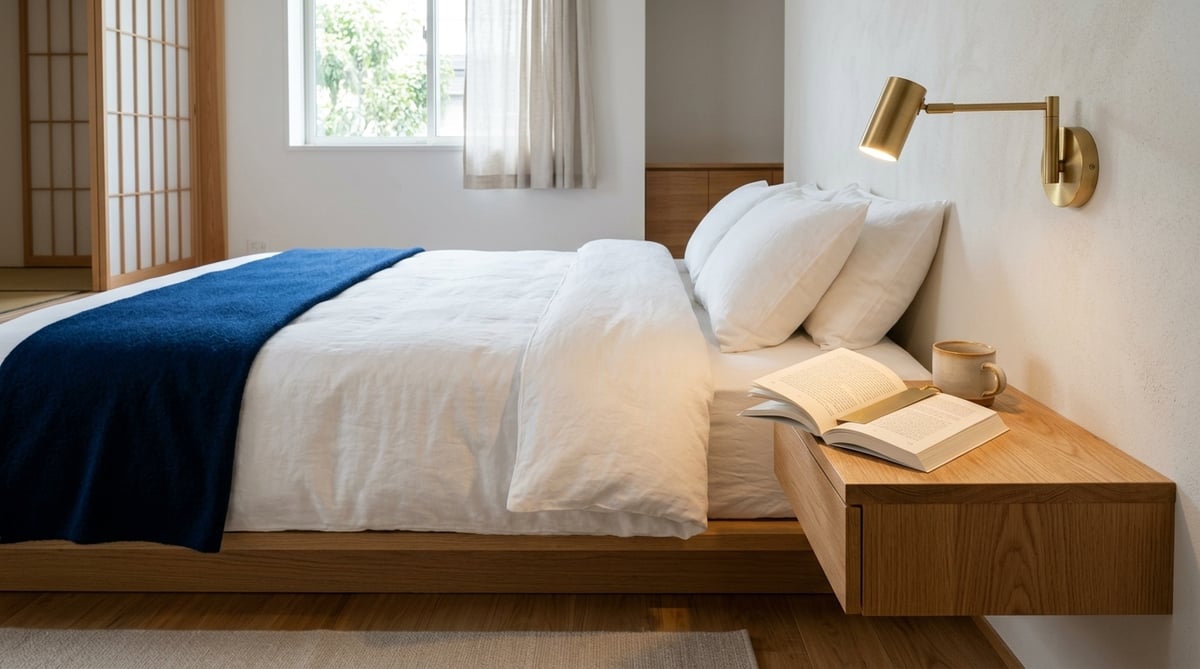
At dusk on a weekend, the late afternoon sun casts a warm, slanting glow across the stone-paved promenade of Shukubamachi-dori, where the savory aroma of yakitori wafts from a time-honored delicatessen. Carrying a paper bag filled with fine wine and artisan cheese curated from the basement food hall of Lumine Kitasenju, your steps feel effortlessly light as you stroll home through quiet alleys dotted with renovated historic folk-house cafes and boutique galleries. On weekdays, you commute directly to Otemachi and Roppongi without a single transfer; on weekend mornings, you take peaceful strolls along the breeze-swept banks of the Arakawa River. Seamlessly blending the enduring warmth of Tokyo's historic downtown with remarkable connectivity to the capital’s commercial core, this is Adachi Ward's Kita-Senju.
With over a decade of hands-on experience in rental brokerage, I frequently consult with clients who voice a heartfelt desire: "I want effortless access to downtown, everyday livability, and affordable rent—without compromising on any of them." When faced with this request, Kita-Senju is invariably at the top of my list. Despite being one of Tokyo's premier mega-terminals, the neighborhood exudes a soothing, unpretentious atmosphere where one can truly unwind, consistently earning top marks across generations as a genuinely livable district. In this comprehensive guide, a licensed real estate broker draws upon professional expertise and authentic resident perspectives to unpack Kita-Senju’s transit advantages, the distinct character of the West versus East Exits, genuine safety trends, and essential criteria for choosing flood-resilient properties.
This definitive area guide is crafted for anyone considering a move to Kita-Senju for its direct access to central Tokyo, who wants a thorough, unvarnished look at everything from transit and historic shopping streets to neighborhood safety and current rental rates. Here, a licensed real estate broker analyzes why this neighborhood consistently tops "most desirable places to live" rankings, delivering the authentic insights you need before signing a lease.
- Direct Multi-Line Access stands at 'Direct Multi-Line Access', providing a practical benchmark for informed living.
- Direct to Otemachi (Chiyoda Line) stands at 'Direct to Otemachi (Chiyoda Line)', providing a practical benchmark for informed living.
- Vs. Major Yamanote Stations (1K Rent) stands at 'Vs. Major Yamanote Stations (1K Rent)', providing a practical benchmark for informed living.
Why Kita-Senju, a 5-Line Mega-Hub, Consistently Ranks Among Tokyo's Most Desirable Neighborhoods
Kitasenju Station traces its heritage back to the Edo period as "Senju-shuku," the very first post station from Nihonbashi along the historic Nikko Kaido and Oshu Kaido highways. Its historical role as the northern gateway to Edo seamlessly transitioned into modern railway development, transforming it into one of Tokyo’s premier mega-stations where JR lines, subways, and private railways converge in an intricate network.
While its passenger traffic ranks among the highest in the world, stepping outside the station reveals a streetscape strikingly different from the sterile business districts of central Tokyo. Grand commercial complexes stand prominently outside the ticket gates, yet at their feet hum vibrant shopping arcades, vintage Showa-era alleys, and contemporary craft beer bars existing in effortless harmony. Offering mobility on par with the city’s greatest transport hubs alongside the warmth of a close-knit neighborhood and remarkably affordable daily living costs, this dual identity is precisely why Kita-Senju captivates singles and families alike.
Another vital chapter in Kita-Senju’s recent evolution is its youth-driven revitalization through university campuses. Under Adachi Ward’s strategic academic initiatives, Tokyo University of the Arts opened its Senju Campus on the former site of Senju Dai-Ichi Elementary School in 2006. This was followed by Teikyo Science University (2010), the Open University of Japan's Tokyo Adachi Study Center, and Tokyo Denki University's expansive Tokyo Senju Campus in 2012 on former Japan Tobacco grounds. These institutions infused the entire district with fresh energy, catalyzing a wave of stylish cafes and lifestyle boutiques housed within restored traditional townhouses. This harmonious union of historic downtown culture and vibrant academic life creates a relaxed urban charm unique to Kita-Senju.
Complete rental and living guide for all stations on the Tokyo Metro Chiyoda Line, from Kita-Ayase and Kita-Senju to downtown Otemachi.
16 Minutes to Otemachi, 25 to Ginza: Unrivaled Commuter Access to Major Business Districts
The crowning achievement of Kitasenju Station is undeniably its transit network connecting five major rail lines: Tokyo Metro Chiyoda Line, Tokyo Metro Hibiya Line, JR Joban Line (including through-service on the Ueno-Tokyo Line), Tobu Skytree Line (including through-service on the Tokyo Metro Hanzomon Line), and Tsukuba Express (TX). Reaching virtually every major financial district and cultural hub in Tokyo without a single transfer grants busy professionals invaluable breathing room in their daily routines.
| Line Name | Key Direct Stations & Travel Time | Peak Morning Frequency | Commuter Benefits & Highlights |
|---|---|---|---|
| Tokyo Metro Chiyoda Line | Otemachi 16 min, Kasumigaseki 21 min, Omotesando 29 min | Every 2–3 min | Departs from underground platforms. Direct access to Marunouchi, government ministries in Kasumigaseki, and Omotesando. Originating trains from Kita-Ayase can also be utilized. Through-service to the Odakyu Line connects toward Hon-Atsugi. |
| Tokyo Metro Hibiya Line | Ueno 9 min, Akihabara 12 min, Ginza 25 min, Roppongi 34 min | Every 2–3 min | Frequent originating trains depart from 3rd-floor platforms (primarily Platform 6). Even during morning peak hours, lining up guarantees a seated commute. Direct access to Higashi-Ginza and Roppongi. |
| JR Joban Line (Ueno-Tokyo Line) |
Ueno 8 min, Tokyo 17 min, Shinagawa 27 min | Every 3–5 min | Through-service via the Ueno-Tokyo Line reaches Tokyo Station in 17 minutes and Shinagawa in 27 minutes. Excellent for Shinkansen connections, business trips, and Haneda Airport transit. |
| Tobu Skytree Line (Hanzomon Line Direct) |
Asakusa 16 min, Oshiage 15 min, Otemachi 29 min, Shibuya 45 min | Every 3–4 min | Connects to the Hanzomon Line from Oshiage, offering direct routes to Mitsukoshimae, Jimbocho, Nagatacho, and Shibuya. Also convenient for leisure trips toward Asakusa. |
| Tsukuba Express (TX) |
Minami-Senju 3 min, Asakusa 6 min, Akihabara 10 min | Every 4–5 min | High-spec line equipped with platform screen doors at all stations, resulting in exceptionally rare delays. Delivers remarkable speed with direct access to Akihabara in just 10 minutes. |
When discussing commuting preferences with clients on-site, the most celebrated feature is the originating trains on the Tokyo Metro Hibiya Line. With Kitasenju serving as the line's starting terminus (aside from through-services on the Tobu Skytree Line), trains depart from the 3rd-floor platform (primarily Platform 6) every few minutes during the morning rush. Waiting through just one or two trains to board from the front of the queue grants you a comfortable, seated ride all the way to Akihabara, Ginza, Hibiya, or Roppongi—a practical advantage that drastically eliminates the fatigue of crowded Tokyo commutes.
Furthermore, the JR Joban Line’s through-service via the Ueno-Tokyo Line connects you to Tokyo Station in just 17 minutes and Shinagawa in 27 minutes, offering lightning-fast access to bullet train hubs. For frequent business travelers or those working in Marunouchi, Otemachi, or Yaesu, reaching Tokyo Station in under 20 minutes rivals the convenience of far more expensive districts inside the Yamanote loop. Should any single line experience unexpected delays, having multiple independent JR and subway routes allows for effortless detours, minimizing commute disruptions.
West Exit (Dining & Retail) vs. East Exit (Campus & Quiet Enclaves): Two Distinct Neighborhood Faces
When searching for a home in Kita-Senju, the first fundamental element to understand is the stark contrast between the West Exit and the East Exit (Dendai Exit). Bisected by the elevated and surface railway tracks, the two sides present vivid contrasts in streetscapes, retail density, foot traffic, and overall living environments.
West Exit: Hub of Commerce, Dining, and Vibrancy
Directly connected to Lumine Kitasenju and Marui via elevated pedestrian decks. Dense dining quarters cluster around the station, transitioning into lively shopping thoroughfares like Shukubamachi-dori toward Nikko Kaido. Ideal for active singles and food lovers who prioritize shopping and dining convenience.
East Exit (Dendai Exit): University Campus, Quiet Living & Arakawa Greenery
Tokyo Denki University’s open campus creates a structured, modern plaza right outside the station. Passing through the Gakuen-dori shopping street leads into quiet low-rise residential lanes near the open riverbanks of the Arakawa. Highly favored by women and couples seeking tranquility, safety, and a grounded lifestyle.
Stepping out of the West Exit, a grand pedestrian deck provides sheltered access directly to the Lumine Kitasenju station building and the expansive Kitasenju Marui (Senju Mil-Dis) complex. Radiating from the plaza are narrow atmospheric streets, including the famed "Nomiyayoko" (bar alley) steeped in nostalgic Showa character, alongside Shukubamachi-dori, echoing its historic heritage as an Edo post town. Come evening, these lanes brim with lively chatter from locals and commuting professionals unwinding after work.
Residential enclaves on the West side begin to unfold about a 7- to 8-minute walk from the station, crossing the Nikko Kaido (National Route 4) into peaceful neighborhoods such as Senju-Nakamacho, Senju-Kawaramachi, and Senju-Midoricho. Because Senju 1-chome to 3-chome directly adjacent to the station are designated commercial zones, they are dominated by mid-to-high-rise apartment buildings and mixed-use structures. While illuminated storefronts and streetlights keep nighttime routes brightly lit, weekend evenings can occasionally bring the lively clamor of revelers near the station.
By contrast, the East Exit (commonly known as the Dendai Exit) was dramatically transformed in 2012 with the opening of Tokyo Denki University's Tokyo Senju Campus. Featuring an expansive campus plaza and wide pedestrian walkways, it offers an open, immaculate, and airy ambiance completely distinct from the West Exit. Extending straight east from the station is Gakuen-dori, a welcoming shopping street lined with cozy diners, artisan bakeries, drugstores, and cafes cherished by students and neighborhood residents.
Beyond the shopping street lie Senju Asahi-cho and Senju-Higashi 1- and 2-chome, tranquil residential quarters where traditional low-rise homes mingle with contemporary condominiums. A brief walk further east brings you to the broad, sweeping skies and serene waters of the Arakawa riverbanks. For those who relish weekend jogging, riverside cycling, or contemplative sunset walks along the grassy embankment, the East Exit represents an exceptional living environment.
Detailed Exit Comparison: Deciding Between the West and East Exits
Kitasenju Station presents markedly different living experiences between its vibrant West Exit—home to Lumine, Marui, and bustling historic market streets—and its calm East Exit (Gakuen-dori), anchored by university greenery and peaceful lanes. Our dedicated guide provides an in-depth breakdown of atmosphere, price points, and night-walk safety for each exit.
Current Rental Market in Kita-Senju: A Price Comparison with the Yamanote Line
Pairing direct access to central Tokyo with highly approachable rental rates provides the fundamental economic rationale behind Kita-Senju’s enduring popularity. Comparing monthly costs with stations along the Yamanote Line or closer into central Tokyo reveals a substantial financial advantage.
| Layout Type | Kita-Senju Market Rate | Major Yamanote Stations (Ebisu / Meguro) | Chiyoda Line (Nishi-Nippori) | Monthly Savings (vs. Yamanote) |
|---|---|---|---|---|
| Studio / 1K (~20–25 m²) |
¥72,000–¥85,000 | ¥115,000–¥130,000 | ¥85,000–¥95,000 | Save ~¥35,000–¥45,000 |
| 1LDK (~35–45 m²) |
¥130,000–¥160,000 | ¥200,000–¥250,000 | ¥155,000–¥180,000 | Save ~¥70,000–¥90,000 |
| 2LDK (~50–65 m²) |
¥160,000–¥200,000 | ¥280,000–¥380,000 | ¥210,000–¥250,000 | Save ~¥120,000–¥180,000 |
For solo dwellers seeking a 1K apartment, standard market rates in western Yamanote hubs like Ebisu or Meguro start in the high ¥110,000s to ¥120,000s even for older structures. In Kita-Senju, by contrast, a budget of around ¥80,000 secures a modern, well-appointed apartment within a 7- to 10-minute walk from the station, complete with auto-lock security, an independent vanity, and a bathroom dryer. This yields a monthly savings of ¥30,000 to ¥40,000—adding up to ¥400,000 to ¥500,000 in saved fixed expenses annually.
For couples or newlyweds seeking a 1LDK, rents near central Tokyo stations routinely surpass the ¥200,000 threshold. In Kita-Senju, a comfortable living room layout can be secured for around ¥140,000. Reallocating those housing savings toward personal passions, savings, bespoke furnishings, or culinary pleasures makes this an astute decision that elevates your overall quality of life.
From a broker's practical perspective, the "sweet spot" in Kita-Senju lies in the 7- to 12-minute walk radius. Because station-front retail is so comprehensive, a 10-minute stroll home naturally weaves through charming shopping streets where you can pick up daily essentials. While units within a 5-minute walk often border the lively bustle of commercial zones, walking beyond 8 minutes brings you into peaceful residential zoning, effortlessly harmonizing quiet domestic comfort with exceptional value.
Neighborhood Safety & Nighttime Routes: Commercial Borders and Safe Paths Home
Due to general preconceptions surrounding Adachi Ward and downtown nightlife, clients considering Kita-Senju for the first time—particularly women and families—frequently voice concerns regarding neighborhood safety. In reality, safety dynamics around Kitasenju Station are clearly divided between specific pinpoint nightlife clusters directly outside the station and the serene residential neighborhoods just minutes away. By understanding the town's geography and choosing sensible pedestrian routes, women living alone can reside here with complete peace of mind.
According to the latest crime statistics published by the Tokyo Metropolitan Police Department, reported incidents are heavily concentrated in the entertainment and bar sectors of Senju 2-chome and 3-chome right outside the West Exit. These predominantly consist of late-night disorderly altercations among drinking patrons, shoplifting near major retail centers, and non-intrusive bicycle theft around station plazas. Serious violent crimes involving ordinary residents in residential areas are exceedingly rare, with violent crime rates here being no higher than around other major terminal hubs across Tokyo.
Following the arrival of university campuses, the East Exit area saw rapid installations of security cameras by the police, local municipality, and merchant associations. Gakuen-dori is evenly lit with bright LED streetlights throughout the night, while supermarkets, pharmacies, and convenience stores remaining open past 10:00 PM provide continuous natural street surveillance. Commuter routes leading home into Senju Asahi-cho and Senju-Higashi offer tremendous security, even for women walking home late in the evening.
Conversely, if you choose a home on the West Exit side, a little intentionality in selecting your walking route makes all the difference. While the main avenue leading west from the bus rotary and the primary Shukubamachi-dori promenade remain well-lit and populated late into the night, narrower side alleys can have more widely spaced streetlights. Opting to walk along the wide, brightly illuminated sidewalks of Nikko Kaido or the main shopping avenue—even if it adds a minute or two to your walk—ensures a secure, worry-free evening commute.
Broker's Practical Advice: Night Viewings and Pedestrian Route Checks
When viewing apartments in Kita-Senju, we strongly recommend that you not only visit during the daytime, but also walk the route from the station on a weekday evening after 8:00 or 9:00 PM. The dining alleys outside the West Exit present a charming downtown face by day, but transform into spirited nightlife hubs after dark. Personally confirming that your prospective route has bright streetlights, steady pedestrian presence, and avoids dim, narrow alleyways is the single best way to ensure lasting peace of mind once you move in.
From Lumine & Marui to Historic Market Alleys: Daily Shopping & Dining Infrastructure
Nothing exemplifies Kita-Senju's exceptional livability better than the seamless fusion of sophisticated department stores and welcoming traditional shopping streets. From grocery runs and celebratory gifts to casual dinners and weekend culinary explorations, everyday needs and indulgences are met within minutes of the station.
Directly connected to the station, Lumine Kitasenju spans ten floors (B1F to 9F). Its basement food hall features Seijo Ishii (open until 10:30 PM), high-end deli counters, and specialty confectionery boutiques—ideal for picking up gourmet prepared dishes and boutique wines on your way home. Upper floors host beloved fashion and beauty labels, alongside lifestyle essentials like Loft (5F), Muji (7F), the extensive Book 1st bookstore (8F), and an inviting restaurant promenade (8F & 9F), providing a retail experience on par with Tokyo's premier fashion districts.
Connected to the West Exit via the pedestrian skyway, Kitasenju Marui (Senju Mil-Dis) is a versatile anchor for daily life, encompassing everything from fresh produce to home appliances. The B1F and 1F "Marui Shokuyukan" showcases fresh grocers and distinguished confectionery purveyors, while upper floors feature major retailers indispensable for establishing a home: Nojima electronics (8F), Hands lifestyle goods (7F), and Uniqlo (6F).
| Store Name | Location | Operating Hours | Features & Recommended Uses |
|---|---|---|---|
| Tokyu Store Kita-Senju | ~5 min walk from West Exit (Senju The Tower 1F) | 9:00 AM – 10:00 PM | Large supermarket located just before Nikko Kaido on the West side. Features an extensive selection of fresh produce and ready-made meals, perfect for daily grocery runs. |
| Life Ponte Porta Senju | Toward Senju-Ohashi (~12 min walk) | 9:30 AM – 10:00 PM | Situated within a large suburban-style shopping center. Boasts immense floor space and unrivaled variety, hugely popular for weekend bulk shopping and families. |
| York Foods Senju | ~7 min walk from West Exit | 10:00 AM – 10:00 PM | A Seven & i Group supermarket. Stocks a rich lineup of Seven Premium goods; favored by home cooks for the quality of its fresh ingredients. |
| Super Tanaka Ekimae | ~3 min walk from East Exit (Dendai Exit) | 9:00 AM – 10:00 PM | Community-focused market along Gakuen-Nishi-dori. Offers delicious handmade bento boxes and daily deli items at budget-friendly prices, beloved by students and singles. |
| Seijo Ishii Lumine Kita-Senju | Lumine Kitasenju B1F | 10:00 AM – 10:30 PM | Packed with imported wines, artisanal cheeses, and premium house-made delicacies. An essential stop for relaxing weekend aperitifs or personal treats. |
Beyond large-scale commercial centers, Kita-Senju's rich street-level merchant culture is an enduring delight. Along the West Exit’s Shukubamachi-dori, time-honored butcher shops frying freshly breaded croquettes, yakitori grills, artisanal tofu makers, and traditional Japanese confectionery stores line the streets, fostering warm neighborly exchanges. In recent years, renovated historic storehouses and wooden residences have given rise to hidden Italian trattorias, intimate bistros, and specialty coffee roasteries tucked away in quiet alleys, making weekend cafe-hopping and culinary discovery a constant pleasure.
Flood Hazard Insights: Choosing Resilient Building Structures and Floor Levels
While Kita-Senju offers remarkable livability, professional real estate brokers have a responsibility to address geographic realities transparently: specifically, flood and storm surge risks. The Senju district in Adachi Ward sits on low-lying alluvial plains cradled between the Arakawa River to the north and the Sumida River to the south.
According to the official Adachi Ward Flood Hazard Map (Arakawa & Sumida River Inundation Edition), under maximum projected rainfall scenarios (a once-in-a-millennium storm totaling 632 mm of 72-hour rainfall in the Arakawa basin) leading to levee breaches, large portions of Senju fall into zones projected for floodwaters of 3.0 to 5.0 meters (reaching from the eaves of the second floor up to the third-floor floorboards). Authorities also note that floodwaters could take several days to completely recede.
| Structure & Floor Level | Flood Resilience & Vertical Evacuation | Earthquake & Sound Insulation | Broker's Evaluation & Recommendation |
|---|---|---|---|
| Wood-Frame / Light-Gauge Steel (1st Floor) |
High risk of above-floor inundation; limited ability to execute vertical evacuation during major floods. | Sound insulation is inferior to RC; seismic resilience varies significantly with building age. | Offers the lowest rents, but long-term tenancy for singles or families in inundation zones requires cautious consideration. |
| Heavy Steel (S-Structure) (2nd Floor & Above) |
Floors above ground level are likely to avoid direct inundation damage. | Standard seismic durability; soundproofing is lower than reinforced concrete. | A balanced compromise between rent and safety. However, verify power outage risks if electrical switchgear is located on the ground floor or basement. |
| Reinforced Concrete (RC) / Steel-Reinforced Concrete (SRC) (3rd Floor+ Recommended) |
Robust structural framing withstands hydrodynamic pressure and debris, making in-home vertical evacuation highly effective. | Exceptional earthquake, fire, and acoustic resistance, dramatically eliminating daily living noise stress. | The most recommended option in Kita-Senju. Living on the 3rd floor or higher comfortably clears the projected 3–5m flood depth. |
Given these geographic characteristics, the essential rule of thumb when leasing an apartment is to choose a reinforced concrete (RC) or steel-reinforced concrete (SRC) building on the 2nd floor or higher (ideally the 3rd floor or above). Sturdy concrete buildings present virtually zero risk of structural collapse even during catastrophic flooding. Remaining on an upper floor that exceeds projected flood levels allows you to safely execute "in-home vertical evacuation," safeguarding your life in familiar surroundings.
During viewings and the explanation of important matters (juusetsu), it is also prudent to check whether critical building infrastructure—such as electrical cubicles, entry foyers, and emergency backup generators—has been elevated above flood levels. Furthermore, locating designated neighborhood evacuation centers (such as Senju-Honcho Elementary School, Dai-Ichi Junior High School, or Tokyo Denki University) and wide-area assembly grounds on municipal maps in advance allows you to live serenely without undue worry.
Broker's Practical Advice: Navigating Flood Risks Wisely
A colored hazard map does not mean an area is uninhabitable. Many of central Tokyo's most coveted low-lying districts—such as Chuo, Koto, Sumida, and Taito Wards—face similar inundation projections. Rather than viewing this with apprehension, adopt three sensible safeguards: select an upper floor in an RC building, maintain renters insurance with flood coverage, and map out local evacuation routes beforehand. With these precautions in place, you can enjoy all the lifestyle benefits of Kita-Senju with complete peace of mind.
Frequently Asked Questions About Renting in Kita-Senju
Everyone seeks something uniquely their own when choosing a home. Some days demand dynamic transit connectivity to propel your career; other evenings call for the comforting serenity of a quiet neighborhood arcade. With its robust five-line transit network and welcoming community spirit, Kita-Senju embraces these multifaceted lifestyle desires with generous warmth.
Should you have any questions or seek clarity regarding upfront rental costs, please do not hesitate to reach out to Sorai Tokyo. With the thoughtful attentiveness of a private lounge, we are here to support your journey toward a refined and fulfilling new life in Tokyo.
QKita-Senju has a reputation for rough edges; is it truly safe for a woman living alone?
AIn short, as long as you choose the right neighborhood and walking route, women living alone can reside here with complete peace of mind. Crime statistics show that the vast majority of incidents are concentrated in the nightlife and bar alleys right outside the West Exit, primarily consisting of late-night disorderly conduct and bicycle thefts. In contrast, the East Exit (Dendai Exit) around the Gakuen-dori shopping street and Senju Asahi-cho features extensive LED streetlights, numerous security cameras, and late-night supermarkets and convenience stores, ensuring bright, secure routes home. Even on the West Exit side, quiet and peaceful residential pockets await once you walk 8 minutes or more from the station into areas like Senju-Nakamacho or Senju-Kawaramachi.
QHow frequently do originating trains run on the Tokyo Metro Hibiya Line, and can you really get a seated commute?
AYes. During the morning peak hours (7:00 AM to 8:00 AM), originating trains depart every few minutes from the 3rd-floor platform (primarily Platform 6) at Kitasenju Station. Even during peak rush hour, waiting in line for just one or two trains almost guarantees a seat. Traveling directly to major hubs like Ueno, Akihabara, Ginza, and Roppongi without transfers while seated significantly eases the physical toll of your daily commute.
QGiven the proximity to the Arakawa and Sumida Rivers, what type of property should I choose to stay safe from flood risks?
AHazard maps indicate that during maximum anticipated rainfall, significant portions of the Kita-Senju area are projected to experience flood depths between 3.0 and 5.0 meters. Therefore, when choosing a rental property, we strongly recommend selecting a reinforced concrete (RC) or steel-reinforced concrete (SRC) building on the 2nd floor or higher (ideally the 3rd floor or above). Upper floors of sturdy RC buildings enable 'vertical evacuation,' allowing you to remain safe above projected floodwaters inside your home. Additionally, securing renters insurance with flood coverage and verifying local evacuation shelter locations in advance will ensure comprehensive peace of mind.

Author: Sorai Tokyo Editorial Team (Supervised by Licensed Real Estate Agents)
A real estate consulting team specializing in assisting foreign nationals find rooms and explaining initial costs in Tokyo. We break down language barriers and differences in customs, offering dedicated support in Japanese, English, and Vietnamese for a safe and secure start to your new life.