
Ever since the Edo period, when it flourished as a vibrant post town along the historic Nikko Kaido highway, Senju has warmly welcomed travelers, merchants, and newcomers. Once known as Senju-shuku, this historic gateway has evolved into one of Tokyo's most powerful transit hubs, where five major train lines intersect: the JR Joban Line, Tokyo Metro Chiyoda Line, Tokyo Metro Hibiya Line, Tobu Skytree Line, and the Tsukuba Express.
Stepping out of the East Exit ticket gates in the morning, the clear morning air carries the gentle, mouthwatering scent of fresh bread baking from a bakery along Gakuen-dori. Energetic university students stride along the sidewalks, while professionals carrying freshly brewed coffee from station cafes head smoothly toward the train platforms. Here at the East Exit, where nostalgic downtown warmth seamlessly meets an academic atmosphere, a transformative urban project is well underway: the Kita-Senju Station Area Type-1 Urban Redevelopment Project.
With the rise of a landmark 29-story mixed-use residential tower reaching approximately 123 meters high, the historical challenges of the East Exit—such as a cramped station plaza and mixed pedestrian-vehicle traffic—are being completely reimagined. Featuring a direct pedestrian deck connected to the station concourse, integrated medical clinics, and a certified nursery school, Kita-Senju's residential value and everyday comfort are reaching unprecedented heights.
In this guide, a licensed Japanese real estate broker (Takken) with a decade of Tokyo market experience breaks down everything you need to know based on 2026 urban planning data: from the full scope of the East Exit redevelopment and the true convenience of the five train lines, to a detailed comparison of the East and West exits, neighborhood rent rates, and practical flood preparedness strategies for low-lying river areas.
- Major intersection of Chiyoda, Hibiya, Joban, Tsukuba Express, and Tobu lines
- Direct, transfer-free ride to Kasumigaseki in 21 min and Omotesando in 29 min
- Approx. 123m height, 44,900 sqm total floor area, 250-300 residential units
Full Scope of the Kita-Senju East Exit Redevelopment & 29-Story Mixed-Use Tower Plan
Anyone who has ever set foot outside the East Exit of Kita-Senju Station has likely been struck by its unique, bustling spatial density. Descending the east stairs, you are immediately greeted by a compact rotary shared by buses and taxis, while the narrow, energetic alleyways of the Gakuen-dori shopping street stretch out straight ahead.
Since Tokyo Denki University established its Tokyo Senju Campus here in 2012, the East Exit has enjoyed a fresh infusion of youthful vitality and intellectual energy. However, during morning and evening rush hours, pedestrians, bicycles, buses, and taxis have historically mingled on narrow roads, making traffic safety and disaster preparedness enduring urban challenges. The project designed to fundamentally resolve these bottlenecks—creating an expansive, barrier-free pedestrian network alongside cutting-edge urban functionality—is the Kita-Senju Station Area Type-1 Urban Redevelopment Project.
Project Scale and Floor Breakdown of the Landmark Mixed-Use Tower
This major development is designated as a Type-1 Urban Redevelopment Project under Japan's Urban Renewal Act. Covering a development site of approximately 0.6 hectares, the planned skyscraper features 1 basement floor and 29 above-ground stories, reaching an impressive height of approximately 123 meters. With a total floor area of approximately 44,900 square meters, it stands as an unprecedented urban hub within Adachi Ward.
The tower's floor layout is meticulously designed: rather than simply stacking high-density residences, it integrates diverse social infrastructure that supports daily resident convenience and community vitality. The clear vertical zoning from the lower podium to the upper levels creates seamless daily circulation for residents and neighboring locals alike.
| Floor Level | Planned Facilities & Uses | Urban Improvements & Community Benefits |
|---|---|---|
| Basement 1F | Underground bicycle parking, vehicular parking, and critical electrical/mechanical plant rooms | Clears street-level bicycle congestion for safer sidewalks. Water-resistant mechanical plant designs safeguard against flood-induced power outages. |
| 1F to 4F | Retail stores, supermarket, medical clinic mall, certified nursery school, and civic community facilities | Enables daily groceries and medical visits right at the station. Nursery eliminates pick-up stress for working parents; directly connected via pedestrian deck. |
| 5F to 9F | Modern urban hotel accommodation | Accommodates business professionals, visiting families, and university academic guests, driving local hospitality and international exchange. |
| 10F to 29F | High-rise luxury residential condominiums (approx. 250 to 300 private residences) | Seismic damping and base isolation engineering. Hotel-inspired indoor corridors with commanding panoramic skyline views and high asset durability. |
On floors 1 through 3, retail spaces are planned to feature quality supermarkets for everyday cooking, specialized medical clinics, and relaxed cafes for unwinding. Crucially, the 3rd floor connects directly to Kita-Senju Station via an elevated pedestrian deck. On rainy or stormy days, residents and visitors can step off the train, pick up fresh groceries or visit the pharmacy, and arrive home without ever opening an umbrella.
Furthermore, floor 4 is slated to host civic facilities managed by Adachi Ward alongside a certified nursery school. For working couples and international families, having licensed childcare seamlessly integrated into your home station building saves precious morning time and delivers immense peace of mind.
Direct Station Concourse Pedestrian Deck and Expansive Transit Rotary
From an urban infrastructure perspective, the project's most dramatic transformation is the construction of an elevated pedestrian deck and the comprehensive expansion of the East Exit transit plaza.
Currently, passengers exiting the east concourse immediately meet street-level vehicle traffic, presenting persistent pedestrian safety concerns. The newly constructed pedestrian deck will glide smoothly over the ground-level plaza from the 3rd-floor level of Kita-Senju Station, guiding pedestrians safely toward the redevelopment tower and the Tokyo Denki University campus. By separating foot traffic from vehicular roadways on an elevated plane, elderly residents, strollers, and young children can travel with complete security.
At ground level, the formerly congested plaza will be substantially widened. City bus boarding platforms and taxi queuing lanes will be clearly segregated, alongside streamlined pickup zones for private vehicles. This eliminates the bottleneck congestion that previously backed up into local residential streets during morning peak hours.
Pedestrian Safety Along Gakuen-dori and Regional Disaster Prevention Hub
The iconic Gakuen-dori shopping street is beloved for its traditional delicatessens, florist shops, and diverse dining spots, yet its narrow road width required pedestrians and cyclists to navigate carefully around one another.
The redevelopment perimeter introduces wide pedestrian plazas, pocket parks, and open green spaces, accompanied by the undergrounding of overhead utility lines. This significantly reduces pressure on surrounding narrow alleys and secures clear access routes for emergency vehicles, resolving long-standing urban fire-safety vulnerabilities.
In addition, the tower's underground structure includes a high-capacity rainwater retention reservoir, robust emergency backup generators, and disaster stockpile warehouses. In the event of severe earthquakes or extreme rainfall, the building maintains autonomous power and water functions while serving as a designated temporary shelter for stranded commuters. Preserving the beloved character of a traditional shopping district while modernizing it into a resilient 21st-century smart city lies at the very heart of this urban plan.
Simply input the monthly rent, security deposit, and key money from any portal listing to automatically calculate the transparent initial move-in costs, including brokerage fees and guarantee insurance. Perfect for identifying and cutting unnecessary optional fees.
Complete rental and living guide for all stations on the Tokyo Metro Chiyoda Line, from Kita-Ayase and Kita-Senju to downtown Otemachi.
Direct Central Tokyo Transit via the 5-Line Mega Terminal
The definitive competitive advantage of Kita-Senju Station is its 5-line rail network, connecting directly to major business districts, cultural hotspots, and entertainment hubs without a single transfer. With JR East, two Tokyo Metro subway lines, a major private railway, and a high-speed intercity line concentrated under one roof, residents enjoy total freedom to adjust their travel routes around destinations, weather, or train delays.
Chiyoda and Hibiya Lines: Effortless Daily Commutes to Central Business Districts
The Tokyo Metro Chiyoda Line offers blistering transit speeds: reach Otemachi in just 16 minutes direct, Kasumigaseki in 21 minutes, Akasaka in 24 minutes, and Omotesando in 29 minutes. For expats, financial analysts, and corporate professionals working in Otemachi or Marunouchi, you can leave your apartment and sit at your desk in less than 30 minutes door-to-door, gaining a lifestyle balance equivalent to living in central Tokyo. Furthermore, thanks to through-service onto the Odakyu Line via Yoyogi-Uehara, weekend getaways to Hakone hot springs aboard the Romancecar express are right at your fingertips.
Meanwhile, the defining luxury of the Tokyo Metro Hibiya Line is that Kita-Senju is an originating station. During morning peak hours (7:00 AM to 8:59 AM), multiple trains originate right here every few minutes. By lining up just a few minutes early on the platform, you can guarantee a seated, stress-free morning ride.
Sipping warm coffee, reading a book, or reviewing work presentations as the train glides quietly into town transforms your daily routine. Serving Ueno in 9 minutes, Akihabara in 12 minutes, Ginza in 25 minutes, and Roppongi in 34 minutes, avoiding crowded rush-hour standing is an invaluable daily health benefit that residents celebrate.
JR Joban Line, Ueno-Tokyo Line, and Tsukuba Express Expand Your Horizons
The JR Joban Line gained tremendous utility with the opening of the Ueno-Tokyo Line. Passengers reach Ueno in 10 minutes, Tokyo Station in 20 minutes (as fast as 16 minutes via daytime Special Rapid trains), Shimbashi in 24 minutes, and Shinagawa in 28 minutes without changing trains. Connecting directly to Tokaido Shinkansen bullet train hubs at Tokyo and Shinagawa—as well as the primary gateway to Haneda Airport—this corridor is a dream for frequent business travelers and avid domestic explorers.
In addition, the Tsukuba Express (TX) whisks riders to Akihabara in just 10 minutes. Because the entire line runs on grade-separated elevated viaducts and underground tunnels with zero level crossings, backed by advanced automatic train control systems, it boasts industry-leading punctuality. Even during heavy typhoons or blizzards, delays and suspensions are exceedingly rare, giving international professionals unwavering confidence when traveling to critical meetings.
Tobu Skytree Line and Hanzomon Line Through-Service to Shibuya and Beyond
The Tobu Skytree Line (Isesaki Line) operates reciprocal through-service with the Tokyo Metro Hanzomon Line. In a single train ride, you can travel directly to Oshiage (Tokyo Skytree), Kinshicho, Kiyosumi-Shirakawa, Mitsukoshimae, Otemachi, Kudanshita, and Shibuya.
Whether exploring the artisanal coffee culture and contemporary galleries of Kiyosumi-Shirakawa or heading to Shibuya and Omotesando for world-class fashion and nightlife, transit is completely frictionless. Furthermore, Kita-Senju is a designated stop for Tobu's flagship limited express trains, including the Spacia X and Revaty heading to Nikko and Kinugawa Onsen, serving as an enchanting gateway to world heritage mountain resorts.
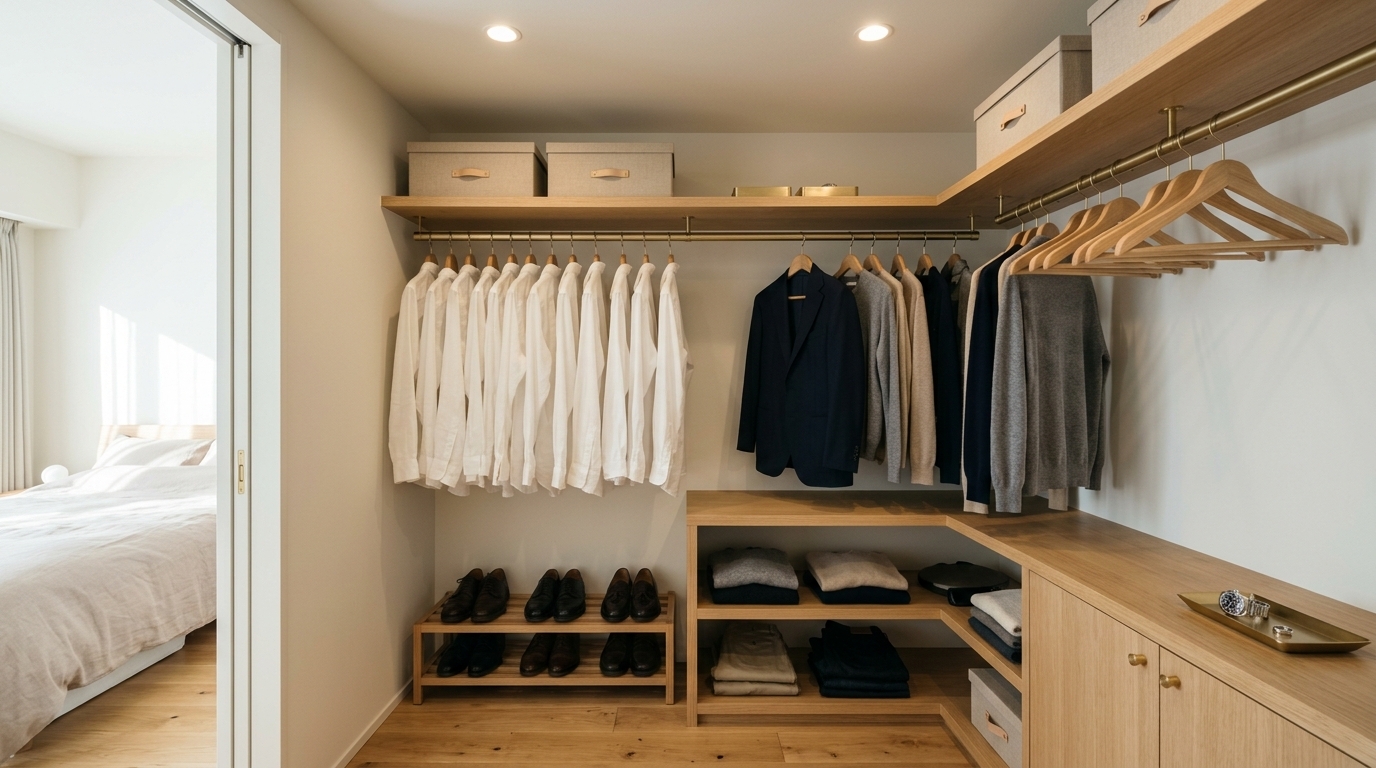
【Building Standards Act & Living】Smart Layout Tips: Transforming a 2SLDK Service Room into a Walk-in Closet or Study
Service rooms that do not qualify as legal bedrooms due to natural daylight requirements offer outstanding utility as centralized wardrobes, creative studios, or tranquil work-from-home offices.
Distinct Neighborhood Balance: Commercial West Exit vs. Academic East Exit
One of Kita-Senju's most captivating qualities is the striking contrast between its East and West exits, coexisting in harmonious equilibrium. When you crave vibrant shopping energy and lively izakaya dining, you head west; when you seek quiet reflection, academic greenery, or a peaceful riverside run, you turn east. Within a single neighborhood, you can seamlessly tailor your surroundings to your mood.
Commercial Density & Downtown Vitality
- ✔ LUMINE Kita-Senju and Marui (Senju Mildis) directly connected for effortless shopping
- ✔ Senju Honcho shopping street and historic post-town alleyways packed with eateries
- ✔ High-end international groceries: Seijo Ishii, Kinokuniya, and Marui gourmet food halls
Academic Calm & Redevelopment Openness
- ✔ Tokyo Denki University campus featuring wide tree-lined plazas and open architecture
- ✔ Low-rise, tranquil residential neighborhoods in Senju Asahi-cho and Senju Azuma
- ✔ Minutes on foot to expansive Arakawa riverbanks for weekend runs and riverside walks
LUMINE, Marui, and Historic Shopping Streets: West Exit Living
Exiting the West ticket gates, residents are met by peerless retail convenience. Connected directly to the station building, LUMINE Kita-Senju houses sophisticated fashion boutiques, cosmetic brands, and an upscale basement delicatessen floor. Directly facing the pedestrian concourse stands Kita-Senju Marui (Senju Mildis); its sprawling basement food hall, the Marui Shokuyukan, gathers traditional fishmongers, artisanal butchers, and regional specialties from across Japan, creating an ideal culinary playground for home cooks.
Furthermore, specialty grocery stores like Seijo Ishii inside LUMINE and Kinokuniya inside the ticket gates stock carefully curated wines, craft cheeses, and imported goods, making an impromptu gourmet evening a natural part of your commute home.
Descending from the pedestrian deck onto Kita-Road 1010, the main boulevard opens up into the vibrant Senju Honcho shopping district and the historic Shukubamachi-dori. As dusk settles, delicious aromas of freshly fried croquettes waft from neighborhood butcher shops, accompanied by warm, friendly greetings. Venturing into side alleys reveals renovated traditional kominka bistros, natural wine bars, craft beer spots, and cozy izakayas that bathe the streets in an inviting glow.
Today, preparatory redevelopment committees and landowner cooperatives along sections of Kita-Road 1010 are actively working toward coordinated updates, promising further pedestrian enhancements and modernized infrastructure for the West Exit in coming years.
University Campus Vistas and Quiet Neighborhoods: East Exit Living
In pleasant contrast to the bustling West Exit, the East Exit exudes a clean, refreshing intellectual ambiance blended with traditional community warmth. The anchor of this environment is the Tokyo Denki University Senju Campus, established in 2012. Built without defensive perimeter walls, the campus grounds flow naturally into the town, with wide, tree-shaded paths and public plazas serving as beloved walking routes for local residents.
Along Gakuen-dori, budget-friendly teishoku set-meal diners and takeout deli stands catering to students sit side by side with independent third-wave specialty coffee roasters, curated pottery boutiques, and artisanal bakeries. The presence of university security, bright campus lighting, and active local patrols ensures exceptional safety day and night, making it one of the most reassuring areas in Tokyo for women and solo expats living alone.
Arakawa Riverside Nature and Seamless East-West Circulation
Strolling just a few minutes eastward from the East Exit residential streets, the horizon suddenly opens up to reveal the magnificent grassy floodplains of the Arakawa River. Under expansive open skies, you easily forget you are minutes away from one of Tokyo's busiest train junctions.
In spring, cherry blossoms bloom in delicate pink arches along the riverbanks; in early summer, vibrant green grass stretches across Rainbow Plaza (Niji-no-Hiroba). On crisp winter evenings, the majestic silhouette of Mount Fuji appears across the twilight sky. Lacing up your running shoes for a morning jog or laying out a blanket with a favorite book provides the ultimate restorative balm for a busy week. The riverbanks are also the proud stage for the Adachi Fireworks Festival each summer, bringing world-class community celebrations to your doorstep.
Once the East Exit redevelopment tower's 3rd-floor pedestrian deck is completed, combining with the existing underground pedestrian corridors, east-west mobility will become virtually effortless. Living quietly on the East Exit while utilizing the premier shopping of the West Exit as your personal extended backyard offers an enviable urban lifestyle.
2026 Average Rent Rates and Neighborhood Breakdown in Senju
When searching for a rental apartment in Tokyo, having an accurate, transparent grasp of market rates and specific neighborhood traits is essential. Because Kita-Senju Station is a premier 5-line transit hub, rental rates carry a slight premium compared to local-train-only stops within Adachi Ward. However, when measured against central Yamanote Line hubs or southern Tokyo (Minato, Meguro, Setagaya), Kita-Senju delivers vastly superior square footage and modern building quality for your budget.
Rent Rates by Layout and Objective Comparison with Nearby Hubs
Based on comprehensive 2026 transaction data, below are the benchmark monthly rents for reinforced concrete (RC and SRC) apartments within a 10-minute walk of Kita-Senju Station:
| Apartment Layout | Benchmark Monthly Rent (Within 10 min, RC) | Floor Area & Key Specifications | Recommended Demographics |
|---|---|---|---|
| Studio / 1K | 72,000 to 85,000 JPY (Newer build with independent washbasin: 80,000 to 92,000 JPY) |
20 to 26 sqm. Separate bath/toilet, auto-lock security standard. | Solo corporate commuters, university researchers, first-time Tokyo expats |
| 1DK / 1LDK | 115,000 to 160,000 JPY (Station-front high-grade: 150,000 to 185,000 JPY) |
32 to 45 sqm. Counter kitchen, reheating bath (oita-ki), package delivery boxes. | Dual-income international couples, remote-work professionals needing dedicated office space |
| 2LDK / 3LDK | 180,000 to 250,000 JPY (Condominium-grade high-rise: 240,000 to 350,000 JPY) |
55 to 75 sqm. Floor heating, dishwasher, walk-in closets, multi-room storage. | Expat families with children, newlyweds, long-term Tokyo residents |
Comparing these rates with adjacent stations along the Joban and Chiyoda lines reveals helpful context. Nearby Ayase (1K: ~68,000 JPY), Kita-Ayase (1K: ~62,000 JPY), Machiya (1K: ~76,000 JPY), and Minami-Senju (1K: ~78,000 JPY) are slightly cheaper by 5,000 to 10,000 JPY per month. However, when factoring in Kita-Senju's direct Chiyoda Line ride to Otemachi, guaranteed morning seats on the Hibiya Line, and rapid JR Ueno-Tokyo Line connections, the daily time savings justify this modest premium.
Moreover, when compared to the interior of the Yamanote Line loop (e.g., Nishi-Nippori 1K: ~92,000 JPY; Ueno 1K: ~105,000 JPY), Kita-Senju allows you to secure either a significantly larger floor plan or a brand-new building with top-tier security for the exact same budget.
Micro-Neighborhood Profiles: Asahi-cho, Azuma, Naka-cho, Nakai-cho, and Okawa-cho
While the entire district shares the name "Senju," each specific sub-neighborhood possesses a unique identity and living texture. Matching your daily commute and lifestyle cadence to the right area is key to finding a home you will love.
Senju Asahi-cho:
Encompassing the East Exit station frontage and the Tokyo Denki University campus, this is the ground-zero epicenter of the new redevelopment. Despite being only 1 to 4 minutes on foot from station gates, the presence of the university campus creates an orderly zone free of adult nightlife or noisy pachinko parlors. With 2026 residential land assessments around 691,000 JPY per square meter and commercial land exceeding 2,400,000 JPY per square meter, this is the premier choice for renters and investors seeking asset security and ultimate transit convenience.
Senju Azuma:
Located just past Gakuen-dori and across the Tobu railway tracks, Senju Azuma is a peaceful residential quarter. Sitting near the Arakawa riverbanks with completely flat terrain, it is exceptionally comfortable for bicycling. Dotted with neighborhood parks and local clinics, its mix of detached homes and low-rise apartments appeals to families and solo renters who prefer serene nights slightly removed from station bustle.
Senju Naka-cho:
Situated southwest of the station along historic Route 4 (Nikko Kaido), Senju Naka-cho offers a graceful, mature atmosphere. Located 5 to 8 minutes on foot from the West Exit, stepping just one block off the main road reveals heritage shrines, temples, and tranquil greenery. It is also an effortless bicycle commute toward central Ueno and Akihabara, making it consistently popular among discerning adult professionals.
Senju Nakai-cho:
Positioned 7 to 12 minutes west of the station, this district offers superior civic infrastructure, hosting the Senju Fire Station and post office, while enjoying easy access to the Senju Ward Residents Office inside Senju Mildis and the Senju Police Station. With wider, tree-shaded sidewalks and peaceful residential blocks, it is an area we enthusiastically recommend to families with young children.
Senju Okawa-cho:
Occupying the northern edge of Senju between the Arakawa and Sumida rivers, this scenic riverside pocket lies 12 to 18 minutes on foot from Kita-Senju Station. While slightly farther from the trains, rental rates are significantly more accessible, and residents enjoy immediate access to vast open skies and water views. For remote-work professionals commuting only occasionally, or outdoor enthusiasts who run or cycle daily, Okawa-cho represents an exceptional hidden gem.
Flexible Budgeting: Crafting a Balanced Rent Structure
While Japanese real estate has traditionally held that "rent should not exceed one-third of your monthly take-home income," modern lifestyles call for a more personalized, nuanced approach.
If you value travel, dining out, and hobbies, opting for a renovated apartment 12 to 15 minutes from the station keeps fixed housing costs modest, leaving ample discretionary income to enjoy life. Conversely, for driven professionals seeking to maximize productivity while minimizing transit exhaustion, allocating up to 35% of net income for a modern, soundproofed RC apartment within 5 minutes of the station is a worthwhile investment in your health and time.
There is no single correct formula. Clarifying what matters most to your wellbeing and aligning your housing budget accordingly is the true foundation of a successful home search.
Arakawa Lowland Flood Hazard Facts & Practical Rental Defense
When searching for a home in the Senju basin, a responsible, licensed real estate professional must address flood hazard realities directly. Understanding official risk maps objectively and choosing building specifications wisely transforms anxiety into dependable safety.
Flood Hazard Realities in the Official Adachi Ward Hazard Map
Kita-Senju sits on lowland terrain embraced by the Sumida River to the west and the Arakawa River to the east and north. According to the Adachi Ward Flood Hazard Map, in the hypothetical event of a catastrophic 1,000-year rainfall (72-hour cumulative precipitation of 632 mm across the Arakawa basin) causing levee failure, flood depths between 3.0 meters and 5.0 meters are projected across widespread areas, including the station vicinity.
A flood depth of 3.0 to 5.0 meters reaches the eaves of the second floor of a standard detached wooden house. While this data requires serious respect, it is no reason to panic. By carefully selecting building construction and floor levels when renting, you can establish powerful, life-protecting safeguards.
Check Flood Depth
Pinpoint the exact projected water height on official hazard maps
Select Structure & Floor
Choose RC/SRC buildings on the 2nd floor or higher (3F+ recommended)
Verify Mechanical Plants
Inspect electrical rooms for elevated positioning or waterproof barriers
Decide Early Evacuation
Move proactively toward elevated ground in Taito or Bunkyo wards
Structural Defenses, Floor Heights, and Mechanical Room Auditing
When selecting a rental apartment in Senju, your strongest line of defense lies in choosing the right structural engineering and floor height.
First, prioritize reinforced concrete (RC) or steel-framed reinforced concrete (SRC) construction. These structures possess immense structural strength against hydraulic pressure and floating debris. Ground-floor units in wooden or light-gauge steel frame buildings should be avoided within designated flood zones due to the risk of severe furniture damage during inundation.
Second, choose units on the 2nd floor or higher, with 3rd-floor units and above strongly recommended. Living on or above the 3rd floor ensures that even if street levels experience temporary water accumulation, your private living space remains safe and dry, enabling secure vertical evacuation within the building.
Finally, a critical detail often overlooked is the location of the building's electrical substation and mechanical equipment. In modern buildings and the upcoming East Exit redevelopment tower, critical electrical infrastructure is installed on upper floors or shielded behind watertight doors. Always have your broker verify whether the property is equipped with entrance flood barriers to guarantee power continuity.
Early Evacuation Planning and Emergency Lifeline Preparation
Unlike localized flash floods triggered by sudden cloudbursts, major river flooding along large water systems like the Arakawa provides substantial warning time—often 12 to 24 hours between upstream rainfall and downstream cresting. When typhoons approach, monitor official alerts from the Japan Meteorological Agency and Adachi Ward, executing a proactive "wide-area evacuation" well before danger levels are reached.
From Kita-Senju Station, the Chiyoda Line takes you directly to the elevated, flood-free Yamanote uplands of Taito and Bunkyo wards (such as Yushima, Nezu, and Hongo) in minutes. Planning to relocate early to a central Tokyo hotel or a friend's residence before planned train suspensions take effect is the smartest strategy.
Additionally, keeping a 3-day (ideally 1-week) emergency supply of drinking water, non-perishable food, portable smartphone batteries, and emergency toilet kits at home is an essential foundation of urban living anywhere in Tokyo.
Expert Tips for Finding an Apartment and Optimizing Move-in Costs
Known across Tokyo for its exceptional livability, Kita-Senju's rental market enjoys strong demand year-round. During the peak moving seasons from autumn through early spring, prime listings often close within days of appearing on portal sites. Navigating this dynamic market requires a proactive timeline and an experienced eye for contract details.
Search Timeline in Kita-Senju's Competitive Rental Market
To secure your ideal apartment in Kita-Senju, start gathering market intelligence approximately 1.5 to 2 months before your targeted move-in date.
In Tokyo's rental market, pre-vacancy applications (applying while the current tenant is still residing in the unit) are increasingly standard. In sought-after areas like Senju Asahi-cho and Senju Naka-cho, premium RC apartments frequently receive applications before the previous tenant vacates.
By consulting a trusted real estate brokerage in advance and registering your parameters, you can access real-time B2B property databases (REINS) and secure desirable listings before they are even uploaded to public consumer portals.
Auditing Rental Quotations and Eliminating Redundant Optional Fees
When signing a rental contract in Japan, many newcomers are surprised by the initial move-in costs, which typically range from 4 to 5 months' rent.
Scrutinizing standard estimates often reveals that alongside essential statutory items (security deposit, key money, first month's advance rent, fire insurance, and initial rent guarantee fee), conventional agencies add discretionary "optional fees."
Common examples include indoor sanitization/antibacterial spraying (15,000 to 35,000 JPY), 24-hour emergency callout fees (15,000 to 25,000 JPY), emergency mini-fire extinguishers (10,000 to 20,000 JPY), and administrative document preparation fees (10,000 to 30,000 JPY). In almost all cases, these items are completely optional and can be declined.
At Sorai Tokyo, our licensed real estate brokers provide a 100% free second opinion review on quotes from any agency, identifying unnecessary padding. When signing your lease through Sorai Tokyo, our standard brokerage fee is just 0.55 months' rent (half-price, tax included), with zero compulsory add-ons, saving you substantial funds to furnish your new home.
Choosing a home is far more than comparing commute minutes and square footage; it is an important life decision about cultivating peace of mind and comfort in your daily routine. On smartphones, access our fixed bottom navigation menu; on desktop, visit our page footer to freely explore Sorai Tokyo's digital tools (SorAi)—including our instant move-in cost simulator, property diagnostic reports, and personalized apartment request forms. If you find a listing you like or want an honest second opinion on a rental quote, reach out to our dedicated licensed real estate brokers anytime via official LINE (@soraitokyo). As local property specialists who deeply love this historic city, we are here to support your Tokyo life journey with complete transparency and care.
Frequently Asked Questions About Moving to Kita-Senju
QWill average rental rates around Kita-Senju rise further after the East Exit redevelopment is completed?
AThe completion of the 29-story mixed-use tower and direct pedestrian deck will undoubtedly elevate the asset value and prestige of the East Exit station-front area (Senju Asahi-cho). Because the tower residences will command premium pricing, newer reinforced concrete apartments within a 5-minute walk are expected to maintain steady, modest upward pressure. However, in residential neighborhoods 10 or more minutes away—such as Senju Azuma or Senju Okawa-cho—abundant existing housing stock means sudden rent surges are unlikely, preserving affordable choices across varied budgets.
QGiven the potential flood risks in the Arakawa basin, what is the most practical safeguard when renting?
AThe single most effective safeguard is choosing an apartment in a reinforced concrete (RC) building on the 3rd floor or higher. This physically elevates your living space above maximum flood projections, enabling safe vertical shelter inside your home. Furthermore, because major river flooding takes many hours to reach lowlands, planning early evacuation via the Chiyoda Line toward the elevated hills of Taito and Bunkyo wards whenever extreme weather warnings are issued ensures complete safety.
QAre there specific safety or nightlife concerns for solo female or expat renters around the West Exit?
AWhile the West Exit bar alleys (Nomimono Yokocho) are vibrant with high foot traffic, they also attract evening drinkers. For women and international residents seeking quiet night walks, the East Exit (Senju Asahi-cho) or well-lit thoroughfares like Shukubamachi-dori on the West Exit are recommended. The East Exit is exceptionally peaceful and safe thanks to Tokyo Denki University's bright campus illumination, security guards, and neighborhood cameras. We always advise taking an evening walk along your prospective commute route during property viewings to experience the lighting and ambiance firsthand.
QMy initial rental quote from another real estate agency seems very expensive. Can it really be reduced?
AIn many instances, yes. Arbitrary optional add-ons listed on agency quotes—such as indoor sanitization spraying, 24-hour support fees, fire extinguishers, or document fees—can frequently be declined through professional broker negotiation. Furthermore, if you are being charged a full month's rent plus tax for brokerage fees, Sorai Tokyo reduces this fee to just 0.55 months' rent (half price, tax included). Simply send a photo of your quote to our official LINE, and our licensed brokers will audit it for free, pinpointing exactly how much you can save.

Author: Sorai Tokyo Editorial Team (Supervised by Licensed Real Estate Agents)
A real estate consulting team specializing in assisting foreign nationals find rooms and explaining initial costs in Tokyo. We break down language barriers and differences in customs, offering dedicated support in Japanese, English, and Vietnamese for a safe and secure start to your new life.