
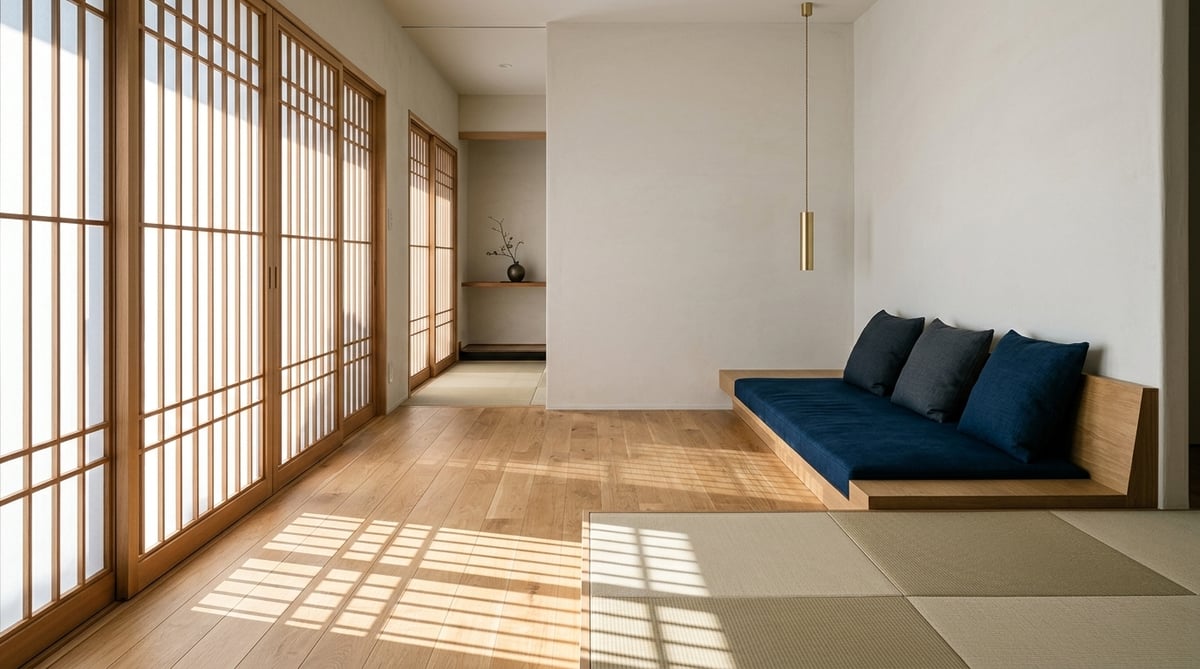
In the crisp morning air, soft sunlight filters through the lush canopy of Higashi-Ayase Park as you walk at an unhurried pace toward the elevated station gates. During peak weekday commute hours between 7:00 and 8:00 AM, train lines heading into central Tokyo become overwhelming rivers of crowded commuters. Yet, stepping onto the platform just a few minutes before departure, securing a comfortable seat, and waiting calmly for the departure chime brings an invaluable sense of peace and mental breathing room to the start of your day.
The Tokyo Metro Chiyoda Line serves as a vital economic and cultural artery, directly connecting world-renowned hubs such as Otemachi, Kasumigaseki, Akasaka, and Omotesando. Because of its tremendous convenience, inbound trains continuing from the JR Joban Local Line experience heavy morning congestion. However, located in eastern Adachi Ward, Ayase Station and Kita-Ayase Station feature unique train scheduling mechanisms that allow smart residents to commute with a guaranteed seat every single morning. Transforming 40 minutes of clinging to a hanging strap in a crowded train into personal quiet time—reading a book, checking the morning news on your smartphone, or closing your eyes to organize your thoughts—dramatically elevates everyday life quality for busy international professionals, expats, and students alike.
Drawing upon a decade of frontline expertise as a licensed Japanese real estate broker (Takken), this comprehensive guide breaks down the operational timetables of originating trains from Ayase Station's middle track (Platforms 2 and 3), queueing etiquette and recommended arrival times during peak rush hours, an objective comparison with Kita-Ayase Station (which upgraded to direct 10-car service in 2019) and Kita-Senju Station (the starting terminal for the Hibiya Line), as well as rent cost-performance comparisons that reveal substantial savings over inner-city neighborhoods.
- Combined 24 total departures between Ayase and Kita-Ayase
- Reliable boarding margin even during peak rush hours
- Direct underground connection to Tokyo Station concourses
Ayase Station Platform Layout and Originating Middle Track Operations
To consistently secure a seat at Ayase Station, one must understand its unique track structure and how Tokyo Metro Chiyoda Line trains interact with the through-running JR Joban Local Line. Ayase Station is an elevated facility designed with a 2-island, 3-track main layout across Platforms 1 through 4, where the single central middle track is shared between Platforms 2 and 3. (In addition, a cut-out terminal platform, Platform 0, sits on the eastern end dedicated solely to the short Kita-Ayase branch shuttle). For morning commutes into central Tokyo, understanding Platforms 1 through 3 is essential.
Located on the outer southern side, Platform 1 handles through-service trains arriving from Abiko, Kashiwa, and Matsudo on the JR Joban Local Line bound for Yoyogi-Uehara. Because these trains carry thousands of commuters from suburban Chiba and Ibaraki prefectures, congestion levels surge to 140% to 160% between 7:30 and 8:30 AM on weekdays. Standing room near the doors is completely packed, making it practically impossible to find an open seat when boarding from Platform 1 at Ayase.
In contrast, the central Platforms 2 and 3 share a single middle track exclusively dedicated to trains that start their journey directly at Ayase Station. Platform 2 forms the inner face of the south platform, while Platform 3 forms the inner face of the north platform. When an originating train pulls into this middle track, doors on both sides open simultaneously. Passengers can board from either platform, though due to stairwell and gate positions, the vast majority of local commuters line up along Platform 2 on the southern side.
On the outer northern side, Platform 4 serves outbound Chiyoda Line and Joban Local Line trains bound for Kashiwa, Abiko, and Toride, as well as northbound services to Kita-Ayase. During morning peak hours, it functions primarily for alighting passengers or those transferring toward Kita-Ayase.
Trains that originate from the middle track (Platforms 2 and 3) fall into two distinct operational categories, each offering specific platform arrival times and cabin conditions:
- Out-of-Depot Trains (Ayase Rail Depot Departures)
These trains deadhead directly onto the middle track from the expansive Tokyo Metro Ayase Depot situated north of Kita-Ayase Station. They arrive at the platform roughly 4 to 5 minutes prior to scheduled departure. Having just undergone thorough interior cleaning, inspection, and ventilation inside the depot, the seats are immaculate, and the air conditioning or heating is dialed in, providing a clean, fresh, and deeply comfortable atmosphere. - Turnaround Trains (Inbound Returns from Central Tokyo)
These services arrive from the direction of Yoyogi-Uehara as terminating services at Ayase. Once all passengers alight, the train turns around on the middle track to head back toward Yoyogi-Uehara. Conductors perform a swift cabin inspection for forgotten items, and boarding doors reopen within 3 to 4 minutes. While severe morning delays across the wider network can occasionally delay their arrival, turnaround runs operate with clockwork precision during normal service schedules.
Making a seated commute an effortless daily morning routine follows three straightforward steps:
Arrive at Platform 2 / 3
Pass through ticket gates 8 to 12 minutes before departure and head to the middle platform.
Queue at Boarding Markings
Stand in the designated boarding lines on the platform floor for the next or second-next train.
Board & Enjoy Your Commute
Take your seat when doors open on both sides and enjoy 24 quiet minutes to Otemachi.
By keeping this platform setup in mind, you can bypass the stress of crowded through-trains arriving on Platform 1 and head straight to the middle track for a relaxed, seated journey.
Simply enter the rent and deposit from portal listings to calculate a full, itemized breakdown including brokerage and guarantor fees without hidden add-ons.
Platform Queueing Etiquette and Peak Rush Hour Timetable Data
Even with originating empty trains, many commuters gather on the platform during peak rush hour seeking seats. To board calmly without rushing, it is essential to understand the platform floor markings and recommended waiting times for each departure bracket.
On Platforms 2 and 3 at Ayase Station, designated originating train boarding positions are clearly painted on the platform floor at each train door location. Commuters form two orderly lines (three in select congested spots) split into two groups: the front group waiting for the next immediate departure, and the rear group waiting for the second-next train. If the line for the next departing train is already long and seats appear unlikely, simply take a position at the front of the line for the second-next train. By letting just one train pass, you secure a spot at the very head of the line for the subsequent departure.
Below is practical operational data showing representative weekday morning departures (7:00 to 9:00 AM) from the middle track, along with recommended arrival times and seating difficulty ratings:
| Departure Time | Destination | Train Type | Recommended Queue Time | Seating Difficulty & Platform Conditions |
|---|---|---|---|---|
| 7:03 AM | Yoyogi-Uehara | Depot Departure | 4 mins before | Easy. Early departure with short queues; open seats available even upon platform arrival. |
| 7:34 AM | Yoyogi-Uehara | Turnaround | 8 to 10 mins before | Moderate. Commuters arriving before 8:30 AM start queueing at each door position. |
| 7:50 AM | Yoyogi-Uehara | Depot Departure | 10 to 12 mins before | Slightly busy. Clean depot interior. Arriving 10 minutes prior ensures a seat. |
| 8:05 AM | Yoyogi-Uehara | Turnaround | 12 to 15 mins before | Peak rush. Concentrated demand for 9:00 AM office arrivals. Queueing for the second-next train recommended. |
| 8:22 AM | Seijo-Gakuen-Mae | Depot Departure | 10 to 12 mins before | Peak window. Highly sought-after Odakyu Line through service. Arrive 10 minutes prior. |
| 8:31 AM | Yoyogi-Uehara | Turnaround | 8 to 10 mins before | Moderate to busy. Congestion starts easing past peak, but queueing remains necessary. |
| 8:40 AM | Meiji-Jingumae (Harajuku) | Depot Departure | 7 to 9 mins before | Moderate. Convenient for Omotesando and Harajuku. Platform conditions noticeably calmer. |
| 8:46 AM | Yoyogi-Uehara | Turnaround | 6 to 8 mins before | Relatively easy. Popular with flex-time workers and 9:30 AM office schedules. |
| 8:56 AM | Mukogaoka-Yuen | Depot Departure | 5 mins before | Easy. Morning rush has largely wound down; seats readily available with minimal wait. |
As this timetable indicates, the busiest departures are the 8:05 AM bound for Yoyogi-Uehara and the 8:22 AM bound for Seijo-Gakuen-Mae. These align with 9:00 AM start times in business hubs like Otemachi, Hibiya, and Kasumigaseki. Commuter lines begin reaching seating capacity roughly 12 minutes before departure. If traveling during this peak window, arriving at the platform around 8:00 AM and taking the front of the second-next train queue ensures a stress-free seat.
Furthermore, depot departures (7:03, 7:50, 8:22, 8:40, 8:56 AM) remain stationed on the middle track slightly longer than turnaround trains, offering impeccably clean interiors and pre-adjusted cabin temperatures. If your morning schedule allows a few minutes of flexibility, timing your commute around these depot runs provides an exceptionally comfortable ride.
Travel Times to Otemachi, Kasumigaseki, Omotesando and the Power of Seated Commuting
The Tokyo Metro Chiyoda Line ranks among the most coveted commuter routes across the greater Tokyo metropolitan area because of its direct path into premier business districts and cultural destinations. Slicing diagonally across central Tokyo from the east before reaching major western transit hubs, it eliminates transfers entirely.
Departing Ayase, the train crosses the Arakawa River to arrive at major terminal Kita-Senju Station in just 3 minutes. From Kita-Senju, seamless transfers connect to the Hibiya Line, Tobu Skytree Line, JR Joban Rapid Line, and Tsukuba Express. When seated on the Chiyoda Line, however, you bypass interchange crowds entirely.
Continuing westward, the train reaches Nishi-Nippori Station in approximately 10 minutes (9 minutes during off-peak hours), offering straightforward transfers to the JR Yamanote and Keihin-Tohoku Lines for convenient connections toward Ikebukuro, Shinjuku, and Ueno. In just 24 minutes during morning peak hours (and 19 minutes during normal midday hours), you arrive directly at Otemachi Station, the heart of Japan's corporate headquarters. Otemachi connects seamlessly to the Marunouchi, Tozai, Hanzomon, and Toei Mita Lines, while extensive underground walkways lead straight into Tokyo Station, letting you reach office lobbies on rainy days without an umbrella.
Travel times remain swift across the line: approximately 31 minutes to government district Kasumigaseki Station (24 minutes off-peak), 40 minutes to upscale fashion capital Omotesando Station (30 minutes off-peak), 41 minutes to Meiji-Jingumae (Harajuku) Station (32 minutes off-peak), and 46 minutes to western transit gateway Yoyogi-Uehara Station (38 minutes off-peak). Reaching all of these destinations in a single seated ride provides a substantial quality-of-life advantage.
| Destination Station | Travel Time from Ayase | Key Transfer Lines | Daily Lifestyle Value of a Seated Ride |
|---|---|---|---|
| Kita-Senju | Approx. 3 mins | Hibiya Line, Tobu Line, JR Joban Rapid, Tsukuba Express | Quick access to Lumine and Marui shopping malls for dining, groceries, and weekend leisure. |
| Nishi-Nippori | Approx. 10 mins (9 mins off-peak) | JR Yamanote Line, JR Keihin-Tohoku Line, Nippori-Toneri Liner | Convenient transfer point to the northern Yamanote loop toward Ikebukuro and Ueno. |
| Otemachi | Approx. 24 mins (19 mins off-peak) | Marunouchi, Tozai, Hanzomon, Mita Lines, JR Tokyo Station | Over 20 minutes of reading, reviewing documents, or clearing your inbox before entering the office. |
| Kasumigaseki | Approx. 31 mins (24 mins off-peak) | Marunouchi Line, Hibiya Line | Direct access to ministerial and legal offices, arriving refreshed without crowd exhaustion. |
| Omotesando | Approx. 40 mins (30 mins off-peak) | Ginza Line, Hanzomon Line | Listen to podcasts or read a full book chapter in comfort; effortless weekend boutique shopping. |
| Meiji-Jingumae (Harajuku) | Approx. 41 mins (32 mins off-peak) | Fukutoshin Line, JR Yamanote Line (Harajuku Station) | Gateway to Shibuya, Harajuku, and Daikanyama with a relaxing ride almost to the end of the line. |
| Yoyogi-Uehara | Approx. 46 mins (38 mins off-peak) | Odakyu Odawara Line through service & connection | Direct connections to Shimokitazawa and Machida, maximizing seated rest across the city. |
Securing a seat on your daily round-trip commute does far more than reduce physical fatigue. A one-way ride of 20 to 30 minutes equates to roughly 40 to 60 minutes of seated personal time every day. Calculated over an average working year of 240 days, this totals 160 to 240 hours per year of peaceful, uninterrupted personal time.
Enduring packed carriages shoulder-to-shoulder, where checking a phone screen is an ordeal, drains mental energy. In contrast, resting in a comfortable seat where you can read, acquire new skills, or meditate before work fosters long-term mental resilience and career productivity. Over one or two years, this daily difference profoundly shapes personal well-being.
Direct Comparison: Ayase vs. Kita-Ayase vs. Kita-Senju (Hibiya Line)
When searching for neighborhoods in eastern Tokyo offering seated commutes, three primary contenders emerge: Ayase Station, Kita-Ayase Station, and neighboring Kita-Senju Station. Each station presents distinct operating patterns, benefits, and local living characteristics. Here is an in-depth comparison to help you choose the best fit for your workplace and lifestyle.
Kita-Ayase Station: Upgraded 10-Car Through Service Since 2019
Located at the northern terminus of the Chiyoda Line, Kita-Ayase Station was historically limited to a short 3-car branch line operating between Ayase and Kita-Ayase. In March 2019, platform extension work accommodating full 10-car trains was completed, initiating direct through service toward Yoyogi-Uehara and transforming local transit convenience.
The primary advantage of Kita-Ayase is that as a physical terminal station, passing through the ticket gate guarantees that every inbound train starts empty. Unlike Ayase Station, where through-running trains on Platform 1 mix with originating trains on the middle track, inbound trains at Kita-Ayase originate right at the platform. During the morning rush between 7:00 and 8:00 AM, approximately 5 to 7 direct through-trains depart toward Yoyogi-Uehara per hour.
However, practical factors should be noted. During daytime, late-night, and select morning off-peak hours, some 3-car shuttle trains still run back and forth between Kita-Ayase and Ayase, requiring a platform transfer at Ayase to continue onward. Additionally, while the opening of the station-connected shopping complex LaLa Terrace Kita-Ayase in 2025 significantly elevated neighborhood convenience, Ayase Station still holds a distinct edge in terms of commercial diversity, boasting multiple competing supermarkets, a vibrant local shopping street, and abundant independent eateries.
Kita-Senju Station: Originating Hibiya Line Trains vs. Chiyoda Line Reality
Serving four railway operators and five lines, Kita-Senju Station is well known as a seated transit hub. However, foreign residents and newcomers must recognize an important distinction: at Kita-Senju, seated morning departures originate on the Tokyo Metro Hibiya Line, NOT the Chiyoda Line.
Because Kita-Senju serves as the northeastern terminus of the Hibiya Line, queueing on the platform allows seated commutes toward Ueno, Akihabara, Ginza, Roppongi, and Ebisu—an exceptional asset for professionals working in those districts. On the Chiyoda Line, however, Kita-Senju acts as an intermediate bottleneck where Joban Line through-trains and Ayase originating trains merge under heavy commuter loads. Boarding the Chiyoda Line at Kita-Senju during morning rush hours means entering a crowded train with zero chance of sitting down.
Consequently, if your workplace lies in Otemachi, Kasumigaseki, Akasaka, or Omotesando, choosing Ayase or Kita-Ayase rather than Kita-Senju is the only way to commute with a guaranteed seat on the Chiyoda Line.
Direct Transit & Vibrant Commercial Hub
- Frequent weekday morning departures originating from the middle track
- Shortest transit time to central Tokyo with high-frequency local services
- Large Ito-Yokado, Tokyu Store, OK Supermarket, and bustling local shopping streets
- Extensive late-night dining and grocery options for effortless daily living
Cost Savings & Quiet Residential Setting
- True line terminus: step onto the platform and every inbound train starts empty
- 5 to 7 direct through-trains to Yoyogi-Uehara per hour during morning rush (7–8 AM)
- Average monthly rents run 5,000 to 8,000 yen lower than Ayase
- Tranquil green environment adjacent to Shobunuma Park
For those seeking dynamic station-side convenience paired with dependable seating, Ayase Station is an ideal match. For residents seeking lower monthly housing costs and terminal certainty in a calmer neighborhood, Kita-Ayase Station offers an attractive alternative.
Ayase Rental Market Rates and 2-Year Total Housing Cost Comparisons
Alongside transit access, housing costs represent the foundational criterion when choosing a home. Along the Chiyoda Line, rental prices rise steeply as you approach central Tokyo. In contrast, Ayase and Kita-Ayase maintain exceptionally reasonable market rates while remaining safely within Tokyo's 23 wards.
Sitting on the border between Adachi and Katsushika Wards, market rents around Ayase Station average 68,000 to 75,000 yen per month for studio and 1K apartments suited to single professionals. Spacious 1LDK apartments average 118,000 to 132,000 yen per month. At neighboring Kita-Ayase Station, rates are even more accessible, with 1K units averaging 62,000 to 68,000 yen and 1LDK units ranging from 108,000 to 120,000 yen for modern properties.
Let us compare these figures to stations further inbound along the Chiyoda Line, such as Kita-Senju, Nishi-Nippori, and Bunkyo Ward hubs like Yushima and Shin-Ochanomizu.
| Station Name | 1K / Studio Average Rent | 1LDK Average Rent | Travel Time to Otemachi | Morning Seating Feasibility |
|---|---|---|---|---|
| Kita-Ayase | 62,000–68,000 yen | 108,000–120,000 yen | Approx. 23 mins (direct) | Excellent (Terminal start) |
| Ayase | 68,000–75,000 yen | 118,000–132,000 yen | Approx. 24 mins (19 off-peak) | Excellent (Middle track start) |
| Kita-Senju | 78,000–88,000 yen | 135,000–155,000 yen | Approx. 16 mins (direct) | Poor (Packed through-trains) |
| Nishi-Nippori | 88,000–98,000 yen | 155,000–180,000 yen | Approx. 10 mins (direct) | Poor (Boarding at peak congestion) |
| Yushima / Shin-Ochanomizu | 105,000–125,000 yen | 200,000–240,000 yen | Approx. 2–4 mins (direct) | Poor (Short ride, standing only) |
When signing a standard rental contract in Japan, looking only at the monthly rent difference obscures the full financial picture. Calculating the total 2-year housing outlay (24 months of rent and management fees, a 1-month contract renewal fee, and initial move-in costs amortized across the lease) reveals the true scale of your savings.
Consider this standard 2-year simulation for a typical 1K apartment across three locations:
- Ayase Station (Estimated 1K rent: 72,000 yen/month)
Rent & management fees (24 months): 72,000 yen × 24 = 1,728,000 yen
Contract renewal fee (1 month rent): 72,000 yen × 1 = 72,000 yen
Brokerage fee (1 month rent equivalent): 72,000 yen
Total 2-Year Housing Cost: Approx. 1,872,000 yen - Nishi-Nippori Station (Estimated 1K rent: 93,000 yen/month)
Rent & management fees (24 months): 93,000 yen × 24 = 2,232,000 yen
Contract renewal fee (1 month rent): 93,000 yen × 1 = 93,000 yen
Brokerage fee (1 month rent equivalent): 93,000 yen
Total 2-Year Housing Cost: Approx. 2,418,000 yen (Difference vs. Ayase: +546,000 yen) - Yushima / Shin-Ochanomizu Station (Estimated 1K rent: 115,000 yen/month)
Rent & management fees (24 months): 115,000 yen × 24 = 2,760,000 yen
Contract renewal fee (1 month rent): 115,000 yen × 1 = 115,000 yen
Brokerage fee (1 month rent equivalent): 115,000 yen
Total 2-Year Housing Cost: Approx. 2,990,000 yen (Difference vs. Ayase: +1,118,000 yen)
Living in Ayase frees up approximately 550,000 yen compared to Nishi-Nippori, and over 1.1 million yen compared to inner-city Yushima over a single 2-year lease. This substantial surplus can be channeled into home furnishings, healthy cooking appliances, language studies, travel, or long-term investments without squeezing your monthly budget.
While paying premium rent to live walking distance from central offices makes sense for those prioritizing absolute travel minimization, choosing Ayase—reaching Otemachi in 24 morning minutes while sitting comfortably and saving over 1 million yen every two years—represents a remarkably smart and balanced Tokyo lifestyle.
Everyday Living and Neighborhood Conveniences Around Ayase
The true value of a home extends beyond train timetables and square footage. Street lighting on your evening walk, reliable supermarket selections, and the welcoming warmth of neighborhood storefronts all deeply influence daily contentment. The area surrounding Ayase Station offers an exceptional density of practical amenities tailored for comfortable daily life.
Diverse Supermarkets for Daily Essentials and Gourmet Cooking
A standout advantage of Ayase Station is the presence of several high-quality supermarkets with distinct price points and specialties, all within easy walking distance:
- Ito-Yokado Ayase Branch
A comprehensive multi-story department store and supermarket located east of the station. In addition to an expansive basement grocery hall, it houses daily household goods, casual clothing, cosmetics, a 100-yen shop, and casual dining under one roof. It serves as an all-in-one resource for evening dinner shopping and weekend essentials. - Tokyu Store Ayase Branch
Directly connected under the elevated tracks at Ayase Station's East Exit (open 9:00 AM to 10:00 PM), this supermarket allows you to shop on your way home without getting wet on rainy days. An integrated Daiso 100-yen shop adds everyday convenience, offering fresh produce and household sundries in one quick stop. Both Tokyu Store and Ito-Yokado operate until 10:00 PM, easily accommodating late work hours. - OK Supermarket Ayase Ekimae Branch
Widely celebrated for its 'High Quality, Everyday Low Price' philosophy, this popular discount supermarket sits on the southern residential side of the station. Condiments, imported meats, wines, and frozen staples are sold at unmatched local discounts, making it a favorite for home cooks looking to minimize grocery expenses. - Belx Adachi-Ayase Branch
A community-focused grocery store renowned for the freshness and affordability of its seasonal produce and fresh fish. It provides a fantastic way to enjoy seasonal Japanese ingredients on an accessible budget.
Complementing these markets, the elevated shopping arcade M'av Ayase Lieta extends beneath the railway tracks, featuring bakeries, relaxed cafes, casual eateries, massage clinics, and dental offices. With major drugstores and Kumazawa Bookstores located nearby, morning air carries the scent of freshly baked bread, while evenings feature peaceful neighborhood streets filled with residents picking up dinner.
Expansive Waterfront Parks and Four-Season Green Spaces
While Ayase balances practical commercial convenience with a touch of historic downtown Tokyo warmth, it also enjoys remarkable access to nature.
Stretching northward from the station, Higashi-Ayase Park is a 2-kilometer-long linear park built along a preserved historic waterway. In spring, cherry blossoms form a breathtaking pink canopy overhead, while early summer brings dappled sunlight filtering through lush greenery. Its scenic walking and jogging paths along gentle streams provide an inspiring setting for morning runs, dog walks, and weekend outdoor relaxation.
Within Higashi-Ayase Park stands the Tokyo Budokan sports complex, which hosts martial arts events and provides a fully equipped fitness gym open to the general public. The park grounds also feature the municipal Higashi-Ayase Heated Indoor Pool (Suisui Land Ayase), open year-round. Exercising or swimming here costs just a few hundred yen per session—eliminating the need for expensive private gym memberships, a delightful hidden perk for fitness enthusiasts.
Near Kita-Ayase Station lies Shobunuma Park, a famous municipal garden featuring approximately 8,100 Japanese irises across 140 varieties that burst into vibrant bloom in early summer. With tranquil waterfalls, traditional waterwheels, and shaded benches, strolling through the park with a cup of coffee provides an effortless weekend escape from city bustle.
Safety Enhancements and Urban Modernization
Historical perceptions of eastern Tokyo have been thoroughly rewritten in recent years through proactive police patrols, extensive station-side plaza redevelopment, and an influx of young professionals, expat workers, and growing families moving into newly built condominiums.
Police boxes (Koban) are strategically situated along pedestrian paths at both the East and West Exits. Major streets are brightly illuminated well into the night, providing peace of mind for women living alone or commuters returning late. Station-side cafes frequently host remote workers and students quietly working on laptops over the weekend, reflecting a safe, orderly, and steadily modernizing residential atmosphere.
Frontline Broker Tips: Key Inspection Points for Ayase Apartments
To find an ideal rental in Ayase and prevent unexpected surprises after moving in, keeping professional real estate inspection points in mind is crucial. Here are essential physical checks that cannot be spotted from online portal floor plans alone.
1. Elevated Station Walking Times: Factoring Vertical Movement
Standard Japanese real estate walking time guidelines calculate distances mechanically at 80 meters per minute (rounding up fractions). However, official listings never include vertical travel time from ticket barriers up to the platforms, nor time spent waiting at pedestrian traffic signals.
Because Ayase is an elevated station, walking from street entrance turnstiles and ascending stairs or escalators to second-floor platforms takes roughly 2 to 3 minutes under normal conditions. If aiming for originating middle track trains, you should arrive at the platform markings at least 8 minutes before departure. When evaluating an apartment, factor in station vertical movement and street crossings rather than relying solely on the listed walking minutes.
2. Soundproofing Along Elevated Railway Tracks (Window Sash Ratings)
JR Joban and Chiyoda Line elevated tracks run east to west through Ayase, carrying high-frequency train traffic throughout the day. When viewing properties near the tracks, always evaluate interior sound isolation with all windows firmly closed.
Pay close attention to window sash specifications. Modern, high-grade apartments install acoustic-rated soundproof sashes (T-2 or T-3 grade) or secondary interior storm windows (double sashes). Secure the window latch firmly and listen carefully to confirm that passing trains are muted to an imperceptible hum. As a broker tip, remember that units positioned just above the height of elevated track acoustic barriers can sometimes catch sound waves curving upward, making on-site ear checks vital.
3. Flood Hazard Maps (Arakawa and Ayase Rivers) and Floor Level
Because Adachi Ward lies on low-lying ground between the Arakawa and Ayase Rivers, reviewing official municipal flood hazard maps is an indispensable safety step. Certain low-elevation pockets are designated as inundation risk zones during historically extreme rainfall.
To prioritize safety, selecting an apartment on the second floor or higher (2F+) is a sound rule of thumb. In an extreme flood event, living above the ground floor provides safe vertical evacuation that protects personal belongings. From a professional building inspection angle, properties that house essential electrical switchboards (cubicles) and water pumps on elevated platforms or intermediate floors rather than in basements recover far faster following severe weather emergencies.
4. Station Bicycle Parking and Cycling Commute Routes
Residential neighborhoods situated 12 to 15 minutes on foot from Ayase Station, or in the peaceful pocket between Ayase and Kita-Ayase, offer spacious layouts and newer construction at highly attractive rental rates. For these homes, commuting by bicycle is an ideal solution.
Keep in mind that Adachi Ward strictly impounds bicycles parked illegally on streets around Ayase Station. You should verify monthly commuter bicycle parking availability around the station before finalizing a lease. Municipal underground bicycle garages and private commuter lots occasionally operate waiting lists during the spring moving season, so confirming a spot early ensures smooth daily commuting.
Elevate Your Daily Rhythm with a Thoughtful Tokyo Home
There is a world of difference between being jostled in a packed train on weekday mornings and stepping onto a platform a few minutes early to sink into a comfortable seat bound for Otemachi or Omotesando. Choosing where to live in Tokyo is not merely about finding a place to sleep—it defines the emotional mindset and energy with which you begin each day.
Living immediately beside an inner-city downtown station to shave off transit minutes is one valid lifestyle choice. At the same time, choosing a welcoming neighborhood like Ayase or Kita-Ayase—enjoying a guaranteed seat every morning, saving over one million yen in living costs every two years, and investing that surplus into career goals, health, and memorable weekends—is an exceptionally rewarding path. There is no single correct answer; listening to what your mind and body need is the first step toward finding a home you will love.
At Sorai Tokyo, we accompany international residents, expats, and students every step of the way with transparent, foreigner-friendly real estate guidance. If you discover an interesting rental listing on SUUMO, HOME'S, or any Japanese property portal, simply share the URL with our team on our official LINE (@soraitokyo). A licensed real estate broker will cross-reference nationwide professional agent databases, verify real-time availability, clear away unnecessary markup fees, and provide a 100% free, honest initial quote audit—all without phone calls, store visits, or pressure.
Whether using a smartphone via our fixed bottom navigation or accessing our website on desktop, you can explore SorAi smart tools anytime, including our Move-in Cost Simulator, Property Diagnostic Reports, Custom Search Requests, and Online Video Consultations. We look forward to helping you discover a tranquil Tokyo home that turns every morning commute into a comfortable journey.
Frequently Asked Questions: Chiyoda Line Seated Commutes from Ayase & Kita-Ayase
QHow many minutes before departure should I line up to get a seat on an originating train from Ayase?
AWhile platform volume fluctuates, arriving at the boarding markings roughly 8 to 10 minutes before scheduled departure secures a seat on the majority of morning trains. For peak departures around 8:00 AM (such as the 8:05 AM bound for Yoyogi-Uehara), we recommend queueing 12 to 15 minutes early, or lining up at the head of the second-next train queue to board with total peace of mind.
QWhich station offers an easier seated commute: Ayase or Kita-Ayase?
AIf your primary priority is absolute boarding certainty, Kita-Ayase Station holds the advantage. Because it is the physical northern terminus of the line, every inbound train begins completely empty. On the other hand, Ayase Station mixes through-running trains on Platform 1 with originating runs on the middle track, but it offers a higher overall frequency of morning departures, shorter headways, and vastly superior station-side supermarkets and shopping amenities.
QWhat happens to originating middle track trains at Ayase if the Chiyoda Line is delayed?
AWhen major schedule disruptions occur along the Chiyoda Line or through-running JR Joban Line, train departures may be reordered, and turnaround services may be held temporarily. However, out-of-depot departures from the adjacent Ayase Rail Depot often operate reliably because train sets and crews are already stationed on-site. When irregular announcements occur, listen carefully to platform instructions from station staff for smooth boarding.
QIs Ayase safe for single women or international newcomers concerned about historical reputation?
AYes, neighborhood safety around Ayase Station has improved dramatically thanks to ongoing station plaza redevelopment, active Koban police patrols, and community surveillance cameras. The area now features clean rental apartments and family condominiums, with well-lit avenues and active foot traffic around Tokyu Store, Ito-Yokado, and OK Supermarket late into the evening. By choosing an apartment along main thoroughfares featuring auto-lock security on the second floor or higher, single international residents can live here with complete confidence and peace of mind.

Author: Sorai Tokyo Editorial Team (Supervised by Licensed Real Estate Agents)
A real estate consulting team specializing in assisting foreign nationals find rooms and explaining initial costs in Tokyo. We break down language barriers and differences in customs, offering dedicated support in Japanese, English, and Vietnamese for a safe and secure start to your new life.