
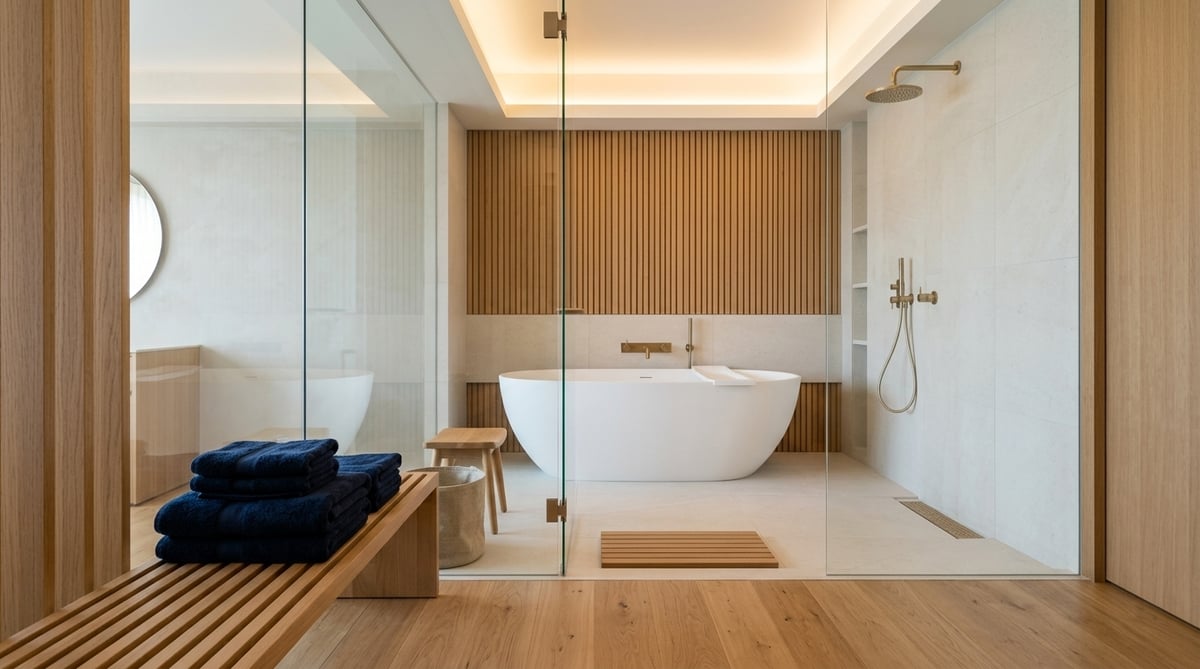
At 8:00 PM after a full workday, you break a healthy sweat at a station-front gym, then push past the traditional noren curtains of Takara-yu, a classic temple-style sento bathhouse. Submerging your shoulders into steaming hot water, you take a deep breath while gazing out at a serene Japanese garden. After warming to the core in the sauna, you step outside into the crisp night breeze and stroll leisurely down historic Shukuba-machi Street toward home. Moving your body, resetting your senses, and savoring wholesome meals—Kita-Senju offers an exceptionally complete stage for melting away daily stress and living in peak health.
Over a decade of handling rental brokerage and neighborhood research across Tokyo's vibrant downtown districts—Adachi, Katsushika, and Arakawa Wards—I have received countless heartfelt consultations from clients: "Because work is demanding, I want to build an effortless exercise routine right near home," or "I want to live in an environment where sento baths and saunas help restore my autonomic nervous system." For professionals struggling with sedentary routines, screen fatigue, and declining sleep quality, neighborhood selection directly shapes both physical vitality and mental clarity.
"Is my inability to stick with the gym just a lack of willpower?" "If I pick an apartment far from the station, will I dread stopping by after work?" Such doubts are completely natural. To sustain workouts and self-care over the long haul, what matters most is not sheer willpower, but choosing a living environment where movement and recovery are seamlessly integrated into your daily commute.
Kita-Senju Station boasts formidable transit mobility, served by five distinct rail lines: the JR Joban Line, Tokyo Metro Chiyoda and Hibiya Lines, Tobu Skytree Line, and Tsukuba Express. This network provides direct, single-seat rides into major business districts such as Otemachi, Hibiya, Kasumigaseki, Roppongi, and Akihabara. Right around the station lies a dense cluster of 24-hour fitness centers, full-scale athletic clubs, yoga studios, and reformer Pilates studios. Stroll just a few minutes farther, and historic neighborhood sentos become part of your everyday landscape. Furthermore, along the eastern boundary of the neighborhood stretches the vast Arakawa Riverbank, offering miles of uninterrupted running paths free from traffic signals.
Here, the entire cycle of working out, restorative recovery, and resting at home unfolds effortlessly along the path connecting your train to your front door. Drawing upon a decade of walking alongside clients as a licensed real estate broker, this guide reveals practical strategies for choosing the right home in Kita-Senju and crafting a wellness-focused rental life that you will never want to quit.
- Direct access via Chiyoda, Hibiya, JR, Tobu, and TX substantially trims daily commute times
- hour gyms, full-service health clubs, yoga, and Pilates clustered within easy walking distance
- Run continuously beneath open skies from Senju-Shinbashi Bridge to Nishi-Araibashi Bridge
Reset Body and Mind in Kita-Senju: A Fitness-Focused Rental Lifestyle
Why 5-Line Direct Access to Central Tokyo Makes Consistent Workouts Effortless
The two biggest hurdles to maintaining a consistent exercise habit are a lack of time and the sheer exhaustion that comes from daily commuting. When you are packed into crowded commuter trains for more than two hours round-trip every day, finding the energy to travel to a gym on your days off becomes an uphill battle.
Choosing Kita-Senju Station as your residential base offers a tremendous advantage: having five distinct transit lines at your disposal dramatically cuts your commute to Tokyo’s primary business hubs. Via the Tokyo Metro Chiyoda Line, Otemachi Station is a direct 16-minute ride, and Kasumigaseki Station is just 21 minutes away. The Hibiya Line connects directly to Ueno Station in about 9 minutes, Akihabara Station in 12 minutes, and offers seamless, transfer-free access all the way to Ginza and Roppongi. On top of that, the JR Joban Line (via the Ueno-Tokyo Line) and the Tsukuba Express whisk you into Akihabara in roughly 10 minutes on rapid services.
Reclaiming that commuting time creates invaluable breathing room in both your mornings and evenings. Even waking up at 7:00 AM, you have time for a quick 30-minute workout and a shower at a nearby 24-hour gym before heading to the office. In the evening, returning home in the 7:00 PM hour leaves plenty of energy for a proper strength-training or yoga session before dinner. Freedom from constant time pressure forms the single strongest foundation for building a sustainable, stress-free fitness routine.
Kita-Senju's Neighborhood Character: Where Urban Convenience Meets Shitamachi Serenity
Another key factor that makes Kita-Senju such an exceptional choice for a fitness-focused lifestyle is its harmonious balance between bustling commercial convenience around the station and the gentle, calming ambiance of traditional shitamachi retro charm tucked into its backstreets.
Step out of the West Exit, and you are greeted by major retail complexes like Kita-Senju Marui and Lumine Kita-Senju, flanked by the main station avenue and historic Shukuba-machi shopping street with late-night shops, grocers, and drugstores. Yet walk just a few minutes into the surrounding residential neighborhoods, and the streetscape quickly softens into peaceful, low-traffic lanes where traditional Japanese homes and independent neighborhood grocers foster a relaxed, authentic everyday rhythm.
Over on the East Exit side (also known as the Dendaiguchi side), home to Tokyo Denki University's campus, the Gakuen-dori shopping street provides a vibrant, clean energy free of nightlife entertainment clutter. Within a 5-minute walk from the station, the atmosphere opens up into tranquil low-rise residential pockets and the expansive, refreshing greenery along the Arakawa River. Immersing yourself in this timeless local charm eases the daily tension of city life, allowing your autonomic nervous system to naturally reset. Kita-Senju gives you the best of both worlds: first-class urban convenience paired with a peaceful sanctuary where you can truly slow down and breathe.
Consult with experienced bilingual real estate advisors via video call. From selecting safe neighborhoods to verifying contract terms, we help you find the right home.
Station-Front 24-Hour Gyms & Full-Service Fitness Centers Compared: Anytime Fitness, Gold's Gym, and Megalos
24-Hour Fitness Gyms Tailored to Your Lifestyle
For residents with irregular work hours or those who prefer working out at their own pace—whether during the early hours before commuting or late at night after a long day—the 24-hour, equipment-focused gyms around the station are dependable options.
Within easy walking distance of Kita-Senju Station, you will find several 24-hour gym chains with distinctly different appeals, notably Anytime Fitness and chocoZAP.
Anytime Fitness (with nearby locations including the Kita-Senju and Kita-Senju East Exit branches) features high-grade free weights—such as power racks and dumbbells—alongside extensive cardio machines and private shower booths. With round-the-clock security systems in place, solo female users can train with peace of mind. Because your membership grants reciprocal access to all domestic and global locations, you can conveniently train in Kita-Senju on weekdays and visit other branches while out on weekends—an ideal fit for those seeking dedicated, serious workouts.
On the other hand, chocoZAP stands out for its budget-friendly monthly membership and effortless convenience: no workout change of clothes required and outdoor shoes are fully permitted. With locations dotted around Kita-Senju Station and along residential commuting routes, it easily becomes part of your daily routine to drop by in casual street clothes for a quick 15-minute session on your way home or during errands. It provides an exceptionally welcoming, low-barrier option for beginners looking to weave just 10 minutes of exercise into their everyday lives.
Comprehensive Fitness Clubs Combining Full-Scale Facilities, Pools, and Spas
For those looking to break a sweat in studio classes, swim laps in a pool regardless of the weather, or recover after a workout in a spacious sauna and thermal bath, large full-service fitness clubs near the station are an ideal fit.
A flagship, serious-training facility in the Kita-Senju area is Gold's Gym Kita-Senju Tokyo, located about an 8-minute walk from the West Exit inside the Tokyo Art Center. Trusted by athletes worldwide, its lineup of training machines and expansive free-weight area are truly impressive. Beyond receiving coaching from certified personal trainers, members have access to a dry sauna, jacuzzi, and protein bar—providing an exceptionally supportive environment for dedicated fitness enthusiasts.
Meanwhile, Sports Club & Sauna Spa Renaissance Kita-Senju 24, situated about a 3-minute walk from the East Exit (Dendai Exit), combines comprehensive sports club amenities with a 24-hour gym area. It features a heated pool and large group studios alongside authentic saunas and a relaxing hot-spring-style spa. You can enjoy the pool or group classes during the day, fit in strength training late at night or early in the morning at the 24-hour gym, and unwind in the expansive hot baths and saunas—all right by the station. With additional nearby full-service options such as Megalos available as well, the sheer depth of choices tailored to your routine is one of Kita-Senju's greatest lifestyle appeals.
Women-Only Facilities, Reformer Pilates, and Hot Yoga Studios
Specialized yoga and reformer Pilates studios are exceptionally popular among residents looking to build core strength, refine their posture, or ease persistent issues like shoulder stiffness and poor circulation.
Around the West Exit of Kita-Senju Station, you will find major chains such as the hot yoga studio LAVA Kita-Senju, along with several boutique studios equipped with dedicated Pilates reformers. Hot yoga, practiced in a heated environment with rhythmic deep breathing, promotes healthy circulation through gentle perspiration and deeply releases muscular tension.
Reformer Pilates uses specialized spring resistance to support the body while realigning the pelvis and spine, making it accessible even for beginners to maintain proper form without undue strain. Committing to just one or two sessions a week helps stabilize your center of gravity while walking, bringing an effortless grace to your daily standing and sitting posture.
| Facility Type | Representative Facilities & Gyms | Station Exit & Walking Distance | Key Equipment & Features | Estimated Monthly Fee | Recommended For |
|---|---|---|---|---|---|
| 24-Hour Fitness Gym | Renaissance Kita-Senju 24 (Gym Area) FIT-EASY & other local 24h gyms |
West Exit / East Exit 2–6 min walk |
Power racks, dumbbells, cardio machines, private shower stalls | 7,500 JPY – around 9,000 JPY |
Those who want dedicated weight training at their own pace early morning or late night |
| Convenience Gym | chocoZAP (Multiple Kita-Senju branches) |
West Exit / East Exit 3–8 min walk |
Weight machines, cardio, self-aesthetic services, no shoe/clothes change needed | 3,278 JPY (tax included) |
Beginners looking for quick 15-minute workouts in everyday clothes during spare moments |
| Full-Scale Athletic Club | Gold's Gym Kita-Senju Tokyo (Inside Tokyo Art Center) |
West Exit Approx. 8 min walk |
World-class machines, expansive free weight area, sauna, protein bar | 10,000 JPY – around 15,000 JPY |
Those seeking serious bodybuilding, intensive training, or professional trainer guidance |
| 24-Hour Comprehensive Sports Club | Renaissance Kita-Senju 24 (In front of East Exit Tokyo Denki University) |
East Exit (Dendai Exit) Approx. 3 min walk |
24h gym, heated swimming pool, studio classes, thermal bath spa, sauna | 9,000 JPY – around 14,000 JPY |
Those who want full access to weight training plus swimming pool, studio programs, and spa baths |
| Yoga & Pilates | LAVA Kita-Senju Various machine pilates studios |
West Exit 2–5 min walk |
Hot yoga studios, dedicated reformer pilates machines | 9,000 JPY – around 16,000 JPY |
Those focusing on core strengthening, posture alignment, and improving circulation |
Takara-yu, the "King of Engawa," and Sento Sauna Culture: The Everyday Luxury of Historic Neighborhood Bathhouses
The Traditional Japanese Garden and Open-Air Bath of Takara-yu
You cannot talk about healthy living in Kita-Senju without highlighting its historic sento bathhouses, celebrated by bath enthusiasts and sauna devotees across Japan. The crown jewel among them is Takara-yu in Senju-Motomachi, which has welcomed bathers since 1938.
A pleasant 15-to-20-minute walk from the Kita-Senju Station West Exit takes you through historic post-town shopping streets to reveal its stately shrine-style architecture, crowned by a graceful undulating roof gable. After stowing your shoes in a traditional wooden locker and stepping past the noren curtain, you are greeted by an airy changing room with soaring coffered ceilings and an impeccably maintained bath hall.
Takara-yu earned its reputation as the "King of Engawa" and "King of Sento Gardens" thanks to the magnificent Japanese garden adjoining the men's changing area across a traditional wooden veranda. Carefully sculpted garden stones, seasonal azaleas and Japanese maples, and vibrant koi carp gliding through the pond create a living painting. After soaking in the piping-hot bath or the daily herbal bath, stepping out onto the engawa lets the cool open air gently soothe your flushed skin, washing away the fatigue of daily life.
Takara-yu is also equipped with a far-infrared sauna (available for a modest extra fee) and a cold plunge pool fed by silky-smooth groundwater. Sweating deeply in the sauna, submerging into soft natural well water, and lounging on the veranda or open-air patio for an outdoor air bath completes the classic hot-cold contrast routine. Repeating this cycle two or three times restores your autonomic nervous system and leaves you with an incomparable sense of mental clarity. Having even one evening a week reserved for Takara-yu adds genuine richness and depth to everyday Tokyo life.
Station-Adjacent Sauna Bathhouses like Yamato-yu and Ume-no-yu
While Takara-yu in Senju-Motomachi serves as an indulgent weekend ritual, Kita-Senju also boasts convenient station-adjacent bathhouses tailored for an effortless stop on your evening commute.
Tucked into a quiet alley just a 1-to-2-minute walk from the Kita-Senju Station East Exit (Den-Dai Exit), Ume-no-yu is an exceptionally practical neighborhood sento open late until 11:30 PM. While preserving its retro attendant-counter style, its baths feature invigorating jet streams, microbubble jacuzzi tubs, and soothing electric baths—ideal for resetting tired muscles after work or a workout. Because it stays open late into the evening, you can drop by after overtime or a heavy gym session, recharge in the steaming water and sauna, and head straight home ready for bed.
Across the East Exit shopping promenade in Senju-Asahicho lies Yamato-yu, where you can unwind in natural hot water immersed in an authentic, gentle neighborhood ambiance. The West Exit area also hosts cherished, long-standing bathhouses such as Midori-yu in Senju-Yanagicho and classic baths in Senju-Nakaicho. Exchanging warm greetings with the master at the front desk and sharing quiet, respectful steam with local regulars offers a grounded peace of mind that is all too easy to lose in a fast-paced metropolis.
Making the City Your Bathroom: Reimagining the Compact Unit Bath
Guiding international clients through Tokyo property viewings, I frequently hear a familiar dilemma: "I want to keep my monthly rent budget lean, but I dread the thought of cramping into a tiny all-in-one unit bath tub every night."
In Tokyo, apartments with separated bath and toilet layouts typically command rents starting from 75,000 to 90,000 yen per month, even for modest studio or 1K floor plans. However, if you adopt a lifestyle where you take quick, functional showers in your home unit bath on busy weekdays and head out two or three times a week to expansive neighborhood sento tubs and saunas, your apartment-hunting options expand dramatically.
Because Kita-Senju is blessed with extraordinary bathhouses within comfortable walking distance, choosing a compact unit bath layout allows you to secure well-located apartments in the 50,000 to 60,000 yen range. Reinvesting that monthly rent savings of 15,000 to 25,000 yen into a gym membership or higher-quality groceries often does far more for your physical and mental well-being than a slightly larger private bathtub ever could. Treating the entire neighborhood as an expansive extension of your living room is one of the smartest lifestyle insights unique to Tokyo's historic quarters.
- Effortless Access: Zero travel time; hop in for a swift rinse right after waking up or right before climbing into bed
- Substantial Rent Savings: Opting for an integrated unit bath significantly lowers your fixed monthly housing costs
- Balanced Rhythm: Quick morning showers at home on weekdays, reserved deep soaks at local bathhouses when you want to unwind
- Minimal Cleaning Upkeep: A compact wet area takes just a couple of minutes to wash down and keep spotless
- Total Bodily Relaxation: Soaring ceilings, open architecture, and deep, steaming tubs where you can stretch your legs out fully
- Sauna & Plunge Synergy: Elevating your heart rate before plunging into chilled groundwater completely resets mental fatigue
- Four Seasons in the Garden: Cooling off on authentic verandas like Takara-yu while gazing at tranquil koi ponds restores inner calm
- Enhanced Sleep Quality: Warming your core body temperature through deep soaking triggers restorative, unbroken slumber at night
Zero Traffic Lights and Endless Pavement: Running and Cycling along the Arakawa Riverbank
Uninterrupted Miles from Senju Shinbashi to Nishiarai Bridge
While logging miles on a gym treadmill has its place, on clear mornings and gentle evenings nothing compares to running outdoors with a natural breeze against your face. For runners and cyclists residing in Kita-Senju, one of the neighborhood's finest lifestyle assets is the expansive Arakawa Riverbank, which meanders gracefully along the northern and eastern edges of town.
From Kita-Senju Station's East Exit (Den-Dai Exit), a scenic five-minute stroll through the peaceful residential streets of Senju Asahi-cho and Hinode-cho brings you straight to the riverbank embankment. Ascend the levee steps, and an expansive vista unfolds before your eyes—one so open it is hard to believe you are still in Tokyo. Free from towering skyscrapers that block your sightline, an endless blue sky and the sunlit waters of the wide river basin greet you across the entire horizon.
Along the levee runs a broad, fully paved asphalt path—the Arakawa Emergency Riverway. Starting from the Kita-Senju riverbank, you can run downstream toward Horikiri Bridge or upstream past Senju Shinbashi, Nishiarai Bridge, and Kohoku Bridge without a single red light or intersection halting your stride. Unlike running along downtown city thoroughfares, you never have to break rhythm for pedestrian crossings or traffic signals. That exhilarating freedom to focus solely on your heart rate and breathing tempo is an invaluable sanctuary in modern city living.
Seasonal Blooms and Open Skies: The Recharging Space of Rainbow Square
Just downstream from Senju Shinbashi, along the riverbank bordering Senju 5-chome, lies Rainbow Square (Niji no Hiroba), a beloved local retreat for Kita-Senju residents.
In spring, roughly 30,000 vibrant tulips burst into bloom, framed by soft green open lawns. Taking a pause here mid-run to stretch on a wooden riverside bench or rehydrate while gazing at Tokyo Skytree in the distance effortlessly releases daily physical and mental tension.
On weekend mornings, you will find locals practicing outdoor yoga in the morning light, working through interval conditioning along the grassy levee slopes, or propping up their bicycles to read by the water. Having a natural sanctuary filled with earth, breeze, and wide-open skies just outside your front door offers profound long-term rewards for everyday health and balance.
Night Running Safety: Lighting and Security Considerations
While the Arakawa Riverbank provides an ideal daytime workout environment, as a licensed real estate professional with deep experience in urban security, I must share a candid advisory regarding night use.
Aside from small sections directly beneath major bridge crossings, the riverbank pathways and levee trails have virtually no streetlights. Once night falls, the area becomes pitch-black. This makes uneven ground difficult to spot and significantly increases personal security vulnerabilities. For solo female runners in particular, night training along the riverbank is strongly discouraged.
If you prefer evening jogs, the smartest choice is to stay along the brightly lit, well-trafficked commercial corridors around the station. Streets like Old Nikko Kaido (Shukubamachi-dori) and Senju Honcho-dori by the West Exit, or Gakuen-dori Shopping Street near the East Exit, retain brilliant street illumination and steady foot traffic well past 9:00 PM. I recommend enjoying the open riverbank paths while daylight lasts, then shifting evening workouts to illuminated station-area routes or convenient 24-hour fitness centers nearby.
| Course Name | Distance & Est. Time | Surface & Gradient | Key Highlights & Scenery | Recommended Hours & Pro Advice |
|---|---|---|---|---|
| Senju Shinbashi to Nishiarai Bridge Loop | Approx. 5.0 km round-trip (25 to 35 min) |
Fully paved asphalt Completely flat |
Expansive Arakawa river basin, opposite greenway, distant Tokyo Skytree view | Morning 6:00 to 9:00 / Late afternoon 16:00 to 18:00 Zero traffic signals. Because there is virtually no midday shade, wearing a running cap and carrying adequate hydration is essential. |
| Rainbow Square Recovery Route | Approx. 1.5 km one-way (10 to 15 min) |
Paved trail + lawn plaza Gentle levee slopes |
Spring tulip gardens, expansive grassy grounds, waterside resting benches | Weekend mornings Perfect for pairing a short warmup jog with outdoor lawn yoga or core bodyweight mobility work. |
| Arakawa Long-Distance Cycling Path | 10+ km one-way (30+ min) |
Designated emergency river road Flat |
Riverside panoramas stretching toward Kohoku Bridge and the Iwabuchi Floodgates | Early weekend mornings Well-suited for cardiovascular training on road bikes or cross bikes. Always maintain low speeds and courtesy around joggers and walkers. |
| Gakuen-dori to Shukubamachi Night Loop | Approx. 3.0 km circuit (18 to 25 min) |
Standard paved sidewalks Completely flat |
Atmospheric downtown merchant avenues, vibrant shopfronts, bright streetlamps | Evening 20:00 to 22:00 An illuminated alternative designed for nighttime peace of mind. Be mindful of fellow pedestrians and neighborhood cyclists. |
The Golden Commute Line: Designing a "Station–Gym–Home" Route That Makes Consistency Effortless
Why Placing the Gym on Your Commute Path Is Everything
Many people have experienced the bitter frustration of joining a fitness club only to become a "ghost member" within the first month. The single most common culprit behind quitting an exercise routine is simple: returning home first, taking off your shoes, and changing into loungewear.
When you get home exhausted from work, flip on the lights, and sink into the sofa, your brain instantly switches into rest mode. Having to change back into workout clothes, pack sneakers into a gym bag, and step back outside the front door requires immense mental willpower. It is notoriously difficult for human biology to overcome this high friction barrier.
The definitive solution for building a lasting workout habit is selecting an apartment where the gym sits directly along your natural walking path from the station ticket gate to your front door. If your gym is right on the street you walk down after exiting Kita-Senju Station, the detour distance is effectively zero. Keeping your workout gear in your work bag transforms going to the gym into a seamless, subconscious habit done "on the way home." Whether you can stay consistent with fitness ultimately hinges on the layout of your daily commute line during your apartment hunt.
Comparing Commute Lines: West Exit vs. East Exit
When searching for a rental property around Kita-Senju Station, the West Exit and the East Exit (Tokyo Denki University Exit) offer distinctly different fitness route dynamics.
The West Exit area (Senju 3-chome, Senju Nakacho, Senju Nakaicho, etc.) features gyms seamlessly integrated into station shopping complexes, major retail buildings, and bustling shopping arcades. For example, if you walk through the station-connected Lumine or Marui department stores and stroll down Senju Honcho-dori, Gold's Gym Kita-Senju Tokyo inside Tokyo Art Center, several 24-hour fitness centers, and boutique Pilates studios naturally fall along your walk home. Dining and grocery shopping options abound, making it easy to establish a highly functional routine where you train, pick up fresh groceries, or grab high-protein meal options at a nearby supermarket or drugstore on the way home.
The East Exit area (Senju Asahicho, Hinodecho) offers a simpler, more tranquil routine. Stepping out of the East Exit ticket gate brings you directly in front of the Tokyo Denki University campus, where Renaissance Kita-Senju 24 is located, alongside several 24-hour fitness facilities along Gakuen-dori. Just a two-to-three-minute walk from the ticket gate lets you stop by for a workout and a soak in the hot bath or spa. From there, you can walk home through the gentle lantern light of the Gakuen-dori shopping street into a peaceful residential neighborhood. Because this route completely bypasses bustling nightlife entertainment districts, it is exceptionally well-suited for those who value a clean, quiet environment to support a healthy, balanced lifestyle rhythm.
Essential Apartment Amenities for Fitness Enthusiasts
When living a fitness-oriented rental lifestyle centered around daily gym workouts and running, specific apartment features that might be overlooked during a standard apartment search can make a dramatic difference in your day-to-day comfort.
First and foremost is laundry convenience and a bathroom ventilation dryer system. Once you begin working out regularly, your volume of sweaty athletic wear and towels multiplies. A built-in bathroom dryer allows you to dry your laundry overnight or while sleeping, ensuring your gear is always fresh, clean, and ready for tomorrow.
Second is dedicated kitchen storage space. Large bags of protein powder, supplement bottles, and shaker cups consume an unexpected amount of countertop and cabinet real estate. Verifying during property viewings that the kitchen has adequate cupboard shelving or floor space for a storage utility cart will save you significant daily hassle.
Third is the presence of an elevator. Leg workouts and long runs along the riverside leave lower body muscles thoroughly fatigued. To avoid having stairs become a painful daily burden, practical broker advice is to prioritize reinforced concrete (RC) buildings equipped with elevators when living on upper floors, or stick to the first or second floor in walk-up properties.
Grocery Shopping for Protein and Healthy Eating: How to Maximize Seijo Ishii at Lumine and Local Shopping Streets
Organic Ingredients at Seijo Ishii in Lumine Kitasenju and Underground Food Halls
When it comes to building strength and conditioning your body, daily nutritional intake is just as crucial as your workout routine. If you train hard at the gym but your diet consists mostly of processed meals and fried foods, much of that hard work goes to waste.
The neighborhood surrounding Kitasenju Station offers an exceptionally convenient environment for health-conscious home cooks. At the center of it all is Lumine Kitasenju, directly connected to the station. On the first floor, Seijo Ishii Lumine Kitasenju carries an extensive selection of premium essentials ideal for athletic conditioning—including high-protein low-fat Greek yogurt, protein bars, organic oatmeal, unsalted mixed nuts, and quality olive oil. You can exit the ticket gates after work and effortlessly pick up the nutritional supplements and clean foods you need without even having to step out into the rain.
Furthermore, Lumine The Kitchen on the B1 level of Lumine and the Marui Shokuyukan on the B1 level of Kitasenju Marui house an array of high-grade butcher shops, fresh fishmongers, and additive-free delicatessens. Here, you can source fresh, high-protein, low-fat staple proteins such as lean domestic beef cuts, fresh chicken tenders, and sashimi-grade tuna and salmon in prime condition. Whenever you feel like cooking a slightly more elaborate meal on the weekend, department store-quality ingredients are readily available right outside the station.
Sourcing High-Protein Staples from Butchers and Greengrocers Along Shukubamachi-dori and Gakuen-dori
In addition to the sophisticated selections inside the station buildings, one of Kitasenju's greatest lifestyle advantages as a traditional downtown neighborhood is the remarkable freshness and affordability of its classic shotengai shopping streets.
Along Shukubamachi-dori and Senju Honcho-dori on the West Exit, as well as Gakuen-dori on the East Exit, welcoming local greengrocers, family butchers, and fishmongers remain vibrant and active. Greengrocer storefronts are lined with fresh produce essential for fitness and health management—such as broccoli, tomatoes, spinach, and avocados—all priced affordably. Friendly, warm greetings from shop owners also bring a refreshing sense of vitality to everyday neighborhood life.
Local butchers along the shopping streets also sell fresh domestic chicken breast and tenderloins by weight at budget-friendly prices. While chicken breast can easily become dry, cooking freshly ground or butchered cuts at low temperatures produces remarkably moist, tender, and juicy results. Sourcing fine seasonings and specialty organic goods from Seijo Ishii at the station, while picking up fresh produce and poultry from neighborhood shops—this hybrid approach balancing upscale basement food halls with traditional downtown shopping streets is the key to sustaining a healthy, balanced home-cooking routine effortlessly over the long run.
Healthy Dining Out in Kitasenju: Maintaining Your Macronutrient Balance on Busy Days
Even on evenings when you return exhausted from work and lack the energy to cook, Kitasenju allows you to dine out healthily without derailing your nutritional balance.
The station area features not only wholesome set-meal chains serving vegetable-packed dishes, but also plenty of yakitori spots for lean poultry and steakhouses specializing in lean cuts. Moreover, if you venture slightly further toward Senju-Kawaracho near the Adachi Fish Market, you will find casual eateries operated directly by wholesale brokers, where you can enjoy fresh seafood bowls and grilled fish set meals for breakfast or lunch. Incorporating blue-backed fish and tuna rich in high-quality omega-3 fatty acids into your daily meals promotes muscle recovery and keeps your physical conditioning at its peak. In Kitasenju, an environment that supports your physical well-being—whether you choose to cook at home or dine out—is firmly woven into the fabric of everyday life.
Frequently Asked Questions (FAQ)
Q round Kita-Senju Station, which neighborhoods offer both easy access to 24-hour gyms and a quiet living environment?
A If you want to balance tranquil residential living with effortless gym access, we highly recommend Senju Asahi-cho or Hinode-cho on the East Exit (Dendai Exit) side. Right outside the East Exit, you have 24-hour facilities like Renaissance Kita-Senju 24 and Anytime Fitness. You can easily swing by the gym straight from the ticket gates and then walk home in 5 to 8 minutes through a calm, low-rise residential neighborhood without passing through any nightlife districts. Plus, the Arakawa riverbank is only a few minutes away on foot. On the other hand, if you prefer the West Exit side, the areas around Senju Nakai-cho and Senju Midori-cho, just past Shukuba-machi Street, are ideal. You can take full advantage of Gold's Gym and commercial hubs right by the station while enjoying the peaceful atmosphere set one street back from the main thoroughfare.
Q If I visit public bathhouses or saunas on a regular basis, are there any smart ways to lower my rent when apartment hunting?
A highly effective way to curb rental costs is to intentionally consider apartments with an all-in-one unit bathroom (a combined shower, tub, and toilet). In the Kita-Senju area, while apartments with separate bath and toilet facilities typically rent for 75,000 to 90,000 yen, units with combined bathrooms can easily be found for around 50,000 to 65,000 yen per month. By taking quick morning showers at home and heading out in the evening to soak in the spacious mineral baths and saunas of renowned local bathhouses like Takara-yu or Ume-no-yu, you can shave about 15,000 to 25,000 yen off your monthly fixed expenses while enjoying an exceptionally rich bathing lifestyle.
Q If I want to go for regular runs along the Arakawa riverbank, is it more convenient to live by the East Exit or the West Exit?
A If having the shortest, most direct access to the riverbank is your top priority, the East Exit area (Senju Asahi-cho and Hinode-cho) is definitely your best bet. A flat 3-to-5-minute stroll through the quiet neighborhood brings you right up onto the embankment, making it effortless to head out for a run before work or early on weekend mornings. From the West Exit side, reaching the riverbank requires walking north toward Senju 5-chome (near Niji no Hiroba) or toward Senju Ohashi. However, if you want both the vibrant convenience of the West Exit shopping arcades and seamless jogging routes, the areas around Senju 4-chome and 5-chome, just north along Shukuba-machi Street, serve as excellent access points.

Author: Sorai Tokyo Editorial Team (Supervised by Licensed Real Estate Agents)
A real estate consulting team specializing in assisting foreign nationals find rooms and explaining initial costs in Tokyo. We break down language barriers and differences in customs, offering dedicated support in Japanese, English, and Vietnamese for a safe and secure start to your new life.