
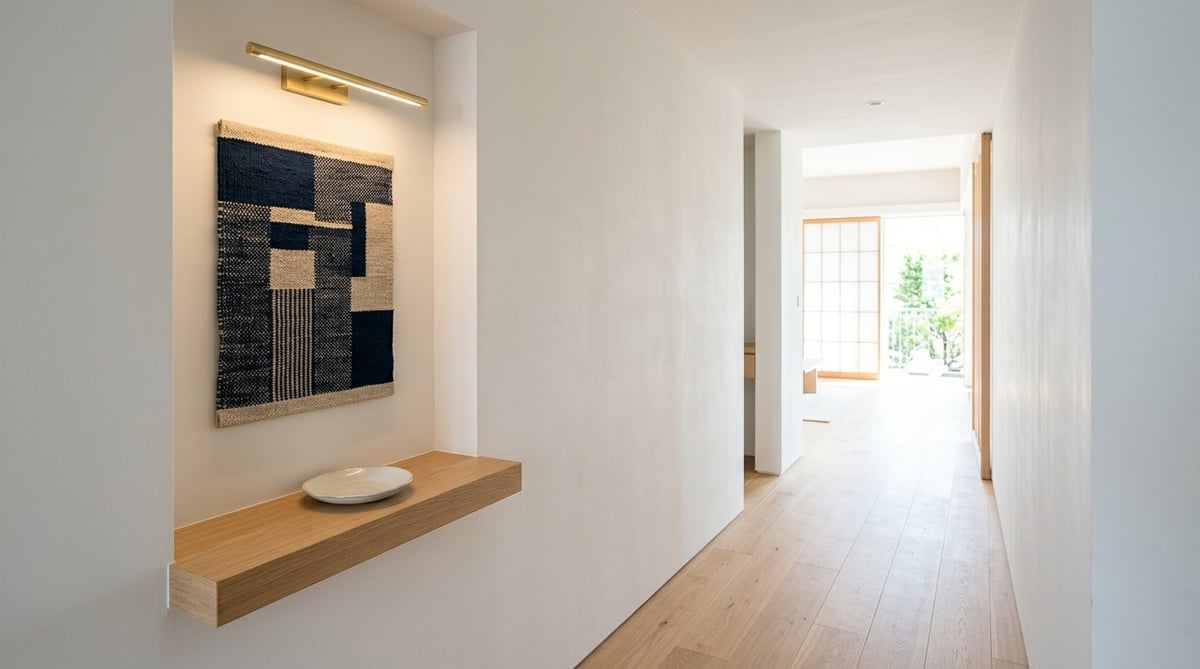
When relocating to a new neighborhood, touring an apartment in person is undoubtedly the highlight of apartment hunting. Studying floor plans, picturing where your furniture will go, and exploring nearby cafes along your future commute is naturally an exciting step toward your new life. However, it is surprisingly common for renters to sign a lease, move in, and then face unexpected realities—footsteps echoing from upstairs far louder than anticipated, an existing refrigerator that misses fitting into the kitchen nook by a matter of millimeters, or a nighttime walk home from the station that suddenly turns dark, deserted, and unsettling.
A meticulous on-site property viewing is your strongest defense against these post-move regrets. Viewing an apartment is not merely about admiring how spacious or clean a room looks. It is a vital, hands-on step where you assess the sensory, lived experience of a home—dimensions that two-dimensional floor plans and staged online photos can never capture. How does the gentle morning light actually filter into the living space? How much street noise fades away once the heavy front door clicks shut? How safe and comfortable does your walking route feel when you return late at night? Drawing on a decade of practical experience as a licensed real estate broker, this comprehensive guide outlines every checkpoint and concrete procedure you need to choose a Tokyo rental with absolute peace of mind.
- Safety margin factoring in door frames and handrails
- Inner clearance limit for standard 640 mm outer pans
- Vertical clearance measured from floor or pan base
The Significance and Mindset of Property Viewings: Defining Your Quality of Rental Life
In Japan, signing a standard residential lease typically assumes a two-year commitment. While contracts usually include an early termination clause, the financial and emotional toll of relocating again after just a few months—factoring in moving costs, agency fees, and setup expenses—is substantial. That is precisely why the mindset you bring to the brief 30- to 60-minute in-person viewing before signing will largely define the quality of your day-to-day life for years to come.
Sensory Realities Beyond Floor Plans and Listing Photos
Photos on rental portal sites, frequently taken with wide-angle lenses, tend to appear brighter, deeper, and considerably more spacious than they are in reality. Even in older buildings, a fully renovated interior can look just as pristine as a brand-new apartment on screen. Once you step foot inside the actual property, however, a rush of sensory information that no photograph can convey immediately greets you.
Consider, for example, the subtle scent of mildew or drainage odors that may greet you the moment you open the front door, the low-frequency rumble of a nearby arterial road, or the faint hum of a neighbor's television through the wall. None of these can ever be confirmed without standing in the space, taking a quiet breath, and listening carefully. Conversely, the refreshing breeze that sweeps through when you slide open a window, or the tangible sense of distance to neighboring buildings, are vital living elements that cannot be gauged simply by reading "South-facing" on a floor plan.
Clarifying Priorities and Acceptable Trade-offs Before the Viewing
Across Tokyo's 23 wards and surrounding suburbs, finding a rental that scores a perfect 100 out of 100 on rent, location, layout size, building age, and amenities is exceptionally rare. Every home comes with its own unique balance of strengths and drawbacks; finding the right apartment is fundamentally a journey of deciding what you value most in your daily rhythm and where you can comfortably compromise.
Everyone's lifestyle priorities differ: one person may crave a serene, quiet haven to recharge and sleep deeply after demanding workdays, another may envision weekend mornings brewing coffee in a bright, sun-drenched kitchen, while another may prefer a compact footprint close to the station to cut commuting time to the absolute minimum. Before heading out on viewings, sit down with your partner or reflect on your own to clearly articulate your "top three non-negotiables" alongside "trade-offs you can comfortably accommodate." Having these boundaries firmly in mind ensures you can make calm, confident, and satisfying decisions whenever doubt arises on-site.
The Discrepancy Between Floor Plan Dimensions and Usable Living Space
During on-site viewings, many apartment hunters are taken aback by the noticeable gap between a listing that advertises a "6.0-mat room" or a "private floor area of 25.5 square meters" and how the room actually feels in person. This phenomenon stems directly from how residential floor areas are measured under Japan's Building Standards Act and real estate advertising fair competition rules.
In Japanese property listings, exclusive floor area is conventionally calculated using the "wall-center method," which measures from the structural centerline of surrounding walls. In everyday life, however, the space where you can actually walk and place furniture is the net usable area, measured along the interior wall surfaces. Because the thickness of the walls is included in advertising figures, the usable interior in a standard reinforced concrete apartment is typically 5% to 8% smaller than advertised. Furthermore, in buildings with prominent structural pillars or overhead beams jutting into the living area, the footprint of those pillars is included in the room's floor mat count. As a result, you might find that an advertised 6-mat room leaves almost no floor clearance once a single bed and a compact desk are brought in. Verifying the true, practical dimensions with your own eyes—rather than taking listing numbers at face value—is the indispensable first step of any successful viewing.
Essential Items to Bring to an Apartment Viewing and How to Use Them Wisely
Making the most of an apartment viewing requires careful preparation beforehand. Showing up empty-handed, casually glancing around, and simply remarking that the place looks nice is a surefire way to miss critical details and regret it later. Below is a curated checklist of essential items to pack in your bag, along with practical steps for putting them to work during your visit.
Tape Measure (Steel, 5m+): Measuring Furniture Spaces and Delivery Pathways
A reliable tape measure is your most essential companion during a property viewing. Soft vinyl tape measures or short pocket rulers from 100-yen shops tend to bend and buckle halfway through, making it virtually impossible for one person to accurately measure ceiling heights, long hallways, or deep alcoves. Make sure to bring a rigid steel tape measure at least 5 meters long, equipped with a reliable locking mechanism and clear markings. With this single tool, you can precisely record the long dimensions of living spaces, ceiling heights, refrigerator alcoves, and the exact clearance of the entrance doorway down to the millimeter.
Smartphone: Photo Records, Bubble Level, Compass, and Cellular Signal Checks
In modern apartment viewings, your smartphone serves as an indispensable multi-tool for inspections. First and foremost is capturing photos and videos. Take detailed photos of power outlet locations, air conditioner model numbers, kitchen cabinet interiors, and the views from each window. Having these visual records allows you to clearly recall details when comparing properties back home. In addition, recording a continuous walk-through video from the entryway into the living quarters makes it much easier to gauge the true sense of flow, depth, and spatial openness.
Furthermore, you can use the built-in level app to detect any slope in the flooring or window frames, and the digital compass to verify the exact direction for natural sunlight simulations. One critical detail frequently overlooked is checking your mobile carrier's cellular reception. In reinforced concrete structures—especially on higher floors or in tucked-away ground-floor units flanked by taller neighboring buildings—signals for certain network carriers can drop drastically. Always make sure to verify whether your signal bars remain steady and mobile data connects smoothly, not just in the center of the living room, but also where you plan to place your bed and near the bathroom.
Slippers, Floor Plans, and Writing Tools: Assessing Floor Quality and Recording Measurements
Even if a vacant apartment has undergone professional cleaning, fine dust often remains on the floors, and during the colder months, a piercing chill can seep directly up from underneath. Bringing a pair of portable, foldable slippers will keep you comfortable as you tour the rooms. At the same time, it is equally important to slip them off briefly and walk across the floor in your socks. Paying attention to what your feet feel—subtle dips in the flooring, creaks, and the overall firmness or softness underfoot—gives you an immediate, intuitive read on the subfloor's condition and the quality of craftsmanship. Bringing along a printed copy of the property floor plan, a clipboard, and a multi-color ballpoint pen allows you to jot down measurements directly onto the layout on the spot, making your eventual furniture arrangement dramatically smoother.
Chargers & Compact Testers: Verifying Live Power and Outlet Layout
Bringing along a smartphone charger or a compact outlet tester to check power flow across rooms and the kitchen is a very practical inspection technique. Even when the main breaker is switched on, it is not uncommon to find a specific circuit tripped, or an individual socket worn loose and causing a poor connection. Beyond merely checking for active current, you should evaluate whether the total number and placement of outlets match the appliances you use daily. Walk through your actual daily routines in detail—can you charge your phone on the nightstand while powering a bedside reading lamp, or are LAN ports and multimedia outlets easily accessible right where you plan to set up your work desk?
| Essential Item | Primary On-Site Use | Pro Tip: What to Watch Out For |
|---|---|---|
| Steel Tape Measure (5m / 16ft) | Measuring spaces for refrigerator, washing machine, door frames, hallway clearances, and ceiling height | Always measure the effective clearance by subtracting baseboard thickness and protruding doorknobs |
| Smartphone | Taking photos/videos, using bubble level & compass apps, and checking mobile signal reception | Record a continuous walk-in video from entrance to bedrooms, and verify cell reception bars in room corners and wet areas |
| Portable Slippers & Socks | Maintaining hygiene while testing floor textures, firmness, and creaking underfoot | Step out of your slippers momentarily to check directly for spongy spots, sagging subfloors, or noticeable floor squeaks |
| Floor Plan Sheet & Pen | Jotting down actual measurements, power outlet locations, and field observations directly on the layout | Bring a clipboard so you can cleanly annotate dimensions and notes while standing up during the tour |
| Phone Charger Adapter | Confirming live power at wall outlets and testing for loose outlet terminals | Ensure plugs fit firmly without wobbling, and inspect the dedicated air-conditioner circuit prong configuration (100V vs. 200V) |
Measurement Checklist: Preventing the Tragedy of Oversized Furniture and Appliances
One of the most frequent moving-day disasters occurs when newly purchased items simply cannot be brought in or installed: the large family refrigerator will not fit into its designated alcove, the water faucet sits too low to allow the front-loading washer lid to open, or a favorite sectional sofa cannot navigate the corner on the stairway. Finding yourself turned away on the spot by delivery movers—only to be billed for round-trip shipping and redelivery penalties—is entirely avoidable. When you attend an apartment viewing, be sure to measure the following critical checkpoints down to the millimeter.
Refrigerator Alcove: Width, Depth, Ventilation Clearance, and Door Swing Direction
When sizing up the refrigerator alcove, measuring only the wall-to-wall floor width is a risky shortcut. First, check the baseboards running along the floor edges. These trim pieces project several millimeters outward into the room, meaning the true limiting width is the distance between the facing baseboards, not the bare walls. Another commonly overlooked constraint is overhead structural elements, such as ceiling beams or the underside of suspended kitchen cabinets. If you plan to install a tall family-sized refrigerator (standing 180 cm or higher), always confirm the clear vertical clearance from the floor to the lowest beam point.
Furthermore, a refrigerator cannot be wedged flush against its perimeter. To ensure safe operation and prevent excessive electricity consumption, manufacturer manuals typically require a ventilation clearance of at least 5 mm to 10 mm on each side, along with 50 mm above the unit. Crucially, pay close attention to the door swing direction—right-hinged, left-hinged, or French door—relative to adjacent walls. If a right-hinged refrigerator is set against a right-hand wall, the door will hit the wall at 90 degrees, preventing vegetable drawers and chill compartments from sliding out completely. Inspect the layout in person to determine which door configuration harmonizes best with your kitchen workflow.
Washing Machine Space: Tray Interior Dimensions, Drain Position, and Faucet Clearance
Most Japanese apartments feature a molded plastic waterproof drain tray, commonly known as a washing machine pan, in the laundry area. These pans follow standardized dimensions: typical units measure 640 mm by 640 mm externally, alongside wider variations at 740 mm or 800 mm. However, what dictates compatibility is not the exterior footprint, but the usable interior dimensions within the raised rim. Front-loading washer-dryer combos—widely favored for their convenience—feature wider leg stances and deeper bodies, which frequently fail to seat inside standard 640 mm compact pans or end up bumping directly against the rear drywall.
Equally critical are the height of the water supply faucet and the placement of the floor drain. Confirm that the vertical distance from the floor of the pan to the tip of the faucet spout exceeds your washer’s total height by at least 10 cm. If the faucet sits too low, it will collide with the top or back panel of the washing machine, necessitating an extension faucet adapter installation that costs several thousand to ten thousand yen. Additionally, if the floor drain is hidden squarely beneath the washing machine's body, connecting and routing the drain hose becomes exceptionally difficult, making raised pedestal blocks essential.
Delivery Route Bottlenecks: Entrance Doors, Interior Hallways, Cranked Turns, and Landings
Even if an appliance fits its final alcove perfectly, it cannot be installed if the delivery route leading up to that spot is obstructed. Measuring the delivery pathway requires working backward from the outside of the building all the way to the apartment's interior room.
Start by evaluating the effective clear opening of the main front door. When the door is swung fully open, protruding hardware—such as handles, mail slots, and overhead door closers—reduces the usable passage width by roughly 5 cm to 10 cm compared to the raw frame measurement. Make sure the net width, after deducting the thickness of the door and handle, provides at least a 10 cm margin beyond the shortest edge of your largest furniture piece. Next, inspect the internal hallway. Straight hallways present few issues, but L-shaped cranked layouts right off the entryway require careful checking: if an item's diagonal span exceeds the combination of hallway width and ceiling height, movers will not be able to pivot the piece around the corner.
Elevator Dimensions: Clear Door Opening, Interior Depth, and Weight Capacity
For residences situated on the second floor or higher in an elevator-equipped building, the elevator itself requires rigorous measurement. Record the clear opening width of the elevator doors, the interior cabin depth, cabin width, and ceiling height. A typical six-passenger elevator in Japan often features a door clearance of around 800 mm and a cabin depth of roughly 1,000 mm, which can make it impossible to stand up three-seater sofas, queen or double mattresses, and large refrigerators inside.
Even if cabin depth is tight, high ceilings can sometimes allow long pieces to be carried in diagonally; however, handrails, operating panels, and surveillance domes protruding from interior walls will diminish the usable room. If an item cannot fit into the elevator, movers must carry it up via the stairwell, resulting in stair-carry surcharges per floor. In worst-case scenarios where tight stair landings also prevent turning corners, you may face the substantial extra expense of a window hoist crane operation costing tens of thousands of yen.
Evaluating Sound Insulation and Acoustic Performance: Structural Framing and Window Sash Standards
When living in a multi-unit apartment or condominium, everyday noise disputes are the single greatest factor that can completely undermine a resident's quality of life and long-term satisfaction. It is easy to feel reassured when a unit seems dead quiet during a property viewing. However, during a weekday afternoon viewing, chances are high that your neighbors are simply away at work or school. To truly understand a home's inherent acoustic performance, you need an objective, science-based evaluation grounded in the building's structural framing and the specifications of its window openings.
Soundproofing Performance by Building Structure: The Fundamental Differences Between RC, SRC, Steel-Frame, and Wood
A building's acoustic performance is directly proportional to the mass—specifically the weight and density—of the walls and floors separating living spaces. In acoustic engineering, this physical principle is known as the "Mass Law," which dictates that materials with greater surface density are significantly more effective at blocking sound transmission.
Reinforced Concrete (RC) and Steel-Reinforced Concrete (SRC) structures incorporate dense, poured-in-place concrete throughout the walls and floor slabs, offering superior insulation against airborne noise such as spoken conversations and television audio. In contrast, while steel-frame structures utilize structural steel for main pillars and beams, the dividing partition walls between neighboring units are frequently constructed as drywall systems with acoustic insulation like glass wool sandwiched between gypsum boards. Depending on the precision of the construction, everyday living sounds from neighbors can transmit more easily. Wood-frame structures have the lowest material density of all, making them naturally susceptible to both airborne and impact noise. Anyone sensitive to sound or working remotely who requires a quiet, focused environment should evaluate building structures with extra care.
Superior Sound Insulation via Solid Concrete Walls
- ✓ Boundary walls between units consist of solid reinforced concrete or heavy-duty acoustic drywall
- ✓ Substantially dampens airborne noise, including voices, calls, and television audio
- ✓ High airtightness delivers excellent heating/cooling efficiency alongside everyday serenity
Rental Cost Advantages and Natural Ventilation
- ✓ More affordable monthly rent compared to RC buildings of similar floor area and station proximity
- ✓ Top-floor or corner units are highly recommended to mitigate footsteps and plumbing noise
- ✓ Naturally breathable structure helps minimize humidity accumulation and condensation
Testing the Wall by Tapping: Plasterboard, Solid Concrete, and Party Wall Construction
One practical test that licensed real estate brokers frequently perform during property viewings is lightly tapping the party wall shared with the neighboring unit using the knuckles. When doing this, apply no force so as not to damage the wall—simply rap your knuckles gently in several spots to assess the acoustic resonance.
If tapping produces a dense, solid, dull sensation with virtually no reverberation, the wall is most likely a direct concrete wall where wallpaper is applied straight onto the structural reinforced concrete. This structure generally delivers superior sound insulation. Conversely, if you hear a hollow, drum-like echo or higher-pitched reverberation, it is typically either a double wall—where drywall plasterboard is mounted over an air cavity in front of the concrete—or a simple partition wall constructed from drywall over lightweight steel studs. With double-wall assemblies, exercise caution: the air cavity between the plasterboard and the concrete can trigger what is known as the "drum effect" (acoustic resonance transmission), amplifying specific frequencies and making low-frequency sounds or vibrations easily audible in the adjacent room.
Window Sash Soundproofing Grades (T-1 to T-3), Double Glazing, and Inner Sash Noise Reduction
External noise—such as passing trains, street traffic, and emergency sirens—enters primarily through window sashes, which are considerably thinner than exterior concrete walls. Sound insulation performance for window sashes in Japan is classified under the Japanese Industrial Standards as "T-grades," where a higher number indicates superior sound reduction.
Standard residential window sashes are rated "Grade T-1 (reducing sound by approximately 25 dB)," whereas soundproof-conscious properties along major thoroughfares or train tracks install high-insulation sashes rated "Grade T-2 (approx. 30 dB reduction)" or "Grade T-3 (approx. 35 dB reduction)." Furthermore, properties fitted with an "inner sash" (a secondary interior window installed inside the primary frame, forming a dual-window system) can dramatically block outside commotion, keeping the room as tranquil as a library (below 40 dB). During your property viewing, be sure to close the crescent latch tightly and verify whether the rubber weatherstripping compresses firmly, creating that distinct sensation where ambient outdoor noise drops away instantly.
| Sash & Glazing Specification | JIS Soundproofing Grade | Estimated Noise Reduction | Ideal Location & Environment |
|---|---|---|---|
| Single-Pane Glass with Standard Sash | Ungraded to Grade T-1 | Approx. 20 to 25 dB reduction | Quiet low-rise exclusive residential zones, tranquil side streets with minimal foot traffic |
| Soundproof Sash with Double-Glazed Glass | Grade T-2 | Approx. 30 dB reduction | Bus routes, bustling commercial areas within a 3-minute walk of stations |
| High-Insulation Sash / Dual Inner Sash | Equivalent to Grade T-3 to T-4 | Approx. 35 to 40 dB reduction | Major arterial ring roads (Route 7, Route 8, Meiji-dori), properties directly adjacent to railway tracks or viaducts |
| Acoustic Laminated Glass with Dual Window Units | Specialized Acoustic Specification | Approx. 40 dB or more reduction | Musical instrument-friendly apartments, directly under flight paths, right alongside elevated expressways |
Checking Soundproofing for Shared Hallways, Vertical Living Noise, and Plumbing Shafts
Sound doesn't just travel horizontally through adjacent walls. Impact noise from units above and below—such as the patter of slippers or children running across the floor—and the rush of water running through vertical drainage pipes can also become significant daily stressors. On Japanese floor plans, look for square compartments labeled "PS", which stands for Pipe Space. These utility shafts house the vertical drainage stacks that carry wastewater and domestic drainage downward through the building.
If a pipe space is located directly behind the wall where you plan to place your bed's headboard or work desk, the gurgling sound of an upstairs neighbor flushing the toilet or taking a late-night shower can echo right past your ears. When viewing a property, check whether the walls surrounding the pipe space are merely finished with basic plasterboard, or if they are properly insulated with soundproofing acoustic sheets and glass wool. Just as importantly, review your planned furniture layout to ensure you can arrange your sleeping area safely away from these utility shafts.
Inspecting Plumbing Functionality, Storage Moisture, Mold, and Odors
Plumbing fixtures—including the kitchen, bathroom, washbasin, and toilet—directly dictate your daily hygiene and living comfort. While a freshly cleaned apartment may gleam on the surface, underlying risks often hide deep inside pipes, ventilation ducts, or enclosed closets that only reveal themselves once the equipment is actively tested.
Testing Water Pressure Across Fixtures and Verifying Water Heater Capacity
During your viewing, always ask the leasing agent for permission and turn on the faucets yourself. Water pressure can be noticeably weak on top floors or in buildings using direct booster pump systems, often resulting in an underwhelming shower experience. Turn on both the kitchen and washbasin faucets simultaneously at full blast, then run the showerhead to verify that strong, steady water pressure is maintained across all outlets.
Next, check the water heater capacity rating printed on the unit's metal label, typically located on the balcony or in the exterior pipe shaft beside the front door. A Size 16 unit is designed primarily for single occupants; running hot water in the kitchen and shower at the same time often leads to sudden drops in temperature and volume. If you are moving in as a couple or planning to share the space, make sure the property is equipped with a Size 20 or Size 24 heater to ensure uninterrupted hot water during chilly winter months.
Drain Odors and Evaporated Water Seals: Checking Plumbing Traps
If you catch a sharp, sewer-like odor the moment you open the cabinet under the bathroom vanity or step into the bathroom, take note. Drainage pipes incorporate an S-curve or U-curve trap that holds a standing pool of water known as a water seal, which acts as a barrier to block sewer gases and pests from rising into the room.
In apartments that have sat vacant for weeks or months, this water seal can naturally evaporate, allowing sewer air to flow directly indoors. In most cases, simply running the tap to refill the trap resolves the issue immediately. However, if the smell lingers even after running water, you may be facing a serious installation defect, such as a missing rubber odor-seal gasket where the drain hose meets the floor pipe, or even a crack in the piping itself. Duck under the sink and use a flashlight to inspect where the drain pipe meets the floor to confirm there are no unsealed gaps.
If you notice an unpleasant drain smell during a viewing, run water in the vanity and kitchen sinks for one to two minutes to refill the traps. If the sewer smell persists or the interior of the undersink cabinet smells pungent, the culprit is typically a detached floor odor cap or degraded sealing tape. Making full repairs at the property management company's or owner's expense a written condition of your application is the cardinal rule for preventing persistent discomfort after moving in.
Bathroom and Toilet Ventilation and 24-Hour Mechanical Ventilation
In modern airtight Japanese apartments, ventilation performance is the lifeline safeguarding both structural integrity and resident health. Under the Building Standards Act, residences built from 2003 onward must feature a 24-hour mechanical ventilation system. Fresh air intake registers throughout the rooms work in tandem with exhaust fans in the bathroom to circulate air continuously. Be sure to check whether the intake register filters are clogged with black soot or heavy dust.
Turn on the bathroom exhaust fan to listen for any dry rattling noises, and hold a tissue up to the intake grille to confirm that the suction holds it firmly in place. If exhaust fan performance has deteriorated significantly, black mold will quickly proliferate along caulking joints and tile grout within just a few months, turning routine cleaning into an uphill battle.
Hidden Dampness, Mold Traces, and Trapped Air in Storage Spaces
Open every closet, storage cupboard, and entryway shoe cabinet completely during your viewing. The moment you open the doors, check for stagnant, damp, or musty air. Closets located on north-facing exterior walls are especially vulnerable to severe internal wall condensation during winter.
Inspect the corners of the wallpaper for black discoloration, check whether the baseboards or plywood shelving are warped or peeling from moisture, and look for unnatural, patchy fading that suggests past mold bleach treatments. If a storage space displays traces of mold along its floor or corners, the apartment likely suffers from inadequate wall insulation or poor sunlight exposure causing chronic high humidity. Storing your favorite coats, leather footwear, or bedding in such spaces carries a very high risk of mold damage.
How to Evaluate Resident Courtesy and Management Quality in Common Areas
When viewing a property, it is easy to focus all your attention on the private interior of the apartment. However, when real estate professionals judge whether a property is truly sound, the areas we spend the most time examining are the shared spaces: the entrance, the waste disposal area, and the bicycle parking. These common areas serve as an honest mirror reflecting both the everyday consideration and lifestyle manners of the current residents, as well as the genuine dedication of the property management company and the owner.
Waste Collection Areas: What Sorting Rules, Off-Schedule Disposal, and Litter Reveal About Management
The on-site waste collection station or designated trash disposal room is the single most reliable barometer for gauging a building's overall safety, order, and resident etiquette. The first thing you should check is whether trash is being discarded on non-designated days, and whether glass bottles, cans, or unsorted cardboard boxes are tossed haphazardly into the burnable waste bins.
If the building features a clean, lockable waste shed and cleaning staff wash it down after every collection day, the management structure can be considered exceptionally sound. Conversely, if garbage bags spill out from under protective nets, scattered remnants torn apart by crows or stray cats are left abandoned, or broken home appliances and discarded mattresses without oversized trash disposal stickers sit uncollected for months, you are looking at a clear red flag. It indicates that regular property management patrols are virtually nonexistent and that residents with poor civic habits are left unchecked. In buildings like these, your risk of being drawn into frustrating neighbor disputes over noise or foul odors increases dramatically.
Bicycle Parking: Organization, Abandoned Bikes, and Dust Accumulation
The bicycle parking area is another space where the habits and courtesy of residents become immediately apparent. Take note of whether bikes are lined up neatly within their designated lines or racks, or whether they are parked haphazardly at sharp angles, spilling out into hallways and blocking the entrance path.
Pay special attention to the presence of neglected bicycles with completely deflated tires, torn saddles, and thick coats of dust and cobwebs. A conscientious property management company conducts regular inspections to verify registered parking stickers, attaching formal warning tags to unregistered, abandoned bikes before having them removed and disposed of after a set notice period. When you see multiple dilapidated bicycles left to rust away indefinitely, it is tangible proof that routine maintenance and management oversight of the common areas have completely lapsed.
Mailboxes: Scattered Flyers, Overflowing Slots, and What They Signal About Vacancy and Resident Habits
Take a close look at the floor around the mailbox cluster in the entrance lobby. Watch for junk mail and unwanted flyers strewn across the ground, or a paper recycling bin that is overflowing with loose flyers tumbling onto the floor.
Next, observe the individual mail slots. If you notice multiple boxes stuffed to the brim with untouched advertising leaflets and overdue payment notices bulging past the flap, it strongly suggests that those residents have been absent for an extended period, are in rent arrears, or may have vacated abruptly overnight. Furthermore, if you see numerous mailboxes roughly sealed off with packing tape across the slots, it is a telling sign of a high underlying vacancy rate and softening rental demand for the building.
Community Bulletin Boards: Noise Notices and Waste Warnings as a Real-Time Record of Disputes
The community notice board in the entrance lobby or elevator hall is an invaluable source of uncensored information about ongoing issues within the building. Take the time to carefully read all notices, circulars, and announcements posted by the management company.
If you see multiple recently dated, sternly worded notices warning against late-night footsteps and banging doors, strictly prohibiting balcony smoking due to smoke drifting into neighboring units, or addressing pet barking and walking pets through shared corridors, it means the building is actively dealing with serious friction between residents. The more specific the wording on the warning—such as calling out a particular floor or pointing to washing machine vibrations past 11:00 PM—the deeper the dispute runs, signaling that direct resolution between the involved parties has proven difficult.
Checking whether hallway lights at the entrance have burned out and been left unreplaced, or whether weeds around the landscaping are growing wild, provides essential clues. How quickly burned-out bulbs are swapped and how well groundskeeping is maintained speak volumes about how often the property management company actually visits each month. In properties where management oversight is weak, you will often find that when an air conditioner or water heater breaks down after you move in, repair arrangements and communication updates are painfully slow, leaving you to endure inconvenience for days or weeks on end.
How Neighborhoods Transform Between Day and Night: Assessing Safety and Evening Walking Routes
Even if an apartment is flawless inside, you will never truly feel at peace if the surrounding neighborhood makes you uneasy the moment you step out the front door. Neighborhood atmospheres shift dramatically between the sunlit calm of daytime and the dim, neon-lit hours of night. Whenever possible, stepping outside your formal daytime tour to walk the route from the station by yourself after sunset is often the decisive factor in guaranteeing zero regrets with your new home.
Daytime Checks: Natural Sunlight, Airflow, Local Noise, and Street Vibes
The primary objectives of a daytime viewing are evaluating natural sunlight, ventilation, and daytime environmental sounds. Even if a floor plan advertises "south-facing," a neighboring apartment or office building of equal or greater height will block direct sunlight, leaving the interior dim and reliant on reflected light. Always consider the sun's seasonal elevation angle—look out the window to gauge how much open sky is visible, ensuring adequate natural light will reach your room even in mid-winter.
In addition, open every window wide to feel how air circulates through the apartment, and listen carefully to the ambient neighborhood sounds. If a nursery school or elementary school is nearby, cheerful children's voices will carry throughout the day. Conversely, proximity to a delivery depot, light industrial workshop, or major thoroughfare will bring steady traffic noise and subtle vibrations from heavy trucks. Weigh these factors objectively against your lifestyle, whether you work remotely or spend quiet weekends at home.
Nighttime Audits: Station Walking Routes, Streetlight Brightness, Foot Traffic, and Blind Spots
Auditing the walk home from the station at night is an essential safety precaution, especially for solo female residents and professionals who frequently commute back late. Try leaving the station gates between 8:00 PM and 10:00 PM and walking the exact route to the building on foot.
It is surprisingly common in Tokyo for a quiet residential street that felt bright and welcoming by day to turn into a dim, shadow-draped corridor at night due to widely spaced streetlights and overgrown foliage. Check whether streetlamps provide sufficient illumination, whether foot traffic dries up completely, and whether tall concrete walls or unkempt hedges create blind spots along the sidewalk. Noting whether security cameras monitor key corners—and whether well-lit, 24-hour convenience stores or drugstores line your route as safe havens in an emergency—will give you lasting peace of mind every single night.
Operating Hours of Shopping Streets, Convenience Stores, and Eateries for Evening Peace of Mind
Another crucial fact to verify is exactly how late everyday amenities stay open. Even if a vibrant shopping street greets you right outside the station gates, many independent mom-and-pop shops shutter by 7:00 PM or 8:00 PM, leaving the street pitch-dark and deserted for late arrivals.
Always inspect physical storefront signboards to verify the exact closing hours of supermarkets and drugstores where you plan to pick up dinner, breakfast bread, or household necessities on your way home. Streets dotted with stores that remain open late not only offer welcoming light and warmth after a long day, but also provide natural neighborhood surveillance that keeps your evening commute inherently safer.
Legal Regulations and Dispute Prevention from Property Viewing to Lease Signing
Once you have found your ideal home and are ready to move forward with the contract, there are key legal frameworks and judicial standards you should understand. While lease agreements and Important Matters Explanation documents are packed with technical legal jargon, their core purpose is simple: to protect your lawful rights as a tenant and shield you from unfair charges. Here are the four legal cornerstones that a licensed real estate broker consistently verifies in practice.
Ministry Guidelines: The 6-Year Wallpaper Lifespan and the Principles of Ordinary Wear and Tear
To prevent disputes over security deposit refunds upon moving out, Japan's Ministry of Land, Infrastructure, Transport and Tourism established the official Guidelines on Restoration to Original Condition. These guidelines clearly divide damage in rental housing into two distinct categories.
The first category covers "natural aging"—deterioration that occurs naturally over time—and "ordinary wear and tear" arising from standard daily living (such as indentations left by furniture or the fading of tatami mats and wallpaper due to sunlight). Because the cost of repairing these items is already built into your monthly rent, tenants are generally not required to cover these repair costs when moving out (they are the landlord's responsibility). The second category consists of "breaches of duty of care" resulting from a tenant's negligence, carelessness, or failure to clean (such as cigarette smoke stains, mold caused by uncleaned drink spills, or scratches made during move-in). These damages fall under tenant responsibility.
Even more important is the concept of "statutory useful life" for wallpaper and cushioned vinyl flooring. Under tax depreciation standards, the useful lifespan of wallpaper is set at 6 years. Once 6 years have elapsed from your move-in date, the residual accounting value of the wallpaper drops to just 1 yen (or 10% under older straight-line schedules). In other words, even if you accidentally tear the wallpaper due to your own negligence, you are only liable for the residual value corresponding to how long you lived there—a landlord has no legal basis to bill you for the full cost of brand-new replacement wallpaper. Furthermore, repair charges cannot be applied to the entire room; by default, the calculation must be apportioned strictly to the single wall plane where the actual damage occurred.
Strategies for Managing Move-in Costs and Smart Support from Sorai Tokyo
When signing a lease agreement, the sheer total of initial move-in costs is often a major headache for many renters. Once you add up the security deposit, key money, advance rent, fire insurance, guarantor company fees, and brokerage fees, the typical market standard requires a substantial lump sum equivalent to 4.5 to 6 months of rent. Managing and optimizing these initial costs smartly is the key to launching your new life in Tokyo with financial peace of mind.
Direct MLS Database Inquiries by Dedicated Brokers and Objective Second Opinions on Estimates
Browsing property portals like SUUMO or HOME'S often brings up doubts: "Is this listing truly still available?" or "I received an estimate from another agency, but with mandatory charges like antibacterial coating, 24-hour emergency support, and fire extinguisher fees tacked on, is this actually reasonable?"
With Sorai Tokyo, all you need to do is send a property link or an estimate (a photo or screenshot) from another agency to our official LINE account. A dedicated licensed real estate broker will carefully verify the latest, accurate availability using industry-only inter-brokerage databases such as the Real Estate Information Network System (REINS), designated by the Ministry of Land, Infrastructure, Transport and Tourism. Rather than relying on automated scrapers, a professional licensed broker directly inspects the database, provides objective advice on removing unnecessary optional add-ons found in other quotes, and delivers a complimentary second-opinion diagnostic of your move-in costs. We never engage in persistent sales calls or pushy solicitation, allowing you to consult at your own pace with the comfort of enjoying a cup of tea.
Meet and Dismiss On-Site: Property Viewings Free from Storefront Constraints
Traditional agencies usually insist on the old routine: "Please come to our office first, fill out a questionnaire, and then we will drive you to the property." This often traps you at their office for half a day, exposing you to high-pressure pitches for apartments you never asked to see.
Sorai Tokyo has completely done away with these outdated practices. When you wish to view an apartment, our standard procedure is to meet directly at the building entrance on-site and conclude the viewing right there. Without wasting your valuable weekends or post-work hours, you can tour only the specific properties you care about, accompanied by a dedicated licensed broker in a calm and unhurried setting.
Smart Rental Tools (SorAi) Accessible via Mobile Bottom Navigation and Desktop Footer
To make finding your ideal rental intuitive and accessible, Sorai Tokyo provides a suite of smart tools (SorAi) on our website, completely free of charge.
Whether using the sticky bottom navigation on your smartphone or the footer area on your desktop, you can freely access Sorai Tokyo's smart tools (SorAi)—including our move-in cost simulator—at any time. Simply input your desired monthly rent, and within seconds, the tool calculates your total initial costs based on various deposit and key money scenarios, giving you a clear forecast of the necessary upfront funds. Please feel free to make full use of it right from the early planning stages of your apartment search.

Frequently Asked Questions (FAQ) About Property Viewings in Tokyo
Q How many properties should I ideally view, and what is the maximum number I can see in a single day?
A s a professional rule of thumb, viewing 2 to 3 carefully selected properties in a single day is ideal. Touring more than 4 places often causes sensory fatigue, making it difficult to remember specific details like dimensions, sunlight exposure, and ambient neighborhood noise. To make your viewing day truly effective, narrow down your choices online beforehand based on floor plans, estimated initial costs, and transit routes, then focus your on-site tour on confirming layout flow, storage depths, and building maintenance.
Q If I live far away or overseas and cannot visit in person, is it safe to finalize an apartment based solely on an online viewing?
A Yes, it is entirely feasible if you ask your agent to verify sensory factors that cameras often miss. During a video call, have your agent check for underlying odors in the drainage pipes, test water pressure in the shower, inspect cell phone signal strength in every room, and listen for ambient noise from train tracks or main roads with windows both open and closed. You should also request precise measurements of the refrigerator space, washing machine pan, and elevator clearance to ensure your belongings will fit seamlessly on moving day.
Q What should I do if an agent pressures me on the spot, saying, "You must decide right now or someone else will take it"?
A Take a deep breath and avoid making an impulsive decision purely out of urgency. While prime rental units in central Tokyo do move rapidly, submitting an application without reviewing the itemized initial fee estimate or checking the building's common rules can lead to costly regrets. Ask the agent to confirm the exact status on the broker network database first. If you truly like the apartment, you can submit an application to hold your priority spot, provided you confirm beforehand that the application can be cancelled without penalty prior to signing the formal lease.
Q What is the difference between an Advance Application and an Advance Contract? Can I cancel if I apply before viewing?
A n Advance Application allows you to reserve your screening priority while the current tenant is still living there or construction is finishing, and you can cancel without penalty if you decide not to proceed after conducting an in-person viewing once it becomes vacant. In contrast, an Advance Contract requires you to sign the binding lease agreement and commit to paying initial move-in funds before stepping foot inside, meaning cancellation is treated as an early contract termination subject to penalties. For your peace of mind, always verify whether an unseen property requires an Advance Application or an Advance Contract before proceeding.

Author: Sorai Tokyo Editorial Team (Supervised by Licensed Real Estate Agents)
A real estate consulting team specializing in assisting foreign nationals find rooms and explaining initial costs in Tokyo. We break down language barriers and differences in customs, offering dedicated support in Japanese, English, and Vietnamese for a safe and secure start to your new life.