
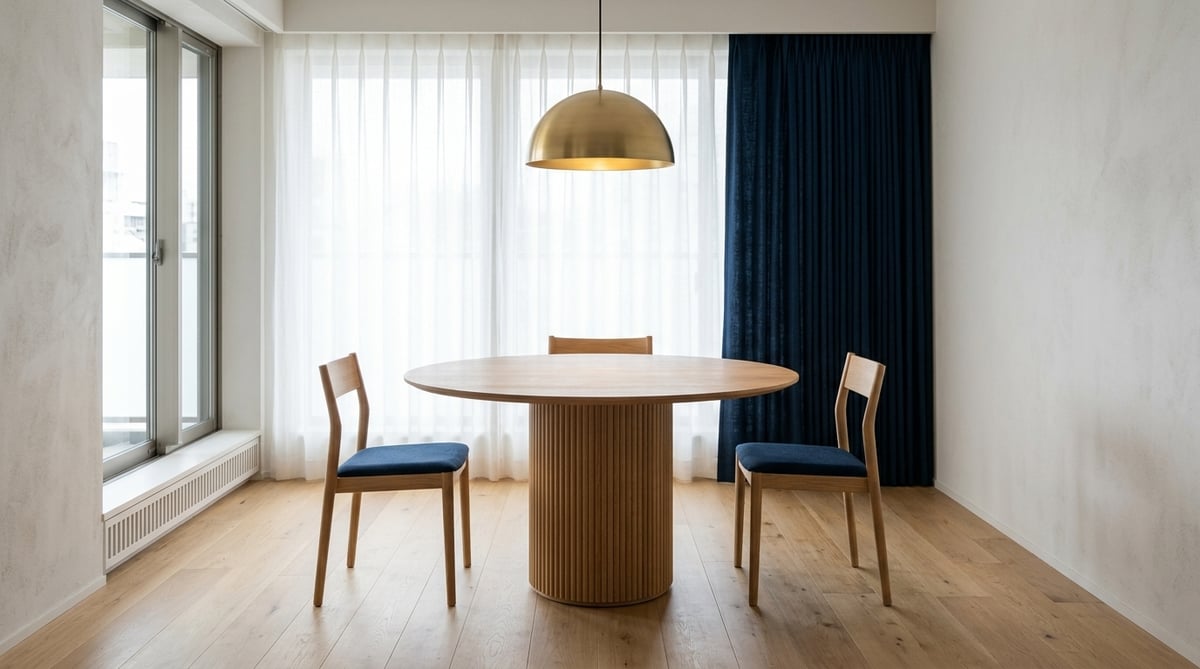
The Reality of Finding Pet-Friendly Rentals in Tokyo and the Hurdle of Building Bylaws
Soft morning light filters through east-facing windows, warming the living room. Your dog gently nudges the edge of your duvet, a softly wagging tail signaling that they are patiently waiting for you to wake. Or perhaps it is the steady, rhythmic purr of your cat, basking contentedly in a pool of morning sun atop their cat tower. Exchanging silent glances and feeling the gentle warmth of a four-legged companion brings a sense of peace that is simply irreplaceable amidst the relentless rush of Tokyo life.
Step outside and face Tokyo’s rental housing market, however, and an unforgiving reality quickly becomes apparent. The moment you check the "Pets Negotiable" filter on major real estate portal sites, available listings plummet to a mere 10 to 20 percent of the total inventory. If you are looking to live with a medium-sized dog weighing around 10 kilograms—such as a Shiba Inu or a Corgi—a large breed like a Golden Retriever, or a cat with a natural instinct for scratching, viable options narrow so drastically that finding a home feels like searching for an oasis in a desert.
As a licensed real estate broker with a decade of hands-on experience in Tokyo leasing brokerage and building management, my first piece of advice is simple: never take the words "Pets Allowed" on a property listing at face value. Beneath that brief label lies a maze of hidden hurdles, dictated by condominium management bylaws and the individual preferences of private landlords that no online search filter can reveal.
The Critical Difference Between "Pets Allowed" and "Pets Negotiable"
In Tokyo's rental market, "Pets Allowed" and "Pets Negotiable" carry completely different meanings. Many prospective tenants assume the two are interchangeable, but in real estate practice, there is a substantial divide between them.
Properties explicitly listed as "Pets Allowed" are often purpose-built pet-friendly residences designed from the ground up for harmonious living with animals, or buildings where the owner is an animal lover genuinely welcoming furry companions. They are thoughtfully equipped on both architectural and operational levels—featuring amenities like dedicated foot-washing stations in the entrance lobby or two-tiered interior wall coverings where only the lower half needs replacing if scratched.
On the other hand, "Pets Negotiable"—which accounts for over 90% of pet-related listings on the market—never means that pets are unconditionally welcome. More accurately, it reflects the landlord's stance: "Pets are generally not intended or normally prohibited, but an exception may be considered on an individual screening basis if you accept strict conditions and pay additional fees."
In practice, landlords and management companies typically reveal these conditions only after inquiry: "Only one small dog considered (no cats or medium-sized dogs)," "A monthly rent surcharge of 3,000 to 5,000 yen," or "An extra security deposit of one to two months' rent, non-refundable upon move-out." Even if the phrase "Pets Negotiable" on a listing flyer sounds promising, inquiries are frequently turned down the moment you disclose your pet's breed or size. Understanding this industry practice is essential when navigating pet-friendly housing in Tokyo.
Standard Building Bylaws: Why the Line Is Drawn at "50 cm Tall and 10 kg"
When searching for high-end rental apartments in Tokyo—especially condominium-grade reinforced concrete (RC) buildings—the single biggest hurdle you will encounter is the building's overall management bylaws and their accompanying pet regulations.
Even if the individual condo owner (your prospective landlord) happily agrees to let you keep a dog, you cannot legally keep a pet in that unit if the building's management association bylaws prohibit or restrict it. Under Japanese tenancy rules, renters are bound to follow the building's management bylaws just as strictly as the property owners themselves.
Both the Standard Condominium Management Bylaws established by the Ministry of Land, Infrastructure, Transport and Tourism (MLIT) and the pet rules adopted by most condominium boards across Greater Tokyo feature remarkably uniform restrictions. The most common criteria include:
- Full-grown size limit: Height up to 50 cm at the withers, weight up to 10 kg
- Allowed number of pets: A maximum of one dog or cat per unit (occasionally up to two)
- Transit within common areas: Pets must be carried in an enclosed pet carrier or held firmly in your arms at chest height whenever passing through the main lobby, vestibules, hallways, and elevators
- Registration requirements: Advance application to the building management association, along with photos, the municipal pet license number, and a copy of the rabies vaccination certificate
Why is there such a strict, specific benchmark of "50 cm tall and 10 kg"? In high-density multi-family residences, avoiding friction with neighbors who may be fearful of animals or suffer from severe pet allergies is paramount. This rule is engineered around one simple principle: the physical upper limit that an average adult can comfortably and reliably carry without assistance.
If an elevator door opens unexpectedly onto a neighbor or a small child approaches in the hallway, letting a dog walk on a leash creates an immediate risk of accidental jumping or unwanted contact. In any sudden situation, keeping the dog entirely contained within the owner's arms is essential for total control—and 10 kg is the universally recognized threshold for that guarantee.
Why Medium and Large Dogs Are Turned Away, and the Unique Screening Hurdles for Cats
Due to the uniform "under 10 kg and carried in common areas" rule, medium-sized dogs—which enjoy immense popularity among dog lovers—are often the very first to be filtered out during tenant screening.
The Shiba Inu, Japan's iconic native breed, typically weighs between 9 kg and 14 kg at full maturity. The stocky French Bulldog ranges from 10 kg to 14 kg, and the active, long-bodied Pembroke Welsh Corgi easily reaches 10 kg to 15 kg. While owners naturally consider these breeds "medium dogs," building management bylaws categorize them squarely as "large dogs," making them ineligible. When it comes to truly large breeds exceeding 25 kg as adults—such as Golden Retrievers, Labrador Retrievers, and Siberian Huskies—finding an accepting unit in a central Tokyo condominium is, under typical building bylaws, practically impossible.
Size is not the only reason medium and large dogs face rejection. Management associations also harbor serious, multi-faceted concerns regarding heavy floor impact sounds caused by walking and landing after jumps, the high acoustic pressure of their barking, and the intimidating presence they may project toward neighbors when traversing common corridors and lobbies.
On the other hand, cats—which are lightweight at around 3 kg to 5 kg and easily carried in common areas—face their own stringent screening hurdles of an entirely different nature. In fact, many Tokyo rental listings explicitly stipulate that they "allow up to one small dog, but no cats." This policy stems from pressing, real-world concerns unique to property management operations.
First and foremost is the risk of interior damage driven by a cat's instinctual scratching. Cats scratch pillars, doorframes, and wall corners to mark their territory and regulate stress. Even when dedicated scratching posts are provided, incidents where cats aggressively scratch corner walls, doorframes, and wallpaper seams—gouging through not only the surface wallpaper but also deep into the underlying gypsum drywall—are exceedingly common in rental properties.
Second is the risk of severe odor contamination caused by territorial spraying prior to spaying or neutering. Cat urine contains specialized pheromones and amino acids; once absorbed into walls, baseboards, or seams between floorboards, ammonia odors penetrate deep into the underlying drywall and floor sub-plywood. Standard professional house cleaning simply cannot eradicate this odor. Restoring the apartment to its original condition often requires dismantling the structural framing down to the studs and operating industrial ozone deodorizers for consecutive days. It is precisely this costly, labor-intensive turnover risk that landlords dread so acutely.
| Pet Category & Size | Representative Breeds & Types | Tokyo Rental Approval Difficulty | Typical Additional Security Deposit | Primary Screening Concerns & Hurdles |
|---|---|---|---|---|
| Toy & Small Dogs (Up to approx. 5 kg) |
Toy Poodle, Chihuahua, Pomeranian, Maltese | Low (Feasible in roughly 80% of pet-friendly units) | +1 month deposit (Standard: 1 month non-refundable deduction at move-out) |
Easy to carry; minimal incident risk in common areas. Primary screening focus is on nuisance barking from separation anxiety while home alone and floor claw scratches. |
| Medium Dogs (Approx. 8 kg to 15 kg) |
Shiba Inu, French Bulldog, Corgi, Beagle | Extremely High (Under 5% of pet-friendly listings) | +1 to 2 months deposit (Occasionally +3,000 to 5,000 yen in monthly rent) |
Frequently breaches the "under 10 kg / 50 cm shoulder height" clause. Denials stem from adult weight overages, inability to carry by hand, footstep vibrations, and heavy shedding in common areas. |
| Large Dogs (20 kg and above) |
Golden Retriever, Labrador Retriever, Akita | Extremely Rare (Virtually nonexistent in multi-family apartments) | +2 to 3 months deposit (Full non-refundable deduction clause standard) |
Almost universally prohibited by condominium pet bylaws. Major issues include heavy impact noise rattling party walls and concrete floor slabs, plus intimidation in elevators. Detached rental houses are the main viable option. |
| Cat (Single) (Approx. 3 kg to 5 kg) |
Domestic Shorthair, American Shorthair, Scottish Fold | Moderate to High (Around half of small-dog-friendly listings disallow cats) | +1 to 2 months deposit (1 to 2 months non-refundable deduction at move-out) |
Claw damage to wallpaper and wooden trim, alongside deep odor seepage into gypsum drywall from territorial spray. Strict indoor-only keeping, spaying/neutering, and regular nail trimming are non-negotiable prerequisites. |
| Multiple Pets (2 or more) |
2 dogs, 2 cats, dog & cat pairs, etc. | Extremely High (Bylaws frequently limit units to 1 pet) | +2 months deposit or more (Typically +1 additional month deposit per extra pet) |
Elevated noise levels from reciprocal barking or vocalization, plus expanded interior wear and tear. Properties strongly favor ground-floor units and larger floor plans (50 sqm or above). |
Additional Security Deposits and Non-Refundable Deposit Clauses: Financial Rules to Verify Before Signing
When leasing a home with a pet, financial disputes most frequently arise over additional security deposits and non-refundable deposit deduction clauses. If you sign a lease agreement without fully understanding how these provisions operate, you could face unexpected, exorbitant charges—often running in the hundreds of thousands of yen—upon moving out.
For standard rentals without pets, it has become increasingly common to secure an apartment with a security deposit equivalent to just one month's rent, or even with zero deposit. However, when housing a pet, landlords invariably demand an additional security deposit as an essential hedge against potential room damage and wear and tear down the road.
Standard 1–2 Month Security Deposit Increases and the Legal Validity of Non-Refundable Deposit Clauses
As standard practice in Tokyo leasing, keeping a pet typically requires an additional one month's rent added to your security deposit (bringing the total to two months). For medium-to-large dogs, cats, or multiple pets, landlords generally require an extra two months (bringing the total deposit to three months).
Crucially, this additional deposit almost always comes paired with a specific clause in your lease and Statement of Important Matters: a non-refundable deposit deduction clause, stating that upon move-out, one month (or two months) of your deposited funds will be unconditionally retained by the landlord.
In Japanese leasing terminology, this non-refundable deduction refers to an upfront agreement where a designated portion of your security deposit will not be refunded at lease termination, regardless of the room's condition. Legally, this derives from long-standing regional customs and has been upheld by Supreme Court precedents (including the March 24, 2011 ruling). The court determined that such non-refundable clauses do not inherently violate the principle of good faith or unilaterally harm consumer interests, and remain legally valid under public policy and Article 10 of the Consumer Contract Act—provided the deduction amount is not exorbitantly excessive relative to the rent and total deposit.
However, this is where experienced real estate professionals look closely: Does your lease explicitly define what restoration costs this non-refundable deduction actually covers?
In predatory scenarios, an owner might retain a full month's deposit as an upfront non-refundable fee, and then bill you again at move-out for an additional 200,000 yen in pet-related wallpaper replacements plus 50,000 yen for ozone deodorization. This effectively amounts to double billing. When reviewing your contract and Statement of Important Matters, you must strictly confirm whether the wording functions as an offset—stipulating that the non-refundable deposit covers standard pet deodorization, sanitization, and minor pet-related repairs, and that you can only be billed for actual costs exceeding that deducted amount.
MLIT Guidelines and Pet Ownership: The Fine Line Between Normal Wear and Tear and Negligence
Widely regarded as the benchmark for Japanese residential leases, the Ministry of Land, Infrastructure, Transport and Tourism (MLIT) "Guidelines for Restitution and Trouble Prevention" clearly state that costs for repairing normal wear and tear resulting from ordinary daily use, as well as natural aging of the property, are already covered by your monthly rent and must be borne by the landlord.
For instance, natural wallpaper discoloration caused by sunlight, slight flooring indentations from heavy furniture, and soot marks behind refrigerators are classified as normal wear and tear. Tenants are not financially responsible for these. Furthermore, wallpaper follows a 6-year straight-line depreciation schedule down to a residual value of just 1 yen. As a general rule, if you have lived in an apartment for five years, your contribution toward wallpaper replacement would only be a minor fraction of the total cost.
However, when pets enter the picture, standard guideline protections largely cease to apply. The guidelines contain explicit exemptions establishing that scratches on pillars, bite marks on wallpaper, or lingering odors and stains caused by uncleaned pet accidents constitute a breach of the tenant's duty of due care (negligence or intentional damage) due to inadequate pet management.
Once pet damage is deemed a breach of duty of due care, standard depreciation schedules no longer protect you, and the tenant becomes responsible for 100% of the actual repair costs. Even if you have resided in the property for over six years and the wallpaper's book value has depreciated to 1 yen, if your dog chews through the drywall or your cat gouges the underlying plasterboard, you will be billed for the entire repair expense—including labor and full board replacement.
Market Rates for Wallpaper Replacement, Ozone Deodorization, and AC Cleaning—and How to Scrutinize Special Clauses
When vacating a pet-friendly rental in Tokyo, having a firm grasp of the standard market rates typically quoted by property management companies is your best defense against inflated, unreasonable move-out charges.
- Indoor Deodorization and Ozone Treatment (Typical Range: 30,000 to 60,000 JPY per treatment): To eliminate stubborn pet dander and urine odors, a high-concentration ozone generator is operated in the unit for 24 to 48 hours to neutralize odor compounds. This fee is almost always billed separately from standard move-out cleaning fees (which typically range from 40,000 to 80,000 JPY).
- Wallpaper Replacement (Typical Range: 1,200 to 1,800 JPY per square meter): Because pet odors permeate entire rooms, leases frequently include a special clause requiring full room wallpaper replacement—even if physical scratches are confined to a single wall. As a benchmark, expect around 50,000 to 70,000 JPY for a standard 6-tatami room (approx. 40 square meters of wall and ceiling area) and 80,000 to 110,000 JPY for a living room (approx. 60 square meters).
- Plasterboard Substrate Repair and Replacement (Typical Range: 15,000 to 30,000 JPY per spot): If pet scratching or chewing punctures through the wallpaper and damages the underlying gypsum board, carpentry work will be required to patch the hole with putty or replace that section of board entirely.
- High-Pressure Air Conditioner Disassembly Cleaning (Typical Range: 12,000 to 20,000 JPY per unit): Pet hair and dander are drawn into the internal heat exchangers and cross-flow fans, creating breeding grounds for mold and odors. Consequently, deep cleaning by specialized technicians is mandated by special clauses in nearly all pet-friendly lease agreements.
The crucial question is whether these expenses are covered by the non-refundable portion of your security deposit (the pre-agreed amortization deduction), or whether they will be billed on top as separate, out-of-pocket charges. Clarifying this single distinction in your lease clauses before signing is your absolute lifeline to preventing expensive move-out disputes down the road.
Self-Defense Tactics: Move-In Date-Stamped Photos and Property Condition Reports
When living in a pet-friendly rental for years, the fiercest disputes during the move-out inspection inevitably center on proof: "Did the pet actually cause this scratch or stain, or was it already there before move-in?"
Property management companies and interior restoration contractors inspect pet-friendly units with far greater scrutiny than standard rentals—paying obsessive attention to baseboards, corners, and the bottom edges of door frames. If they spot even the slightest scuff or indentation, they will typically attribute it to your dog or cat and add it to the repair invoice. At that stage, simply insisting verbally that "it was already there when I moved in" is nearly impossible to substantiate without objective evidence.
The single most powerful self-defense measure to protect your life with your pet is "thoroughly photographing the entire apartment immediately upon receiving the keys on move-in day, before a single piece of furniture or luggage is brought inside."
Ensure your smartphone camera settings record accurate date, time, and location metadata. Take anywhere from dozens to over a hundred photos—both close-ups and wide angles—covering baseboard nicks, peeling wallpaper seams, flooring abrasions, and water marks around window sashes. Next, detail every single one of these imperfections on the Move-In Property Condition Report (Checksheet) provided by management. Submit it along with copies of your photos within the required deadline, and make sure to retain a copy stamped with management's official receipt seal. Having this stamped record and your photo archives alone reduces the risk of being charged for pre-existing damage upon move-out to virtually zero.
| Lease Clause / Special Rider | Typical Contract Wording | Broker-Identified Risk Points | Negotiation & Verification Strategy |
|---|---|---|---|
| Deposit Non-Refundable Amortization Rider |
"An amount equivalent to one month's rent from the security deposit received for pet occupancy shall be unconditionally amortized and non-refundable upon vacate." | If the contract remains vague on whether the retained deposit is credited toward actual restoration (cleaning or deodorization) or treated as a pure gratuity/fee, you face double-billing risks. | Request explicit clarifying wording: "The amortized amount shall be applied toward move-out deodorization, sanitization, and pet-related repairs; no refund of surplus shall be required, and actual costs shall be billed only if total expenses exceed this amount." |
| Full Wallpaper Replacement Rider | "In the event of wallpaper staining, damage, or odor caused by pet occupancy, the tenant shall bear the full cost of replacing all wallpaper throughout the entire premises." | You risk being billed for unaffected rooms or pristine ceilings. This completely strips away the standard Ministry of Land, Infrastructure, Transport and Tourism guidelines regarding 6-year straight-line depreciation down to a 1-yen residual value. | Review terms to limit replacement obligations strictly to rooms with verified physical damage or odor, exempting undamaged areas and ceilings. Even if enforceable, verify standard unit pricing in advance. |
| Ozone Deodorization & Special Cleaning Rider | "Upon vacating, the tenant shall bear the actual cost of specialized contractor ozone deodorization and disinfection in addition to standard housekeeping fees." | Mandatory surcharges for costly ozone treatment may be billed regardless of whether any residual odor actually exists, often with designated vendors charging well above open-market rates. | Confirm the contractor unit cost ceiling beforehand (around 30,000 to 50,000 JPY max). Maintain proactive daily ventilation and odor control, ensuring mutual written acknowledgment of odor-free conditions during move-out. |
| Duty of Care & Substrate Repairs | "Damage caused by pet scratching, chewing, or uncleaned waste shall constitute a breach of tenant duty of care, requiring reimbursement of all actual costs including underlying substrate repairs." | Replacing gypsum plasterboard backings or damaged floorboards involves major structural carpentry work, which causes restoration estimates to skyrocket exponentially. | Physically protect the structure on day one by installing acoustic shock-absorbing mats, wainscot protective films, and anti-scratch sheeting. Secure clear photographic evidence of all pre-existing flaws at move-in. |
How to Select Soundproof Reinforced Concrete Properties to Prevent Barking and Footstep Complaints
When living with pets in multi-family residential buildings, noise-related neighbor disputes dictate your daily peace of mind just as much as—or even more than—lease terms.
An alert bark reacting sharply to the intercom chime or footsteps in the hallway; the rapid clatter of claws dashing across the floor to welcome you home; the heavy thud of a cat leaping down from a cat tree onto hardwood flooring. While these are endearing, heartwarming snapshots of everyday life to a pet parent, to neighbors living below or next door, they can easily become intolerable disruptions that disturb their quiet enjoyment. Especially with the widespread adoption of remote work, noise disputes caused by pets carry real risks—sometimes escalating into lease terminations or formal claims for damages.
That is why an uncompromising evaluation of a building’s structure and acoustic performance is non-negotiable when searching for a pet-friendly home.
Structural Differences in Acoustic Insulation: The Decisive Gap Between Wood, Steel, and Reinforced Concrete
A building’s sound insulation performance is directly proportional to the weight (density) of the materials blocking the sound. In acoustic engineering, this fundamental physical principle is known as the "Mass Law."
Wood-frame apartments and steel-frame buildings (both light-gauge and heavy-gauge steel) keep construction costs low, but they substantially lack mass in their walls and floors. In light-gauge steel apartments especially, party walls (the partitions dividing neighboring units) often consist of nothing more than gypsum board and fiberglass insulation, allowing even normal conversational voices or television audio to bleed through. In such an environment, a single bark from a medium-sized dog travels unimpeded into neighboring and adjacent units, almost inevitably triggering noise complaints.
In contrast, reinforced concrete (RC) and steel-reinforced concrete (SRC) condominiums feature columns, beams, floors, and dividing walls molded together as solid, thick concrete slabs. Concrete has a high specific gravity of approximately 2.3, which powerfully deflects and blocks high-frequency airborne sounds, such as dog barking. To secure a peaceful living environment where pet vocalizations do not leak outside—and where your dog is not constantly startled by ambient exterior noises—choosing an RC building is an absolute baseline requirement.
| Building Structure | Airborne Sound Insulation (Barking & Vocalizations) |
Heavy Impact Sound Insulation (Footsteps & Jumping) |
Pet Suitability & Broker Assessment |
|---|---|---|---|
| Wood-Frame Low-rise Apartments & Terraces |
Extremely Low (Barking bleeds right through) |
Extremely Low (Footsteps and claw clicks reverberate directly) |
Unsuitable (High Dispute Risk) Because vocalizations and foot traffic travel readily in all directions, keeping pets other than completely silent animals carries severe friction risks in multi-family settings. |
| Light-Gauge Steel Apartments & Heights |
Low (High-pitched barking easily penetrates) |
Low (Prone to drum resonance effects) |
Caution (Mitigation required even for small dogs) Subfloors often feature hollow cavities, causing footfalls and claw clicks to amplify like a drum to the floor below. Comprehensive soundproof matting is mandatory. |
| Heavy-Gauge Steel Mid-rise Condominiums |
Moderate (Fair insulation if ALC panels are used) |
Moderate (Dependent on concrete floor thickness) |
Conditionally Acceptable Autoclaved lightweight aerated concrete (ALC) paneling in party walls provides decent acoustic isolation, but remains vulnerable to low-frequency impact vibrations compared to reinforced concrete. |
| RC / SRC Reinforced Concrete Condos |
Extremely High (Solid concrete mass blocks airborne sound) |
High (Secure with slab thickness of 200 mm or more) |
Optimal (Gold Standard for Pets) Substantial concrete mass effectively isolates barking. This represents the most dependable construction type for mitigating footstep and jumping issues from medium-sized dogs and cats. |
Inspecting Party Wall Thickness and Floor Slabs of 200 mm or More
However, you should never assume soundproofing is flawless simply because a listing specifies "reinforced concrete." Even among RC condominiums, certain properties compromise on acoustic performance to cut building costs. The two pivotal elements you must inspect during property viewings and floor plan reviews are the party walls and the floor slabs.
The first inspection point is the composition of the party walls separating adjacent units. The ideal specification is a solid reinforced concrete partition between 150 mm and 180 mm or thicker, with wallpaper applied directly over the concrete (or installed via a proper double-wall assembly that maintains a calibrated air cavity, rather than direct adhesive plaster bonding). In certain high-rise tower condominiums and modern RC buildings, developers omit poured concrete between units to reduce building weight, opting instead for dry-type fireproof acoustic walls made of layered gypsum board. Because dry-wall performance against low-frequency sound varies depending on construction precision, lightly tapping the wall to verify a dense, solid feedback rather than a hollow resonance is essential.
The second and most critical checkpoint is the floor slab—specifically, the thickness of the structural concrete. Sound generated by pet footfalls and cats landing from climbing structures is categorized as heavy-weight floor impact sound (LH rating), which can only be mitigated by the thickness and mass of the concrete slab itself.
Older RC apartment buildings frequently feature floor slabs of only around 150 mm, which readily transmits heavy thuds and vibrations to the floor below. In modern, premium condominium-grade rental residences, a floor slab thickness of 200 mm or more (or 250 mm or more for void slabs) represents the standard benchmark for quiet living. This thickness substantially absorbs and dissipates vibrations generated when a medium-sized dog trots across the living room or a cat lands on the floor.
Additionally, confirm whether the flooring utilizes a raised double-floor and double-ceiling system. A raised floor system—where flooring materials rest on vibration-damping rubber-mounted support legs above the concrete slab—dramatically softens sound transmission to lower units when paired with high acoustic-grade building materials (such as ratings of LL-45 and LH-50 or better).
Advantages of Ground-Floor Units, Corner Layouts, and Shared Amenity Flow
Regardless of how advanced a building's acoustic engineering is, eliminating 100% of sound transmission is impossible. Therefore, strategically selecting a unit layout or floor level that structurally preempts friction becomes an effective approach.
Chief among these strategies is choosing a ground-floor unit. While many renters naturally lean toward higher floors for sunlight and privacy, ground-floor living offers unmatched advantages for pet parents. Because no residents live beneath you, you eliminate the single largest rental dispute risk—complaints from downstairs neighbors—regardless of how enthusiastically your dog trots through the home or how energetically your cat races around at night. Ground-floor residences equipped with a private garden also offer a secure outdoor space for your dog to enjoy the sun during the day.
Similarly, securing a corner unit on the top floor serves as a viable alternative to minimize the number of shared adjoining walls.
Beyond the private interior, never overlook common area circulation. Check whether a dedicated pet foot-washing station is situated near the entrance, allowing you to clean muddy paws before heading up to your apartment. Confirm whether elevators include a dedicated "Pet In-Cabin" indicator button, which illuminates on exterior floor displays to notify waiting residents that an animal is on board. Finally, evaluate whether the path from the building entrance to the elevator and your front door is efficient and discreet, minimizing stressful hallway encounters while carrying your pet. Selecting a property designed with these thoughtful touches will spare you and your companion considerable daily stress.
A Powerful Option for Medium, Large, and Multiple Pets: The Appeal of Detached Rental Homes
Up to this point, we have covered how to choose reinforced concrete (RC) apartments. However, for households hoping to live with a Shiba Inu or French Bulldog weighing over 10 kg, a large dog exceeding 20 kg, or multiple cats, the bylaws of condominium management associations often present an insurmountable obstacle.
For such pet owners, one option I strongly recommend as a seasoned real estate broker is a detached rental home (including terrace houses and townhouses). By broadening your search just slightly beyond traditional apartments and considering standalone single-family homes, many renters find their ideal living space with surprising ease after months of frustration.
Living in an RC Apartment
These properties offer prime locations close to major downtown stations, robust security, and modern amenities such as auto-lock entries, surveillance cameras, delivery lockers, and 24-hour trash disposal stations. Their airtight design and thick concrete walls ensure that high-pitched barking rarely leaks outside when windows are closed, delivering exceptional convenience for singles and dual-income couples.
- Excellent airborne sound insulation thanks to airtight construction and concrete walls
- Abundant options in ultra-convenient locations within a 5-minute walk of train stations
- Strict management bylaws often capping pet size at under 50 cm in height and 10 kg in weight
- The requirement to carry pets through common areas at all times can become a daily physical strain
Living in a Detached Rental Home
Because a single household occupies the entire structure, there are no overarching building bylaws like those found in condominiums. The property owner is the sole decision-maker, opening significant room for direct negotiation—even for medium or large dogs and multiple cats. With zero worry about downstairs or adjacent neighbors, your pets can enjoy a relaxed, natural lifestyle.
- Zero stress from downstairs footstep noise or pets jumping down from furniture
- Direct landlord negotiations make approval for larger breeds or multiple pets far more feasible
- Private gardens and on-site parking garages make daily walks and vet visits effortless
- Most properties are located roughly 10 to 15 minutes away from the nearest station on foot
Negotiation Freedom: Bypassing Condominium Bylaws to Deal Directly with the Owner
The single greatest advantage of renting a detached house is that there is no condominium management association or complex set of collective bylaws.
In a condominium, even if an individual unit owner says, "I am perfectly happy allowing a large dog or two Shiba Inus in my unit," it is legally impossible to override the building-wide bylaws if they restrict pets to one animal under 10 kg. If a tenant moves in while ignoring these bylaws, the management association can file an injunction to halt pet ownership or even revoke the right to use the unit, ultimately resulting in eviction.
With a detached home, however, the authority to set house rules rests entirely with the individual property owner. By presenting conscientious, constructive terms during negotiations—such as offering an additional month of security deposit, agreeing to cover all wallpaper replacement and deodorizing costs upon departure, and confirming that vaccinations, spaying or neutering, and indoor litter training are up to date—owners are vastly more inclined to welcome responsible tenants who will care for the property.
Zero Noise Complaints Below and the Luxury of a Private Yard
When pet owners relocate from an apartment to a detached house, the sentiment they express almost unanimously is profound relief at being completely free from noise anxiety.
In a two-story standalone home, no matter how vigorously your dog runs across the first-floor living room or jumps off the sofa and bed, there is no resident below to file a complaint. When a cat races along a cat tree and lands firmly from the top of a cabinet, there is no risk of rattling a downstairs neighbor's ceiling.
Furthermore, many detached rental homes feature a private garden, terrace, and dedicated on-site car space.
Being able to brush your dog in a sun-drenched private yard or set up a small inflatable pool for water play during summer is an irreplaceable luxury in Tokyo. Additionally, when taking a large or aging pet to the veterinary clinic, you never need to carry a heavy animal through long common corridors or elevators; you can simply step outside the front door and place them into your vehicle in just a few paces, fundamentally easing the physical demands of daily care.
Rental Market Rates and Spacious Layouts in Suburban and Outer Tokyo
You might assume that renting a standalone house in Tokyo is prohibitively expensive. However, rental market data reveals an unexpectedly practical reality.
In central Tokyo wards such as Minato or Shibuya, renting a two-bedroom RC apartment (around 55 to 60 square meters) easily commands a monthly rent of 300,000 to over 450,000 yen. In contrast, consider the tranquil, leafy residential neighborhoods across northern and eastern Tokyo—such as Nerima, outer Suginami, Itabashi, Adachi, Katsushika, and Edogawa—or areas just outside Ring Road 8 in Setagaya, as well as suburban western Tokyo hubs like Musashino, Mitaka, Chofu, and Fuchu.
In these districts, located roughly 10 to 15 minutes on foot from transit stations in quiet low-rise residential zones, generous three- to four-bedroom detached houses spanning 70 to over 90 square meters circulate widely at realistic, cost-effective market rents of 130,000 to the low 200,000s yen per month.
A short walk from the station also provides an ideal walking route for your dog every morning and evening. Having lush green promenades, large parks, and riverside dog runs nearby offers your pets a far healthier, happier lifestyle than confinement within a compact apartment surrounded by urban concrete.
Essential Documents and Proven Strategies to Pass Tenant Screening
When applying for a pet-friendly rental in Tokyo, you must pass not only the standard tenant screening—evaluating your annual income, employer, and credit history—but also a critical second hurdle: screening for your pet itself.
What property owners and management companies dread most are two nightmare scenarios: an influx of noise complaints from neighbors due to incessant barking or crying, and severe interior damage left behind by an irresponsible tenant. Therefore, the key to winning approval lies in providing objective documentation and proactive, transparent disclosures that eliminate the landlord's concerns before they even arise.
Rabies Injection Certificate, Vaccine Records, and Spay/Neuter Proof
When submitting a pet-friendly rental application, management companies will almost universally request the following official certificates. Having these ready in hand during your initial inquiry will give you a significant advantage.
- Rabies Vaccination Certificate and Tag (Mandatory for Dogs): A copy of your municipal dog registration tag number alongside the official rabies vaccination certificate issued within the past 12 months. This proves that you are fulfilling all statutory pet ownership obligations under Japanese law.
- Combination Vaccine Certificate (Mandatory for Both Dogs and Cats): A vaccination certificate issued by a veterinary clinic for core combination vaccines—typically 5-way to 8-way for dogs, or 3-way to 5-way for cats. This demonstrates that your pet is free from contagious diseases and receives consistent, professional veterinary care.
- Spay/Neuter Certificate or Veterinary Statement: This document carries decisive weight, particularly when renting with a cat, medium-sized dog, or multiple pets. A neutered cat poses a dramatically lower risk of urine spraying (territorial marking) and eliminates the loud, piercing yowls typical of heat cycles that resemble a baby crying at night. Providing a formal surgery certificate or clinic invoice substantially lowers the property manager's guard.
- Microchip Registration Certificate: Under Japan's mandatory microchipping regulations, presenting your official microchip registration certificate serves as solid, verifiable proof of responsible ownership.
Photo Selection and Crafting a Pet Profile That Highlights Training
Two elements that exert an unexpectedly powerful influence during application review are the photo of your pet and how effectively you communicate their behavioral training.
Avoid submitting casual snapshots of your dog covered in mud during a walk or captured mid-bark. Instead, submit a clear, high-resolution portrait taken right after professional grooming: your pet sitting calmly indoors on a clean rug or hardwood floor, looking directly into the camera with an open, relaxed expression. A well-groomed pet with trimmed nails instantly communicates to the property manager that you are a meticulous, loving, and highly responsible guardian.
Furthermore, I strongly advise voluntarily preparing and attaching a dedicated "Pet Profile Sheet" to your application. Be sure to outline the following details:
- Basic Details: Pet's name, breed, age, current weight, height at withers, and general temperament.
- House Training and Obedience: Clear specifics such as "100% housebroken on indoor pee pads," "fully crate-trained and calm during unattended hours," or "completed professional anti-barking behavioral training."
- Grooming and Hygiene Routine: Trimming frequency, nail-clipping schedule, and preventative scratching measures in place.
- Routine When Home Alone: Average daily hours left unattended, along with details regarding smart monitoring cameras.
When an applicant proactively presents this level of thorough, transparent information, landlords and property managers gain confidence that their property will be treated with respect. In my decade in Tokyo brokerage, I have seen numerous cases where landlords made special exceptions to approve medium-sized dogs or cats that would ordinarily have been turned away.
Smart Move-In Cost Strategies: Starting Life with Your Dog or Cat in Tokyo
Moving into a pet-friendly rental in Tokyo typically involves significantly higher move-in costs compared to standard apartment hunting. Beyond the additional one to two months of security deposit mentioned earlier, you will also face upfront investments in soundproof matting, scratch-protective wall films, and supplies designed to minimize moving stress for your pet.
For an apartment with a monthly rent of 150,000 yen, going through a conventional Japanese real estate agency can easily push your initial move-in expenses past the 900,000 to 1,000,000 yen mark. A typical breakdown includes three months' security deposit (450,000 yen), one month's key money (150,000 yen), the first month's rent in advance (150,000 yen), standard brokerage fees of 1.1 months' rent (165,000 yen), rent guarantor company fees (around 75,000 yen), and fire insurance (around 20,000 yen).
To embark on a smooth, comfortable life with your four-legged companion without financial strain, knowing how to trim and optimize these heavy upfront costs is crucial.
Fund Your Pet Preparation by Halving Brokerage Fees (0.55 Months' Rent)
Under Japan's Real Estate Brokerage Act, the legal ceiling for brokerage fees is one month's rent plus consumption tax (1.1 months' rent in total across both tenant and landlord). In practice, however, most street-level agencies in Tokyo routinely bill the tenant the full statutory maximum of 1.1 months.
At Sorai Tokyo, we have completely eliminated expensive street-front retail locations and bloated advertising budgets. As a result, we represent tenants on all eligible rental properties at a flat 50% discount on brokerage fees—just 0.55 months' rent (tax included).
For example, if you sign a lease for a sound-insulated reinforced concrete apartment or detached home renting at 180,000 yen per month, standard agencies charge 198,000 yen (tax included) in brokerage fees. With Sorai Tokyo, your fee is just 99,000 yen (tax included)—saving you 99,000 yen outright. That extra 100,000 yen in your pocket can go straight into outfitting your living room with high-grade sound-dampening, non-slip carpet tiles, installing scratch-guard films across key wall areas, and creating a safe, welcoming sanctuary for your pet from day one.
Objective Second Opinions by Licensed Brokers and Direct On-Site Viewings
When reviewing rental estimates from other agencies during your pet-friendly property search, have you ever wondered: "Is this 44,000 yen pet deodorization fee truly mandatory?" or "Does it make sense to pay a separate move-out cleaning fee when the security deposit was already increased by two months?"
SorAi by Sorai Tokyo is not just another flashy automated widget. Our service is powered by experienced, licensed real estate brokers who directly inspect the real-time inter-agency property database to verify active vacancy statuses and provide an objective, 100% free online "Second Opinion" on any cost estimate you have received elsewhere.
With an experienced professional eye, we clearly differentiate between legitimate, mandatory clauses enforced by property management companies and unnecessary optional add-ons tacked on by intermediary agencies—such as antibacterial treatments, administrative documentation fees, or optional tenant support packages—while highlighting any hidden legal pitfalls in the proposed contract terms.
Furthermore, when it comes time to tour properties, you will never be asked to travel to a physical real estate office to fill out lengthy questionnaires, sit through high-pressure sales pitches, or deal with persistent phone calls. We conduct property viewings via a seamless "meet and part directly on-site" system, greeting you right at the building or the nearest station. Together with a licensed broker in a relaxed setting, you can thoroughly inspect the real-world details that directly impact life with your dog or cat—including ambient neighborhood noise levels, common area maintenance, elevator dimensions, and the presence of dedicated pet foot-washing stations.
You can access our suite of smart planning tools, including our Move-In Cost Simulator, anytime via the sticky bottom navigation on mobile or the footer on desktop. Take a moment to calculate your pet deposit adjustments and see firsthand how our 50% brokerage fee discount compresses your total move-in budget.
Frequently Asked Questions (FAQ)
Q If a listing states "pets negotiable," can I still apply with a medium-sized dog or a cat?
A Even when a property flyer says "pets negotiable," the vast majority of landlords actually mean "one small dog only (typically around 5 kg or under 50 cm in height)." Medium breeds such as Shiba Inus or Corgis, large dogs, and cats are often excluded from the outset. However, in individually owned properties or units that have been vacant for an extended period, landlords are frequently open to granting exceptions for medium dogs or cats in exchange for an additional security deposit (usually 1 to 2 extra months) or a slight rent increase (around 3,000 to 5,000 yen per month). At Sorai Tokyo, we negotiate directly with property managers and owners on your behalf—highlighting your pet's training records and up-to-date vaccinations—so please do not hesitate to reach out before giving up.
Q If the lease includes a non-refundable deposit clause (such as one month amortized), does that mean I won't be billed extra for restoration costs when moving out?
A ssuming you are completely safe just because of a non-refundable deposit clause is a common and risky misconception. If the lease explicitly states that "the amortized deposit shall be applied toward final move-out cleaning and pet deodorizing fees," the risk of extra charges remains low, provided there is no significant intentional damage or neglect. However, if the contract is phrased as "one month's security deposit shall be non-refundable as a pet consent fee, and restoration costs (cleaning, wallpaper replacement, etc.) upon vacating will be billed separately at actual cost," you could face an additional bill of several hundred thousand yen on top of the retained deposit. During the pre-contract Explanation of Important Matters, it is essential to review the fine print alongside your licensed broker to verify exactly what that retained money covers and ensure there is no double-billing structure.
Q What specific points should I check during a room viewing to verify soundproofing in a pet-friendly apartment?
A lways inspect the following three points during your viewing. First, lightly knock on the dividing walls between neighboring units to check whether they are lightweight drywall plasterboards that give off a dry, hollow echo, or solid, heavy reinforced concrete bearing walls (or high-performance sound-insulated double walls). Second, step down lightly with your heel across the floor to ensure there is no drum-like low-frequency resonance, which indicates a concrete floor slab thickness of at least 200 mm. Third, check the window sash specifications. Window openings are the primary pathway for outside street noise and indoor pet vocalizations; properties equipped with double-glazed glass or secondary interior soundproof sashes offer substantially superior acoustic insulation. Another practical test is ringing the intercom chime from the exterior hallway while standing inside to evaluate the acoustic seal of the entrance door.
Q I would like to keep multiple cats (two or three). Is it difficult to find a rental apartment in Tokyo?
A In typical condominium rental buildings, building bylaws strictly enforce a "one pet per household" limit, making approval for two or more pets exceptionally rare. If you wish to live with multiple cats, the most dependable strategy is to focus either on specialized pet-coexistence designer apartments built intentionally for multi-pet living, or on standalone rental houses and townhomes that are not governed by collective condominium bylaws. With single-family rental homes, many owners are welcoming of multi-cat households when you agree to an additional security deposit (such as one extra month per cat) and specific move-out terms covering ozone deodorization and wallpaper replacement.

Author: Sorai Tokyo Editorial Team (Supervised by Licensed Real Estate Agents)
A real estate consulting team specializing in assisting foreign nationals find rooms and explaining initial costs in Tokyo. We break down language barriers and differences in customs, offering dedicated support in Japanese, English, and Vietnamese for a safe and secure start to your new life.