
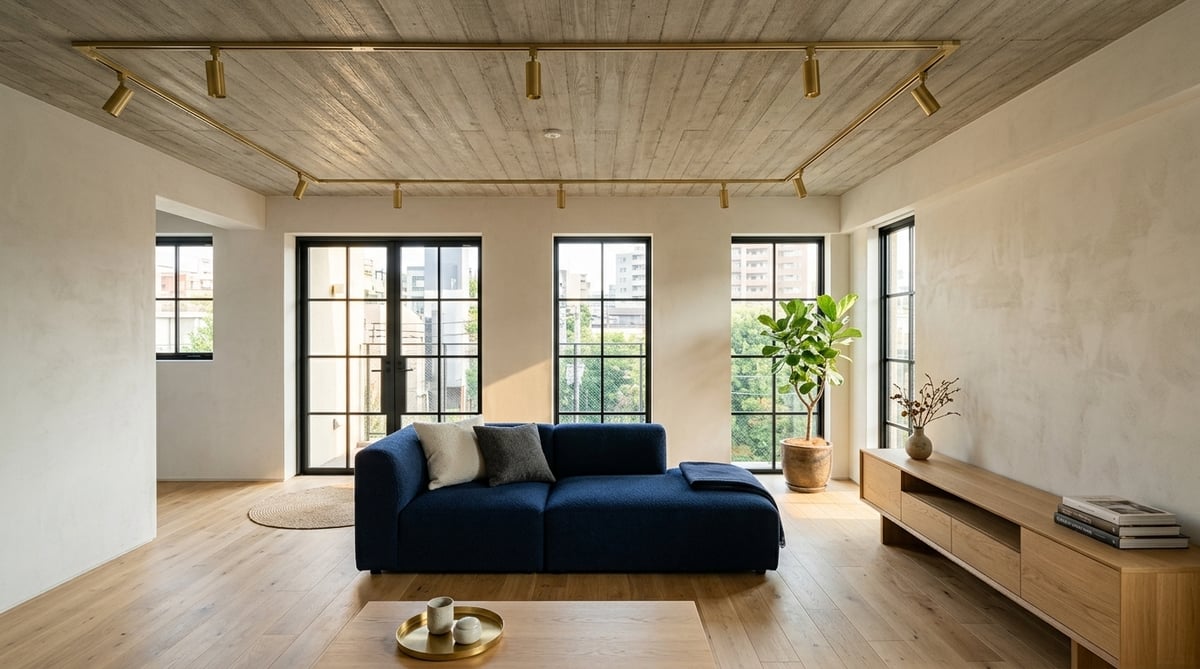
When embarking on a new solo life in Tokyo's 23 wards, one reality demands clear-eyed preparation: your monthly living expenses and the total upfront costs required upon signing a lease. While offering superb commuter convenience as an originating station on the Tokyo Metro Chiyoda Line with direct access to Otemachi and Kasumigaseki, why does the Ayase area in Adachi Ward remain such a sought-after choice among solo professionals? From prime apartment options starting in the ¥60,000s and grocery strategies at Ito-Yokado and Belx that keep food costs between ¥25,000 and ¥30,000, to realistic budget simulations across three take-home income tiers (¥180k, ¥220k, and ¥260k), a licensed real estate broker breaks down the genuine numbers.
📐 Looking for Details on Ayase 1DK vs. 1LDK Floor Plans, Layouts, and Furniture Arrangements?
Our dedicated guide details the structural differences between 1DK (~30 sqm) and 1LDK (~40 sqm) plans, practical layouts for semi-double beds and sofas, dedicated remote-work zoning, and scheduling solutions for cohabiting couples.
👉 [Ayase 1DK vs. 1LDK Layout Guide] Check Floor Plans & Furniture Arrangements- Explore the real cost of living alone in Ayase: rents from ¥60,000s on the Chiyoda Line, move-in fees, grocery hacks, and monthly budgets for ¥180k–¥260k incomes.
- Comparative analysis of 'Why Living Alone in Ayase Delivers Exceptional Value: Rent Benchmarks' showing practical long-term cost benefits.
- Key contract clauses and onsite inspection tips based on 'Frequently Asked Questions (FAQ): Living Alone in Ayase'.
Why Living Alone in Ayase Delivers Exceptional Value: Rent Benchmarks
1-1. The Price Advantage: Originating Chiyoda Line Station at ¥15,000 Less Than Kitasenju
When searching for a single-occupancy rental inside the Yamanote Line loop or across southern and western Tokyo, a monthly budget of ¥60,000 to ¥70,000 typically forces major compromises—such as older wooden apartments or distant walks from the station.
Against this backdrop, the Ayase neighborhood, situated on the border of Adachi and Katsushika Wards, enjoys tremendous popularity among solo dwellers seeking an optimal balance between cost performance and daily transit ease.
Compared to the major terminal hub just one stop away, Kitasenju Station (where a typical 1K averages around ¥78,000), Ayase is roughly ¥10,000 to ¥15,000 more affordable each month. That difference translates to an annual fixed cost reduction of ¥120,000 to ¥180,000, preserving more than ¥300,000 in your pocket over a standard two-year lease.
1-2. Realistic Property Specifications in the ¥60,000s to ¥70,000s Range
Examining the actual specifications of properties circulating on the market reveals a compelling picture.
Within the ¥63,000 to ¥68,000 bracket, the core volume consists of reinforced concrete (RC) and steel-frame buildings constructed 15 to 25 years ago, offering 20 to 23 square meters of floor space within a 7- to 12-minute walk from the station.
Many of these units have undergone tasteful renovations that go beyond basic restoration—such as updated flooring, new air conditioning units, and modern bidet toilet seats—enabling you to secure a clean, comfortable home with separate bath and toilet facilities well within budget.
1-3. Floor Plan Overview: Spatial Sensation and Selection Criteria for 1K, 1DK, and 1LDK
The prevailing layouts for solo living in this area are 1K units (18–24 sqm), 1DK units (28–32 sqm), and 1LDK apartments (38–45 sqm).
A 1K (renting for ¥60,000 to ¥68,000) is ideal for those who prefer compact living and prioritize keeping monthly rent as lean as possible. If you cook frequently and wish to separate your dining area from your sleeping quarters, a 1DK (around ¥70,000) provides comfortable breathing room. If you require a dedicated remote-work office or space for a full sofa, a 1LDK (¥85,000 to ¥95,000) becomes an attractive, attainable choice.
For detailed interior layout examples and remote-work configurations for 1DK and 1LDK units, please refer to our dedicated floor plan guide introduced above.
1-4. Neighborhood Differences in Ayase Rent: West Exit, East Exit, and Toward Kita-Ayase
A key characteristic of Ayase is that the streetscape and rental pricing shift noticeably depending on which station exit you choose.
From the West Exit toward the immediate East Exit plaza (Ayase, Adachi Ward), you will find a vibrant commercial corridor featuring the elevated shopping complex "M'av Ayase Lieta" directly connected to the station and the large-scale "Ito-Yokado" department store—a favored spot for commuters valuing day-to-day convenience.
Meanwhile, the East Exit and southern district (Higashi-Ayase in Adachi Ward and Kosuge in Katsushika Ward) opens into a serene residential enclave centered around the lush greenery of Higashi-Ayase Park, providing an inviting, peaceful setting particularly suited to solo women.
| Area | Rent Benchmark (1K) | Key Shopping & Environment | Night Atmosphere & Safety | Recommended For |
|---|---|---|---|---|
| West Exit Area (Ayase 1–3-chome, Adachi Ward) |
¥65,000–¥72,000 | M'av Ayase, station dining streets, drugstores | High pedestrian traffic with bright street lighting | Professionals prioritizing station proximity, convenience, and dining out |
| East Exit & Kosuge Area (Higashi-Ayase, Adachi / Kosuge, Katsushika) |
¥62,000–¥68,000 | Tokyu Store, Gyomu Super, Higashi-Ayase Park, Tokyo Budokan | Verdant, tranquil residential neighborhood | Solo residents and women prioritizing quiet surroundings and living environment |
| Kita-Ayase Area (Yanaka & Towa, Adachi Ward) |
¥58,000–¥64,000 | Belx, Big-A, Seiyu | Calm residential area with nostalgic shitamachi charm | Students and home cooks seeking maximum rent savings |
Simply enter the rent and deposit from portal listings to calculate a full, itemized breakdown including brokerage and guarantor fees without hidden add-ons.
Complete Upfront Move-in Cost Simulation for Lease Contracts
2-1. Initial Cost Breakdown for a ¥65,000 Rent (¥70,000 Total) Lease
In standard Japanese rental agreements, move-in expenses typically amount to 4.5 to 5 months of total monthly rent (including management fees).
For example, when signing a lease for a 1K apartment in Ayase with a base rent of ¥65,000 and a management fee of ¥5,000 (¥70,000 per month total), a standard arrangement (one month deposit, one month key money) requires approximately ¥381,000 in upfront costs.
This sum typically consists of the security deposit (¥65,000), key money (¥65,000), agency brokerage fee (¥71,500), advance and prorated rent (approx. ¥105,000), rent guarantor company enrollment (approx. ¥35,000), fire insurance (approx. ¥18,000), and lock exchange fee (approx. ¥22,000).
2-2. Zero-Deposit / Zero-Key Money Units: Advantages and Special Clauses to Watch
For young professionals or new graduates without substantial savings, zero-deposit and zero-key money listings represent an enticing option.
Simply eliminating one month of key money saves ¥65,000 in cash, freeing up funds to purchase necessary furniture and household appliances.
However, zero-deposit listings frequently include special clauses, such as an obligatory move-out cleaning fee (around ¥40,000 to ¥50,000 paid at tenancy end) or early termination penalties (such as one month's rent if vacating within one year). Carefully checking these special provisions in the contract is fundamental to protecting your financial peace of mind.
2-3. Negotiation Tactics to Compress Upfront Costs into the Low ¥200,000s
Minimizing upfront expenses ultimately hinges on choosing the right agency and scrutinizing the preliminary quotation.
Working with an agency like Sorai Tokyo that offers discounted brokerage fees (up to 50% to 100% off) instantly reduces your initial outlay by ¥35,000 to over ¥70,000.
Furthermore, by removing unnecessary bundled add-ons—such as optional indoor sanitization sprays or emergency fire extinguishers—an initial quote of ¥380,000 can be dramatically slimmed down to around ¥230,000 to ¥260,000.
2-4. Income and Take-Home Benchmarks for a Smooth Tenant Screening Process
The golden rule for passing tenant screening without friction is keeping your total monthly housing cost to one-third or less of your gross monthly income.
When renting an apartment at ¥65,000 rent (¥70,000 total), a gross monthly income of ¥210,000 or more (take-home pay of approximately ¥170,000) serves as a reliable qualification threshold.
Even for new career entrants or freelancers with limited tenure, having documents such as an official job offer letter or past tax return copies ready in advance significantly expedites approval from guarantor companies.
Ayase Solo Living Budget Simulations by Take-Home Pay
3-1. Take-Home ¥180,000 Model: Prudent Budgeting for New Graduates and Early 20s
A take-home pay of ¥180,000 is common among recent graduates and individuals early in their careers. While this income level can feel constrained in central Tokyo, living in Ayase allows you to set aside ¥28,000 in monthly savings with ease.
Rent is set at ¥63,000 including management fees (approx. 35% of take-home pay). By focusing primarily on home cooking, food costs are kept to ¥28,000 per month. Utilities average ¥10,000, and mobile expenses are kept to ¥6,000 through a low-cost SIM carrier.
Even after allocating ¥45,000 to social outings, hobbies, and household goods, approximately ¥28,000 reliably remains in your bank account each month—steadily building about ¥330,000 in personal savings every year.
3-2. Take-Home ¥220,000 Model: Comfortable Budgeting for Mid-20s Professionals
Representing the core demographic of Tokyo corporate employees, a take-home pay of ¥220,000 offers the sweet spot for an enriching and well-balanced lifestyle in Ayase.
Rent is allocated at ¥68,000 (opening options for newer or station-adjacent 1K units). The food budget is expanded to ¥35,000, allowing for home cooking alongside dining out or enjoying neighborhood cafes once or twice a week.
With utilities and connectivity budgeted at ¥18,000 and personal interests, fashion, and socializing at ¥59,000, you can comfortably channel ¥40,000 per month into savings or tax-advantaged investment vehicles like NISA. This establishes a sound financial baseline that accumulates ¥480,000 annually.
3-3. Take-Home ¥260,000 Model: Wealth-Building Budget for Late 20s and 30s
For professionals advancing in their careers with a monthly take-home pay of ¥260,000, choosing Ayase over expensive central Tokyo high-rises accelerates wealth accumulation significantly.
Rent is planned at ¥75,000, bringing spacious 1K units or renovated 1DK layouts within reach. Food is budgeted at ¥42,000 to enjoy premium ingredients and quality dining, while utilities and communications total ¥20,000.
Even with a generous ¥68,000 designated for leisure, personal development, and hobbies, you can allocate ¥55,000 monthly (¥660,000 annually) toward savings and index fund investing. This provides an ideal allocation that combines high daily living comfort with long-term financial security.
3-4. Spending Balance Across Incomes and the Non-Negotiable Housing Cost Rule
The common thread behind financial success across all three income tiers is simple: keeping fixed rent strictly within 30% to 35% of net take-home pay.
If one commits to paying upwards of ¥100,000 in rent in central neighborhoods like Omotesando or Hibiya, food and personal budgets must be drastically curtailed, often stripping daily life of comfort and enjoyment.
By taking advantage of direct Chiyoda Line transit to those central hubs while anchoring your living costs in Ayase, you secure the most effective financial defense strategy for living comfortably and building wealth in Tokyo.
Making the Most of Ayase: Practical Tactics to Cut Living Costs by ¥20,000 a Month
4-1. Ito-Yokado Ayase Basement Food Hall and Evening Markdown Timing
Located directly in front of the East Exit, the large commercial facility "Ito-Yokado Ayase" functions almost like a giant personal pantry for solo residents.
The B1 food hall boasts a comprehensive selection where private brand essentials (Seven Premium seasonings, frozen foods, and ready-to-heat meals) are available at wallet-friendly prices.
A prime window for smart shopping begins after 8:00 PM in the prepared deli, fresh seafood, and meat sections. By gathering bento boxes and fresh items marked down by 20% to 50%, you can enjoy satisfying, high-quality dinners at a fraction of the cost of dining out.
Moreover, the secret to sustaining home cooking without burnout is avoiding preparing every single meal from scratch. Keeping versatile base staples on hand—such as Seven Premium frozen chopped vegetables, frozen udon noodles, pasta sauces, natto, and eggs—and combining them with discounted prepared dishes provides a hybrid cooking approach that minimizes both preparation time and grocery spending.
4-2. Strategic Supermarket Rotation: Belx, Big-A, and Gyomu Super
Ayase boasts one of the most generous supermarket landscapes among Tokyo's 23 wards.
For bulk purchases of fresh vegetables, fruits, and meats, the special sale days at Belx (Adachi Ayase Store) offer unbeatable value.
Complementing fresh produce with long-lasting pantry items—such as beverages, condiments, rice, and canned goods from discount outlets like Big-A and Gyomu Super—makes it easy to keep total monthly food expenditures reliably between ¥25,000 and ¥30,000.
4-3. Utility Bill Defense: Prioritizing City Gas Over Propane
The single biggest variable influencing utility bills in rental housing is the type of gas supply: city gas versus propane (LPG).
Propane gas is notorious for having base rates and volumetric charges nearly 1.5 to 2 times higher than city gas, frequently adding an extra ¥3,000 to ¥5,000 each month to a solo resident's utility expenses.
Specifying "city gas" as a non-negotiable search criterion when choosing an apartment is a foundational rule of thumb. This single choice effortlessly eliminates ¥40,000 to ¥60,000 in annual unnecessary costs.
4-4. Bicycle Mobility and Chiyoda Line Origin Trains for Transit and Commute Optimization
Ayase sits on flat terrain, making it exceptionally well-suited for cycling.
The neighboring commercial hub of Kitasenju Station is only a 10- to 15-minute bike ride away, while Kameari Station can be reached in about 10 minutes. Quick shopping trips and weekend cafe visits can easily be completed on two wheels without taking trains, keeping transportation expenses down.
On weekday mornings, taking advantage of Chiyoda Line trains that originate at Ayase allows you to board a seated train, freeing you from peak rush-hour fatigue and turning your commute into productive time for reading or professional study.
Professional Cost Guards: Eliminating Wasteful Fees at Lease Signing and Renewal
5-1. How to Decline Unnecessary Add-on Services (Sanitization, Fire Extinguishers, etc.)
When reviewing an initial lease quote, it is crucial to scrutinize optional ancillary services.
Items such as "indoor disinfection and antibacterial treatment (¥15,000–¥25,000)," "residential fire extinguishing kits (¥10,000–¥15,000)," and "duplicated resident support subscriptions (¥1,000–¥2,000/mo)" are almost always optional agency add-ons rather than statutory requirements.
Simply stating, "Could you please reissue the estimate with these optional items removed?" allows you to legitimately eliminate ¥20,000 to over ¥40,000 in redundant move-in charges.
5-2. Planning for Two-Year Renewal Fees and Freedom to Choose Fire Insurance
Most residential leases in Tokyo require a renewal fee equivalent to one month of new rent every two years.
To prevent surprises when your lease renewal arrives, setting aside roughly ¥3,000 per month into a separate reserve account provides reassuring peace of mind.
Additionally, while management agencies often designate specific fire insurance packages (around ¥20,000 for two years), many landlords permit tenants to arrange equivalent direct-to-consumer online policies (approx. ¥8,000 to ¥10,000 for two years), yielding noticeable savings over time.
Conclusion: Smart Solo Living in Ayase and Support from Sorai Tokyo
Choosing to live alone in the Ayase neighborhood of Adachi Ward is far from a mere compromise on affordable rent. It represents a highly rational and forward-thinking strategy: securing direct commuter mobility to Tokyo's financial core while keeping overhead low and actively investing in your future.
Clean, comfortable homes starting in the ¥60,000s, fulfilling grocery options that support wholesome home cooking, and the financial strength to reliably save ¥20,000 to over ¥50,000 every month—this harmonious equilibrium of livability and economic peace of mind is why so many professionals choose Ayase and stay for years.
At Sorai Tokyo, you can simply send the URL of any listing you find on portals like SUUMO, LIFULL HOME'S, or at home via our official LINE account. Our licensed real estate brokers will promptly provide a free consultation, diagnosing the lowest possible agency fee, calculating a transparent move-in breakdown, and verifying real-time vacancy.
We never engage in aggressive sales calls or persistent solicitation. For tailored property recommendations or budget consultations in the Ayase area, feel free to connect with Sorai Tokyo on LINE anytime.
Frequently Asked Questions (FAQ): Living Alone in Ayase
QCan I save money living alone in Ayase on a take-home pay of ¥180,000, or will my budget be tight?
AYou can comfortably save money. Ayase offers an abundance of quality reinforced-concrete (RC) apartments in the low ¥60,000s range. By cooking at home with groceries from Ito-Yokado or Belx, you can easily keep monthly food expenses around ¥25,000 to ¥28,000. Keeping your fixed housing and utility expenses modest allows you to save ¥25,000 to ¥30,000 every month right after payday, building a steady nest egg of over ¥300,000 per year without financial strain.
QWhat are the key strategies for minimizing move-in costs when leasing in Ayase?
AThe most effective approaches are selecting "zero deposit / zero key money" properties, negotiating free rent periods, and taking advantage of agency fee discounts. Furthermore, by declining optional add-ons frequently bundled into estimates—such as indoor disinfection fees, fire extinguisher charges, and redundant 24/7 resident support memberships—you can dramatically trim initial costs from the standard ¥350,000–¥400,000 down into the lower ¥200,000s.
QHow low can I keep my monthly grocery and food budget by cooking at home in Ayase?
AAround ¥25,000 to ¥30,000 per month is a realistic target. Ayase Station is anchored by Ito-Yokado (basement food hall) and Tokyu Store, with discount supermarkets like Big-A, Belx, and Gyomu Super only a short walk or bike ride away. By stocking up on fresh produce on sale days and taking advantage of evening clearance markdowns, you can keep grocery costs remarkably low while enjoying well-balanced, nourishing meals.

Author: Sorai Tokyo Editorial Team (Supervised by Licensed Real Estate Agents)
A real estate consulting team specializing in assisting foreign nationals find rooms and explaining initial costs in Tokyo. We break down language barriers and differences in customs, offering dedicated support in Japanese, English, and Vietnamese for a safe and secure start to your new life.