
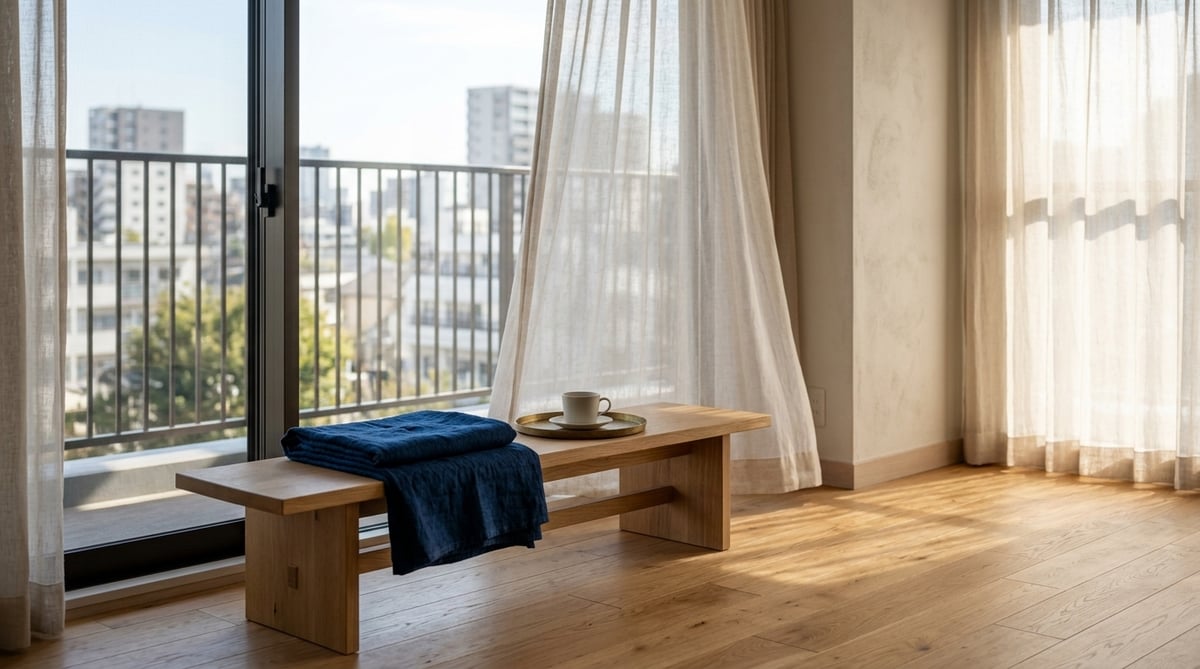
On a quiet holiday afternoon where sunlight filters gently through the canopy, you stroll along the waterfront path in Shobunuma Park. Watching the calm, relaxed faces of locals opening paperbacks on benches beside the pond, you head toward a quiet cafe nestled in the residential streets just a short walk from the station. A gentle chime greets you at the door, accompanied by the deep, soothing aroma of freshly ground dark-roast coffee and the subtle sweetness of freshly baked pastries. Following the direct connection of the Chiyoda Line in 2019, Kita-Ayase gained rapid access to central Tokyo, yet the town preserves an authentic, unhurried warmth. Right beside your daily routine lies a comforting personal retreat waiting to be discovered.
Situated in the northeastern district of Adachi Ward in Tokyo's 23 wards, Kita-Ayase once quietly marked time as the terminus of a short branch line. Through the launch of 10-car through-train services and station-front redevelopment, it has matured into a remarkably practical residential area offering direct, transfer-free access to Otemachi, Kasumigaseki, and Omotesando. The verdant greenery of Shobunuma Park directly linked to the station, functional roadside retail along Kannana-dori Avenue, and the serene low-rise neighborhoods just one turn inside the quiet streets harmonize seamlessly. Rooted within this peaceful daily rhythm are time-honored patisseries cherished by locals, specialty coffee roasters dedicated to the nuance of each bean, and distinct ramen shops attracting food connoisseurs from across Tokyo.
From the perspective of a licensed real estate broker who has guided numerous apartment seekers through Tokyo's leasing market over the past decade, Kita-Ayase achieves an exceptional balance between central urban connectivity, favorable rent levels, and genuine day-to-day comfort. In this guide, alongside the distinctive charm of the neighborhood's standout eateries, we provide an in-depth look at everyday living, from the comfort of seated morning commutes on originating trains to objective rent comparisons with Ayase and Kitasenju, as well as essential tips for selecting the right rental apartment.
- A comprehensive guide by a licensed real estate broker to distinctive cafes and top-tier eateries around Kita-Ayase Station.
- The commuter advantage of an originating station that allows comfortable seated travel even during morning rush hour.
- Substantial rent savings: approximately 20,000 to 30,000 yen lower per month than Kitasenju, and about 10,000 yen lower than Ayase.
Greenery at Shobunuma Park and Serene Living: Kita-Ayase's Cafe and Culinary Culture
Station-Connected Green Paths and Gentle Streams Shaping a Peaceful Residential Atmosphere
Passing through the South Gate of Kita-Ayase Station and stepping toward Exit 5, the gray concrete landscape immediately yields to the rustling of lush foliage and the sound of clear, flowing water. Directly connected to the station, Shobunuma Park spans a generous 2.5 hectares. It was established as a sanctuary of water and greenery to preserve the historical memory of wild Japanese irises (hanashobu) that once thrived here. In early summer, approximately 8,100 iris plants across roughly 140 varieties burst into bloom, delighting visitors alongside wooden boardwalks, cascading waterfalls, and a four-meter-tall wooden waterwheel.
Having such a park integrated into one's daily commuting path is one of the greatest privileges of living in Kita-Ayase. On your walk home after a demanding day, spending a few quiet minutes breathing deeply along the waterside path serves as an essential transition buffer, gently shifting your mindset from work mode back to your personal self. On weekday mornings, neighbors leisurely walk their dogs, while weekend afternoons find young couples with strollers and solo residents reading on park benches in unhurried coexistence. The entire neighborhood never feels pretentious, embracing a genuine, down-to-earth serenity.
Vibrancy Along Kannana-dori Avenue and Quiet Low-Rise Residential Blocks Just Beyond
Running east-west just north of the station, Kannana-dori Avenue displays an energetic, convenient side filled with roadside retailers. Electronics superstores, home improvement centers, drugstores, family restaurants, and highly individual ramen joints stand side by side, ensuring you never face difficulties obtaining daily necessities or enjoying a casual meal out. The wide sidewalks along Kannana-dori are brightly illuminated well into the night with clear visibility, providing a secure, comfortable walking environment even when returning home late.
Conversely, turning just one corner off Kannana-dori immediately reveals designated Category I Mid/High-Rise Residential Zones and quiet low-rise residential streets. Orderly town blocks feature single-family homes, low-rise apartments, and condominium residences. Because cut-through vehicular traffic is strictly limited, a tranquil atmosphere prevails day and night. Having major thoroughfare convenience and quiet residential seclusion separated by merely a block or two constitutes the core architectural advantage of Kita-Ayase.
The Charm of Independent Shops Connecting Weekend Explorations with Daily Life
When discussing the food scene in Kita-Ayase, an essential element is the presence of owner-operated, independent shops thriving alongside larger commercial chains. Rather than the hurried, transient customer turnover typical of major downtown entertainment districts, an enduring, warm neighborhood bond exists where residents drop by as a natural extension of daily living, exchanging cordial greetings with shopkeepers.
From patisseries honoring seasonal harvests and retro coffee houses where patrons listen to the rhythmic drip of siphon coffee to bakeries kneading dough in the early dawn and ramen master chefs pouring passion into every bowl, these establishments function as vital social infrastructure, imparting reassuring rhythm and peace of mind to neighborhood life.
A licensed real estate professional with comprehensive knowledge of eastern Tokyo will assist you via video call, clarifying your criteria, verifying private listings, and optimizing initial costs.
Simply enter the rent and deposit from portal listings to calculate a full, itemized breakdown including brokerage and guarantor fees without hidden add-ons.
Cherished Local Cafes, Patisseries, and Retro Coffee Houses
Patisserie Emplir: The Signature Ayase Mont Blanc and Refined Seasonal Gateaux
Nestled in a peaceful residential pocket along the eastern edge of Shobunuma Park, just past South Exit 5 of Kita-Ayase Station, "patisserie emplir" is an accomplished bakery cherished by local residents for years. Opening its tastefully understated door reveals vitrines lined with delicate gateaux adorned with seasonal fruits, while the comforting aroma of freshly baked confections drifts from the kitchen.
Emplir's defining masterpiece is the "Ayase Mont Blanc," assembled fresh upon order. Designed with a strict "one-hour best-by recommendation" to preserve the delicate, crisp texture of its meringue base, this specialty harmonizes fragrant Japanese chestnut paste from the Shimanto River basin, lightly sweetened Hokkaido fresh cream, and crisp meringue. The shop also features strawberry shortcake with a moist sponge made using traditional rice malt syrup, along with baked donuts and madeleines ideal for gifting. Having such an artisanal confectionery within walking distance significantly enriches the satisfaction of everyday neighborhood life.
Siphon Coffee and Classic Handmade Pudding in a Tranquil Showa-Style Kissaten
Standing in contrast to trendy, modern coffee stands, Kita-Ayase and the adjacent Yanaka and Oyada neighborhoods retain classic Japanese kissaten (traditional coffee houses) and dedicated roasteries imbued with the nostalgic warmth of the Showa era. Sturdy timber counters, vintage leather booths, and pendulum clocks marking time set an atmosphere where the frantic pace of the metropolis feels like a distant memory.
Each cup of coffee, carefully brewed to order via siphon or nel drip, sends up fragrant steam and offers deep complexity with a remarkably clean finish. Thick-cut toast generously soaked in salted butter, paired with a firm classic custard pudding crowned with bittersweet caramel, makes an exquisite combination. The gentle resilience of each spoonful and the honest flavor of rich eggs turn reading or quiet reflection into a soothing ritual. In a modern society consumed by constant digital connectivity, having a nearby sanctuary where you can leave your smartphone in your bag and lose yourself in a paperback alongside a cup of coffee is invaluable for peace of mind.
Neighborhood Bakeries Filled with Freshly Baked Croissants and Savory Breads
Waking up early on a weekend morning for a pleasant stroll to pick up fresh bread is an idyllic routine made effortless by the neighborhood bakeries around Kita-Ayase. The scent of artisanal bread emerging from ovens at sunrise naturally draws the attention of morning walkers.
Golden croissants featuring thin, delicate layers made with fermented butter provide a gratifying crunch and rich aroma with every bite. The shelves also feature affordable, expertly crafted savory specialties, including freshly fried curry buns generously packed with homemade filling, vegetable focaccias, and pillowy loaves of shokupan. Taking your favorite selections to a shaded bench in Shobunuma Park to enjoy breakfast to the sound of flowing water gently dissolves the fatigue of a busy workweek.
Intimate Hideaway Cafes Designed for Reading and Remote Work
With remote and hybrid work now firmly established, having a reliable "third place" outside the home directly influences living quality. Cafes around Kita-Ayase Station are notably characterized by generous spacing between tables, providing comfortable privacy.
Soft natural daylight streams through large windows, accompanied by unobtrusive background jazz or classical melodies. Organizing notes or drafting creative concepts on a laptop amidst gentle ambient cafe sounds often sparks sharper clarity than staying cooped up in a home study. Ordering a fresh cafe latte for a mindful pause quietly underpins the comfortable livability of Kita-Ayase.
Authentic Tsukemen and Renowned Ramen Around Kannana-dori
Ramen Shi (Sea): Rich Vegetable-Potage Broth Infused with Root Vegetables and Thick Chewy Noodles
Beyond pastries and coffee, Kita-Ayase offers substantial, high-caliber savory dining. A prime example is "Ramen Shi (Sea)," located about a three-minute walk from Kita-Ayase Station in a quiet residential quarter. Reflecting the genial personality of its surfer-owner, the interior evokes a relaxed beachside cottage vibe, attracting dedicated followings from neighborhood locals and Tokyo ramen enthusiasts alike.
The shop's signature offering is the rich "Vegetable-Potage Shio Ramen," featuring a slow-simmered broth blending animal stocks with pureed root vegetables such as potatoes and sweet potatoes. The natural sweetness and velvety texture of the vegetables create a full-bodied broth that remains clean and refreshingly light on the palate. Thick, chewy noodles pair effortlessly with the rich soup. With meticulously prepared chashu pork, thoughtfully selected toppings, and enticing tsukemen options, the owner's uncompromising craftsmanship keeps diners returning regularly.
Kannana Avenue's Renowned Establishments: From Hakata Nagahama Tonkotsu to Kitakata-Style Chuka Soba
Having long earned fame as one of Tokyo's most competitive ramen corridors, the stretch of Kannana-dori spanning Kita-Ayase toward Rokucho and Hitotsuya retains a dense concentration of standout noodle shops. Leading the pack is "Tanaka Shoten," an institution of Hakata Nagahama ramen known nationwide.
Its deep, velvety pure-pork broth, simmered continuously to extract maximum flavor, pairs with extra-thin straight noodles shipped directly from Fukuoka to deliver authentic Hakata taste. Operating from late afternoon until late into the night (closing at 4:00 AM), it offers a reassuring sanctuary for a hot, satisfying bowl even after returning on late trains. Furthermore, its sister shop, "Chuka Soba Tanaka Sobaten," serves a Kitakata-inspired clear pork broth with flat curly noodles and tender braised pork belly, widely beloved by those who prefer lighter umami profiles. Having access to such celebrated spots according to your mood or schedule provides exceptional dining versatility for solo residents.
Welcoming Counter Seating for Comfortable Solo Dining
The ramen and tsukemen shops in Kita-Ayase are loved not only for their flavor, but also for their approachable atmosphere. Free from the hurried, impersonal vibe found in busy commercial districts, the staff warmly welcome guests with genuine smiles.
Counter spaces feature generous depth and comfortable aisle spacing, allowing solo diners—including women, students, and office workers returning from work—to enjoy their meal with complete ease. Having unpretentious, delicious dining options within easy reach serves as an indispensable anchor for daily nourishment in independent city living.
Effortless Commuting from an Originating Station and Relaxed Weekends: A Day in Kita-Ayase
Morning Commute: Direct Seated Travel to Otemachi, Kasumigaseki, and Omotesando
The primary infrastructure defining Kita-Ayase's superior livability is its status as an originating station on the Tokyo Metro Chiyoda Line. Prior to the March 2019 timetable revision, service was limited to 3-car shuttle trains between Ayase and Kita-Ayase. However, following the extension of the single platform (Track 1) to accommodate 10-car trains and the launch of direct through-services, mainline trains bound for Yoyogi-Uehara now originate directly from Kita-Ayase.
During the morning peak rush (7:00 to 8:00 AM), the line provides direct travel to Otemachi in about 29 minutes, Kasumigaseki in 34 minutes, and Omotesando in 42 minutes, connecting seamlessly to major central business districts without transfers. Direct originating trains toward Yoyogi-Uehara (10-car sets) depart 3 to 4 times per hour. Arriving on Platform 1 a few minutes before departure allows you to secure a seat comfortably for your journey. Even when taking a shuttle train to Ayase, you can easily transfer to trains originating at Ayase (primarily departing from Track 2), providing ample flexibility for seated travel. Skipping the exhausting strain of crowded trains to read or review morning news transforms your daily routine into a substantial lifestyle advantage.
Weekday Schedule: From 7:30 AM Departure to Evening Return
Consider the typical weekday routine of an office professional living in Kita-Ayase. At 7:00 AM, you wake naturally to soft morning light and enjoy freshly brewed coffee while getting ready. Leaving your apartment—located a 7-minute walk from the station—at 7:35 AM, you cross the pedestrian deck, pass through the ticket gate, and board the 7:45 AM originating Chiyoda Line train toward Yoyogi-Uehara. Settling into a vacant seat to read your favorite novel, the train glides smoothly into Otemachi Station. By 8:15 AM, you step into your office tower lobby.
Finishing work at 7:30 PM, you ride the Chiyoda Line back to Kita-Ayase. Arriving at 8:15 PM, you stop by the station-front shopping centers—Ys Mart inside M'av Kita-Ayase Lieta beneath the elevated tracks, Summit Store inside LaLaport LaLa Terrace Kita-Ayase, or the 24-hour Seiyu Kita-Ayase—to pick up fresh groceries and prepared deli dishes. On other evenings, stopping at a ramen shop along Kannana-dori for a steaming bowl is an effortless comfort. Strolling home through the peaceful residential streets accompanied by the gentle evening park breeze, you return home before 9:00 PM to unwind in a quiet bath and prepare for restful sleep.
Weekend Lifestyle: Picnics in the Park and Leisurely Cafe Visits
On weekend mornings without an alarm, you get out of bed past 9:00 AM and head out for a stroll to the neighborhood bakery. Picking up freshly baked baguettes and croissants, you enjoy a slow breakfast with pour-over coffee. In the afternoon, you pack a book and a light blanket into a tote bag and visit Shobunuma Park. Spreading a mat on the lawn beside the pond to read under the dappled sunlight lets you effortlessly leave behind the urban bustle.
Later in the day, you stop by Patisserie Emplir for their signature Ayase Mont Blanc or a seasonal tart. Alternatively, you might pull up a counter stool at a quiet kissaten, organizing your thoughts over siphon coffee and homemade pudding. Having these restorative, sensory pleasures entirely within walking distance without traveling into central Tokyo represents the true luxury of living in Kita-Ayase.
Daily Routine Flow for a Kita-Ayase Resident
Comfortable 29-minute direct ride to Otemachi seated with a book
Stocking up at Lieta or Seiyu, or savoring ramen along Kannana-dori
Walking past lit park pathways into a quiet room for restful sleep
Recharging at Shobunuma Park, Emplir pastries, and vintage kissaten
Rent Comparisons with Ayase and Kitasenju: Evaluating Real Cost Performance
Comparative Rent Rates by Layout (Kita-Ayase, Ayase, Kitasenju)
When selecting a home, monthly fixed rent significantly determines financial flexibility. Below is an overview of prevailing market rents across Kita-Ayase Station, Ayase Station, and Kitasenju Station—three stations frequently compared along the Chiyoda Line—based on 2026 actual closed leasing data.
| Layout & Floor Area | Kita-Ayase Station (Originating) | Ayase Station (Mainline / Originating) | Kitasenju Station (5-Line Hub) | Kita-Ayase Cost Advantage |
|---|---|---|---|---|
| Studio / 1K (20–25 sqm) | 60,000–72,000 JPY | 68,000–80,000 JPY | 82,000–98,000 JPY | -22,000 to -26,000 JPY/mo vs. Kitasenju |
| 1DK / 1LDK (30–42 sqm) | 95,000–120,000 JPY | 110,000–135,000 JPY | 135,000–165,000 JPY | -40,000 to -45,000 JPY/mo vs. Kitasenju |
| 2K / 2DK (40–50 sqm) | 105,000–130,000 JPY | 120,000–145,000 JPY | 145,000–175,000 JPY | -40,000 to -45,000 JPY/mo vs. Kitasenju |
| 2LDK (50–65 sqm) | 120,000–150,000 JPY | 140,000–175,000 JPY | 180,000–225,000 JPY | -60,000 to -75,000 JPY/mo vs. Kitasenju |
Simulated Budgets by Net Take-Home Pay (200k, 250k, 300k Yen)
While the conventional rule suggests keeping rent within one-third of net income, rising living expenses make it far more sensible to tailor your housing allocation to personal financial goals and savings plans. Kita-Ayase's favorable rent baseline provides room for disciplined savings and rewarding personal pursuits.
[Net 200,000 JPY] 1K Rent at 65,000 JPY Plan
- Rent & Management Fee: 65,000 JPY (32.5% of net income)
- Food & Dining: 40,000 JPY (Home cooking + weekend cafes)
- Utilities & High-Speed Internet: 20,000 JPY
- Daily Essentials & Recreation: 25,000 JPY
- Consistent Monthly Savings: 50,000 JPY (600,000 JPY/year)
[Net 300,000 JPY] 1LDK Rent at 105,000 JPY Plan
- Rent & Management Fee: 105,000 JPY (35.0% of net income)
- Food & Dining Out: 55,000 JPY (Quality home cooking + culinary dining)
- Utilities & Connectivity: 24,000 JPY (Optimized for remote work)
- Social & Self-Development: 46,000 JPY
- Consistent Monthly Savings: 70,000 JPY (840,000 JPY/year)
Seeking an equivalent layout (1LDK, 40 sqm) around Kitasenju Station pushes market rent up to 140,000–160,000 JPY. Choosing Kita-Ayase generates a monthly difference of 40,000 to 50,000 JPY, creating an annual disposable surplus of roughly 500,000 to 600,000 JPY. This capital can be invested in asset accumulation via NISA, interior furnishings, travel, or career education. As a rational strategy to trim fixed housing expenses without compromising daily living standards, Kita-Ayase stands out with remarkable cost performance.
A Broker's Guide to Choosing Apartments in Kita-Ayase: Walking Routes, Quietude, and Sound Insulation
Soundproofing and Acoustic Performance Across Building Structures (RC, Steel, Wood)
Approximately 60 percent of disputes between rental apartment residents stem from noise issues. For those working from home or seeking peaceful reading hours, acoustic insulation is a critical factor that must never be overlooked.
| Structure Type | Wall & Floor Insulation | Sound Transmission Characteristics | Recommended Lifestyle |
|---|---|---|---|
| Reinforced Concrete (RC / SRC) | Very High (Partition walls >=150mm) | Substantially blocks airborne sound (voices). Mitigates heavy impact vibration | Remote workers, those prioritizing acoustic serenity and uninterrupted sleep |
| Heavy Gauge Steel (S Structure) | Moderate to High (ALC panels, etc.) | Varies by wall assembly. Structure-borne impact sound (footsteps) may transmit downward | Solo renters seeking a balance between rent cost and adequate sound insulation |
| Light Gauge Steel & Wood Frame | Limited (Dependent on soundproofing sheets) | Daily living noises and plumbing sounds from adjacent units transmit more easily | Renters spending most daylight hours away, focused on minimizing fixed costs |
The area surrounding Kita-Ayase Station offers diverse options, ranging from newer RC condominium-grade rental units built after station redevelopments to well-maintained wood or light-gauge steel apartments. If tranquility is your priority, starting with RC buildings is recommended, verifying on floor plans or on-site whether partition walls feature cast-in-place concrete or dry gypsum board assemblies.
Noise Precautions Along Kannana-dori and On-Site Walking Route Verification
When viewing apartments in Kita-Ayase, you should always check the distance from Kannana-dori Avenue and the orientation of windows. Buildings facing primary traffic arteries can pick up low-frequency rumbling from heavy trucks or vehicle exhaust. For properties along major roads, verify whether windows feature double glazing (equivalent to T-2 or T-3 acoustic ratings) or whether balconies face south toward the quiet residential streets away from Kannana-dori.
Furthermore, walking the path from the station to the property after 8:00 PM in addition to daytime visits is strongly advised. While strolling through Shobunuma Park is delightful by day, lighting becomes subdued at night. For solo evening returns, walking along well-lit paved streets on the park perimeter often feels significantly more secure. Confirming sidewalk grading and street lighting in person ensures peace of mind beyond the mere "walking minutes" noted on listing sheets.
Legal Guidelines and Special Lease Clauses to Review at Contract Signing
The lease agreement represents the decisive legal step in securing a home. To avoid signing unvetted terms and facing unexpected move-out charges later, our licensed brokers outline essential safeguards grounded in Japanese real estate law and Supreme Court precedents.
1. Ministry of Land, Infrastructure, Transport and Tourism (MLIT) Restoration Guidelines
Under MLIT guidelines, repairs for natural wear and tear (such as fading from sunlight, furniture indentations, or aging over time) are considered covered by monthly rent and must be borne by the landlord. Wallpaper (cloth coverings) has a statutory service life of six years, after which its residual accounting value drops to 1 JPY. For careful, non-smoking tenants, landlords cannot legally bill the full replacement cost of aging wallpaper upon move-out. Furthermore, accidental damage must be apportioned on a single-wall unit basis rather than replacing the entire room's wallpaper.
2. Tokyo Metropolitan Rental Housing Dispute Prevention Ordinance ("Tokyo Rules")
When leasing residential properties in Tokyo, licensed brokers are legally required to deliver and explain the official Tokyo Rules disclosure document alongside statutory Explanations of Important Matters. This explicitly affirms that repairs for standard equipment breakdowns (water heaters, air conditioners, exhaust fans) and ordinary wear-and-tear are the landlord's obligation. Any one-sided special clause shifting these burdens to the tenant must be carefully examined.
3. Statutory Limits on Brokerage Fees Under Article 46 of the Real Estate Brokerage Act
Under Article 46 of the Real Estate Brokerage Act and Ministry of Construction Notification No. 1552, the total brokerage fee collected from landlord and tenant combined is capped at one month's rent plus tax. In residential leases, the default statutory limit payable by one party is 0.55 months (including tax), requiring explicit prior consent to collect up to 1.1 months. Tenants should exercise caution if an agency demands 1.1 months upfront without clear advance consent.
4. Supreme Court Criteria for Enforceability of Special Lease Clauses
If a lease includes a clause requiring the tenant to pay for mandatory move-out cleaning, its validity is governed by the Supreme Court Decision of December 16, 2005 (establishing the three criteria for valid special burdens). Under this ruling, a special clause is legally void unless: (1) the obligation to bear ordinary wear-and-tear repair costs is objectively and concretely stated in the contract; (2) the tenant clearly recognized and agreed to the obligation; and (3) the burden is not exorbitant, in accordance with the Consumer Contract Act (Article 10). Lease renewal fees are likewise enforceable only when explicitly defined and kept within reasonable bounds, pursuant to the Supreme Court Decision of July 15, 2011.
Sorai Tokyo: Fair Brokerage and Smart Planning Tools
Real-Time Vacancy Verification by Dedicated Brokers via Inter-Broker Databases
When searching portal sites (such as SUUMO or HOME'S), you may wonder whether a listing is genuinely available or merely "bait advertising." Sorai Tokyo avoids automated, generic claims. By simply sharing a listing URL to our official LINE account, our dedicated licensed real estate brokers verify real-time availability directly through inter-broker databases (REINS and management company networks). We also provide completely free second opinions on quotes from other agencies, objectively reviewing whether unnecessary optional fees have been tacked on.
Accessible SorAi Smart Tools Available Anytime Across Mobile and Desktop
For those in the early stages of apartment hunting wanting to estimate move-in costs based on take-home pay or assess if a rental rate matches neighborhood benchmarks, Sorai Tokyo provides dedicated web tools. From the bottom navigation bar on mobile or the footer on desktop, you can freely use Sorai Tokyo's suite of smart tools (SorAi), including our Initial Cost Simulator. Plan your apartment hunt seamlessly without mandatory registration or unwanted phone calls.
Frequently Asked Questions: Kita-Ayase Cafes, Dining, and Livability
QHow frequently do originating trains run from Kita-Ayase Station during the morning rush hour?
ADuring weekday mornings between 7:00 and 8:00 AM, 10-car through-trains bound for Yoyogi-Uehara originate from Kita-Ayase approximately 3 to 4 times per hour. In addition, shuttle trains terminating at Ayase operate regularly; transferring at Ayase Station to another originating train (primarily departing from Track 2) offers further opportunities for seated travel. Arriving on Platform 1 about 5 to 7 minutes before scheduled departure ensures a high likelihood of a seated commute toward Otemachi and Kasumigaseki.
QWhat is nighttime safety and street lighting like around Shobunuma Park and residential areas?
AAccording to Tokyo Metropolitan Police Department crime statistics, the Kita-Ayase area (including Yanaka and Kahei in Adachi Ward) maintains low rates of violent crime and burglary, preserving a peaceful living environment. While Kannana-dori and the station pedestrian deck are brightly lit throughout the night, lighting inside Shobunuma Park is intentionally understated. For late-night returns, using the well-paved, illuminated public roads around the park's perimeter is recommended.
QAre grocery supermarkets and daily shopping amenities well-equipped near the station?
AYes. Directly connected under the elevated tracks, M'av Kita-Ayase Lieta houses Ys Mart (open 10:00–22:00, Sundays 9:00–21:00), while the station-front Mitsui Shopping Park LaLaport LaLa Terrace Kita-Ayase hosts Summit Store (9:30–22:30). Furthermore, the 24-hour Seiyu Kita-Ayase is within easy walking distance, and Super Belx Adachi Kahei (open until 21:00) offers extensive fresh produce. Along with Tokyu Store at neighboring Ayase Station (9:00–22:00), residents enjoy exceptional grocery shopping flexibility tailored to any budget and schedule.

Author: Sorai Tokyo Editorial Team (Supervised by Licensed Real Estate Agents)
A real estate consulting team specializing in assisting foreign nationals find rooms and explaining initial costs in Tokyo. We break down language barriers and differences in customs, offering dedicated support in Japanese, English, and Vietnamese for a safe and secure start to your new life.