
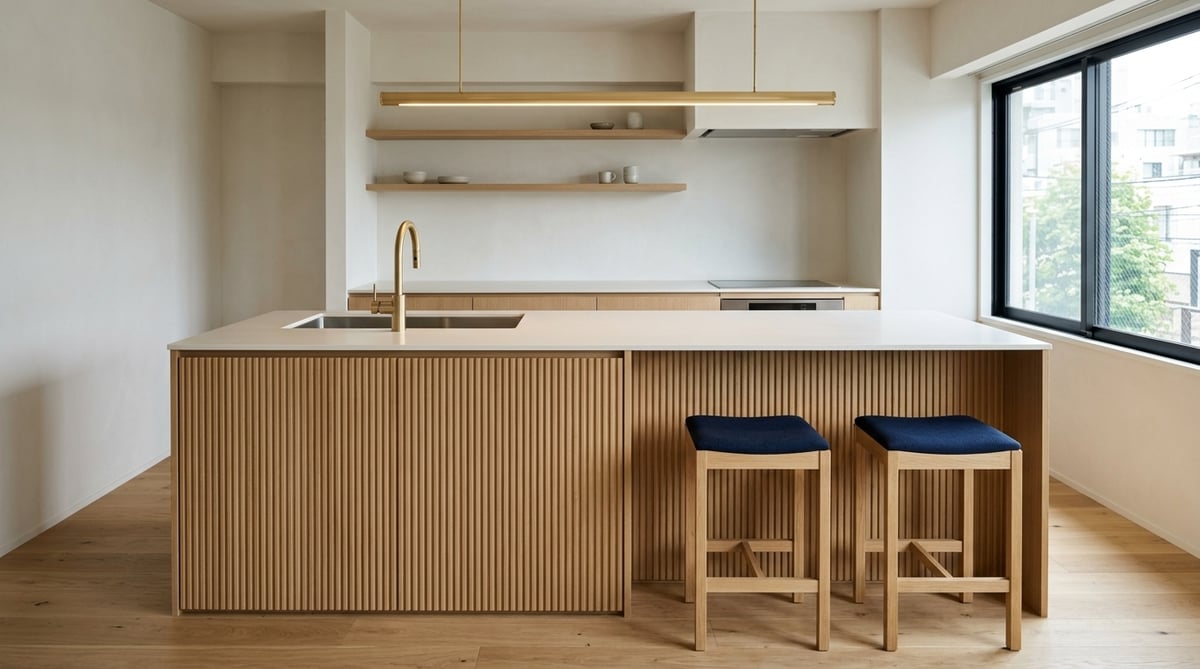
- An in-depth analysis of daily cooking, supermarkets, and essentials procurement around Meiji-jingumae (Harajuku) Station. A licensed real estate agent details real shopping routes utilizing My Basket, Kinokuniya, OK Hatsudai, and Life Shibuya Higashi, complete with drugstore, 100-yen shop, and Chiyoda Line convenience insights.
- Everyday, organic specialty, upscale, and volume-discount supermarkets coexist within walking and cycling distance.
- Actual transit times via power-assisted bicycle connect you directly to economical hubs for weekly bulk shopping.
Can You Cook for Yourself in the Heart of Harajuku? The Reality of Meiji-jingumae's Living Infrastructure
When hearing the names Harajuku or Meiji-jingumae, most people immediately picture the lively bustle of Takeshita Street drawing visitors from around the world, the flagship luxury boutiques elegantly lining Omotesando Avenue, and the vibrant energy of the Jingumae intersection where Meiji-dori and Omotesando cross. For a district renowned as a trend incubator whose sidewalks fill with weekend crowds, it is only natural to assume that this is purely a destination for recreation, not residential life, and that cooking at home would be virtually impossible without visible supermarkets.
However, as a licensed real estate broker who has spent a decade assisting clients with home finding and urban lifestyle planning, I can share that this perception only touches the surface of the neighborhood. In the Jingumae residential pockets expanding east of Harajuku Station—specifically Jingumae 2-chome, 3-chome, and 4-chome, tucked just behind Meiji-dori, as well as the quiet backstreets that carry the atmospheric heritage of the historic Onden district—the busy roar of main thoroughfares gently recedes, revealing a composed and grounded residential rhythm.
Walking through the quiet alleys of Jingumae at 7:00 a.m. before visitors arrive, fresh morning air flows in from the dense sacred groves of Yoyogi Park and Meiji Jingu Shrine, accompanied only by the soft rustle of leaves in the breeze. Residents out walking their dogs exchange gentle morning greetings, while the rich aroma of freshly roasted coffee drifts from the front of local roasters. Since the Showa period, authors, artists, and designers have deliberately chosen this area for their private studios and residences. Alongside commercial radiance, it retains a deep-rooted residential fabric where one can breathe freely and live at ease.
Daily cooking is far from difficult here. While it does not feature the suburban layout of a solitary giant hypermarket dominating the station plaza, Jingumae’s living infrastructure boasts a sophisticated urban functionality: the ability to seamlessly rotate between specialized stores tailored to different purposes. Compact urban neighborhood supermarkets for daily fresh staples, dedicated organic markets prioritizing wholesome nutrition, historic upscale grocers elevating holiday dinners, and large-scale discount supermarkets providing dependable grocery economy all sit harmoniously within a 1.5 to 2.5-kilometer radius.
Each resident brings unique values to their home life. Managing daily food expenses attentively while nurturing physical well-being through home-cooked meals is just as fulfilling as dining at neighborhood cafes and bistros while preparing premium ingredients quickly on select evenings. The location of Meiji-jingumae comfortably accommodates both preferences, offering versatile and compromise-free possibilities for modern urban routines.
Licensed real estate specialists well-versed in central Tokyo and the eastern residential districts provide attentive video consultations—from organizing preferences to verifying unlisted properties and optimizing initial moving costs.
Complete rental and living guide for all stations on the Tokyo Metro Chiyoda Line, from Kita-Ayase and Kita-Senju to downtown Otemachi.
Daily Essentials Procurement Map in Jingumae (My Basket, Bio c' Bon, Kinokuniya)
Within the living sphere centered around Meiji-jingumae (Harajuku) Station, home cooking is anchored by three distinct grocery supermarkets: My Basket, Bio c' Bon, and Kinokuniya. Learning to deploy these three according to your daily schedule and purpose is the secret to living comfortably in Jingumae.
Everyday Essentials at My Basket (Jingumae 2-Chome & Sendagaya 3-Chome Branches)
For daily essentials like milk, eggs, natto, tofu, seasoning staples, and single-meal portions of fresh produce and meat at dependable prices, Aeon Group's compact urban grocery chain "My Basket" is indispensable. In the Jingumae district, residents rely primarily on two convenient locations: the Jingumae 2-Chome branch and the Sendagaya 3-Chome branch.
The Jingumae 2-Chome branch (2-13-9 Jingumae, Shibuya-ku) sits within a quiet residential enclave past Harajuku-dori and operates continuously from 7:00 a.m. to midnight. Offering the same extended operating hours as a convenience store, it stocks daily fresh food and perishables—including Aeon’s private brand Topvalu—at standard supermarket prices. Returning home late after work, having a place nearby to pick up fresh pork and seasonal greens for a quick stir-fry provides immense peace of mind for both singles and dual-income couples.
Meanwhile, for residents on the north side of Jingumae 2-Chome, Jingumae 3-Chome, or closer to Sendagaya, the Sendagaya 3-Chome branch (3-20-10 Sendagaya, Shibuya-ku) is remarkably practical. Open from 7:00 a.m. to 11:00 p.m., it sits right along the walking path toward Kitasando Station on the Fukutoshin Line, fitting naturally into commuting patterns. While store aisles are compact in keeping with urban designs, the selection comfortably supplies single residents with multiple days of fresh ingredients.
Organic Produce and Premium Ingredients at Bio c' Bon Meiji-jingumae
When you seek premium organic food right by the station, look to Bio c' Bon Meiji-jingumae (B1F WITH HARAJUKU, 1-14-30 Jingumae, Shibuya-ku), connected directly underground to Harajuku Station's East Exit and Meiji-jingumae Station. Originating in Paris, this organic lifestyle grocer features JAS-certified organic vegetables and fruits, additive-free condiments, plant-based milks, gluten-free items, and imported artisan cheeses.
Notable highlights at Bio c' Bon include the bulk dispensing section (dried fruits, nuts, and grains) and fresh leafy vegetables sourced directly from verified growers. For single residents who might struggle to finish standard produce bundles, buying smaller, premium portions minimizes food waste while maintaining a wholesome diet. Open until 9:00 p.m., its direct underground connection via Exit 2 ensures smooth, rain-free grocery trips on inclement days.
Artisan Selections for Elevated Dining at Kinokuniya International (Omotesando)
On weekends when you wish to prepare slow-simmered dishes, host an intimate gathering, or treat yourself to select wine and cheese, take a short stroll to Kinokuniya International (Aoyama branch) located on the B1 level of the Ao Building (3-11-7 Kita-Aoyama, Minato-ku), just beyond the Omotesando crossing. It is approximately a 10 to 12-minute walk along Omotesando Avenue from Meiji-jingumae Station.
As the flagship store of Kinokuniya—which opened Japan's first self-service supermarket in 1953—its inventory and quality standard are among the finest in the nation. With masterfully selected Kuroge Wagyu beef, fresh fish shipped directly from fishing ports, curated international cheeses, cold-pressed olive oils, and breads baked in the on-site bakery, simply strolling through the aisles inspires culinary creativity. Even basic seasonings, such as traditional authentically brewed soy sauces and additive-free dashi stocks, are richly stocked to elevate everyday cooking.
Open 7:00 a.m. to midnight. A dependable foundation for daily cooking, offering fresh essentials, milk, eggs, and dairy at budget-friendly prices.
- Stable low prices powered by Topvalu private brand products
- Single-serving portion packs and convenient pre-cut produce
- Located in quiet residential zones away from tourist pathways
Supplying JAS organic greens, additive-free seasonings, imports, and premium fresh meats to balance health and weekend entertaining.
- Direct station connection at Bio c' Bon for effortless rainy day shopping
- Bulk nuts and dried fruit dispensers to prevent food waste
- Expertly curated meats, artisan cheeses, and wines at Kinokuniya
By establishing this three-tiered procurement habit—relying on My Basket for weekday staples, Bio c' Bon for wellness-oriented greens and condiments, and Kinokuniya for weekend dining—living in the center of Harajuku pairs effortlessly with a sophisticated home cooking lifestyle.
| Store Name | Location & Access | Hours | Strengths & Specialty | Recommended Use Case |
|---|---|---|---|---|
| My Basket Jingumae 2-Chome | 2-13-9 Jingumae, Shibuya-ku (9-min walk from Meiji-jingumae Station) | 7:00–24:00 | Fresh produce, dairy, eggs, daily perishables, Topvalu lineup | Late-night weekday grocery runs, quick ingredient restocking |
| My Basket Sendagaya 3-Chome | 3-20-10 Sendagaya, Shibuya-ku (4-min walk from Kitasando Station) | 7:00–23:00 | Single-serving meals, frozen foods, beverages | Evening errands on the walk back toward Jingumae 3-Chome or Sendagaya |
| Bio c' Bon Meiji-jingumae | 1-14-30 Jingumae, Shibuya-ku (WITH HARAJUKU B1F) | 9:00–21:00 | JAS organic vegetables, gluten-free items, bulk dried fruits & nuts | Direct underground access on rainy days, health-conscious selections |
| Kinokuniya International | 3-11-7 Kita-Aoyama, Minato-ku (Ao Building B1F, Omotesando B2 Exit) | 9:30–21:30 | Prime meats, fresh fish, artisan cheeses, imported wines, bakery goods | Weekend dinner parties, holiday cooking, authentic artisan condiments |
Cost-Effective Shopping Routing via OK Hatsudai and Life Shibuya Higashi
When settling into central Tokyo, managing recurring living expenses is a key consideration. Over-relying exclusively on convenience stores and upscale food boutiques can quickly dilute the economic benefits of cooking at home. To solve this, savvy residents of Jingumae routinely integrate a cycling-based grocery route anchored by two powerhouse supermarkets: OK Hatsudai and Life Shibuya Higashi.
Bicycle Routing to Discount Powerhouse OK Hatsudai
Celebrated for its "High Quality & Everyday Low Price" philosophy, OK Hatsudai (1-18-1 Honmachi, Shibuya-ku) enjoys immense loyalty among both singles and families. Offering national-brand foods, seasonings, drinks, rice, and meats at competitive discounts, this store lies approximately 2.3 km northwest in a direct line from the Jingumae district.
Traveling from Harajuku to Hatsudai on a power-assisted electric bicycle takes roughly 10 to 12 minutes in practice. Gliding past the southern edge of Yoyogi Park from the Jingumae crossing, skirting the National Yoyogi Stadium and quiet Yoyogi-Fukamachi alleyways toward Sangubashi and Hatsudai offers a smooth route with minimal traffic signal delays, surrounded by refreshing urban greenery.
Visiting OK Hatsudai on weekends to stock up on pasta, canned goods, condiments, family-sized packs of meat, and frozen staples allows you to manage weekly meal costs with precision. The Hatsudai branch provides expansive bicycle parking designed for large-format retail, where local residents frequently arrive with insulated cooler bags secured in baskets and rear carriers.
Abundant Fresh Goods and Private Brands at Life Shibuya Higashi
Another essential destination is Life Shibuya Higashi (1-26-22 Higashi, Shibuya-ku), reached by heading south along Meiji-dori past Shibuya Station's east side. From the Jingumae intersection, it is an easy 8 to 10-minute flat bicycle ride straight down Meiji-dori.
Life Shibuya Higashi offers an impressive footprint for central Tokyo, distinguished by its freshness and wide assortment in produce and meats. Of special note is Life’s organic and natural private label, "BIO-RAL." With organic vegetables, low-additive delicatessen items, and domestic ingredient specialties at accessible price points, it caters thoughtfully to shoppers seeking both wholesome nutrition and sound economics. Operating until midnight, it is remarkably convenient for quick late-evening stops on the ride home from work.
Musashino Plateau Topography, E-Bikes, and Shared Cycling Services
When organizing a cycling grocery routine around Jingumae, one vital physical detail to verify is the topography and elevation changes.
Meiji-jingumae Station sits on the eastern fringe of the Musashino Plateau. Between the low valley along Cat Street (elevation approx. 20 m), where the Shibuya River (Onden River) historically flowed, the elevated plateau toward Omotesando and Aoyama (elevation approx. 32 m), and the higher ground toward Hatsudai, there are noticeable elevation gradients of 10 to 15 meters. On a standard single-speed bicycle, climbing the slopes of Omotesando or the incline through Yoyogi-Fukamachi toward Hatsudai can feel strenuous, making daily grocery errands cumbersome over time.
This is where power-assisted electric bicycles and urban shared cycling services—such as LUUP and Docomo Bike Share—prove invaluable. With electric assist, inclines become effortless, allowing you to carry groceries uphill without strain. Jingumae features a high density of bike share ports, making it seamless to rent a bike near home, drop it off near OK Hatsudai, and pick up another to ride back after completing your shopping.
Techniques for Separating Visitor Crowds from Daily Residential Routes
A common concern when considering a home near Meiji-jingumae is pedestrian congestion from sightseers. While Takeshita Street and Omotesando are bustling on weekends, permanent residents maintain a serene everyday life by utilizing clever local routing habits. Here are three effective approaches.
Quiet Back-Alley Routes Bypassing Takeshita Street and Omotesando
The primary strategy is making natural use of residential back alleys that skirt crowded landmarks and major arteries.
When walking from Harajuku Station or Meiji-jingumae Station toward Jingumae 2-Chome or 3-Chome, the two bottlenecks to avoid are Takeshita Street and the Jingumae intersection. Local residents take the Omotesando Exit of Harajuku Station or Chiyoda Line Exit 1 to circle south across the Sendagaya Overpass, or cut through the leafy stone-paved pathway known as Brahms Lane (Brahms no Komichi) toward Harajuku-dori. Brahms Lane is a peaceful promenade lined with greenery; despite sitting only dozens of meters from Takeshita Street, foot traffic drops markedly, preserving a calm atmosphere.
Similarly, when crossing Meiji-dori, bypassing crowded intersections in favor of the pedestrian crossing in front of Harajuku Police Station or toward the Jingumae 1-Chome crossing greatly minimizes walking stress. While the southern stretch of Cat Street near Omotesando is filled with shops, the northern stretch approaching Jingumae 2-Chome transitions smoothly into a restful residential landscape.
Time-Shifting: Morning and Evening Windows for Peaceful Living
The second strategy is conscious time-shifting. Retail complexes and fashion boutiques operate primarily between 11:00 a.m. and 7:00 p.m., which is when outside visitor traffic peaks.
In contrast, early mornings before 10:00 a.m. and evenings after 8:00 p.m. return the neighborhood entirely to its local residents. Walking along the tree-lined paths of Yoyogi Park at 8:00 a.m. with a freshly brewed coffee from an early-opening cafe, or completing light grocery shopping at My Basket after 8:00 p.m. beneath the quiet zelkova trees of Omotesando, represents the serene luxury reserved for those who actually live here.
Procuring Daily Sundries and Drugstore Essentials
Strategic timing also makes procuring toilet paper, detergents, and pharmaceuticals effortless.
While Matsumoto Kiyoshi on Takeshita Street and Sugi Pharmacy on Meiji-dori become busy in the afternoon, both are tranquil right after opening on weekday mornings (Sugi Pharmacy opens at 9:00 a.m.) or late at night. In addition, Daiso Harajuku (1-19-24 Jingumae, Shibuya-ku), which is ideal for household goods and storage organizers, is easy and uncrowded when visited on weekday mornings.
Smart Homekeeping with Online Supermarkets and Delivery Lockers
For busy professionals whose schedules leave little time for in-person shopping, online grocery delivery services provide exceptional household support.
Major Online Supermarket Delivery Networks Covering Jingumae
The Meiji-jingumae and Jingumae area is fully covered by Tokyo’s premier online supermarket logistics, offering same-day delivery and generous delivery time slots.
- Life Net Super: Dispatches from fulfillment hubs including Life Shibuya Higashi, delivering a balanced selection of fresh produce, meat, fish, and daily goods, as well as BIO-RAL private label products.
- Aeon Net Super: Reliably supplies budget-friendly groceries, including the full Topvalu roster. Ideal for bulk deliveries of beverages, rice, and pantry goods.
- Rakuten Seiyu Net Super: Combines competitive everyday pricing with loyalty points. Perfect for stocking frozen staples and dry seasonings.
- Amazon Fresh: Offers ultra-fast delivery windows with broad hourly options to accommodate urgent culinary needs.
Delivery Locker Specifications and Regulations in Auto-Lock Buildings
When relying on online grocers and e-commerce, it is crucial during apartment hunting to review delivery locker specifications and building management rules in auto-lock residences.
Standard parcel deliveries fit standard parcel lockers easily, but fresh groceries require careful attention. Due to cold-chain temperature control standards, most online supermarkets cannot deposit perishables into standard non-refrigerated delivery lockers; deliveries generally require face-to-face handover or pre-authorized doorstep placement.
Some contemporary central Tokyo rental residences feature refrigerated delivery lockers or allow couriers inside the auto-lock lobby to place insulated cooler bags directly at the apartment entrance. Conversely, certain modern residences strictly prohibit leaving items in common hallways for security and aesthetic reasons. Overlooking this distinction forces you to be physically home during delivery windows, making prior lease and regulation review essential.
Assessing Kitchen Dimensions, Refrigerator Alcoves, and Delivery Pathways for Comfortable Cooking
When viewing rental properties in Jingumae—especially single-resident 1K or studio layouts around 25 to 35 sqm—always measure the actual usable kitchen space rather than relying solely on floor plan tatami numbers. Beyond the number of burner hobs, having at least 30 cm of countertop prep space between the sink and stove determines whether daily cooking is enjoyable. Another frequently overlooked factor is the clear width of the refrigerator alcove and its door swing orientation. If the alcove width is under 60 cm, fitting a 300-liter class refrigerator (popular with avid home cooks) becomes difficult, restricting you to compact models. Verifying clear passage dimensions from the entrance lobby, elevator, and apartment doorway is also vital to avoid furniture move-in complications.
Walking Times to Supermarkets from Meiji-jingumae Station Exits (Exits 1–7)
Meiji-jingumae (Harajuku) Station, serving the Tokyo Metro Chiyoda and Fukutoshin lines, features an extensive subterranean concourse. Depending on which exit you use, travel times, staircases, and elevator access vary significantly. Below is a guide connecting the official numbered exits (Exits 1 through 7) to major grocery stores and daily neighborhood hubs.
Official Exit Features (Exits 1–7) and Daily Movement Patterns
- Exit 1: Serves JR Harajuku Station (Omotesando Ticket Gate / East Exit), Meiji Jingu Shrine, and Yoyogi Park. An excellent departure point for park walks or e-bike trips toward Hatsudai.
- Exit 2: Adjacent to the National Yoyogi Stadium, Yoyogi Park, and the underground concourse of WITH HARAJUKU. The primary exit for reaching Bio c' Bon Meiji-jingumae without stepping out into the rain.
- Exit 3: Along Meiji-dori toward Jingumae 1-Chome and the Harajuku Police Station. The direct route leading to Harajuku-dori and the residential pockets of Jingumae 2-Chome and 3-Chome.
- Exit 4: Along Meiji-dori toward Jingumae 6-Chome and Laforet Harajuku. Used when heading south down Meiji-dori toward Shibuya or Cat Street.
- Exit 5: Northeast side of the Jingumae intersection, directly adjacent to Tokyu Plaza Harajuku "Harakado" and "Omokado." The starting point for the northern promenade of Omotesando and Jingumae 4-Chome.
- Exit 6: Along Omotesando toward Jingumae 4-Chome. Directly connects to Omotesando Hills, Ura-Harajuku residential alleys, and Omotesando Station.
- Exit 7: Along Meiji-dori toward Jingumae 6-Chome. Equipped with a street-level elevator, serving as an accessible, barrier-free route when carrying groceries or luggage.
| Exit Number | Key Landmarks & Direction | Nearest Daily Procurement Hub | Walking Time | Accessibility & Practical Notes |
|---|---|---|---|---|
| Exit 1 | JR Harajuku Station (Omotesando Gate / East Exit), Meiji Jingu Shrine, Yoyogi Park | Yoyogi Park Shared Cycle Port | 1-min walk | Convenient starting point for bicycle trips toward Hatsudai |
| Exit 2 | WITH HARAJUKU Underground Connection, Yoyogi National Stadium | Bio c' Bon Meiji-jingumae | 1-min walk (Direct) | Direct underground concourse enables sheltered trips on rainy days |
| Exit 3 | Meiji-dori North, Jingumae 1-Chome, Harajuku Police Station | My Basket Jingumae 2-Chome | 9-min walk | Passes Harajuku-dori into Jingumae 2 & 3-Chome residential enclaves |
| Exit 4 | Laforet Harajuku, Meiji-dori South | Sugi Pharmacy Harajuku | 3-min walk | Practical for picking up pharmaceuticals and household consumables |
| Exit 5 | Jingumae Intersection Northeast, Tokyu Plaza Harakado & Omokado | Jingumae 4-Chome Alleys & Onden Pathway | 2-min walk | Gateway into the serene residential zone north of Omotesando |
| Exit 6 | Along Omotesando, Omotesando Hills direction | Kinokuniya International | 10-min walk | Follows the zelkova promenade directly toward Aoyama and Omotesando |
| Exit 7 | Meiji-dori Jingumae 6-Chome, Cat Street South | Life Shibuya Higashi (Cycling route) | 8-min ride | Equipped with street-level elevator; ideal when carrying heavy parcels |
A Tranquil, Rewarding Cooking Lifestyle in the Center of Harajuku
Opening your window in the morning welcomes a crisp, refreshing breeze filtered through the lush greenery of Yoyogi Park, while delicate steam rises from an earthenware pot in the kitchen. In the twilight hours, strolling the alleys of the historic Onden neighborhood and preparing dinner with fresh produce from My Basket shapes a comforting, grounded evening. Being able to craft a calm, steady rhythm of daily life right in the center of Harajuku is the true luxury of living in Jingumae.
Choosing to live in Harajuku means having vibrant cultural and retail amenities directly at your doorstep, while quietly nurturing your own lifestyle rhythm along secluded back alleys. By mastering local grocery routing, understanding the area's elevation contours, and verifying building kitchen features, any initial concerns about home cooking transform into reassuring daily ease.
You can access Sorai Tokyo's suite of smart real estate tools (SorAi)—including the Move-in Cost Simulator, Property Diagnostic Report, Search Criteria Request, and Online Consultation Booking—anytime via the fixed bottom navigation on mobile devices or the footer area on desktop. If you send the URL of an apartment listing to our official LINE account, a licensed real estate broker will check real-time availability across the industry inter-broker database and provide an objective, complimentary review of initial quotes to ensure cost fairness. With our agency commission structured transparently at half-price (0.55 months' rent, tax included), we look forward to assisting your apartment search in central Tokyo.
Frequently Asked Questions About Daily Living in Meiji-jingumae
Here are answers to frequent questions from clients contemplating a move to central Tokyo, grounded in professional real estate brokerage experience.
QWhat is the estimated monthly grocery budget for a single person cooking primarily at home in Harajuku and Jingumae?
AWhile it depends on your combination of stores, 35,000 to 50,000 JPY per month is a standard guideline for a single home cook. By making weekly bulk purchases of frozen foods, dry goods, and meats at OK Hatsudai and supplementing daily fresh items at My Basket, keeping costs around 35,000 JPY is entirely achievable. If you regularly incorporate organic vegetables from Bio c' Bon or premium selections from Kinokuniya, budgeting roughly 50,000 to 65,000 JPY ensures a well-rounded and sustainable diet.
QDo online supermarkets deliver smoothly to auto-lock apartment buildings?
AIf you are home to receive deliveries in person, there is no issue at all. For unattended deliveries, it depends on building equipment and bylaws. If the residence has refrigerated parcel lockers, couriers can leave groceries while you are out, but standard parcel lockers cannot accept perishables. Furthermore, leaving insulated cooler bags at entrance doors in common hallways is prohibited in some condominiums while permitted in others. If you plan to rely heavily on online supermarkets, checking building hallway rules during room viewings is strongly recommended.
QWhat is the bicycle parking situation if I own a power-assisted electric bicycle in Jingumae?
AIn central Tokyo, bicycle parking space is often limited, with common constraints such as "one spot per unit" or "only upper tiers on double-decker racks available." Because electric bicycles weigh between 25 and 30 kg, lifting them to upper racks is difficult, and wider tire widths may exceed rack dimensions. Before submitting an application, ask the management company whether flat ground-level parking suitable for an electric bike is vacant. If securing a dedicated rack is challenging, relying on neighborhood bike share options like LUUP is a practical alternative.
QGiven Harajuku's central commercial identity, what are nighttime noise levels and safety really like?
AWhile Harajuku has a lively daytime reputation, its urban composition differs from late-night nightlife quarters. Most apparel shops and cafes close by 8:00 or 9:00 p.m., wrapping the residential streets of Jingumae in calm stillness at night. In addition, the Harajuku Police Station regularly conducts neighborhood patrols, and Metropolitan Police crime statistics confirm consistent public safety in the residential zones. By selecting well-lit primary walking routes, coming home at night is reassuring and peaceful.

Author: Sorai Tokyo Editorial Team (Supervised by Licensed Real Estate Agents)
A real estate consulting team specializing in assisting foreign nationals find rooms and explaining initial costs in Tokyo. We break down language barriers and differences in customs, offering dedicated support in Japanese, English, and Vietnamese for a safe and secure start to your new life.