
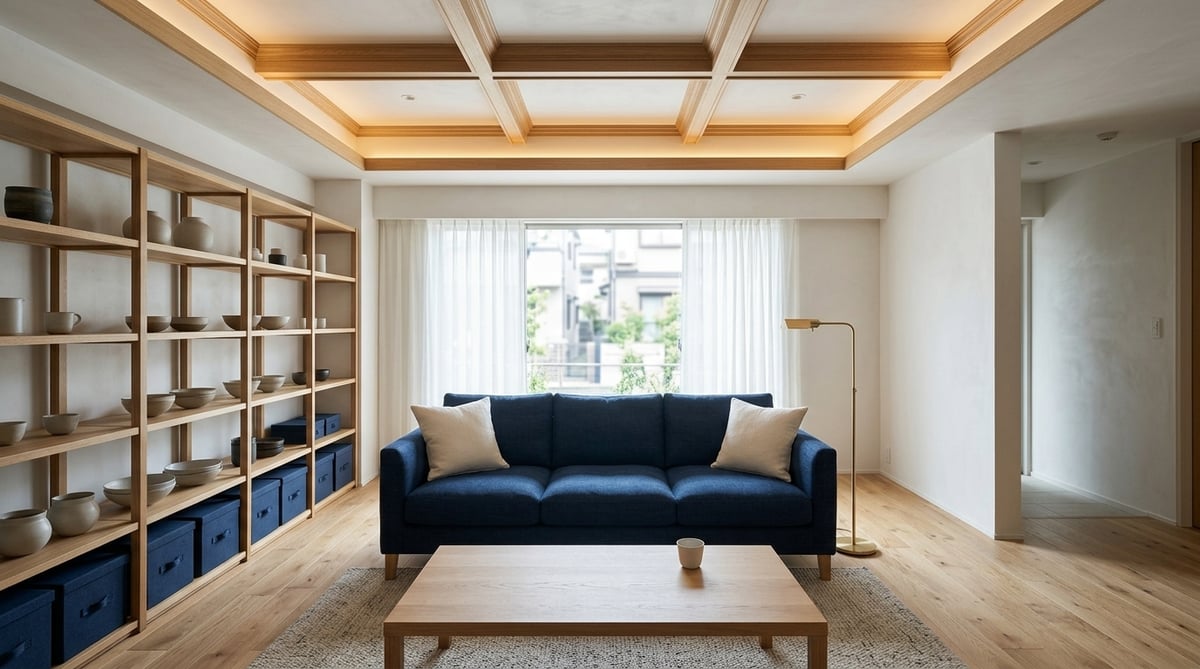
Morning in Omotesando begins with soft rays of sunlight filtering through lush zelkova trees glistening with morning dew, as the gentle aroma of freshly roasted coffee drifts through the crisp air. Step just one block off the grand avenue lined with world-renowned luxury fashion houses and cutting-edge design galleries, and you will enter an astonishingly tranquil residential sanctuary filled with birdsong and rustling leaves.
While many dream of living in Omotesando or Jingumae, practical questions often arise: Are rent prices overwhelmingly high? Are there affordable everyday supermarkets nearby? And do historic vintage apartments really offer comfortable living beyond their stylish aesthetics? Choosing to reside in prime central Tokyo is not merely a matter of geographic convenience—it is a lifestyle choice that transforms how you spend your time and structure your daily routine.
As a licensed real estate broker with over a decade of experience guiding solo apartment hunters and managing residential properties across Tokyo, I provide a clear, grounded perspective on everyday life here beyond the neighborhood's glamorous exterior. In this comprehensive guide, we examine the true value of direct access across three major subway lines, residential safety in Jingumae and Minami-Aoyama, transparent rental market data across apartment layouts, practical grocery and cafe options, and essential checkpoints for selecting vintage residential masterpieces.
- Direct access across central Tokyo via the Ginza, Hanzomon, and Chiyoda Lines
- Just 1 stop on the Hanzomon or Ginza Line; easily walkable or bikeable
- Reflects prime central status, outstanding convenience, and high asset value
Unrivaled Transit Convenience at Omotesando Station and Walkable Access to Harajuku and Shibuya
The primary reason Omotesando Station enjoys enduring popularity among central Tokyo residents is its seamless connectivity across three vital Tokyo Metro lines: the Ginza Line, Hanzomon Line, and Chiyoda Line. With direct access to these three core arteries from a single station, you can reach government and major business districts like Marunouchi, Otemachi, and Kasumigaseki, as well as cultural centers like Ginza, Nihombashi, Shibuya, Roppongi, and Akasaka in just a few to fifteen minutes.
Strategic Use of the Ginza, Hanzomon, and Chiyoda Lines with Direct Travel Times
A standout functional feature of Omotesando Station is its cross-platform interchange design. On the B1 platform level, the Ginza Line (bound for Asakusa) and the Hanzomon Line (bound for Oshiage) arrive and depart directly across from each other. Commuters can transfer between these two major lines in just a few steps without navigating staircases, escalators, or long corridors. During busy morning commutes, this cross-platform ease provides significant physical and mental relief.
Taking the Chiyoda Line connects you directly to Kasumigaseki Station in approximately 10 minutes and Otemachi Station in approximately 14 minutes. For professionals working in Marunouchi, Hibiya, or Otemachi, door-to-door commutes around 20 minutes become standard, eliminating the stress and exhaustion of crowded long-distance trains. Taking the Ginza Line takes you directly to Akasaka-mitsuke in about 5 minutes, Ginza in about 12 minutes, and Nihombashi in about 15 minutes, offering straightforward access to Tokyo's historic commercial centers.
Subway lines also operate late into the evening, providing complete peace of mind when working late or attending dinners. Living in the heart of the city gives you the freedom of unhurried evenings, free from the worry of early transit cutoffs.
Walkable Multi-Station Network: Meiji-jingumae, Harajuku, and Shibuya Stations
The true residential value of the Omotesando and Jingumae area extends beyond Omotesando Station itself. Living in Jingumae provides easy walking access (typically 5 to 10 minutes) to Meiji-jingumae 'Harajuku' Station on the Tokyo Metro Chiyoda and Fukutoshin Lines, as well as Harajuku Station on the JR Yamanote Line. Via the Fukutoshin Line, Shinjuku-sanchome is just 4 minutes away and Ikebukuro is 14 minutes away, with direct through-service on the Tokyu Toyoko Line connecting straight to Daikanyama, Naka-meguro, and Yokohama without transfers.
The JR Yamanote Line at Harajuku Station provides immediate access to major transit hubs including Shinjuku, Shinagawa, and Tokyo Station, facilitating seamless Shinkansen bullet train trips and Haneda Airport connections. Shibuya Station is also within a comfortable 15 to 20 minute walk or a short bicycle ride. A late-night taxi ride home from Shibuya costs around the base fare to slightly over 1,000 JPY, offering a reliable safety net for urban professionals and international residents.
| Station | Available Lines | Direct Travel Times | Weekday Last Train Guideline | Pedestrian Connections |
|---|---|---|---|---|
| Omotesando Station | Ginza Line, Hanzomon Line, Chiyoda Line | Shibuya 2m / Kasumigaseki 10m / Ginza 12m / Otemachi 14m | From Shibuya 00:28 (Hanzomon) / From Otemachi 00:08 (Chiyoda) | Direct access to Kotto-dori, Miyuki-dori, and Aoyama-dori |
| Meiji-jingumae Station | Chiyoda Line, Fukutoshin Line | Shinjuku-sanchome 4m / Shibuya 2m / Ikebukuro 14m / Yokohama 32m | From Ikebukuro 00:13 (Fukutoshin) / From Otemachi 00:08 (Chiyoda) | Direct access to Cat Street and Meiji-dori |
| Harajuku Station | JR Yamanote Line | Shinjuku 5m / Ebisu 5m / Shinagawa 15m / Tokyo 25m | From Shinagawa 00:34 / From Shinjuku 00:52 (Yamanote Outer Loop) | Walking distance to Yoyogi Park, Takeshita Street, and Omotesando Crossing |
| Shibuya Station (Walk / Bike) | JR Lines, Tokyu Lines, Keio Inokashira Line, Tokyo Metro | Direct connections across Tokyo, Kanagawa, and Saitama | Services running until around 01:00 AM | Flat pedestrian route via Miyashita Park and Cat Street |
Simply enter the rent and deposit from portal listings to calculate a full, itemized breakdown including brokerage and guarantor fees without hidden add-ons.
Neighborhood Atmospheres and Safe Walking Environments in Jingumae and Minami-Aoyama
When hearing 'Omotesando' or 'Harajuku', many picture tourist crowds and lively shopping streets. However, stepping into actual residential enclaves—such as Jingumae 3-chome through 5-chome or Minami-Aoyama 4-chome and 5-chome—reveals quiet, dignified neighborhoods distinctly separated from commercial activity.
Creative and Energetic Cultural Enclave
- Distinctive boutique apparel shops, artisanal roasteries, and art galleries tucked along Cat Street and Ura-Harajuku alleys
- An open, cosmopolitan atmosphere popular among international creatives and design professionals
- Architectural charm featuring hidden boutique walk-ups and stylishly renovated low-rise apartments
- Lively pedestrian foot traffic during daylight hours, shifting into calm residential quiet after evening store closures
An ideal environment for residents who value staying close to creative energy while enjoying urban convenience.
Historic, Refined, and Prestigious Residential Retreat
- Protected quietude within Category I Mid/High-Rise Residential Zones near the Nezu Museum
- Remarkably peaceful evenings with traffic noise well shielded by gentle topography
- Historic vintage residences and substantial low-rise condominiums with manicured greenery
- A mature, respectful resident demographic ensuring privacy and personal space
Recommended for professionals seeking deep evening tranquility and sophisticated security alongside central access.
Distinct Residential Characteristics of Jingumae vs. Minami-Aoyama
Understanding the unique personalities of Jingumae and Minami-Aoyama is crucial when selecting your home. Jingumae 3-chome to 5-chome centers around the alleys off Meiji-dori and Omotesando (often referred to as Cat Street and Ura-Harajuku). Here, indie fashion studios, design offices, and specialty coffee stands coexist harmoniously with residential homes. While the daytime air is vibrant with creators and shoppers, shops typically close around 8:00 PM, returning the neighborhood to peaceful residential quiet.
South of Aoyama-dori, Minami-Aoyama 4-chome and 5-chome form an established, affluent residential quarter past the designer flagship boutiques of Miyuki-dori. With the verdant grounds of the Nezu Museum in view, strict zoning laws in these Category I Residential areas restrict building heights and prohibit entertainment and nightlife venues. You will find no noisy pachinko parlors or hostess clubs. Streets feature wide, well-maintained sidewalks, and nocturnal vehicular traffic drops dramatically, offering serene living for discerning single residents.
Streetlight Coverage, Nighttime Foot Traffic, and Security Infrastructure
Safety is often a primary consideration for solo women and expatriates moving to Tokyo. The Omotesando and Jingumae areas benefit from excellent safety conditions. The Harajuku Police Station, Jingumae Police Box, and local neighborhood safety patrols maintain regular vehicle and bicycle patrols around the clock, providing proactive oversight.
Major thoroughfares including Omotesando, Aoyama-dori, Meiji-dori, and Kotto-dori feature high-lumen LED street lighting and open sightlines. Late-night convenience stores and dining establishments ensure consistent foot traffic and eyes on the street. Furthermore, due to the density of high-end flagship stores, embassies, and luxury residences, high-resolution private and municipal security cameras cover almost all major intersections and corridors, leaving minimal blind spots.
Nonetheless, select narrow residential lanes in Jingumae 3-chome or quiet slopes in Minami-Aoyama 4-chome can become quiet late at night. When touring apartments, we recommend walking the route from the station after 9:00 PM to verify streetlight spacing, sightlines, and general evening ambiance firsthand.
Rental Price Benchmarks and Layout Cost Performance (SSoT Master Data)
While Omotesando carries some of the highest residential prestige and rental rates in Tokyo, evaluating cost performance involves more than looking at nominal rent. It requires weighing your budget against significant commute reductions, zero taxi costs, and the lifestyle advantages of living near central work and cultural districts.
| Area / Station | 1K Range (Median) | 1LDK Range (Median) | 2LDK Range (Median) | Market Character & Supply |
|---|---|---|---|---|
| Omotesando Station | 143k - 183k JPY (162k JPY) | 251k - 328k JPY (284k JPY) | 358k - 498k JPY (418k JPY) | Top-tier prestige and asset retention. Wealth of historic vintage buildings. |
| Shibuya Station | 130k - 165k JPY (148k JPY) | 225k - 295k JPY (258k JPY) | 320k - 450k JPY (375k JPY) | Commercial and entertainment epicenter. Abundant newer compact high-rises. |
| Nogizaka & Akasaka | 141k - 180k JPY (159k JPY) | 240k - 315k JPY (272k JPY) | 345k - 480k JPY (402k JPY) | Refined Minato Ward address. Close proximity to Otemachi and Roppongi offices. |
| Harajuku & Meiji-jingumae | 138k - 175k JPY (155k JPY) | 238k - 305k JPY (268k JPY) | 335k - 465k JPY (390k JPY) | Greenery by Yoyogi Park. Many designer renovated studio units. |
Median Rent for 1K, 1LDK, and 2LDK Layouts and Budget Planning
According to official real estate transaction market data, the rent range for a 1K apartment (studio with separate kitchen) near Omotesando Station spans 143,000 to 183,000 JPY, with a median of 162,000 JPY. While this sits higher than nearby Shibuya (median 148,000 JPY) or Nogizaka/Akasaka (median 159,000 JPY), it reflects Omotesando's premier brand value, prime location, and high building standards across Jingumae and Minami-Aoyama.
For spacious 1LDK apartments (one bedroom plus living/dining/kitchen), the median stands at 284,000 JPY (range: 251,000 to 328,000 JPY). For 2LDK units, the median reaches 418,000 JPY (range: 358,000 to 498,000 JPY). For individuals needing dedicated work-from-home space or generous entertaining areas, planning for a monthly rental budget of 250,000 JPY or above provides strong options.
While the conventional Japanese guideline suggests keeping housing costs within one-third of net monthly income, living in central Tokyo invites a more nuanced calculation. Eliminating two hours of daily commute time on packed suburban trains frees up valuable hours each week for sleep, fitness, study, and creative pursuits. Whether you choose to optimize rent to build savings or invest in a central location to maximize productivity, both strategies represent valid lifestyle choices.
Square Footage, Furniture Placement, and Interior Planning
When searching for a 1R or 1K rental around Omotesando, units generally fall into two broad brackets: compact floor plans around 20 square meters, and more comfortable layouts between 25 and 30 square meters. Evaluating usable wall space and daily walking paths before signing is essential.
In a 20-square-meter layout, the main living room typically measures roughly 6 tatami mats (around 10 square meters). Once a semi-double bed is placed, room for a full-sized desk or sofa becomes limited. Making the most of this footprint requires smart spatial choices, such as under-bed storage frames and vertical shelving. This setup works well for dynamic professionals who spend their days out in the city and view their home primarily as a quiet retreat for rest and sleep.
In contrast, layouts of 25 to 30 square meters offer living spaces between 7.5 and 9 tatami mats. This allows comfortable placement of a semi-double bed, a 120cm work desk, an accent chair, and a low table without blocking pathways to the closet or balcony. These units are also far more likely to feature separate bathrooms and toilets, independent washbasins, and two-burner gas cooktops—providing practical comfort for residents who enjoy cooking and spending quiet evenings at home.
Grocery Shopping and Home Cooking: Kinokuniya, Peacock, and Neighborhood Roasteries
A common misconception is that Omotesando only offers luxury boutiques and high-end dining, making daily home cooking prohibitively expensive or inconvenient. In reality, long-established gourmet markets and accessible neighborhood grocers are within comfortable walking distance, supporting convenient daily cooking.
Daily Grocery Strategies: Kinokuniya International, Peacock Store Aoyama, and MyBasket
Directly connected to Exit B2 of Omotesando Station in the basement of the 'Ao' complex lies Kinokuniya International (Aoyama Store), a landmark Japanese gourmet supermarket. With curated imported cheeses, fine wines, farm-direct organic produce, freshly baked breads, and high-end prepared delicacies, it is a go-to spot for weekend dinner ingredients and specialty items.
For practical day-to-day shopping, Peacock Store Aoyama in Kita-Aoyama 3-chome is an indispensable local anchor. It stocks a wide assortment of fresh meats, fish, produce, pantry staples, and everyday household goods like paper products. Open until 10:00 PM, it easily accommodates late grocery runs after work.
Heading toward Jingumae 2-chome, you will find MyBasket Jingumae 2-chome and MyBasket Jingumae 2-chome Shotengai, offering affordable everyday essentials such as milk, eggs, and tofu at low prices. Seijo Ishii Minami-Aoyama on Kotto-dori also provides quality imported goods and ready-to-eat meals. Balancing your shopping—relying on Peacock or MyBasket for pantry staples while picking up specialty items at Kinokuniya—is the standard approach for residents here.
Artisanal Coffee Stands and Fresh Bakeries Tucked Along Quiet Alleys
One of the everyday pleasures of living in Omotesando is having independent third-wave coffee shops and artisan bakeries just minutes from your doorstep. Tucked in the quiet lanes of Minami-Aoyama 3-chome, 'Bread, Espresso &' attracts a pleasant morning crowd for its signature French toast and crisp paninis. Picking up fresh bread on a Saturday morning adds a relaxed, grounding touch to weekend routines.
Specialty coffee stands like LATTEST OMOTESANDO Espresso Bar in the residential alleys of Jingumae 4-chome and Blue Bottle Coffee Aoyama Cafe near Miyuki-dori feature baristas dedicated to their craft. Over time, discovering your preferred roasts and sharing familiar morning greetings with local baristas fosters a warm sense of neighborhood belonging right in the center of Tokyo.
Selecting Vintage Apartments: Earthquake Resistance, Plumbing, and Building Management
A unique architectural highlight of the rental market in Omotesando, Jingumae, and Minami-Aoyama is its collection of prestigious Showa-era vintage condominiums. Featuring textured concrete facades surrounded by mature trees, handcrafted ironwork, and well-designed lobbies, these historic buildings offer a stately presence that newer developments rarely replicate.
Architectural Beauty of Showa-Era Masterpieces and Modern Renovations
The definitive pioneer of vintage architecture in this district is Coop Olympia, completed in 1965 right in front of Harajuku Station. Built the year after the 1964 Tokyo Olympics as one of Japan's earliest luxury condominium developments, it introduced hotel-grade concierge services and a rooftop pool, maintaining an imposing street presence more than half a century later.
Another iconic presence throughout Minami-Aoyama and Jingumae is the Shuwa Residence series, known for Mediterranean-inspired blue Spanish roof tiles, white stucco exteriors, and ornate black wrought-iron balconies. Addresses such as Shuwa Minami-Aoyama Residence, Shuwa Aoyama Residence, and Shuwa Daini Jingu Residence feature mature hedges and vintage details that blend seamlessly into the leafy streetscape.
Many available rental units within these vintage landmarks have undergone full gut renovations down to the concrete slab. With structural plumbing modernized, these interiors feature contemporary system kitchens, bidet-washlet toilets, and deep soaking tubs with automated reheating systems, providing a blend of historic exterior charm and modern interior comfort.
Evaluating Seismic Standards: Pre-1981 vs. Post-1981 Building Codes
Buildings that received building certification before May 31, 1981, fall under Japan's 'Former Seismic Standards' (Kyu-Taishin). Prospective tenants occasionally worry about earthquake resilience. However, top-tier luxury residences constructed in central Tokyo during the mid-Showa period were often designed by leading architects and built by major general contractors who utilized thick reinforced concrete walls and high structural steel volumes that exceeded the legal minimums of their time.
When considering a vintage residence built before June 1981, confirm whether the building association has conducted official seismic diagnostic assessments and completed seismic retrofitting where recommended. Buildings certified to meet contemporary structural safety standards provide solid peace of mind. Additionally, the Omotesando and Aoyama plateau sits on the geologically stable Musashino Diluvial Upland, which provides firm ground conditions that mitigate shaking.
On-Site Inspection Checklist: Plumbing History, Repair Reserves, and Building Management
The most important hidden factor in vintage apartment comfort is plumbing. It is vital to check whether both the central vertical risers and the individual supply and drainage branches within the unit were updated during past renovations. If original galvanized steel pipes remain, you face risks of discolored water or joint leaks over time. Always ask your leasing agent to confirm whether sub-floor plumbing was renewed during interior refurbishment.
Equally important is the quality of building management. Condominiums where owners have maintained adequate reserve funds and consistently executed scheduled repairs—such as exterior painting, roof waterproofing, and pipe replacements—retain their beauty regardless of age. When attending an apartment viewing, use the following checklist to evaluate building health:
| Inspection Point | Specific Items to Check | Signs of a Well-Managed Property | Warning Signs & Red Flags |
|---|---|---|---|
| Waste Disposal Area | Sorting discipline, cleaning standards, adherence to collection rules | Tidy, free of unpleasant odors, zero abandoned bulky waste | Torn bird nets, unsorted garbage piled high, persistent smells |
| Mailboxes & Notice Boards | Littered junk mail, tone and content of management notices | Clean mail slots, notices showing up-to-date dates and polite tone | Overflowing flyers, numerous angry warning notices about neighbor noise |
| Bicycle Parking & Hallways | Abandoned bikes, personal items left in corridors, lightbulbs | Bicycles neatly parked with registry stickers, clear hallways | Dusty abandoned bikes with flat tires, cardboard boxes and umbrellas in hallways |
| Caretaker Staffing | On-site caretaker work hours, maintenance attentiveness, demeanor | Daytime staff 5-6 days/week or 24/7 coverage; clean shared areas | Rare patrol visits only, unattended management office, dusty entrance |
| Unit Plumbing Fixtures | Water pressure test, drain odors, condition of sub-floor pipes | Strong clear water flow from faucets, rapid and smooth drainage | Discolored or rusty water upon opening taps, sewage smells from traps |
Achieving an Enriching Urban Lifestyle in Omotesando
Making your home in Omotesando and Jingumae offers more than geographic convenience. It allows you to immerse yourself in Tokyo's creative pulse while enjoying peaceful residential green spaces. Walking through serene morning streets to your office and relaxing in neighborhood cafes after hours creates a lifestyle that fosters focus, balance, and quiet fulfillment.
Because quality rental properties in this district move quickly, having access to accurate data and experienced professional guidance is key to finding the right home. When reviewing rental contracts and upfront move-in costs, filtering out unnecessary fees can save prospective tenants hundreds of thousands of yen.
At Sorai Tokyo, we prioritize complete transparency and peace of mind for every client, offering a standard 50% discount on brokerage fees (0.55 months' rent including tax) across all rental listings. Whether you are relocating internationally, seeking no-guarantor rental pathways, or looking for an objective second opinion on a quote you received elsewhere, our bilingual team and 24/7 dedicated AI concierge on LINE (@soraitokyo / https://line.me/R/ti/p/@soraitokyo) are here to assist. Simply paste a property URL to check real-time availability on official broker networks (such as REINS) without pushy sales calls, unwanted phone outreach, or mandatory office visits.
When scheduling viewings, we meet you directly at the property. Smartphone users can access our fixed bottom navigation, while desktop visitors can use the footer tools to explore the initial fee simulator and SorAi smart assistants at any time. Take your first confident step toward refined city living in Omotesando with transparent support.
Frequently Asked Questions About Solo Living in Omotesando
QWhat net monthly income is recommended for living alone around Omotesando Station?
AWith median 1K rents around 162,000 JPY (range: 143,000 to 183,000 JPY), a common benchmark for net monthly income is between 450,000 and 550,000 JPY. However, if residing centrally eliminates long daily commutes and reduces transit expenses, allocating 35% to 40% of net income to housing can be a practical, balanced choice. We recommend tailoring your budget to your broader lifestyle priorities and financial objectives.
QDo vintage apartments (built 40-50+ years ago) present issues with winter chill, condensation, or noise?
AShowa-era buildings often have single-pane window sashes that insulate less effectively than modern multi-pane fixtures, which can lead to winter condensation. During viewings, test window sash seals and check whether exterior walls have received updated thermal insulation. On the other hand, luxury vintage residences frequently feature thick reinforced concrete party walls that provide superior sound insulation between neighboring units compared to typical wood-frame or light-gauge steel apartments.
QAre grocery prices in Omotesando and Jingumae too high for practical everyday home cooking?
AWhile shopping exclusively at gourmet grocers like Kinokuniya International will increase food expenses, utilizing Peacock Store Aoyama in Kita-Aoyama 3-chome or MyBasket in Jingumae 2-chome keeps grocery and household spending in line with general Tokyo averages. Purchasing everyday essentials at local supermarkets and reserving gourmet markets for weekend cooking allows you to manage everyday food budgets efficiently.
QCan women living alone feel safe in vintage buildings without automatic auto-lock lobby doors?
AMany vintage residences without electronic lobby access maintain on-site daytime caretakers who actively monitor entrances and shared hallways, providing a strong deterrent to unauthorized visitors. Additionally, verify that unit entrance doors feature high-security double locks (such as dimple keys) and video intercom monitors. Choosing an apartment along a well-lit street with active building management ensures dependable personal safety for solo female residents.
QProperties in Omotesando and Jingumae lease out quickly. How can I avoid missing desirable listings?
AWell-priced renovated units in this district often receive rental applications within days of appearing on public portals. The best approach is to define your core criteria—maximum budget, desired addresses, and essential interior features—and prepare identification and income documentation in advance for swift screening submission. By registering your requirements with Sorai Tokyo via LINE, we can notify you immediately as soon as matching units appear on professional broker databases (like REINS) before public aggregation.

Author: Sorai Tokyo Editorial Team (Supervised by Licensed Real Estate Agents)
A real estate consulting team specializing in assisting foreign nationals find rooms and explaining initial costs in Tokyo. We break down language barriers and differences in customs, offering dedicated support in Japanese, English, and Vietnamese for a safe and secure start to your new life.