
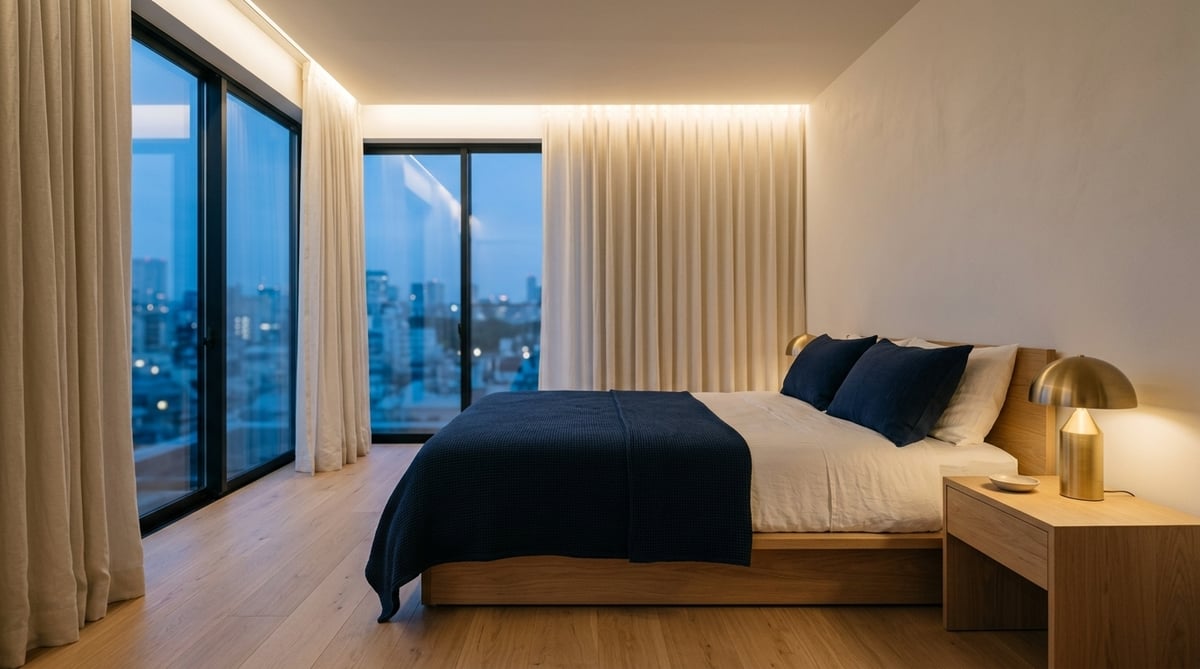
As the sun sets and you step out of the station ticket gates, a gentle neighborhood rhythm and an inviting warmth welcome you home. When looking for a place to live, a truly worthwhile choice is never just about comparing floor plans or square footage; it comes down to how fulfilling and effortless your everyday life will feel once you settle in. Drawing upon a decade of frontline experience as a licensed real estate broker, I am here to address your concerns and provide the practical insights you need to choose your next home with genuine confidence.
Stretching across Kanda-Surugadai, Kanda-Awajicho, and Ogawamachi in Chiyoda Ward, the Shin-Ochanomizu area is a rare neighborhood that places premier business centers like Otemachi and Marunouchi within daily walking distance, all while preserving the quiet academic and cultural heritage cultivated over generations. In the crisp morning air, taking in the waters of the Kanda River from Hijiri Bridge, catching the rich aroma of dark-roast coffee drifting from neighborhood cafes, and retreating at dusk to tranquil side streets insulated from corporate bustle all gently unwind the tensions of a demanding workday. Here, you can fully embrace the supreme convenience of central Tokyo without overextending yourself, achieving a balanced lifestyle that protects your savings while investing in your personal growth on a sensible monthly budget of 100,000 to 120,000 yen.
- Flat, direct pedestrian route connecting via Kanda-Nishikicho and Uchi-Kanda
- Juntendo, Institute of Science Tokyo, and Nihon University Hospitals within walking distance
- Fair, transparent half-month rate adhering to statutory statutory guidelines
Shin-Ochanomizu Station Transit Network and Travel Times to Major Terminals
The defining strength of Shin-Ochanomizu Station on the Tokyo Metro Chiyoda Line lies in its position as a major, seamlessly interconnected transit hub spanning both underground and aboveground levels. Through underground passageways, the station connects directly to Ogawamachi Station on the Toei Shinjuku Line and Awajicho Station on the Tokyo Metro Marunouchi Line, allowing you to switch between multiple subway lines smoothly without passing through ticket gates or worrying about the weather. Step aboveground, and JR Ochanomizu Station on the Chuo and Sobu Lines sits right before you, offering immediate mobility across Tokyo along major arteries running north, south, east, and west.
Otemachi Station is just one stop away on the Chiyoda Line, a ride of roughly two minutes. Even during peak morning rush hours, your time on the train is exceptionally brief, allowing you to reach your desk without the usual physical fatigue. Even more compelling is the walkable commute into the Otemachi and Marunouchi business districts via Kanda-Nishikicho and Uchi-Kanda. The walk from Shin-Ochanomizu Station to the core office complexes of Otemachi takes just 15 to 18 minutes. On crisp spring or autumn mornings, walking along tree-lined sidewalks provides a refreshing, tranquil commute to organize your thoughts before the workday begins. Freeing your daily routine from train delays and packed train cars brings immeasurable peace of mind and valuable time back into your life.
| Destination Station | Line and Travel Route | Travel Time (Including Transfers) | Service Frequency and Notes |
|---|---|---|---|
| Otemachi | Tokyo Metro Chiyoda Line (Direct) | Approx. 2 mins | Trains run every 2 to 3 minutes on weekday mornings. 15 to 18 minutes on foot. |
| Tokyo | JR Chuo Line Rapid (Direct from Ochanomizu Station) | Approx. 4 mins | Also approx. 5 minutes direct from Awajicho or Ochanomizu Stations via the Marunouchi Line. |
| Shinjuku | JR Chuo Line Rapid (Direct from Ochanomizu Station) | Approx. 9 mins | Also approx. 13 minutes direct from Ogawamachi Station via the Toei Shinjuku Line. |
| Kasumigaseki | Tokyo Metro Chiyoda Line (Direct) | Approx. 7 mins | Direct access to government ministry districts. Approx. 5 minutes direct to Hibiya Station. |
| Ginza | Tokyo Metro Marunouchi Line (Direct from Awajicho Station) | Approx. 8 mins | Convenient central access with easy transfers to the Hibiya Line or surface walking routes. |
| Shibuya | Chiyoda Line (Omotesando) to Ginza Line or Hanzomon Line | Approx. 16 mins | Cross-platform transfer across the same island platform at Omotesando Station is exceptionally smooth. |
| Akihabara | JR Sobu Line Local (Direct from Ochanomizu Station) | Approx. 2 mins | Also a pleasant 10 to 12 minute walk across Shohei Bridge or Mansei Bridge. |
Safety and affordability when heading home after the last train represent another practical advantage of living in Shin-Ochanomizu. A taxi ride home from Tokyo Station, whether boarding at the Yaesu or Marunouchi exits, typically costs around 1,200 to 1,500 yen under standard late-night rates, barely exceeding the base fare. Taking a cab from Shinjuku, Roppongi, or Shimbashi costs between 2,500 and 3,500 yen, giving you complete flexibility when working late or attending unexpected evening dinners without glancing at the clock for the final train. Gliding through clear central Tokyo avenues late at night and returning to your own quiet bed in just ten to fifteen minutes is a tangible luxury unique to central neighborhoods.
Regarding station navigation, understanding the access routes from the Shin-Ochanomizu Chiyoda Line ticket gates to ground level is essential for comfortable daily commuting. Taking the long escalator toward Hijiribashi Bridge leads directly into the underground plaza of Ochanomizu Sola City. From here, you can walk straight into office towers, retail dining areas, and the connecting pedestrian path to the adjacent Waterras complex without opening an umbrella, even on rainy days. Using exits B1 through B3 toward Ogawamachi and Awajicho brings you directly out toward the gentle, level residential streets of Kanda-Awajicho and Yasukuni-dori Avenue. Being mindful of these elevation differences and selecting the exit that offers the flattest, most sheltered route to your residence is the secret to effortless everyday urban living.
Consult with experienced bilingual real estate advisors via video call. From selecting safe neighborhoods to verifying contract terms, we help you find the right home.
Townscape and Living Environment Around Shin-Ochanomizu
To truly understand the residential appeal of Shin-Ochanomizu, one must appreciate both its distinctive topography—where high plateaus transition into gentle lowlands—and its rich historical layers. Rising directly north of the station lies Kanda-Surugadai, an elevated plateau district that once housed samurai estates during the Edo period and later evolved in the Meiji era into a premier academic and medical enclave. The copper dome of Nikolai-do (Holy Resurrection Cathedral), designated a National Important Cultural Property beside Hijiribashi Bridge, and the tranquil, dense woods of Yushima Seido across the Kanda River lend the district an enduring, scholarly dignity right in the heart of central Tokyo.
South and east of the station, the flat terrain encompasses Kanda-Awajicho, Kanda-Ogawamachi, Kanda-Tskasamachi, and Kanda-Nishikicho. Tracing their origins to the vibrant merchant culture of old Edo, these neighborhoods unfold along an orderly, grid-like network of streets. Centuries-old specialty restaurants, historic printing workshops, sporting goods shops, and antiquarian bookstores harmoniously blend with modern corporate offices and mid-to-high-rise residential condominiums. Unlike sterile, skyscraper-dense financial districts like Otemachi, this area preserves a genuine sense of lived community and neighborhood warmth, making live-work balance a tangible reality.
One of the greatest peace-of-mind advantages of living here is the concentration of world-class medical infrastructure. The heights of Surugadai are home to major general and university hospitals within an easy stroll, including Juntendo University Hospital, Institute of Science Tokyo Hospital (formerly Tokyo Medical and Dental University Hospital), Nihon University Hospital, and Sanraku Hospital. Having top-tier emergency and specialized medical care virtually at your doorstep serves as an invaluable psychological safeguard for residents. Furthermore, because educational and medical campuses occupy large tracts of land, zoning laws strictly prohibit adult entertainment establishments, preserving exceptional public order and a wholesome neighborhood character.
Official crime statistics from the Tokyo Metropolitan Police Department confirm that Kanda-Surugadai and Kanda-Awajicho consistently rank among the safest, lowest-incident neighborhoods in the metropolis. In addition to regular bicycle and vehicle patrols by Manseibashi and Kanda Police Stations, the area benefits from extensive security camera networks and continuous private security patrols deployed by neighboring corporate headquarters and mixed-use complexes. Streets are brightly lit after dark and designed with wide sightlines, providing peace of mind even when returning home late. While bustling with professionals and academics during the day, traffic volume plummets after sunset and on weekends, surrounding the district in a calm stillness that urban residents deeply cherish.
Everyday Essentials and Home Cooking: Supermarkets, Pharmacies, and Local Districts
One of the most common concerns when moving to central Tokyo as a solo resident is where to buy groceries and daily necessities. Many assume that because Shin-Ochanomizu is a prominent commercial and office hub, everyday grocery stores will be scarce. Over the past decade, however, the area's shopping landscape has evolved dramatically. Modern neighborhood supermarkets have steadily opened within major mixed-use developments and along adjacent residential pockets, ensuring you will never struggle to cook balanced meals at home or restock household essentials.
Directly connected via an underground passage from Ochanomizu Sola City at Shin-Ochanomizu Station lies the Waterras complex, home to Olympic Hypermarket Waterras Mall on the first floor. This supermarket carries an extensive selection ranging from fresh produce, meats, and seafood to prepared side dishes, dairy, condiments, and household goods. You can easily pick up groceries on your evening commute without ever stepping outside into the rain or cold. Open until 9:00 PM, it caters thoughtfully to single residents with smaller portion sizes and freshly prepared hot bento boxes, making it an indispensable anchor for weekday dinners.
For smart household budgeting, the cluster of supermarkets toward Kanda-Ogawamachi and Kanda-Tsukasamachi is equally reassuring. Gyomu Super Kanda, just a few minutes on foot, offers pantry staples, frozen goods, bulk seasonings, and imported groceries at exceptionally competitive prices—a tremendous asset for anyone looking to optimize monthly grocery spending. For late-night needs, Maruetsu Petit Kanda Tsukasamachi stays open late, while neighborhood compact grocery chains like My Basket Kanda Station North and My Basket Kanda Tsukasamachi are dotted throughout the surrounding streets, making it effortless to grab fresh milk, eggs, or produce even when returning home near midnight. On weekends, larger full-service supermarkets such as Summit Store Yushima Tenjin Minami and Peacock Store Kanda Tsumakoizaka in the nearby Hongo and Yushima directions expand your everyday shopping radius even further.
Pharmacies and drugstores are equally accessible. From locations inside Ochanomizu Sola City to prominent national chains like Matsumoto Kiyoshi and Welcia along Yasukuni-dori and around the Ogawamachi intersection, household consumables such as toiletries, laundry detergents, and wellness items are always within reach at discount prices. Many of these locations feature full-service dispensing counters, making it straightforward to manage prescription medications and routine healthcare consultations.
Beyond daily convenience, what truly enriches life in Shin-Ochanomizu is its deep cultural fabric and culinary heritage. A short stroll west leads directly into Jinbocho, the world's largest used bookstore district, where specialized monographs and pocket paperbacks seamlessly become part of your weekend wandering. To the south, sporting goods outlets line the avenues, while Meidai-dori is renowned for its historic musical instrument shops. Tucked quietly into the backstreets are legendary dining institutions dating back to the Meiji era, such as Kanda Yabu Soba and Kanda Matsuya, alongside historic kissaten coffee houses once frequented by literary giants, nostalgic neighborhood diners, and celebrated spice curry establishments from across the globe. Whether preparing a quiet dinner at home or dining out, living here offers a depth of dining and neighborhood culture that sterile, chain-dominated districts simply cannot match.
Rent Benchmarks and Layout Trends for Solo Living in Shin-Ochanomizu
Despite carrying an address in Chiyoda Ward at the very core of central Tokyo, the single-occupancy rental market in Shin-Ochanomizu and Kanda offers exceptional cost performance when compared to the prestigious residential enclaves of the ward's western side, such as Bancho, Kojimachi, and Fujimi. Even with Otemachi and Marunouchi within walking distance or just a few minutes away by subway, a monthly budget of 100,000 to 120,000 yen places well-appointed apartments in sturdy reinforced concrete buildings comfortably within your reach.
This advantageous pricing structure is deeply rooted in Kanda's distinct urban zoning and development history. Neighborhoods like Kanda-Awajicho, Ogawamachi, and Nishikicho are designated commercial districts. Since the 2000s, numerous mid-to-high-rise residential rental buildings have been constructed alongside office towers and local retail storefronts. This efficient use of land produced an abundant supply of studio and 1K units designed specifically for solo residents, maintaining a healthy, competitive market where excessive premium pricing is rarely sustained despite consistent tenant demand. By taking a balanced approach to property age, interior floor space, and station walking distance, you can reliably secure high-performing homes that deliver outstanding day-to-day comfort.
| Area / Station | Standard 1K (20–25 sq.m) Range | Modern 1K (Under 5 Years Old) | Estimated Rent per sq.m | Transit Access to Otemachi |
|---|---|---|---|---|
| Shin-Ochanomizu | 105,000–120,000 yen | 125,000–140,000 yen | 4,600–5,200 yen/sq.m | 2 min via Chiyoda Line (15–18 min walk) |
| Kanda | 110,000–125,000 yen | 130,000–145,000 yen | 4,800–5,400 yen/sq.m | 2 min via JR Lines (10–12 min walk) |
| Akihabara | 108,000–122,000 yen | 128,000–142,000 yen | 4,700–5,300 yen/sq.m | 5 min via Hibiya Line / 4 min via JR |
| Suidobashi | 102,000–115,000 yen | 120,000–132,000 yen | 4,400–4,900 yen/sq.m | Approx. 5 min to Otemachi via Mita Line |
| Yushima | 98,000–112,000 yen | 118,000–130,000 yen | 4,300–4,800 yen/sq.m | Approx. 4 min to Otemachi via Chiyoda Line |
In the Shin-Ochanomizu area, single-occupancy properties in the 100,000 to 120,000 yen bracket typically feature a 1K layout with an interior floor area of roughly 21 to 25 square meters. Structural construction is solidly reinforced concrete or steel-reinforced concrete, while common building amenities routinely include auto-lock security gates, surveillance cameras, secure parcel delivery lockers, and dedicated resident garbage disposal rooms. Private living quarters are equally well-appointed, frequently equipped with separated bath and toilet rooms, a modular kitchen with a two-burner gas cooktop, an independent bathroom vanity, dedicated indoor washing machine space, a bathroom ventilation dryer, and air conditioning—providing everything required for effortless downtown living.
When evaluating property age, established reinforced concrete buildings between 15 and 25 years old represent the prime sweet spot for smart value. Their facades and shared common areas present an understated, dignified presence, and properties under diligent building management are kept spotless, orderly, and serene. By prioritizing residences where interior surfaces, wallpaper, flooring, and plumbing fixtures have been recently refreshed, you can enjoy living standards comparable to brand-new units while trimming your monthly rent by 10,000 to 20,000 yen. That difference translates to an annual savings of 120,000 to 240,000 yen in disposable income, building a solid reserve for future investments and personal growth.
Recommended Rent-to-Income Ratios and Cost of Living Simulation
When signing a rental lease in Tokyo, one of the most fundamental yet frequently overlooked principles is maintaining a sound rent-to-take-home-income ratio. In the past, real estate agents often tossed around the broad rule of thumb that rent should be one-third of gross salary. Today, however, with rising social insurance premiums and income taxes, calculating your housing budget based on gross income is a risky strategy that can easily strain household finances. Drawing on a decade of field experience as a licensed real estate broker, the practical benchmark to ensure financial resilience and build long-term wealth is 25% to 28% of your net monthly take-home pay for single residents, and 22% to 26% for dual-income couples.
Keeping your housing expenses within 28% of your net income creates a dependable financial buffer. Unexpected medical bills, social obligations, or personal development investments will not jeopardize your monthly balance. You can comfortably automate monthly savings and investments—such as tax-advantaged accounts—while still enjoying Tokyo's rich dining scene and personal hobbies. In central neighborhoods like Shin-Ochanomizu, an apartment renting for 100,000 to 120,000 yen per month represents an ideal golden ratio for single professionals earning between 380,000 and 450,000 yen net each month.
Choosing a recently built apartment at 130,000 yen on a 350,000 yen net income (a 37% ratio) leaves fixed monthly costs painfully tight. Building meaningful savings becomes difficult, and having to aggressively cut food and social expenses takes a toll on peace of mind. Your resilience against unexpected expenses or income fluctuations remains fragile.
- Monthly savings stall at only 10,000 to 20,000 yen
- Everyday lunches and casual café visits become sources of stress
- Lump-sum costs for lease renewals and moving out feel overwhelming
Securing a quality reinforced-concrete apartment at 110,000 yen on a 400,000 yen net income (a 27.5% ratio) keeps fixed costs disciplined. This allows you to effortlessly allocate 80,000 to 100,000 yen into savings and investments every month. Walking or short transit commutes save transit costs and open up valuable personal time, sparking a positive life cycle.
- Sustain automated monthly investments of 80,000 to 100,000 yen with ease
- Balance wholesome home cooking with quality weekend dining out
- Reinvest gained time into personal skills, workouts, and restorative sleep
Let us examine a realistic monthly budget breakdown across different net income levels, assuming a disciplined target rent ratio of around 28%.
Case 1: Net Monthly Income of 300,000 Yen (Target Rent: 80,000–84,000 Yen)
This budget brings tastefully renovated vintage apartments into view in character-rich neighboring areas just beyond Shin-Ochanomizu, such as Yushima, Suidobashi, or Kanda. Allocating 82,000 yen to rent (27.3%), 45,000 yen to groceries and dining, 12,000 yen to utilities, 8,000 yen to mobile and home fiber internet, 8,000 yen to daily essentials, 35,000 yen to social outings and leisure, 15,000 yen to clothing and grooming, and 10,000 yen to a contingency reserve still leaves a healthy 85,000 yen for savings and investments each month.
Case 2: Net Monthly Income of 350,000 Yen (Target Rent: 90,000–98,000 Yen)
Solid reinforced-concrete apartments built around twenty years ago, situated within an 8- to 10-minute walk from Shin-Ochanomizu Station, enter comfortable range. A balanced plan includes 95,000 yen for rent (27.1%), 50,000 yen for food, 13,000 yen for utilities, 8,000 yen for telecommunications, 10,000 yen for household goods, 45,000 yen for socializing and personal growth, 20,000 yen for clothing and personal care, and 14,000 yen for emergencies. This setup reliably generates 95,000 yen in monthly wealth accumulation.
Case 3: Net Monthly Income of 400,000 Yen (Target Rent: 105,000–112,000 Yen)
This income tier opens up standard studio and one-bedroom apartments (22 to 25 square meters) right in the Shin-Ochanomizu area, complete with separated vanity sinks and secure auto-lock entries. Allocating 110,000 yen to rent (27.5%), 55,000 yen to food, 14,000 yen to utilities, 8,000 yen to connectivity, 12,000 yen to daily necessities, 50,000 yen to social life and cultural pursuits, 25,000 yen to apparel and wellness, and 16,000 yen to reserves allows 110,000 yen to flow into index funds and savings each month, establishing exceptional financial peace of mind.
Case 4: Net Monthly Income of 450,000 Yen (Target Rent: 115,000–126,000 Yen)
Here you can target newer developments situated close to the station or spacious layouts exceeding 25 square meters. A typical allocation designates 120,000 yen for rent (26.7%), 60,000 yen for dining and groceries, 15,000 yen for utilities, 8,000 yen for internet and mobile plans, 15,000 yen for household items, 60,000 yen for recreation and hobbies, 30,000 yen for clothing and grooming, and 22,000 yen for contingencies. While saving 120,000 yen every month, you can fully enjoy the prime convenience and lifestyle of central Tokyo.
The time dividend gained by living close to work is an equally critical asset to factor into your financial simulation. Compared to a grueling two-hour round trip on packed suburban commuter trains, a brief 30-minute round-trip walk or subway ride from Shin-Ochanomizu to the Otemachi financial district frees up approximately 1.5 hours every day. Over twenty working days a month, that totals roughly 30 hours of newly created personal time. Investing these hours into professional certifications, regular exercise, restful sleep, or home-cooked meals yields long-term health and career compounding that far outstrips simple differences in rent.
Furniture Layout and Precision Sizing for Comfortable Living in a 1K Layout (20–25 sqm)
To maximize limited floor space (20 to 25 square meters) and create a stress-free living environment in a central Tokyo 1K apartment, precise dimensional planning is essential rather than relying on guesswork. In rooms measuring between 6 and 7.5 tatami mats, a miscalculation of even a few centimeters in furniture placement can disrupt your walking paths and leave the room feeling cluttered. Bringing a tape measure to your apartment viewing and checking dimensions down to the millimeter is the surest foundation for a smooth move.
The primary benchmark for room design is the size and placement of your bed, the cornerstone of your sleeping environment. A standard single bed measures 970 mm wide by 1,950 mm long, while a roomier semi-double bed measures 1,200 mm wide by 1,950 mm long. When placing a bed, the most critical factor is the walkway width along your primary path through the room. Comfortable forward-facing walking requires at least 600 mm of clearance; even a tight minimum where you can pass sideways without awkward crab-walking requires 500 mm. Placing the headboard against the longer wall of the room while keeping balcony access and closet doors clear is an essential standard rule.
Pay close attention to the clearance needed to open and close closet doors. Rental apartments typically feature either hinged swinging doors or bi-fold doors. Hinged doors, with panels roughly 500 mm to 600 mm wide, swing outward in an arc. If a bed frame or side table interferes with that swing path, the door cannot open fully, making access to your wardrobe frustrating. Even bi-fold doors project outward by about 300 mm to 350 mm, meaning your layout should provide at least 450 mm of clear space from the door face.
When setting up a workspace for remote work or study, a desk surface measuring 1,000 mm to 1,200 mm wide and 550 mm to 600 mm deep is the ideal golden ratio for single living in a 1K apartment. Ultra-compact desks with a depth under 450 mm may work for a laptop alone, but adding an external monitor and keyboard will leave hands-on workspace noticeably cramped. An easily overlooked factor in home offices is the pullback space required for your desk chair. Sitting down comfortably and sliding back to stand requires at least 700 mm to 800 mm of clearance behind the desk edge. If a bed or wall sits right behind the chair, you cannot pull it back smoothly, creating daily friction. Prioritize open space behind the desk when settling on a layout.
Do not overlook dimensions in the hallway and wet areas. In the kitchen, a walkway width of at least 750 mm—ideally 800 mm or more—is needed to open the refrigerator door fully and handle cookware safely. Dedicated refrigerator alcoves fit standard single-door models (around 150 liters) measuring 500 mm to 550 mm wide. If you cook often and choose a larger two-door or three-door unit (200 to 250 liters), you will need an effective space of at least 600 mm wide by 650 mm deep, along with required ventilation gaps (5 mm to 10 mm on each side and at least 50 mm above).
Standard washing machine drip pans in single-occupancy apartments are generally square units measuring 640 mm by 640 mm. If you plan to install a front-loading washer-dryer combo, check not only the exterior tray dimensions, but also the drain hole position (center, left, or right), the height of the water supply faucet (at least 1,150 mm to 1,200 mm above the tray base), and the clear opening widths of the entryway door, hallway, and washroom door along your delivery route (allowing at least 100 mm of buffer beyond the appliance width).
Understanding natural daylight and thermal conditions based on window orientation is just as important. In dense urban pockets like Shin-Ochanomizu, an east-facing room welcomes refreshing morning sun that encourages a gentle wake-up, transitioning into calm, subdued light in the afternoon. South-facing units stay bright throughout the day and dry laundry quickly, though they require thermal window treatments to manage direct summer heat. Even north- or west-facing residences offer distinct advantages: when facing wider streets or situated on higher floors, they receive stable, soft reflected light with minimal screen glare during computer work. Rather than relying on simple compass preconceptions, focus on the actual openness of the window view and the natural lighting conditions during your in-person visit.
Building Structure, Amenities, and Soundproofing Standards for a Flawless Selection
The foundation of comfortable solo living in central Tokyo lies in a building's structure and acoustic insulation. Intrusive noise that disrupts your sleep or constant anxiety about disturbing your neighbors are the primary culprits behind rental dissatisfaction. Drawing from a decade of on-the-ground experience as a licensed real estate broker, I strongly advise making Reinforced Concrete (RC) or Steel-Framed Reinforced Concrete (SRC) a non-negotiable requirement when choosing an apartment in the Shin-Ochanomizu area.
While wooden and light-gauge steel frame constructions offer lower building costs, their inherent structural density falls short when dampening solid-borne impact vibrations and airborne sounds. This exposes you to hearing conversations from next door, footsteps, or even smartphone vibrations. In contrast, RC and SRC buildings feature dense concrete cast seamlessly into walls and floors, physically blocking sound energy according to the acoustic law of mass. In particular, choosing a property where the dividing partition walls between units feature a concrete thickness of at least 180 millimeters (ideally 200 millimeters) drastically minimizes the risk of everyday noise friction. It pays to scrutinize the property specifications and architectural blueprints to ensure the dividing walls feature solid-poured concrete or double-wall assemblies with an adequate air gap, rather than hollow drywall partitions.
Another frequently overlooked source of sound is the placement of pipe shafts. In floor plans where vertical drainage pipes carrying wastewater from upstairs bathrooms or toilets run directly behind your bedroom or living room wall, you may hear loud rushing water whenever upstairs neighbors use their fixtures late at night or early in the morning. By examining the floor plan to ensure pipe shafts are positioned within closets, along the entrance hallway, or isolated against the wet areas rather than living quarters, you can prevent unpleasant drainage noise issues before they arise.
For shared building amenities, ensure the following four features are in place. First, an automated lobby security lock and comprehensive security cameras, including inside the elevators, to deter unauthorized entry. Second, parcel delivery lockers that securely accept packages while you are out, eliminating missed delivery notices. Third, an on-site, 24-hour garbage disposal room that lets you discard trash at any time regardless of day or hour. Fourth, sheltered bicycle parking that protects your bike from rain and minimizes theft risk. Far from mere indulgences, these amenities represent essential daily infrastructure designed to protect your personal safety and save you valuable time.
Itemized Breakdown of Rental Move-In Costs and Legally Grounded Steps for Optimization
When you receive an initial cost estimate for a rental apartment in Tokyo, it often includes optional services with questionable legal justification or ancillary fees that tenants have no statutory obligation to pay. Drawing on ten years of practical experience as a licensed real estate broker, I will guide you through the exact legal provisions and objective facts needed to systematically eliminate unnecessary charges from your estimate.
The foundational legal baseline governing brokerage compensation is Article 46 of the Real Estate Brokerage Act (Ministry of Land, Infrastructure, Transport and Tourism Public Notice). Under Japanese law, the total commission a real estate brokerage can collect from both landlord and tenant combined cannot exceed one month's rent plus consumption tax (equivalent to 1.1 months of rent). Crucially, the statute establishes an explicit safeguard: "The fee collected from either party to the transaction shall not exceed half a month's rent plus tax (0.55 months), unless the prior consent of that party has been obtained."
In other words, unless a tenant provides explicit prior consent, charging them 1.1 months of rent as a brokerage fee constitutes a direct violation of the Real Estate Brokerage Act. While many agencies routinely issue estimates listing "Brokerage Commission: 1.1 Months of Rent" as if it were mandatory, this practice relies heavily on unfamiliarity with Japanese real estate law. At Sorai Tokyo, our commission is strictly established at half price (0.55 months of rent, tax included), reflecting our dedication to fair and transparent dealings grounded squarely in statutory principles.
| Estimate Item | Standard Industry Fee | Optimized Fair Cost | Legal Basis & Rationale for Reduction |
|---|---|---|---|
| Brokerage Commission | 121,000 yen (1.1 months) | 60,500 yen (0.55 months) | Article 46, Real Estate Brokerage Act. Statutory tenant cap defaults to 0.55 months. |
| Security Deposit & Key Money | 110,000 yen each | 110,000 yen each | Legitimate deposits and customary gratuity based on lease terms (key money can often be negotiated). |
| Advance Rent & Maintenance Fee | 120,000 yen | 120,000 yen | Prorated rent for the move-in month plus the full subsequent month. |
| Guarantor Company Initial Fee | 55,000 yen (50% of rent) | 55,000 yen (50% of rent) | Standard rate charged directly by trust-affiliated or independent guarantor firms. |
| Fire & Liability Insurance (2 Years) | 22,000 yen (Designated plan) | 8,000 yen (Self-arranged) | Tenants hold the right of free choice. Equivalent coverage via mutual aid or direct online plans. |
| Room Disinfection & Deodorizing | 22,000 yen | 0 yen (Removed) | Optional ancillary service with no legal requirement. Fully removable. |
| 24-Hour Resident Support | 16,500 yen | 0 yen (Removed) | Duplicates statutory management obligations. Optional in principle and open to exclusion. |
| Document Preparation & Admin Fee | 11,000 yen | 0 yen (Removed) | Administrative tasks covered by the brokerage commission. Article 46 prohibits separate fees. |
| Lock & Key Replacement | 22,000 yen | 22,000 yen | Actual cost for replacing dimple key cylinders (legitimate security expenditure). |
| Total Cost | 499,500 yen | 375,500 yen | Net Savings: 124,000 yen through lawful optimization |
The first items that should be removed from your quote are add-ons like "indoor room disinfection," "deodorizing treatment," or "anti-bacterial coating" (typically 15,000 to 25,000 yen). In practice, many of these services consist of nothing more than spraying an off-the-shelf deodorizer before move-in, and in some cases, the work is barely performed at all. Because these options are purely voluntary margin-boosting add-ons created by brokerages and bear no relevance to the validity of the lease agreement, you can eliminate them with zero downside simply by requesting: "Please remove the room disinfection fee from the estimate, as I do not require it."
Next to evaluate are "24-hour emergency support" or "home care assistance" packages (usually 16,500 to 22,000 yen). Under Article 606, Paragraph 1 of the Civil Code, addressing pipe leaks, water heater failures, or structural defects falls squarely within the landlord's statutory duty of repair, which is delegated to their property management company. Even without subscribing to an optional paid support package, tenants are legally entitled to call the management company's emergency desk for critical utility and structural failures. Unless enrolment is explicitly mandated as an unnegotiable condition set by the owner, this charge can generally be waived.
Regarding fire and tenant liability insurance, renters maintain the statutory freedom to choose their own insurance provider. The pre-selected policies featured on real estate agency brochures (ranging from 20,000 to 25,000 yen for two years) often carry high agency commission markups, resulting in inflated premiums relative to their coverage. By arranging a policy independently through mutual aid cooperatives or direct online tenant insurance providers, you can secure comprehensive coverage—including 20 million yen in tenant liability protection and personal property insurance—for approximately 4,000 to 5,000 yen annually (8,000 to 10,000 yen for two years). Stating that you will independently secure an insurance policy meeting the owner's coverage standards and submit the certificate upon signing allows you to cut your insurance costs by more than half.
Practical Steps from Property Viewing to Receiving Your Keys
Securing your ideal home safely and cost-effectively requires a methodical, objective process rather than relying on emotion. From initiating your apartment search to receiving the keys to your new home, the journey consists of five practical steps.
Each milestone comes with distinct practical checkpoints. During Step 2, browsing major consumer real estate portals can expose you to phantom listings—properties that are already leased but left online—or exaggerated promotional ads designed to draw customer inquiries. Whenever a property catches your eye, save the listing link and ask a trusted broker with access to inter-broker networks to verify whether applications are genuinely open. This step prevents wasted time and unnecessary physical visits.
In Step 3, do not let cosmetic renovations or surface-level cleanliness distract you during the viewing. Use this essential checklist to evaluate the home:
- Mobile network signal: Confirm full signal bars across major mobile carriers in every room and around plumbing fixtures, as high-rise units and dense residential pockets can experience dead zones.
- Shower water pressure and hot water speed: Turn on the bathroom fixtures to check that both water flow volume and the heating response time meet comfortable daily standards.
- Outlets and television antenna terminals: Verify outlet locations near your intended spots for the bed, workstation, and media setup to avoid trailing extension cords across main walkways.
- Common trash collection and mailbox areas: Check for uncollected trash that violates sorting rules, or overflowing mailbox flyers. Both directly reflect the management company's patrol frequency and tenant manners.
- Building notice board warnings: Look for posted advisories regarding noise complaints or late-night footstep noise, which offer immediate insight into recent resident disputes.
During the Step 4 estimate audit, request a formal cost breakdown alongside your rental application. Negotiating the removal of unwanted items right before signing can create friction with property managers or landlords. Declaring your preferences early—stating that you decline optional disinfection or support packages and prefer to arrange equivalent tenant insurance independently—is the key to a smooth, transparent transaction.
In Step 5, the Explanation of Important Matters is now widely conducted online via smartphone or computer screens. Beyond saving travel time to an office, this digital format lets you review the disclosure document and lease clauses comfortably at home. It gives you the space to ask your licensed broker detailed questions about unfamiliar terms or unfavorable special agreements. Once all conditions are fully understood and agreed upon, sign electronically, transfer the remaining move-in balance, and collect your keys on your scheduled move-in date.
A Smarter Way to Lease in Central Tokyo with Sorai Tokyo
Choosing a home is about much more than securing shelter. It is about the quiet satisfaction you feel waking up each morning, the calm that surrounds you walking home through safe streets after work, and the enduring peace of mind that comes from keeping your expenses sensible and balanced. Only when all of these elements come together can you build a truly rewarding life in Tokyo.
Sorai Tokyo was founded to eliminate the opaque business practices and excessive, unnecessary fees that have long burdened renters. In accordance with the foundational principles of Article 46 of the Real Estate Brokerage Act, we offer our brokerage services across all eligible properties at half the standard brokerage fee—capped at 0.55 months' rent, tax included. On properties with zero security deposit and zero key money, this approach can easily reduce your move-in costs by 100,000 to 200,000 yen compared to traditional agencies.
We also refrain from making misleading claims such as automated, real-time vacancy guarantees. In reality, rental availability changes by the hour, and public portals frequently feature outdated listings or bait-and-switch vacancies. That is why, whenever you share the link to an apartment you found online with our official LINE account, a licensed real estate broker personally verifies its real-time availability through Japan's official inter-broker network. We also provide a completely free second-opinion review of itemized quotes provided by other agencies, screening for inflated or unnecessary initial costs.
You can also access Sorai Tokyo's suite of proprietary analytical tools, SorAi—including our Move-in Cost Simulator—directly from the fixed navigation bar at the bottom of your mobile screen or within the footer on desktop. We encourage you to use this objective planning tool anytime to preview your estimated move-in expenses and structure a comfortable budget well before signing a lease.
Securing a home in central Tokyo, where urban convenience and rich historical character coexist, offers the priceless luxury of reclaiming your personal time. As a licensed broker with a decade of field experience, my sincere wish is that you can take this exciting first step with clarity, confidence, and objective facts, entirely free from artificial stress or unnecessary financial strain.
Frequently Asked Questions
Q Can I really walk to work in Otemachi or Marunouchi from Shin-Ochanomizu Station?
A Yes, walking to work is entirely practical and convenient. From the neighborhoods around Shin-Ochanomizu Station—such as Kanda-Surugadai, Kanda-Awajicho, and Ogawamachi—to the northern edge of Otemachi around Otemachi Financial City, it is an easy 15- to 18-minute flat walk of about 1.2 to 1.4 kilometers through Kanda-Nishikicho. The sidewalks along this route are wide and well lit, meaning you can easily reach your desk in roughly 20 minutes even when factoring in traffic lights. Shin-Ochanomizu is also just one stop away from Otemachi on the Tokyo Metro Chiyoda Line, taking about two minutes. Many residents enjoy walking on pleasant mornings for light exercise while taking the subway on rainy or humid summer days.
Q Is the Kanda area in Chiyoda Ward safe for someone living alone?
A It is considered one of the safest residential areas in central Tokyo. Chiyoda Ward benefits from frequent patrols by the local police stations, Manseibashi and Kanda, along with high public security camera coverage throughout the district. Furthermore, because Shin-Ochanomizu is home to major university teaching hospitals, educational institutions, and corporate headquarters, strict municipal zoning and national regulations prevent entertainment venues and nightlife businesses from opening nearby. Streets remain brightly lit at night with virtually no red-light zones, offering a secure, comfortable living environment for solo residents and newcomers to Tokyo alike.
Q re sound insulation and earthquake resistance dependable in reinforced concrete buildings over twenty years old?
A Every building that received its building confirmation after June 1, 1981, is built under Japan's Modern Seismic Standards, engineered not to collapse during major earthquakes of upper 6 to 7 seismic intensity. Buildings constructed 20 to 25 years ago, around the turn of the millennium, offer robust structural integrity and seismic safety. Soundproofing in reinforced concrete is primarily determined by mass rather than age; unlike wood-frame or light-gauge steel construction, concrete walls of 180 millimeters or greater thickness deliver exceptional acoustic isolation regardless of building age. Choosing a well-maintained property with renovated interior fixtures allows you to enjoy living comfort comparable to brand-new construction while saving significantly on monthly rent.

Author: Sorai Tokyo Editorial Team (Supervised by Licensed Real Estate Agents)
A real estate consulting team specializing in assisting foreign nationals find rooms and explaining initial costs in Tokyo. We break down language barriers and differences in customs, offering dedicated support in Japanese, English, and Vietnamese for a safe and secure start to your new life.