
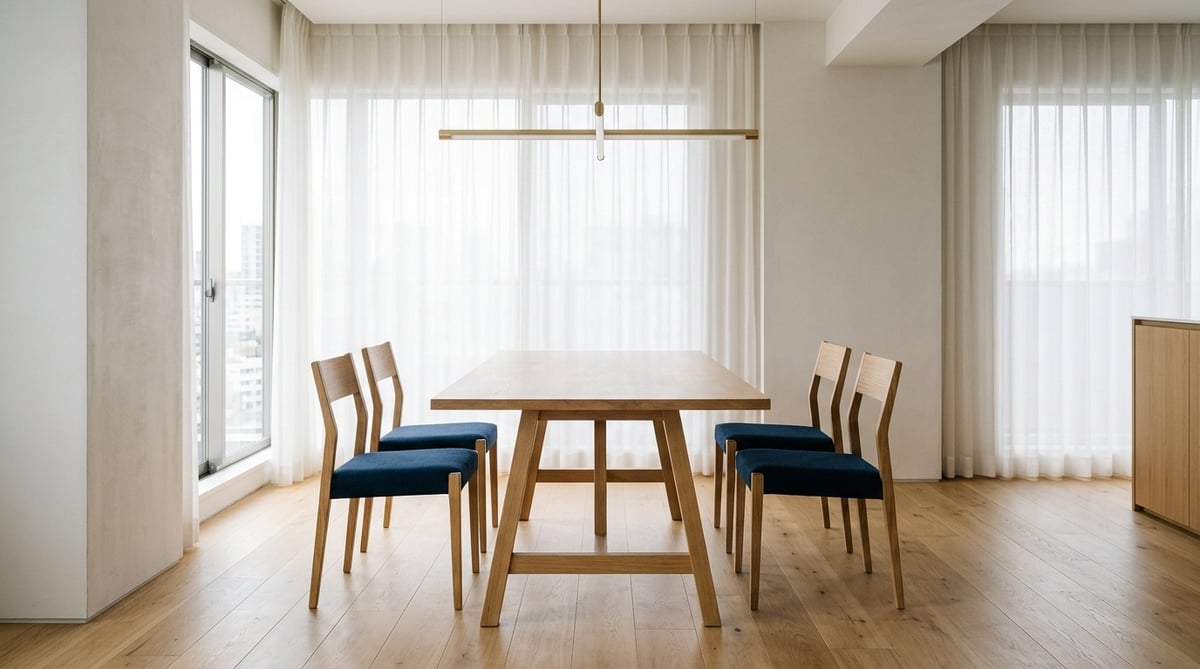
The morning breeze drifting through lush green canopies, the light, rhythmic steps of your dog exploring soft soil beneath their paws, and the rich scent of freshly brewed coffee wafting from a neighborhood cafe along your morning walk. As a place where one can weave such an enriching, peaceful daily rhythm alongside a beloved dog while remaining in central Tokyo, the Yoyogi-Koen and Yoyogi-Hachiman area continues to enjoy enduring devotion among pet lovers.
Adjacent to both Yoyogi-Koen Station on the Tokyo Metro Chiyoda Line and Yoyogi-Hachiman Station on the Odakyu Odawara Line, this district offers exceptional transit convenience—providing direct connections to central business centers such as Omotesando, Otemachi, and Shinjuku. Yet just outside the station gates unfolds a quiet, dignified residential enclave nestled within the gentle topography of the Musashino Plateau. Along the streetscapes leading toward Tomigaya, Yoyogi 5-chome, and Kamiyamacho, dog-friendly cafes and bistros, trusted veterinary hospitals, and attentive grooming salons integrate seamlessly into daily life, cultivating a warm culture that embraces pets as cherished family members.
However, securing a rental home with a pet involves operational and legal considerations distinctly different from standard single or couple tenancy agreements. From the vital distinction between "pet-negotiable" and dedicated "pet-coexistence" residences to appropriate levels of security deposit additions and non-refundable move-out deductions (shikibiki), prospective tenants must navigate various legal frameworks. These include the Tokyo Metropolitan Rental Housing Dispute Prevention Ordinance (commonly known as the Tokyo Rule) and the Ministry of Land, Infrastructure, Transport and Tourism (MLIT) restoration guidelines. In this guide, a licensed real estate broker with over a decade of hands-on experience in Tokyo's central market breaks down the real living environment, rental contract practicalities, and neighborhood infrastructure that support life with your dog in Yoyogi-Koen and Yoyogi-Hachiman.
- Direct central access via Yoyogi-Koen Station (Chiyoda Line) and Yoyogi-Hachiman Station (Odakyu Line) seamlessly coexists with verdant parkside living.
- Home to Tokyo's largest municipal park dog run (approx. 3,620 sqm) and an abundant collection of pet-friendly cafes.
- Thorough verification of pet addenda—including non-refundable deposit terms and restoration standards (6-year wallpaper depreciation)—is essential in lease practice.
Residential Environment and the Appeal of Pet Coexistence in Yoyogi-Koen & Yoyogi-Hachiman
The reason Yoyogi Park and Yoyogi-Hachiman Station remain so uniquely cherished by dog owners extends far beyond the presence of an expansive green refuge. It stems from the harmonious interplay between metropolitan transit, natural topography, and a neighborly community culture fostered carefully over generations.
From a topographical perspective, the undulating terrain characteristic of northern Shibuya Ward on the eastern edge of the Musashino Plateau creates an engaging environment. From the gentle hill where Yoyogi Hachiman Shrine presides, descending toward the valley along Inokashira-dori, and ascending again toward the refined plateaus of Yoyogi 5-chome, the elevation varies by approximately 15 meters. This gentle contour naturally enriches your dog's daily exercise while serving as an organic acoustic barrier, shielding highland residential streets from the hum of major roadways.
Understanding the exact station access points is equally essential to maintaining an effortless balance between office commutes and relaxed quality time with your pet. Yoyogi-Koen Station on the Tokyo Metro Chiyoda Line features four official exits (Exits 1 through 4), each connecting to distinct neighborhood environments:
- Exit 1: Directly connects toward the West Gate of Yoyogi Park and the Tomigaya district, acting as the primary gateway for park walks and the Tomigaya 1-chome shopping arcade.
- Exit 2: Offers convenient access toward Inokashira-dori (heading toward Uehara), ideal for enjoying thoroughfare amenities.
- Exits 3 and 4: Positioned along Yamate-dori, establishing the closest transfer route to Yoyogi-Hachiman Station on the Odakyu Line, with smooth access to the Hachimangu-mae bus stop and taxi stands.
Yoyogi-Hachiman Station on the Odakyu Line completed its elevated concourse and platform expansion projects in 2019. A pedestrian corridor spanning Yamate-dori now ensures frictionless transfers to Yoyogi-Koen Station. The South Exit leads directly to Exits 3 and 4 of Yoyogi-Koen Station and Tomigaya, while the North Exit offers immediate access to the tranquil residential quarters of Yoyogi 5-chome. Riding the Chiyoda Line brings you to Omotesando in approximately 3 minutes, Kasumigaseki in 11 minutes, and Otemachi in 17 to 18 minutes without transfers; the Odakyu Line reaches Shinjuku in just about 5 minutes. This immediate station proximity makes it entirely feasible to enjoy an unhurried, hour-long morning walk under fresh morning light before arriving at the office comfortably on time.
Furthermore, the district extending southeast from Yoyogi-Koen Station along Tomigaya 1-chome Street toward Kamiyamacho—popularly celebrated as "Oku-Shibu" (Deep Shibuya)—features numerous independent artisanal establishments. Unlike mainstream commercial hubs, these eateries warmly welcome four-legged companions both on outdoor terraces and inside dining rooms. Enjoying a refined neighborhood lifestyle distinct from commercial crowds is a defining virtue of this area.
Licensed real estate brokers thoroughly versed in Tokyo's central, Jonan, and Joto districts assist you via video call—from clarifying your search criteria and accessing unlisted listings to verifying fair initial move-in costs.
[Life in Oku-Shibu & Tomigaya] Refined Living Near Yoyogi Park
Alongside walking routes with your dog, explore our comprehensive area guide covering supermarket options, artisanal cafes, and mature single rental benchmarks across Tomigaya and Kamiyamacho.
👉 Read the Oku-Shibu & Tomigaya Rental Guide: Walking Distance to Yoyogi Park
Complete rental and living guide for all stations on the Tokyo Metro Chiyoda Line, from Kita-Ayase and Kita-Senju to downtown Otemachi.
Yoyogi Park Dog Run Etiquette and a Welcoming Community
The Tokyo Metropolitan Yoyogi Park Dog Run spans approximately 3,620 square meters, standing as the largest public canine run across Tokyo's 23 wards. Framed by tall, mature trees, the natural dirt and grass surface cushions joints, providing a rare open haven where dogs can play off-leash safely.
The park's pristine cleanliness and enduring safety reflect a tight collaboration between the volunteer organization "Yoyogi Park Dog Run Support," the Tokyo Metropolitan Government's Eastern Park and Green Space Office (Yoyogi Park Service Center), and responsible daily visitors. To avoid accidents caused by physical disparities, the facility is strictly divided into three independent enclosures:
Yoyogi Park Dog Run Zone Classifications
Dedicated exclusively to dogs under 5 kg. Puppies and delicate breeds such as Chihuahuas, Toy Poodles, and Pomeranians can socialize safely.
Open to dogs up to 12 kg. Sized perfectly for energetic companions like Jack Russell Terriers, Shiba Inus, and French Bulldogs (dogs between 10 kg and 12 kg may choose between this and the larger zone).
Designed for dogs weighing 10 kg and above, as well as an open general run for dogs comfortable socializing across sizes. Golden Retrievers and Border Collies can sprint at full stride.
Registration prior to use is mandatory. This credentialing system prevents unvaccinated or unidentified dogs from entering, ensuring all visitors can share the space with mutual confidence.
The registration counter is located at the Yoyogi Park Service Center on the Harajuku Station side of the park. When applying, you must present your municipality-issued Dog License (or Microchip Registration Certificate) and the current fiscal year's Rabies Vaccination Metal Tag. Note that paper vaccination receipts or veterinary clinical certificates alone are not accepted; you must obtain the official stamped metal tag from your local ward municipal office beforehand. Once registered, you will receive an official User Registration Pass, which must be worn around your neck or visibly pinned to your clothing whenever entering the enclosures. Registration passes operate on an annual fiscal cycle, renewing each year in tandem with annual rabies booster shots.
Early morning at the dog run brings together long-time residents of Yoyogi 5-chome and Tomigaya, sharing quiet greetings in an unhurried atmosphere. These unforced neighborhood encounters provide solo professionals and dual-income couples with an organic, comfortable connection to local society without intrusive obligations. A neighborhood atmosphere where the entire community looks out for pets is the fundamental value that makes Yoyogi Park an enduring home of choice.
Pet Rental Lease Practices and Security Deposit Rules in Tomigaya & Yoyogi-Hachiman
Filtering by "Pets Allowed" on real estate search portals will yield a selection of listings across Yoyogi-Koen and Yoyogi-Hachiman. However, examining the primary management documents and industry listings databases (such as REINS) reveals that these homes frequently entail strict tenancy clauses and rider conditions markedly different from ordinary rental agreements.
First, it is vital to distinguish between "pet-negotiable" units and "pet-coexistence" residential buildings. In standard rental residences listed as "pet-negotiable," landlords often permit pets on an exceptional basis as a vacancy mitigation strategy, even though the building was not originally engineered for animals. As a result, restrictions are typically rigid: "single small dog only," "height under 50 cm and weight under 10 kg," or "cats strictly prohibited." In contrast, purpose-built "pet-coexistence" apartment buildings accommodate medium to large breeds or multiple pets. Common areas come equipped from the blueprint stage with foot-washing stations, waste disposal chutes, and pet-friendly elevators featuring illuminated exterior indicators to alert neighbors that a dog is riding inside.
| Property Category | Typical Pet Allowance | Security Deposit Terms (Standard) | Dedicated Amenities & Specs |
|---|---|---|---|
| Standard Rental (Pet-Negotiable) | 1 small dog OR 1 cat (up to 8–10 kg) | +1 to 2 months deposit addition (1 month non-refundable deduction standard) | Standard specifications. Pets must be carried in common corridors. |
| Pet-Coexistence Residences | Medium/large dogs negotiable; select units accommodate up to 2 pets | 2 months deposit (1 month deduction or actual-cost settlement) | Foot-washing station, indicator elevators, scratch-resistant wainscoting, ventilation |
| Condominium Rentals (Bunjo) | Follows HOA bylaws (frequently limits shoulder height and pet count) | +1 month deposit addition (some without automatic deduction) | Superior acoustic insulation, floating double floors/ceilings standard |
In leasing practice, deposit additions and move-out deductions (shikibiki) prompt the most questions and disputes. In the central Tokyo rental market, lease riders standardly require an extra one to two months of security deposit when keeping a pet. Contracts frequently stipulate that one month of this deposit is unconditionally non-refundable upon lease termination.
Understanding the legal foundation of these clauses is essential. In its December 16, 2005 decision (Second Petty Bench), the Supreme Court of Japan established three standards for the validity of non-refundable deposit deduction clauses: (1) the special clause is explicitly agreed upon, (2) the lessee clearly recognizes that they bear the burden of normal wear and tear within that scope, and (3) the deducted amount is not unconscionably excessive under the principles of good faith (Article 10 of the Consumer Contract Act). In current market practice, a one-month non-refundable deduction is widely recognized as legally valid as an advance settlement for latent wear, tear, and professional deodorization associated with pets.
Regarding repair obligations upon departure, the MLIT's "Guidelines on Rental Housing Restoration" and the Tokyo Metropolitan Ordinance (Tokyo Rule) serve as the benchmark. While deterioration caused by ordinary daily use and natural aging (such as wallpaper discoloration from sunlight) is borne by the landlord, claw scratches on door frames, flooring stains, and persistent odors caused by pets are classified as a breach of the tenant's duty of due care (Good Manager's Duty), making the restoration cost the tenant's responsibility.
However, to avoid unjustified claims, tenants should understand statutory service life (depreciation). Under Japanese tax law and MLIT guidelines, interior vinyl wallpaper carries a statutory service life of six years, reducing its residual book value to a nominal 1 yen (10%) after six years of occupancy. Even if your dog tears a section of wallpaper, you are not obligated to pay for replacing wallpaper across the entire room. Official standards mandate that costs be prorated based on elapsed years, restricted to the specific damaged wall panel. When signing your lease, working with your broker to ensure the special conditions do not contain onerous clauses—such as demanding full replacement costs at brand-new pricing regardless of depreciation—is an indispensable safeguard.
The standard steps from initial search to lease execution and moving into your new pet-friendly home are summarized below:
Criteria Inquiry & Listing Verification
Rather than trusting generic portal tags, your dedicated broker directly checks exact breed, weight, and quantity permissions with the primary property manager.
On-Site Acoustic & Circulation Inspection
Carefully examine floor slip resistance, wall acoustic properties, carrying flow from the entrance to elevators, and the usability of foot-washing areas.
Pet Screening Documents & Application
Alongside standard tenant verification, prepare and submit your rabies vaccination tag, municipal dog license, full-body pet photograph, and vaccine records.
Rider Clause Scrutiny & Explanation
Review deposit amortization, move-out deodorizing charges, and common area bylaws clause by clause with your broker before safely executing the online lease.
A Supportive Neighborhood of Dog Cafes, Clinics, and Groomers
The greatest appeal of living in Yoyogi-Koen and Yoyogi-Hachiman is that pet-friendly venues are naturally integrated into your everyday walking routes. Rather than saving pet outings for weekend excursions, you can comfortably drop into beloved establishments before work or during an evening stroll.
Located right by Yoyogi Park's West Gate in Yoyogi 5-chome, "ARMS" is widely recognized not only as one of Tokyo's premier gourmet burger destinations, but also as a historic trailblazer of local pet-friendly dining. Dogs are welcomed on the outdoor patio and at select indoor tables, allowing you to enjoy a flavorful burger while your dog rests peacefully by your feet. Throughout Tomigaya and Yoyogi-Koen, numerous open-air, dog-friendly cafes welcome pet owners from morning through evening. Additionally, outside the renowned "Fuglen Tokyo"—celebrated for its Oslo-style specialty light roast—neighborhood residents sitting on outdoor vintage benches with coffee in hand while enjoying the morning light with their dogs is a classic local scene.
Beyond dining, a reliable veterinary network provides vital peace of mind for daily life with a pet. Surrounding Yoyogi-Koen Station and Yoyogi-Hachiman Station are multiple trusted neighborhood veterinary clinics providing routine health screenings, vaccinations, and preventive care. Furthermore, for late-night emergencies or accidental ingestion, nearby emergency secondary care facilities (such as the TRVA Night Emergency Animal Hospital) ensure swift, 24-hour access to intensive care.
| Facility / Category | Location & Access | Features & Pet Accommodations | Everyday Resident Advantage |
|---|---|---|---|
| ARMS (Gourmet Burgers) | Yoyogi 5-chome, Shibuya / 1 min walk from Yoyogi Park West Gate | Covered patio & select indoor seating, dedicated dog treats available | Ideal for post-walk weekend brunch or convenient takeout |
| Fuglen Tokyo (Specialty Cafe) | Tomigaya 1-chome, Shibuya / 5 min walk from Yoyogi-Koen Station Exit 1 | Outdoor vintage wooden bench seating, premium Nordic light roast coffee | Savor world-class coffee in crisp morning light alongside your pet |
| Local Clinics & Emergency Network | Tomigaya, Kamiyamacho & Uehara area | General clinical care plus coordination with 24-hour emergency hospitals | 24/7 peace of mind for senior pets or companions with medical conditions |
| Seijo Ishii Tomigaya Store | Tomigaya 1-chome, Shibuya / Along Inokashira-dori | Open 24 hours; premium produce, groceries, and imported delicacies | Seamless grocery stops during early morning dog walks or late returns |
Daily grocery shopping routes further demonstrate the neighborhood's practical convenience. Located along Inokashira-dori, "Seijo Ishii Tomigaya" operates 24 hours a day, making it effortless to pick up provisions during early morning walks or upon returning late from the office. In front of Yoyogi-Hachiman Station, "Maruman Store Yoyogi-Hachiman" remains open until 11:00 PM, providing affordable daily fresh foods. In addition, "Bio c' Bon Tomigaya" stocks a curated selection of organic groceries, including premium organic pet food and specialty treats. For bulk shopping, "Niku no Hanamasa Tomigaya" near the Tomigaya intersection also provides 24-hour service. The seamless coexistence of metropolitan elegance and practical daily infrastructure offers reassuring stability for everyday residents.
Flooring, Acoustics, and Layout Criteria for Comfortable Pet Living
When viewing rental properties, checking basic features like separate baths, independent washbasins, and modern kitchens is rarely enough for a pet-friendly home. Living with a dog requires balancing human lifestyle comfort with canine physiology and acoustic consideration toward neighboring residences.
The first critical focal point is flooring friction and cushioning. Standard composite laminate flooring found in conventional apartments offers easy cleanup, but its slick surface frequently causes dogs to slip, creating serious risks for hip dysplasia, patellar luxation, and spinal disc herniation. During an inspection, verify whether the flooring features anti-slip treatments or resilient cushioned vinyl (CF). If moving into a residence with standard hard flooring, plan your furniture layout with the assumption that primary walkways—such as the living room and hallways—will be layered with non-slip, water-repellent carpet tiles.
The second essential factor is building structural composition and sound insulation. In multi-family housing, most pet disputes arise from barking and the sound of running paws. Wooden-frame (W-structure) and light-gauge steel (S-structure) buildings have relatively high sound transmission between units, posing structural risks if your dog barks in response to noises. We strongly recommend selecting reinforced concrete (RC) or steel reinforced concrete (SRC) structures. Furthermore, checking architectural blueprints through your broker for floor slab thicknesses of 180 mm to 200 mm, raised floating floors/ceilings, and window acoustic ratings of T-1 or T-2 will significantly elevate daily peace of mind.
Serenity in Category 1 Low-Rise Residential Zone with Greenways
- Serene residential environment set back from major roads, remarkably quiet even at night
- Walking routes reaching Yoyogi Park West Gate and Sangubashi without crossing traffic signals
- Rich in low-rise luxury residences offering spacious layouts and robust acoustic isolation
Dynamic 1–4 Min Walk to Stations with Rich Commercial Offerings
- Flat, effortless pedestrian approaches from Yoyogi-Koen Exit 1 and Yoyogi-Hachiman South Exit
- Exceptional convenience with Seijo Ishii (24h) and pet cafes situated right at your doorstep
- Relatively abundant selection of modern 1K and 1LDK apartments permitting pets
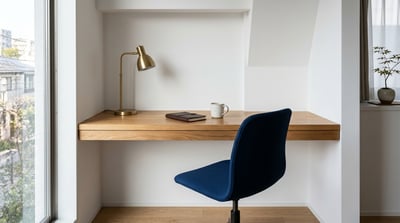
Regarding floor plans, whether an interior partition door exists between the entryway and living quarters is often a decisive factor. In open studio (1R) layouts where the front door opens directly into the main living space, dogs are more prone to dash toward the doorway or bark whenever delivery personnel approach. Choosing a 1K or 1LDK layout with a dedicated hallway door prevents sudden escape accidents and dampens common corridor foot traffic sounds, preserving your pet's emotional calm.
Choosing a Home Based on Walking Routes to Yoyogi-Koen and Yoyogi-Hachiman Stations
While "walking minutes from the station" is standard criteria in real estate, the more relevant metric for dog owners is "minutes to Yoyogi Park gates" and the safety of the path. Even if a property is close in linear distance, having to navigate high-traffic crossings or steep concrete staircases can make twice-daily walks cumbersome over time.
Primary entrances to Yoyogi Park include the Tomigaya Gate on the Tomigaya 1-chome side and the West Gate on the Yoyogi 5-chome side. Properties located along thoroughfares such as Yamate-dori or Inokashira-dori provide wide, brightly lit sidewalks, but may expose dogs to traffic noise and vehicle exhaust. Conversely, residences situated just one block inside the residential streets offer peaceful alleyways where dogs can walk unhurriedly, allowing you to enter the park's lush greenery without stopping at multiple traffic lights.
| Area | Pet-Friendly 1K Rent | Pet-Friendly 1LDK Rent | Walking Route & Characteristics |
|---|---|---|---|
| Tomigaya 1-chome | 115,000–135,000 JPY | 220,000–260,000 JPY | 2–5 min walk to Tomigaya Gate. Flat path lined with welcoming dog cafes. |
| Yoyogi 5-chome | 120,000–140,000 JPY | 240,000–280,000 JPY | 3–6 min walk to West Gate. Peaceful highland path with minimal car traffic. |
| Kamiyamacho (Oku-Shibu) | 125,000–145,000 JPY | 250,000–290,000 JPY | Walkable toward Shibuya. Gentle incline approaching Yoyogi Park South Gate. |
When searching property portals online, prospective tenants often encounter listings labeled "pet negotiable" that turn out to have strict weight caps or prohibitive deposit conditions discovered only after making an inquiry. Furthermore, quotes from general agencies sometimes include opaque fees—such as mandatory deodorization or pet package fees—inflating initial move-in costs well beyond expectations.

Frequently Asked Questions: Living with Pets in Yoyogi-Koen & Yoyogi-Hachiman
Each morning, the earthy scent of park foliage when opening your door and the joyful wagging of your dog's tail bring unmatched fulfillment to daily life. Living in the Yoyogi-Koen and Yoyogi-Hachiman area, where downtown speed harmonizes with natural calm, leads to enduring comfort when built upon sound real estate expertise. If you have any questions or wish to evaluate specific listing criteria, please feel free to reach out to Sorai Tokyo. We are dedicated to supporting your new life with your canine companion with care and professional precision.
QAre large dogs or multiple pets (two or more) permitted in pet-negotiable rental apartments?
AIn standard rental residences where pets are "negotiable," roughly 80% restrict tenancy to a single small dog (up to around 10 kg). However, in low-rise luxury residences such as those in Yoyogi 5-chome, detached rental homes, or purpose-built pet-coexistence apartments, select units permit medium or large breeds and up to two pets. Keeping multiple pets typically adds another month to the required security deposit. Rather than relying solely on flyer text, having your broker negotiate directly with the primary management company beforehand is essential.
QCan a tenant be billed beyond their deposit for pet wallpaper scratches or odors upon moving out?
AWhen a lease specifies a one-month non-refundable deposit deduction, minor wear and standard room deodorization are typically covered within that scope. However, if there are extensive gnaw marks on door frames or wood decay from pet urine, and restoration costs significantly exceed the total deposit, additional charges may be legally assessed. That said, wallpaper follows MLIT depreciation guidelines—reducing to a 1-yen residual value after 6 years. For unjustified or full replacement claims, tenants can invoke official guidelines to correct estimates to an equitable amount.
QCan the Yoyogi Park Dog Run be used at night or in the rain? Is registration issued on the same day?
AThe Yoyogi Park Dog Run is open 24 hours a day and equipped with night lighting, making evening visits after work entirely possible. However, during or immediately following rainfall, the dirt and turf surface can become muddy, so extra caution is needed for dirty paws. For registration, if you bring your official dog license and current rabies vaccination metal tag to the Yoyogi Park Service Center near Harajuku Station (open 9:00 AM to 5:00 PM, excluding New Year holidays), your paperwork will be verified and your User Registration Pass will normally be issued on the same day.
QWhat structural building specifications should be checked during a viewing to avoid noise issues?
AThe most crucial specification is the structure of the party walls separating adjacent units. Solid concrete walls (at least 180 mm thick) in reinforced concrete (RC) buildings offer dependable sound dampening. Even in RC buildings, if dry drywall partitions are used between units, acoustic insulation quality depends heavily on internal insulation craftsmanship. Clapping your hands in the room center to evaluate acoustic reverberation, checking the window sound ratings facing exterior hallways, and ensuring corridors lack blind, narrow corners where dogs might encounter each other abruptly are practical rules of thumb.

Author: Sorai Tokyo Editorial Team (Supervised by Licensed Real Estate Agents)
A real estate consulting team specializing in assisting foreign nationals find rooms and explaining initial costs in Tokyo. We break down language barriers and differences in customs, offering dedicated support in Japanese, English, and Vietnamese for a safe and secure start to your new life.