
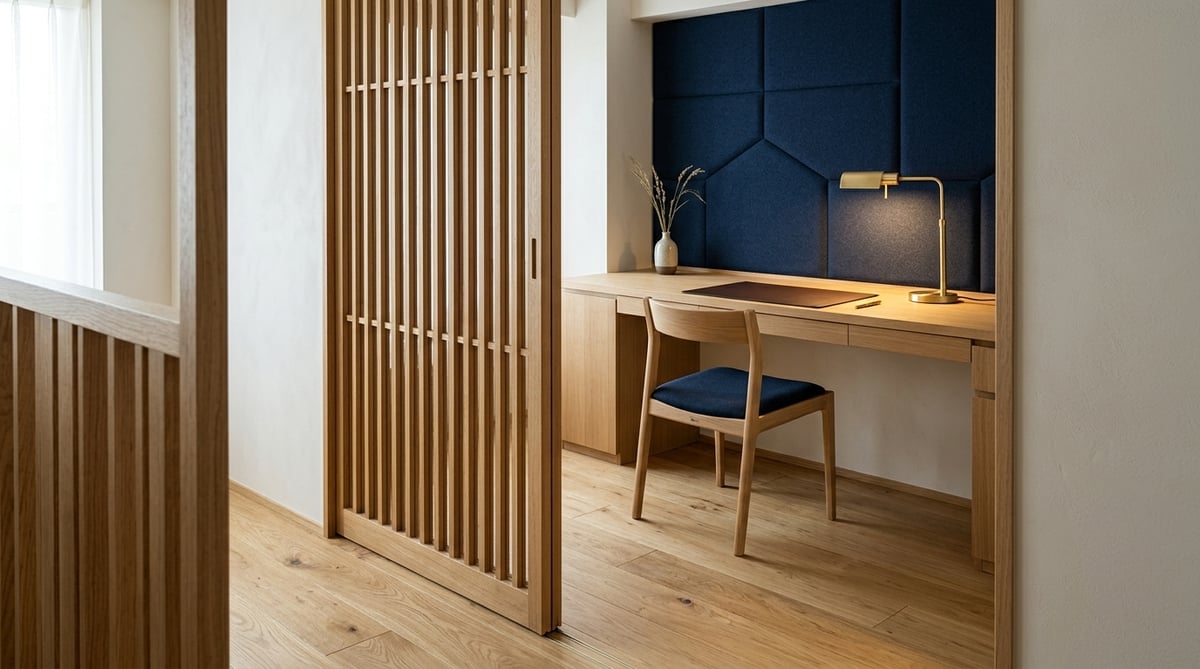
At dusk, as you emerge from the underground exit of Yushima Station on the Chiyoda Line and step onto the sidewalk along Kasuga-dori, the taut rush of central Tokyo gently softens into a calm, neighborhood atmosphere. A cool breeze sweeps through the grounds of Yushima Tenmangu Shrine; historic stone staircases lead down into charming streets, accompanied by the comforting aroma of freshly roasted coffee drifting from alleyway roasteries. Situated right in the heart of Tokyo yet alive with warm, timeless character, this neighborhood offers a soothing retreat for busy professionals.
When searching for a rental home, true value is not simply a mechanical comparison of minutes to the station or bottom-line rent figures. It is found in the morning sunlight streaming through your window, the calm feeling of turning down your street after a long workday, and whether your daily life here feels sustainable and genuinely fulfilling. Rather than strictly adhering to outdated guidelines like spending exactly one-third of your take-home pay on rent, both lifestyles hold great merit: trimming housing costs to preserve financial freedom for travel and hobbies, or investing thoughtfully in a home that erases daily commuting stress and restores your energy.
With more than a decade of experience in Tokyo real estate brokerage and residential property management as a licensed Japanese real estate broker, I have compiled this practical guide to examine Yushima's transit advantages, rental market data, and the tranquil living environment of the Bunkyo hilltop from an everyday resident perspective.
- Direct subway connection to Otemachi on the Chiyoda Line, cutting morning commute fatigue.
- Just a 5-minute walk to the Yamanote and Keihin-Tohoku lines for easy access across Tokyo.
- Noticeably more affordable than neighboring Chiyoda Ward (Kanda/Ochanomizu) with prime convenience.
Unrivaled Transit: 4 Minutes to Otemachi on the Chiyoda Line and Walkable Multi-Line JR Hubs
When setting up a single-person home in Tokyo, your daily commute exerts the single greatest influence on your quality of life. Regardless of how modern or beautifully designed an apartment may be, exhausting yourself every morning on packed commuter trains makes it difficult to maintain balance and peace of mind. Yushima's primary advantage lies in its rapid connection to major business districts, combined with an extensive multi-station railway network reachable entirely on foot.
Direct Commute: 4 Minutes to Otemachi and 9 Minutes to Kasumigaseki from Yushima Station
Passing through the ticket gates at Tokyo Metro Yushima Station and boarding the Chiyoda Line brings you to the platforms of Otemachi Station in just 4 minutes. A 4-minute direct connection to Japan's premier financial and corporate district dramatically cuts commuting fatigue, giving your daily morning routine an effortless rhythm.
Furthermore, government and administrative centers at Kasumigaseki Station are directly reached in 9 minutes, while the boutique shopping and creative hubs around Omotesando Station are only 17 minutes away without a transfer. Minimizing connection transfers and transit delays gives you back valuable time. Enjoying a freshly brewed cup of coffee with a book at a neighborhood cafe before heading into work becomes an easy, stress-free morning routine when living in Yushima.
Multi-Terminal Living: Walking Distance to JR Okachimachi, Ueno, and Akihabara Stations
Transit flexibility in Yushima extends far beyond the Chiyoda Line. Walking east along the gentle slope of Kasuga-dori brings you to Ueno-hirokoji Station on the Tokyo Metro Ginza Line and Ueno-okachimachi Station on the Toei Oedo Line in only 4 minutes. Continuing another minute east brings you to Okachimachi Station in 5 minutes, placing the JR Yamanote and Keihin-Tohoku lines right at your doorstep.
The connectivity does not stop there. Walking 8 to 10 minutes northeast brings you to Ueno Station, a major terminal for high-speed Shinkansen trains and suburban JR lines. Heading 10 to 12 minutes southeast brings you to Akihabara Station for the JR Chuo-Sobu Line and Tsukuba Express, while strolling 8 minutes west uphill leads to Hongo-sanchome Station on the Tokyo Metro Marunouchi Line. Having multiple lines and stations within walking distance allows you to adapt seamlessly to weather conditions or rail service disruptions, providing mobility that few neighborhoods in central Tokyo can match.
| Station & Exits | Distance from Yushima | Available Lines | Direct Travel Times | Daily Life Advantage |
|---|---|---|---|---|
| Yushima Station | Direct access to 1 min walk | Tokyo Metro Chiyoda Line | Otemachi 4 min, Kasumigaseki 9 min, Omotesando 17 min | Primary artery to core business districts, minimizing morning rush-hour stress |
| Ueno-hirokoji / Ueno-okachimachi | 4 min walk | Tokyo Metro Ginza Line, Toei Oedo Line | Nihombashi 7 min, Ginza 10 min, Roppongi 20 min | Direct access to Ginza/Nihombashi retail and Shinjuku/Roppongi commercial hubs |
| Okachimachi Station | 5 min walk | JR Yamanote Line, JR Keihin-Tohoku Line | Tokyo 6 min, Shinagawa 15 min, Ikebukuro 16 min | Quick access to Tokyo's primary loop line and reliable late-night transit backup |
| Ueno Station | 8 to 10 min walk | JR Lines, Ueno-Tokyo Line, Tokyo Metro Hibiya Line | Shimbashi 10 min, Yokohama 30 min, Northern Kanto | Excellent for airport expresses, bullet trains, business trips, and weekend excursions |
| Akihabara Station | 10 to 12 min walk | JR Yamanote, Keihin-Tohoku, Sobu Lines; Hibiya Line; Tsukuba Express | Shinjuku 12 min (Sobu Line), Ebisu 22 min | Direct ride to Shinjuku; walk to major electronics retailers and specialty shopping |
| Hongo-sanchome Station | 8 min walk | Tokyo Metro Marunouchi Line, Toei Oedo Line | Tokyo 9 min, Ikebukuro 10 min, Shinjuku 10 min | Direct link to Korakuen and Ikebukuro via quiet, leafy academic neighborhood walks |
Late-Night Walking Security from Tokyo, Kanda, and Ueno
Whether handling unforeseen overtime at the office or enjoying dinner and drinks with friends and colleagues, missing the last train is a common concern in Tokyo. For residents in distant suburban districts, this often means waiting in long taxi queues and paying steep late-night surcharges. In Yushima, however, that concern is virtually eliminated.
Tokyo Station and the Otemachi financial district are only about 2.5 to 3 kilometers away. A late-night taxi ride takes under 10 minutes and typically costs between ¥1,500 and ¥2,000. On mild evenings, you can easily walk home from Kanda or Ueno in about 30 minutes while enjoying the cool night air. Living close enough to the city center that you are never bound by the clock of the last train is an invaluable benefit of Yushima.
Simply enter the rent and deposit from portal listings to calculate a full, itemized breakdown including brokerage and guarantor fees without hidden add-ons.
Safety Profile and the East-West Neighborhood Transition
Understanding Yushima requires recognizing how dramatically the streetscape shifts between its east and west sides. West of the station lies a peaceful, historic residential district on the Bunkyo upland plateau, while heading east leads directly into the vibrant dining, shopping, and nightlife districts of Ueno and Okachimachi. Navigating this distinct neighborhood transition and choosing the pocket that matches your lifestyle is key to enjoying a comfortable single life here.
Historic Academic Atmosphere and Serene Hilltop Enclaves
The hilltop neighborhoods of Yushima 2-chome and 3-chome, situated west of Yushima Station on the eastern edge of the Hongo plateau, developed historically as the temple town of Yushima Tenmangu Shrine, revered across Japan for scholarly achievement. Stepping just one block off Kasuga-dori into these residential streets, the traffic noise fades into a remarkably calm, peaceful setting.
Along historic slopes such as Sanemorizaka, Tsumakoizaka, and Mikumizaka stand low-rise private homes and well-maintained mid-rise residential buildings. Alleyways reveal mature garden greenery and classic brick masonry. Nighttime vehicle traffic is minimal, creating a serene environment where you can unwind completely after a demanding workday.
Living Near Yushima Tenmangu & Sanemorizaka
- Policed by Motofuji Police Station, ranking among the safest districts in Tokyo's 23 wards
- Quiet nights with minimal car traffic, ideal for solo residents and work-from-home focus
- Well-lit, wide sidewalks along Kasuga-dori and peaceful residential walking routes home
Ideal for professionals who want central Tokyo convenience while coming home to restful quiet.
Living Near Nakamachi-dori & Station East Side
- Extremely close to JR Okachimachi and Ueno stations, with supermarkets and dining right outside
- Dense clusters of izakayas, bars, and entertainment venues active late into the night
- Certain evening routes feature lively crowds and street touts, requiring attentive street choices
Best suited for residents who prioritize late-night dining, shopping convenience, and bustling urban energy.
Nighttime Route Planning: Using Kasuga-dori as a Clear Safety Boundary
East of Yushima Station across Kasuga-dori toward Ueno 2-chome in Taito Ward lies one of Tokyo's most bustling nightlife hubs, centered along Ueno Nakamachi-dori. Packed with izakayas, craft bars, and casual eateries, it is a fun area for dining out, but can feel noisy for an immediate living environment.
For solo residents—particularly women or those seeking quiet surroundings—a practical rule of thumb is to use Kasuga-dori as a natural navigational boundary. When walking home at night from Okachimachi or Ueno Station, avoid taking shortcuts through the interior of Nakamachi-dori. Instead, walk straight along the well-lit, open sidewalk of Kasuga-dori, or utilize the underground passages at Yushima Station to cross directly toward the western uphill district. Following this simple path ensures a clean, comfortable, and well-lit walk home every night.
Bunkyo Ward Address Advantage Under Motofuji Police Precinct
Another major reason for the high level of security in Yushima is its administrative jurisdiction. The area west of Yushima Station belongs to Bunkyo Ward and falls under the jurisdiction of the Motofuji Police Station. Known for hosting the University of Tokyo and prominent medical centers, Bunkyo Ward consistently records some of the lowest crime rates among Tokyo's 23 wards.
Regular neighborhood patrols, strict anti-littering initiatives, and bans on street smoking keep the streetscapes exceptionally clean and safe. Even when apartment listings cite the same walking distance to Yushima Station, whether the property is located in Bunkyo Ward Yushima or Taito Ward Ueno makes a noticeable difference in municipal regulations, sidewalk atmosphere, and everyday neighborhood feel. For international residents and solo newcomers moving to central Tokyo, selecting an address in Bunkyo Ward under the Motofuji Police Precinct provides reliable peace of mind.
Rental Market Overview and Cost-Performance Analysis
When searching for an apartment in central Tokyo, balancing rental rates with overall convenience is essential. While prime locations are appealing, rent that stretches your budget will hinder your ability to enjoy Tokyo life. Examining the rental data for Yushima reveals strong value compared to neighboring Chiyoda Ward and inner-city hubs.
1K Units: Median Rent of ¥119,000 (¥105,000 to ¥134,000) and Target Features
The current rental range for single-occupancy studio/1K apartments (approximately 20 to 25 square meters) around Yushima Station spans from ¥105,000 to ¥134,000 per month, with a median of ¥119,000. Given that Otemachi is 4 minutes away by direct train and JR Okachimachi Station is a 5-minute walk, a median rent of ¥119,000 represents reasonable pricing for inner Tokyo.
Most properties in this price bracket are modern reinforced concrete (RC) urban condominium-style buildings constructed from the 2000s onward. Standard building amenities typically include auto-lock security entrances, parcel delivery lockers, and 24-hour on-site trash disposal. Inside the apartment, you can expect practical comforts such as separated bath and toilet rooms, an independent vanity washbasin, bathroom clothes-drying heaters, a two-burner gas kitchen, and dedicated indoor washing machine spaces. For working professionals with a monthly take-home income around ¥400,000 to ¥450,000, rent stays comfortably within 25% to 28% of earnings, allowing for consistent savings alongside a vibrant urban lifestyle.
| Station | 1K Median Rent (Range) | 1LDK Median Rent (Range) | 2LDK Median Rent (Range) | Location & Lifestyle Profile |
|---|---|---|---|---|
| Yushima Station | ¥119,000 (¥105k–134k) | ¥200,000 (¥177k–231k) | ¥286,000 (¥245k–341k) | 4 min direct to Otemachi, 5 min walk to JR Okachimachi. Balances Bunkyo calm with commercial convenience |
| Nezu Station | ¥114,000 (¥101k–129k) | ¥194,000 (¥172k–224k) | ¥272,000 (¥238k–325k) | Charming retro Yanesen atmosphere and low-rise streets. Walking distance to JR lines is noticeably longer |
| Shin-Ochanomizu Station | ¥132,000 (¥117k–149k) | ¥224,000 (¥198k–259k) | ¥318,000 (¥275k–380k) | Chiyoda Ward address. Exceptional access to Marunouchi and Kanda, but with higher rent levels |
| Ueno Station | ¥117,000 (¥103k–131k) | ¥191,000 (¥169k–221k) | ¥278,000 (¥240k–330k) | Taito Ward address. Immediate proximity to a mega terminal, but with busier commercial surroundings |
Comparative Rent Evaluation: Nezu, Shin-Ochanomizu, and Ueno
Comparing Yushima with neighboring stations highlights its distinct financial balance. At Shin-Ochanomizu Station (just one stop south toward Otemachi in Chiyoda Ward), the median rent for a 1K unit climbs to ¥132,000. Choosing Yushima saves approximately ¥13,000 monthly, or over ¥150,000 each year in fixed housing costs.
While Shin-Ochanomizu and Yushima are separated by only a brief walk past Kanda Myojin Shrine along Kuramaebashi-dori, crossing the administrative boundary from Chiyoda Ward into Bunkyo Ward yields substantial savings. Meanwhile, one stop north at Nezu Station (median 1K rent ¥114,000), rents are slightly lower, but walking to JR Yamanote Line stations takes more than 15 minutes, limiting mobility on rainy days or during hot summers. By combining a 4-minute direct ride to Otemachi and a 5-minute walk to the Yamanote Line at rates below Chiyoda Ward, Yushima occupies a prime sweet spot for cost-effective city living.
Spacious 1LDK and 2LDK Options for Couples and Working Partners
For individuals seeking larger living space or dual-income couples planning to live together, Yushima also presents an attractive selection. The median monthly rent for a 1LDK apartment (35 to 45 square meters) is ¥200,000 (ranging from ¥177,000 to ¥231,000), offering a clean separation between the bedroom and living/dining areas.
For couples where one partner works in Otemachi or Marunouchi and the other commutes to Shinjuku, Shibuya, or Ginza, utilizing the Chiyoda, Yamanote, and Ginza lines keeps commute times balanced at roughly 15 minutes for both. For larger 2LDK homes (50 to 65 square meters), market rents average ¥286,000 (ranging from ¥245,000 to ¥341,000). For households with combined net earnings of ¥800,000 to ¥1,000,000, this setup is manageable, while Bunkyo Ward's well-regarded educational environment offers long-term stability as family needs evolve.
Everyday Grocery Shopping, Cooking, and Dining Conveniences
Alongside commuting convenience, everyday grocery access is a foundational pillar of comfortable living in Tokyo. For busy singles returning home late on weekdays, having a reliable fresh-food supermarket along your walking route is essential for maintaining healthy meals. While Yushima was once viewed as having fewer grocery stores, recent commercial developments have made it one of the most well-supplied food shopping hubs in inner Tokyo.
Summit Store Yushima Tenjin-minami: Late-Night Home Cooking Anchor
The centerpiece of daily grocery shopping in Yushima is Summit Store Yushima Tenjin-minami (Yushima 3-chome, Bunkyo Ward), which opened in 2019. Open daily from 9:00 AM to 11:00 PM, this spacious single-floor supermarket is well stocked with fresh produce, quality meats, fresh seafood, an in-store bakery, single-portion deli items, and convenient meal kits.
Conveniently located on the walk home from both Yushima Station exits and JR Okachimachi Station, picking up ingredients for dinner or breakfast the next morning requires no detour. After 9:00 PM, discount markdowns on prepared foods and deli sets offer practical savings, making it easy to sustain a balanced diet on busy worknights.
| Store Name | Operating Hours | Walk from Yushima | Features & Practical Single-Living Tips |
|---|---|---|---|
| Summit Store Yushima Tenjin-minami | 9:00 AM – 11:00 PM | 3 min walk | Daily cooking backbone in Yushima. Open until 11 PM with extensive fresh produce, deli goods, and baked bread |
| Yoshiike (Parco_ya Ueno B1) | 9:30 AM – 8:30 PM | 5 min walk | Legendary seafood market frequented by professional chefs. Fresh seasonal fish, meats, and regional sake selection |
| Gyomu Super Ueno-hirokoji | 9:00 AM – 10:00 PM | 4 min walk | Budget-defense hub for bulk seasoning, frozen vegetables, dried noodles, and imported international pantry staples |
| Niku no Hanamasa Akihabara | 24 Hours | 9 min walk | Professional wholesale market open 24/7. Generous meat portions and bulk frozen items for round-the-clock needs |
| Don Quijote Ueno | 24 Hours | 4 min walk | 24/7 retail infrastructure for household consumables, cleaning supplies, toiletries, snacks, and small electronics |
Specialty Food Markets: Yoshiike, Gyomu Super, and Hanamasa
Food options in Yushima extend well beyond standard chain markets. Situated right outside JR Okachimachi Station, Yoshiike is a celebrated fresh-food institution founded by Niigata natives. Its extensive basement food hall under Parco_ya Ueno features fresh seafood delivered directly from fishing ports across Japan every morning. From whole seasonal fish to single-serving sashimi platters, home cooks can enjoy restaurant-grade seafood that typical city supermarkets rarely stock.
When you want to stock up on affordable pantry staples like pasta, sauces, spices, and frozen ingredients, Gyomu Super Ueno-hirokoji is only a 4-minute walk away. For irregular work shifts requiring early-morning or late-night grocery runs, Niku no Hanamasa Akihabara operates 24/7 within a 9-minute walk. Having this versatile combination of supermarkets, bulk discount outlets, and gourmet fishmongers within a few minutes' walk creates an exceptional culinary setup.
Dining Out: Vibrant Okachimachi, Akihabara, and Ueno Food Culture
On evenings when you prefer dining out or weekends when you want to take it easy, Yushima offers an endless variety of options. Beneath the elevated railway tracks around Okachimachi Station, you will find classic izakayas, yakitori spots, and modern craft beer bars. The upper levels of Parco_ya Ueno house upscale, relaxed restaurants perfect for comfortable dining.
Walking south brings you to Akihabara's ramen rows and authentic spice curry establishments, while heading west up the slope toward Hongo leads to heritage kissaten coffee shops and third-wave cafes serving single-origin pour-overs. Having this mix of unpretentious neighborhood diners and calm cafes just outside your door adds rich variety to everyday life in Yushima.
Unrivaled Medical Infrastructure: Surrounded by Premier University Hospitals
One of the primary concerns when living alone—especially for international residents far from family—is accessing reliable medical care during unexpected illnesses or accidents. Knowing whether trusted hospitals and emergency clinics are nearby provides essential peace of mind. Yushima sits in one of Japan's most concentrated clusters of advanced academic medical centers.
Walkable Access to Japan's Top Medical Centers
Within a 1-kilometer radius of Yushima Station stand several of the nation's premier tertiary and special-functioning university hospitals. To the south is the Institute of Science Tokyo Hospital (formerly Tokyo Medical and Dental University Hospital); to the southwest toward Ochanomizu lies Juntendo University Hospital; and to the west in Hongo stands the University of Tokyo Hospital (Todai Hospital).
These teaching institutions feature leading medical specialists and round-the-clock emergency medical systems. Beyond routine clinic visits and annual health checkups, having world-class medical facilities within walking distance in the event of sudden illness offers reassurance for anyone living on their own in Tokyo.
Residential Appeal for Medical Professionals and Researchers
Reflecting this proximity to major medical centers, Yushima's rental market sees consistent demand from doctors, nurses, pharmacists, clinical researchers, and biotech professionals. For healthcare workers managing irregular shift rotations and emergency on-call duties, living within a 5 to 10-minute walk from the hospital—with late-night supermarkets and convenience stores along the way—provides an ideal environment.
Because many residents in the area work in healthcare, legal fields, and corporate roles, neighborhood apartment buildings tend to be well-maintained and orderly. Common areas remain clean, and late-night noise or improper trash disposal are uncommon, contributing to a calm and respectful living environment.
Acoustic Check on Emergency Vehicle Routes for Shift Workers
Because Yushima is surrounded by major teaching hospitals, main roadways such as Kasuga-dori and Shinobazu-dori serve as regular routes for emergency ambulances. If you work night shifts and need sound sleep during the day, or if you work from home and value quiet concentration, choosing an apartment set one block back in the hilltop residential enclave near Yushima Tenmangu is advisable. When inspecting apartments along major avenues, verify that the windows have double-glazing with a sound insulation rating of T-2 (30 dB reduction) or higher to ensure peaceful rest.
Smart Apartment Hunting: Slopes, Elevation, and Building Specs
Even in a well-connected neighborhood, overlooking topography and building specifications during your property search can lead to regrets after moving in. Yushima's rolling terrain and historic slopes require careful consideration beyond what standard floor plans and listing sheets show.
Hilltop Slopes: Balancing Natural Quiet with Daily Walking Routes
The defining geographical characteristic of Yushima is its hilly terrain. Situated at the edge of the Hongo plateau, the area around Yushima Tenmangu features steep slopes like Sanemorizaka, Tsumakoizaka, and Mikumizaka, as well as the historic stone staircases of Otokozaka and Onnazaka.
Hilltop properties have clear advantages: flood risks on municipal hazard maps are virtually zero, natural light and airflow are excellent, and homes remain insulated from street noise. However, your daily commute and grocery trips will involve navigating these slopes, so examining the grade of your walking route in advance is important.
If you plan to use a bicycle, standard single-gear city bikes can struggle on these inclines, making an electric power-assisted bicycle or an apartment with flat access along Kasuga-dori a practical choice. Because Japanese property listings calculate walking minutes based on flat distances (80 meters per minute), always walk the actual route on a rainy day or at night to gauge the feel before signing a lease.
Essential Security Specifications: Auto-Locks, Interior Hallways, and Parcel Lockers
Because Yushima borders active commercial districts, building security should never be compromised. For single residents—and women in particular—essential building features include auto-lock building access, color video intercom monitors, strategically placed security cameras, and pick-resistant dimple or contactless IC keys.
Another valuable feature is hotel-style interior hallways (uchirouka). By enclosing the corridor, outsiders cannot see when residents enter or leave their apartments, protecting your privacy and security. Enclosed hallways also shield you from rain and wind while reducing outside noise. Practical additions like secure parcel delivery lockers and 24-hour on-site trash disposal rooms make managing a busy urban routine significantly easier.
Summary: Achieving a High-Quality Single Life in Yushima
Living around Yushima Station gives you the transit mobility of reaching Otemachi in 4 minutes and JR Okachimachi in 5 minutes, paired with the quiet history of Bunkyo's hilltop and a rich everyday food culture. It provides a grounded, balanced city lifestyle for working adults.
By understanding the boundary between the commercial and residential pockets, focusing on properties along Kasuga-dori or up near Yushima Tenmangu, and personally checking walking routes and slopes, Yushima stands out as one of central Tokyo's most satisfying places to live alone.
If you have questions about move-in costs or complex contract terms, you do not have to navigate them alone. At Sorai Tokyo, international residents can simply send the URL or listing sheet of any apartment found on major portals like SUUMO or HOME'S to our official LINE account (@soraitokyo / https://line.me/R/ti/p/@soraitokyo). A licensed Japanese real estate broker will check real-time availability on the nationwide inter-broker database (REINS) on your behalf.
We also provide a completely free, online-only Second Opinion Review on upfront moving quotes issued by other real estate agencies, helping you spot inflated charges and eliminate unnecessary optional fees. Furthermore, our brokerage fee is consistently capped at half price (0.55 months' rent including tax). With direct on-site property viewings and no mandatory store visits, you can browse homes smoothly without pushy sales calls or high-pressure tactics.
Explore our transparent moving-cost tools and resources via the bottom navigation bar on mobile or in the website footer on desktop. We are here to support you in finding a safe, comfortable, and fulfilling home in Tokyo.
Frequently Asked Questions: Living Alone in Yushima

QIs Yushima Station safe for a single woman living alone?
AYes. By selecting the right pocket and walking route, it is a safe and comfortable neighborhood. While the eastern area near Nakamachi-dori contains a bustling nightlife district, the western area around Yushima Tenmangu and Sanemorizaka falls within Bunkyo Ward under the Motofuji Police Station, maintaining some of the lowest crime rates in Tokyo's 23 wards. By walking home along well-lit Kasuga-dori and choosing a reinforced concrete building with auto-lock access and a video intercom, single women can live here with reliable peace of mind.
QAre the slopes around Yushima difficult to navigate on a daily basis?
ABecause Yushima sits on the eastern edge of the Hongo plateau, certain streets like Sanemorizaka, Mikumizaka, and the Otokozaka/Onnazaka staircases do have steep inclines. However, access routes depend on your apartment's specific location, and many properties are accessible along the flat sidewalks of Kasuga-dori. While hilltop homes provide excellent natural light, quiet surroundings, and zero flood risk, considering an electric-assist bicycle or personally walking the slope during your property viewing is recommended.
QHow many minutes does it take to walk from Yushima Station to JR Okachimachi or Ueno Station?
AFrom the eastern exits of Yushima Station, it takes just 5 minutes (about 400 meters) walking east along Kasuga-dori to reach the north or south gates of JR Okachimachi Station. You can also walk to the Shinobazu exit of JR Ueno Station in 8 to 10 minutes, and to Akihabara Station's Electric Town exit in 10 to 12 minutes. Being able to access the Yamanote, Keihin-Tohoku, Ginza, and Oedo lines on foot is Yushima's greatest transit strength.
QWhat is the estimated total upfront moving cost for renting a 1K apartment in Yushima?
AStandard initial moving costs in Japan typically average between 4.5 to 5 months of rent. For a 1K apartment with a median rent of ¥119,000, budgeting roughly ¥550,000 to ¥600,000 covers the security deposit (1 month), key money (1 month), advance rent (1 month), rent guarantor fee (approx. 0.5 months), and fire insurance. By working with Sorai Tokyo, where the brokerage fee is capped at half price (0.55 months' rent incl. tax), you save approximately ¥65,000 compared to conventional agencies charging full fees, freeing up funds for furniture and home setup.
QIs Yushima convenient for grocery shopping and home cooking?
AIt is very convenient. Just a 3-minute walk from the station, Summit Store Yushima Tenjin-minami is open daily until 11:00 PM, stocking fresh produce, meats, deli meals, and an in-store bakery on a spacious single level. In addition, Yoshiike (fresh seafood market) and Gyomu Super by Okachimachi Station, along with a 24-hour Niku no Hanamasa and Don Quijote, are all within walking distance, making grocery shopping easy for everyday cooking and busy lifestyles.

Author: Sorai Tokyo Editorial Team (Supervised by Licensed Real Estate Agents)
A real estate consulting team specializing in assisting foreign nationals find rooms and explaining initial costs in Tokyo. We break down language barriers and differences in customs, offering dedicated support in Japanese, English, and Vietnamese for a safe and secure start to your new life.