
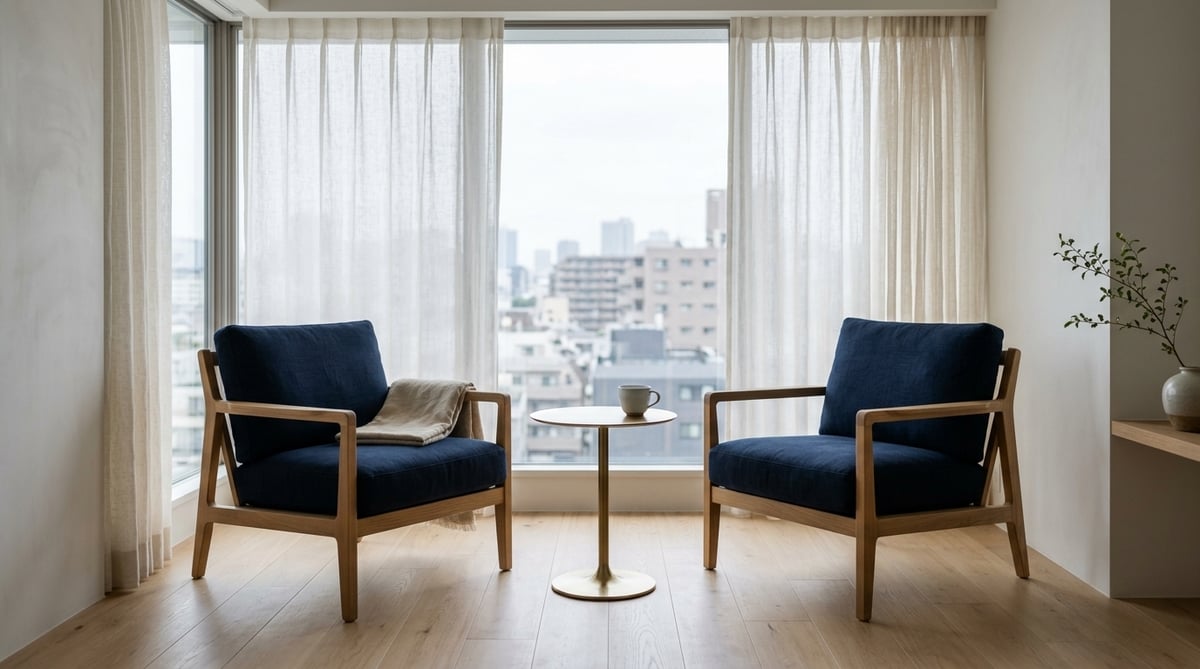
Stepping down from the elevated platform and passing through the central ticket gates on the ground floor, visitors to Koiwa Station in 2026 are greeted by two strikingly contrasting landscapes on either side of the tracks. To the South Exit, soft morning sunlight reflects off the glass facade of FIRSTA Koiwa, a massive mixed-use complex that celebrated its grand opening in the spring. Parents carrying grocery bags and commuters heading home weave seamlessly through wide, beautifully paved pedestrian corridors. Just beyond lies Koiwa Flower Road, a sheltered shopping arcade with an all-weather roof that allows you to fold up your umbrella and walk home comfortably even on rainy days. Yet turning around toward the North Exit reveals an entirely different chapter: the former Ito-Yokado Koiwa store, an anchor of daily local life for 46 years, closed its doors in September 2026, and behind crisp white construction barriers, demolition and the simultaneous rise of the 30-story Park City Koiwa The Tower are actively underway.
When guiding international residents, digital nomads, and relocating families on local apartment viewings, many pause right in front of the station, struck by this distinct gap in timelines between the north and south sides. Situated conveniently within Tokyo along the JR Chuo-Sobu Line, Koiwa offers an attractive rent benchmark—around 85,000 JPY per month for a standard 1K studio or 140,000 JPY for a comfortable 1LDK apartment. For expats and working professionals seeking to keep fixed living costs manageable without sacrificing square footage or building modernity, Koiwa holds clear and practical appeal. At the same time, practical questions naturally surface: “During my typical 2- to 4-year lease term, how will North Exit construction affect my daily grocery runs and bedroom quietness?” and “If the monthly difference is only a few thousand yen, would it be better to choose neighboring Shin-Koiwa where the Sobu Rapid Line stops, or cross the Edo River into Ichikawa?”
While purchasing a condominium allows buyers to daydream about an urban blueprint ten years down the road, leasing an apartment requires that every single day from the moment you turn the key be effortless and comfortable. By mapping Koiwa's evolving redevelopment milestones onto the realistic 2- to 4-year rental lease cycle, this comprehensive guide clarifies which neighborhood blocks offer peaceful everyday living away from construction noise, how to navigate daily logistics, and how Koiwa compares to nearby alternatives.
- South Exit is fully operational: FIRSTA (Blocks I, II, and III) opened completely in spring 2026, granting immediate access to Summit Store supermarket, medical clinics, and a municipal underground bicycle garage with roughly 3,000 stalls. The North Exit is in a transitional phase between the demolition of the former department store and the spring 2027 retail opening of the new residential tower.
- Serene residential pockets just 5 minutes away: Beyond the lively commercial perimeter surrounding the station, Nishi-Koiwa 1-4 chome and Minami-Koiwa 4-6 chome transition smoothly into low-rise, quiet residential zoning. You can seamlessly incorporate station supermarkets and arcades into your commute home while sleeping in calm, quiet surroundings.
- Smart regional rent comparison: With Koiwa averaging 140,000 JPY for a 1LDK, choosing Shin-Koiwa or Ichikawa offers direct Rapid service to Tokyo and Shinagawa for a modest premium. Conversely, looking toward Keisei Koiwa or Kanamachi provides budget savings and direct subway links to Otemachi and Ueno.
Mapping Koiwa Redevelopment Milestones onto a 2- to 4-Year Rental Lease
Urban redevelopment around Koiwa Station is not an isolated single-building replacement; it is a multi-phase, decadal transformation reshaping several urban blocks north and south of the railway tracks. When aligning these project timelines against the real-life lease horizon of a tenant—from the initial 2-year renewal milestone to a potential 4-year relocation—the tangible daily benefits and ongoing construction corridors become crystal clear.
| Redevelopment District & Facility | Key Scale & Purpose | Project Schedule | Impact on a 2- to 4-Year Lease (from 2026) |
|---|---|---|---|
| Minami-Koiwa 6-Chome District FIRSTA Koiwa I, II, III |
Block I: Commercial (Summit Store, clinics) Block II: 22-story residential (233 units), retail Block III: 33-story residential (367 units), retail, 3,000-bike municipal garage |
Spring 2026 Grand opening of all blocks complete |
From day one, enjoy polished grocery shopping, medical facilities, wide pedestrian paths, and dedicated bike parking without construction disruptions. |
| JR Koiwa Station North Exit District Park City Koiwa The Tower & Plaza |
30 stories above ground, 1 basement (approx. 92,170 sqm, ~730 units) Low-rise commercial (relocated Ito-Yokado), nursery, 6,100 sqm transit plaza, direct station deck |
Sept 2026: Old store closed / demolition starts Spring 2027: Tower retail grand opening (Transit plaza and deck delivered sequentially) |
Initial months involve demolition barriers and adjusted shopping routines, but lifestyle convenience increases dramatically from spring 2027 onward. |
| Minami-Koiwa 7-Chome District East & West Twin Tower Plan |
East Tower: 44 stories (~890 units) West Tower: 18 stories (~190 units) Integrated commercial, office, and civic facilities |
Fiscal 2028: Construction kickoff Fiscal 2034: Targeted completion |
Tenants on a 2- to 4-year lease won't experience the finished towers. By the first renewal (around 2028), site preparation and demolition hoardings will commence. |
South Exit FIRSTA: Daily Routines Transformed by Underground Bike Parking and Medical Hubs
The most polished urban dynamic around Koiwa Station is located right outside the South Exit in Minami-Koiwa 6-chome, home to the completed FIRSTA Koiwa development. At the base of Proud Tower Koiwa First (Block II) and Proud Tower Koiwa Front (Block III), expansive tree-lined sidewalks and open pedestrian plazas replace what was once a cramped, chaotic station approach.
Two key conveniences stand out for daily living: the full-service Summit Store supermarket and medical clinic hub inside FIRSTA I, alongside the expansive underground municipal bicycle garage built beneath FIRSTA III with capacity for approximately 3,000 bicycles. On a rainy evening, you can step off the train, use the dedicated IC Shapo exit gate to grab deli dishes inside the under-track Shapo Koiwa mall, step into the bright FIRSTA plaza for fresh produce at Summit, and head home without stepping into traffic. For residents commuting by bicycle from the flat residential lanes of Minami-Koiwa, the enormous underground bike parking eliminates the morning stress of hunting for empty bike racks before boarding the train.
North Exit Transition: Former Department Store Demolition and the Spring 2027 Park City Debut
In contrast, the North Exit is traversing a temporary transition period lasting roughly 6 to 12 months. The landmark Ito-Yokado Koiwa store, which anchored station retail for nearly half a century, concluded business on September 6, 2026. Demolition is now underway, operating alongside construction of Park City Koiwa The Tower—developed by Mitsui Fudosan Residential and Nippon Steel Kowa Real Estate—and the creation of a 6,100-square-meter pedestrian transit plaza with an elevated sky bridge connecting directly to the station.
When searching for rental housing on the North Exit side, it is helpful to note that until the new commercial lower floors debut in spring 2027 featuring a brand-new Ito-Yokado supermarket, the immediate north station front lacks a multi-floor general department store. However, this does not mean you will struggle for groceries. The Shapo Koiwa shopping center directly under the elevated train tracks provides abundant fresh vegetables, meats, and bakeries. Furthermore, Gyomu Supermarket Koiwa in Nishi-Koiwa 1-chome and Life Supermarket in Nishi-Koiwa 3-chome are both within comfortable walking distance. You will not face any shortage of cooking supplies, but it is wise to select homes located slightly deeper into the residential blocks to avoid daytime construction trucks heading toward Kuramaebashi-dori.
Navigating the Minami-Koiwa 7-Chome Twin Towers Project (Breaking Ground in Fiscal 2028)
Another major project often highlighted on property portals is the Minami-Koiwa 7-chome redevelopment, led by Nomura Real Estate, MIRARTH Holdings, and Shimizu Corporation. This ambitious twin-tower development comprises a 44-story East Tower and an 18-story West Tower, but ground breaking is scheduled for fiscal 2028, with targeted completion stretching to fiscal 2034.
For tenants leasing an apartment in 2026 for a 2- to 4-year tenure, this means you will not be living alongside finished upscale shopping facilities. Instead, by the time your first lease renewal approaches around 2028, site enclosures and structural dismantling of existing low-rise commercial buildings will begin. When viewing rental units in Minami-Koiwa 7-chome right next to the station, examine the balcony view and neighboring plots to ensure your windows do not face future redevelopment plots or aging commercial buildings slated for early demolition, safeguarding your daylight and peaceful quiet.
Lifestyles Suited to the South Exit & Minami-Koiwa
- ✓ You want immediate access to Summit Store and medical clinics inside FIRSTA from day one
- ✓ You prefer covered shopping arcades like Flower Road for effortless walks home in rainy weather
- ✓ You plan to cycle from flat residential areas to station bike parking with 3,000 underground stalls
Lifestyles Suited to the North Exit & Nishi-Koiwa
- ✓ You look forward to the spring 2027 opening of Park City Koiwa and its new retail floors
- ✓ You comfortably balance groceries between Life Supermarket, Gyomu Super, and Shapo
- ✓ You value serene, low-rise neighborhoods near Kuramaebashi-dori over busy commercial nightlife
Simply enter the rent and deposit from portal listings to calculate a full, itemized breakdown including brokerage and guarantor fees without hidden add-ons.
Neighborhood Micro-Zones: Tranquil Enclaves and Daily Commute Routes
Looking at an urban zoning map of Koiwa, the zone within a 5-minute walk from the station gates is designated as commercial, characterized by tall structures and vibrant storefronts. Yet just beyond this inner ring, strict residential height restrictions take effect, completely changing the streetscape. Navigating construction corridors while securing convenient shopping and silent nights hinges on understanding the subtle micro-character of each block.
Nishi-Koiwa 1 to 4-Chome: Serene Residential Blocks Past the North Construction Zone
Exiting the North Exit and strolling northwest along Nishi-Koiwa-dori past Kuramaebashi-dori into Nishi-Koiwa 3-chome and 4-chome, the station noise quickly recedes. In its place emerges a quiet landscape of three-story modern apartment buildings, pocket parks, and single-family houses. While Nishi-Koiwa 1-chome retains a bustling commercial mix of izakayas, small eateries, and shops, Nishi-Koiwa 3 and 4-chome are classified as Category I Residential zones, housing established school districts such as Nishi-Koiwa Elementary School and Koiwa Daiyon Junior High School.
The distinctive upside of this enclave is that daily living flows smoothly without ever needing to cross the Ito-Yokado demolition area. You can pick up groceries at Life Supermarket in Nishi-Koiwa 3-chome or Gyomu Supermarket in Nishi-Koiwa 1-chome, swinging by Shapo Koiwa under the tracks on days you want specialty foods. Rents here remain gentle compared to the commercial station core, making it an excellent choice for remote workers looking to secure a quiet corner for a home office desk. During on-site viewings, be sure to walk the route from the station back to the apartment in the evening to gauge street lamp brightness and pedestrian sidewalk width along narrower residential streets.
Minami-Koiwa 4 to 6-Chome: Harmonizing Covered Arcades with Quiet Residential Living
To the south, three historic shopping arcades fan out radially from the station: Koiwa Flower Road, Showa-dori Shopping Street, and Sun Road. Flower Road stands out with its continuous covered awning, providing a sheltered corridor where you can stroll home without an umbrella during summer downpours or heavy snowfall. In the immediate commercial hub of Minami-Koiwa 7-chome, the Summit Store inside FIRSTA I is complemented by Ozeki Minami-Koiwa, celebrated for its fresh fish and seasonal produce, leaving home cooks spoiled for choice.
However, because Minami-Koiwa 7-chome and the frontage of the arcades fall into commercial zoning, nighttime foot traffic and early-morning delivery vans are common. If your priority is keeping grocery convenience close at hand while waking up in silence on weekend mornings, stepping one block deeper into Minami-Koiwa 4 to 6-chome provides the ideal residential balance. Conversely, if you choose an apartment within 3 to 5 minutes of the station in Minami-Koiwa 7-chome, verify the window soundproofing (such as T-2 sound-insulating sash ratings or double glazing) and ensure adjacent lots do not house aging wooden shophouses or coin parking lots vulnerable to sudden reconstruction.
Flat Lowland Cycling Culture and Essential Flood Risk Preparedness
One pleasant discovery for anyone exploring Koiwa on foot is the almost total absence of hills. Located in the alluvial lowlands between the lower reaches of the Arakawa and Edo Rivers at an elevation of roughly 1.5 to 2.5 meters above sea level, cycling is completely effortless even with heavy bags or child seats. On clear weekends, riding your bicycle out to the wide, breezy riverside parks and cycling trails along the Edo River becomes a natural weekend habit.
At the same time, living in an alluvial lowland means approaching flood risk with clear, practical foresight. According to the official Edogawa Ward Flood Hazard Map, in the event of worst-case extreme rainfall or storm surges causing severe river overflow, parts of Koiwa are mapped with projected inundation depths between 1.0 and 3.0 meters (reaching first-floor ceiling heights). While standard rainfall poses no risk of sudden flooding, solid real estate practice dictates prioritizing apartments on the second floor or higher. During building inspections, check whether critical electrical utility rooms and switchboards on the ground floor have been elevated above grade and look for emergency water-barrier panels at entrance doors, ensuring reliable shelter-in-place safety if severe weather strikes.
Rent Benchmarks & Station Comparisons Along the Sobu and Nearby Rail Lines
Koiwa Station sits at the eastern edge of Tokyo's 23 wards, offering the most accessible rent levels among all Tokyo stations on the JR Chuo-Sobu Local Line. When looking for an apartment, the decision often boils down to two key comparisons: “Should I choose neighboring stations where Sobu Rapid trains stop?” or “Should I explore overlapping lines like the Keisei Main Line to the north or the Joban Line in eastern Tokyo?” For an overarching perspective across all stations along this line, feel free to review our Chuo-Sobu Line Area Guide as a strategic companion.
| Comparison Angle | Station Name (Location) | Train Lines Available | 1K | 1LDK | 2LDK | Rent / sqm |
|---|---|---|---|---|---|---|
| Featured Station | Koiwa (Edogawa Ward) | JR Chuo-Sobu Line (Local) | 85,000 JPY | 140,000 JPY | 196,000 JPY | ~3,400 JPY |
| Same Line (Next inbound station) | Shin-Koiwa (Katsushika Ward) | JR Chuo-Sobu Line & Sobu Rapid Line | 88,000 JPY | 144,000 JPY | 202,000 JPY | ~3,500 JPY |
| Same Line (Next outbound station) | Ichikawa (Chiba Prefecture) | JR Chuo-Sobu Line & Sobu Rapid Line | 83,000 JPY | 138,000 JPY | 192,000 JPY | ~3,350 JPY |
| Same Line (Inbound local station) | Hirai (Edogawa Ward) | JR Chuo-Sobu Line (Local) | 89,000 JPY | 146,000 JPY | 205,000 JPY | ~3,550 JPY |
| Nearby Line (~15-min walk) | Keisei Koiwa (Edogawa Ward) | Keisei Main Line | 72,000 JPY | 115,000 JPY | 160,000 JPY | — |
| East Tokyo Alternative (Joban/Chiyoda) | Kanamachi (Katsushika Ward) | JR Joban Line Local (thru to Chiyoda Line) | 78,000 JPY | 127,000 JPY | 177,000 JPY | ~3,200 JPY |
Comparing Shin-Koiwa, Ichikawa, and Hirai: Sobu Rapid Perks vs. Community Charm
When comparing stations along the JR Chuo-Sobu Line, a vital shared reality should be kept in mind: whether you board at Koiwa, Shin-Koiwa, Ichikawa, or Hirai, the yellow-striped local train takes you directly without transfers to Akihabara, Ochanomizu, Suidobashi, Iidabashi, Ichigaya, and Shinjuku. For commuters headed to these business districts and university campuses, having only local service at Koiwa is hardly a disadvantage. In fact, Koiwa spares you the intense crowds rushing to switch from Rapid to Local services, all while saving you 30,000 to 40,000 JPY each month compared to Kinshicho (1LDK 178,000 JPY) or Kameido (1LDK 169,000 JPY).
The calculation changes, however, for commuters who travel daily to Tokyo Station, Shinbashi, or Shinagawa via the Sobu Rapid Line (continuing onto the Yokosuka Line). Choosing Shin-Koiwa just one stop inbound yields direct rapid access to Tokyo Station for a modest rent difference of a few thousand yen per month. For dual-income corporate couples commuting to Marunouchi or Shinagawa every morning, paying this modest margin to eliminate a daily transfer is entirely sensible. Meanwhile, across the river in Chiba Prefecture, Ichikawa also enjoys Sobu Rapid service while keeping rent equal to or slightly lower than Koiwa. If staying within Tokyo municipal boundaries to access Edogawa Ward child-rearing subsidies or Tokyo residency benefits matters to you, Koiwa is the logical choice; if an academic, leafy neighborhood vibe and rapid trains outweigh municipal borders, Ichikawa fits beautifully. Finally, Hirai—located two stops closer to central Tokyo—offers a quiet enclave surrounded by the Arakawa and Kyu-Nakagawa Rivers, ideal for those who prefer small-scale neighborhood tranquility closer to Akihabara rather than high-rise tower redevelopment.
Comparing Keisei Koiwa and Kanamachi: Rethinking the 15-Minute Walk to Alternate Lines
Another strategic comparison involves shifting one rail corridor to the north. Walking north through the residential lanes of Nishi-Koiwa for roughly 15 minutes brings you into the orbit of Keisei Koiwa Station on the Keisei Main Line. On viewing trips, international clients touring peaceful homes in Nishi-Koiwa 4-chome or Kita-Koiwa often ask: “If I have to walk 12 to 15 minutes to JR Koiwa every morning, wouldn't it be smarter to rent an apartment within 5 minutes of Keisei Koiwa Station?”
The answer rests entirely on where you commute. If your office is in Nippori, Ueno, Nihonbashi, or along the Toei Asakusa Line, living near Keisei Koiwa Station will save you over 20,000 JPY per month on a 1LDK while slashing your daily walking time. Conversely, if your work takes you to Akihabara, Iidabashi, or Shinjuku, or if you want to use the Shapo mall, Summit Store, and Flower Road arcade daily on your way home, choosing a midpoint apartment 10 minutes from both JR Koiwa and Keisei Koiwa gives you the best of both worlds: everyday JR convenience paired with a hassle-free backup train to Ueno on weekends or during JR train delays.
Additionally, house hunters looking for “station redevelopment perks combined with modest rents” across east Tokyo frequently evaluate Kanamachi Station on the JR Joban Local Line (direct through-service to the Tokyo Metro Chiyoda Line). If your work is rooted in Otemachi, Kasumigaseki, Akasaka, or Omotesando, taking a direct Chiyoda Line train from Kanamachi eliminates the transfer at Ochanomizu or Nishi-Funabashi, making your commute far less tiring while saving on monthly rent. Clarifying your morning train line makes the right neighborhood immediately apparent.
When to Pass on Koiwa: Practical Viewing and Contract Checklist
While the South Exit's finished commercial districts and spacious room layouts make Koiwa one of the most cost-effective addresses in Tokyo along the Sobu Line, it is not universally perfect for everyone. To prevent moving regrets, here is a candid assessment of scenarios where looking elsewhere will result in greater day-to-day satisfaction.
Three Scenarios Where Passing on Koiwa Makes Sense
First, if you require an expansive multi-story department store right outside the North Exit between late 2026 and spring 2027. Until the new retail floors of Park City Koiwa The Tower (featuring the new Ito-Yokado) open in spring 2027, the North Exit faces an interim gap for immediate department store shopping. If having an all-in-one general supermarket right at your doorstep on day one is an absolute dealbreaker, you should either focus exclusively on the South Exit side where Summit Store is thriving or choose a station with completed retail facilities.
Second, if you commute daily to Tokyo, Shinbashi, or Shinagawa and find changing train platforms burdensome. Because Koiwa is served exclusively by Local trains, reaching Tokyo Station requires crossing the platform to the Sobu Rapid Line at Shin-Koiwa or Ichikawa, or transferring to the Yamanote or Keihin-Tohoku Line at Akihabara. While the total travel time difference is minor, transferring trains every morning in peak rush hour or with heavy luggage can drain your energy over time. If seamless direct transit is your top priority, establishing your search in Shin-Koiwa, Ichikawa, or Kinshicho is much more practical.
Third, if you seek a heavily discounted budget while demanding a flood-resilient home on the second floor or higher with elevated utilities. Because Koiwa is situated in low-lying flat terrain, modern reinforced concrete buildings on upper floors with auto-lock security and flood-mitigation designs reflect typical market medians (around 85,000 JPY for 1K; 140,000 JPY for 1LDK). Trying to cut this budget drastically while insisting on spacious layouts usually leaves you with ground-floor units or aging wooden apartments. If both flood resilience and generous square footage are non-negotiable on a tighter budget, broadening your search to Keisei Koiwa, Chiba stations, or areas with higher natural elevation will deliver much greater peace of mind.
Three Essential Checks from On-Site Viewing to Lease Signing
If the scenarios above do not apply and Koiwa feels like a strong match for your lifestyle, follow these three practical inspection steps to ensure a smooth, regret-free tenancy during this urban transition.
The third step—scrutinizing lease contract terms—is especially critical when living in an evolving neighborhood. One of the greatest freedoms of renting in Tokyo is agility: for instance, you might spend your first two years in a 1K or 1LDK on the South Exit side, and once the North Exit tower and surrounding streets settle down, upgrade to a larger 2LDK with a partner. To preserve that mobility, make sure your pre-contract Important Matters Explanation adheres to the Tokyo Metropolitan Rental Housing Dispute Prevention Ordinance and standard Ministry of Land, Infrastructure, Transport and Tourism (MLIT) guidelines. Check that normal wear and tear (such as wallpaper depreciation over a standard 6-year lifespan) is appropriately assigned to the landlord, and that move-out cleaning clauses specify fair, standard flat fees proportionate to the apartment size.
Finding Your Ideal Rhythm in Koiwa
In 2026, Koiwa stands at an intriguing juncture: the South Exit's FIRSTA complex is fully operational, offering immediate supermarket shopping, healthcare, and underground bicycle parking, while the North Exit prepares for its exciting commercial debut in spring 2027. Rather than labeling Koiwa simply as “a booming development zone” or “an active construction site,” the key to a happy tenancy lies in deciding how you want to spend the next 2 to 4 years. Whether you leverage the completed South Exit arcades from day one or settle into the peaceful residential streets of Nishi-Koiwa while observing the neighborhood's evolution, Koiwa delivers comfortable living that easily surpasses its price tag.
Every option along the railway offers its own appeal: Shin-Koiwa and Ichikawa provide fast rapid connections into Tokyo Station, Keisei Koiwa and Kanamachi offer extra budget savings, and Koiwa balances reasonable Tokyo rent with vibrant traditional arcades. Let your daily morning commute and the evening streetscape you wish to walk home through guide your choice of station and neighborhood.
If you are comparing rental listings in Tokyo and want clear, unbiased guidance regarding building flood protections, nearby construction timelines, or estimated move-in costs, Sorai Tokyo is here to support you. Foreign residents, international students, and expat professionals are warmly invited to connect via our official LINE (@soraitokyo / https://line.me/R/ti/p/@soraitokyo). Simply send us property links from SUUMO, HOME'S, or any portal, and our licensed real estate advisors will cross-reference the licensed real estate database (REINS) to verify current availability, review your initial cost quotes for unnecessary markups, and provide transparent second opinions. You can reach out anytime without a Japanese phone number, free from aggressive sales calls or mandatory store visits. We also provide full support with guarantor-free options, visa reviews, and foreign-resident screening. Feel free to explore our smart advisory tools (SorAi) via the bottom bar on mobile or footer on desktop, and let us help you find your Tokyo home at your own pace.
Frequently Asked Questions About Koiwa Redevelopment & Renting
QWith the former Ito-Yokado closed, will I struggle with daily grocery shopping if I live near the North Exit?
AWhile there is an interim gap for a full-scale department store until the new Ito-Yokado opens inside Park City Koiwa The Tower in spring 2027, daily grocery shopping remains very convenient. The Shapo Koiwa mall directly under the station tracks offers fresh produce, delis, and bakeries. Additionally, Gyomu Supermarket Koiwa (Nishi-Koiwa 1-chome) and Life Supermarket (Nishi-Koiwa 3-chome) operate on the north side, and crossing the covered station concourse to Summit Store at the South Exit takes just two minutes.
QIs navigating between the North and South Exits easy with strollers, bicycles, or large luggage?
AYes, Koiwa is an elevated station with its platform on the second floor. The ground-floor concourse outside the central ticket gates functions as a barrier-free public walkway linking the North and South Exits, meaning there are no railroad crossings or detours. Elevators operate at both exits, and the dedicated IC card Shapo gate connects directly into the under-track mall, allowing smooth and sheltered transit with strollers or heavy suitcases on rainy days.
QHow should I evaluate flood hazard maps when choosing a rental apartment in Koiwa?
AWhile Koiwa's flat lowland makes cycling delightful, parts of the district are designated with simulated inundation depths of 1.0 to 3.0 meters in maximum flood scenarios for the Arakawa and Edo Rivers. When renting, prioritize units on the 2nd floor or higher in reinforced concrete (RC) buildings. During on-site viewings, verify whether building electrical facilities are raised above ground level, look for flood barrier mounts at the entrance, and familiarize yourself with local evacuation shelters indicated on the municipal hazard map.



Author: Sorai Tokyo Editorial Team (Supervised by Licensed Real Estate Agents)
A real estate consulting team specializing in assisting foreign nationals find rooms and explaining initial costs in Tokyo. We break down language barriers and differences in customs, offering dedicated support in Japanese, English, and Vietnamese for a safe and secure start to your new life.