
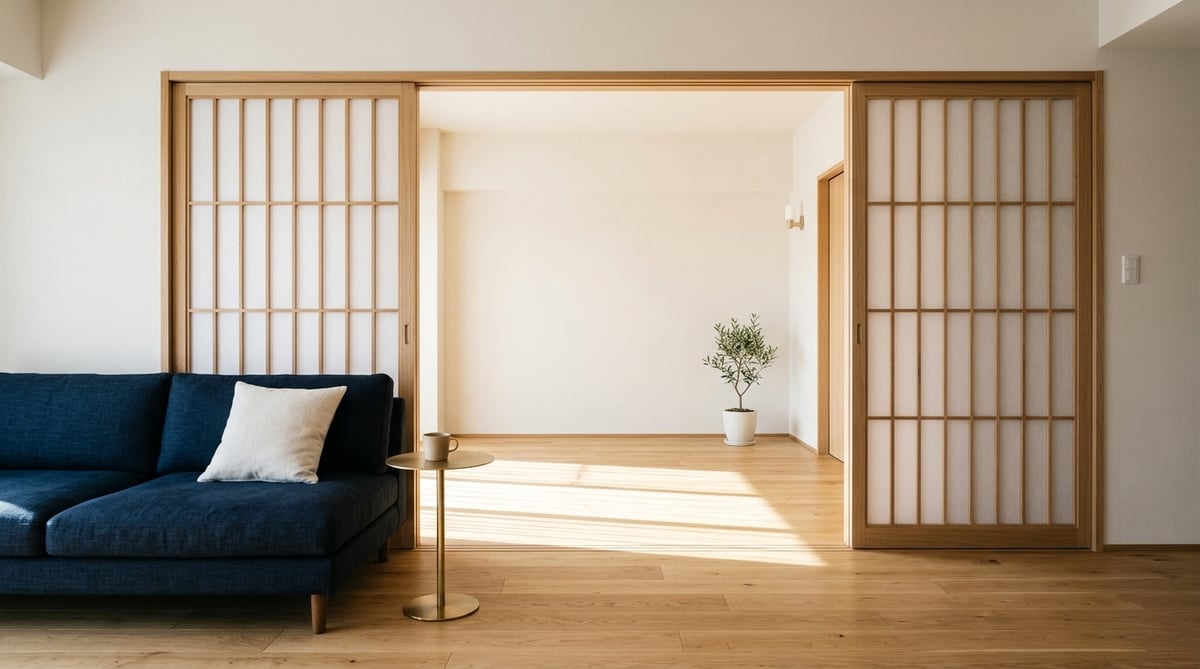
Positioned at the vital junction of central Tokyo’s premier neighborhoods—Roppongi, Minami-Aoyama, and Akasaka—Nogizaka in Minato Ward preserves deep verdant greenery and refined tranquility. With ten years of dedicated hands-on experience, a licensed real estate transaction specialist (Takken) details the daily convenience next to Tokyo Midtown, the serene rhythm of low-rise residential enclaves, and current rental market dynamics for single residents.
- A licensed real estate broker analyzes livability and rental rates around Nogizaka Station.
- Access to Omotesando Station: Direct in 2 minutes
- Access to Otemachi Station: Direct in 9 minutes
A Peaceful Residential Enclave in Minato Ward: The Nogizaka Location
Situated right in the heart of Minato Ward, Tokyo, Nogizaka embraces you with quiet calm the moment you emerge from the station. Surrounded by the commercial vitality of Roppongi, the understated cultural allure of Minami-Aoyama, and the corporate energy of Akasaka, Nogizaka itself remains carefully sheltered from excessive commercialization. For residents who prize urban convenience yet demand genuine serenity at home, Nogizaka presents a rare and rewarding balance.
Tranquility at the Intersection of Roppongi, Minami-Aoyama, and Akasaka
A defining geographical advantage of Nogizaka is its location at the crossroads of three iconic Minato districts. Walking eastward brings you straight through Tokyo Midtown to the Roppongi crossing; heading westward leads past Nezu Museum toward Miyuki-dori and the antique shops of Minami-Aoyama; venturing north leads toward Akasaka Sacas and the lush grounds of Hikawa Shrine. All of these destinations lie within a comfortable 10-minute walk. Across the Nogizaka Overpass and Gaien-Higashi-dori, the energetic atmosphere of Roppongi softens noticeably. As night falls, traffic slows, and the typical bustle of downtown fades away. Rather than residing amidst commercial noise, residents enjoy having world-class retail and dining moments away while retreating to an undisturbed sanctuary every evening.
Elevated Residential Streets and Low-Rise Enclaves Just off Gaien-Higashi-dori
Observing the topography around Nogizaka reveals mid-to-high-rise residential towers and contemporary office buildings along the main thoroughfare of Gaien-Higashi-dori. However, stepping just one street back immediately transforms the surroundings. Across the borders connecting Minami-Aoyama 1-chome, Akasaka 9-chome, and Roppongi 7-chome lies an elevated residential enclave dotted with charming low-rise homes and prestigious vintage residences. Although urban zoning combines medium-to-high-rise residential and commercial classifications, rigorous district planning policies and municipal landscape guidelines strictly prohibit adult entertainment establishments and pachinko parlors, safeguarding the dignified character of the neighborhood. Walking to the station in the crisp morning light amidst well-maintained hedges and gardens makes daily commuting a refreshing ritual.
The Verdant Sacred Forest of Nogi Shrine and Its Historic Townscape
Nogi Shrine, from which Nogizaka takes its name, features a lush sacred forest located directly outside Exit 1. The shrine precincts are populated with towering heritage trees such as camphor and zelkova, creating an urban sanctuary frequented by seasonal wild birds. On the second Sunday of every month, an antique flea market takes place on the grounds, weaving the historic heritage of the area naturally into everyday life. The dense green canopy surrounding the shrine does more than create picturesque scenery; it moderates local microclimates and serves as a natural sound buffer against arterial traffic. The enduring peace of Nogizaka owes much to the shrine forest standing as a natural shield for the surrounding community.
Commuting Times to Key Business Hubs and the Chiyoda Line Network
The Tokyo Metro Chiyoda Line running through Nogizaka Station provides seamless, direct rail connections to Tokyo's central commercial districts and creative centers. Omotesando Station is merely one stop away in about 2 minutes; Kasumigaseki Station is reached in approximately 6 minutes, and Otemachi Station in roughly 9 minutes. Even during the peak morning rush, a commute from Nogizaka to Otemachi takes under 10 minutes aboard the train, significantly easing everyday transit. In addition, Roppongi Station (Toei Oedo Line, Tokyo Metro Hibiya Line) and Aoyama-itchome Station (Tokyo Metro Ginza Line, Hanzomon Line, Toei Oedo Line) are both easily accessible on foot, effectively providing five direct subway lines for effortless movement throughout Tokyo.
| Key Destination | Line / Transport Method | Travel Time | Practical Transit & Commute Highlights |
|---|---|---|---|
| Omotesando / Harajuku | Chiyoda Line (Direct) | Approx. 2–4 min | Directly 1 stop to Omotesando. Weekend leisure and strolls are just moments away on foot or by train. |
| Kasumigaseki / Hibiya | Chiyoda Line (Direct) | Approx. 6–8 min | Direct connection to government ministries and the Marunouchi perimeter. Short ride times conserve morning energy. |
| Otemachi | Chiyoda Line (Direct) | Approx. 9 min | Direct ride to Japan's primary financial and corporate core, achieving a door-to-door commute under 20 minutes. |
| Roppongi-itchome / Toranomon | Walking / Shared Bicycle | 15–18 min on foot | Izumi Garden, ARK Hills, and Toranomon Hills can all be reached comfortably on foot or by e-bike without boarding a train. |
| Shibuya | Chiyoda Line to Hanzomon Line | Approx. 10 min (1 transfer) | Cross-platform transfer across the same platform at Omotesando Station allows for effortless transit into Shibuya Station. |
Licensed real estate specialists well-versed in central Tokyo assist you via video call—from clarifying search criteria and checking off-market listings to optimizing initial moving costs.
Complete rental and living guide for all stations on the Tokyo Metro Chiyoda Line, from Kita-Ayase and Kita-Senju to downtown Otemachi.
Daily Life with Roppongi and Minami-Aoyama on Foot & the Seasons of Hinokicho Park
The true value of residing in Nogizaka lies in the richness of the living sphere that unfolds right beyond your front door. Renowned cultural venues, historical gardens, and metropolitan retail destinations seamlessly weave into your daily lifestyle, offering an effortless rhythm between professional focus and weekend leisure.
Morning Walks and Restorative Serenity in Hinokicho Park's Japanese Garden
Stretching across the eastern side of Tokyo Midtown, Minato Ward's Hinokicho Park sits on the historic grounds of the Mori clan villa of the Choshu Hagi domain. Today, it is landscaped as a strolling Japanese garden featuring a tranquil central pond and gentle rolling topography. Cherry blossoms reflect off the water in spring, fresh foliage arrives in early summer, and vibrant maples color the scenery in autumn. For Nogizaka residents, Hinokicho Park serves as an everyday destination for morning strolls and runs. Savoring fresh coffee on a waterside bench while reading in the crisp morning air—long before Midtown's shops open—brings deep contentment to metropolitan living.
Café Culture in Minami-Aoyama and Kotto-dori as Your Weekend Garden
Ascending the gentle slope westward from Nogizaka Station brings you into Minami-Aoyama. Strolling along the bamboo fences of the Nezu Museum toward Kotto-dori (Antique Street) and Miyuki-dori reveals boutique fashion houses and artisanal cafés serving in-house roasted specialty coffee. Weekend brunches or picking up fresh pastries from your favorite bakery become leisurely walking pastimes without needing to take a train. Experiencing the artistic energy of the city while returning home to undisturbed quiet is a lifestyle privilege unique to Nogizaka’s proximity to Minami-Aoyama.
Art and Culture at Roppongi Hills and Tokyo Midtown as an Everyday Privilege
The Suntory Museum of Art (inside Tokyo Midtown), Mori Art Museum (inside Roppongi Hills), and The National Art Center, Tokyo (directly connected to Nogizaka Station) form the celebrated "Roppongi Art Triangle"—all clustered within easy walking distance. You can drop in casually whenever a new exhibition opens or visit during weekday evening hours to appreciate curated collections away from crowds. In addition, catching late-night movie screenings at TOHO Cinemas Roppongi Hills and taking a relaxed walk home under the night breeze without worrying about the last train enriches life for single professionals.
Topography of the Musashino Plateau's Eastern Edge and E-Bike / LUUP Strategies
An essential geographic feature to keep in mind when navigating Nogizaka is the pronounced elevation and slope characteristic of the eastern edge of the Musashino Plateau. In addition to Nogizaka itself, the area is defined by historic slopes such as Tangozaka, Sanbunzaka, Hikawazaka, and Yagenzaka, creating noticeable elevation differences between valleys and high grounds. While navigating these slopes provides healthy exercise on foot, carrying heavy groceries or commuting during warm weather can be challenging. Consequently, e-bikes and shared mobility options (such as LUUP and Docomo Bike Share) have become staples for local singles. Numerous ports are established near Tokyo Midtown, Nogizaka Station, and along Gaien-Higashi-dori, making travel toward Akasaka or Roppongi-itchome smooth and effortless.
Nogizaka Station Official Exits Guide (Exits 1–3) and Direct Route to Tokyo Midtown
When selecting a rental residence, understanding station exit positions and barrier-free access is essential for everyday transit efficiency. While inaccurate information online occasionally lists nonexistent exit numbers or cardinal directions, Tokyo Metro Chiyoda Line's Nogizaka Station officially features only three exits: Exits 1, 2, and 3.
Official Exit Roles of Nogizaka Station (Details for Exits 1, 2, and 3)
The exits connecting Nogizaka Station's concourse level to the ground level each serve distinct functions and surrounding destinations.
- Exit 1 (Toward Nogi Shrine & Gaien-Higashi-dori): Situated near the ticket gates toward Omotesando and Akasaka. Emerging above ground places you immediately before the torii gate of Nogi Shrine, directly connecting to the sidewalk along Gaien-Higashi-dori. This is the optimal route toward Akasaka 8-chome, northern Minami-Aoyama 1-chome, and Sanno Hospital. A wheelchair-accessible elevator accompanies the stairs, ensuring barrier-free access.
- Exit 2 (Toward Nogizaka Overpass & Roppongi 7-chome): Located below the Nogizaka Overpass at the northern end of Roppongi 7-chome. This exit serves pedestrians heading toward Roppongi-dori, the historic site of the former Institute of Industrial Science at the University of Tokyo, and the serene residential blocks of Roppongi 7-chome. Built into the hillside topography, the staircase leads directly into the quiet residential quarter.
- Exit 3 (Tokyo Midtown, Hinokicho Park & The National Art Center, Tokyo Underground Concourse): A spacious underground gateway extending from the Roppongi-side ticket gates. Without going above ground, it connects directly into Tokyo Midtown’s basement floors (Plaza B1F and Galleria B1F), Hinokicho Park, and The National Art Center, Tokyo. Offering sheltered transit on rainy days, it serves as the primary everyday gateway for Nogizaka residents.
Weatherproof Comfort via the Tokyo Midtown Underground Concourse
The pedestrian walkway linking Nogizaka Station’s Exit 3 directly to Tokyo Midtown provides fully air-conditioned, sheltered access. Even on stormy days or under intense summer heat, residents navigate comfortably shielded from the weather. Walking through the passage leads directly into Tokyo Midtown’s retail concourse, allowing you to stop by the Precce Premium supermarket on B1F, artisan delicatessens, and bakeries for dinner ingredients. Using the elevators inside Midtown to reach ground level facilitates smooth access toward Akasaka 9-chome and Roppongi 4-chome, minimizing the time spent carrying an umbrella.
Direct Underground Access to The National Art Center, Tokyo
Midway along the Exit 3 concourse lies a dedicated entrance to The National Art Center, Tokyo—one of Japan’s largest exhibition spaces. Designed by renowned architect Kisho Kurokawa, its iconic undulating glass facade and landscaped outdoor greenery welcome the public. Areas outside the special exhibition galleries—such as the expansive lobby, atrium cafes, museum shops, and restaurants—require no ticket for admission, serving as a sophisticated everyday third place for Nogizaka residents. Having world-class architecture and art directly integrated into your transit route is a signature privilege of the neighborhood.
Chiyoda Line Underground Transit Network to Akasaka, Hibiya, and Omotesando
The appeal of the Chiyoda Line from Nogizaka extends to the expansive underground networks of adjacent stations. For example, neighboring Akasaka Station directly links via Exits 3a and 3b to Akasaka Biz Tower, granting sheltered access to dining and offices on rainy days. Traveling slightly further to Hibiya Station connects directly to Tokyo Midtown Hibiya and, through a vast network of exits (A0–A14, B1–B7, C1–C9, D1–D4), joins subterranean concourses leading across to Yurakucho, Ginza, and the Marunouchi commercial district. Moreover, Omotesando Station offers cross-platform transfers on the same level between the Chiyoda, Ginza, and Hanzomon lines without negotiating stairways, enabling effortless transit to Shibuya, Ginza, and Aoyama-itchome. Residing in Nogizaka means weaving the comprehensive underground infrastructure of central Tokyo directly into your lifestyle.
| Station & Line | Official Exit Range | Directly Connected Landmarks | Accessibility & Practical Notes |
|---|---|---|---|
| Nogizaka Station Tokyo Metro Chiyoda Line |
Exits 1 to 3 Exit 4 does not exist |
Nogi Shrine (Exit 1), Tokyo Midtown direct connection (Exit 3), The National Art Center, Tokyo (Exit 3) | Elevator to street level at Exit 1. Exit 3 provides access via Midtown elevators. |
| Akasaka Station Tokyo Metro Chiyoda Line |
Exits 1 to 7 (Including Exits 3a & 3b) |
Akasaka Biz Tower direct (3a/3b), Akasaka Sacas, TBS Broadcasting Center | Elevator to ground level via Biz Tower gates. Routes toward Hitotsugi-dori primarily feature stairs. |
| Omotesando Station Chiyoda, Ginza, Hanzomon Lines |
Exits A1–A5 Exits B1–B5 |
Omotesando Hills, Spiral Building, Miyuki-dori | Exit B3 is fully equipped with elevators and escalators, ideal when traveling with luggage. |
| Hibiya Station Chiyoda, Hibiya, Mita Lines |
A0–A14, B1–B7 C1–C9, D1–D4 |
Tokyo Midtown Hibiya direct connection, Hibiya Park, Imperial Hotel | Subterranean network connects to Ginza Station and Yurakucho Station for all-weather indoor mobility. |
Single-Resident Rental Market & Serene Living in Low-Rise Enclaves
For individuals seeking rental housing in this prime Minato Ward neighborhood, here is an objective appraisal of prevailing market rates alongside essential floor plan criteria that extend beyond basic numbers.
Rental Market Overview Around Nogizaka Station (Latest 1R, 1K, and 1LDK Rates)
As of 2026, standard rental rates for single-occupant apartments (studio 1R and 1K layouts of 20 to 28 square meters) within a 10-minute walk of Nogizaka Station fall within the range of 130,000 to 170,000 JPY per month. Newer reinforced concrete (RC) buildings and branded luxury residences (such as Park Axis or Concieria) command 150,000 to 180,000 JPY, whereas well-managed RC residences aged 20 to 30 years can occasionally be secured between 130,000 and 140,000 JPY. For larger 1LDK layouts spanning 35 to 50 square meters, monthly rents typically range between 260,000 and 360,000 JPY, with high-end condominium rentals and high-rise residences directly adjoining Tokyo Midtown surpassing 400,000 JPY. Compared directly with the bustling centers of Roppongi Station or Minami-Aoyama 3-chome and 5-chome, Nogizaka's slight removal from commercial congestion allows rent levels to sit approximately 10% lower for comparable living quality, representing an exceptional, sound choice.
Evaluating Total Area vs. Usable Floor Space: Pillars, Pipe Shafts, and Furniture Layout
During property viewings in central Tokyo, seasoned real estate specialists pay close attention to the difference between the gross floor area stated on marketing floor plans and the actual usable living area. In reinforced concrete residences common around Nogizaka, structural load-bearing pillars and plumbing pipe shafts (PS) frequently protrude into the corners of rooms. Even when a listing specifies 25 square meters, deducting structural protrusions, elongated entry hallways, and dead space can leave a main living room with an effective floor area closer to 5.5 tatami mats (approx. 9 square meters). When inspecting a property in person, bringing a measuring tape to verify the clear internal dimensions between opposing walls is strongly recommended. Confirming that a semi-double bed (120 cm wide by 200 cm long) fits comfortably, verifying sufficient clearance for a desk chair (approx. 80 cm depth), and checking that closet doors open without striking furniture will ensure a confident, satisfying decision.
Choosing Between Vintage Low-Rise Condominiums and Newly Constructed RC Residences
A notable characteristic of Nogizaka’s rental landscape is the presence of distinguished vintage condominiums constructed from the 1970s through the early 1990s. These low-rise vintage residences feature generous lot footprints, white stucco exterior walls, wrought-iron balcony railings, and manicured courtyards, exuding a timeless presence distinct from contemporary high-rises. Many individual units have undergone full interior renovations—introducing modern re-heating bathtubs, independent wash vanities, and modular system kitchens—often offering layouts exceeding 30 square meters for single occupants. Conversely, newly built or recently constructed residences provide hotel-style interior hallways, hands-free auto-locks, 24-hour waste disposal stations, and smart electronic locks tailored for modern lifestyles. Choosing the right option comes down to which aesthetic and functional balance aligns best with your everyday routine.
Renovated Vintage Low-Rise Condominiums
Set on green, generous grounds with a commanding architectural presence. Units offer spacious layouts with fully refreshed interior plumbing and fittings.
- Spacious layouts of 30–35 sq m readily available within similar rent tiers
- Established building management with meticulously maintained common areas
- Tranquil borrowed garden views featuring mature trees right outside your window
Newly Built / High-Grade RC Residences
Advanced smart equipment and integrated multi-tier security streamline everyday logistics for busy professionals.
- Hotel-like carpeted indoor corridors and multi-layered electronic security gates
- Spacious package delivery lockers and 24-hour dedicated trash disposal rooms
- High soundproofing ratings and double-glazed insulating windows for quiet interiors
Everyday Shopping Networks Centered Around Precce Premium Tokyo Midtown
A crucial factor determining daily comfort in central Tokyo is the availability of grocery and essentials shopping routes. While some assume Nogizaka offers only restaurants and boutiques with few home-cooking provisions, it actually features a versatile network of supermarkets tailored to different needs and budgets.
Quality and Selection at Precce Premium Tokyo Midtown (Basement 1F)
The anchor grocery destination for Nogizaka residents is Precce Premium Tokyo Midtown, located on Basement 1F. Directly accessible via the underground concourse from Exit 3 of Nogizaka Station, it allows you to shop comfortably even during rainstorms. Open from 7:00 AM until midnight, it easily accommodates early morning commutes and late evening arrivals. The aisles feature farm-fresh produce, fresh seafood, choice meats, fine wines, and prepared delicatessen meals ideal for busy evenings. Small portion sizes and half-portion deli selections make it particularly accommodating for single residents who want fresh, healthy meals without food waste.
Daily Groceries Across Seijo Ishii, Maruetsu Petit, and Hanamasa
Complementing Precce Premium, a variety of supermarkets catering to pantry basics and budget-conscious groceries lie within easy walking distance. Seijo Ishii Akasaka Biz Tower (open weekdays 8:00–23:00, weekends/holidays 10:00–22:00) is excellent for imported cheeses, specialty wines, and prepared foods. Along Akasaka-dori, Maruetsu Petit Akasaka and MyBasket offer 24-hour or late-night access to fresh produce, drinks, and daily necessities at standard neighborhood supermarket pricing. Toward Akasaka-mitsuke, the 24-hour Meat Hanamasa Akasaka store provides bulk meats and seasonings, making grocery budget management and meal prepping effortless.
Weekend Specialty Provisioning at Kinokuniya International and OK Store
On leisurely weekends, taking a stroll toward Minami-Aoyama, Omotesando, or Nishi-Shinbashi adds variety to your culinary routines. Directly connected to Omotesando Station’s Exit B2, Kinokuniya International (Ao Building B1F) offers artisanal breads, house-brand gourmet dressings, and fine international ingredients to elevate home dining. When stocking up on everyday household goods at competitive prices, visiting OK Ginza or scheduling grocery deliveries via online supermarkets proves highly practical. Combining curated specialty items with cost-conscious essentials is a hallmark of Nogizaka's residential infrastructure.
Healthcare, Pharmacies, Postal, and Everyday Services in Tokyo Midtown
Beyond groceries, proximity to routine healthcare and lifestyle services is noteworthy. Tokyo Midtown houses the Tokyo Midtown Clinic—a comprehensive medical mall featuring internal medicine, dermatology, dentistry, ophthalmology, and complete executive health checkups—along with an adjoining dispensing pharmacy. The complex also integrates a post office, multi-bank ATM facilities, a MUJI store for home storage solutions, dry cleaning services, and shoe repair shops. Completing essential errands within a brief walking distance without traveling across the city brings great peace of mind.
| Store Name | Operating Hours | Distance from Nogizaka Station | Selection, Price Tier & Practical Usage |
|---|---|---|---|
| Precce Premium Tokyo Midtown Store |
7:00–24:00 | Direct via Exit 3 (Approx. 3 min on foot) |
Curated fresh produce, organic vegetables, and prepared deli selections. Weather-sheltered shopping until midnight. |
| Seijo Ishii Akasaka Biz Tower Store |
Weekdays 8:00–23:00 (Sat/Sun/Holidays 10:00–22:00) |
Approx. 8 min on foot (Akasaka Station direct) |
Imported cheeses, wines, in-house prepared dishes, and gourmet seasonings for quality-focused shopping. |
| Maruetsu Petit Akasaka Store |
Open 24 Hours | Approx. 7 min on foot | Everyday groceries, beverages, and household goods at standard supermarket pricing with 24-hour dependability. |
| Meat Hanamasa Akasaka Store |
Open 24 Hours | Approx. 12 min on foot | Bulk fresh meats, frozen items, and culinary condiments; ideal for home batch-cooking and meal planning. |
| Kinokuniya International (Aoyama / Ao Building B1F) |
9:30–21:00 | Approx. 14 min on foot (Omotesando Station direct) |
Historic high-end grocer offering artisanal bakery products, original brand items, and imported delicacies. |
Nighttime Public Safety and Criteria for Selecting Quality Properties in Nogizaka
For single professionals returning home late at night, public safety and nighttime street conditions are critical evaluation standards. Verified crime statistics from the Tokyo Metropolitan Police Department, local embassy security networks, and statutory tenant protections provide clear reassurance for prospective residents.
Akasaka Police Station Crime Statistics and Embassy-Guarded Street Safety
Nogizaka (encompassing Minato Ward Minami-Aoyama 1-chome, Akasaka 9-chome, and Roppongi 7-chome) falls under the jurisdiction of the Tokyo Metropolitan Police Department's Akasaka Police Station. Official neighborhood crime statistics indicate that while petty theft and public disturbances are occasionally reported in the commercial core around Roppongi Crossing, violent crime in Nogizaka's residential zones remains extraordinarily low, making it one of the safest quarters in Minato Ward. Furthermore, numerous diplomatic missions and embassies—including the Embassy of Canada in Akasaka 7-chome—are situated nearby, resulting in frequent fixed police guard posts and continuous vehicle patrols. Wide sidewalks along Gaien-Higashi-dori and well-lit side streets ensure a secure, comfortable walk even after dark.
Real-Time Inter-Broker Database Inquiries & Free Second Opinions by Licensed Brokers
Browsing commercial real estate portals can often lead to frustration when attractive listings turn out to be already under contract or stale. Due to the structural delay in updating public listing sites, properties that have already closed often linger for days. At Sorai Tokyo, our licensed transaction specialists directly query the nationwide inter-broker database (REINS and ATBB) to verify whether a property is currently accepting applications. By simply sharing the URL of a listing via our official LINE, you receive instant real-time availability checks along with transparent quote breakdowns that eliminate unnecessary move-in fees—100% online and completely free.
Beginning Your New Chapter in Nogizaka
Boarding the Chiyoda Line in the crisp morning light against the green canopy of Nogi Shrine, arriving at corporate offices in Otemachi or Kasumigaseki in under ten minutes. In the evening, picking up seasonal produce beneath Tokyo Midtown and strolling along the waterside reflections of Hinokicho Park on your way home to undisturbed tranquility. On weekends, unwinding with a book at an intimate Minami-Aoyama café or visiting new exhibitions at The National Art Center, Tokyo—living in Nogizaka means enjoying central Tokyo convenience while keeping your daily life grounded in deep restorative calm.
Every resident values different aspects when choosing an apartment: some seek swift transit and metropolitan dynamism, while others prioritize a peaceful enclave to recharge amidst curated furnishings. Nogizaka possesses the depth and grace to accommodate both aspirations effortlessly.
You can freely access Sorai Tokyo's suite of digital advisory tools (SorAi)—including our Move-in Cost Simulator—from the bottom navigation on mobile devices or the page footer on desktop. We are here to support your transition so that your new Tokyo lifestyle is both fulfilling and deeply comfortable.

Frequently Asked Questions (FAQ) About Living in Nogizaka
QAre there exits such as Exit 4, East Exit, or West Exit at Nogizaka Station?
ATokyo Metro Chiyoda Line Nogizaka Station officially has only three exits: Exit 1, Exit 2, and Exit 3. No Exit 4, East Exit, or West Exit gates exist. Exit 1 leads toward Nogi Shrine and Gaien-Higashi-dori, Exit 2 toward the Nogizaka Overpass and Roppongi 7-chome, and Exit 3 directly links to the Tokyo Midtown underground concourse, Hinokicho Park, and The National Art Center, Tokyo.
QBeing so close to the bustling nightlife of Roppongi, is there any issue with nighttime noise or safety?
ACommercial activity around Roppongi Crossing is physically separated by the Nogizaka Overpass and the expansive Tokyo Midtown complex. As night falls, the neighborhood around Nogizaka Station transitions into a remarkably peaceful residential zone. As a key patrol sector for the Akasaka Police Station alongside constant embassy security, walking alone late at night is exceptionally secure.
QGiven the numerous hills in Nogizaka, is moving around on foot or bicycle difficult?
AWhile routes descending toward Akasaka or the valleys have gradients, walking paths along Gaien-Higashi-dori and toward Minami-Aoyama remain relatively flat. Furthermore, electric-assist shared bicycles (such as LUUP), which have numerous stations across the area, make tackling slopes effortless. On inclement days, the underground concourse connecting Exit 3 directly into Midtown enables comfortable movement without dealing with steep outdoor terrain.

Author: Sorai Tokyo Editorial Team (Supervised by Licensed Real Estate Agents)
A real estate consulting team specializing in assisting foreign nationals find rooms and explaining initial costs in Tokyo. We break down language barriers and differences in customs, offering dedicated support in Japanese, English, and Vietnamese for a safe and secure start to your new life.