
As evening falls on a quiet weekend, soft golden light washes over the cobblestones of Shukubamachi-dori Shopping Street, carrying the savory aroma of freshly prepared delicacies from long-standing delicatessens. Carrying fresh ingredients picked up from the basement market of Lumine Kita-Senju, your walk back home through narrow alleys dotted with charming renovated townhouse cafes and art galleries feels naturally light and rhythmic. On weekday mornings, you can commute directly to Otemachi or Roppongi without transfers, while on weekend mornings, a refreshing stroll along the breezy banks of the Arakawa River awaits. Kita-Senju in Adachi Ward, where historic downtown warmth harmonizes effortlessly with unmatched mobility across Tokyo's core districts, has long captured the hearts of those seeking both modern urban convenience and genuine peace of mind.
Having worked on the frontlines of Tokyo rental leasing for over a decade, I frequently hear from international residents, expats, and professionals asking: "How can I balance effortless access to central Tokyo with a calm living environment and realistic rent?" When this question arises, Kita-Senju is always among the premier neighborhoods I warmly recommend over a cup of green tea. Despite being one of Tokyo's most bustling mega-terminals, it retains an approachable, grounded atmosphere that has earned it consistent top spots in Tokyo's annual "Most Desirable Places to Live" rankings. In this comprehensive guide, a licensed real estate professional shares on-the-ground insights into Kita-Senju's 5-line transit network, the stark differences between the West and East exits, safe night-walking routes for solo women, and practical building selection criteria based on official Arakawa flood hazard maps.
This article is a definitive real estate guide crafted for anyone considering a move to Kita-Senju, looking for direct access to Tokyo's prime business centers while wanting a complete grasp of its transit options, lively historic shopping streets, nighttime safety, and current rental benchmarks.
- Unmatched transit convenience connecting 5 railway lines directly to Otemachi, Ginza, Roppongi, and Tokyo Station without transfers.
- Clear neighborhood separation between the vibrant West Exit (commercial hubs, classic alleys) and the peaceful East Exit (university campus, tranquil residential zones).
- Essential safety standard: choosing reinforced concrete (RC) buildings on the 3rd floor or higher to mitigate Arakawa flood risks (3.0-5.0m inundation scenario).
Why 5-Line Hub Kita-Senju Stays Atop Tokyo's Best Places to Live
The Unique Blend of a Mega-Terminal and Historic Downtown Soul
During the Edo period, Kita-Senju flourished as Senju-juku, the primary post town on the ancient Nikko Kaido and Oshu Kaido highways leading north from Nihonbashi. Its historic role as the northern gateway to Edo laid the foundation for modern railway development, transforming it into one of Tokyo's premier railway hubs where JR lines, Tokyo Metro subways, and private railways intersect. Despite handling millions of passenger journeys weekly, stepping out of the station reveals an inviting neighborhood far removed from the sterile, corporate atmosphere of high-rise glass districts.
Here, major modern department stores stand alongside bustling, labyrinthine shopping streets. Historic Showa-era alleys comfortably neighbor contemporary craft beer pubs and boutique roasteries. This duality—offering the transit power of Tokyo's largest terminals alongside downtown warmth and budget-friendly grocery shopping—is the chief reason it continues to win over single professionals, couples, and international families alike.
A transformative turning point in Kita-Senju's recent development has been its university-led revitalization. Under proactive municipal planning by Adachi Ward, the opening of Tokyo University of the Arts Senju Campus in 2006 on the former Senju Dai-ichi Elementary School site was followed by Teikyo Science University in 2010 and Tokyo Denki University's cutting-edge campus in 2012. The influx of academic energy and young creative talent has catalyzed a wave of charmingly renovated traditional houses, independent cafes, and artisan bakeries. Experience this welcoming fusion of heritage downtown culture and fresh academic spirit firsthand when exploring the area.
Licensed real estate specialists fluent in East Tokyo guide you through criteria refinement, unlisted rental searches, foreign resident screening, and initial cost optimization via video call or LINE (@soraitokyo).
Simply enter the rent and deposit from portal listings to calculate a full, itemized breakdown including brokerage and guarantor fees without hidden add-ons.
16 Min to Otemachi, 25 Min to Ginza: Direct Commuting to Tokyo's Central Hubs
Kita-Senju Station's definitive advantage lies in its comprehensive rail network serving five major lines: the Tokyo Metro Chiyoda Line, Tokyo Metro Hibiya Line, JR Joban Line (including direct Ueno-Tokyo Line service), Tobu Skytree Line (with through-service to the Tokyo Metro Hanzomon Line), and the Tsukuba Express (TX). Reaching Tokyo's major financial quarters, political centers, and shopping capitals directly without switching trains brings remarkable comfort and time savings to daily life.
| Railway Line | Key Direct Destinations & Travel Time | Peak Morning Frequency | Commuter Benefits & Practical Notes |
|---|---|---|---|
| Tokyo Metro Chiyoda Line | Otemachi 16 min, Kasumigaseki 21 min, Omotesando 29 min | Every 2-3 minutes | Underground platforms. Direct connection to Marunouchi, government headquarters in Kasumigaseki, and high fashion in Omotesando. Abundant through-trains with JR Joban Local and Odakyu lines. |
| Tokyo Metro Hibiya Line | Ueno 9 min, Akihabara 12 min, Ginza 25 min, Roppongi 34 min | Every 2-3 minutes | Frequent originating trains depart from 3rd-floor platforms (mainly Track 6). Line up briefly to secure a seated commute during peak morning rush directly to Ginza and Roppongi. |
| JR Joban Line (Ueno-Tokyo Line) |
Ueno ~9-10 min, Tokyo ~18 min, Shinagawa ~28 min | Every 3-5 minutes | Through-service on the Ueno-Tokyo Line takes you to Tokyo Station in ~18 min and Shinagawa in ~28 min. Superb for Shinkansen bullet train departures and Haneda Airport connections. |
| Tobu Skytree Line (Hanzomon Line Direct) |
Asakusa 16 min, Oshiage ~6 min, Otemachi ~22 min, Shibuya 45 min | Every 3-4 minutes | Runs through to the Hanzomon Line via Oshiage, reaching Mitsukoshimae, Jinbocho, Nagatacho, and Shibuya directly. Also perfect for leisure outings to Asakusa. |
| Tsukuba Express (TX) |
Minami-Senju 3 min, Asakusa 6 min, Akihabara 10 min | Every 4-5 minutes | High-speed modern line with platform screen doors at every station, offering remarkable punctuality. Reaches Akihabara in just 10 minutes. |
When guiding international clients through property viewings, one hidden perk consistently receives enthusiastic praise: the "originating trains on the Tokyo Metro Hibiya Line." Kita-Senju serves as the primary starting terminal for the Hibiya Line (aside from certain through-trains from the Tobu line). Originating trains depart every few minutes during the morning peak from the 3rd-floor elevated platforms (primarily Track 6). By waiting through just one or two train departures in line, you can enjoy a guaranteed seated commute all the way to Akihabara, Ginza, Hibiya, or Roppongi—a true luxury that transforms daily wellness.
Another architectural highlight is the "barrier-free direct connection between the JR Joban Line and Tokyo Metro Chiyoda Line without intermediate ticket gates (no-latch transfer)". An internal transfer stairway connects the underground Chiyoda Line platforms directly with the above-ground JR Joban Line platforms without needing to tap your IC card. Depending on morning train delays or your precise destination, you can seamlessly switch between the Chiyoda Line (heading toward Otemachi and Kasumigaseki) and the Joban Line / Ueno-Tokyo Line (heading toward Tokyo Station in ~18 min and Shinagawa in ~28 min) within the fare-paid concourse.
For frequent business travelers or corporate employees based in Marunouchi or Shinagawa, reaching Shinkansen high-speed rail terminals in under 20-30 minutes rivals prime residential areas along the central Yamanote Line—at a fraction of the rental cost. Having multiple independent lines running through your home station provides invaluable transit redundancy during typhoons or unexpected delays.
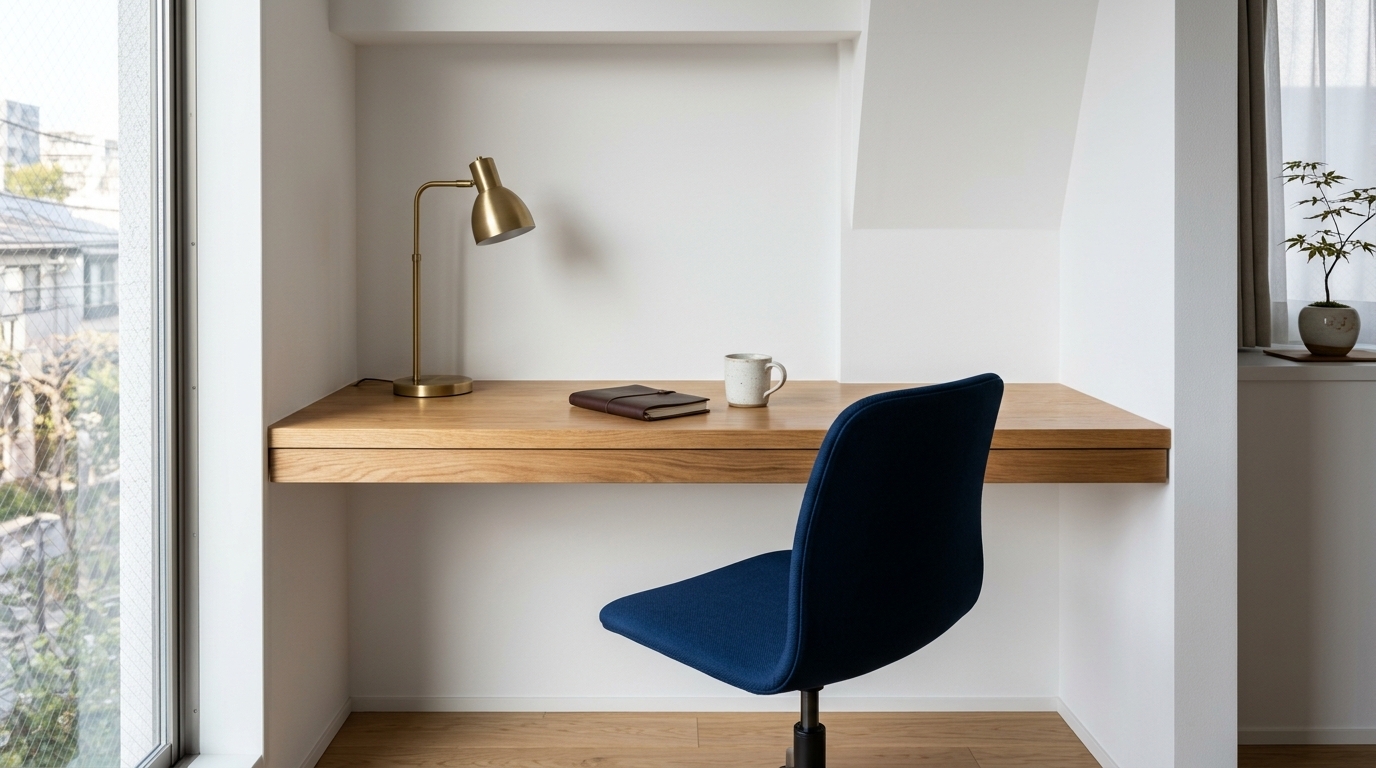
[Home Office Dimensions] How Moderate Lighting in Alcoves Creates the Perfect Immersive Workspace
Spaces without harsh direct sun eliminate screen glare on monitors, making them ideal for video conferences and focused remote work. Explore measured desk layouts and efficient cable routing.
West Exit (Commercial Hub) vs East Exit (Campus & Quiet Living): Two Distinct Lifestyles
Comparing Urban Vibrancy and Residential Tranquility Across the Tracks
When searching for a rental apartment in Kita-Senju, your most fundamental decision is choosing between the West Exit and the East Exit (Den-dai Exit). Divided cleanly by the elevated rail corridors running north-south, the two sides present a striking contrast in commercial density, urban design, and neighborhood atmosphere. Neither is objectively superior; choosing the side that mirrors your personal daily routine is the key to lasting tenant satisfaction.
West Exit Area: Commercial Hub, Dining & Post Town Heritage
- Dual Department Mall Access: Weatherproof elevated pedestrian walkways link directly to Lumine Kita-Senju and Kita-Senju Marui.
- Vibrant Commerce in Senju 2-chome: Commercial zoning (400-500% FAR) centered on the Kita-road 1010 shopping avenue with dense retail stores.
- Calm Atmosphere in Senju 4-chome: Transitions into quiet residential streets with charming hidden townhouse cafes along the rear of Shukubamachi-dori.
- Smart Night Routes: Easily bypass rowdy bar alleys by using the beautifully lit, underground-cabled Senju Honcho-dori for a peaceful walk home.
East Exit (Den-dai Exit): Academic Cleanliness, Pure Residential & River Parks
- Underground Powerlines & Wide Walkways: Developed around Tokyo Denki University, offering open, flat sidewalks and excellent street visibility.
- Fast Transition to Quiet Zones: Just a few minutes from Gakuen-dori into Category 1 Residential Zones in Senju Asahi-cho, Hinode-cho, and Yanagihara.
- Everyday Community Groceries: Practical daily essentials from My Basket (open until midnight) and independent neighborhood grocers along Gakuen-dori.
- Arakawa River Greenspace: Expansive open skies, grassy riverside grounds, and jogging paths within comfortable walking distance.
Exiting the West Exit, an expansive pedestrian deck connects you directly to the Lumine shopping mall and the multi-story Marui (Senju Mil-dis) complex without ever stepping out into the rain. The neighborhood of Senju 2-chome, flanking the covered shopping avenue Kita-road 1010, is officially designated as a Commercial Zone (building coverage 80%, floor area ratio 400-500%). While the constant glow of storefronts and street lamps provides bright visibility at night, a critical checkpoint during viewings is verifying the condition of adjacent southern properties. In areas without strict height restrictions, if an open coin parking lot or aging low-rise building borders your apartment's primary southern windows, there is always a chance a multi-story building could replace it in future years, impacting natural light and views.
Continuing north on the West side along Shukubamachi-dori (the historic highway) toward Senju 4-chome, the neighborhood transitions gracefully into a Neighborhood Commercial Zone (300% FAR) and Category 1 Residential Zone. Here, low-rise homes and intimate alleys take center stage. Beloved spots such as Cafe KANMIDOU at the end of Shukubamachi-dori, or Wakaba-do nestled within a quiet backstreet of Senju 1-chome, showcase pre-war Japanese townhouses converted into welcoming bistros, specialty bakeries, and tea houses, offering peaceful sanctuaries away from the station's hustle.
Conversely, the East Exit (popularly known as the Den-dai Exit) underwent substantial urban replanning centered on the 2012 opening of Tokyo Denki University's campus. Powerlines were buried underground from the open station plaza through Gakuen-dori Shopping Street, resulting in barrier-free, modern walkways with superb sightlines and elevated safety.
Its most compelling asset is the rapid transition—within just a 3 to 5-minute walk—into peaceful Category 1 Residential Zones (Senju Asahi-cho, Hinode-cho, and Yanagihara). Tucked behind the main avenues, you will find quiet residential streets with virtually no through traffic and none of the late-night nightlife noise found in downtown entertainment quarters. Walking further east brings you directly to the expansive grassy banks of the Arakawa River. For expats and professionals who value taking deep breaths of crisp morning air or enjoying a weekend book on riverside benches while retaining effortless subway commutes, the East Exit is an exceptional residential match.
[Dedicated Exit Analysis] Considering West vs East Exit for Your Next Home?
Kita-Senju Station presents completely distinct residential experiences between the vibrant, shopping-rich West Exit and the clean, academic, and tranquil East Exit (Gakuen-dori). For a deep dive into exit-by-exit rent differences, street lighting, and commute walking times, check our specialized comparison guide.
Read the Full West Exit (Dining & Retail) vs East Exit (Tranquil Living) Comparison →
Kita-Senju Rent Trends vs the Yamanote Line: Unbeatable Value
Rent by Layout and Monthly Budget Savings
While Kita-Senju offers transit connectivity rivaling central Tokyo, its reasonable rent levels remain its most persuasive financial benefit. Comparing rents along the Chiyoda Line or against prime Yamanote Line hubs reveals substantial savings on recurring monthly living expenses.
| Apartment Layout | Kita-Senju Market Range | Yamanote Hubs (Meguro / Ebisu) | Chiyoda Line (Nishi-Nippori) | Monthly Savings vs Yamanote |
|---|---|---|---|---|
| Studio / 1R (~18 sqm) |
¥64,000 - ¥87,000 (Median: ¥73,000) |
¥85,000 - ¥131,000 (Median: ¥100k - ¥110k) |
¥69,000 - ¥96,000 (Median: ¥81,000) |
Save ¥27,000 - ¥37,000/mo |
| 1K (Modern Amenities) (~25 sqm, Auto-Lock, Separate Bath/Toilet) |
¥88,000 - ¥112,000 (Median: ¥98,000) |
¥119,000 - ¥167,000 (Median: ¥135k - ¥148k) |
¥96,000 - ¥123,000 (Median: ¥109,000) |
Save ¥37,000 - ¥50,000/mo |
| 1LDK (Contemporary Build) (~35 - 45 sqm) |
¥143,000 - ¥187,000 (Median: ¥162,000) |
¥202,000 - ¥298,000 (Median: ¥228k - ¥258k) |
¥158,000 - ¥206,000 (Median: ¥178,000) |
Save ¥66,000 - ¥96,000/mo |
| 2LDK (Couples & Families) (~50 - 65 sqm) |
¥196,000 - ¥273,000 (Median: ¥229,000) |
¥284,000 - ¥445,000 (Median: ¥332k - ¥374k) |
¥212,000 - ¥295,000 (Median: ¥248,000) |
Save ¥103,000 - ¥145,000/mo |
For a standard single professional's 1K apartment (approx. 25 sqm with separate bath/toilet and security auto-lock), central Yamanote stations like Meguro or Ebisu demand median rents of ¥135,000 to ¥148,000 (standard range ¥119,000 to ¥167,000). In Kita-Senju, a well-equipped modern apartment within a 7 to 10-minute walk is readily obtainable for around ¥98,000 per month (standard range ¥88,000 to ¥112,000, roughly ¥3,900/sqm). This represents a monthly savings of ¥37,000 to ¥50,000—adding up to over ¥450,000 to ¥600,000 in saved fixed expenses every single year. For tighter budgets in the ¥70,000 range, a studio (1R) layout (median ¥73,000) or older buildings provide very accessible options.
For international couples or young families looking for a spacious 1LDK (approx. 40 sqm with modern specifications), central Tokyo easily commands over ¥228,000 to ¥258,000 per month. In Kita-Senju, you can secure a bright, comfortable living-dining-kitchen space for around ¥162,000 (typical range ¥143,000 to ¥187,000). Saving ¥66,000 to ¥96,000 every month gives you significant freedom to invest in experiences, travel, furnishings, or future savings without sacrificing urban convenience.
From an agent's practical perspective, what walking distance should you target? Given the comprehensive shopping options directly connected to the station, an apartment located 7 to 12 minutes on foot is usually ideal. Properties within 5 minutes often sit close to bustling nightlife or commercial noise, whereas walking 8 minutes or more opens up tranquil Category 1 Residential neighborhoods where you get superior quietness and much better value per square meter.
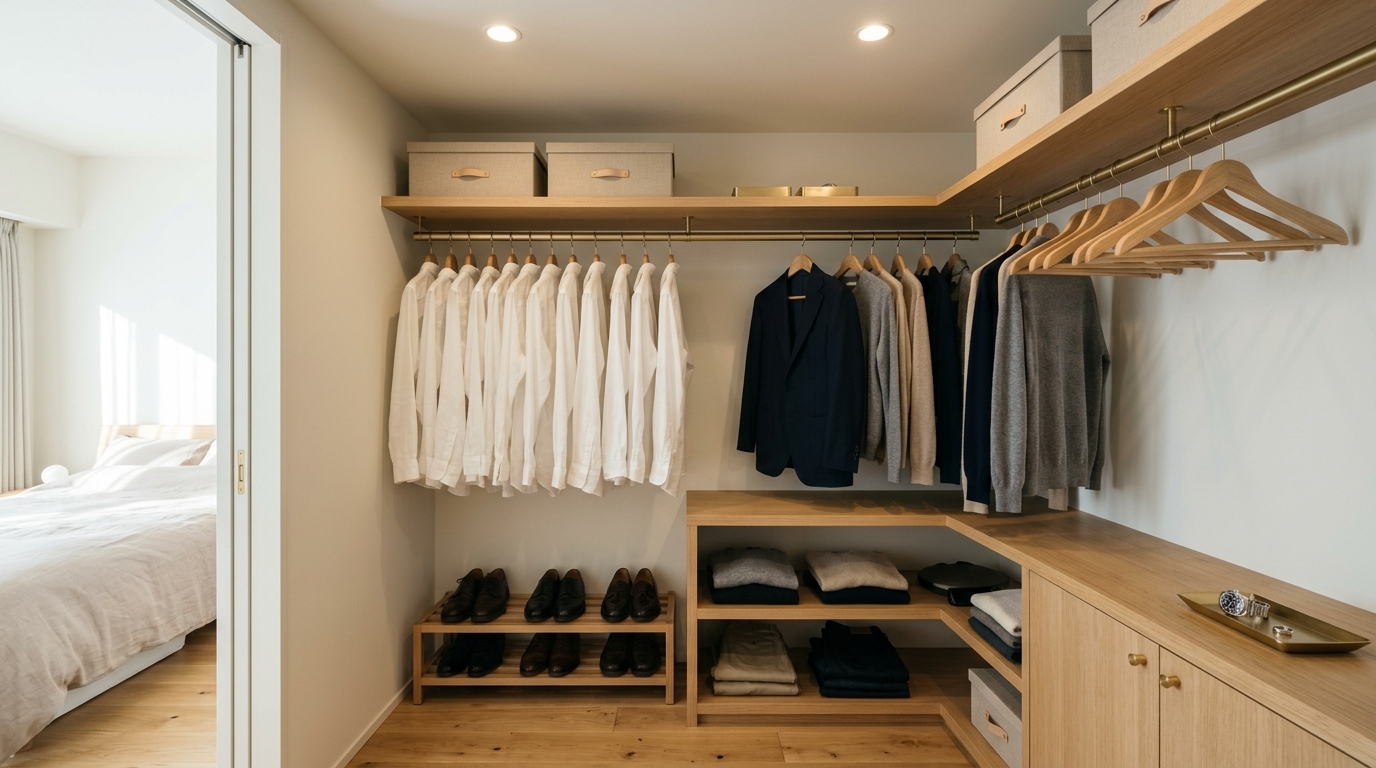
[Building Standards & Living] How to Turn the "S" in 2SLDK into a Walk-in Closet or Hobby Room
Rooms designated as "Service Rooms" due to natural light regulations under the Building Standards Act make superb centralized wardrobes, gear storage, or quiet home studios.
The Reality of Safety & Night Routes: Distinguishing Entertainment Alleys from Quiet Homes
Crime Patterns and Nighttime Precautions for Solo Women
Due to historical working-class downtown reputations or the broader label of "Adachi Ward," foreign newcomers and women moving alone often ask about safety. The factual answer is straightforward: Kita-Senju's safety profile is cleanly split between "specific pinpoint nightlife clusters right in front of the station" and "the peaceful residential streets just minutes away." With an understanding of local streets, women living alone can reside here with complete peace of mind.
According to official crime statistics from the Tokyo Metropolitan Police Department, recorded offenses are heavily concentrated in Senju 2-chome and Senju 3-chome directly adjacent to the West Exit. The vast majority of these incidents consist of late-night verbal disputes between intoxicated bar patrons, petty shoplifting near commercial hubs, and unattended bicycle theft outside the station plaza. Serious violent crimes affecting ordinary residents in the surrounding residential quarters are exceedingly rare, and the violent crime rate is by no means higher than around other major Tokyo hubs like Shinjuku, Ikebukuro, or Shibuya.
The famous "Drinking Alley" (Nomiyayokocho) in Senju 1-chome and 2-chome is filled with historic lantern-lit izakayas and lively crowds from dusk onward. While fantastic for weekend social gatherings, it can feel a bit overwhelming for someone walking home alone late at night. When seeking a calm walk home on the West side, take Senju Honcho-dori, located just one block south of Kita-road 1010. This street features underground utility lines, elegant clean paving, and bright, evenly spaced streetlights, making it open, safe, and pleasant at all hours.
On the East side, modern streetlights and surveillance cameras were systematically installed during recent university area redevelopments. Gakuen-dori is lined with bright LED lighting and open supermarkets and drugstores operating past 22:00, ensuring consistent foot traffic and passive surveillance. The walk home toward Senju Asahi-cho, Hinode-cho, or Yanagihara is exceptionally comfortable and secure, even for residents returning late from work.
Agent's Practical Tip: Nighttime Route Scouting
When viewing apartments in Kita-Senju, we strongly recommend walking the route from the station between 20:00 and 21:00 on a weekday evening, in addition to your daytime visit. The West Exit dining alleys look like sleepy old neighborhoods by day, but transform into spirited drinking districts at night. Checking whether your personal walking path has bright street lighting, steady foot traffic, and avoids narrow unlit alleys is the single best way to ensure everyday comfort after moving in.
From Lumine and Marui to Historic Alleys: Everyday Shopping & Dining
Kita-Senju blends upscale department store convenience with friendly neighborhood street markets. From daily pantry staples to gourmet gifts, casual weeknight dinners to weekend cafe hopping, everything you need is within a short stroll of the station.
Directly connected to the station concourse, Lumine Kita-Senju spans 9 floors above ground and 1 basement level. Its B1 food hall features high-end supermarket "The Garden Jiyugaoka" alongside gourmet deli counters and patisseries (open until 20:30)—ideal for picking up fine wine, imported cheeses, or ready-to-eat dinners. On the 2nd-floor station concourse, Seijo Ishii operates until 23:00 for late arrivals. Upper levels house Muji (7th floor), major bookstore Book 1st (8th floor), and a diverse restaurant floor, offering shopping on par with central department stores.
Connected via the West Exit elevated deck, Kita-Senju Marui (Senju Mil-dis) provides essential daily services. The basement and 1st-floor "Marui Shokuyukan" hosts fresh fishmongers, butchers, and confectioneries. Upper floors include electronics giant Nojima (7th floor), Kinokuniya Bookstore (8th floor), and Uniqlo (6th floor), covering all essentials when outfitting your new Tokyo home.
| Store Name | Location & Access | Operating Hours | Highlights & Best Use |
|---|---|---|---|
| Tobu Store Kita-Senju | West Exit ~5 min walk (Senju The Tower 1F, Senju 1-chome) | 9:00 - 22:00 | A spacious modern supermarket on the ground level of a landmark residential tower, stocking fresh produce and prepared meals for daily home cooking. |
| York Foods Senju | West Exit ~6-7 min walk (Senju 3-chome 2) | 10:00 - 21:00 | Large grocery supermarket under the Seven & i Holdings umbrella. Full selection of Seven Premium products, perfect for weekly bulk grocery trips. |
| My Basket Kita-Senju Station East | East Exit (Den-dai) ~2 min walk (Senju Asahi-cho 41-14) | 7:00 - 24:00 (Midnight) | Compact urban supermarket right by Gakuen-dori. Inexpensive produce and pantry essentials supporting East Exit residents from early morning until late night. |
| The Garden Jiyugaoka (Lumine B1) | Lumine Kita-Senju B1 Floor | 10:00 - 20:30 | Specialty grocery featuring international condiments, boutique wines, and artisanal ingredients directly connected to the train concourse. |
Beyond modern commercial centers, the historic street-level retail culture adds continuous warmth to life here. Along Shukubamachi-dori and Senju Honcho-dori, traditional butchers serve hot croquettes and yakitori, and handmade tofu shops greet regulars with welcoming conversation. In recent years, renovated traditional townhouses and historic storehouses have birthed hidden gems like Wakaba-do in Senju 1-chome and Cafe KANMIDOU in Senju 4-chome, offering comforting spots for weekend coffee and casual dining.
Flood Hazard Maps: Smart Selection of Building Structure and Floor Height
While Kita-Senju offers remarkable charm and convenience, real estate professionals must address objective geographic realities: the area sits on lowland terrain nestled between the Arakawa River to the north and the Sumida River to the south. Although the Senju Asahi-cho area around the East Exit lies on a slightly elevated historic sand spit, comprehensive flood preparedness is critical. Under the official Adachi Ward Flood Hazard Map (based on Ministry of Land, Infrastructure, Transport and Tourism standards for maximum possible precipitation of 632mm of rainfall over 72 hours across the Arakawa basin), much of the Senju area is designated with potential flood depths of 3.0 meters to under 5.0 meters (up to the second-story eaves). Floodwaters could take multiple days to recede in severe events, requiring clear professional criteria when choosing a rental home.
| Building Structure & Floor | Flood Resistance & Vertical Evacuation | Earthquake & Sound Insulation | Professional Assessment & Advice |
|---|---|---|---|
| Wood / Light-Gauge Steel (1st Floor) |
High risk of floor inundation; difficult to achieve safe vertical evacuation within the building | Soundproofing is inferior to RC structures; seismic performance varies widely by building age | Cheapest rents, but requires cautious evaluation for medium-to-long term living in potential flood zones. |
| Steel Frame (S Structure) (2nd Floor or Above) |
High probability of avoiding direct water intrusion on the 2nd floor and above | Standard earthquake resistance; soundproofing remains lower than solid concrete | Balanced rent and safety. Always verify whether electrical equipment is installed on the ground floor or basement. |
| Reinforced Concrete (RC / SRC) (3rd Floor or Higher Recommended) |
Rigid structure withstands water pressure and debris; vertical shelter-in-place works effectively | Superior seismic resilience, fire resistance, and acoustic insulation, substantially reducing neighbor noise | The most recommended housing standard in Kita-Senju. 3rd floor or higher fully clears projected flood levels (3-5m). |
Given this official data, our core recommendation for renting in Kita-Senju is to prioritize reinforced concrete (RC) or steel-reinforced concrete (SRC) apartments on the 3rd floor or higher. Sturdy concrete construction withstands water pressure and floating debris, and living on the 3rd floor or above places your home safely above maximum estimated water levels (3.0m to 5.0m), enabling safe shelter-in-place vertical evacuation during severe weather.
During property viewings and contract reviews, pay close attention to the location of electrical transformers and utility distribution rooms. If electrical switchgear is located in the basement or on the ground floor, floodwaters could trigger prolonged power outages and water shutoffs even if your 3rd-floor apartment remains completely dry. Ask your agent whether the electrical machinery is elevated or protected by water barrier plates at the building entrance.
When reviewing municipal disaster maps, note that local school names are written with the characters for Senju (meaning "one thousand autumns") rather than the district name's characters (meaning "one thousand residences"). Designated emergency flood shelters include Senju Honcho Elementary School (Senju 3-chome), Senju Aoba Junior High School (Senju Miyamoto-cho), and Juntoku Girls' High School (Senju 2-chome). Familiarizing yourself with walking routes to these facilities on hazard maps provides reassuring peace of mind before moving in.
Agent's Practical Tip: Living Wisely with Flood Risks
A shaded hazard map does not mean an area is unlivable; vast portions of central Tokyo's lowlands (including Chuo, Koto, Sumida, and Taito wards) share similar flood projections. Rather than feeling unnecessary anxiety, adopt three standard safeguards: choose an upper floor in an RC building, carry comprehensive tenant insurance with water damage riders, and map out your evacuation route in advance. With these simple measures, you can fully enjoy Kita-Senju's incredible urban convenience with complete confidence.
Crafting a Fulfilling Daily Life in Kita-Senju
Every resident has unique priorities when choosing a home in Tokyo. Some days demand maximum transit speed for demanding work schedules; other evenings invite a slow walk through friendly lantern-lit shopping streets. Kita-Senju effortlessly accommodates this spectrum of urban life with its 5-line network, warm community spirit, and contrasting West and East exit neighborhoods.
If you have any questions about the neighborhood, visa screening processes, or initial moving estimates, the bilingual team at Sorai Tokyo is here to help. You can connect with our 24/7 dedicated AI concierge on LINE (@soraitokyo / https://line.me/R/ti/p/@soraitokyo) with no Japanese phone number required, zero sales pressure, and no need to visit a physical office. We will gladly provide transparent second opinions on rental quotes and assist with guarantor-free apartments to ensure your relocation to Tokyo is smooth and transparent.
Feel free to explore our initial moving cost estimators and property assessment tools anytime at your own pace from your smartphone or desktop.
Frequently Asked Questions About Living in Kita-Senju
QI've heard mixed things about safety. Is Kita-Senju really safe for a woman living alone?
AYes, by choosing the right neighborhood zone and walking route, women living alone can live here comfortably and safely. Official police records confirm that reported incidents are concentrated around the drinking alleys directly in front of the West Exit, primarily involving late-night alcohol-related disputes and bicycle theft. In contrast, the East Exit (Den-dai Exit) along Gakuen-dori and Senju Asahi-cho features bright LED streetlights, security cameras, and steady foot traffic late into the evening. On the West side, simply using the well-lit, underground-cabled Senju Honcho-dori instead of narrow tavern alleys provides a reassuring, peaceful walk home.
QHow frequent are the originating trains on the Tokyo Metro Hibiya Line, and can I really get a seat?
ADuring morning peak commuting hours (7:00 to 8:00 AM), originating Hibiya Line trains depart every few minutes from the 3rd-floor elevated platforms (primarily Track 6). Even at peak times, by waiting through just one or two departures in the designated queue, you can reliably board and take a seat. Reaching major hubs like Akihabara, Ginza, and Roppongi seated and without transfers dramatically reduces daily commuting fatigue. Additionally, the direct internal transfer between the underground Chiyoda Line and the JR Joban Line without ticket gates lets you adjust your route dynamically based on real-time train operations.
QWhat should I look for in an apartment given the flood hazard risks from the Arakawa and Sumida rivers?
AIn the event of maximum hypothetical rainfall (632mm over 72 hours across the Arakawa basin), the municipal hazard map indicates potential inundation depths between 3.0 and 5.0 meters across much of the Senju district. Therefore, we strongly recommend renting in reinforced concrete (RC) or steel-reinforced concrete (SRC) buildings on the 3rd floor or higher. Living on the 3rd floor places your living space well above the 5-meter flood line, allowing safe vertical shelter-in-place. We also advise confirming that electrical distribution rooms are elevated and identifying designated local emergency shelters such as Senju Honcho Elementary School or Juntoku Girls' High School in advance.
QHow can I tell the difference between sub-districts like Senju 2-chome, 4-chome, and Senju Asahi-cho?
AChecking municipal zoning designations is the most reliable method. Senju 2-chome on the West side is a Commercial Zone (400-500% FAR), offering exceptional convenience for shopping and dining, but with greater likelihood of high-rise redevelopment on adjacent plots. Senju 4-chome transitions into Neighborhood Commercial and Residential zones, where historic alleys and renovated cafes create a quieter residential atmosphere. Senju Asahi-cho, Hinode-cho, and Yanagihara on the East side are primarily Category 1 Residential Zones, offering an open streetscape around Tokyo Denki University and direct access to the Arakawa riverside parks. Select the area that best matches your commute and lifestyle preferences.


Author: Sorai Tokyo Editorial Team (Supervised by Licensed Real Estate Agents)
A real estate consulting team specializing in assisting foreign nationals find rooms and explaining initial costs in Tokyo. We break down language barriers and differences in customs, offering dedicated support in Japanese, English, and Vietnamese for a safe and secure start to your new life.